Why Crape Myrtle Suckers Can Grow Back in Arizona After You Cut Them
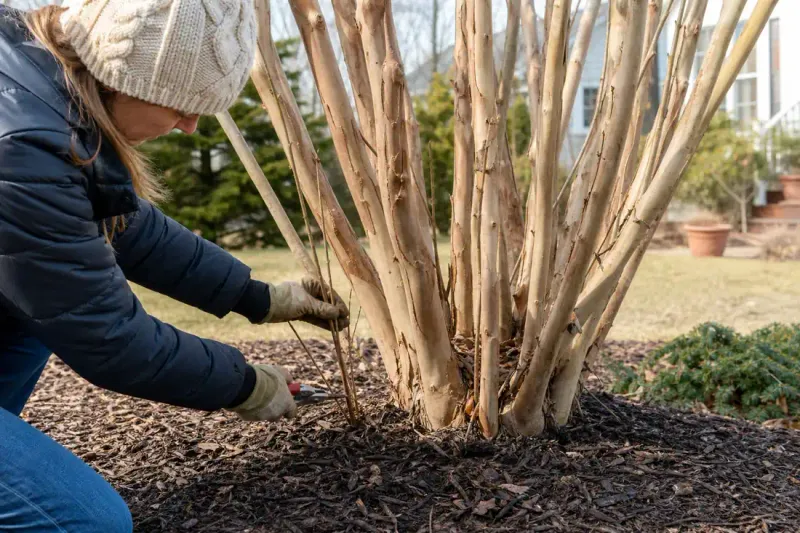
Crape myrtles are loved across Arizona for their summer flowers, so surprise shoots at the base can feel like an insult. You cut them off, and a few weeks later they are back.
Does that really go on forever, or is there a smarter way to handle it? A clear look follows at what is going on and what actually helps.
Why a Cut Shoot Can Return
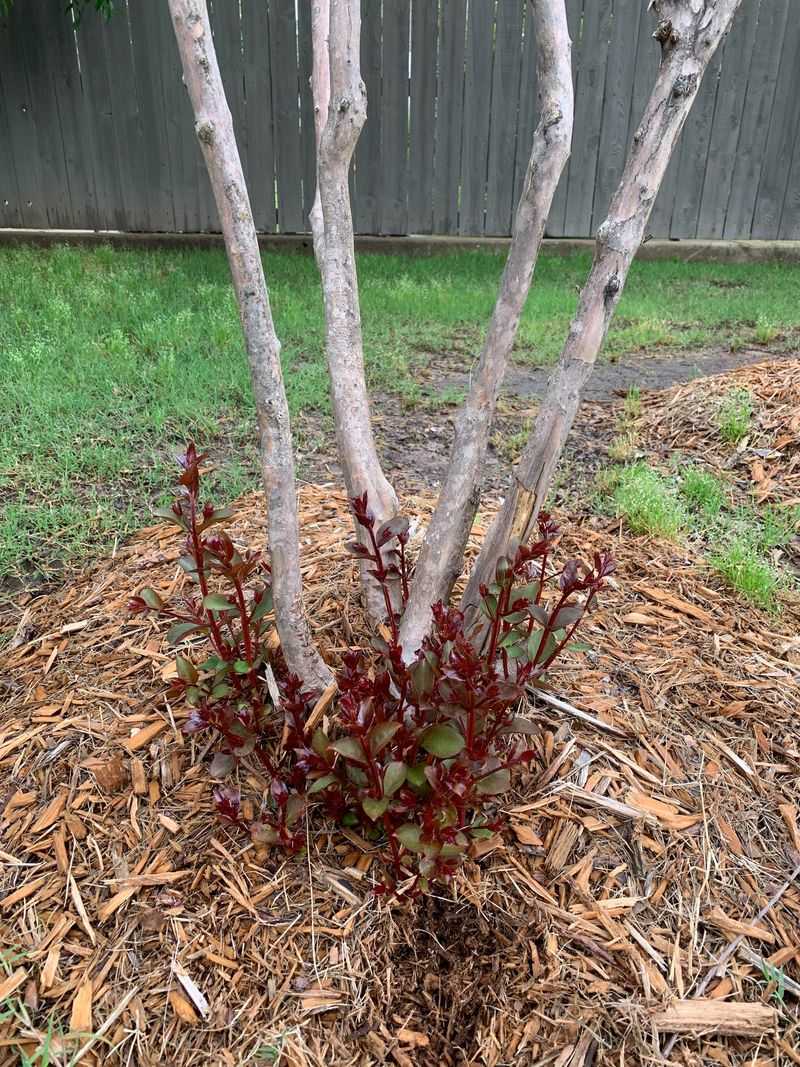
You snip a shoot at the soil line, feel pretty proud, and then spot a fresh one two weeks later. That is maddening, and it is not your imagination, because the visible shoot is only part of the story.
Many shoots connect to a living root or another point of origin hidden below what you can see. Cut off the top, and the connected root or origin point can send up new growth again.
Extension advice on crape myrtle root shoots describes them as persistent and treats repeated removal as a management approach. Over time, that repeated cutting can wear down the root’s stored energy, though no source promises a timeline.
So the old claim that shoots return no matter how often you cut them is too gloomy. Shoots can return after cutting, and that is the more accurate and useful way to say it.
The right response depends on where the shoot starts and whether you are keeping the parent tree. A shoot beside a tree you love needs gentler handling than one popping up after a stump removal.
The next sections walk through how to read your plant, what may trigger shoots, and what to do. Think of it as detective work, with a little patience and a sharp pair of pruners.
Identify Where the Shoot Begins
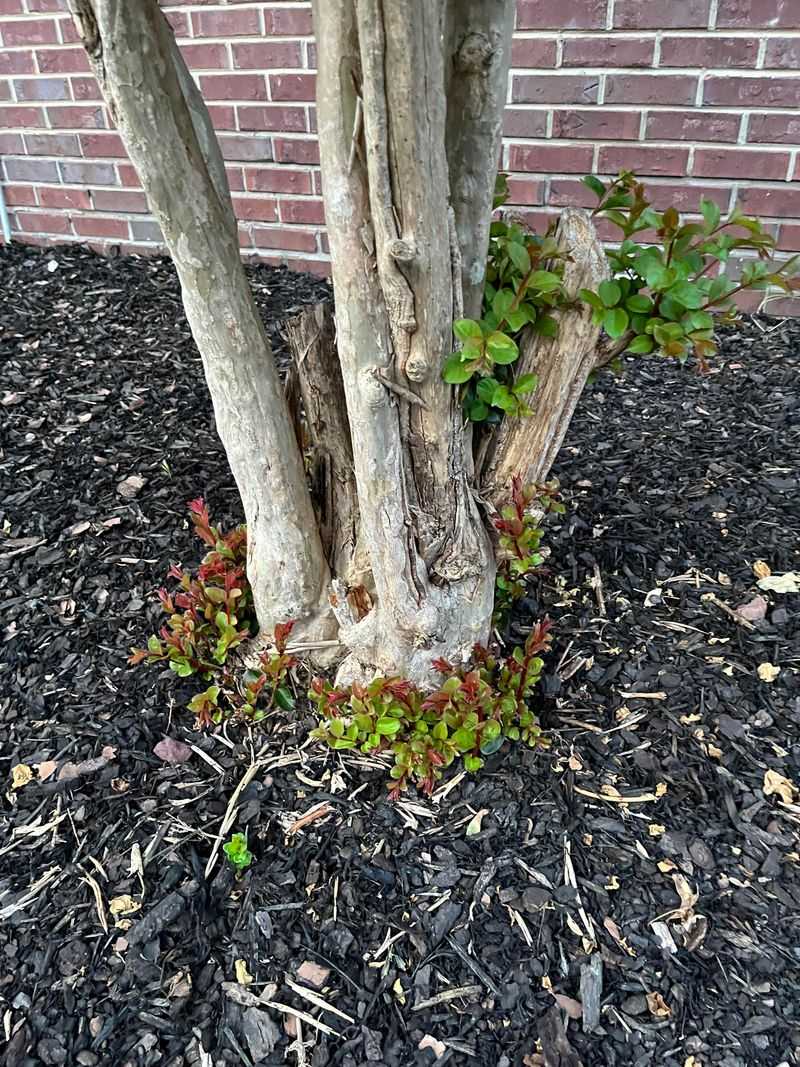
Before you cut anything, kneel down and trace the shoot with your fingers to find its starting point. A few quiet minutes of looking can save you months of repeating the same frustrating chore.
Root suckers grow from roots below ground, and they may appear some distance from the trunk. You might spot them poking up through the lawn or a gravel bed beside the walkway.
Basal sprouts come from the base of the trunk itself, right where the tree meets the soil. If the shoot is attached to trunk wood above the soil line, call it a basal sprout.
Water sprouts are the upright shoots that grow higher up, from branches or the upper trunk. Georgia and Florida Extension guides use these terms separately, and the labels matter because the fixes can differ.
Try a simple test by gently brushing back soil around the shoot’s base to see where it connects. A shoot that follows a root away from the tree is a root sucker, not a basal sprout.
Take a quick photo and note the spot, since the point of origin shapes every choice that follows. Keeping or removing the parent tree is the other half of the question, and later sections cover both.
Protect Roots and Trunks from Equipment
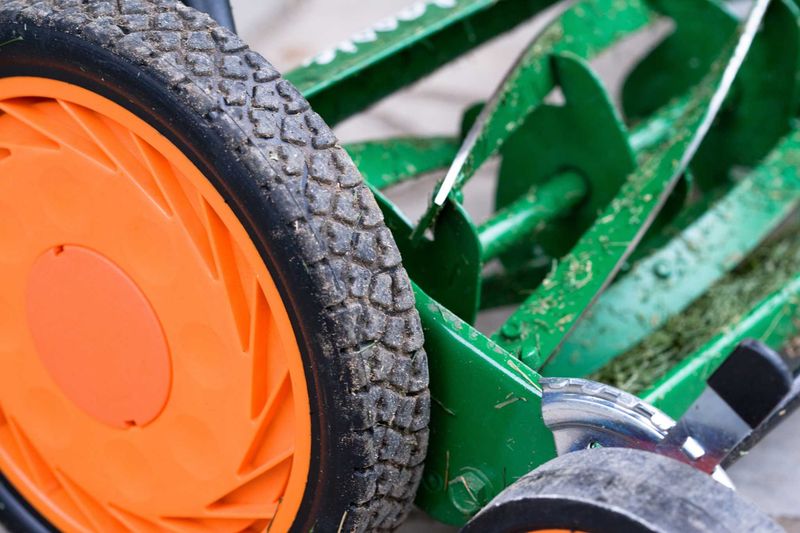
Lawn crews zip around trunks all the time, and one nick from a trimmer can leave a lasting mark. Root or trunk injury from mowers, trimmers, or heavy equipment can prompt root suckers, according to University of Georgia Extension.
Think about how a wounded tree might respond by sending up new growth from roots nearby. That is a plausible link, though it is not a proven reason behind every shoot you find.
Walk your yard and look closely at the trunk base for scrapes, gouges, or torn bark. Check the surface roots too, since a mower deck can clip them without you ever noticing.
A simple prevention step is to keep mowers and string trimmers well away from the trunk. Many gardeners edge a clear ring around the tree by hand to mark the no-mow zone.
Hand tools work well near the trunk, and they give you more control than a spinning line. Ask any hired crew to follow the same rule, and point out where the roots run.
Fewer wounds may mean fewer shoots, but it is a sensible habit rather than a guarantee. If shoots appear anyway, injury was probably not the only cause, so keep checking where they start.
Avoid Hard Pruning as Sucker Control
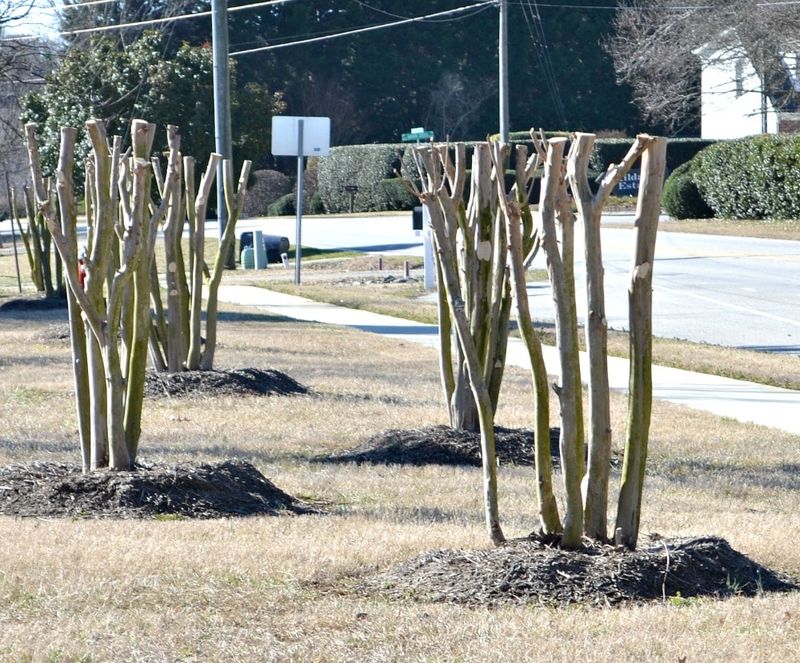
Chopping a crape myrtle back hard feels decisive, like you are showing the shoots who is boss. Unfortunately, University of Florida guidance says hard pruning can stimulate sprouting from roots, upper stems, or main stem bases.
So topping the canopy is not a sound way to control suckers, and it may add more work. Severe cutting is a separate issue from accidental injury, though both can be potential contributors to shoots.
Neither one explains every case, so do not blame yourself if a lightly pruned tree still sprouts. Some shoots simply come with the tree, and a few more may show up after any big cut.
Small suckers are a different job from major pruning, and mixing them up causes confusion in fall. October can be a fine month for snipping a few young shoots right at the base.
Georgia Extension cautions against early-fall pruning of the tree itself because it may force new growth before frost. That advice comes from Georgia, so treat it as a regional caution rather than an Arizona calendar rule.
If your crape myrtle needs shaping, take light cuts and leave the heavy work for another plan. Gentle trimming keeps the tree’s natural form and gives you fewer surprises at the trunk base.
Different Varieties Can Sucker Differently

Walk through two neighbors’ yards and you may find one crape myrtle ringed with shoots and one spotless. Plant differences can help explain that gap, so your tree may not match the one next door.
University of Arkansas Extension notes that some crape myrtle varieties sucker regularly, while others produce few or none. That is a report from Arkansas, so it should not be stretched into a rule for every cultivar.
Nobody can promise how your particular tree will behave just from its name or its flower color. If you know the variety, a nursery tag or the original receipt might offer a helpful clue.
Shoot load can also reflect a tree’s history, such as past injury or some very heavy pruning. Variety is one possible factor and not a master explanation, so check the other clues too.
If you are shopping for a new tree, ask the nursery how much that variety tends to sucker. Their answer will not be a guarantee, but it beats finding out after three long summers.
Meanwhile, keep records of where shoots appear each year, since patterns can reveal more than guesses. A short dated note on your phone is plenty for spotting useful trends across several seasons.
For a Tree You Are Keeping, Remove Small Shoots
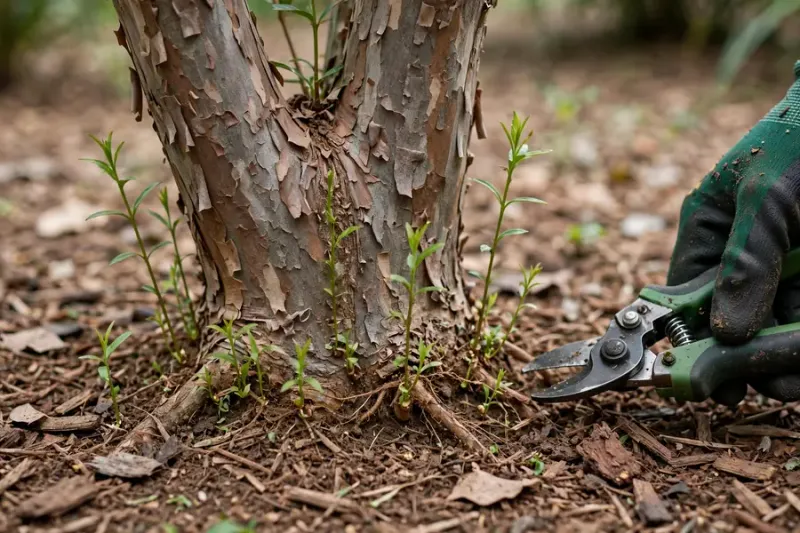
Young shoots are the easy ones, soft and green, and they often snap or snip off with little effort. Catch them early and you save yourself a long wrestling match with tough woody stems later.
University of Florida Extension notes that basal suckers can be pruned at any time, though repeated removal may be needed. So plan on several short rounds of snipping rather than one heroic afternoon with the loppers.
Cut each shoot close to its point of origin where practical, so you do not leave a leafy stub. Sharp, clean pruners make tidier cuts, and tidy cuts are much easier to find next time.
For a shoot from a root, follow it gently to where it joins and cut there if you can. Expect that some may return, since this is ongoing management and not a guaranteed permanent fix.
Removing small basal suckers is a light chore and not the same as major fall pruning of the tree. Save any larger cuts for a better moment, and keep your fall work gentle and light.
Skip the spray bottle for now, because chemicals on shoots attached to a living tree carry real risk. Section eight explains why, and it is well worth reading before you reach for anything strong.
After Tree Removal, Reach the Root Connection
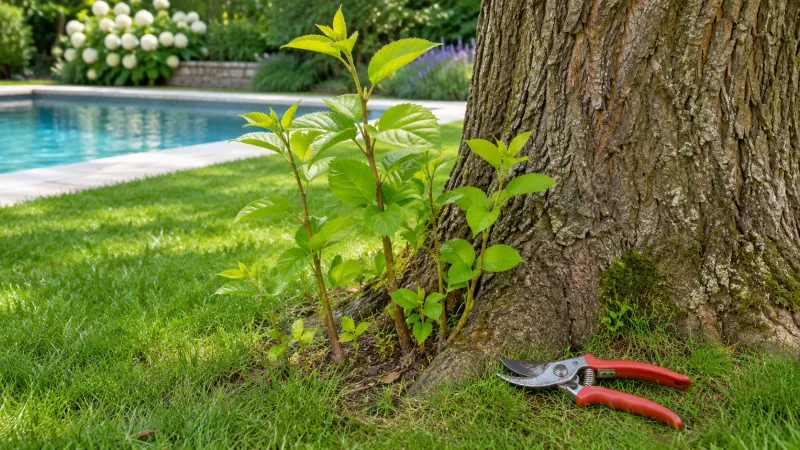
A stump gone and a lawn restored should feel like victory, until little green shoots start marching up. Roots left in the ground can keep sending shoots, and this problem needs a different plan.
Cutting at ground level only removes what you can see, so it often brings the shoot straight back. The connection underground is the real target here, and reaching it takes a bit of patient digging.
One mechanical approach described by Extension is digging a few inches below ground to remove the shoot and its connection. Use a trowel or small spade, and follow the shoot down to where it joins the root.
Roots can use stored reserves to produce further growth, so one round of digging may not finish things. Repeated removal may be necessary, and no reliable source offers a quick or certain end date.
Check the area every couple of weeks during warm months, since fresh shoots are easiest to handle when small. Mark each spot with a flag so you can see whether the same root keeps producing.
Ask Extension also covers ways to treat roots and stumps, though those options come with extra cautions. Section eight sorts out the herbicide question so you can compare it with plain old digging.
Choose Herbicide Advice by Treatment Target
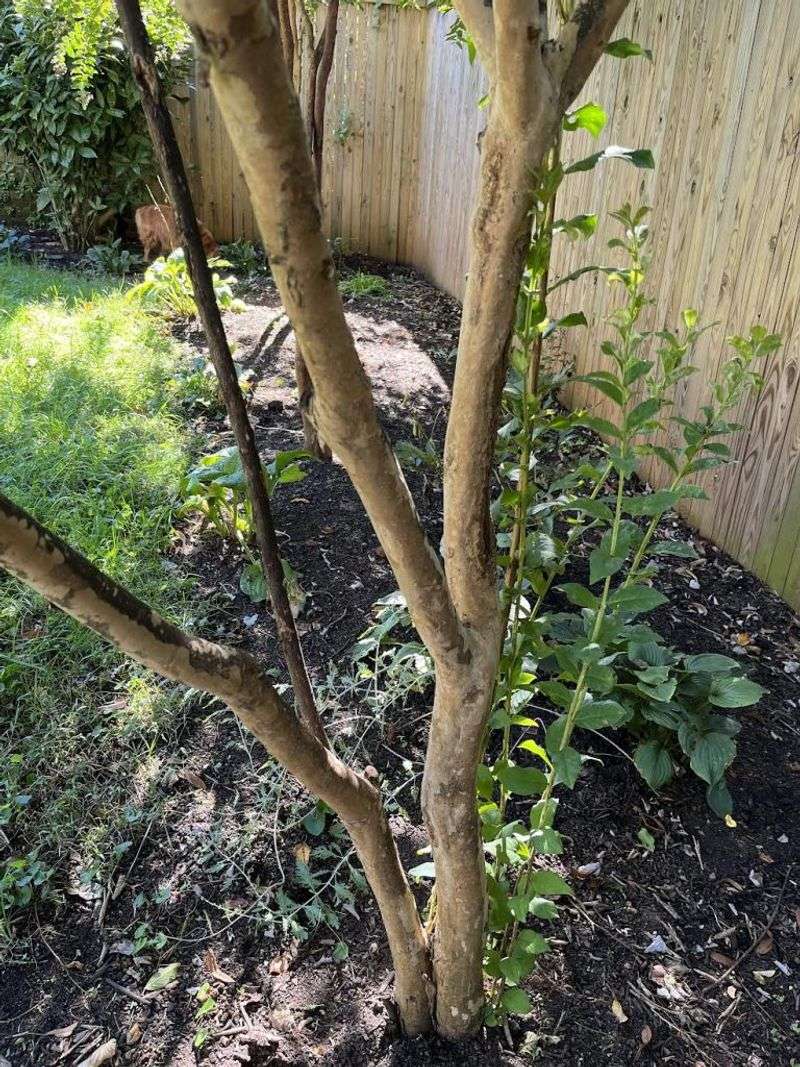
Reaching for a spray bottle is tempting when shoots keep coming, but the target matters a great deal. Advice for a living tree and advice for a removed tree’s roots are two very different things.
Ask Extension discusses labeled herbicide options for crape myrtle suckers, yet it also flags a serious risk. Systemic products absorbed by suckers on a living tree may travel on and harm the parent.
So if you want to keep the tree, please do not casually spray the suckers around it. Hand removal near the origin is the safer path, even though it takes more repeat visits.
For a stump or roots left after removal, herbicide may be considered as one option among several. Even then, the product label is your rulebook, and it overrides any general blog advice, including mine.
Read the label for the listed plants, the method of application, and any weather or safety limits. If the label does not describe your situation, treat that as a clear reason to pause.
Check the University of Arizona Extension herbicide guidance for Arizona landscapes before you buy or mix anything. Neighboring plants, irrigation lines, and nearby roots can all be affected, so go slowly and read twice.
What the Evidence Says About Arizona
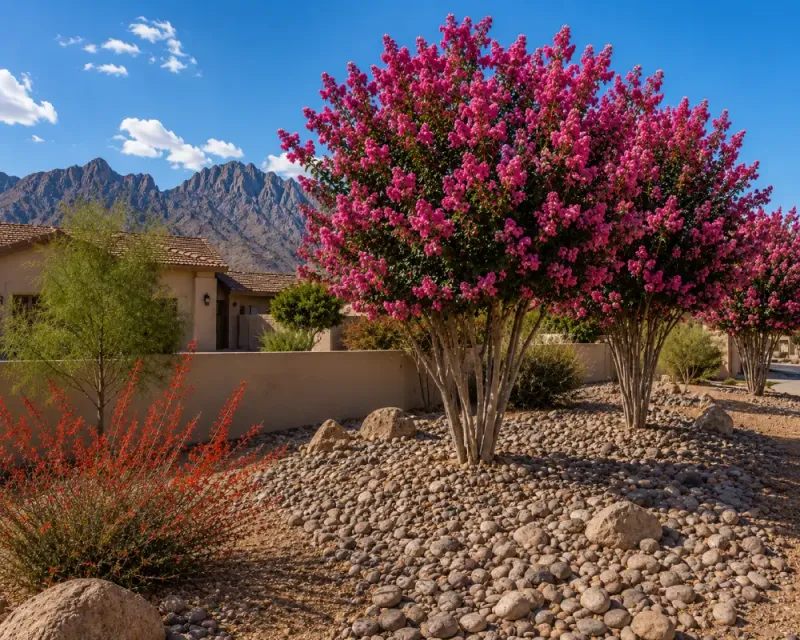
The University of Arizona Campus Arboretum describes crape myrtle as a widely sold landscape shrub or small tree. So plenty of Arizona homeowners share your puzzle about shoots that keep turning up around the base.
What we cannot say is that Arizona heat or desert soil causes the suckering, because no source shows that. The sources I found describe the plant’s presence in the state, not some special local cause.
Regrowth is also not endless, since repeated removal is a way to manage persistent shoots over time. Your tree holds no secret grudge against you, and your yard is certainly not under a curse.
Start with the origin: root, trunk base, or higher branch, then decide whether the parent tree stays. Keep it, and you snip small shoots near their source, but remove it, and you dig to the connection.
Patience pays off here, because steady and careful rounds of work do add up over a season. Check back each fall, and let the pruners do their quiet work.
Treat each new shoot as a small clue and not a verdict on your gardening skills. Find where it starts, and you have already won half of the battle.