The Spring-Blooming Tree South Carolina Nurseries Can No Longer Sell
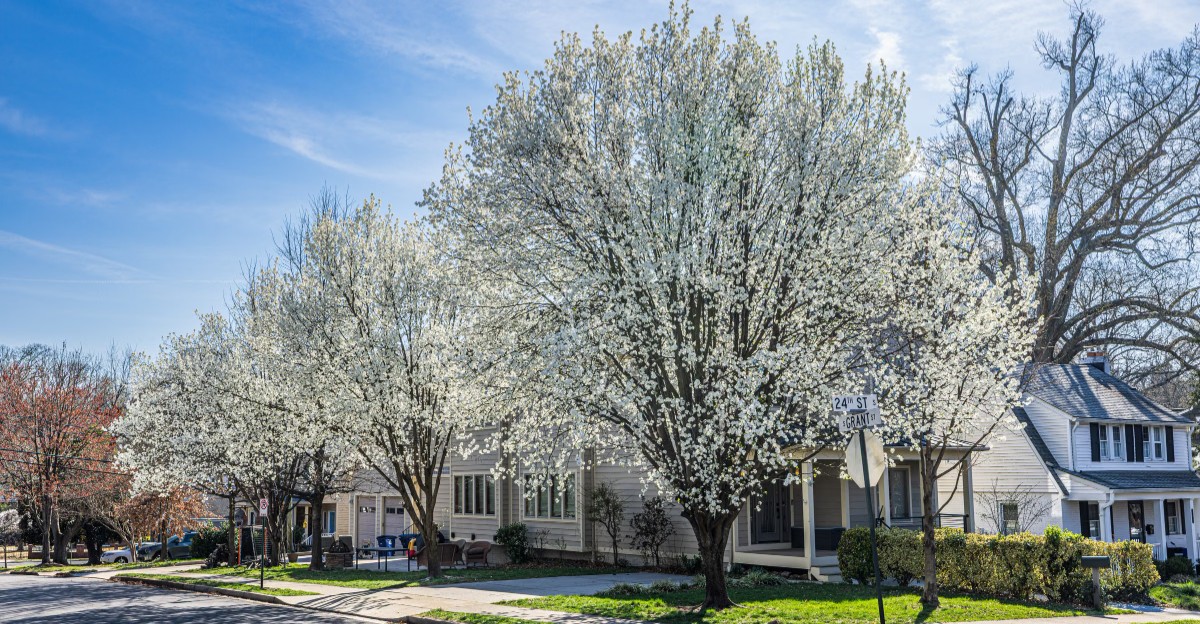
A tree once sold as a tidy, fruitless street favorite now has a sales ban in South Carolina.
Yes, a tree with snowy spring flowers got shown the door. Garden centers here can no longer legally sell it, and that rule took effect in October 2024.
Not going to lie, I planted one years ago and felt pretty proud of it. It grew fast, bloomed early, and looked like a wedding bouquet on a stick. Then spring arrived, and so did a smell my family compared to old seafood.
Here’s what gets me most. The original tree was praised for being seedless, yet its offspring now crowd roadsides and old fields with thorny thickets. Birds helped make that happen without anyone noticing at first.
How did a beloved yard tree go from best seller to banned plant, and what should you do if one stands in your yard right now?
Those Clouds Of White Pear Blossoms Hide A Messy Secret
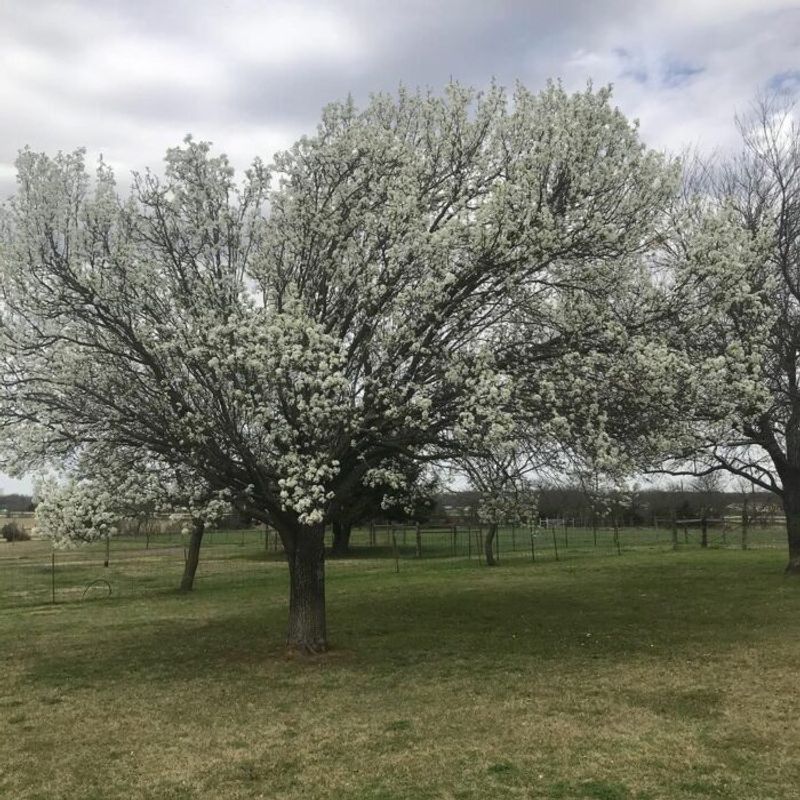
Every March, roadsides across the Southeast seem to wear a fluffy white coat. Most of those early blooms come from the Callery pear, better known by its famous cultivar, the Bradford pear.
Nurseries pushed it hard starting in the 1960s. It grew quickly, had a neat teardrop shape, and turned red and purple in fall. Developers loved it because a new neighborhood could look finished in just a few years.
I used to think the only downside was the smell. Those flowers give off a scent many people compare to rotting fish, and once you notice it, you cannot unnotice it.
The bigger problem stayed hidden for decades. The tree was sold as sterile, meaning a single Bradford could not make good fruit with itself. Fun fact: the species came from China and was brought to the U.S. in the early 1900s to help fight fire blight in common pears.
That plant breeding story sounded harmless at the time. Nobody expected that planting many different pear cultivars close together would change the whole picture. Once other Callery types showed up nearby, the so-called fruitless tree started making small fruits filled with seeds, and the trouble began spreading quietly.
South Carolina Pulled Callery Pear Trees Off Nursery Shelves
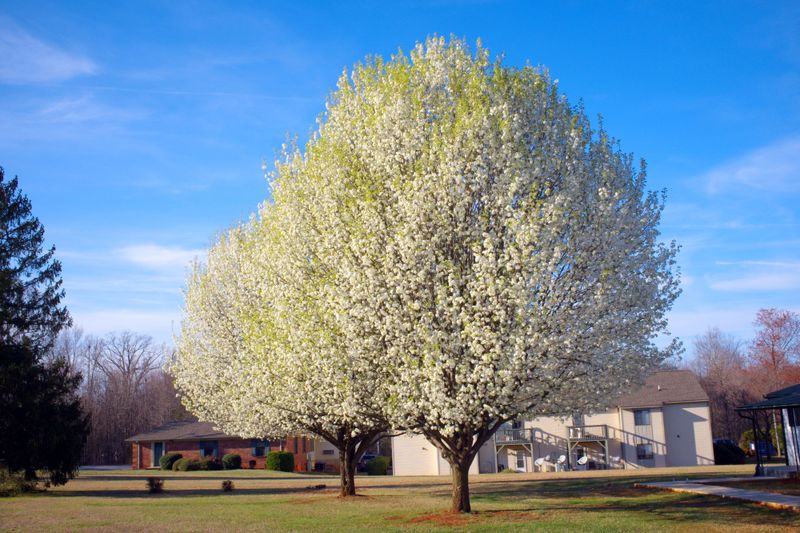
October 1, 2024 marked a real turning point for Palmetto State gardeners. On that date, a state rule made it illegal to sell Bradford pears and other trees on Pyrus calleryana rootstock.
The regulation comes through the Clemson University Department of Plant Industry, which oversees plant pest and invasive plant rules. Three Elaeagnus species, including thorny olive and autumn olive, landed on the same restricted list.
South Carolina became only the second state to stop these sales, following Ohio. That puts our nurseries ahead of most of the country on this issue.
Why give sellers a heads up? Officials announced the change years earlier, so growers had time to clear inventory and switch to other trees. That gap helped businesses avoid big losses.
The rule targets sales, not homeowners. You will not get a ticket for an old pear in your front yard.
Fruiting pears you buy for eating can still be sold if they are grafted onto approved rootstock. Ask your garden center which rootstock a pear tree uses before you buy. A good nursery worker will know, and that one question keeps you on the right side of the law.
Hungry Birds Carry Tiny Pear Fruits Far Beyond Your Fence
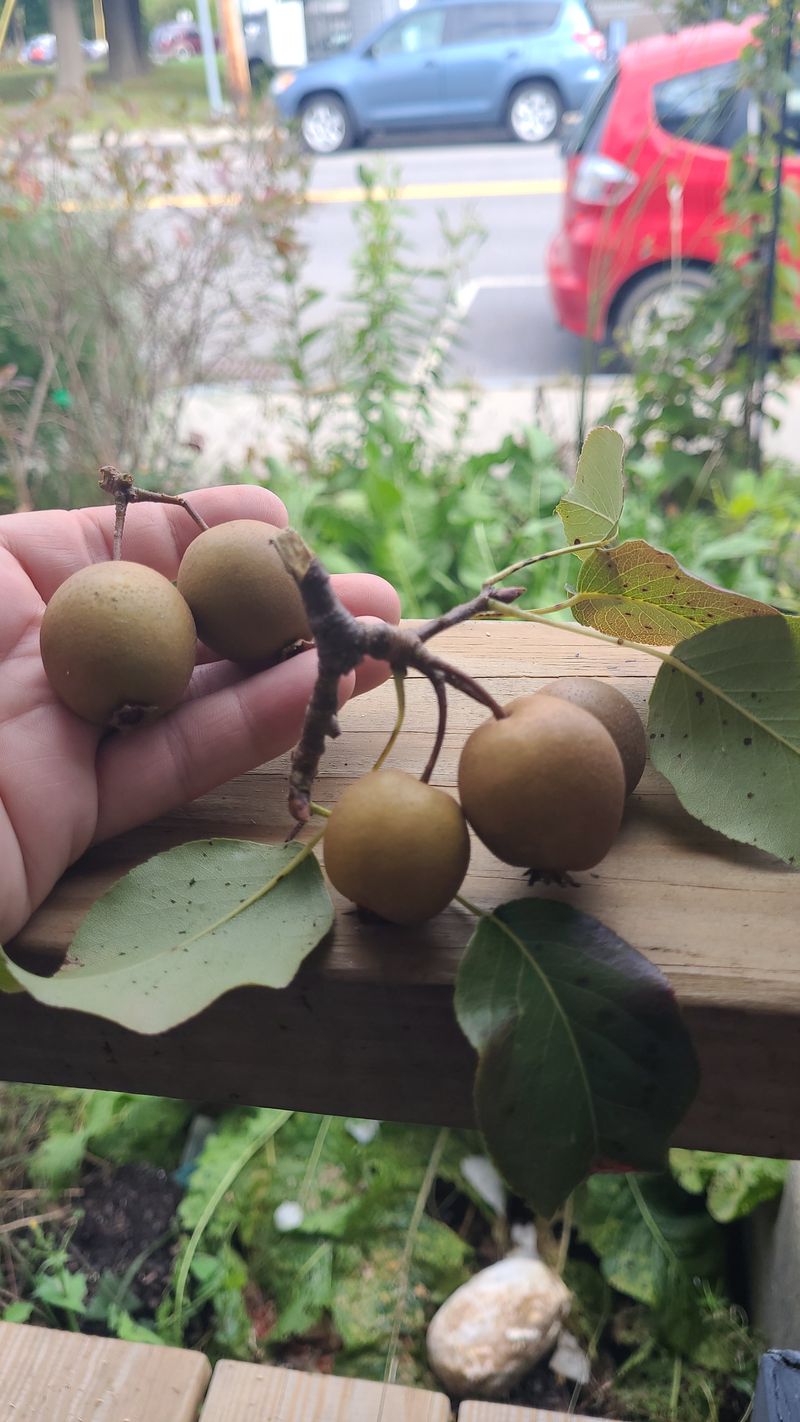
Watch a Bradford in late fall and you may spot clusters of hard little fruits, about the size of a pea. Robins, starlings, and cedar waxwings gobble them up.
Here is the catch. Different Callery pear cultivars, like Bradford, Cleveland Select, and Aristocrat, can pollinate each other. Wild seedlings and rootstock sprouts join the mix, so plenty of fruits end up holding seeds that can grow.
Birds then drop those seeds along fence lines, power line corridors, and highway shoulders. A few years later, a wild pear thicket pops up where nobody planted a thing.
Penn State and Clemson experts both describe how fast these seedlings take over open ground. They tolerate poor soil, drought, and heavy clay, which describes a lot of South Carolina roadsides.
Wild pears leaf out early and hold leaves late. That long growing season gives them a head start over native shrubs and young trees.
You can actually see the spread in early spring. Drive any interstate around March and look for white patches in the tree lines. Many of those are not planted at all. They are escaped pears that grew from bird droppings.
Wild Pear Thickets Come Armed With Long Sharp Thorns
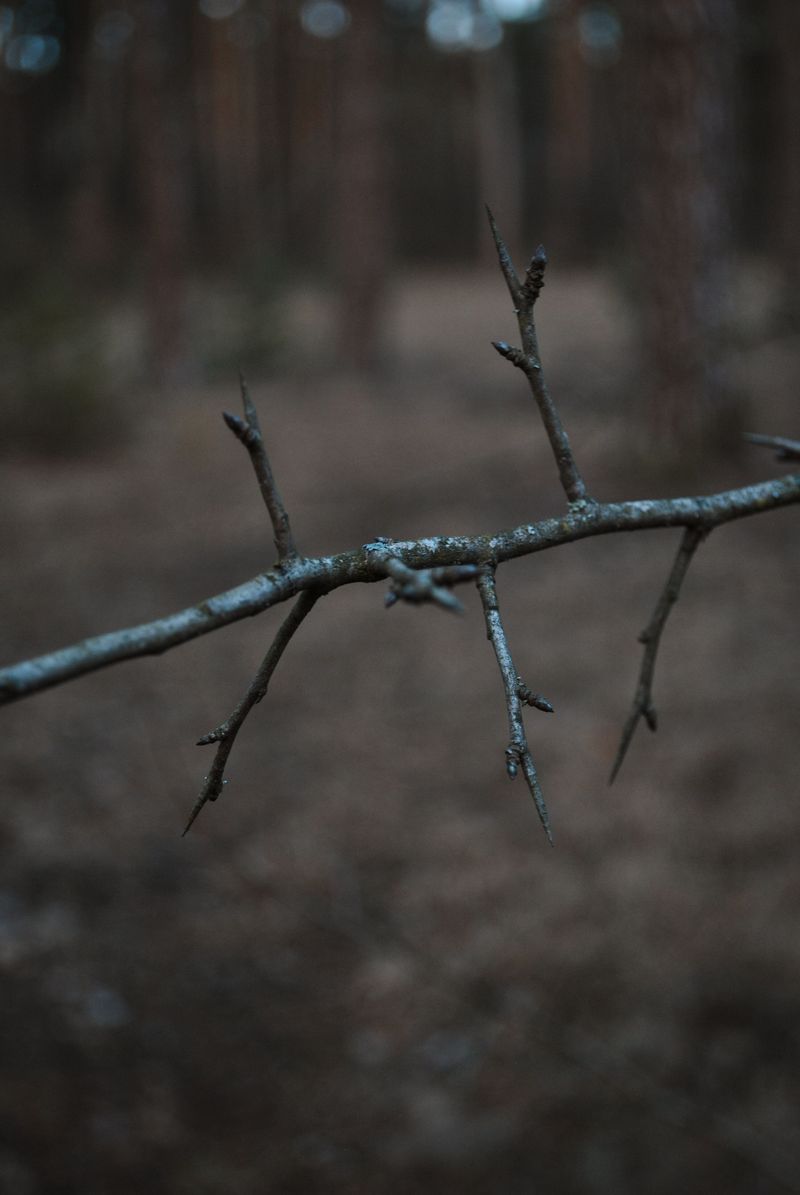
Ask any farmer who has mowed a pasture full of wild pears, and you will hear some colorful stories. Escaped Callery pears often grow thorns that can reach a few inches long.
Those spikes can puncture tractor tires and scrape livestock. Hikers and hunters who push through a thicket usually come out with scratched arms and torn sleeves.
Planted Bradfords mostly lack thorns. The prickly traits return in the seedlings, which tend to look more like their wild ancestors from Asia.
Thickets also crowd out native plants. Once a dense stand forms, it shades the ground, leaving less room for wildflowers, grasses, and young oaks or hickories that wildlife depend on.
Pastures, old farm fields, and forest edges take the hardest hit. Land managers spend real money and hours cutting and treating these stands, and many sprout right back from the stump.
Want a quick way to tell a wild pear from a native plum or cherry? Look for glossy, rounded leaves with fine teeth and spiky side shoots. If you find several along your property line, mark them now so you can manage them in late summer or fall.
Bradford Pear Branches Love To Split Apart In Storms
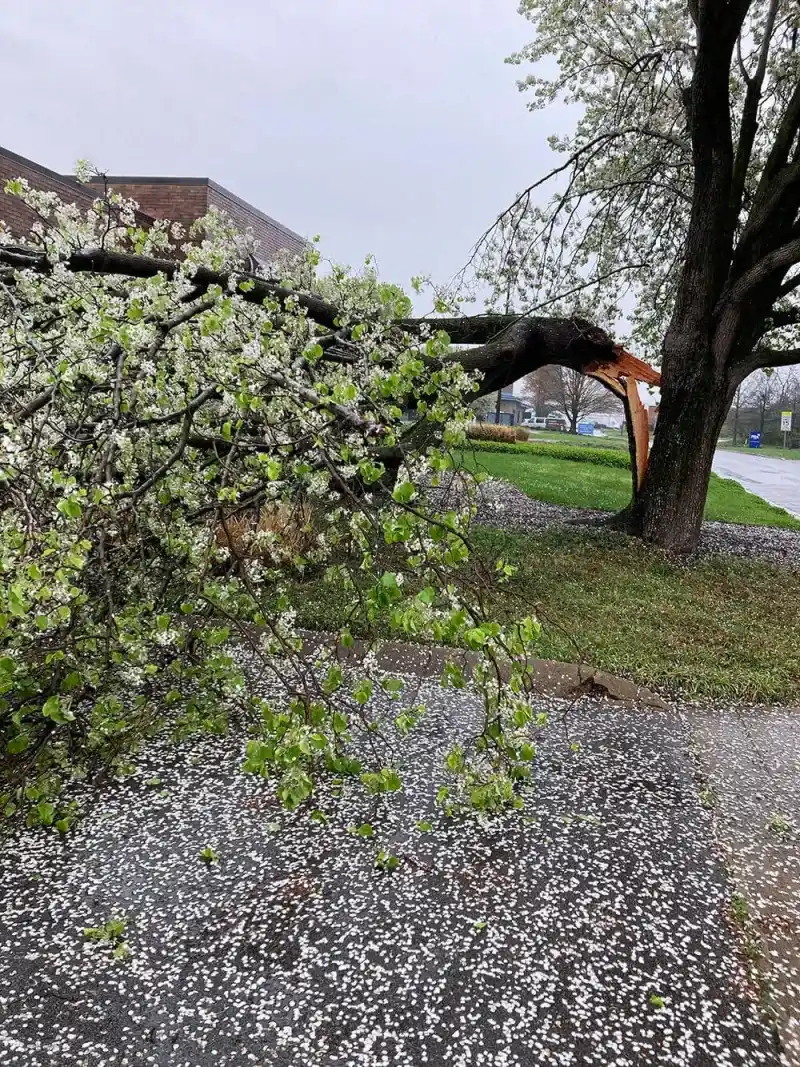
Guilty as charged, I once blamed a thunderstorm for wrecking my tree. Truth is, the Bradford pear was built for trouble from the start.
Its branches grow upward from one spot on the trunk at tight, narrow angles. Bark gets pinched between those limbs, which leaves weak joints with little real wood holding them together.
Around 15 to 20 years old, many trees reach a heavy, crowded size. Then a strong wind, ice storm, or even a heavy load of spring leaves can split the trunk right down the middle.
That means falling limbs on cars, roofs, fences, and power lines. Arborists see this pattern so often that many joke the tree has a built-in expiration date.
Pruning can help a little on young trees by thinning crowded limbs. Older trees with deep splits rarely recover well, and patching cracks with bolts or cables gets costly.
Check your tree from the ground this season. Look for long cracks where big limbs meet, dark weeping bark, or a crown leaning one way. If you spot those signs over a driveway or house, call a certified arborist for a safety check before hurricane season.
Trade That Pear Tree For A Free Native Through The Bounty Program
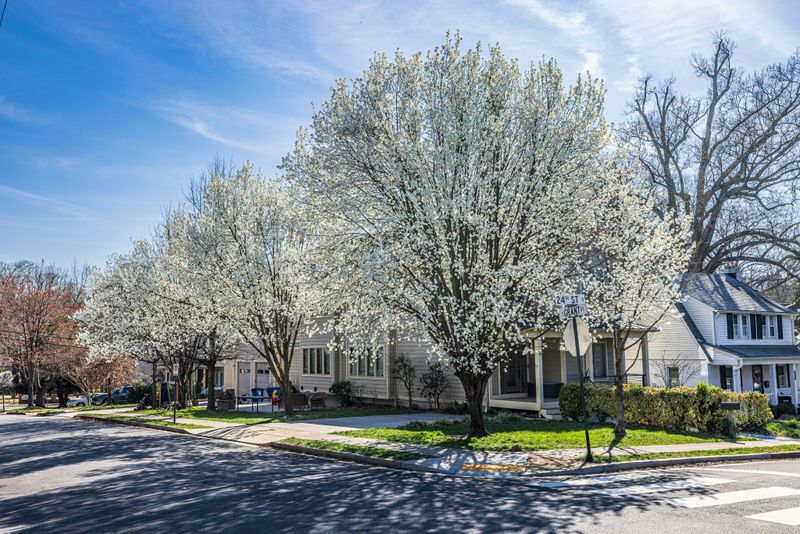
Keeping an old pear in your yard is legal. Still, foresters and extension agents in South Carolina strongly encourage removal to slow the spread.
Clemson Extension has partnered with groups like the South Carolina Forestry Commission on Bradford Pear Bounty events. Homeowners cut down a pear, send a photo, and pick up a free native tree. Supplies are limited, so check the Clemson website or social pages for the next event near you.
Removal works best with a plan. Cut the trunk low, then treat the fresh stump right away with an herbicide labeled for stump use, following every label direction. Without that step, the stump often sends up a crowd of sprouts.
Big trees near houses or wires belong to the pros. A licensed tree service has the gear to drop heavy limbs safely.
Small wild seedlings are easier. Pull them when soil is moist, using gloves since some carry thorns.
Timing matters too. Late summer through fall suits stump treatments, and cutting before the tree sets fruit stops one more round of seeds from reaching the birds.
Redbuds, Dogwoods, And Serviceberries Bring Spring Flowers Without The Baggage
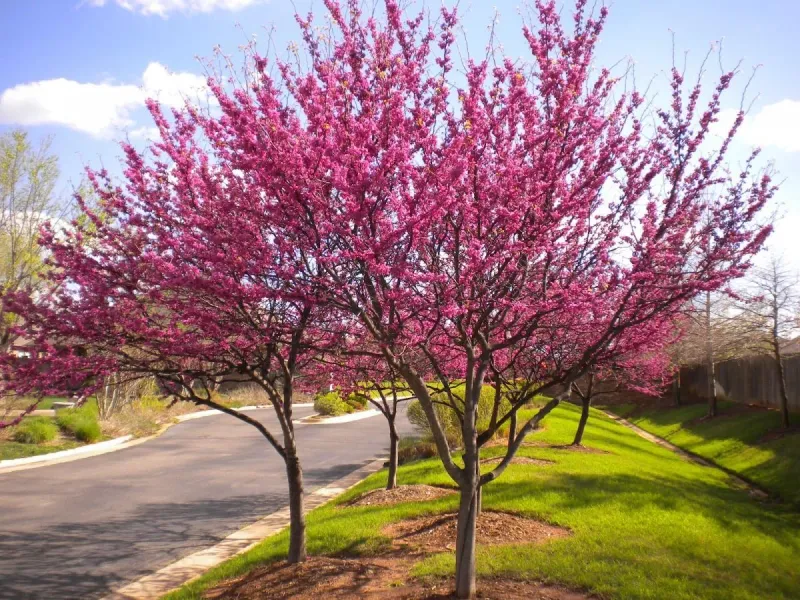
I’m a sucker for spring flowers, so giving up a pear felt like a sacrifice at first. Then I planted natives, and honestly, I never looked back.
Eastern redbud covers bare branches in bright pink-purple blooms around March. It handles most of South Carolina, from the Upstate mountains to the coast.
Flowering dogwood gives you white bracts in April and red berries birds adore in fall. It prefers a bit of afternoon shade and well-drained soil.
Serviceberry blooms early with lacy white flowers. Its small purple fruits taste like a blueberry crossed with an almond, if you can beat the birds to them.
White fringetree offers fragrant, wispy blossoms that look like fluffy beards hanging from the branches. Sweetbay magnolia loves wetter Lowcountry yards and smells like lemon.
Plant container trees in fall or late winter while roots can settle before summer heat. Water deeply once a week the first year, and spread mulch in a wide ring without piling it against the trunk. Your local wildlife, from bees to bluebirds, will thank you for the upgrade.