What It Means When Armadillos Vanish From Your South Carolina Yard In Winter
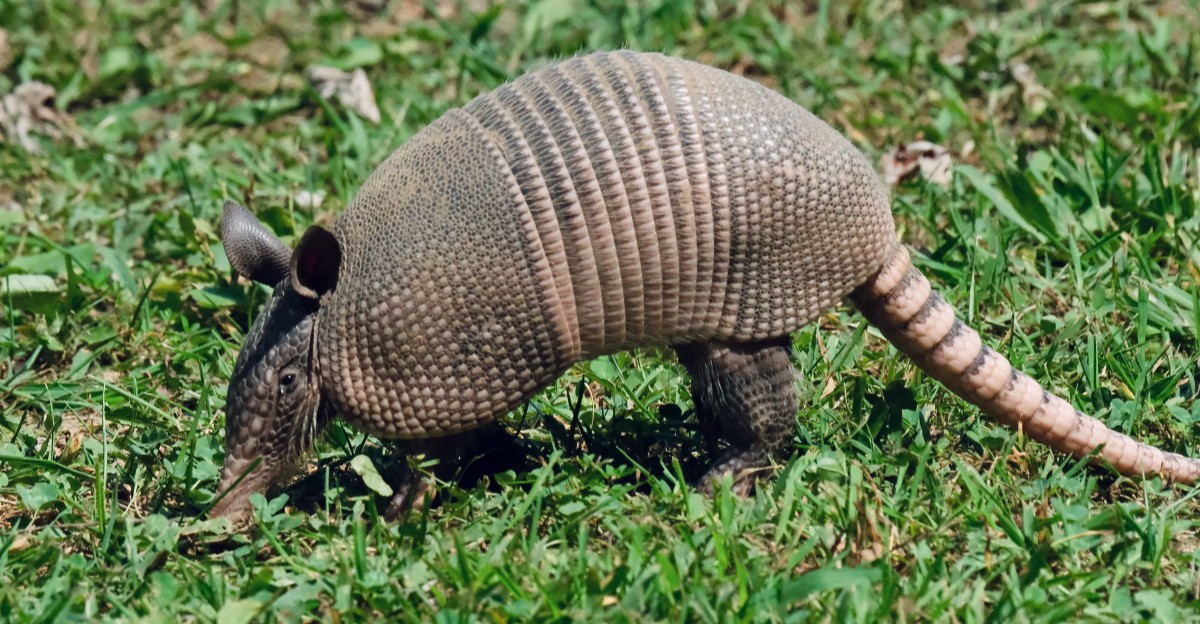
A creature wearing its own suit of armor has a surprising weak spot. It shivers easily, because it carries very little body fat and almost no fur.
I learned this after weeks of patching little holes in my lawn every morning. Then one January week, the holes simply stopped. No fresh dirt, no torn-up mulch, nothing.
You’d think a digger that tough would handle a chilly night in South Carolina with ease. Truth is, a long cold spell can be a real struggle for this animal, and it changes its whole daily routine to cope. Some even hunt in broad daylight once the air turns cold.
Then where does a yard bandit go when the frost settles on the grass? And why does it sometimes show up again on a sunny afternoon, as if nothing happened?
That Quiet Armadillo Burrow Is Probably Still Occupied
Most mornings in January, my lawn looked oddly peaceful. I assumed my armored visitor had packed up and moved on, but I was wrong.
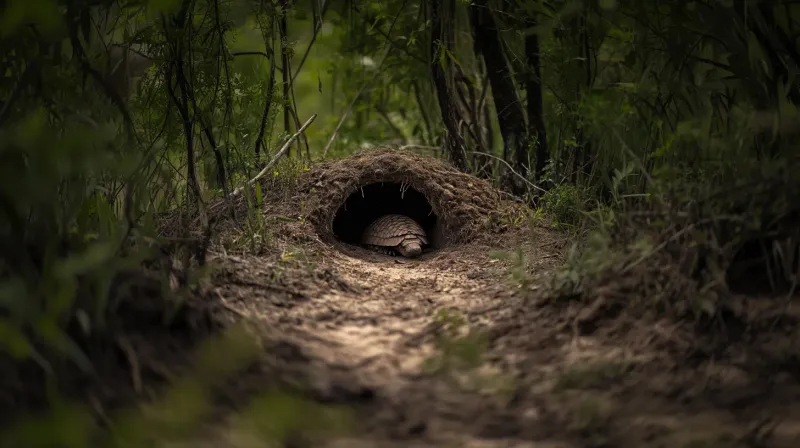
Nine-banded armadillos do not migrate, and they do not truly hibernate like groundhogs. When the weather turns cold, they mostly stay put in underground burrows, where the soil holds steadier temperatures than the open air. A quiet yard usually means the digger is resting nearby, not gone for good.
Their bodies explain why. Armadillos have a low body temperature for a mammal and very little fat to burn. They also lack a warm fur coat, so a cold night costs them a lot of energy.
Staying underground helps them save that energy. They may sleep through several chilly days in a row and only poke out when conditions improve. Wildlife experts note that long freezes can be hard on them, which is one reason their range has limits to the north.
So before you celebrate, take a closer look around your property. Check under decks, sheds, brush piles, and thick shrubs for a round opening about seven or eight inches wide. That hole may be the winter address of your missing guest.
Cold Weather Flips The Armadillo Schedule To Daytime
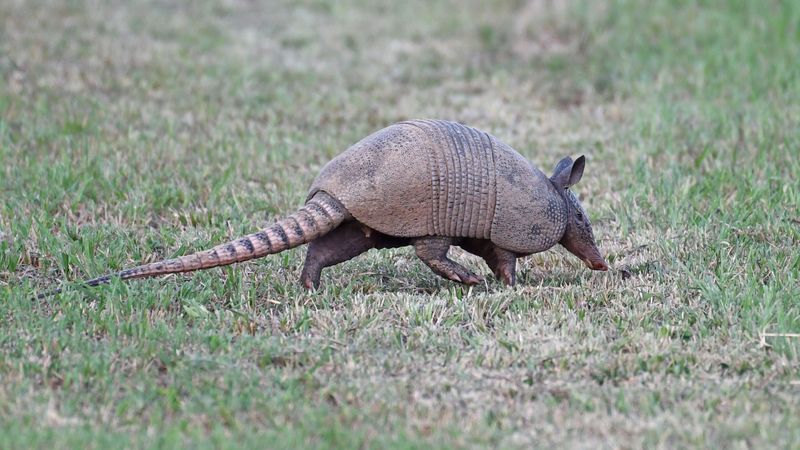
Here’s a twist that surprised me the first time I saw it. An armadillo was rooting around my flower bed at two in the afternoon, bold as can be.
In warm months, these animals are mostly night owls. They come out after dark or around dusk to hunt for food when the air is mild. Winter changes that plan quickly.
Once nights get cold, armadillos often switch to foraging during the warmest hours of the day. Midday sun gives them a chance to search for food without losing too much body heat. A run of chilly days followed by a mild, sunny afternoon is prime time for spotting one.
This shift explains why your yard can seem empty for a week and then suddenly show fresh digging. The animal was waiting for a better window, not traveling miles away. It simply came out when the temperature gave it a break.
Want to confirm your suspicions? Keep an eye on your lawn between late morning and mid-afternoon on the next warm, bright winter day. A pet camera or inexpensive trail camera aimed at a favorite digging spot can also reveal surprising daytime visits.
Fresh Cone-Shaped Holes In The Lawn Give The Armadillo Away
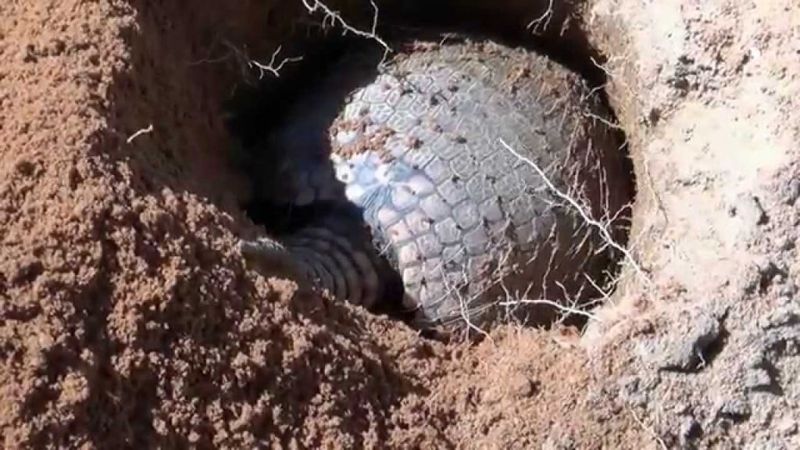
Small craters in the grass tell a story if you know how to read them. Armadillo holes have a look all their own.
These diggers sniff out food with a powerful nose, then scoop soil with strong front claws. The result is a shallow, cone-shaped pit, often one to three inches deep and a few inches wide. You may see dozens scattered across a lawn after one busy session.
Fresh holes have loose, dark, moist soil at the edges. Older ones look dry, crusted, or settled after rain. Checking which kind you have tells you whether your visitor is active this week or was busy last month.
Look closely at where the pits show up. Soft, damp spots are favorites, including irrigated turf, mulched beds, and areas near downspouts. Uprooted bedding plants and mulch flung onto sidewalks are common bonus clues.
Not every hole points to an armadillo, though. Skunks, raccoons, and squirrels also dig in winter, and their marks can look similar. Skunk holes tend to be smaller and neater, while raccoons often peel back sod like a carpet. Matching the hole shape to the culprit helps you choose the right response.
Grubs And Earthworms Keep Pulling Armadillos Back To Your Garden Beds
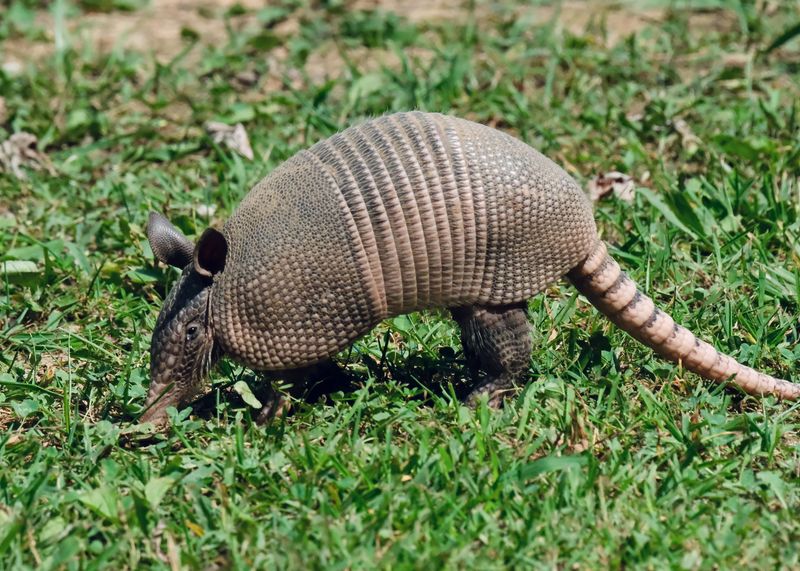
Armadillos are not after your tulip bulbs or tomato roots. Their real target lives in the soil just beneath your plants.
More than 90 percent of an armadillo’s diet is made of insects and other small invertebrates. Beetle grubs, earthworms, ant larvae, and similar critters top the menu. They can smell this food several inches underground.
In winter, many insects move deeper into the soil to escape the cold. That makes hunting harder, which is one more reason armadillos stay home on frosty days. When a mild spell warms the top layer, some of that food moves closer to the surface again.
Moist, rich garden beds can hold plenty of these bugs year-round. That is why the same flower bed may get hit over and over. Your yard might simply be the easiest buffet in the neighborhood.
A quick check can tell you a lot. Cut a one-foot square of turf a few inches deep and count the white, C-shaped grubs you find. Clemson Extension offers guidance on grub thresholds and treatment timing, which matters more than reaching for a product in midwinter, when many grubs are less active.
One Armadillo Can Juggle Several Backyard Burrows
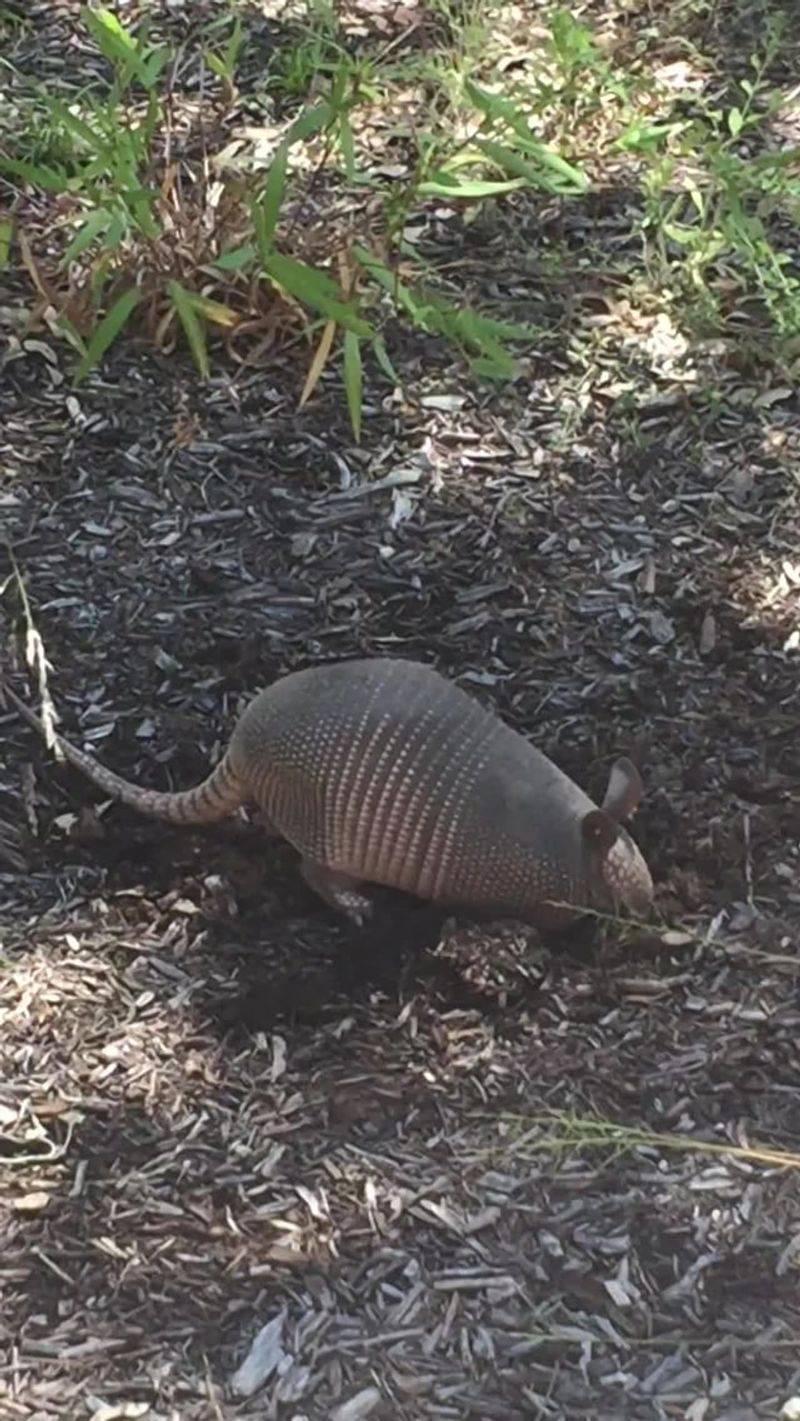
I didn’t expect such a small animal to be a property collector. Yet one armadillo may use several burrows spread across its home range.
Some burrows serve as main dens for sleeping and raising young. Others act as quick shelters when danger shows up or the weather turns rough. Researchers have reported individual armadillos using many burrows, sometimes a dozen or more.
This habit matters in winter. An armadillo out foraging on a sunny afternoon can duck underground fast if clouds roll in or a dog charges across the yard. Short trips from shelter to food help it save precious body heat.
Burrows often sit in spots with cover and soft soil. Common choices include brushy fence lines, wooded edges, creek banks, rock piles, and the space under porches or slabs. A burrow under a foundation is worth watching, since digging there can loosen soil near structures.
Finding one empty hole does not mean the animal has left the area. It may be sleeping in a different den only a short distance away. Mapping the holes you find over a few weeks can show you how your visitor moves through the neighborhood.
Hard Freezes Can Thin Out The Local Armadillo Crowd
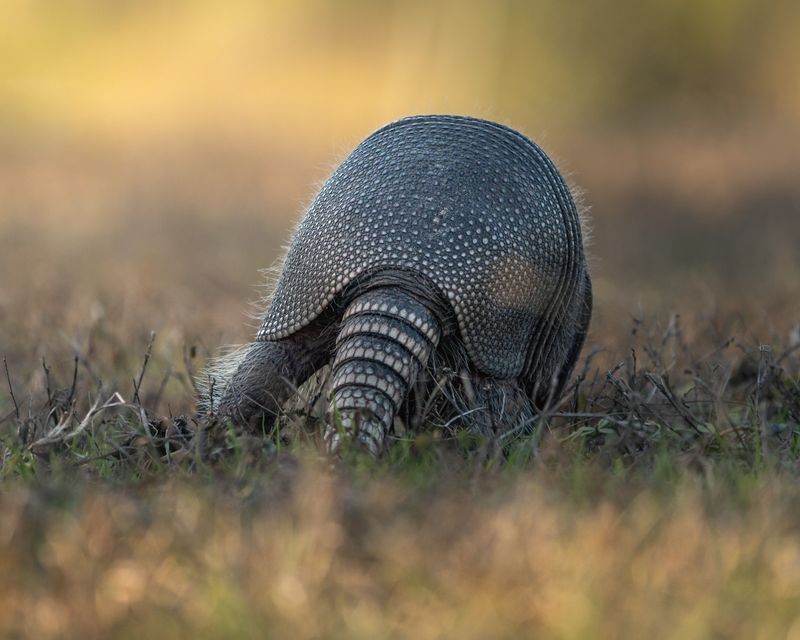
Some winters, the quiet lasts much longer than usual. When that happens, the weather may have done more than just keep armadillos indoors.
Armadillos came into the Southeast from warmer regions, and they have spread across much of the state over the past several decades. They handle short cold snaps by staying underground. Long stretches of freezing weather are a different story.
Without fat reserves, an armadillo can only skip meals for so long. If the ground stays frozen and food is out of reach for many days, some animals weaken or fail to survive. Biologists consider winter cold one of the main factors limiting how far north the species can live.
Here in the state, upstate areas and higher elevations see colder winters than the coast and Lowcountry. That means armadillo activity may drop off sooner and longer in places like Greenville than in Beaufort or Charleston. Your neighbors across the state may notice very different patterns.
A sudden disappearance after a brutal freeze might mean fewer armadillos around next spring. Still, populations often recover as young animals move in from nearby areas. A slow winter is a break, not a permanent fix.
Winter Is Your Best Window To Armadillo-Proof The Yard
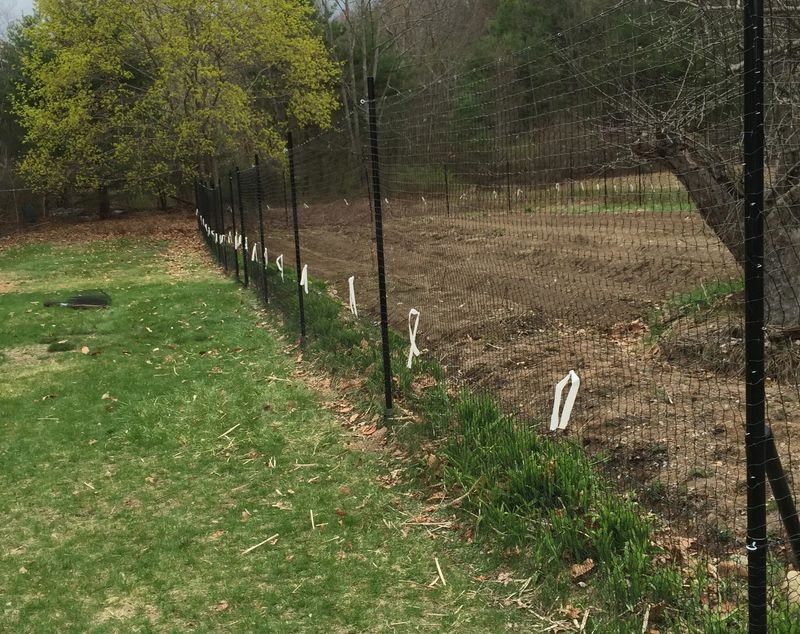
Quiet months make the perfect planning season. While armadillos lie low, you can make your yard far less tempting before spring digging begins.
Start with water. Overwatered lawns and beds keep soil soft and full of bugs, so cut back irrigation to what your plants really need. Winter lawns in the South usually need little supplemental water anyway.
Next, protect the spots you care about most. A sturdy wire fence around a garden bed works well when the bottom is buried at least a foot deep and bent outward. Many sources suggest a height of around two to three feet.
Close off favorite hiding spots too. Seal gaps under decks, sheds, and porches with buried hardware cloth, and clear heavy brush piles near the house. Fewer burrow sites mean fewer reasons to stick around.
Repellents and folk remedies have mixed results at best, so do not count on them alone. Trapping is possible, but South Carolina rules on handling and relocating wildlife apply, so check with SCDNR or hire a licensed wildlife control operator first. Also wear gloves around armadillos, since they can carry the bacteria that cause leprosy, though human cases are rare.