The Largest Skink In Maryland Could Be Sleeping In Your Woodpile Right Now
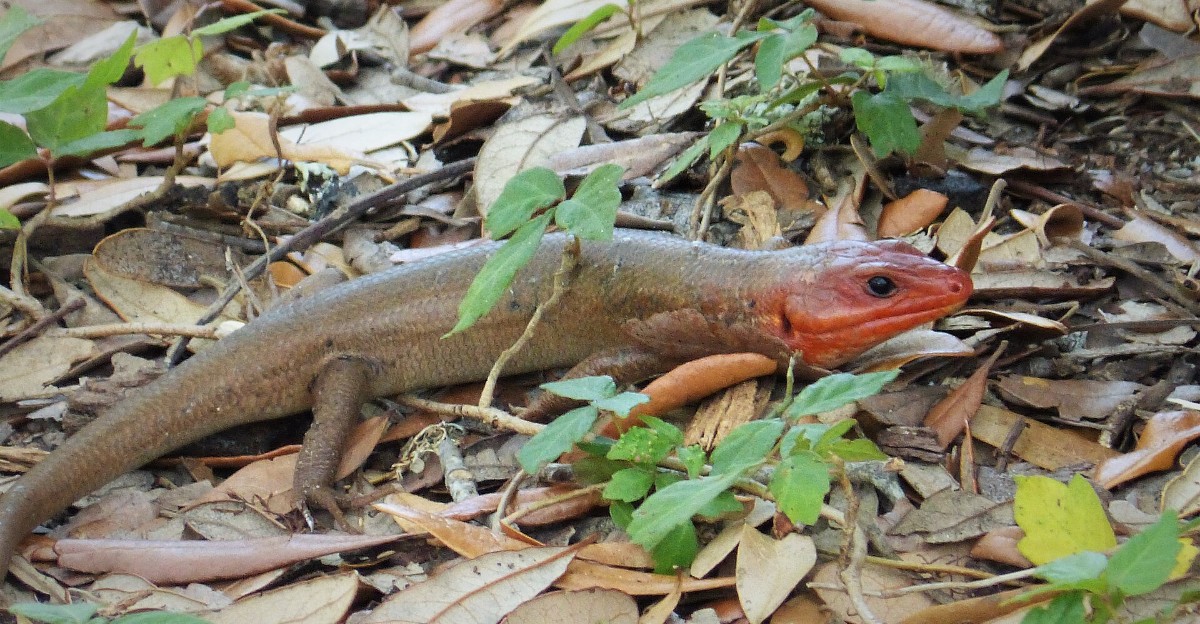
Some lizards in Maryland grow a head so wide and orange that people mistake them for small snakes with jowls. Guilty as charged, I once yelped when one stared back at me from a split log.
The creature can reach about 13 inches long. Males in spring sport bright orange-red heads, and the young are glossy black with cream stripes and electric blue tails. It spends warm days climbing tall trees, hunting insects high above your tomato beds.
When fall cools things down, it heads for shelter. Rotting stumps, hollow logs, and loose bark make cozy winter beds. Your firewood stack checks every box on its wish list.
Truth is, I used to grab logs without a second glance. Now I lift each one a little slower. Who else could be napping out there?
That Firewood Stack May Hide A Big-Headed Sleeper
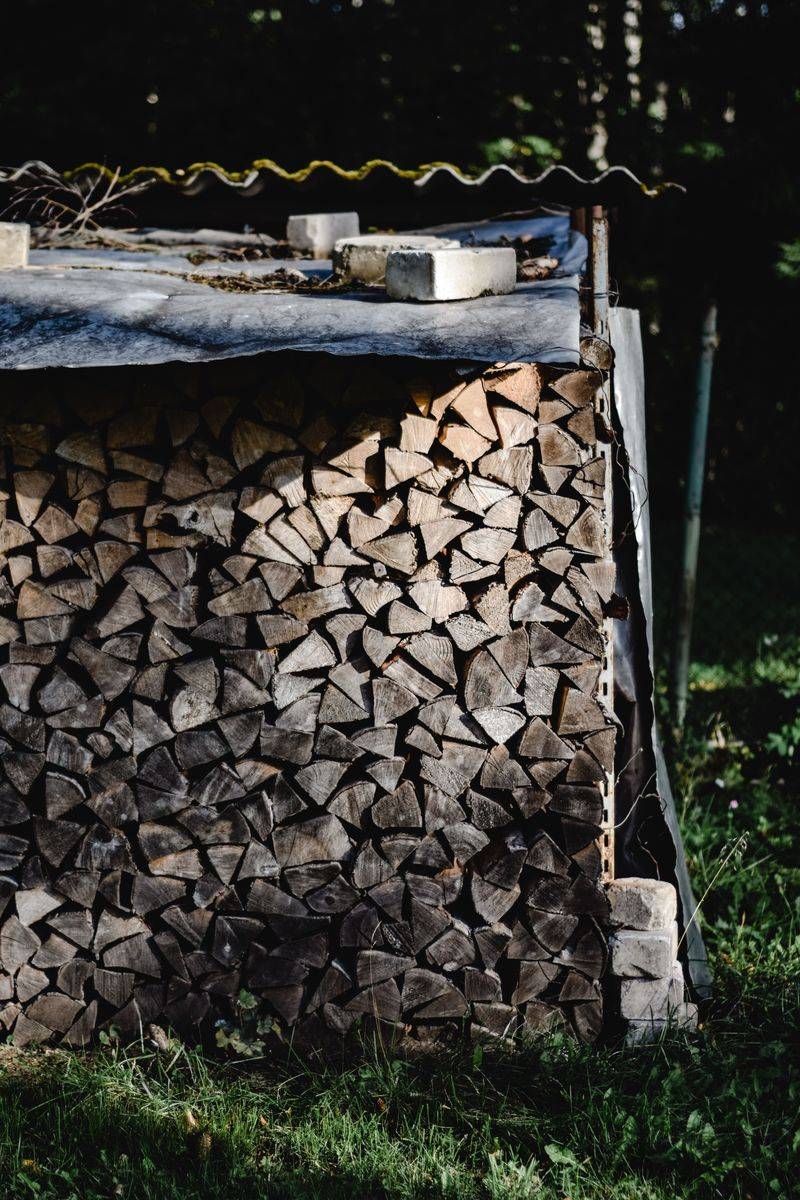
Out in my backyard last October, a log I picked up felt oddly heavy on one end. Tucked into a crack sat a thick, brownish lizard, barely blinking in the chilly air.
Plenty of Maryland gardeners have a similar story without realizing it. Woodpiles copy the rotting logs and stumps that reptiles use in the wild. Loose bark, deep gaps, and damp wood all hold steady temperatures when the weather turns cold.
The lizard most likely to fit that description is the broad-headed skink. It ranks as the largest skink found in the state, and it loves hardwood forests with plenty of fallen timber. Yards near wooded edges in central and southern Maryland are prime territory.
Not every woodpile holds a skink, of course. Smaller cousins like the common five-lined skink and the little brown ground skink also hide in logs. A fence lizard could even be tucked in nearby.
So what should you take away from this? A woodpile is far more than fuel or clutter. It can work like a small apartment building for wildlife. A gentle hand and a careful eye make every fall chore a little safer for everyone involved, scaly residents included.
Meet The Broad-Headed Skink And Its Fiery Orange Jowls
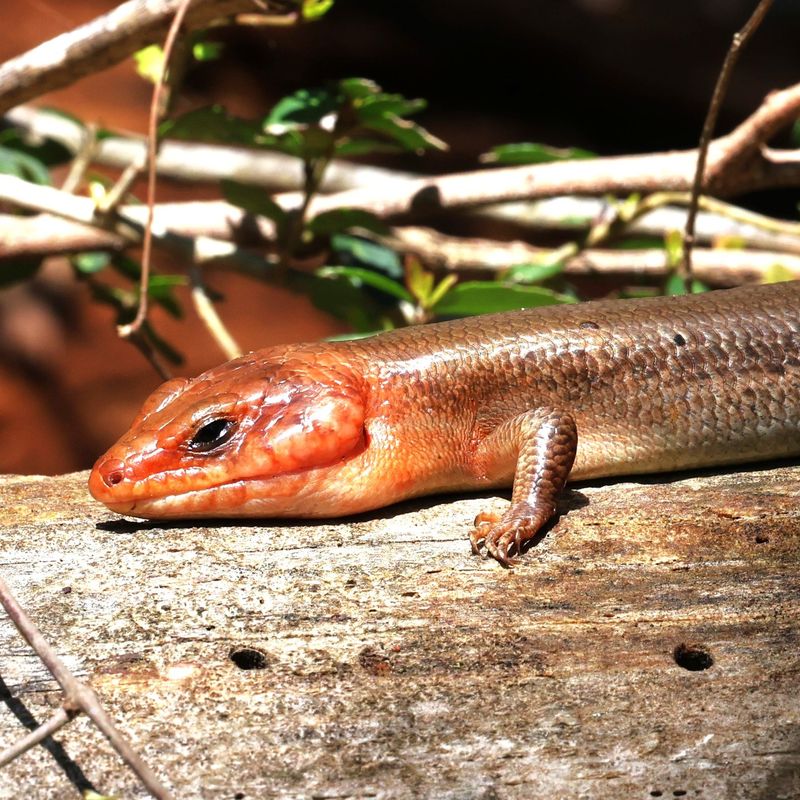
Few backyard animals change wardrobes as dramatically as this one. A broad-headed skink starts life jet black with cream stripes and a shiny blue tail. By adulthood, that flashy look fades to plain olive-brown.
Males get the real glow-up. During the spring breeding season, their heads swell wide at the jaws and turn a bold orange-red. Some people mistake them for a separate, scarier species, but they are the same lizard.
Adults usually measure about 6 to 13 inches from nose to tail tip. That makes them the largest skink in the Chesapeake Bay region. Females stay smaller and often keep faint stripes longer than males.
Telling it apart from the five-lined skink can be tricky. Experts look at the scales under the tail and count scales on the lip, which is hard to do on a moving lizard. Size and that big triangular head are easier clues for most of us.
Here’s a fun bit of trivia. Old folk tales in the South called these lizards “scorpions” and claimed they were venomous. They are not venomous at all, just big, bold, and a little dramatic.
Cold Months Send These Lizards Into Rotting Logs And Stumps
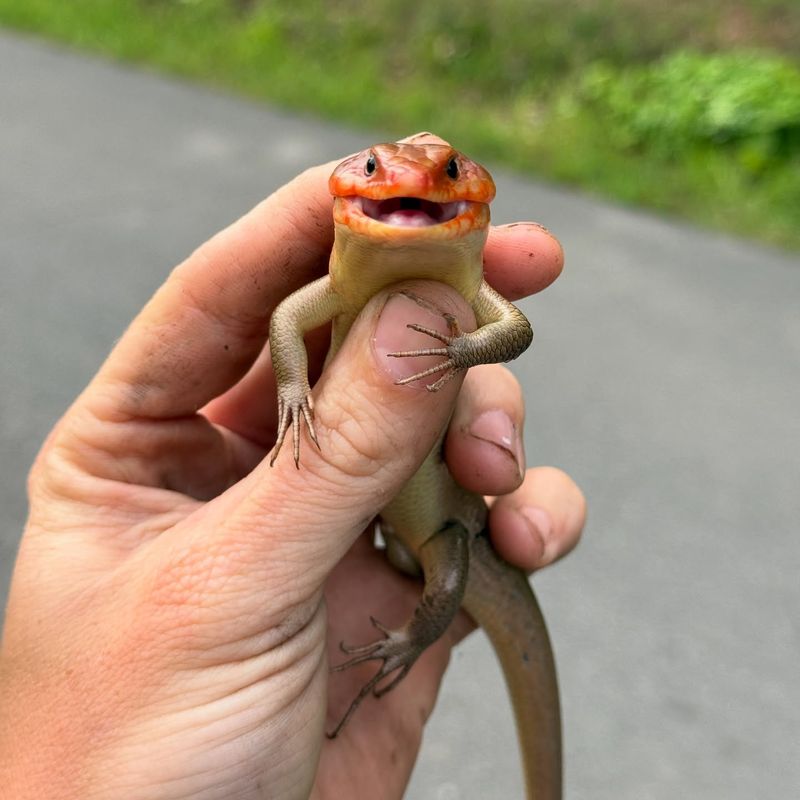
Lizards cannot make their own body heat, so winter forces a big change in plans. Instead of migrating like birds, broad-headed skinks slow down and go dormant.
In Maryland and other northern parts of their range, this rest often runs from about October into March. The exact timing shifts with the weather. A warm November afternoon might coax one out briefly, while a cold snap sends it deeper.
Where do they go? Shelters include underground burrows, rotting stumps, hollow logs, and spaces beneath loose bark. Soft, decaying wood insulates them from sharp temperature swings and keeps them hidden from hungry raccoons and hawks.
During dormancy, a skink’s heart rate and breathing drop way down. It lives off stored energy until spring warmth returns. Disturbing it in the middle of winter can force it to burn reserves it badly needs.
I learned to think of my woodpile like a guest bedroom with a sleeping visitor. Pulling logs from the top and front is usually fine. Tearing apart the bottom layers, where moisture and warmth collect, deserves more caution until the weather warms up again in spring.
Tall Hardwood Trees Are Where You Spot Them In Summer
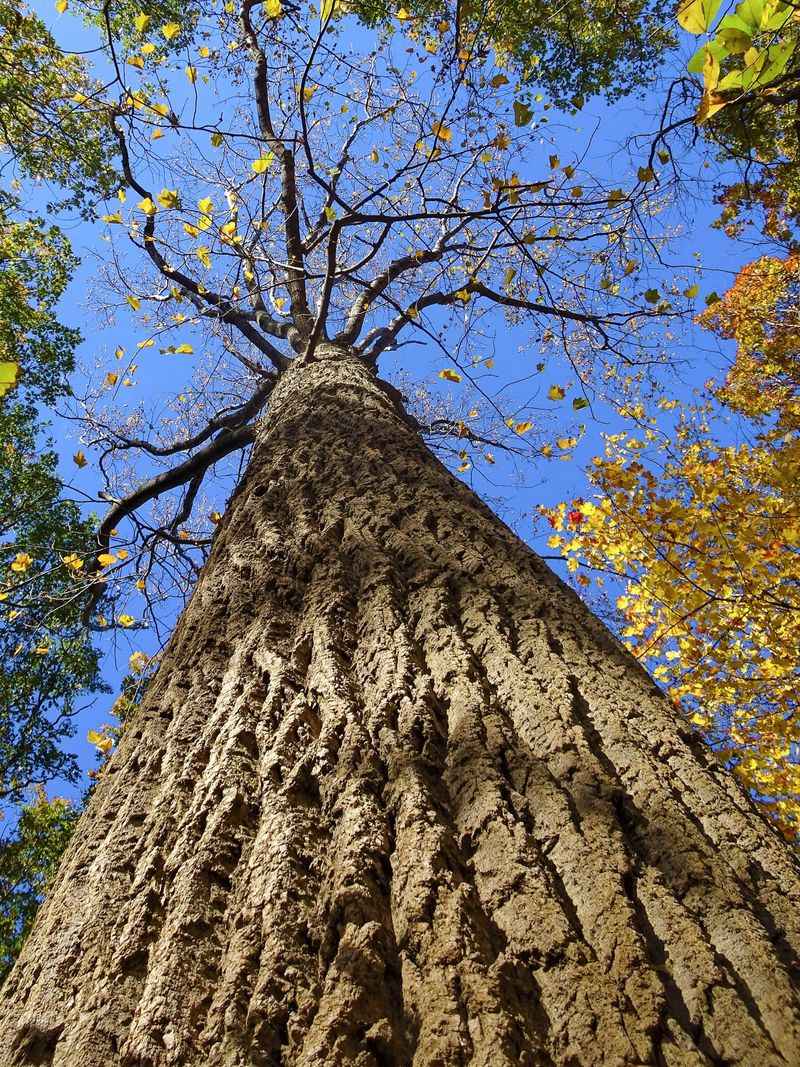
Most lizards scurry along the ground. Broad-headed skinks love to climb. They are among the most tree-loving skinks in North America, often scaling oaks and other hardwoods.
On sunny days from spring through early fall, look for them basking on trunks, dead branches, or tree cavities. They are active during daylight and warm up in the sun before hunting. When startled, many race straight up a trunk and slip around to the far side.
That sneaky move frustrates every wildlife watcher I know. Try circling the tree slowly, or stand still and let the lizard peek back out. Binoculars help a lot.
Their menu includes beetles, crickets, spiders, roaches, and other insects. Larger adults sometimes take small lizards or baby mice. In a garden, that means a steady helper patrolling for bugs.
Big old trees with natural cavities matter for these lizards. Females often lay eggs in rotting logs or tree hollows, then guard them until they hatch in summer. Keeping a mature oak or a safe standing snag on your property gives them hunting grounds and nursery space in one spot.
Gloves On Before You Grab Logs From The Woodpile
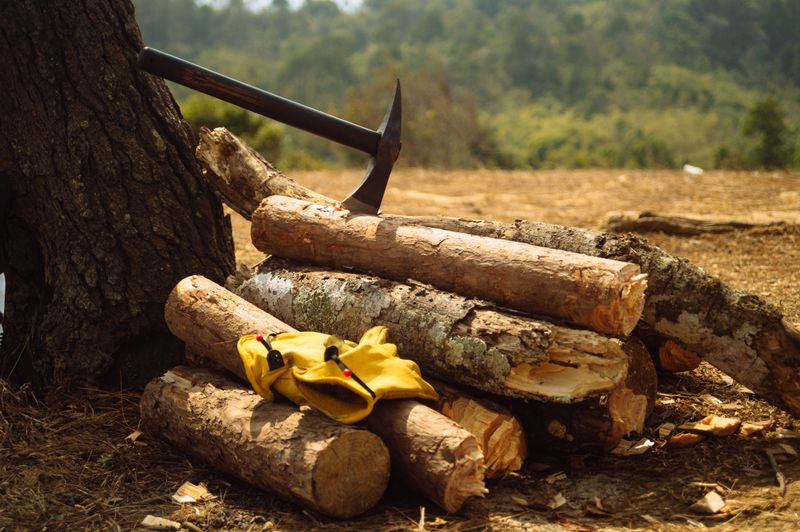
Fair warning from someone who has been nipped: these lizards have strong jaws. A cornered broad-headed skink may bite hard and hang on for a moment.
The bite is not venomous, and it rarely breaks skin badly. Still, it pinches, and it can startle you into dropping a heavy log on your foot. Sturdy leather gloves solve most of that problem.
Gloves also protect you from other woodpile residents. Spiders, centipedes, and occasionally snakes like the black rat snake shelter in the same stacks. A copperhead may hide in woodpiles in parts of the state, so watch where your hands go.
Try this simple routine. Lift logs from the top and pull them toward you, so anything underneath has an escape path away from your body. Wear closed shoes, and never reach blindly into deep gaps.
If you uncover a sleepy skink in cold weather, gently set the log back or cover the lizard with loose bark and leaves. Avoid picking it up. Skinks can drop their tails to escape, and while tails grow back, regrowing one costs energy they would rather save for winter.
A Messy Brush Pile Can Make Your Yard Skink-Friendly
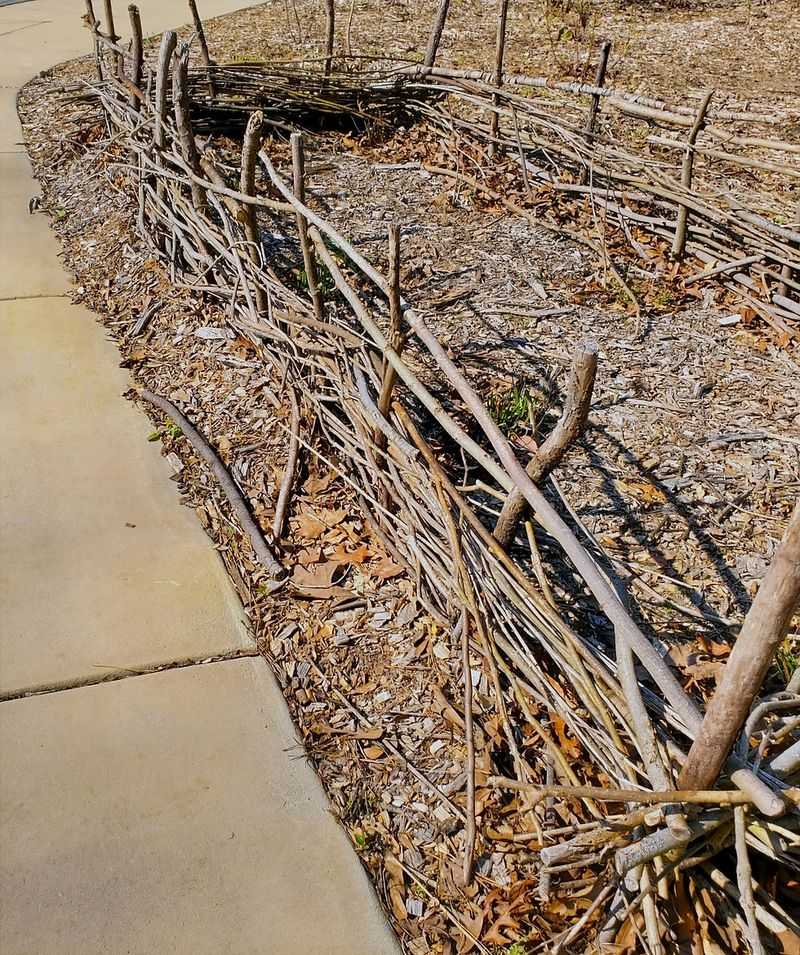
Call me lazy, but my favorite wildlife project involves doing less. A corner of untouched logs and branches gives skinks and other critters a place to hide, hunt, and sleep.
Choose a spot along a wooded edge or sunny fence line, away from your house. Stack hardwood logs loosely so gaps form, then add branches and leaf litter on top. Over time, the wood softens and starts to rot, which skinks love.
Keep firewood for burning separate from your wildlife pile. Firewood also belongs a good distance from your home’s foundation, which helps keep termites and mice away from the walls.
Pesticides deserve a second look too. Broad-spectrum insect sprays reduce the bugs skinks eat and can harm the lizards directly. Targeted, spot treatments or hand-picking pests is a friendlier approach.
Native plants bring in more insects, which means more food. Oaks are a superstar here, since they host hundreds of caterpillar species. Add a flat rock or two in the sun for basking. Within a season or so, you may notice more lizards, toads, and songbirds treating your yard like a favorite neighborhood hangout.
Let That Sleeping Lizard Stay In Maryland Wild Spaces
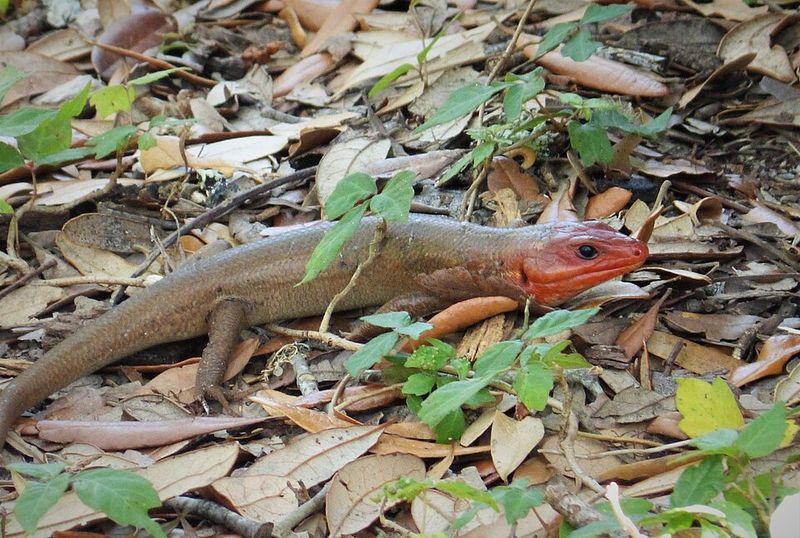
Nothing beats the first sunny spring morning when a big skink pops out of a log pile. It feels like the yard is waking up right alongside you.
The best thing you can do is simply leave these lizards alone. Maryland protects much of its native wildlife, and taking reptiles from the wild for pets is restricted. Check with the Maryland Department of Natural Resources before ever collecting or keeping a native reptile.
Skinks also struggle in captivity. They need specific heat, light, and food that most homes cannot provide. A wild skink in your garden does far more good eating insects than sitting in a tank.
Want to help science instead? Snap a photo and share it with community platforms like iNaturalist. Your sighting can help researchers track where broad-headed skinks live across the state.
So before you tackle that woodpile this weekend, slow down a little. Pull from the top, wear gloves, and keep one corner wild. Come spring, you might get a front-row seat to an orange-headed show that most people walk right past without noticing.