Why Maryland Gardeners Are Seeing An Exceptional Fig Harvest This Year
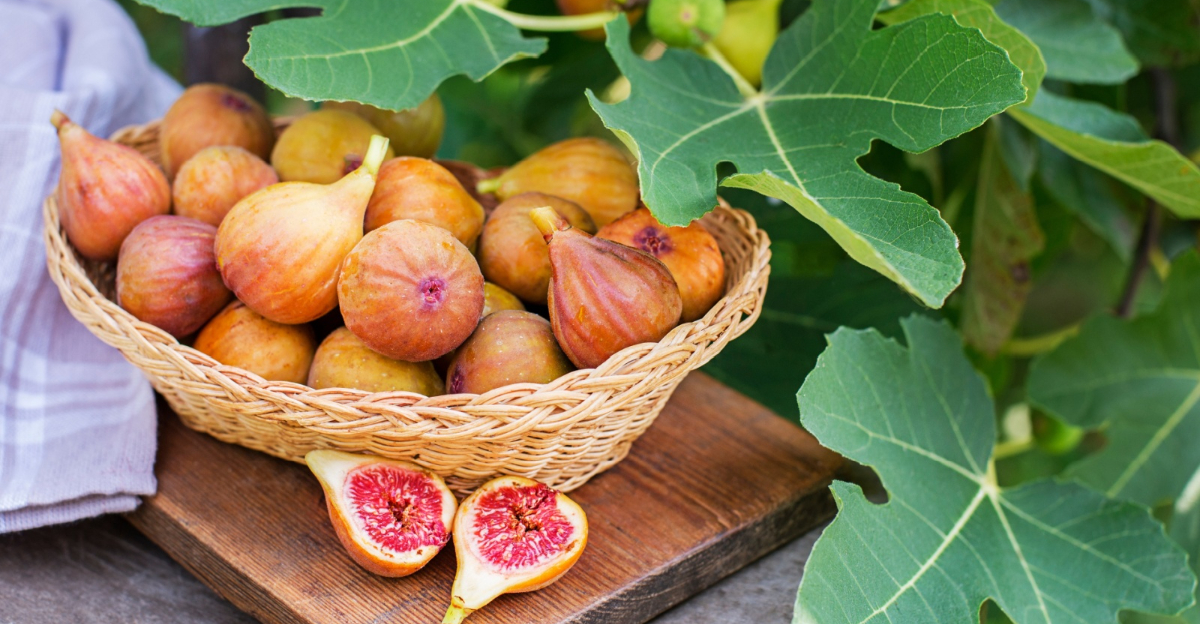
Maryland backyards are producing an unusual amount of figs this year. The scale of it caught many gardeners off guard.
Gardeners from Frederick to the Eastern Shore keep posting photos of buckets overflowing with fruit. Many gardeners are reporting bigger harvests than usual this season.
Branches sag low. Leaves stay glossy green. The sugar content seems to climb with every warm afternoon. Figs are usually known for slow, modest yields.
This year they are surprising many home gardeners. Several factors appear to be working together this season.
A mild winter spared the trees. A wet spring fed the roots. And gardeners are finally learning which varieties do well in Maryland’s tricky climate.
Put those pieces together and many gardeners are calling it one of their strongest fig seasons yet. Something special is unfolding in these gardens. It is worth a closer look.
1. Mild Winters Spared Old Wood
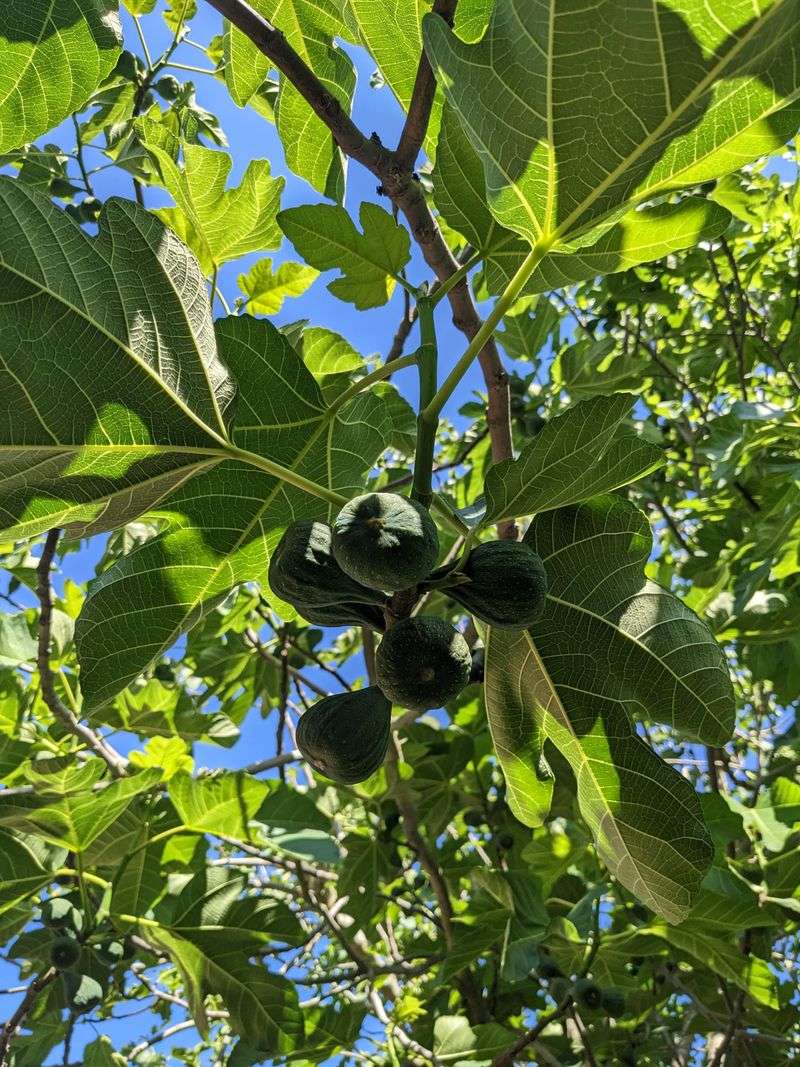
Old wood is highly valuable in fig growing. When a tree keeps its established branches through winter, it skips weeks of slow recovery and jumps straight into growing season strong.
This past winter across the Mid-Atlantic felt milder than usual to many local growers. Temperatures dipped but never plunged into the brutal territory that snaps fig branches and causes visible bark damage from frost.
Gardeners who usually wrap their trees in burlap or tip them into trenches found the effort almost unnecessary this year. Trees in the region often came through winter intact, right down to the secondary branches.
That matters more than people realize. Secondary branches are where most of the fruit forms on a mature fig tree. Losing them means starting over on a two-year timeline before yields bounce back.
Keeping those branches alive gave trees a massive head start. Energy that normally goes toward healing frost wounds went straight into bud development instead.
The result was earlier, denser fruit set across the board. Gardeners noticed clusters forming in spots that had been bare for years. One season of forgiving cold changed the entire shape of the harvest.
If your tree sailed through winter looking clean and healthy, count that as a huge win. That resilience is the foundation this season was built on.
2. Healthy Branches Skipped The Slow Restart
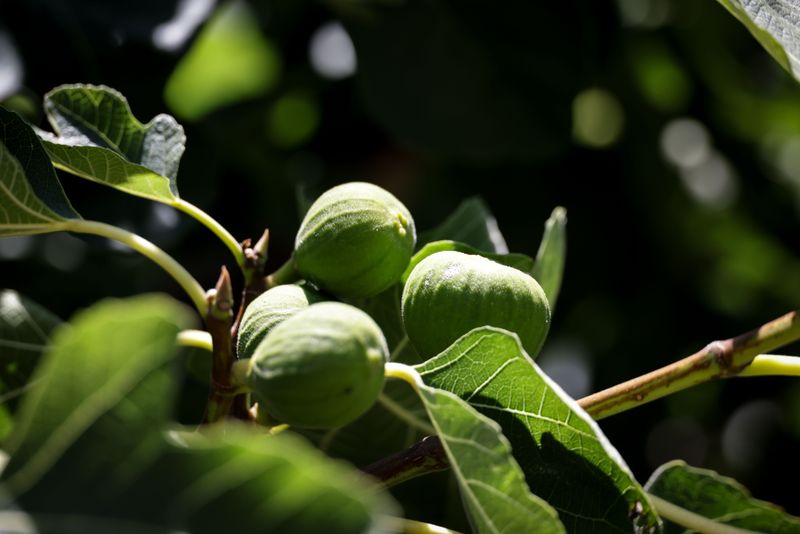
Picture a runner who slept well, ate well, and showed up to race day fresh. That is exactly what a fig tree with healthy, undamaged branches looks like heading into spring.
When branches carry stored energy from the previous year, they do not waste time recovering. They wake up fast and push growth immediately, which gives the entire tree a competitive edge.
This season, many Maryland growers noticed buds breaking earlier than usual. Some trees leafed out a full two weeks ahead of schedule, catching gardeners off guard in the best possible way.
Earlier leaf-out means earlier flowering. Earlier flowering means the fruit has more warm weeks to develop before fall temperatures arrive and slow everything down.
Figs need time. The fruit takes roughly 60 to 90 days from pollination to full ripeness, depending on the variety. A two-week head start is not a small thing when you are racing the calendar.
Your Maryland Garden Changes Every Week. Your Plan Should Too.
Gardening in Maryland changes quickly throughout the season. Every Friday you’ll receive a simple weekly plan showing exactly what to plant, prune, fertilize, harvest, and protect so you never miss the right timing.
Gardeners who paid attention to their branch health last fall are now seeing the payoff. Cleanly removing damaged wood and protecting the canopy made a measurable difference in how quickly trees woke up.
Strong branches are not just about structure. They are a living bank account storing the nutrients and moisture a tree needs to grow into strong productivity. When that account stays full through winter, spring growth tends to be especially strong.
3. Cold-Hardy Varieties Handled The Season Well

Not every fig tree is built the same. Some varieties shiver and sulk at the first sign of cold, while others shrug it off and keep producing like nothing happened.
Gardeners across the region have been quietly shifting toward cold-hardy cultivars over the past decade. Varieties like Brown Turkey, Chicago Hardy, and Celeste have become neighborhood staples for a good reason.
Chicago Hardy, in particular, is almost legendary among Mid-Atlantic growers. It can tolerate very cold temperatures when the roots are protected, making it a solid choice for unpredictable winters.
Brown Turkey is another crowd favorite. It produces two crops per season, known as the breba and the main crop, which essentially doubles the harvest window for patient growers.
Celeste figs are smaller but intensely sweet. They ripen earlier than most, which is a real advantage in a region where fall can arrive suddenly and cut the season short.
Choosing the right variety is not just about flavor preference. It is a strategic decision that affects how well a tree handles stress, recovers from cold, and ultimately how much fruit ends up in your basket.
This season rewarded growers who made smart variety choices years ago. Their trees were already adapted to the local climate, and when conditions aligned, those plants produced an especially strong harvest.
4. Pinching Growth Redirected Energy To Fruit
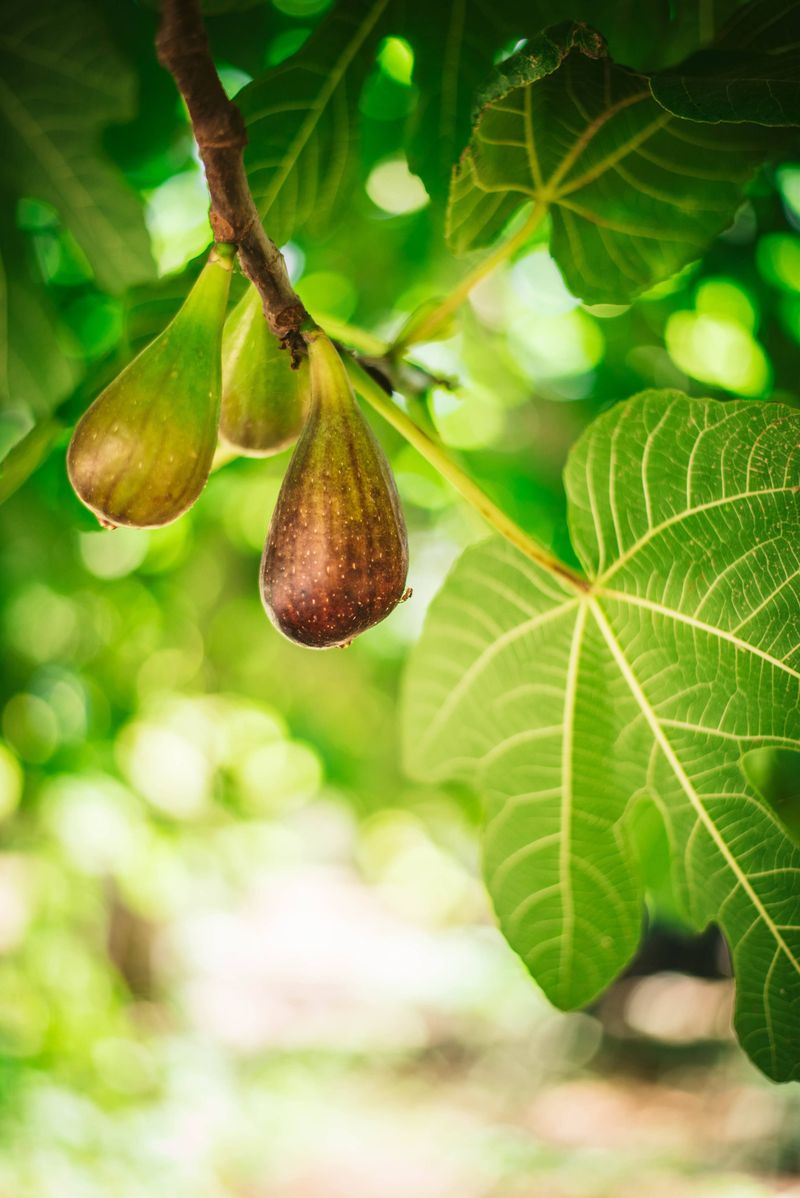
Here is a trick that sounds almost too simple to work. Pinching the growing tip off a fig branch can dramatically increase the amount of fruit that branch produces.
When you remove the terminal bud, the tree stops pushing energy toward new leaf growth on that branch. Instead, it redirects that energy downward into the developing fruit already forming along the stem.
This technique, sometimes called tip pruning or summer pinching, works best when done in late spring or early summer. Timing matters because pinching too early or too late can confuse the tree and reduce rather than boost yields.
Gardeners trying this method for the first time often see a noticeable increase in fruit. Branches that had always produced a handful of figs suddenly loaded up with two or three times as many.
The science behind it is straightforward. Plants operate on energy budgets. When you close one spending category, the surplus flows somewhere else, and in a fig tree, that somewhere else is usually the fruit.
You do not need special tools or training to pinch a fig. Your fingers work perfectly fine. Just snap off the soft green tip of an actively growing branch and let the tree do the rest.
Small actions add up fast in a garden. One afternoon of pinching across a mature tree can translate into pounds of extra fruit come harvest time, and that is a trade worth making every single year.
5. Steady Watering Kept Fruit Developing
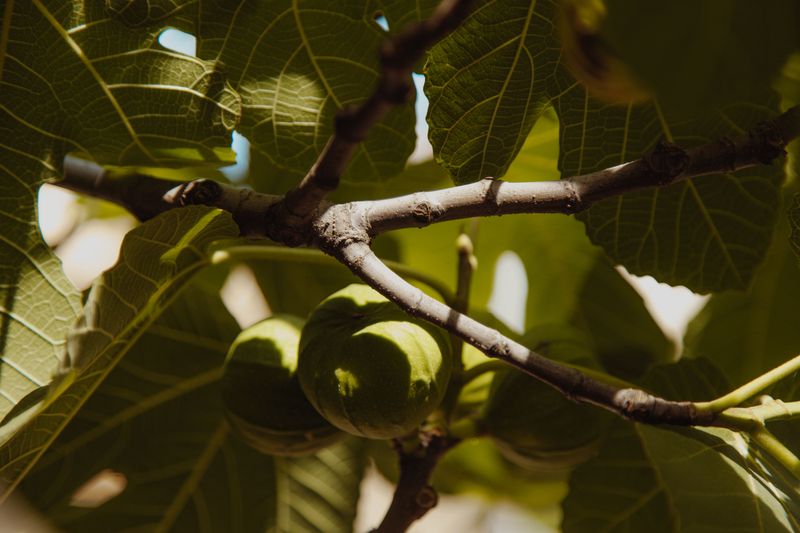
Figs are forgiving plants in many ways, but they draw a hard line when it comes to moisture during fruit development. Inconsistent watering is one of the fastest ways to ruin a promising crop.
When a fig tree swings between dry stress and sudden flooding, the fruit often splits or drops before it ever ripens. That frustrating pattern has ended many harvests early across the region.
This season, gardeners who set up consistent watering schedules saw noticeably better results. Whether they used drip lines, soaker hoses, or simply showed up with a hose on a regular schedule, the consistency paid off.
Figs generally want about an inch of water per week during the growing season. In hot, dry stretches that number can climb, but the key word is steady rather than heavy.
Mulching around the base of the tree makes steady watering much easier to maintain. A thick layer of wood chips or straw slows evaporation and keeps soil moisture from fluctuating wildly between rain events.
Overwatering is also a real risk. Soggy soil can lead to root problems that show up later as poor fruit quality or premature drop. Balance is the goal, not saturation.
Growers who treated their watering routine like a non-negotiable task ended up with firm, fully developed figs that held on the tree right through peak ripeness. Consistency is quiet, but its results are anything but subtle.
6. Good Drainage Kept Roots Comfortable
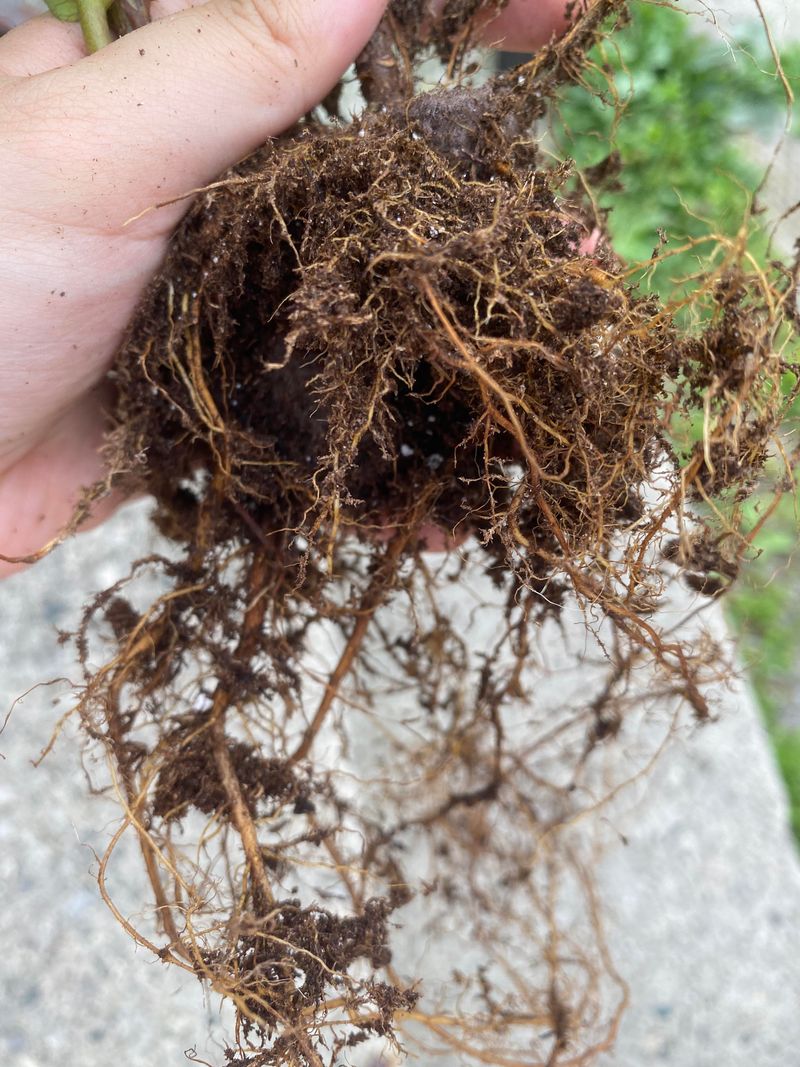
Roots are the engine of any fruit tree, and fig roots are particularly sensitive to sitting in waterlogged ground. Poor drainage is a common, easy-to-miss cause of weak growth and thin yields.
This season, growers with well-draining soil saw their trees thrive in a way that puzzled neighbors with heavier clay-based ground. The difference was not fertilizer or pruning. It was simply where the water went after a rainstorm.
Sandy loam is the dream soil for figs. It holds enough moisture to keep roots hydrated but drains quickly enough to prevent the anaerobic conditions that damage root tissue and invite disease.
Gardeners who amended their soil with compost and coarse sand before planting are now reaping the benefits. That upfront work changed the drainage profile of their beds and gave roots a comfortable, breathable environment to expand into.
Raised beds are another solution that works especially well in areas with heavy native soil. Elevating the root zone just eight to twelve inches above ground level can make a dramatic difference in how a tree performs over time.
Even container-grown figs benefit from excellent drainage. Using a well-structured potting mix with added perlite keeps the root zone airy and prevents the compaction that limits growth in pots.
Healthy roots mean healthy fruit. When the foundation is solid, everything above ground has the support it needs to reach its full potential.
7. Full Sun Helped Ripening Along
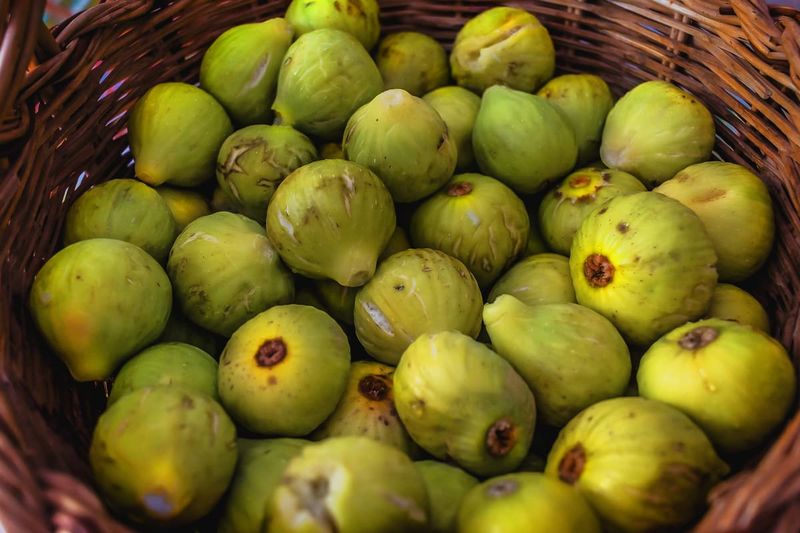
Sunlight is not optional for figs. These trees evolved in the sun-baked Mediterranean and carry that heritage in every cell.
Less than six hours of direct sun and the fruit simply struggles to develop proper sweetness.
This past summer brought noticeably long stretches of strong afternoon sun across much of the Mid-Atlantic. For fig growers with well-positioned trees, that translated directly into faster ripening and deeper flavor.
Gardeners who planted their trees on south-facing walls or open sunny slopes had a clear advantage. Reflected heat from fences and brick surfaces added extra warmth that pushed ripening even further along.
Figs need heat to convert starches into sugars. The warmer and brighter the growing environment, the richer and more complex the finished fruit tastes when you finally bite into it.
Shading from nearby trees or structures is one of the most common reasons a fig tree underperforms. Removing competing branches overhead or relocating container trees to sunnier spots can flip a disappointing tree into a productive one fast.
Some growers paint nearby walls white or install light-colored gravel under their trees to bounce extra light onto the canopy. These small adjustments add measurable heat units to the growing environment without any cost beyond a little effort.
Positioning a fig tree correctly is a decision that pays dividends for decades. Get the sun right and the tree almost takes care of itself, producing fruit with noticeably rich, sweet flavor.
8. Containers Supported Roots And Boosted Yields
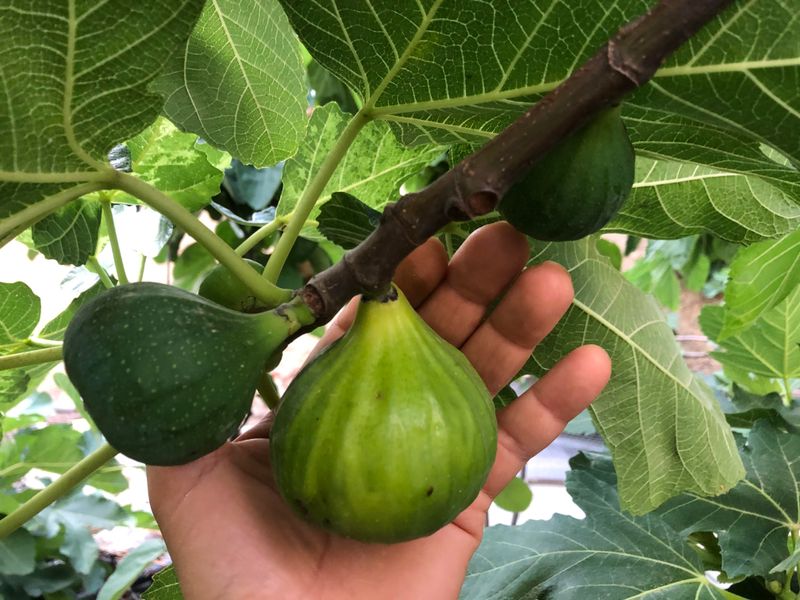
Growing a fig tree in a container sounds like a compromise, but experienced growers will tell you it can actually be an advantage. Root restriction in a pot pushes a tree to focus on reproduction rather than endless vegetative growth.
When roots hit the wall of a container, the tree shifts its energy budget. Instead of expanding outward, it channels resources into flowering and fruiting, which is exactly what every gardener wants.
Container-grown figs also give growers total control over the root environment. You choose the soil mix, the drainage level, and even the sun exposure by simply rolling the pot to a better spot on the patio.
Patio growers often see some of their densest fruit loads on container trees during favorable seasons. Trees that had been in the same large containers for three or four years seemed to hit their stride all at once.
Repotting too frequently disrupts that productive stress. Many experienced growers recommend leaving a fig in the same container until it is genuinely root-bound, then sizing up only one pot at a time rather than jumping to a much larger vessel.
Winter protection is also much simpler with container trees. Rolling them into a garage or basement during cold snaps protects the root system without any digging, wrapping, or drama.
Container growing is one of the smartest strategies behind a strong fig harvest. Sometimes the best yields come not from more space, but from smart, intentional limits that let the tree work harder for you.