The Narrow September Window That Decides How Maryland Lawns Look Next Spring
Maryland summers leave a mark. By late August, that lush turf feels crunchy underfoot and smells faintly of hot straw.
Then something shifts. Mornings turn damp, evenings cool off, and the soil quietly wakes back up.
Most homeowners miss the signal entirely. They wait for October, or they shrug and hope spring sorts it out on its own.
Spring, unfortunately, is a terrible fixer. What your yard looks like in April is mostly written during a stretch of weeks you can count on two hands.
Here is what happens during that stretch, why the calendar matters more than the effort, and how a few well-timed moves can change everything about next year’s green.
Maryland Turf Runs Out Of Steam By Late Summer

Cool-season grasses run the show across most of Maryland, and tall fescue leads the pack. These grasses do their best growing when air temperatures sit between 60 and 75 degrees.
July and August offer nothing close to that. Weeks of upper-eighties heat, sticky humidity, and stretches without rain push the plants into survival mode.
Growth slows to a crawl. Roots shorten, blades thin out, and the whole yard takes on that tired, washed-out look homeowners know too well.
Brown patch fungus adds insult during those muggy nights, thinning fescue stands even further. Foot traffic, mower scalping, and grubs chewing at the root zone pile on more damage.
By Labor Day, the average Maryland lawn is carrying real injury. Bare spots have opened up, and crabgrass has spread into ground that turf used to hold.
Here is the part that catches people off guard. Grass that limps out of summer without help does not magically bounce back over winter.
Weak turf heading into fall stays weak heading into spring. Those thin areas become the exact spots where weeds germinate first once soil warms in March.
Understanding this cycle changes how you see September. The month is not cleanup duty after a rough season.
It is the recovery period, the one stretch when soil holds warmth while air turns mild. Miss it, and you are stuck managing problems instead of preventing them.
Recognizing summer damage honestly, rather than hoping it fades, is the first real step toward a better April.
The Calendar Stretch That Actually Matters
Ask any turf specialist at the University of Maryland Extension for the ideal seeding date, and you will hear something surprisingly specific. Mid-August through mid-October, with the sweet spot landing in the first three weeks of September.
Why so tight? Soil temperature drives the whole thing.
Cool-season grass seed germinates best when soil sits between 50 and 65 degrees. In central Maryland, that range typically arrives during the first three weeks of September.
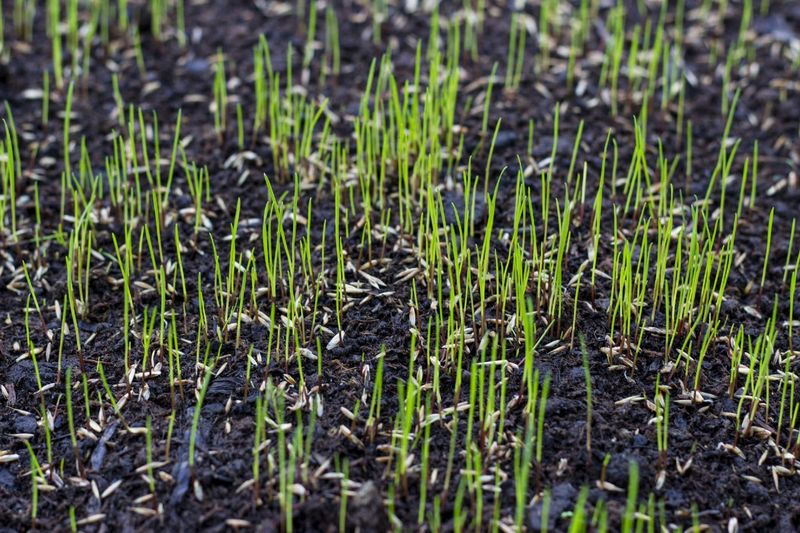
Air temperature has cooled by then, but the ground still holds August warmth. Seed sprouts fast, often within seven to fourteen days.
Push past early October and the math turns against you. Soil cools, germination slows, and young seedlings head into frost without enough root depth to hold on.
Wait for spring instead and you face a different trap. Seedlings barely establish before June heat arrives, and pre-emergent weed control becomes impossible to apply.
Your Maryland Garden Changes Every Week. Your Plan Should Too.
Gardening in Maryland changes quickly throughout the season. Every Friday you’ll receive a simple weekly plan showing exactly what to plant, prune, fertilize, harvest, and protect so you never miss the right timing.
Regional timing shifts a bit. Western Maryland and the mountains run about a week earlier, while the Eastern Shore and southern counties can stretch a week later.
Watching the weather helps more than watching the date. Once nighttime lows settle into the fifties consistently, the window has opened.
A cheap soil thermometer takes the guesswork out entirely. Push it three inches down in the morning and check the reading.
Treat those three weeks as a genuine appointment. Everything you do inside them pays off, and everything you postpone gets harder to fix later.
The Hidden Obstacle Under Your Feet
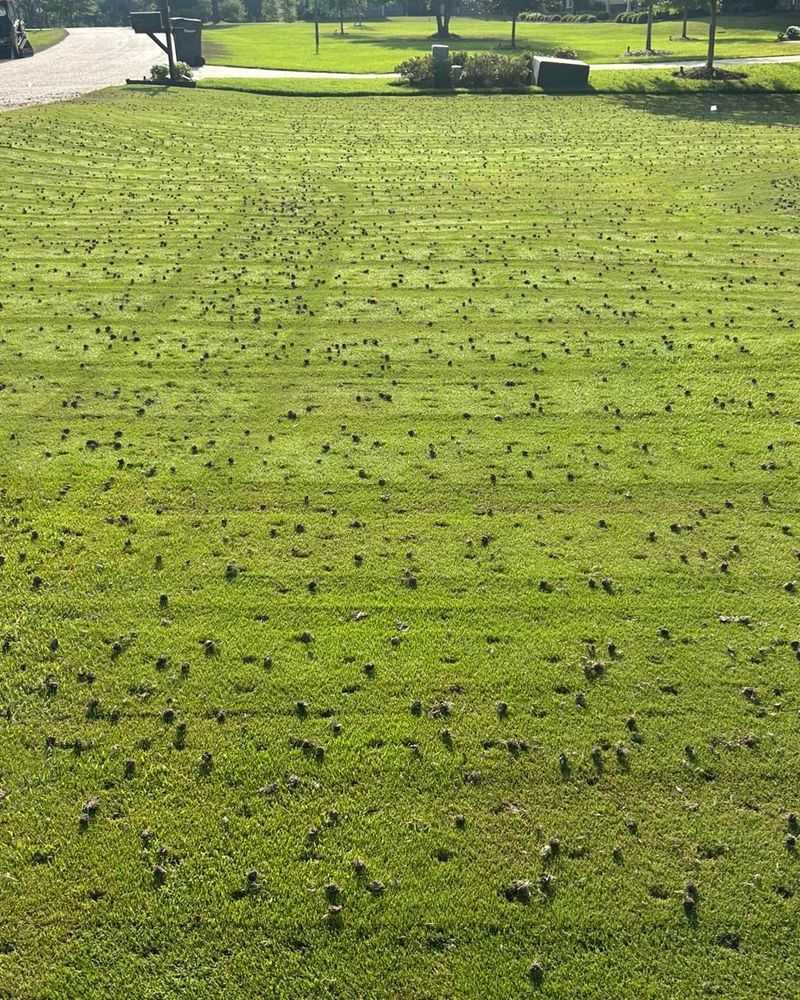
Maryland sits on a lot of clay. Piedmont soils in Howard, Montgomery, and Baltimore counties pack down hard, and new construction lots often have topsoil scraped away entirely.
Compacted ground behaves like a sealed lid. Water runs off instead of soaking in, air cannot reach roots, and seed dropped on the surface simply sits there.
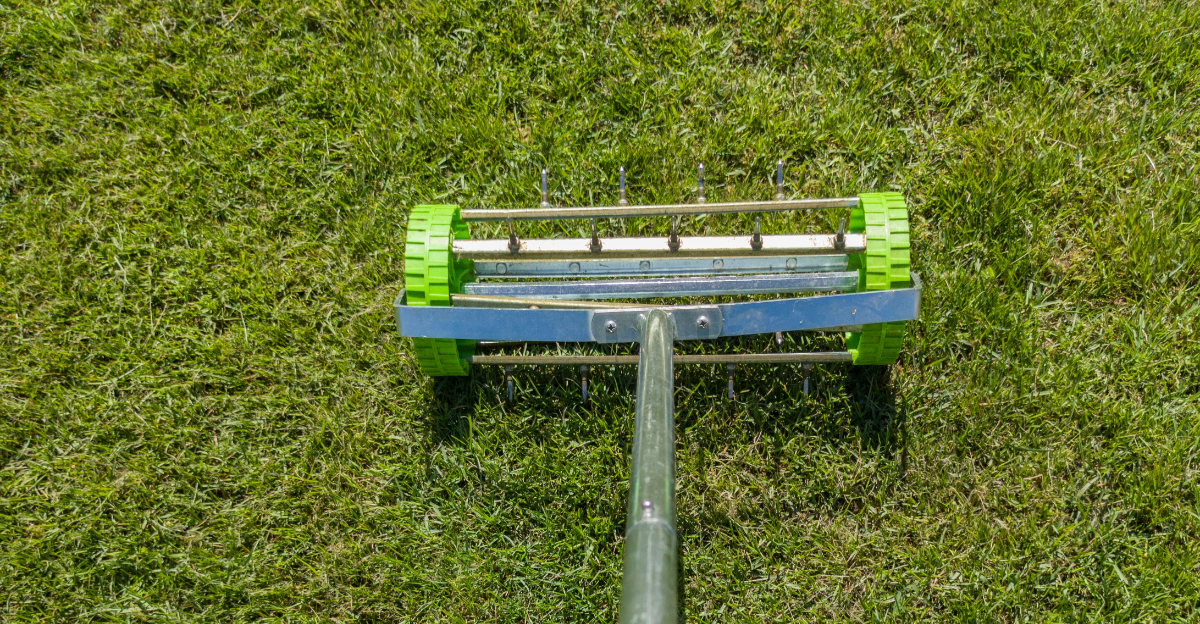
Core aeration addresses the problem more effectively than most other fixes. A machine pulls thousands of finger-sized plugs out of the ground, opening channels several inches deep.
Those holes give new seed a protected pocket with soil contact on all sides. Germination rates improve noticeably compared to seed broadcast over untouched turf.
Timing the aeration right before seeding is what makes the combination work. Pull cores, spread seed immediately, and let the plugs break down naturally over the next couple weeks.
Skip the temptation to rake up the cores. They crumble into a natural topdressing that shelters seed and returns organic matter to the surface.
Moisture matters for the machine too. Aerating bone-dry clay produces shallow, useless holes, so water the day before if rain has been scarce.
Spike aerators sold at big box stores mostly disappoint. Pushing solid tines into the ground pushes soil sideways, adding compaction rather than relieving it.
Rental core aerators are affordable to rent for a half day, and splitting the cost with a neighbor makes it even easier. One afternoon of noisy work changes what your soil can do well into next spring.
The Overseeding Mistakes That Waste Good Money
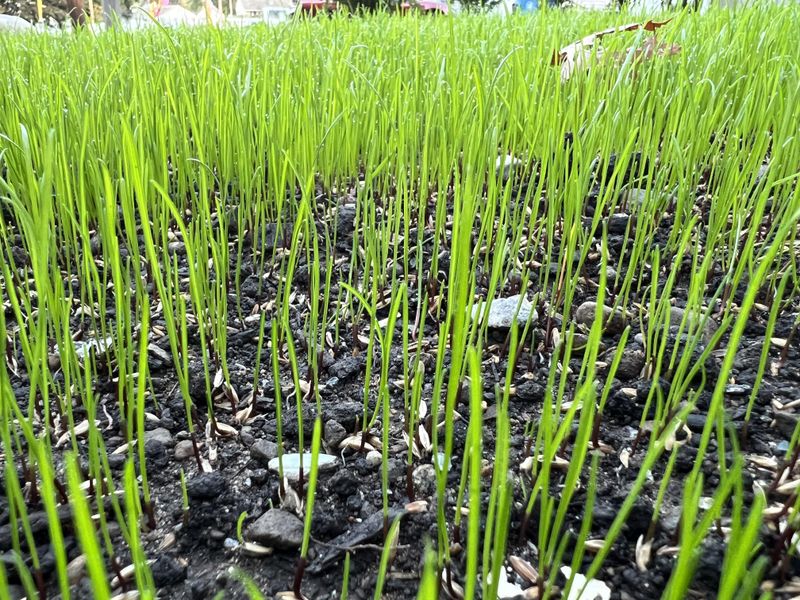
Plenty of Maryland homeowners spend real money on seed each fall and see almost nothing for it. The reasons repeat themselves year after year.
Bargain seed tops the list. Cheap mixes often contain annual ryegrass, which sprouts fast, looks great for eight weeks, and then vanishes by summer.
Look for turf-type tall fescue blends listed on the Maryland Extension recommended varieties list. The tag on the bag tells you everything, including weed seed percentage and germination rate.
Seeding rate trips people up next. Overseeding an existing lawn calls for roughly three to four pounds per thousand square feet, while bare ground needs six to eight.
Dumping double the recommended amount does not double your results. Crowded seedlings compete with each other and thin themselves out.
Seed to soil contact is the other frequent failure. Broadcasting seed over thatch or unbroken turf leaves it stranded on top, where birds and wind take their share.
Rake lightly, aerate first, or run a slit seeder. Any of those gets seed where it needs to be.
Then there is the pre-emergent problem. Applying crabgrass preventer in the same window as seeding blocks your new grass from sprouting, since the product cannot tell one seed from another.
Read labels carefully and space applications properly. Mesotrione-based starter products are the exception worth knowing about.
Fixing these four habits costs nothing extra. It simply redirects money you were spending anyway toward results you can actually see.
Watering And Feeding Young Grass Through The First Six Weeks
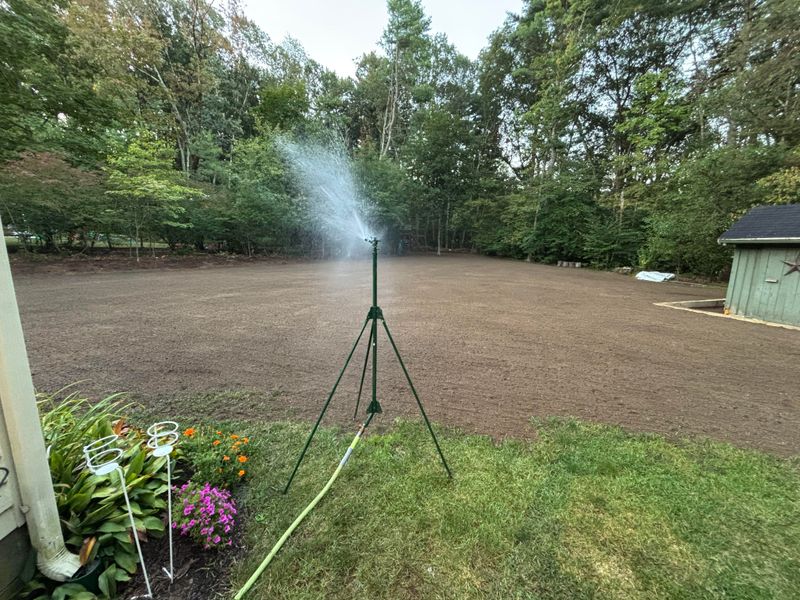
Seed in the ground is only half the job. What happens over the following six weeks decides whether those seedlings become a lawn or a disappointment.
New seed needs the top half inch of soil to stay damp continuously. That usually means light watering once or twice daily for the first two weeks.
Short sessions beat long soakings here. Ten minutes in the morning and ten in the early afternoon works better than one heavy thirty-minute run.
September in Maryland can deliver generous rain or three dry weeks in a row. Check the forecast rather than running a fixed schedule.
Once seedlings reach an inch tall, shift gears. Water less often but more deeply, encouraging roots to chase moisture downward instead of loitering at the surface.
Fertilizer plays a supporting role. A starter product with phosphorus helps root development, though Maryland law restricts phosphorus to lawns where a soil test shows a need or where a new lawn is being established or renovated.
Nitrogen matters more for most lawns here. A fall feeding around mid-September and another in early November builds carbohydrate reserves that fuel spring green-up.
Maryland’s Lawn Fertilizer Law sets clear limits, including no applications after November 15. Following those rules protects the Chesapeake Bay and keeps you compliant.
Hold off on mowing until new grass reaches three inches. Then cut with a sharp blade, removing no more than a third of the height.
Six weeks of steady attention turns fragile sprouts into turf that shrugs off winter and greets April looking established.
The Spring Payoff Of Getting September Right
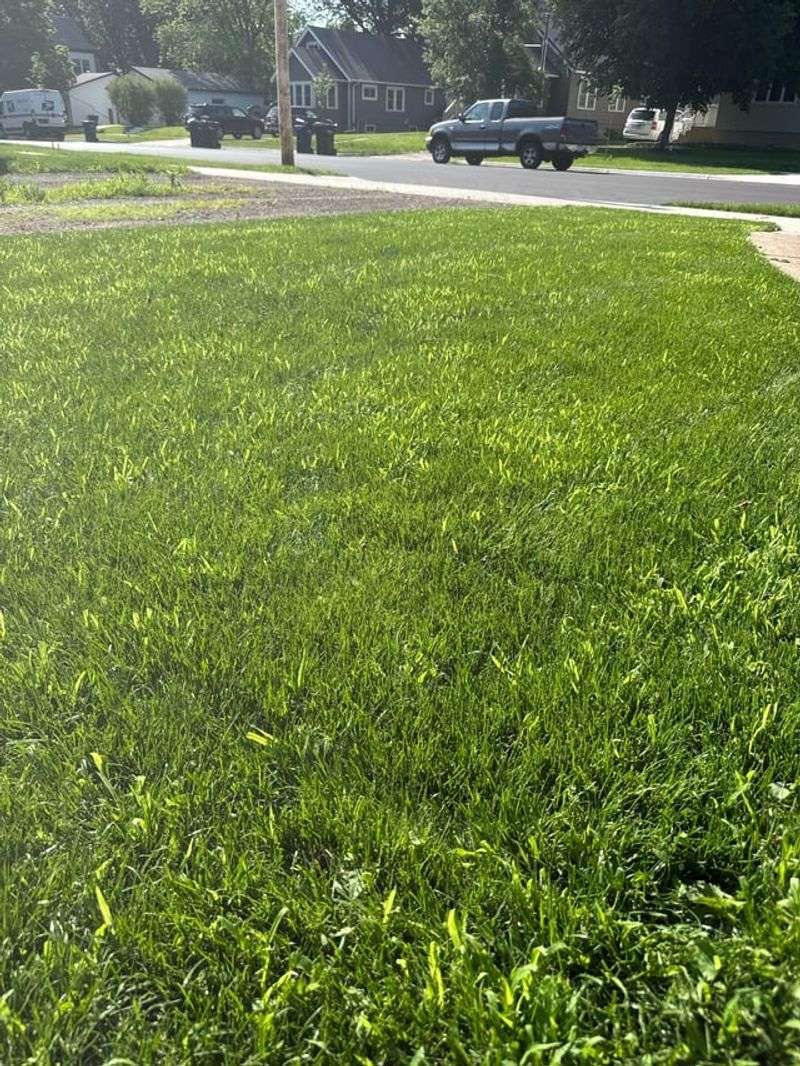
Picture two neighboring yards in early April. One greens up thick and even, the other wakes patchy with crabgrass already moving in.
The difference traces back seven months, to a three-week stretch nobody was watching. Grass seeded in September spends the entire fall building roots underground.
Cool-season turf keeps growing roots well into December, long after top growth stops. By March, those plants have a root system that spring-seeded grass cannot match until the following year.
Density is the payoff people notice most. Thick turf shades soil, and shaded soil stays too cool for crabgrass seed to germinate.
That means fewer weeds without extra herbicide. Fewer weeds means less money spent chasing problems in May and June.
Deep roots also change how the lawn handles the next Maryland summer. Turf drawing moisture from six inches down survives a dry July far better than shallow-rooted grass.
Disease pressure drops too. Vigorous plants shake off brown patch outbreaks that would flatten a struggling stand.
There is a quiet environmental bonus. Dense turf slows runoff, holds soil in place, and reduces what reaches storm drains headed toward the Bay.
Fun bit of history: tall fescue arrived in the United States from Europe and got its big break in Kentucky during the 1930s, prized for toughness on poor ground.
Maryland lawns inherited that resilience. Give the grass its September window, and it handles most of the rest on its own.