8 Warning Signs Of Snakes In Your California Yard Before They Settle In For Winter
A dark, smeared dropping topped with a chalky white cap often means a cold-blooded visitor has been resting nearby. That white part is uric acid, which reptiles pass instead of liquid urine to save water.
Most of these reptiles can’t dig their own burrows, so they borrow empty gopher and ground squirrel holes as winter shelters. Some gather in shared dens year after year, slowing into a resting state called brumation as the weather cools.
Let’s just say my dog’s special bark taught me to grab a flashlight before wandering into tall grass. You might notice your pets staring at one shrub long before you spot anything slithering nearby.
Plenty of these legless neighbors are harmless rodent hunters that actually help California gardeners. A few quiet clues around woodpiles, patios, and bird feeders could reveal whether one plans to stay for the winter.
1. Papery Snake Skins Tucked Near Rocks And Logs
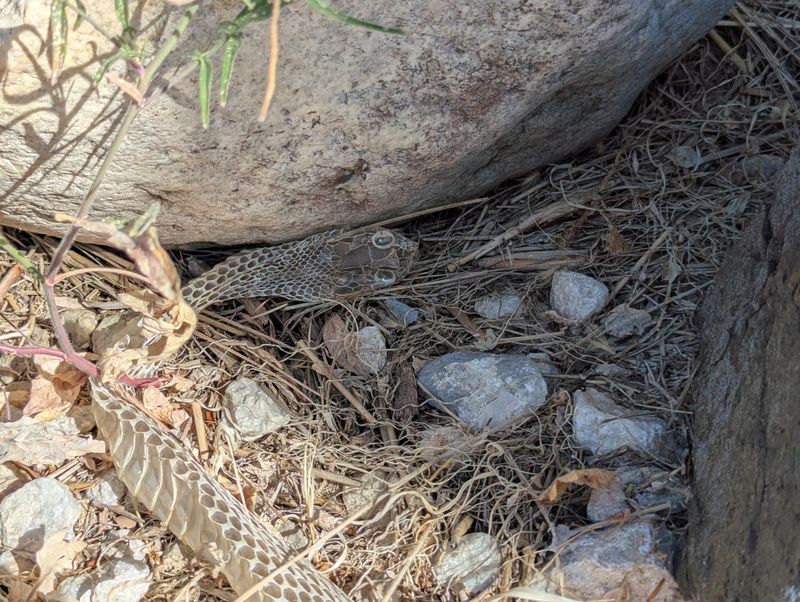
Finding a ghostly snake skin feels a bit like discovering a costume someone left behind after a party. The papery tube often stretches longer than the snake itself because the old skin pulls thin during shedding.
Snakes shed as they grow, and young ones slip out of their skins more often than adults do. Most snakes rub their noses on rough rocks or bark to start peeling, then crawl forward and leave the skin inside out.
You will usually find these sheds wedged between stones or tucked along the bottom edge of a wooden fence. Look closely at the scale pattern, since it can sometimes help an expert narrow down which species visited.
A crisp, flexible skin usually means the shed happened recently, while brittle and faded skins have been sitting around longer. I like to note the spot on my phone so I can watch that area more carefully later.
Rattlesnake sheds carry another clue, because each new skin adds one more segment to the growing rattle. Broken rattle pieces sometimes show up nearby, though finding one is less common than spotting the skin itself.
Wear gloves and use a stick or tongs if you want to pick up a shed for a closer look. Snake skins can carry salmonella bacteria, so washing your hands afterward is a smart habit for everyone in the family.
One shed does not mean a snake lives in your yard, since many simply pass through while hunting. Still, finding skins in the same area more than once suggests a favorite hiding place worth cleaning up before cooler weather.
2. White Capped Snake Droppings On Patios And Paths
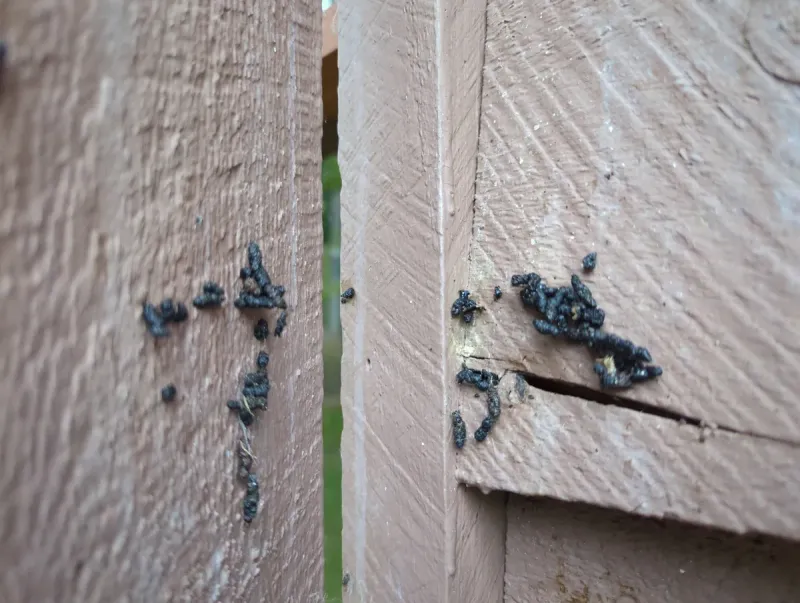
Nobody enjoys talking about poop, but snake droppings tell a surprisingly detailed story about who has been visiting your garden. They often look like a dark, smeared log topped with a chalky white cap that resembles a dab of toothpaste.
That white part is uric acid, which reptiles pass instead of liquid urine to save precious water in their bodies. Birds do something similar, so it helps to know a few extra details before blaming the wrong backyard guest.
Bird droppings tend to splatter and look mostly white, while snake droppings usually show more dark solid material. You might spot tiny bits of fur or bone mixed inside, leftovers from a mouse or lizard meal.
Rodent droppings look very different, appearing as small, dry pellets scattered along walls or inside storage areas. Seeing both types in one spot is a strong hint that a snake found a reliable dinner table near your home.
Snakes eat less often than mammals, so their droppings show up far less frequently than you might expect. Finding several piles in the same sunny corner suggests that particular area serves as a regular resting or basking spot.
Personally, I scoop droppings with a disposable glove and a plastic bag, then hose the area clean afterward. Like shed skins, droppings may carry salmonella, so keep kids and curious pets away until you finish tidying up.
Pay special attention to droppings near garage doors or crawl space vents as the weather cools down. Those entry points lead to protected spaces, and closing gaps there now can stop an uninvited guest from moving in.
3. Wavy Snake Tracks Across Dusty Garden Soil
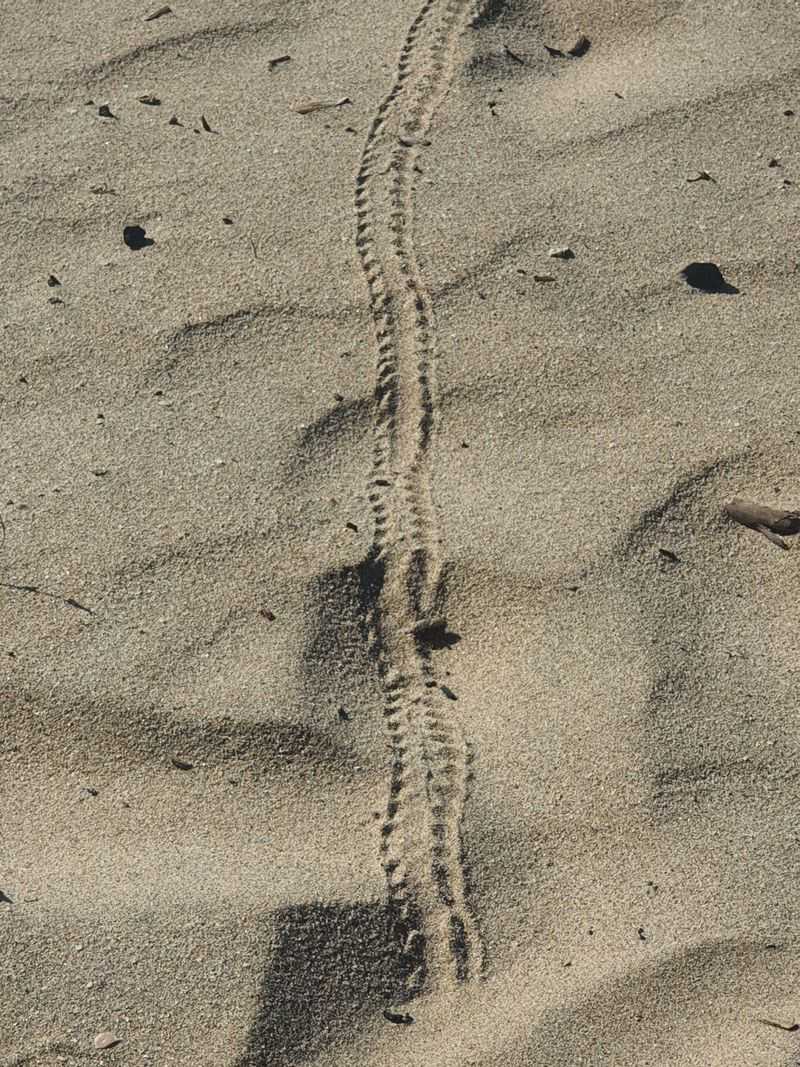
After a breezy afternoon smooths the dirt, I love checking my garden beds for mysterious marks like a backyard detective. Snake trails stand out because they show long curving lines with no footprints, which no other common visitor leaves behind.
Most snakes travel by pushing their bodies against small bumps in the ground, creating a gentle S-shaped path. Heavier snakes, including some rattlesnakes, sometimes creep in a straight line, leaving a wide and fairly smooth drag mark instead.
Loose sand and dusty soil hold these tracks best, so check bare patches between plants and along dirt paths. Early morning light hitting the ground at a low angle makes faint grooves much easier to see clearly.
Crisp edges usually mean the snake passed through recently, while blurred or crumbling edges suggest older activity. Wind and sprinkler water erase tracks quickly, so a sharp trail tells you something moved there within hours.
Try following the trail with your eyes rather than your feet, especially in areas where rattlesnakes live. Tracks often lead toward cover such as a dense shrub or a shadowy gap under a garden shed.
A simple trick I use involves raking a strip of sand smooth near suspected hiding spots in the evening. Checking that strip the next morning shows whether anything traveled through overnight, and it costs nothing but a few minutes.
Repeated trails heading toward your foundation deserve quick attention before the cooler months arrive. Seal openings with sturdy hardware cloth so a wandering snake chooses a wild hillside instead of the space under your home.
4. Dogs Barking At A Snake Hiding In Tall Grass
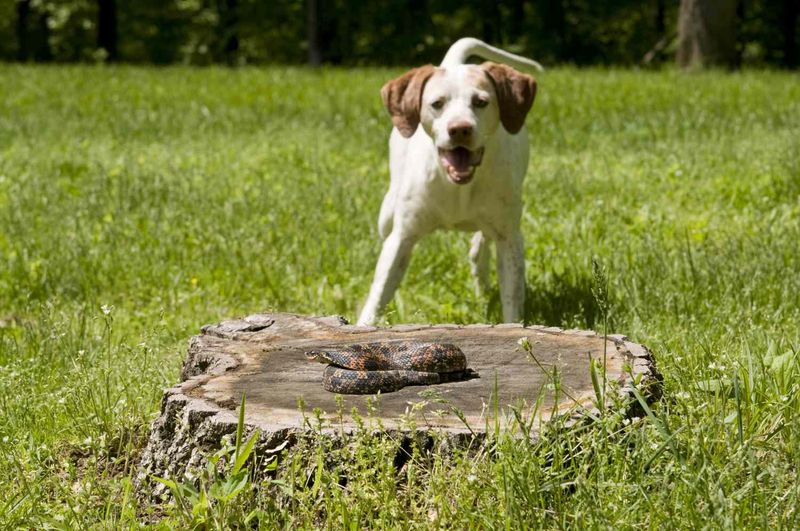
My dog has a special bark for squirrels, but a sudden stiff stance with nonstop barking usually means something else. Pets notice movement and scent we miss, so their strange behavior near a bush often deserves a careful second look.
Dogs and cats cannot tell a harmless gopher snake from a rattlesnake, and curiosity pulls them in close. Bites commonly land on the face or front legs because pets sniff and paw at whatever has caught their attention.
Watch for pets circling one spot or staring under a deck while ignoring you when called. Cats sometimes bring small snakes indoors as trophies, which can be quite a surprise when you find one under the couch.
Keep dogs leashed during walks near brushy hillsides and trails, especially on warm afternoons in fall. Rattlesnakes in this state stay active until temperatures drop, and some southern areas see activity on mild winter days too.
Some trainers offer rattlesnake avoidance classes that teach dogs to back away from the scent and sound of rattlesnakes. Ask your veterinarian about the rattlesnake vaccine as well, though experts still debate how much protection it truly provides.
If a bite happens, keep your pet calm and drive to the nearest emergency veterinarian without delay. Skip home remedies like ice or cutting the wound, since those approaches often cause more harm than help.
I believe our pets act as an early warning system that deserves real respect in snake country. When your dog fixates on one area, call it inside first, then inspect the spot from a safe distance with a flashlight.
5. Mice And Gophers Raiding Bird Feeders And Compost
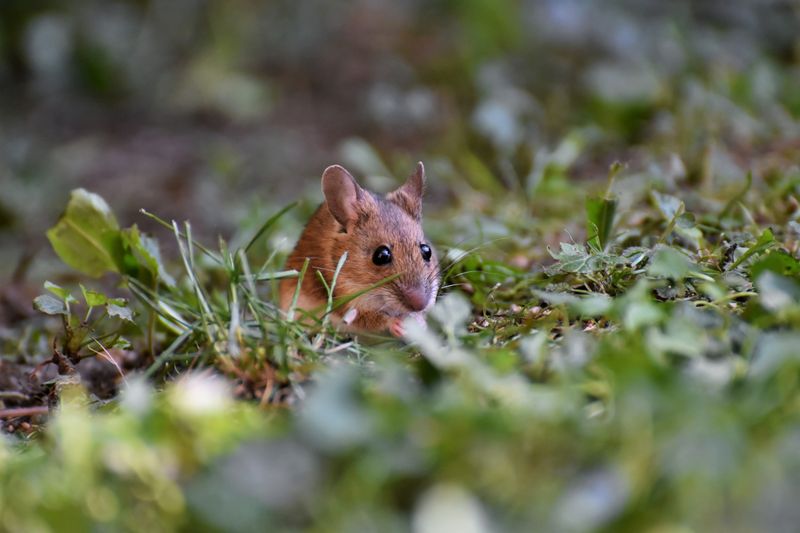
Snakes rarely show up just to admire your roses, because they follow the menu wherever it leads. A yard full of mice and gophers works like a glowing restaurant sign for hungry gopher snakes and rattlesnakes.
Fresh gopher mounds and chewed fruit near the garage suggest a healthy prey population living close by. Fall can make this worse since rodents gather food and look for warm shelter as the evenings get chilly.
Spilled birdseed is a common culprit, so I sweep under my feeders every few days or switch to no-mess blends. Pet food left outdoors overnight draws rodents too, so bring bowls inside before the sun goes down.
Compost bins attract rodents when they hold food scraps, especially meat or greasy leftovers that should stay out. Choose a closed bin with a tight lid, and turn the pile regularly so mice cannot build cozy nests inside.
Fallen citrus and avocados also feed hungry roof rats in many neighborhoods across the region. Pick up dropped fruit often and harvest ripe fruit promptly to cut down on midnight snacks for unwanted visitors.
Interestingly, gopher snakes and kingsnakes help gardeners by eating rodents, and kingsnakes even eat rattlesnakes. University of California experts encourage people to leave harmless snakes alone because they offer free pest control.
Cutting off the food supply works better than any spray or trap aimed directly at snakes. When rodents leave, the snakes usually move on as well, searching for better hunting grounds before they settle down for winter.
6. Open Rodent Burrows Near Foundations And Sheds
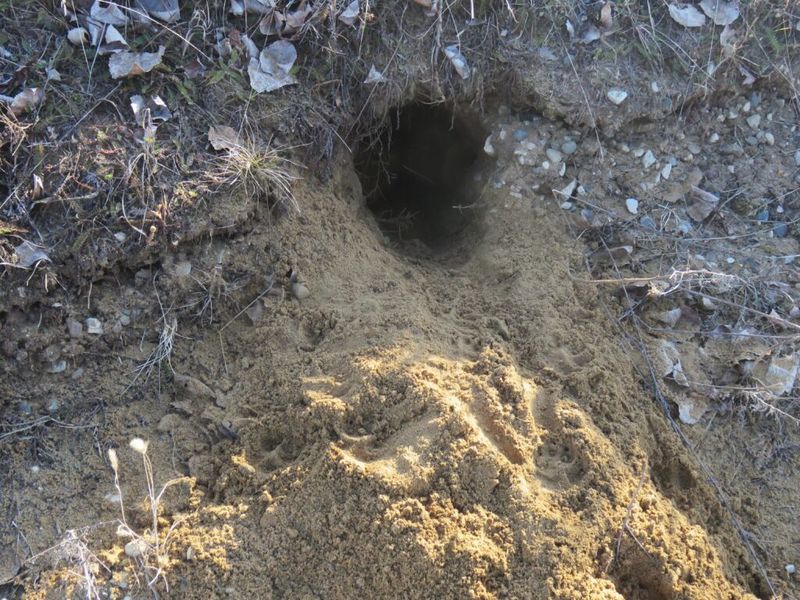
Snakes are surprisingly lazy home builders, since most species cannot dig a proper burrow on their own. Instead, they borrow empty holes made by gophers or ground squirrels, moving in like renters who skipped the construction phase.
Rattlesnakes in particular use ground squirrel burrows and rock crevices as winter shelters in many areas. Some gather in shared dens called hibernacula, returning to the same spot year after year when conditions stay favorable.
Check your yard for round holes about one to two inches wide, especially near slopes and retaining walls. A clean, smooth entrance without cobwebs or leaves often hints that something has been using the opening lately.
Old holes usually fill up with debris and spider webs, which suggests nobody has passed through in a while. Lightly cover suspicious holes with loose soil, then check a day later to see whether anything pushed its way out.
Gaps under porches and garden sheds work much the same way as burrows for a cold-blooded visitor. I have to admit those shadowy openings make me nervous, so I keep a flashlight handy whenever I peek underneath.
Avoid reaching into any hole with bare hands, and wear sturdy boots and gloves when working near these spots. Fill unused burrows only after you feel confident they are empty, ideally after watching the opening for a day or two.
Closing gaps under structures with quarter-inch hardware cloth helps keep both rodents and snakes from moving in. Bury the bottom edge several inches deep, since determined critters often slip underneath a barrier that sits on the surface.
7. Woodpiles And Rock Piles Where Snakes Hide
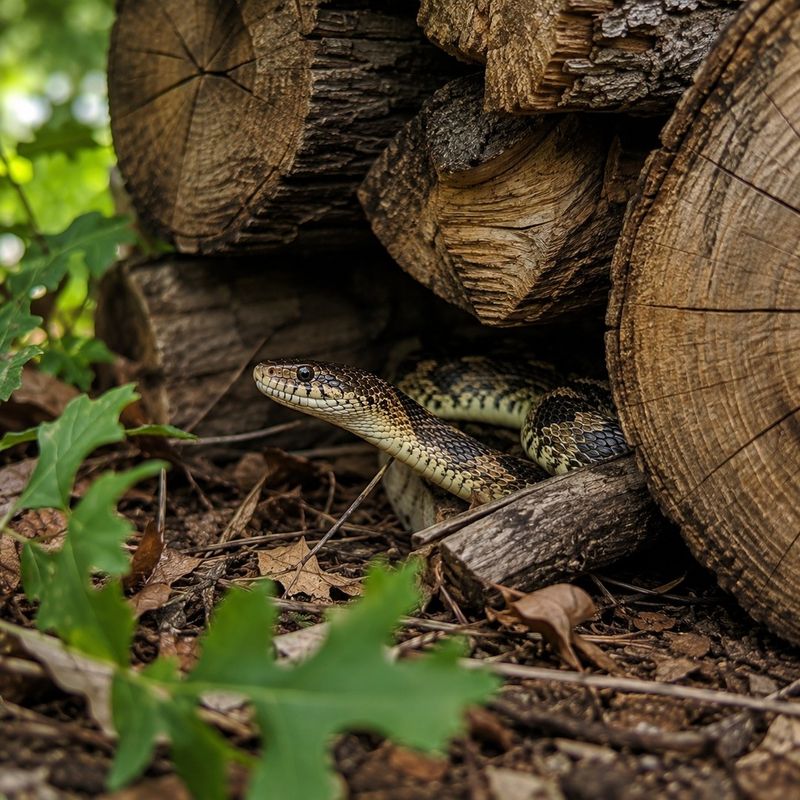
That neat stack of firewood by the fence might look tidy to you, but a snake sees a luxury apartment. Woodpiles and rock heaps trap warmth from the sun while staying cool and shaded inside, which snakes find very appealing.
Snakes are cold-blooded, so they rely on their surroundings to warm up or cool down throughout the day. Piles of debris let them shift between sunny edges and shady centers without traveling far from safety.
Store firewood on a rack at least twelve inches off the ground and keep it away from your house walls. Raising the stack removes the dark gap underneath that both rodents and snakes treat as a perfect hideout.
Overgrown ivy and tall weedy grass near walls also create hidden travel lanes for slithering visitors. Trimming plants back and keeping lawns short lets you spot movement sooner, which helps everyone feel more relaxed outdoors.
Fall cleanup season makes a great time to haul away old lumber and forgotten tarps lying around the yard. Personally, I find this chore oddly satisfying, especially when the garden looks open and bright afterward.
Lift boards and rocks by grabbing the far side first so the opening faces away from your body. That simple move gives any hidden snake a chance to slip away from you instead of toward your hands.
Keep in mind that rock walls and native plantings support lizards and helpful pollinators, so balance matters here. You can still enjoy wildlife-friendly features by placing them farther from doors and play areas where kids and pets spend time.
8. Snakes Basking On Sunny Patios And Warm Rocks
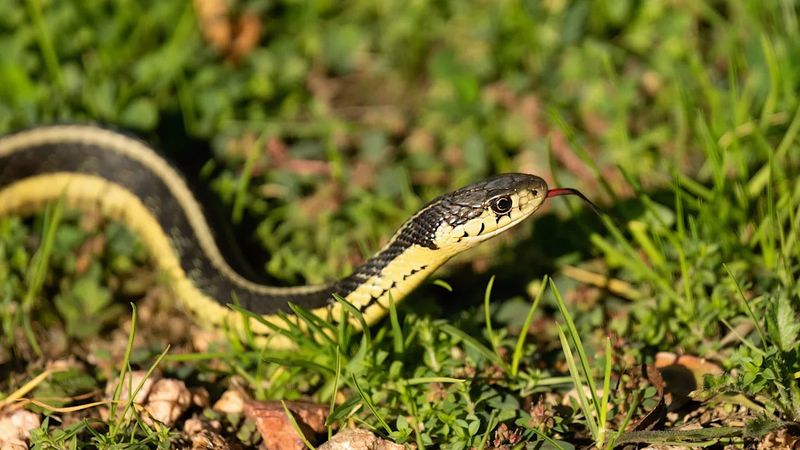
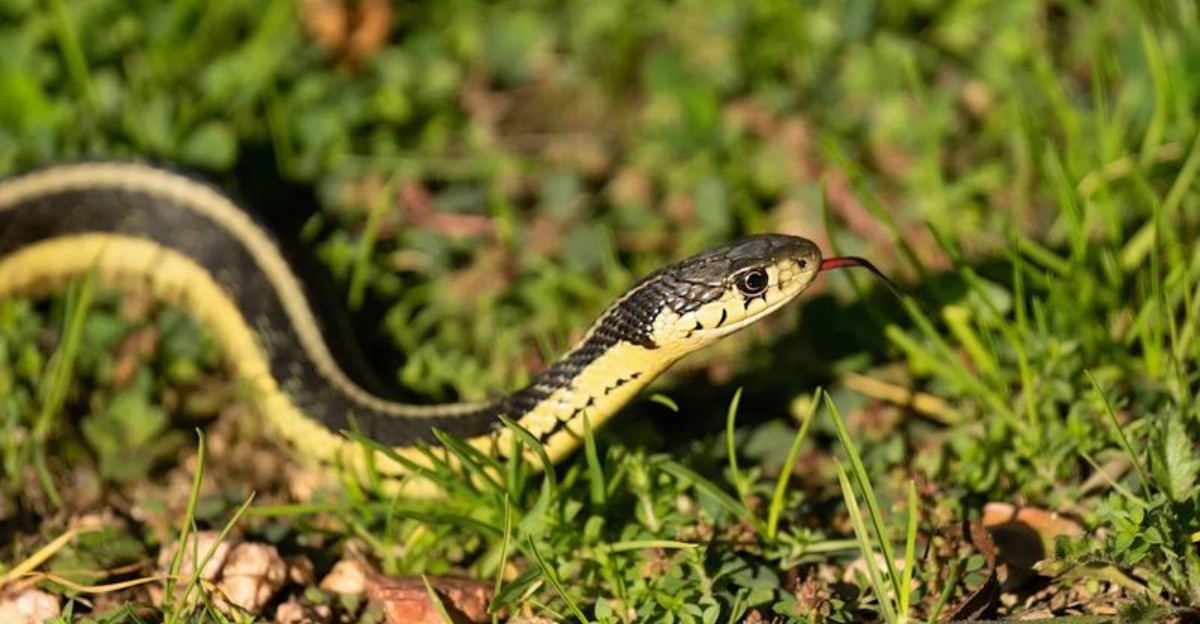
Spotting a snake stretched across a warm patio stone on a mild autumn afternoon can make your heart jump. These sunbathing sessions are a clear sign that a snake lives nearby and is soaking up heat before cooler weather.
As days shorten, snakes spend more time warming themselves to keep their bodies working for digestion and movement. Concrete walkways and south-facing rocks hold heat well, making them favorite lounging spots during the fall months.
In much of California, snakes slow down and enter a resting state called brumation as temperatures fall. Unlike true hibernation, brumating snakes may wake up and wander outside on warm days, even during the winter months.
Southern coastal and desert areas often see snakes active longer than mountain regions, so stay alert in those warmer zones. I like keeping an eye on sunny corners near my back steps during those golden afternoon hours.
Give any snake plenty of space, ideally several feet, and let it move away at its own pace. Most bites happen when people try to handle or harm a snake, so stepping back is the safest choice by far.
Snap a photo from a distance if you want help identifying the species through local experts or field guides. Gopher snakes often mimic rattlesnakes by hissing and shaking their tails, which fools plenty of nervous homeowners.
If a rattlesnake keeps returning to your patio, contact a professional wildlife removal service for safe relocation help. Calling trained help keeps your family safer than grabbing a shovel and trying risky moves on your own.