8 Fall Rose Care Mistakes California Gardeners Make Before Winter
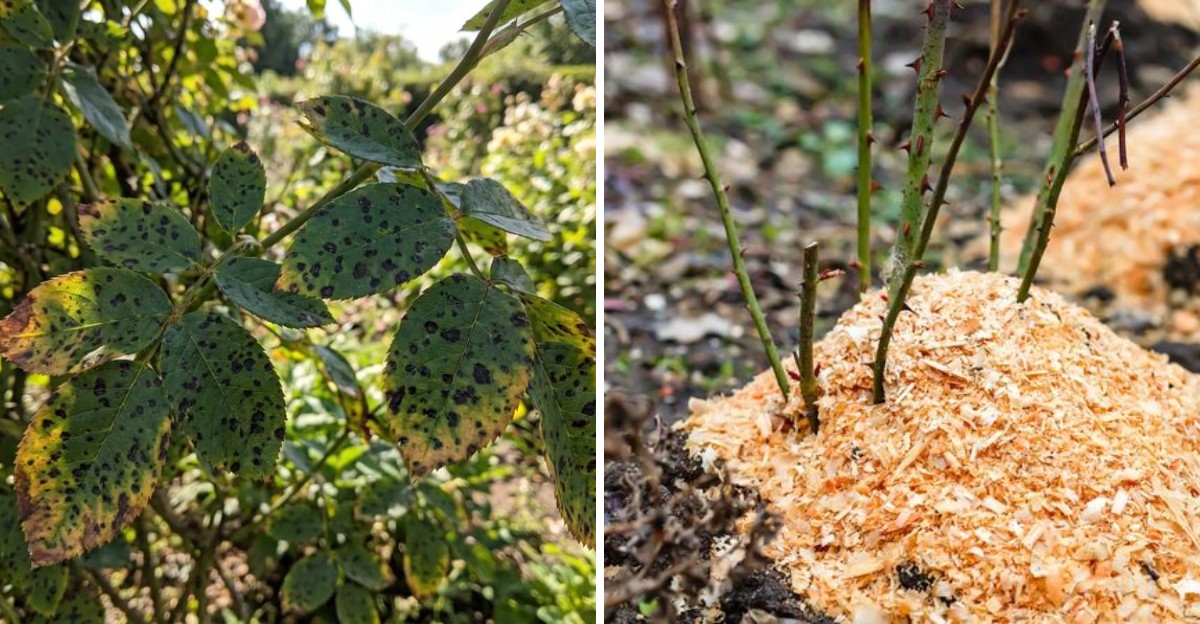
Bright orange hips on a thorny shrub only form when spent flowers stay put instead of getting snipped. Letting them ripen sends a natural signal that the season is winding down and rest is near.
Black spot spores can survive on fallen leaves and splash back onto fresh growth once spring rains return. Stopping nitrogen feeding about six to eight weeks before your average first frost also keeps tender new shoots from appearing too late.
My pruning shears and I have a complicated relationship every October, when leggy canes practically beg for a haircut. You might notice finches and mockingbirds visiting the hips once you finally leave them alone.
Plenty of California gardeners borrow fall routines from colder states without realizing how differently our plants rest. A few small changes with the pruners, the hose, and the rake could set up a healthier, flower-packed spring.
1. Hard Pruning Rose Bushes Too Early In Fall
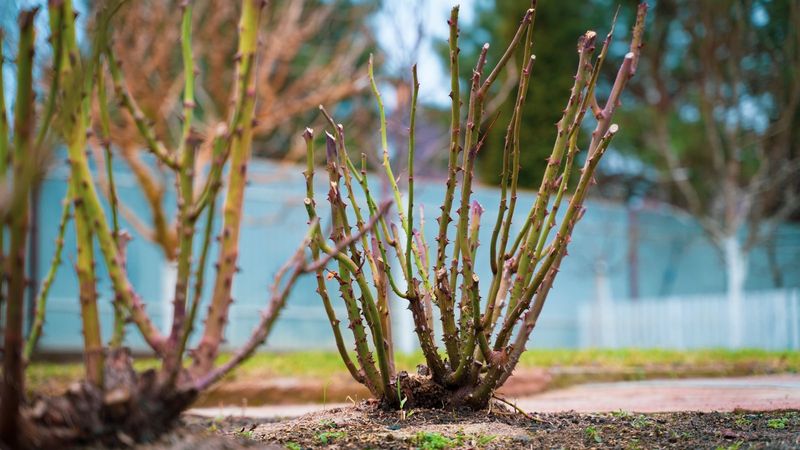
Few garden tools feel as satisfying as sharp pruners on a crisp autumn afternoon with the roses looking shaggy. I get the urge, because those long, leggy canes seem to beg for a dramatic haircut right now.
A hard cut in fall sends a wake-up call to the plant, and fresh shoots soon appear. Those soft new stems have little time to toughen up before chilly nights roll through in late fall.
UC Master Gardeners suggest saving the major pruning job for winter, usually somewhere between December and February. Inland and foothill gardeners often wait a bit longer, while coastal growers can start a little earlier.
Fall is still a fine time for light tidying, so you can trim a few overly long stems. Shortening tall canes helps keep winter winds from rocking the plant and loosening its roots in the soil.
Feel free to remove any broken or diseased wood whenever you spot it, no matter the season. Clean cuts just above a healthy bud help the plant seal wounds faster and reduce trouble later.
Personally, I keep a little notebook reminder that says wait, because my shears get restless every single October. That simple note has saved my roses from more than one impulsive and overeager weekend trimming spree.
Patience now lets the plant store energy in its canes and roots for a stronger spring start. Your roses will reward the wait with sturdier stems and a generous flush of fresh blooms later.
2. Late Nitrogen Fertilizer On Fall Rose Bushes
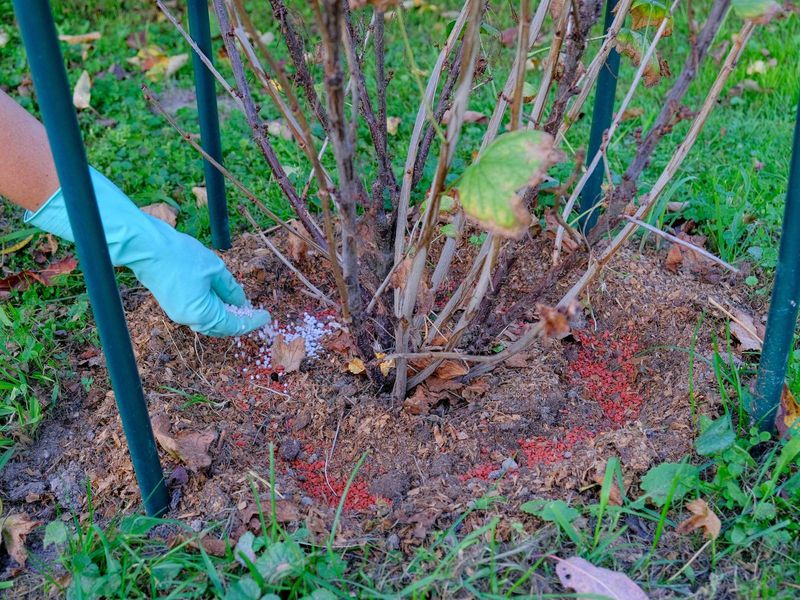
Nitrogen works like a turbo button for leaves, and roses respond to it with soft, eager green growth. That speed feels wonderful in May, but it can backfire badly once the days start getting shorter.
Feeding late in the season encourages tender shoots that struggle when the first cold snap arrives overnight. Those shoots also use up stored energy the plant would rather save for its spring comeback.
Many rose experts recommend stopping regular feeding about six to eight weeks before your average first frost. In mild coastal gardens, that often lands in September, while colder inland valleys may need to stop sooner.
I like to mark my final feeding date on the calendar in midsummer so I stay on track. That small reminder keeps me from grabbing the fertilizer bag out of habit on a warm fall weekend.
Slow-release organic products like alfalfa meal keep working for weeks, so timing them matters just as much. A late application could still push leafy growth weeks after you put the bag away for winter.
Some growers add a light dose of compost around the root zone instead, which improves soil without much push. Compost feeds soil life gently and helps hold moisture during the dry stretches before winter rain arrives.
You might notice your roses looking a little tired once you stop feeding, and that is perfectly normal. Their slower pace means they are getting ready for rest, so let them coast toward winter with confidence.
3. Overwatering Or Underwatering Roses As Days Cool
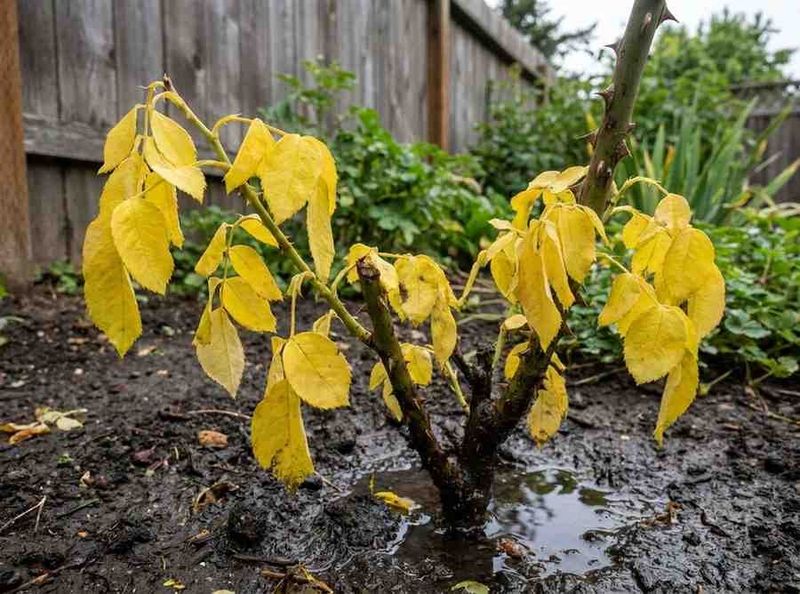
Cool mornings fool a lot of us into thinking our roses suddenly need far less water than before. Fall in many parts of California can stay warm and bone dry until the first real storms arrive.
Rose roots still need steady moisture in autumn, especially during those hot, gusty spells that pop up unexpectedly. Letting the soil go dusty for weeks stresses the plant right when it should be storing up reserves.
Going overboard causes its own headaches, since soggy soil leaves roots short on air and prone to rot. Cooler weather slows evaporation, so the same schedule you used in August may now drown the root zone.
Deep, less frequent watering at the base of the plant usually works best for established rose bushes. Aim the water at the soil rather than the leaves, because damp foliage overnight invites fungal problems.
I check moisture by pushing a finger or long screwdriver a few inches into the soil before watering. If the soil feels cool and damp at that depth, I wait another few days and check again.
Drip lines and soaker hoses make this easier, delivering water slowly so it soaks down instead of running off. Remember to adjust or pause your irrigation timer once regular winter rains finally soak the ground.
Watching the weather forecast becomes part of the routine, and I find it oddly fun during the fall. Your roses will head into their rest well hydrated, with healthy roots ready to fuel spring growth.
4. Leaving Fallen Rose Leaves Under The Bushes
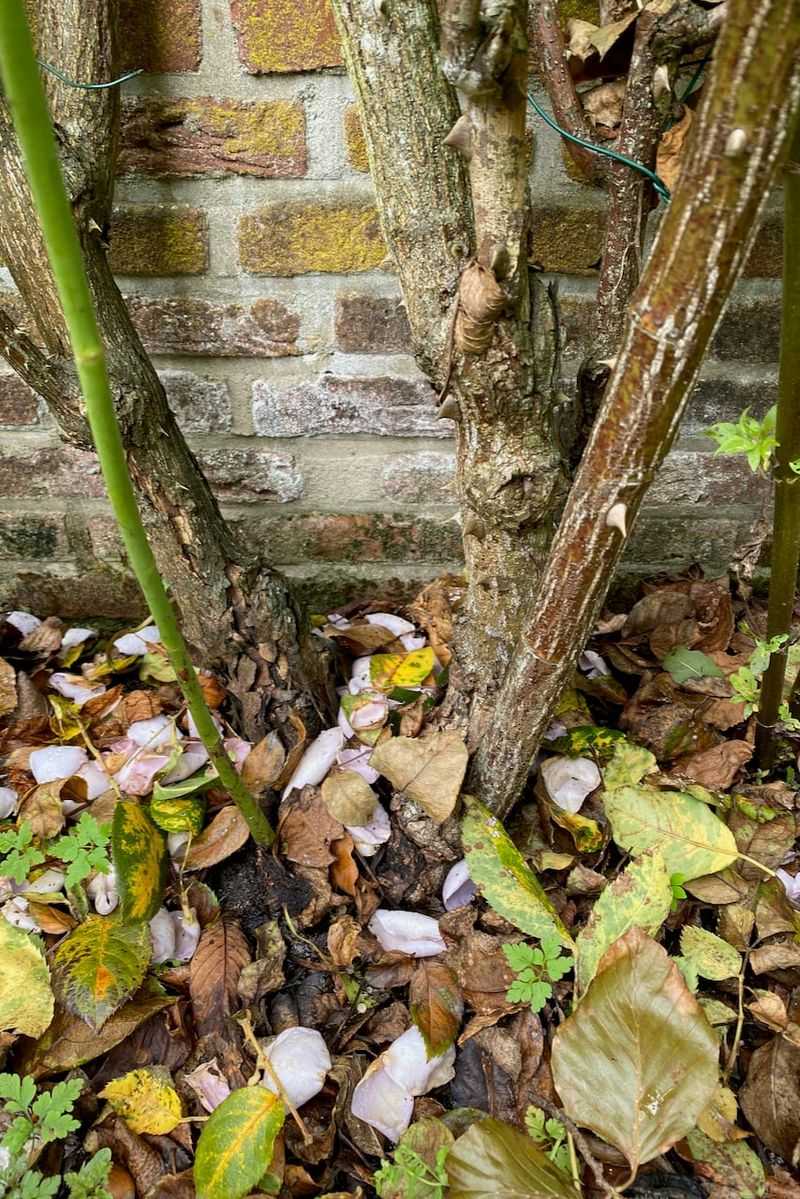
Those crunchy leaves under your rose bushes might look cozy, but they can hide a sneaky winter guest. Black spot fungus can survive on fallen foliage and splash back onto fresh leaves when spring rains return.
Rust and other leaf diseases can also linger in old debris, waiting quietly for warmer, damp weather. I learned this lesson the hard way after one spring when spots appeared on nearly every new leaf.
Rake up fallen rose leaves and old petals from around the base of each bush every week or two. Pull off any spotted or yellowing leaves still clinging to the canes, since they carry spores as well.
Bag this material for the green waste bin instead of tossing it into your backyard compost pile. Most home piles do not get hot enough to reliably break down disease spores before you spread finished compost.
Wiping your pruners with a household disinfectant between plants is another simple habit that limits spreading problems. It takes only a few seconds, and I keep a small rag and spray bottle in my tool bucket.
After cleanup, a fresh layer of mulch helps cover the soil and reduces rain splash onto the lower leaves. Keep that mulch a few inches away from the base of the canes so the crown stays dry.
Personally, I find this chore oddly relaxing, especially with a warm cup of tea waiting on the porch. A tidy bed gives your roses a cleaner start, and spring will feel less like a battle.
5. Bundling Roses In Burlap And Soil Mounds
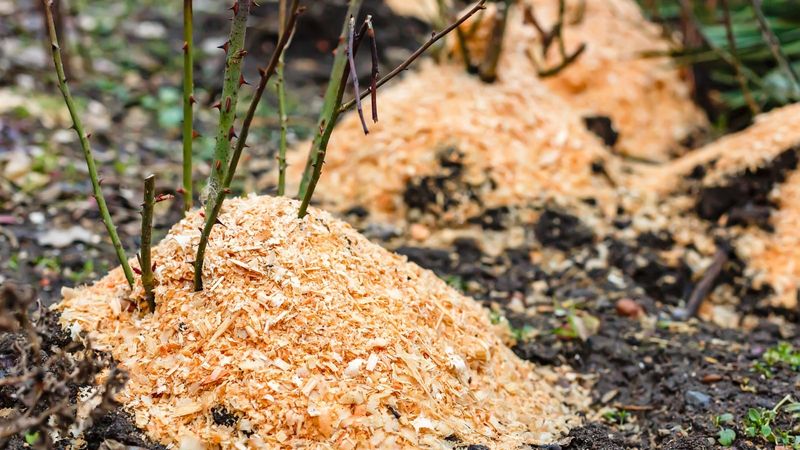
Gardeners in Minnesota bury their roses under mounds of soil each fall to protect canes from brutal cold. Copying that routine in a mild climate often creates more problems than it solves for our plants.
Most California roses rarely face the hard, sustained freezes that make heavy winter protection necessary in colder regions. Wrapping them tightly can trap moisture around the crown, which encourages mold and other fungal trouble.
I have to admit that I once wrapped a young rose in burlap after reading an old gardening book. By January the wrap felt soggy, and the plant looked miserable instead of protected and happy underneath it.
A simple layer of organic mulch, roughly two to four inches deep, usually provides plenty of insulation here. Mulch also holds soil moisture and keeps weeds down, which makes winter chores much easier for busy gardeners.
Gardeners in higher mountain areas or cold inland pockets may need extra protection during unusually harsh winters. Check with your local UC Master Gardener program to learn what works best for your specific elevation.
Potted roses deserve a little more attention, since roots in containers feel cold faster than roots in the ground. Grouping pots near a sunny wall or under a covered patio usually gives them enough shelter overnight.
Good airflow around the base matters more than heavy covers in most of our gardens during wet months. Let your roses breathe this winter, and you may be surprised by how happily they bounce back.
6. Snipping Off Faded Rose Blooms Too Late
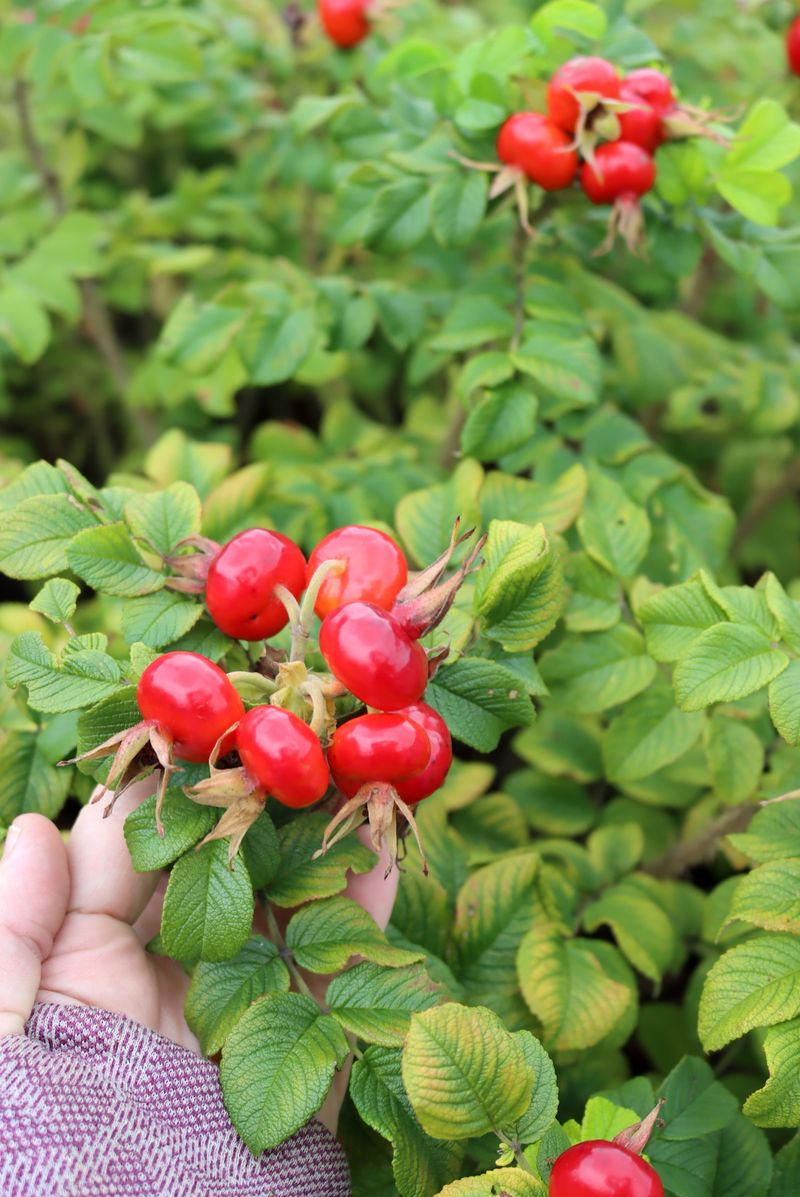
Rose hips might be one of the most underrated treats in the fall garden, glowing orange and red. They only form when you leave spent flowers on the bush instead of snipping them off right away.
All summer, removing faded blooms tells the plant to keep producing new buds, which keeps the show going. Continuing that routine deep into fall encourages more tender growth when the plant should be winding down.
Letting hips develop sends a natural signal that the season is ending and it is time to rest. Many rosarians stop clipping spent flowers in October or November, depending on their local climate and frost timing.
I love how hips add color to the garden after the blooms fade, especially on old garden roses. Rugosa roses and many species roses produce large, showy hips that look almost like tiny cherry tomatoes.
Birds such as finches and mockingbirds may visit to nibble on hips during the cooler months. Watching them from my kitchen window has become one of my favorite small joys of the season.
Not every rose variety forms hips, so do not worry if some of your hybrid teas stay plain. The main goal is simply to stop pushing new flowers once fall weather settles into your garden.
You can still remove any flowers that look moldy or diseased, since those can spread problems nearby. Otherwise, put the snips away, relax a little, and let your roses slip into their seasonal rest.
7. Ignoring Aphids And Rose Rust In Autumn
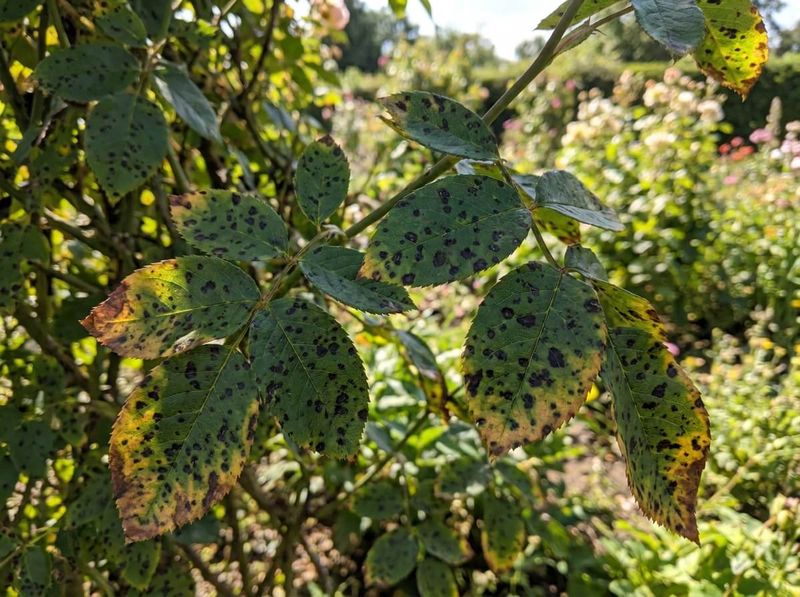
Aphids seem to throw a little comeback party on rose buds whenever autumn delivers a stretch of mild weather. Many gardeners stop checking their plants in fall, assuming cooler days have sent pests away for good.
Rust shows up as orange pustules on leaf undersides and tends to thrive in cool, moist coastal conditions. Powdery mildew also loves the warm days and cool nights that fall often brings to many California gardens.
Personally, I flip over a few leaves each time I walk past my roses with my morning coffee. Catching problems early means you can pick off infected leaves before spores spread across neighboring rose plants.
A strong spray of water from the hose knocks aphids off buds and stems without any harsh chemicals. Lady beetles and other helpful insects often arrive to finish the job if you avoid broad pesticide sprays.
UC IPM notes that horticultural oil applied during winter dormancy can help manage overwintering scale insects on canes. Read every product label carefully, and spray only when temperatures and weather conditions match the directions.
Good airflow helps reduce disease pressure, so give each bush enough space and avoid crowding them with other plants. Choosing disease-resistant rose varieties for future plantings can also lighten your workload quite a bit in coming years.
A few minutes of fall scouting can prevent a frustrating spring when fresh leaves appear covered in spots. Your roses will start the new season cleaner, and you will spend more time simply enjoying the blooms.
8. Moving Established Rose Bushes Before Winter Dormancy
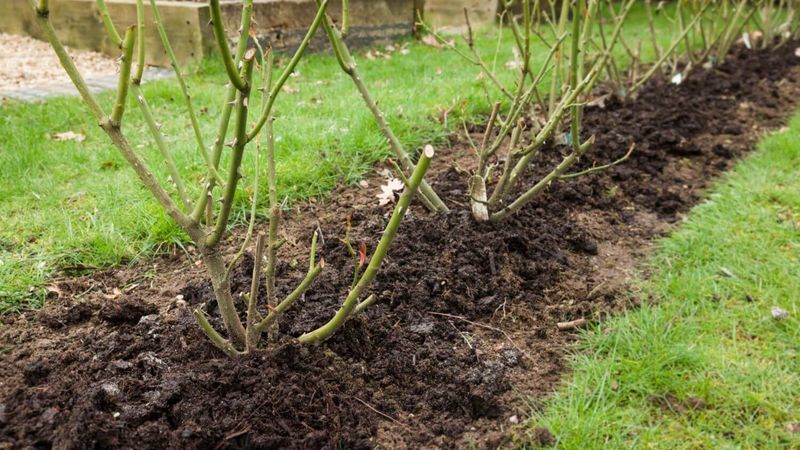
Moving a rose bush can feel like relocating a grumpy, thorny houseguest who refuses to cooperate politely. Timing makes a huge difference, and fall is usually not the best moment for this big job.
Roses still holding leaves are actively using water, so digging them up now often causes serious transplant shock. Waiting until winter dormancy, when the plant is mostly leafless, gives roots a calmer chance to recover.
Across much of California, gardeners usually move established roses between December and February, depending on local weather. That same window is when bare-root roses show up in nurseries, ready for planting in fresh beds.
Fall is a smart time to prepare the new spot so it is ready when the moment arrives. Choose a location with at least six hours of sun and soil that drains well after heavy rain.
I like to dig the new hole early and mix in compost, then let the bed settle naturally. That way, moving day goes quickly, and the rose spends less time sitting out with exposed roots.
When winter comes, dig a wide circle around the plant to keep as much of the root ball as possible. Replant at the same depth, water deeply, and keep an eye on soil moisture during dry winter spells.
Bare-root roses benefit from soaking in a bucket of water for several hours before they go into the ground. A little patience now means your rose settles into its new home with far less stress next spring.