Virginia Hens Slowing Down on Eggs? Here’s Why and Whether Extra Light Helps
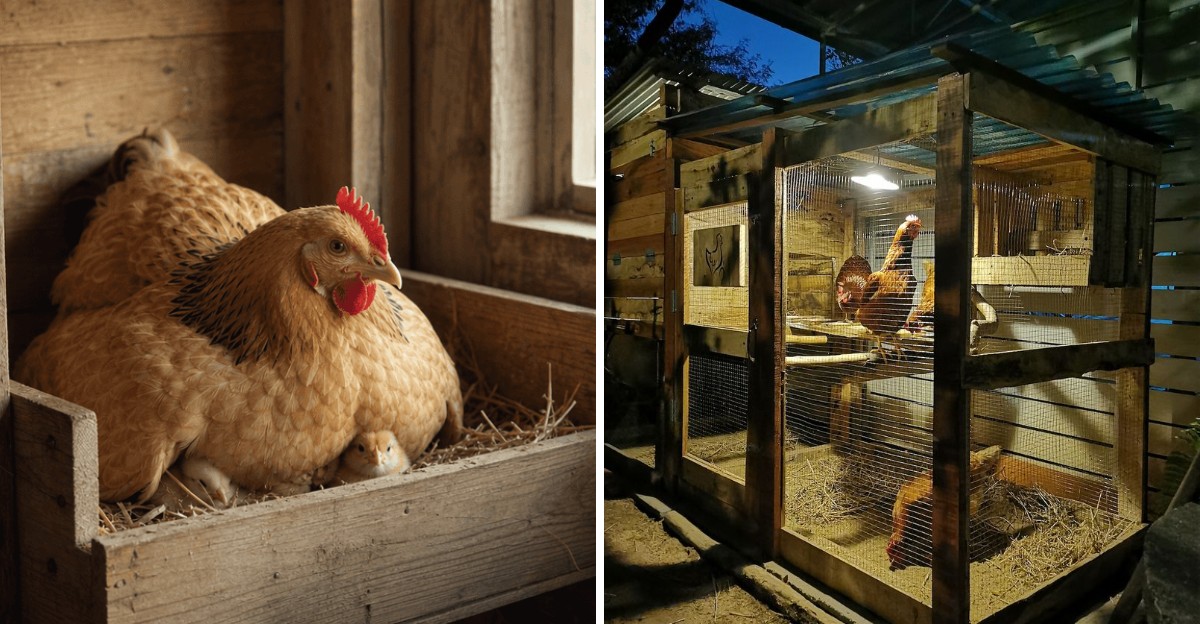
A chicken’s eyes aren’t the only part of her body that senses light. Researchers have found that light also reaches special receptors deep inside a hen’s brain, passing right through her skull and feathers.
That’s pretty wild when you think about it, because it means the sky itself is quietly running the show in your backyard coop.
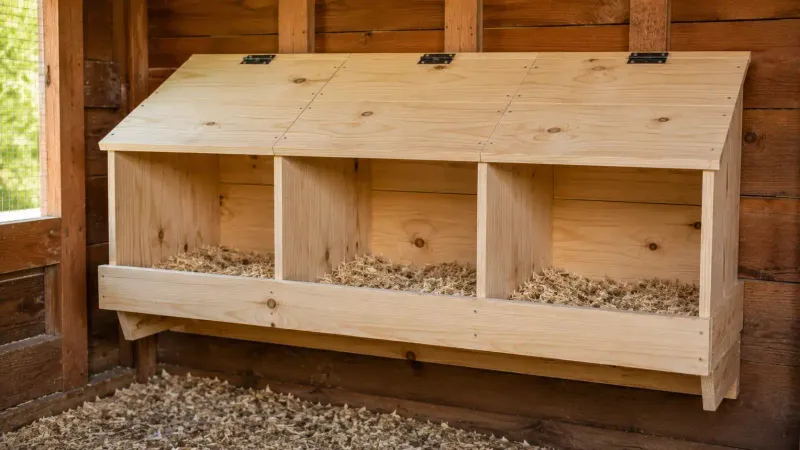
When fall settles over Virginia, mornings get darker and evenings arrive early, and you may notice the nest box sitting empty more often than you’d like. Plenty of keepers start to worry that something is wrong with their birds.
Most of the time, nothing is broken at all. The real story involves hormones, feathers, birthdays, and dinner, plus a little switch you could flip in the coop.
Should you add a bulb, or let your girls rest?
1. That Empty Nest Box Has a Lot to Do With the Sky
Cold weather usually gets the blame, but the calendar is the bigger culprit. Hens respond mainly to day length, not temperature.
Laying hens generally need about 14 to 16 hours of light each day to keep laying steadily. In much of Virginia, daylight drops below 12 hours by late September.
By the winter solstice in December, some days offer less than 10 hours.
That gap is huge from a hen’s point of view. Her body reads shorter days as a signal that winter is coming.
Winter, in nature, is a poor time to raise chicks, so she slows down or pauses laying.
Many keepers notice the dip starting in September or October. It often bottoms out between November and January.
Then, as days stretch again in late winter, eggs slowly return.
Breed matters a bit too. Production layers like ISA Browns and Leghorns may keep going longer, while heritage breeds such as Orpingtons or Brahmas often take a fuller break.
So before you worry, check your calendar. If it’s fall and your flock looks bright and active, short days are the most likely reason for fewer eggs.
A simple notebook helps here. Jot down how many eggs you collect each week.
Over a year, you’ll see your flock’s own rhythm, and that pattern will tell you more than any guess.
2. Light Sneaks Into a Hen’s Brain and Flips Her Laying Switch
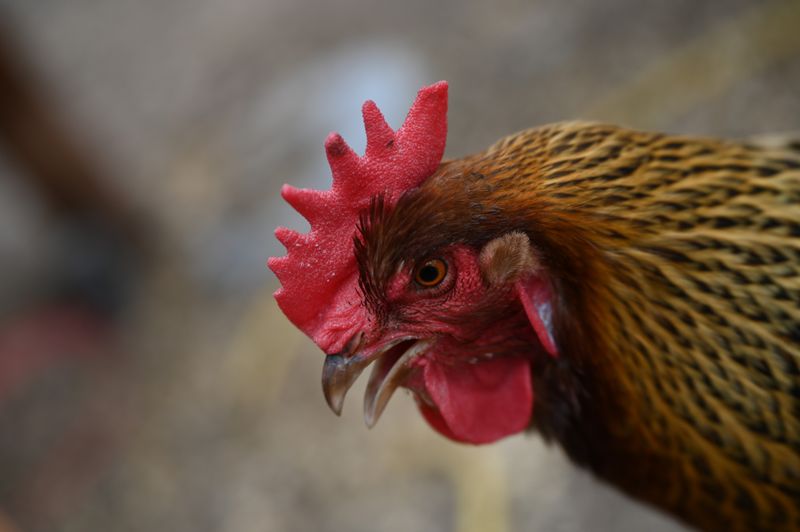
Here’s a fun piece of chicken science. Light does more than help a hen see her feed.
When light reaches a hen, it triggers glands in her brain, including the pituitary and the pineal gland. As days grow longer, these glands release hormones that wake up the ovary.
That kicks egg production into gear.
When days shorten, the hormone signals fade. The ovary gets fewer instructions, and egg laying winds down.
Poultry scientists, including specialists at Virginia Cooperative Extension, describe it as a light-driven system.
Interestingly, it’s not only the eyes involved. Birds have light-sensitive receptors deep in the brain that can pick up light passing through the skull.
Pretty amazing for a backyard bird, right?
The direction of change matters too. A hen exposed to gradually increasing light tends to lay well.
A hen facing shrinking daylight tends to slow down, even if the total hours seem decent.
That’s a big reason why spring feels like egg season. Lengthening days tell hens it’s safe to start a family.
Knowing this helps you make smarter choices. If you ever add light, you’ll want to keep the day length steady or growing, never cutting it back suddenly.
A sudden drop in light can send a hen right out of lay.
3. A Simple Coop Light on a Timer Can Bring Eggs Back
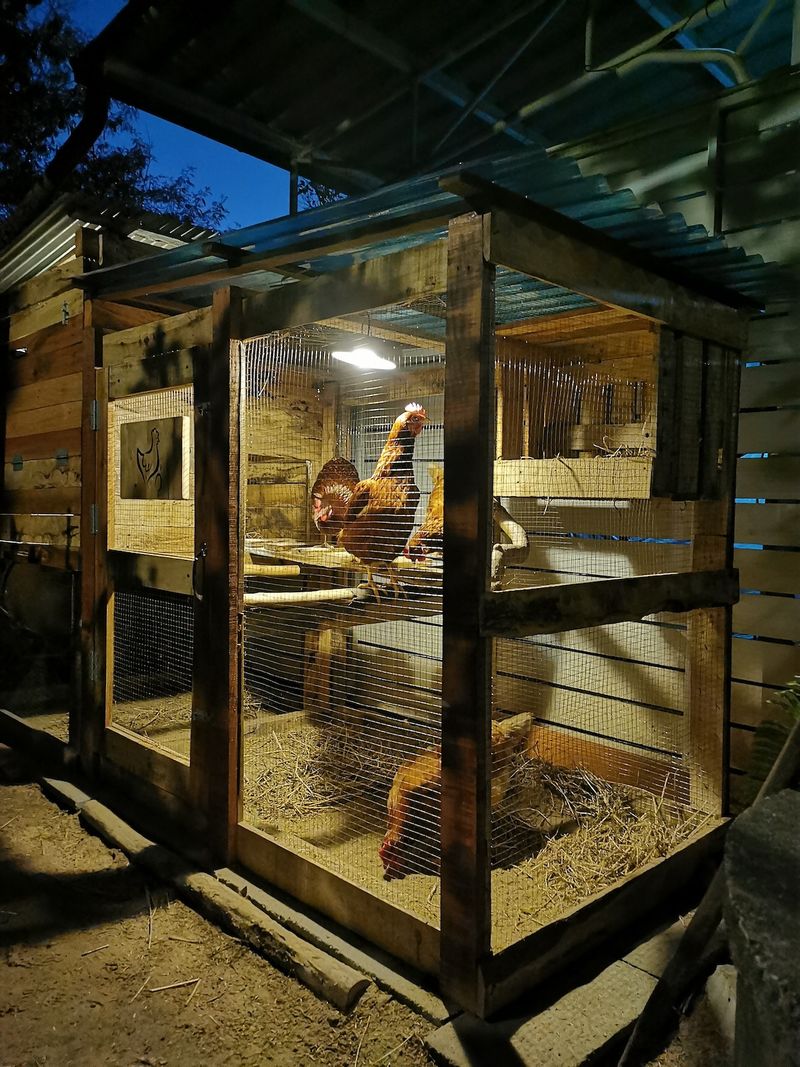
Yes, extra light really can help. It’s one of the most reliable ways to keep eggs coming through fall and winter.
The goal is about 14 to 16 hours of total light per day. That means natural daylight plus a bulb.
Most keepers find 14 hours is plenty, and going beyond 16 hours offers little benefit.
Skip the heat lamp. A plain LED bulb is enough, and warm white light around 2700K to 3500K works nicely.
A small bulb, often in the 9 to 15 watt LED range for a backyard coop, gives enough brightness to read by.
Heat lamps are a known fire risk in dusty, straw-filled coops. Keep any fixture secured, away from bedding, and protected from pecking beaks.
An automatic timer is your best friend. Hens love routine, and a timer means the light comes on at the same time every day, even when you’re asleep.
Most experts suggest adding light in the early morning before sunrise. Let the evening fade naturally so your birds can settle onto the roost at dusk.
If lights clicked off at night with no warning, hens could get stranded in the dark. Morning light avoids that problem.
Start gradually, adding about 30 minutes per week until you reach your target. Expect eggs to pick up within a few weeks.
4. Patchy Feathers Mean Your Flock Is Busy Molting
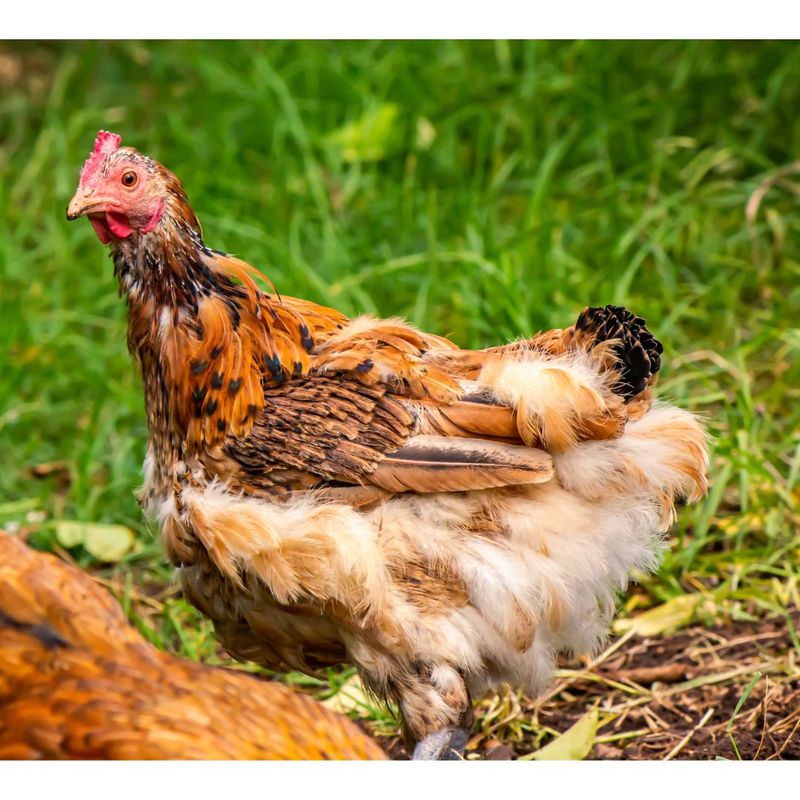
One October morning, your coop might look like a pillow fight happened overnight. Feathers everywhere, and a few hens looking scruffy and grumpy.
That’s molting, and it often arrives right alongside the egg slump. Most hens molt in late summer or fall, swapping worn feathers for a fresh, warm coat before winter.
Feathers are mostly protein. Growing a whole new set takes a lot of it, so a hen’s body pulls nutrients away from making eggs.
Laying often slows sharply or stops during this time.
A molt can last about 8 to 16 weeks. Some hens drop feathers gradually and barely look different.
Others go nearly bald in spots and look a little sorry for themselves.
Here’s how you can help:
Switch to a higher protein feed for a while, around 18 to 20 percent. Many keepers use a grower or all-flock feed with oyster shell on the side.
Handle molting birds gently. New pin feathers have a blood supply and feel sore when touched.
Keep stress low. Avoid adding new birds or rearranging the coop during a heavy molt.
Extra light won’t stop a molt in its tracks. Once fresh feathers fill in, most hens head back to the nest box, especially as days lengthen.
Think of it as a spa season for your flock.
5. Older Hens Lay Fewer Eggs With Every Birthday
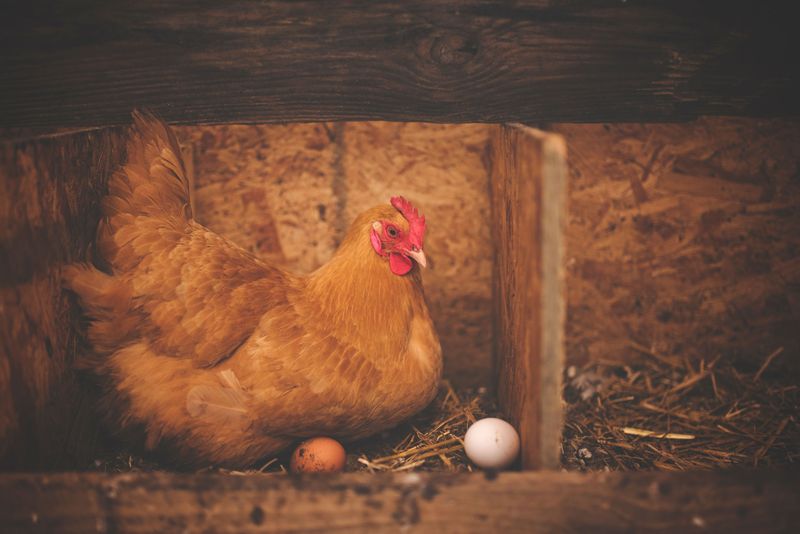
Ah, the golden girls of the coop. Every flock seems to have one or two veterans who rule the roost but rarely fill the nest box.
Age plays a big role in egg numbers. Hens usually lay best in their first two years.
After that, production tends to decline a little each year.
Pullets hatched in spring often keep laying through their first winter with only a small dip. That’s because young birds are full of energy and haven’t faced a full molt yet.
By age three or four, many hens lay noticeably fewer eggs. They also tend to take longer breaks in fall and winter.
Some keep laying lightly for years, while others mostly retire.
Fun fact: a hen is born with all the potential egg cells she’ll ever have. She simply releases them more slowly as she ages.
So what do you do with a senior hen? That’s up to you.
Plenty of keepers in Virginia keep older birds as pets, bug patrollers, and compost helpers.
If you want steady eggs, consider adding a few young pullets every year or two. A mixed-age flock spreads out the slowdowns.
Just remember to quarantine new birds for about 30 days before mixing them in. It’s a simple step that protects the whole flock from disease.
6. What’s in the Feeder Shows Up in the Egg Basket
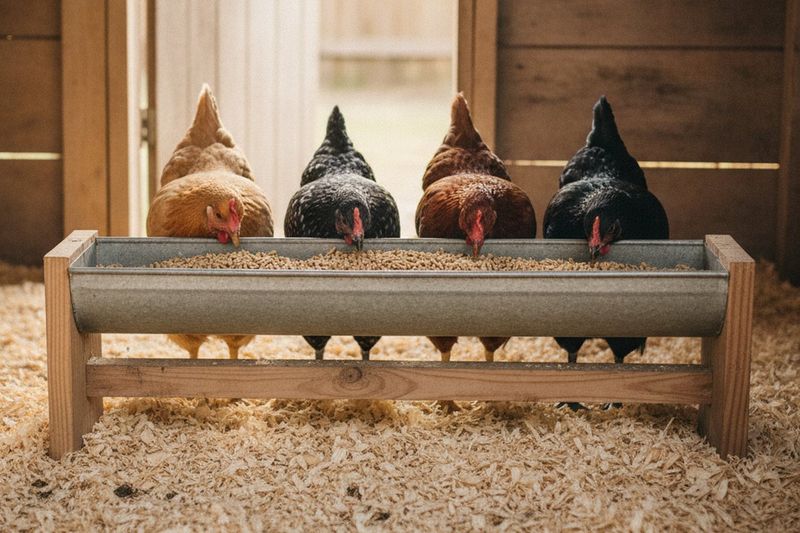
Let me tell you a quick truth about scratch grains. Hens adore them, but they’re basically chicken candy.
A laying hen needs a balanced diet to keep eggs coming. Most commercial layer feeds contain about 16 to 18 percent protein, plus the calcium and vitamins hens need.
If treats, scraps, and scratch make up too much of the menu, protein and calcium drop. Eggs slow down, and shells may turn thin or soft.
A good rule is keeping treats to about 10 percent of the daily diet.
Calcium deserves special attention. Each eggshell is mostly calcium carbonate, and a hen pulls a lot of it from her diet and bones.
Offer crushed oyster shell in a separate dish. Hens are pretty good at taking what they need.
Water matters just as much as food. An egg is mostly water, and even a short time without a drink can disrupt laying for days.
Winter in the Virginia mountains can freeze waterers solid overnight. A heated base made for poultry waterers helps a lot, as long as it’s used safely.
Hens also burn extra energy staying warm in cold months. Feeding a little scratch in the late afternoon gives them something to digest overnight.
Just keep the main ration as the star of the show.
7. Stress, Broody Moods, and Hidden Nests Can Steal Eggs Too
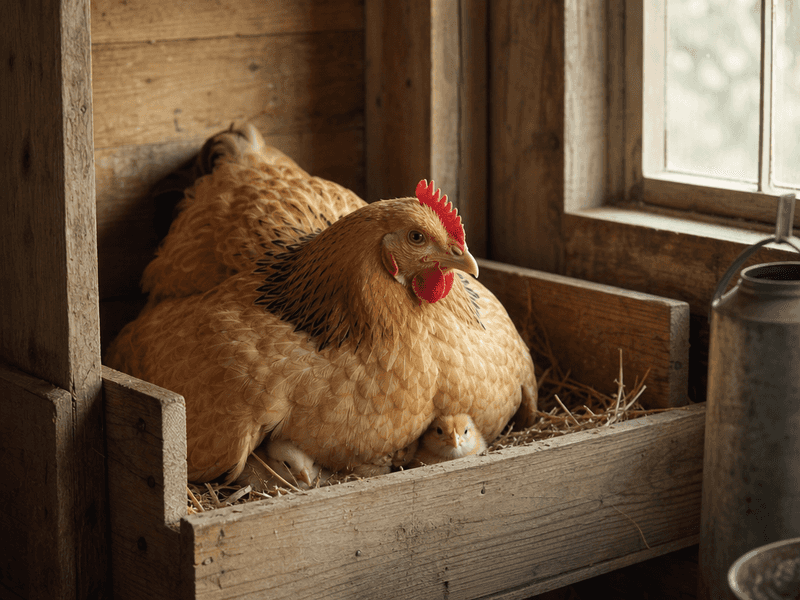
Sometimes the light, feed, and season all look fine, yet eggs still go missing. Time to play detective.
Broodiness is a common surprise. A broody hen puffs up, growls, and refuses to leave the nest.
She stops laying while she tries to hatch eggs, fertile or not.
Stress can also pause production. A predator visit, loud construction, a new flock member, or a sudden move can upset hens for days or weeks.
Free-range birds are sneaky. They sometimes start secret nests under shrubs, in barns, or behind woodpiles.
Before you blame the hens, take a walk and check hidden corners.
Egg thieves are real, too. Snakes, raccoons, opossums, and even the hens themselves may eat eggs.
Black rat snakes, common across Virginia, are well known for raiding nest boxes.
Parasites deserve a look as well. Mites and lice can make hens itchy and run down.
Check under wings and around the vent, especially at night with a flashlight.
Illness is less common but important. Watch for pale combs, lethargy, diarrhea, sneezing, or a hen hiding alone.
Contact a veterinarian or your local Virginia Cooperative Extension office if something seems off.
Collecting eggs at least once a day helps too. Fewer eggs sitting around means fewer temptations for predators and egg-eating habits.
8. Letting Your Hens Take a Winter Break Is a Smart Choice Too
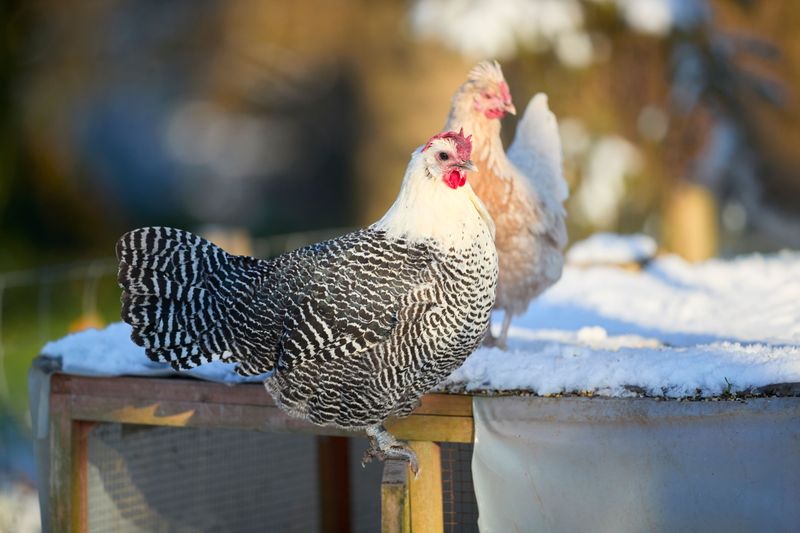
Plenty of seasoned keepers skip the coop light entirely. Honestly, I get it.
A natural winter break gives hens time to rest, rebuild body reserves, and finish molting. Many people feel it supports long-term health, though research on lifespan effects in backyard flocks is limited.
Remember, hens release eggs from a limited supply. Pushing production in winter doesn’t create more total eggs, it mostly shifts when they arrive.
Some keepers prefer to let nature set the pace.
On the other hand, extra light is a common, accepted practice. Commercial farms rely on it, and backyard birds generally handle it well when it’s added gradually and kept to 16 hours or less.
So which path fits you? Ask yourself a few questions:
Do you depend on your eggs for the household, or are they a bonus? Are your hens young production breeds or older heritage birds?
Can you safely run power to the coop?
Whichever route you choose, a few habits help every flock. Keep the coop dry and draft-free but well ventilated.
Feed a quality layer ration, offer fresh water, and check birds often.
When the days stretch again around February and March, most Virginia hens get back to business. That first spring egg in an empty nest box feels like a little gift.