What California Gardeners In Frost Zones Should Do With Garden Hoses Before A Freeze
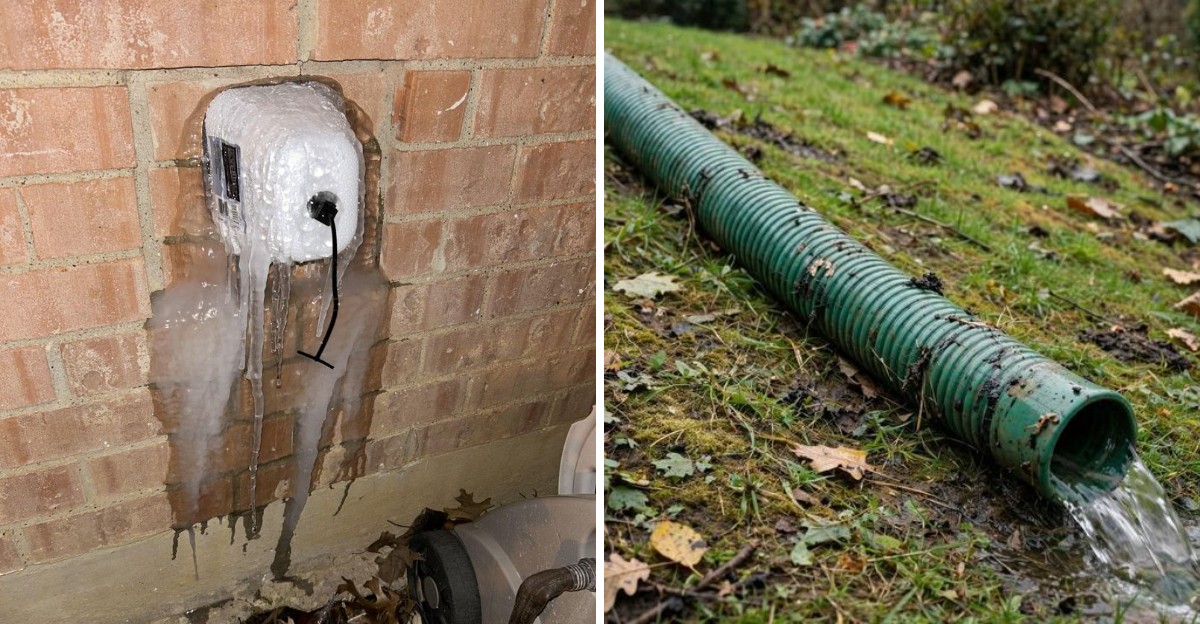
Water grows by about 9 percent when it turns to ice, and it pushes hard enough to split copper pipe.
That little fact surprised me the first winter I gardened in the foothills. California has plenty of cold pockets, from the Sierra and high desert to chilly inland valleys where frost settles on clear nights.
The sneaky part is where the damage shows up. A crack often forms inside the wall, out of sight, and nobody notices until the weather warms and water starts to flow.
I can’t imagine pulling soggy drywall out of a closet in spring because of one forgotten coil of green rubber. You probably have one lying in the yard right now. So what should you do with it before the thermometer drops tonight?
That Hose Still Attached To The Spigot Is A Bigger Risk Than It Looks
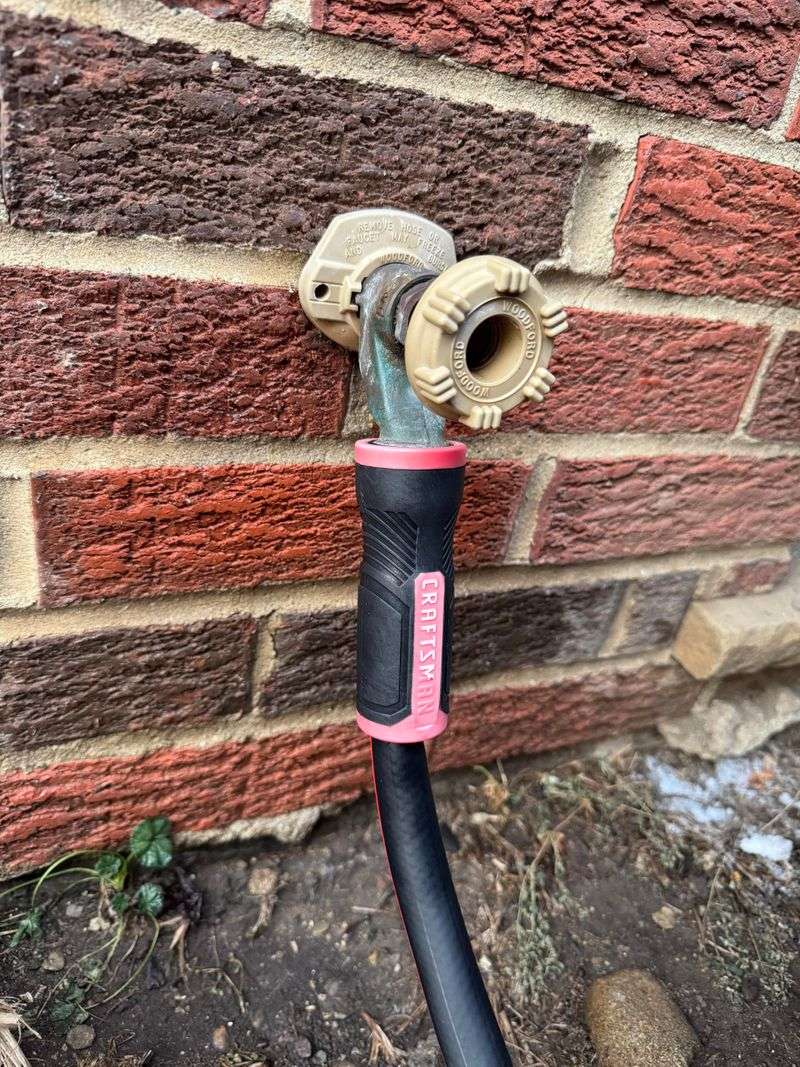
A hose left on the faucet acts like a cork. Water sits in the fitting and the first few feet of hose, and on a frosty night it turns to ice right at the connection.
Ice takes up more room than liquid water. When it has nowhere to go, the pressure builds and pushes back toward the pipe. University extension services and plumbers point to this as a common cause of split hose bibs and cracked pipes.
The worst breaks hide indoors. A pipe can split behind siding or drywall, and you may not see a drop while it stays frozen. Once the ice melts, water can spray into walls, crawl spaces, or a garage before anyone notices.
California frost zones make this easy to forget. Many of us water through mild fall days, then a clear, still night in December drops to 25 degrees. Places like Truckee, Lancaster, Redding, and parts of the Central Valley see these swings often.
I like to treat the hose as part of the plumbing system, not just a garden tool. Once you see it that way, the next steps make a lot more sense, and they only take a few minutes.
Unscrew Every Garden Hose From The Faucet Before Sunset
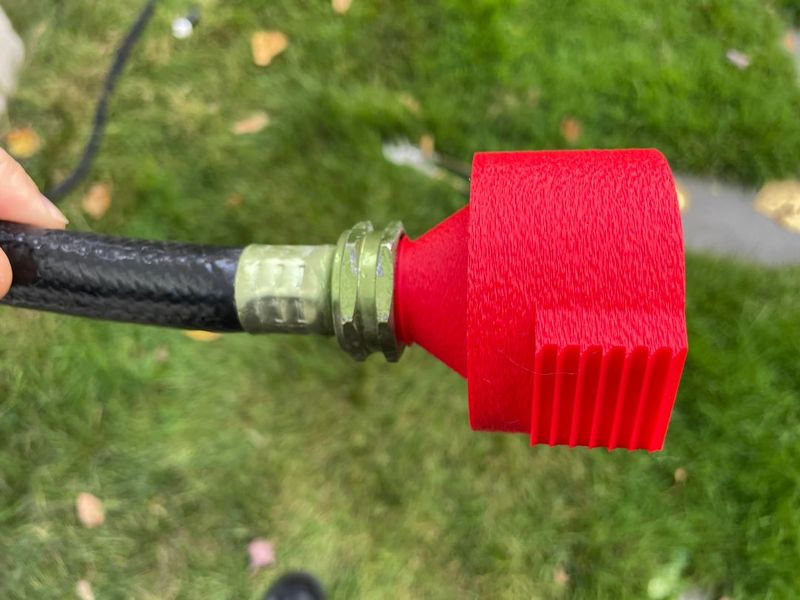
Disconnecting is the single most useful move you can make. Twist the hose off, set it aside, and the faucet can finally breathe.
Plenty of homes have frost-free sillcocks. These faucets have a long stem that shuts water off deep inside the warm part of the house. They work by letting the outer section drain after you close the handle.
A hose blocks that drain path. Water stays trapped in the barrel, freezes, and can crack the faucet body even though it was built for cold weather. Many manufacturers note that an attached hose can void their freeze protection.
Timing matters too. I try to do this in the afternoon, when the hose is still flexible and the fittings turn easily. A frozen coupling at 7 a.m. is stubborn and a little painful on bare fingers.
Check every faucet around the house, not just your main watering spot. Side yards and back fences hide extra hoses, and splitters or Y-valves count as well. Pull those off too, since their small chambers hold water.
Hear the faucet gurgle as it empties? That sound means the drain is doing its job.
Drain The Hose By Stretching It Down A Gentle Slope
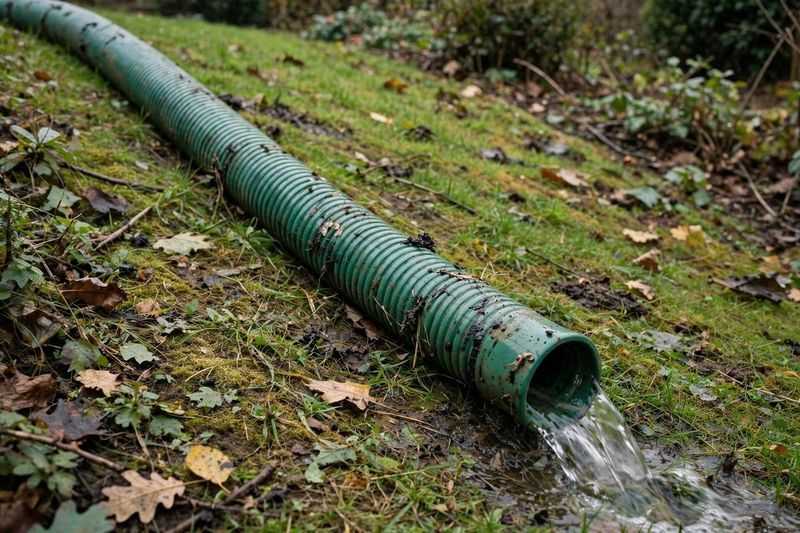
Gravity is the best helper you have here. Stretch the hose out on a driveway or gentle slope with the open end pointing downhill.
Remove the nozzle, sprayer, or wand first. Those attachments trap water and can crack in the cold, especially plastic ones with small internal parts.
Next, lift the high end to about shoulder height and walk slowly toward the low end. You are basically pouring the hose out like a long straw. Water will rush out in a steady stream, then slow to drips.
Kinks and low spots hold sneaky puddles. A quick shake or a second walk along the length clears most of them. Some gardeners blow through one end, but a calm walk usually works fine.
Why bother if the hose is already off the faucet? Leftover water can freeze inside the hose and stress the walls and couplings. Over a few winters, that leads to bulges, splits, and leaky ends.
Here in drought-minded California, I also catch that last water in a bucket. It goes right onto a potted plant or a thirsty shrub, so nothing gets wasted.
Close The Indoor Shutoff Valve And Open The Outdoor Spigot
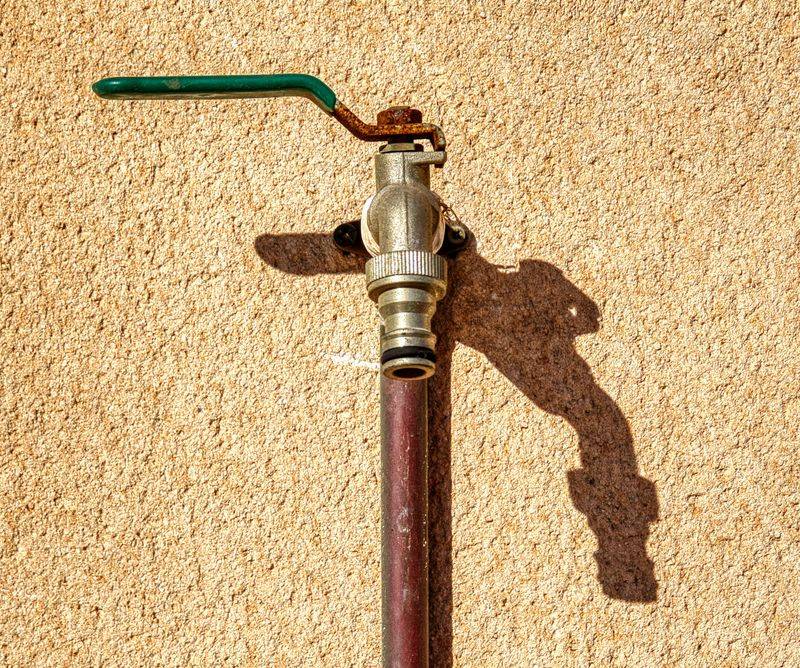
Some homes have a separate valve that feeds each outdoor faucet. You might find it in a garage, basement, crawl space, or under a sink near an exterior wall.
Turn that valve off before a hard freeze. Then head outside and open the spigot so the trapped water can drain away.
Leave the outdoor faucet open while the indoor valve stays closed. That gives any remaining water room to expand without building pressure in the line.
Some shutoff valves have a tiny cap on the side called a bleeder or drain cap. Loosen it over a small cup, and the last bit of water in the pipe will trickle out. Close it again once it stops.
Not every California house has these valves. Lots of older ranch homes and slab houses in mild areas skip them entirely. If you can’t find one, a plumber can add a shutoff for a modest cost.
Write yourself a note or a phone reminder to reopen the valve in spring. I once spent a confused April morning wondering why my drip system had no pressure. The answer was a closed valve I had set in December.
Foam Faucet Covers And Pipe Insulation Add An Extra Layer
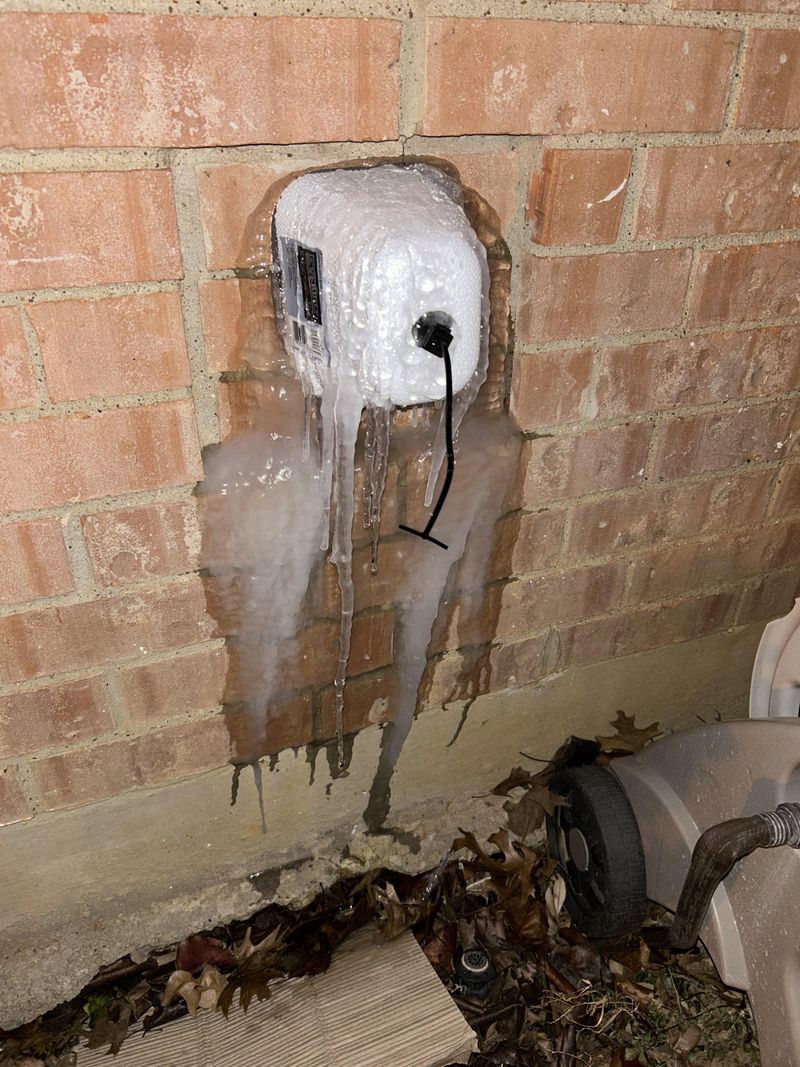
Those little foam domes at the hardware store look almost silly. They work surprisingly well, though, by trapping a bit of the house’s warmth around the faucet.
Slip the cover over the spigot after the hose is off. A loop and cinch strap hold it snug against the wall, which keeps cold wind out.
Exposed pipes deserve attention too. Many California homes have short runs of pipe along the outside wall, near the water heater, or under raised floors. Foam pipe sleeves are cheap and slide right on.
Look at where the pipe leaves the house. Gaps around the faucet let cold air reach the plumbing inside the wall. A bead of exterior caulk or a bit of spray foam closes those openings.
Backflow preventers and irrigation valves sit out in the open and can crack on cold nights. Insulated pouches made for them are widely sold. Mountain and high-desert gardeners rely on them every winter.
Caught without supplies? An old towel wrapped around the faucet and covered with a plastic bag will help for a single cold night. It’s not pretty, but it beats a cracked fitting.
Coil Your Hoses Loosely And Store Them In A Garage Or Shed
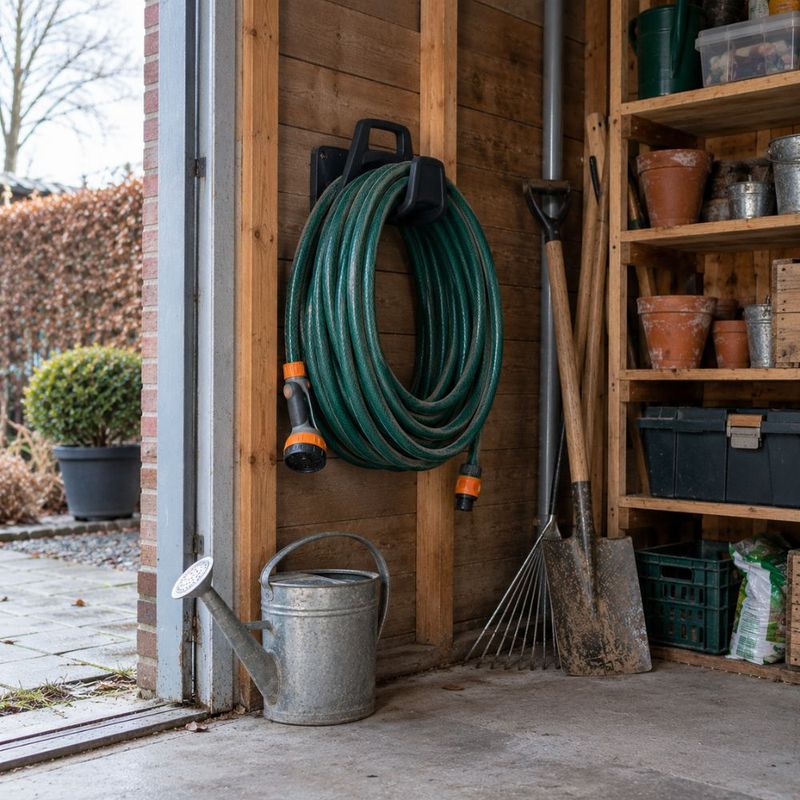
Cold makes vinyl hoses stiff and cranky. Bend one sharply on a frosty morning and you might hear a crack.
Once the hose is drained, coil it in loose loops that follow its natural curve. Tight coils and sharp folds create weak spots that split later.
A garage, shed, or basement is the ideal winter home. Hang the coil on a wide hose hanger or a reel so it doesn’t sit flattened under heavy tools. Rubber hoses handle cold better than cheap vinyl, but they still last longer indoors.
Out of space? A deck box or covered patio corner works in milder frost zones. Keep the hose off bare concrete if you can, and away from direct afternoon sun, which breaks down materials over time.
Cap the ends or screw them together. That small habit keeps spiders, earwigs, and dirt out of the hose until spring.
I find this a nice moment to check the washers too. Those little rubber rings in the couplings dry out and cause drips. A bag of new ones costs just a couple of dollars, and spring watering goes smoother.
Check Your Hose Bibs After The Cold Snap Before Watering Again
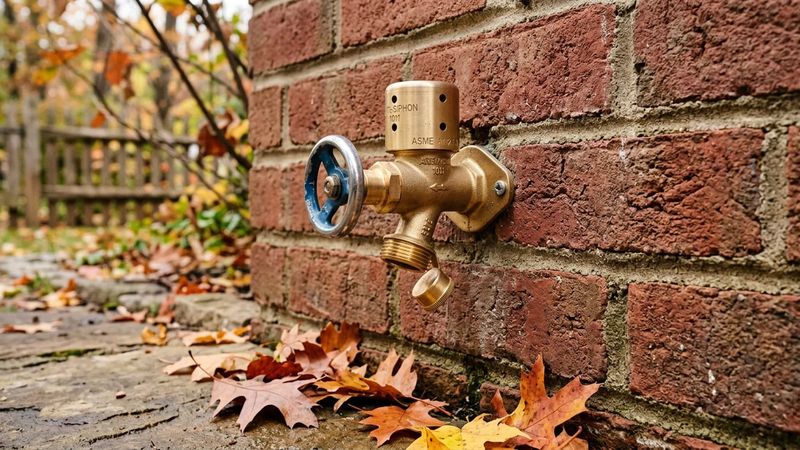
Once the frost melts, take a short walk around the house. A quick look now can catch problems while they’re still small.
Turn the water back on slowly and watch the faucet. Drips from the handle, sprays from the body, or water running down the wall all suggest a crack.
Head indoors and check walls near each outdoor faucet. Damp drywall, bubbled paint, or a musty smell can point to a split pipe inside. Your water meter can help too, since a spinning dial with all taps closed signals a leak.
Spotted trouble? Close the shutoff right away and call a licensed plumber. Fast action limits water damage and wasted water, which matters in a state where every gallon counts.
Plan ahead for the rest of the season as well. In much of California, frost risk runs from about November through March, and mountain areas see it longer. The National Weather Service issues freeze warnings, so a weather app alert is a handy nudge.
Make hose care part of your fall routine, like pulling summer annuals. A few minutes each cold season protects your plumbing, your wallet, and your spring garden plans.