The Fall Strawberry Move California Gardeners Are Making Before Winter
A certain kind of autumn planting rewards patience more than almost any other job in the vegetable garden. The plants look modest going in, small and unremarkable, with months of quiet ahead.
Meanwhile, important work happens underground while the rest of the garden slows for winter.
California’s mild coastal climate makes this approach especially appealing, though timing varies by region more than many gardeners realize.
A handful of decisions made now, from the type of plant to the exact depth it sits in the soil, shapes the results months later.
Small missteps can lead to soggy, disappointing beds, while careful choices tend to pay off in sweet ways.
Spring’s first red treasure starts with a little dirt under the fingernails this month.
Fall Is Prime Time To Plant Strawberries
Cool mornings and warm afternoons nudge many plants toward root growth rather than fruit, and California’s mild fall weather suits that shift beautifully. Strawberries set out now spend the cooler months building a strong root system below the soil.
UC IPM names mid-to-late August as generally the best planting time statewide, giving plants several warm weeks to settle before winter.
In mild coastal areas, though, fall and early winter plantings using fresh plants work well, with the harvest arriving in spring.
The difference shows up later. A spring-planted strawberry has to grow roots and fruit at the same time, so it often struggles.
A fall-planted one enters spring with roots already in place, freeing its energy for leaves, flowers, and berries.
Mild winters help too. Along much of the coast, the ground rarely freezes hard, and roots keep growing slowly through the cold months even while the leaves look sleepy.
By February, the plant is ready to wake up.
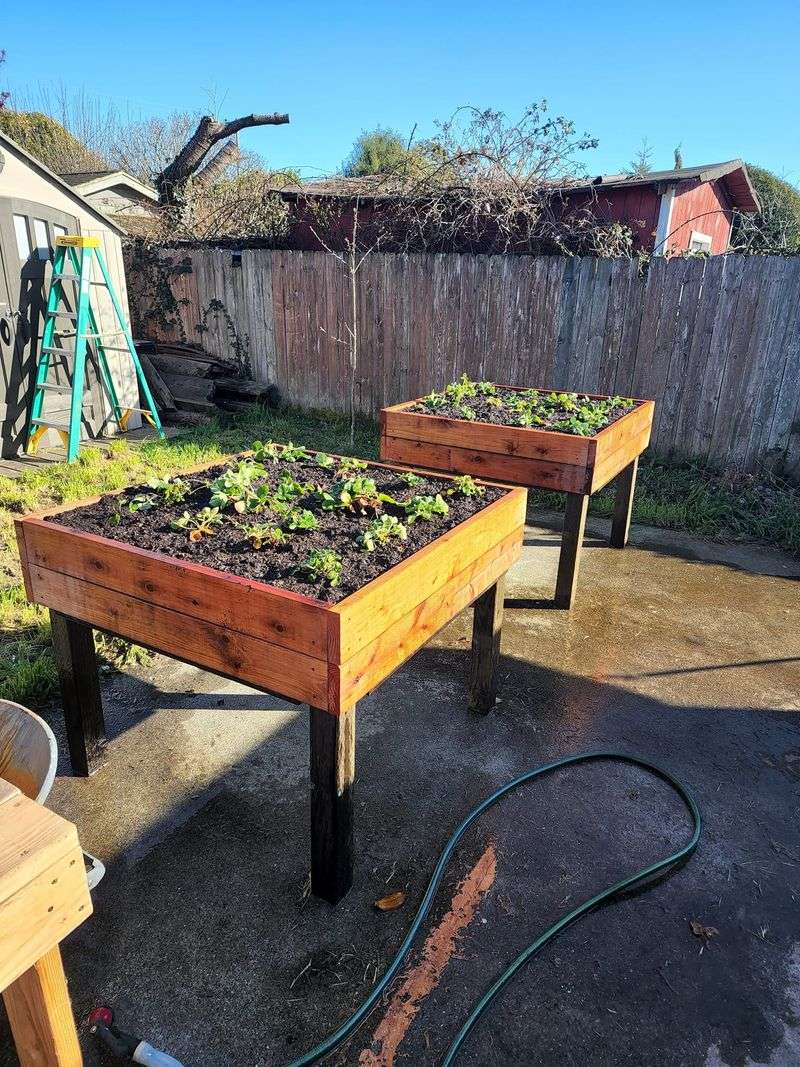
Bed preparation comes first. Strawberries like full sun, rich soil, and good drainage, and raised beds work especially well because they shed extra winter rain.
Compost mixed in before planting, along with thorough weeding, gives plants a clean start. Plenty of direct sun, ideally six hours or more, keeps plants productive.
A site that hasn’t grown strawberries, tomatoes, or peppers recently also helps, since those crops can share soilborne diseases. A little effort this fall often pays off handsomely in spring.
Winter Planting Windows Run October To November
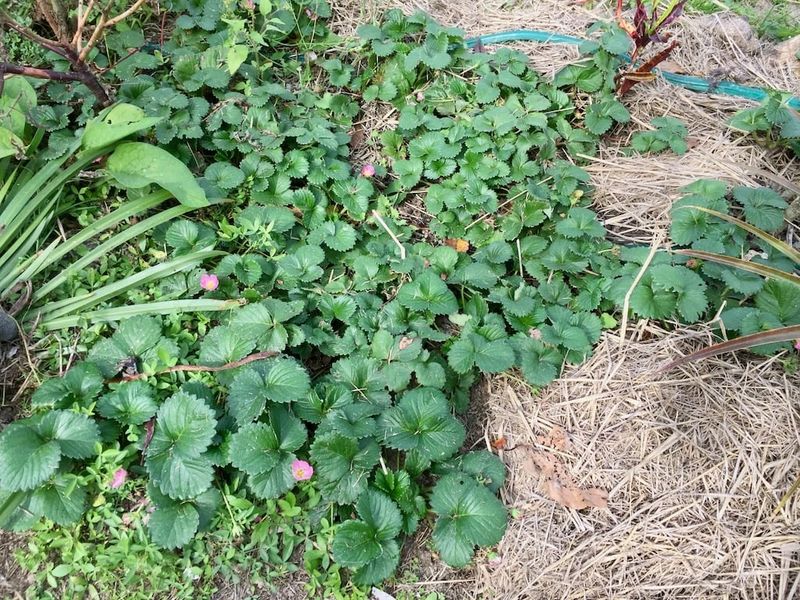
Missing the date by a few weeks can leave plants sulking all season. UC IPM publishes specific winter planting windows for California’s main strawberry regions, and they make a handy guide for home gardeners too.
For short-day varieties, the Central Coast window runs from about October 15 to November 5, while the South Coast runs from about October 10 to November 1.
The Oxnard Plain stretches slightly longer, from about October 10 to November 10, and the Santa Maria Valley runs from October 1 through November 30.
Day-neutral types on the Central Coast follow a slightly later winter window, roughly October 25 to November 26.
These narrow windows exist for a reason. Plants set out on time get just enough chill and growing time to balance leafy growth with flowering.
Your California Garden Changes Every Week. Your Plan Should Too.
Gardening in California changes quickly throughout the season. Every Friday you’ll receive a simple weekly plan showing exactly what to plant, prune, fertilize, harvest, and protect so you never miss the right timing.
Planting too early can produce lots of leaves but few berries, while planting too late can leave roots small when spring arrives.
Backyards may not match these regions exactly. Inland valleys, foothills, and deserts follow different patterns, and county UC ANR resources or a local nursery can suggest timing that fits.
San Joaquin Valley gardeners, by contrast, plant short-day types in summer, since winter planting there isn’t typical.
Mid-October lands right inside several of these windows, so now makes a smart time to buy or order plants.
Fresh plants set straight into the ground do far better than ones left sitting in a hot garage for two weeks. Good timing makes every following step easier.
Day-Neutral Types Fruit From Fall Plantings
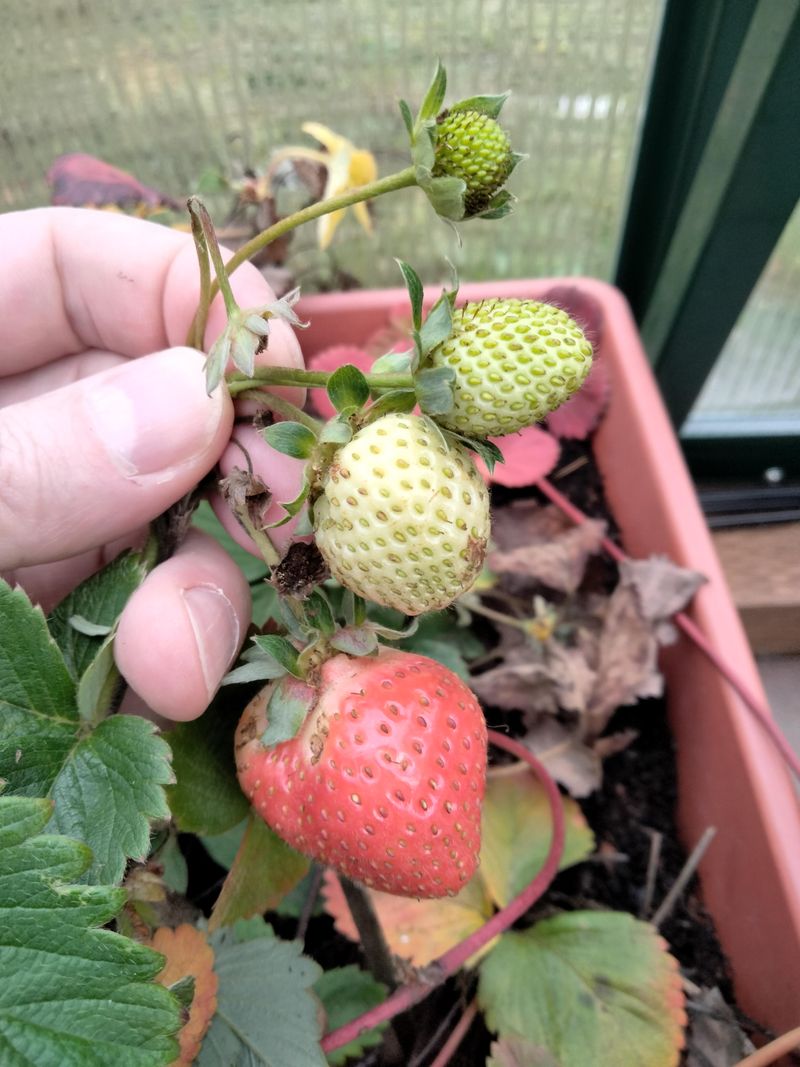
Some strawberries largely ignore the calendar. Day-neutral varieties form flower buds regardless of day length, and as long as temperatures stay moderate, they keep flowering on and off.
Gardeners sometimes call them everbearing, though modern day-neutral types fruit more steadily than older everbearers.
Gardeners appreciate that easygoing habit. UC IPM notes that day-neutral cultivars can be planted in the fall or in February and March, and fall planting gives them a head start for spring.
After that, they can keep producing in waves through summer and into autumn along the coast.
Steady production comes with a tradeoff. Harvests usually arrive a handful at a time rather than as one huge flush, a rhythm that suits fresh fruit on cereal a few mornings a week.
Jam makers may want a few extra plants.
Heat is the main concern. When temperatures stay high, day-neutral plants slow down and may pause flowering for a while.
Coastal gardens with cool summers tend to enjoy the longest harvest, while a bit of afternoon shade helps in hotter inland areas.
Deep, even watering matters. Uneven moisture can lead to small or misshapen fruit, and a drip line under the mulch keeps water at the roots and off the berries, helping prevent rot.
Light, regular feeding through the season supports new flowers. Many gardeners also pinch off the earliest blossoms after planting, giving roots extra time to settle before fruit production ramps up.
Short-Day Types Suit Mild Winter Planting
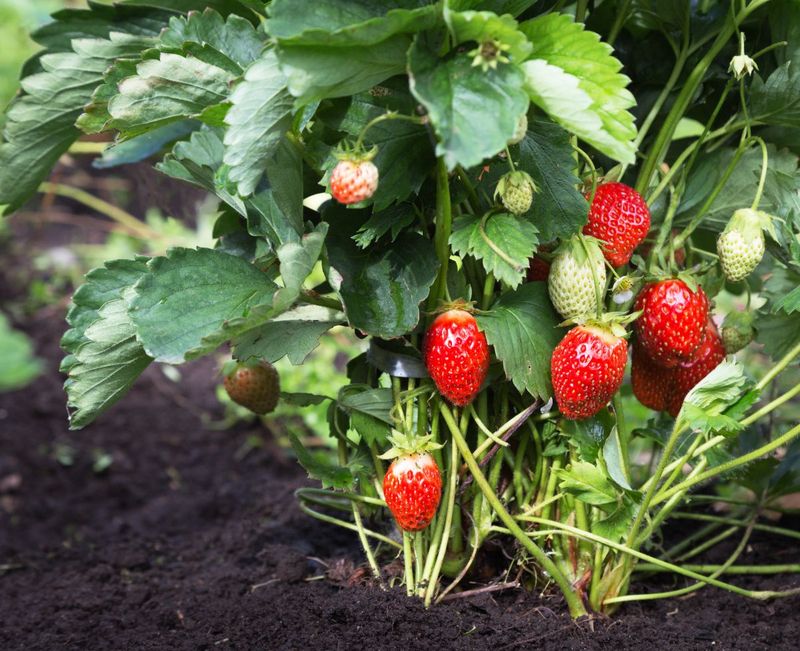
Shorter autumn days quietly flip a switch inside certain strawberry plants. Short-day varieties form their flower buds as days shorten, then deliver one big crop in spring.
Chandler and Sequoia rank among the best-known short-day varieties in California, both developed by the University of California.
Chandler is famous for large, sweet berries, while Sequoia remains a home garden favorite for flavor, and both perform best where winters are gentle.
UC IPM notes that where winters are mild, short-day cultivars can be planted in November using fresh plants dug in October.
Nurseries dig these plants in fall and ship them while still fresh, so asking a local nursery when its fresh plants arrive, then planting soon after, gives the best start.
The main reward is a concentrated harvest. Plenty of berries arrive over a few spring weeks, perfect for shortcakes, freezing, or sharing, after which production drops off.
Gardeners who want fruit later in the season often grow a few day-neutral plants alongside.
Short-day plants also send out plenty of runners, long stems that try to root new baby plants across the bed.
Pinching most of them off lets the main plant focus its energy on fruit, though saving a few provides free replacement plants later. Runners left unchecked can quickly turn a tidy bed into a crowded mat with smaller berries.
August-planted short-day types sometimes flower in fall, and UC IPM notes that removing those first blossoms may boost spring production.
Pick Albion Or Seascape For Reliable Crops
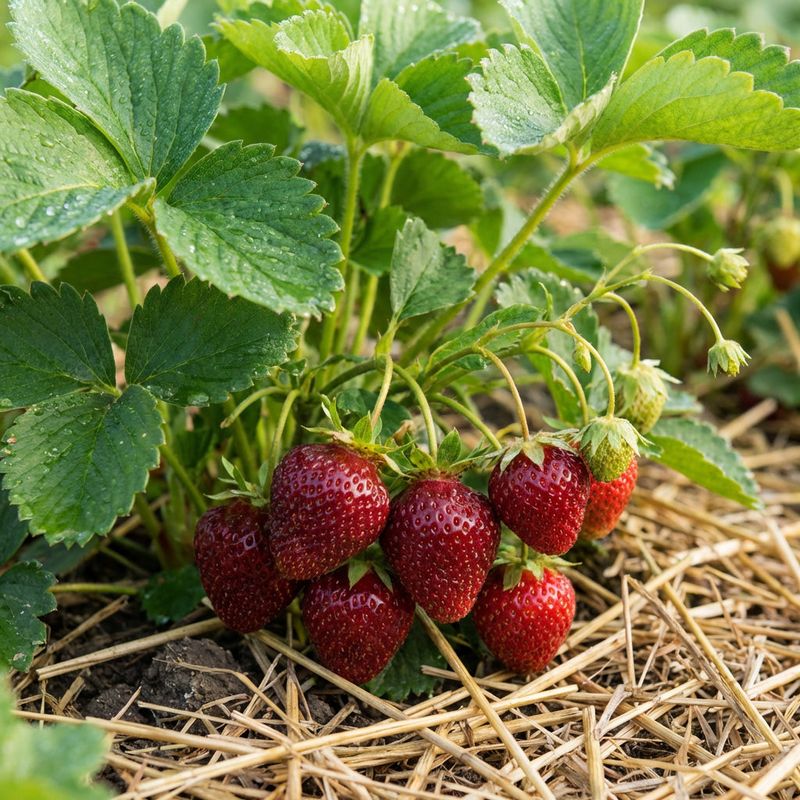
A nursery table crowded with strawberry plants can feel confusing. Two names stand out for California home growers seeking dependable day-neutral plants, Albion and Seascape, and both came from University of California breeding programs.
Albion produces firm, conical berries with a sweet taste. It handles several common diseases fairly well and keeps fruiting over a long season when the weather stays mild.
Because the berries are firm, they hold up well in the refrigerator for a few days. Released in the mid-2000s, it quickly became a commercial and backyard staple.
Seascape, the older of the two, was released in the early 1990s. It grows well in many home gardens, produces tasty berries over a long stretch, and earns praise for adapting to different soils and handling warmer days reasonably well.
Both are day-neutral, so either fits the fall or February-to-March planting schedule UC IPM describes.
Gardeners wanting plenty of spring berries might combine types, such as Chandler for a big spring crop alongside Albion or Seascape to keep fruit coming afterward. Planting a few of each spreads the harvest across many months.
Certified disease-free plants from a trusted nursery make the best start. Leftover runners from an old patch can carry viruses or pests along with them.
Healthy plants outperform any amount of fertilizer. Firm crowns, white roots, and green leaves without spots signal a good buy, and plants with dark, mushy crowns are best left on the table.
Set The Crown Right At Soil Level
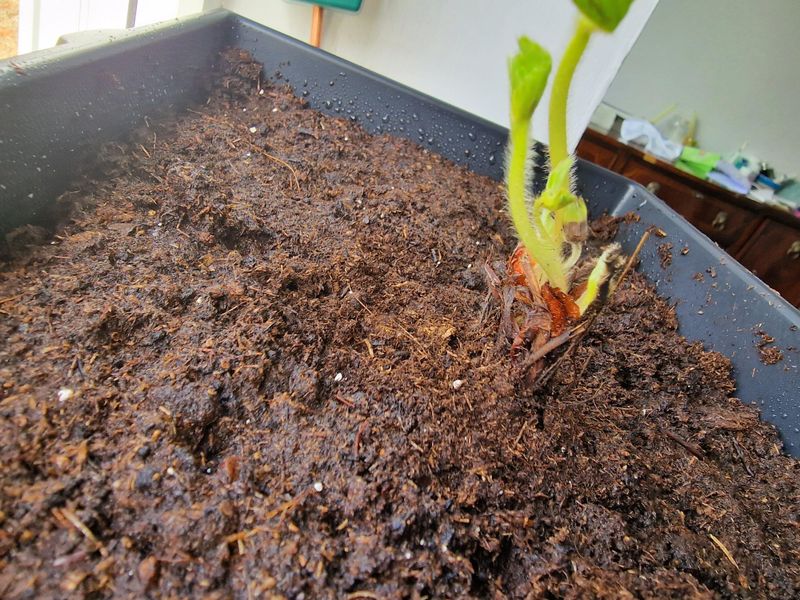
Planted just an inch too deep, a young plant can rot, while one set an inch too high can dry out. The crown, the short, thick stem where leaves and roots meet, belongs exactly level with the soil surface.
UC ANR home garden guidance stresses this step. A buried crown holds wet soil against it and invites rot, while exposed roots dry quickly in sun and wind, and neither problem is easy to fix later.
The method stays simple. A hole deep and wide enough to hold the roots without bending them comes first, and very long roots can be trimmed to about four or five inches.
A small cone of soil in the hole allows the roots to spread evenly over it.
Filling the hole and firming the soil gently by hand comes next. The middle of the crown should sit at ground level, with the top bud open to the air.
A thorough watering follows right away, then a second check, since soil often settles after the first soak and may need adjusting.
Plants spaced about 12 inches apart give air room to move between them, which helps limit leaf diseases. Raised rows or mounds help winter rain drain away from the crowns, and beds about six inches high work well.
A few careful minutes now can save a whole season of trouble, and the effort shows up clearly in sturdier plants by spring.
Mulch Heavily To Protect Young Crowns
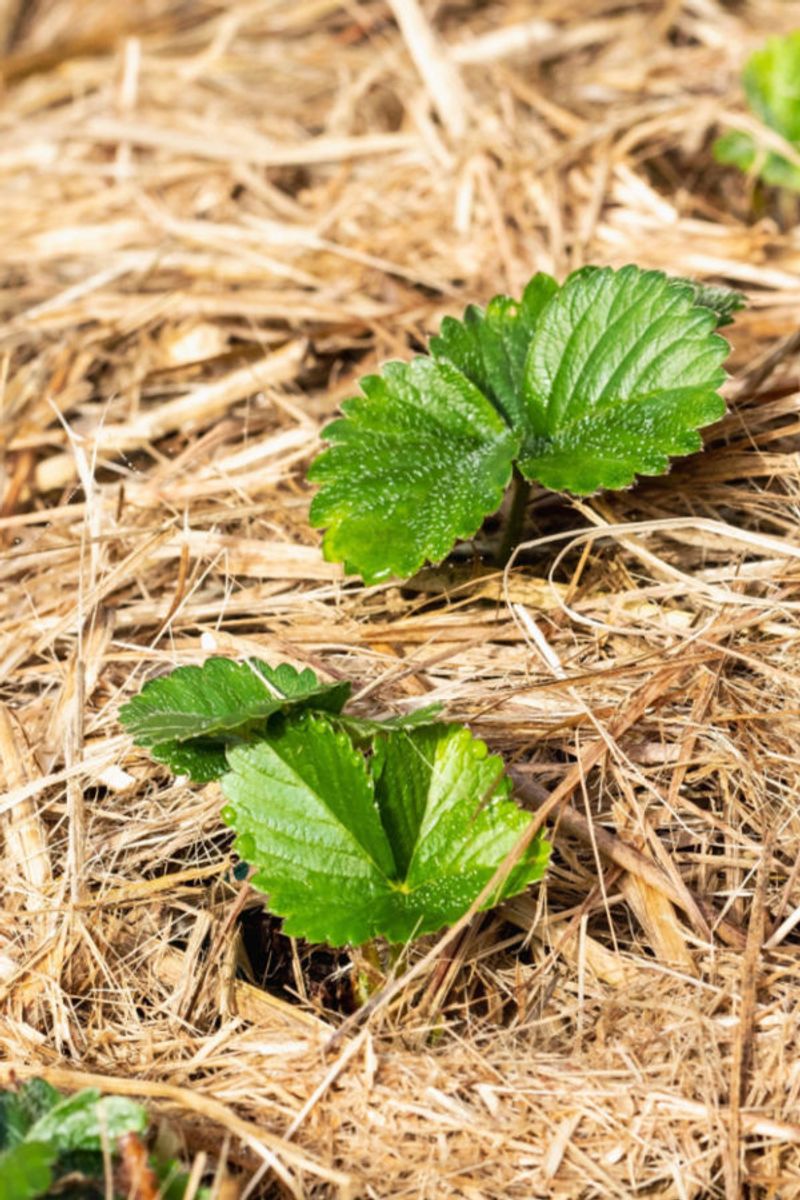
Frost sparkling on the lawn looks lovely, yet it can damage tender strawberry crowns. Even in mild parts of California, a few cold nights can harm young plants, and a thick blanket of mulch helps protect them.
Straw ranks as the classic choice, while pine needles and shredded leaves also work.
A layer a few inches deep around each plant, kept slightly away from the center of the crown so it can breathe, holds warmth in the soil and keeps roots from heaving when temperatures swing.
Mulch helps in other ways too. It keeps soil moist, blocks weeds, and stops mud from splashing onto leaves during rain.
Later in spring, it keeps berries off the dirt, which means less rot and fewer slugs feasting on the fruit.
Nights with frost in the forecast call for extra protection. A frost cloth or old bedsheet draped over the bed in the evening, supported by stakes or hoops so the fabric doesn’t crush the leaves, comes off in the morning so plants get sunlight.
Flowers are the most sensitive part. A hard frost can blacken the center of an open bloom, and that flower won’t produce a berry, so covering plants during late-winter cold snaps protects the early crop.
Keeping an eye on the forecast from January through March helps. In fire-prone areas, straw and pine needles belong beyond the first five feet of the house, where CAL FIRE’s ember-resistant zone guidance favors noncombustible ground cover.
Fall Plantings Give A Small Early Crop
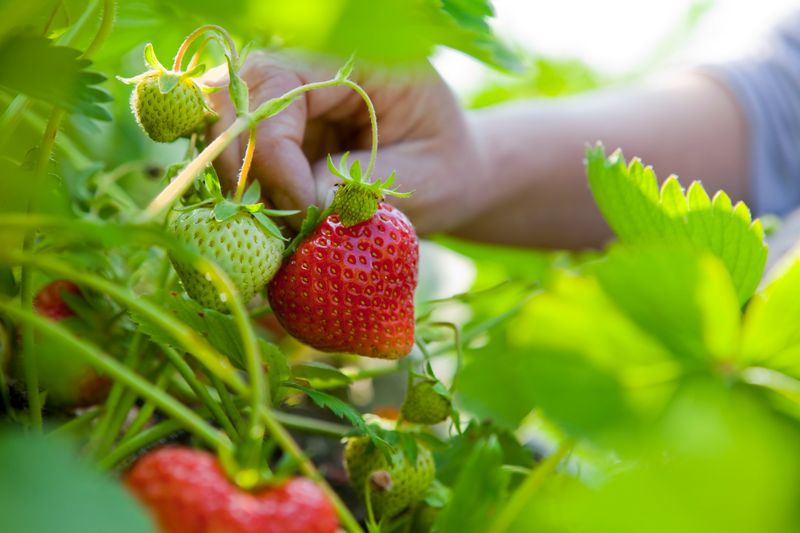
The first ripe berry of the year rarely arrives in a big bowl. More often, a single red gem gets spotted and eaten right there in the garden, and fall plantings usually start out that way.
A small early crop tends to appear as the weather warms. A few plants flower first and offer a handful of berries, a sweet preview while the plants keep growing leaves and roots.
UC IPM sets expectations clearly. Fall plantings typically yield about a pint of berries per plant, compared with roughly a quart from healthy summer plantings.
The heaviest production usually comes in May and June, when longer days, warmer soil, and established roots work together. Chandler delivers its big flush then, while Albion and Seascape pick up speed and keep going in cooler coastal gardens.
Berries are best picked fully red and still firm, every couple of days during peak season, ideally in the cool morning. Overripe fruit left on the plant draws slugs, birds, and pill bugs.
Fine netting secured at the edges can keep birds from getting the first taste. Wildlife-friendly netting with small openings reduces the risk of tangling birds or lizards.
Notes on planting date, varieties, and the first ripe berry make next year’s decisions easier. UC IPM adds that production usually peaks in the first full season and declines afterward.
Many gardeners refresh their beds every two or three years, keeping the patch productive season after season.