9 Ohio Flowers Worth Saving Seeds From in Fall
A single fluffy seed pod in a fall field can hold more than two hundred seeds, each wearing a silky parachute. I still remember splitting one open and watching the wind carry a small cloud across my yard.
Many native wildflowers across Ohio finish their show by packing next year’s garden into tiny brown heads and capsules. Those seeds cost nothing, and they are already adapted to our cold winters and sticky summer heat.
Personally, I love how a paper bag and a sunny afternoon can turn into a whole new flower bed. You only need some patience and a dry spot in the garage to store your harvest safely.
Some of these plants feed monarchs, while others pull hummingbirds into the garden like a red porch light. Which Ohio favorites deserve a spot in your seed envelopes before the first hard frost arrives?
1. Common Milkweed
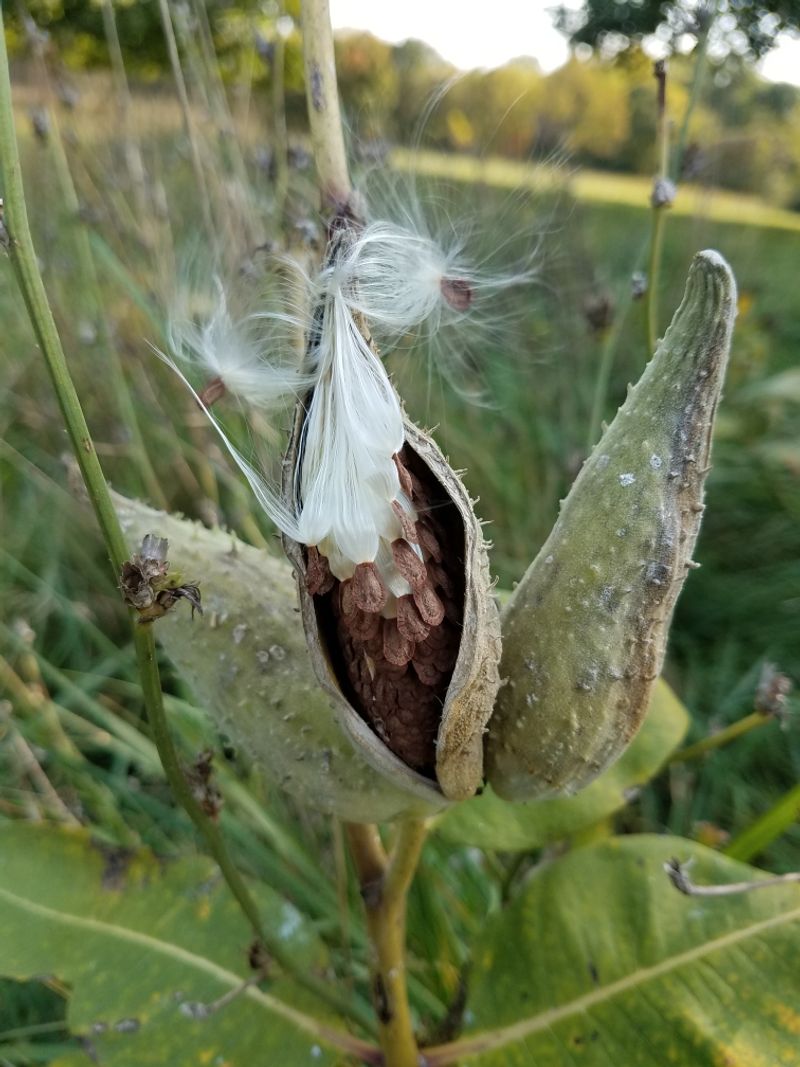
Cracking open a ripe milkweed pod feels like opening a pillow stuffed with silver silk and flat brown seeds. Kids love it, and honestly, so do I, because each pod holds a crowd of future plants.
Common milkweed, or Asclepias syriaca, grows wild in every county of Ohio and handles zones 3 through 9. Plants reach three to five feet tall and carry rounded clusters of fragrant pink-purple flowers in summer.
Monarch caterpillars depend on milkweed as their only host plant, so every seed you save matters a lot. Bees and many other pollinators also visit the blooms for nectar during the warm months of the year.
Pods usually turn gray or brown and start splitting between September and November in most local gardens. Press gently along the seam, and if it pops open easily, the seeds inside are ready to collect.
Skip any green pods, since those seeds are still immature and often fail to sprout next spring. Pull the seeds away from the fluff quickly, before a breeze turns your workspace into a snow globe.
Store pods or cleaned seeds in paper bags in a cool, dry place until you are ready to plant. The seeds need thirty to sixty days of cold, moist conditions, so fall sowing outdoors handles that naturally.
One friendly warning comes with this plant, because underground rhizomes help it spread quite a bit. Give it a roomy corner or a meadow edge, and you will enjoy watching the monarch visitors arrive.
2. Purple Coneflower
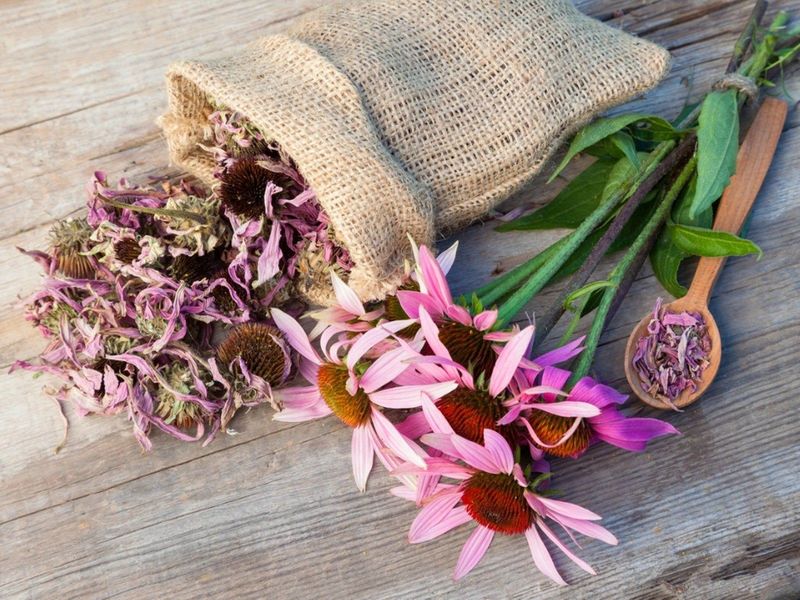
Goldfinches treat a patch of faded coneflowers like a snack bar, perching sideways to pluck seeds from the spiky cones. I like leaving a few heads for them, then quietly claiming the rest for my own garden.
Purple coneflower, known to botanists as Echinacea purpurea, thrives across zones 3 through 9 with very little fuss. Its sturdy stems grow two to four feet tall, topped with pinkish-purple petals around a coppery brown cone.
Blooms usually run from June into August, sometimes stretching into September when the weather stays mild and sunny. Once the petals drop, the cones slowly darken and dry while the seeds ripen inside the spiny center.
Harvest when the cone turns dark brown and feels crisp, and wear gloves because those spikes are surprisingly sharp. Crumble the heads over a plate, then pick out the pale, wedge-shaped seeds from the prickly chaff.
Stick with the plain purple species for seed saving, because fancy hybrid cultivars may not grow true to type. Those colorful orange or double-flowered types can surprise you with very different offspring the following summer.
Coneflower seeds sprout best after thirty to sixty days of cold, moist stratification before spring warmth returns. Scattering them outdoors in late fall lets winter handle that chilly job without any extra work from you.
Established plants shrug off drought and poor soil, which makes them a smart choice for sunny, forgotten corners. They reseed a little on their own, though extra seedlings are easy to pull or share with friends.
3. Black Eyed Susan
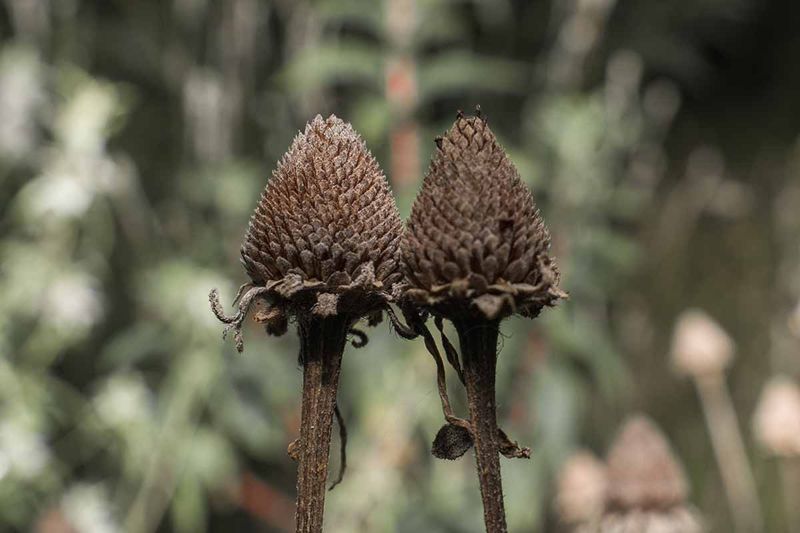
Few flowers wave at passing cars quite as cheerfully as black-eyed Susans along a sunny roadside in late summer. Those golden petals and dark chocolate centers are hard to miss, and the seeds are just as easy to gather.
Rudbeckia hirta usually grows one and a half to three feet tall and handles zones 3 through 9. It prefers full sun and well-drained soil, yet it adapts to many tricky spots that other flowers dislike.
Blooms keep coming from summer well into fall, giving bees and butterflies a reliable source of nectar and pollen. Wait until the petals fall and the cones turn brown and crispy, often in September or October.
Pick a dry afternoon for clipping seed heads, since damp cones can grow mold inside a storage bag. If a few still look slightly green, spread them on newspaper indoors for a couple of weeks to finish drying.
Shaking the dried cones over a jar releases tiny black seeds that look a lot like ground pepper. Personally, I rub stubborn heads between my palms, and the seeds tumble out with very little effort.
Thirty to sixty days of cold stratification improves germination, so late summer or fall sowing works beautifully outdoors. Press the seeds onto loose soil rather than burying them deeply, then let winter weather do the rest.
Leaving a few seed heads standing feeds hungry birds during the colder months when food gets harder to find. Black-eyed Susans also self-sow politely, filling small empty gaps without taking over the whole flower bed.
4. Wild Bergamot
Brush past wild bergamot on a hot afternoon, and a spicy oregano scent drifts up from the crushed leaves. I have to admit, I sometimes walk by on purpose just to enjoy that herbal perfume.
Monarda fistulosa grows two to four feet tall on square stems, with shaggy lavender-pink flowers on top. Hardy in zones 4 through 10, it pops up naturally in prairies and open woodlands throughout Ohio.
Hummingbirds and native bees crowd the blossoms from July through September, turning a sunny bed into a busy hub. Butterflies and moths show up too, so this plant earns its spot in any wildlife garden.
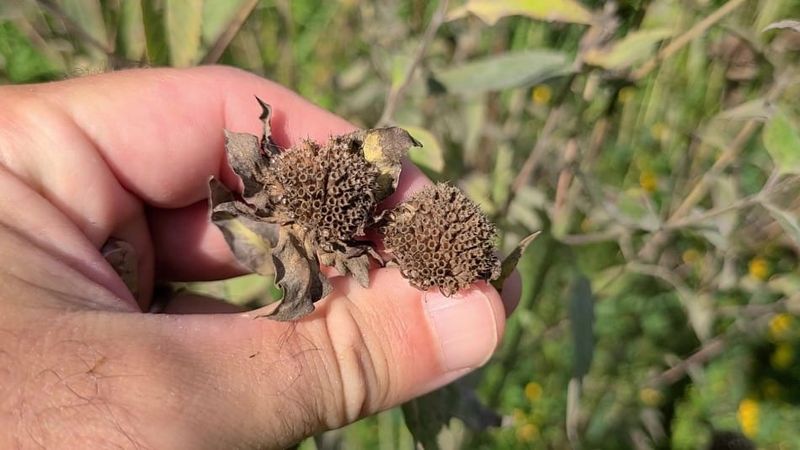
Seed heads usually turn brown and dry about four weeks after the petals fall away from the flowers. Tip a head over your palm, and if tiny dark seeds trickle out, it is ready to harvest.
Snip the heads into a paper bag and let them dry for about one week in a cool room. Afterward, shake the bag firmly and pour the loose seeds into a labeled envelope for winter storage.
Four to six weeks of cold near forty degrees boosts germination, and fall sowing outdoors provides that naturally. Some growers report decent results sowing on bare soil in spring too, so you have flexible options.
Good airflow helps reduce powdery mildew, which often shows up as a gray film on crowded summer leaves. Plants spread by short rhizomes and seeds, but unwanted youngsters pull out easily from moist ground.
5. Ohio Goldenrod
Goldenrod gets blamed for fall sneezing, but its heavy, sticky pollen travels on insects rather than the wind. Ragweed is usually the real troublemaker, so you can grow this golden beauty without feeling guilty.
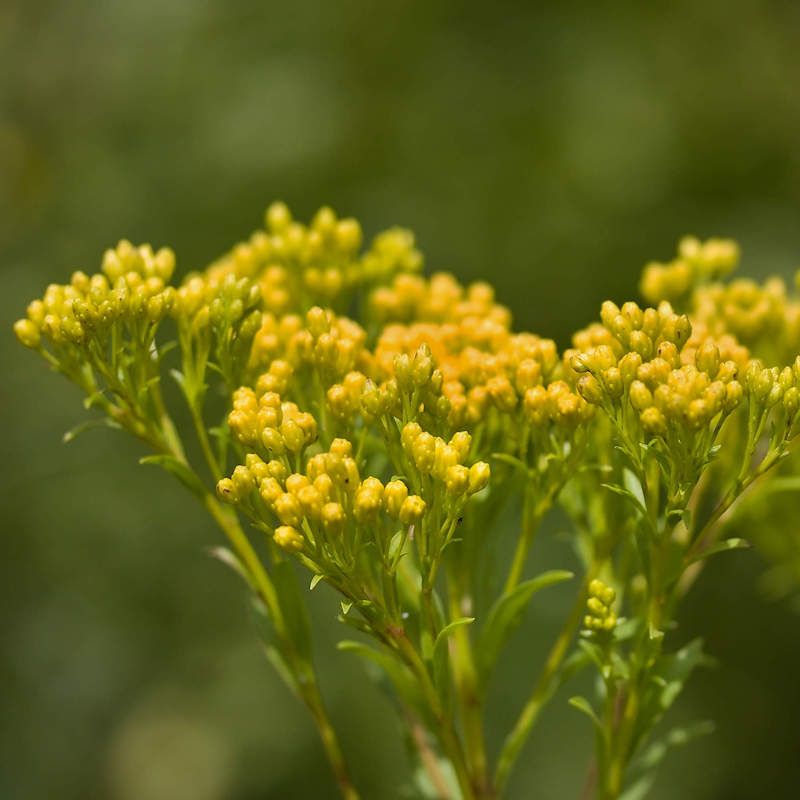
Ohio goldenrod, or Solidago ohioensis, is a true native of the Great Lakes region and handles zones 3 through 8. Plants grow around three feet tall and carry flat-topped clusters of bright yellow flowers in early fall.
Unlike pushy Canada goldenrod, this species has fibrous roots and does not spread aggressively through rhizomes. It does reseed readily, though, so a single clump can slowly turn into a cheerful little drift.
Blooms usually appear in September and October, then fade to a soft beige-tan as the seeds ripen. Each seed carries fine pappus hairs, which act like tiny sails when the autumn wind picks them up.
Collect heads once they look fuzzy and tan, snipping whole clusters or slipping paper bags over them. I like the bag trick because seeds drop right inside instead of floating across the neighbor’s lawn.
The seeds need about four weeks of cold stratification, so late fall sowing outdoors is a simple choice. Choose full sun and moist to wet soil, since this plant naturally grows in fens and wet prairies.
Bees and butterflies flock to the late blooms when many other nectar sources have already faded for the year. Goldfinches and chickadees later pick at the seed heads, so leaving some standing helps feed them through winter.
6. New England Aster
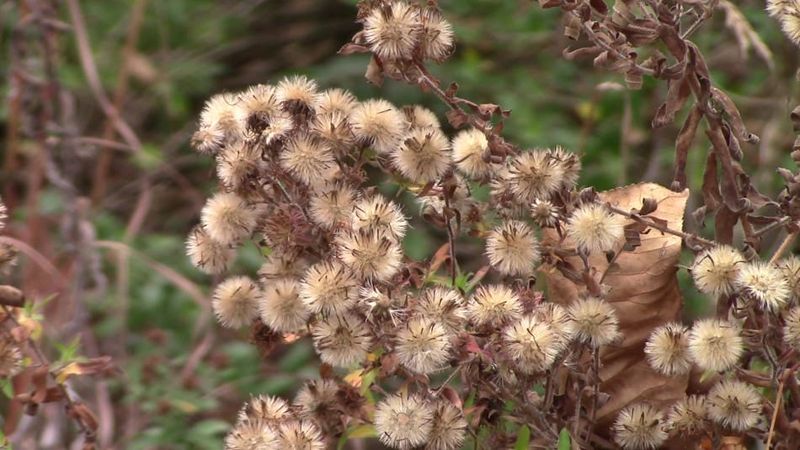
Late in the season, a New England aster can be humming with bees while the rest of the garden naps. Those purple rays around sunny yellow centers feel like one last party before the frost settles in.
Symphyotrichum novae-angliae grows two to six feet tall with hairy stems and leaves that clasp the stalk. Flowers are usually purple, though you may spot pink or white forms growing wild along fields and roadsides.
Monarchs heading south often stop for nectar, and the plant also hosts pearl crescent butterfly caterpillars. Birds nibble the seeds later, so this aster keeps working for wildlife long after the petals fade.
Blooms run from August into October, and the fluffy seed heads can stay intact for weeks after frost. Watch for the moment when the tufts loosen, because the wind starts scattering seeds soon after that.
Cut stems a few inches below the heads, then drop them into a paper bag and shake gently. Air-dry the loose seeds before sealing them in a container and storing it in the refrigerator.
Thirty to sixty days of cold, moist stratification helps these seeds sprout, and fall sowing outdoors handles it nicely. Full sun to part shade and moist, rich, well-drained soil keep plants thriving, although established clumps tolerate drier spells.
Tall stems can flop by autumn, so I pinch them back in early summer for sturdier, bushier plants. Dividing clumps every few years keeps them vigorous, and extra divisions make lovely gifts for gardening friends.
7. Blazing Star
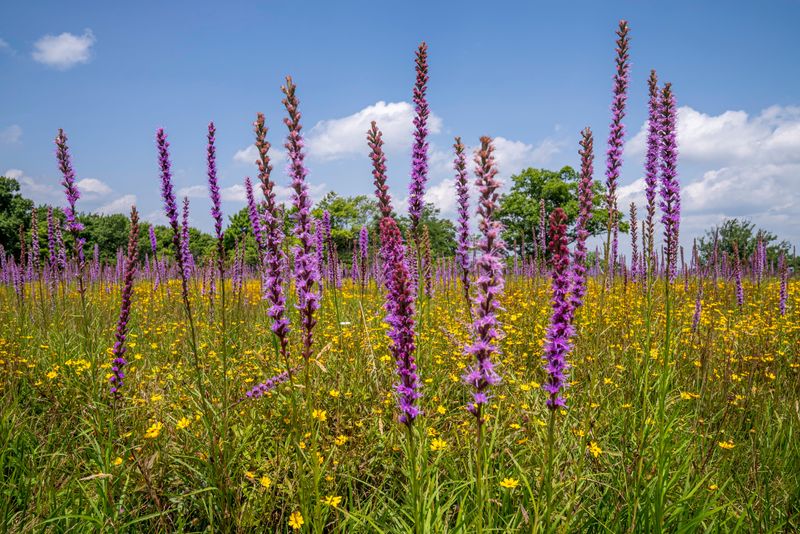
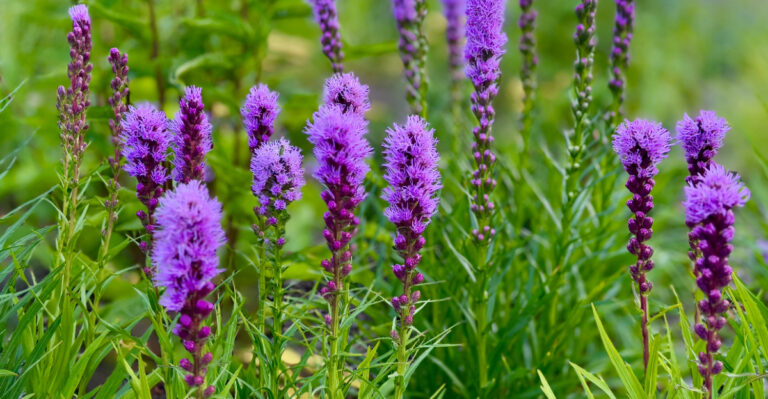
Most flower spikes open from the bottom up, but blazing star flips the script and blooms from the top down. Watching that purple bottlebrush slowly light up toward the ground is one of my favorite summer shows.
Liatris spicata grows two to five feet tall and is hardy in zones 3 through 8. Narrow, grassy leaves line the stems, and knobby underground corms store energy for next year’s growth.
Bees and butterflies crowd the fuzzy spikes from July through August, sometimes lingering into early fall. Goldfinches also visit later, picking seeds from the dried spikes once the color has faded away.
Let the spikes dry fully on the plant before harvesting, since the seeds ripen inside those brown heads. Rub the dried spikes between gloved fingers over a bowl, and fluffy seeds will tumble loose quickly.
Each seed has a feathery tuft, so working indoors keeps your harvest from blowing away in a breeze. Store the cleaned seeds in a cool, dry spot inside a labeled paper envelope until sowing time.
Germination can be a bit erratic, so cold stratification for thirty to sixty days really helps the odds. Sowing outdoors in late fall or early winter gives the seeds that chilly rest without any fridge space.
Plant in full sun with well-drained soil, keeping new plants evenly moist until their roots settle in. If seeds feel slow, you can also divide mature corms to create new plants for another sunny bed.
8. Cardinal Flower
Hummingbirds seem to have radar for cardinal flower, zipping straight to those scarlet tubes the moment they open. I can’t imagine a creek bank or rain garden without that fiery red glow in late summer.
Lobelia cardinalis grows two to four feet tall, hardy in zones 3 through 9, with lance-shaped leaves along the stems. Flowers appear from July to September, attracting hummingbirds and swallowtail butterflies looking for rich, deep nectar.
This plant loves moist to wet soil and struggles in dry ground, so think pond edges and soggy spots. Partial shade during the hottest weeks helps, especially in southern parts of the state with steamy summers.
Individual plants are often short-lived, which makes seed saving a smart way to keep the patch going. Luckily, the species reseeds readily too, so you might find tiny rosettes popping up near the parent.
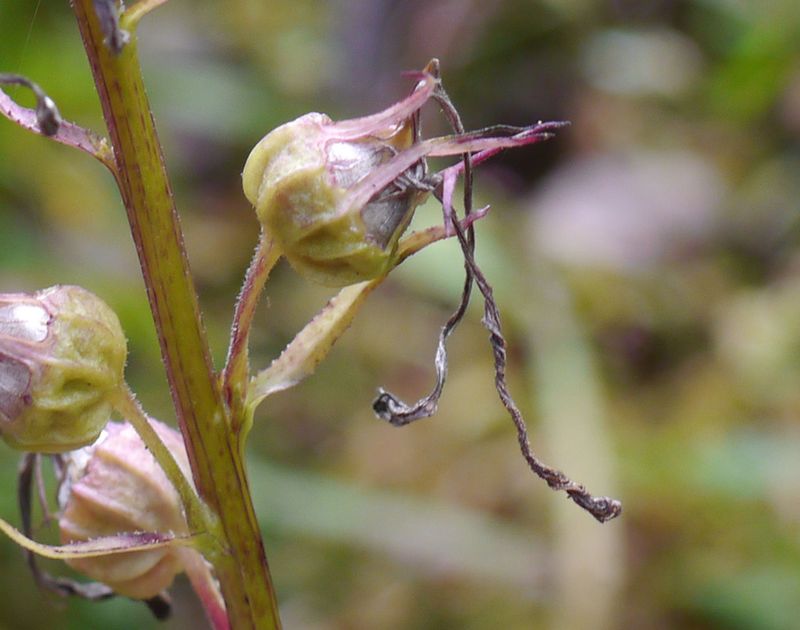
After flowering, small capsules form along the stalk, and they need to dry fully before you collect them. The seeds inside are dust-fine, so tip capsules into an envelope over a white plate to spot them.
Store the tiny seeds somewhere cool and dry, and label them clearly, because they look like specks of dirt. They need about sixty days of cold, moist stratification, which fall sowing outdoors provides without any extra effort.
Do not bury them, since cardinal flower seeds need light to germinate and should sit on the soil surface. Gently press them into damp ground, then mark the spot so you remember where those red beauties will appear.
9. Wild Geranium
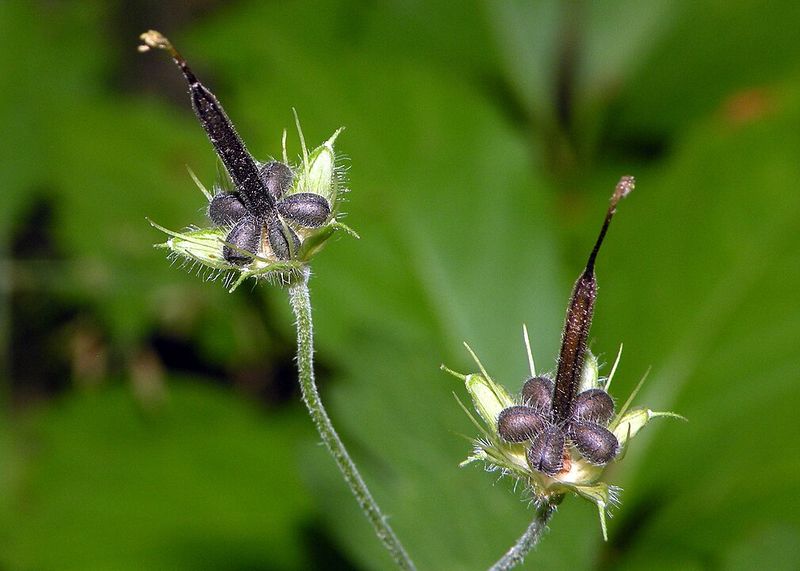
Wild geranium seed pods work like tiny springboards, flinging seeds several feet when the ripe capsules suddenly snap open. That bit of drama makes harvesting a fun challenge, and honestly, it keeps me on my toes.
Geranium maculatum grows one to two feet tall in tidy clumps of deeply lobed, bright green leaves. Lavender-pink flowers open in spring across woodlands in Ohio, and the plant handles zones 3 through 8.
Timing is the twist with this one, because the seeds ripen in summer rather than autumn. Capsules usually mature between June and August, so fall is really the season for sowing what you saved.
Watch for beak-shaped pods that darken while their stalks begin arching, which signals the seeds are nearly ready. Snip whole heads as they shift from green to brown, then drop them into a paper bag.
Fold the bag closed, since the capsules will split indoors and shoot seeds against the paper walls. Once the popping stops, pour out the seeds and keep them somewhere cool and dry until autumn.
Seeds need four to six weeks of cold, moist stratification, and some sources suggest up to three months. Sowing outdoors in fall gives them a long winter chill, so seedlings can emerge naturally next spring.
Plant in humus-rich, well-drained soil with steady moisture, ideally in part shade or dappled woodland light. More sun brings more blooms, and butterflies plus honeybees will happily visit once the flowers return each spring.