9 Unexpected Ways To Use Mint From Your Michigan Garden
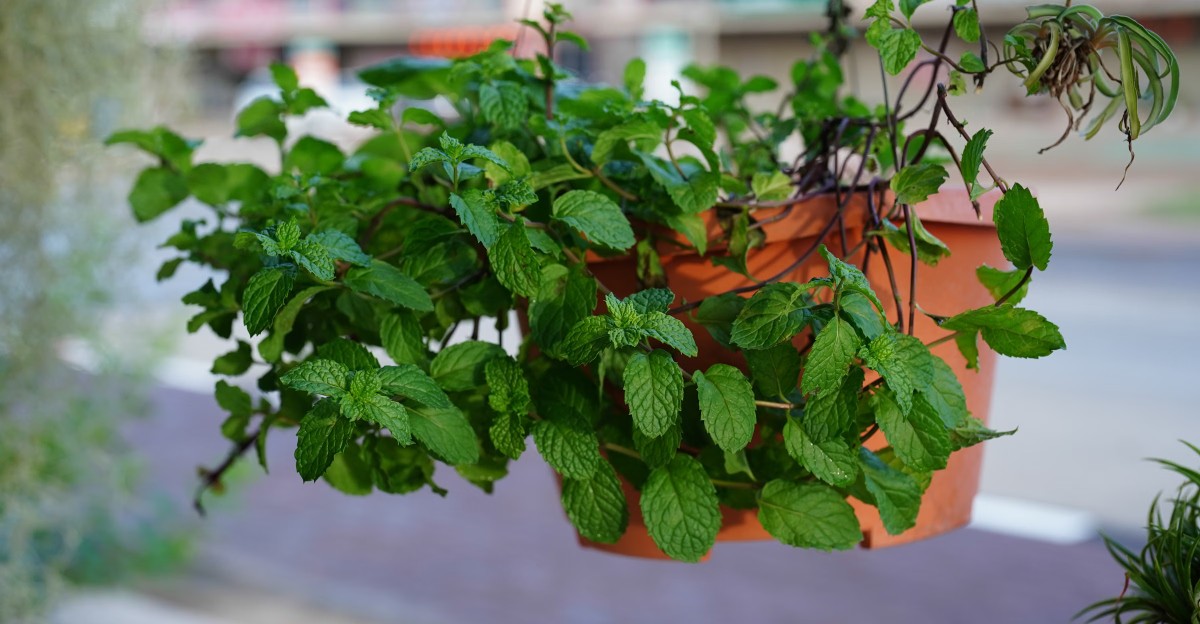
A small Michigan town once proudly crowned itself the capital of one cool, fragrant crop that flavored gum worldwide. St. Johns farmers drained muck fields in the early 1900s and distilled leafy harvests into precious oil.
Today the town still throws a summer festival honoring that green heritage, with a parade and plenty of food. I didn’t expect a humble backyard herb to carry that much history in its square little stems.
Truth is, most of us grow a patch for tea and then watch it march across the yard. Guilty as charged, I spent years snipping a few sprigs while the rest grew wild beside my fence.
Then a fellow gardener showed me a handful of clever jobs for those extra leaves, and my thinking shifted fast. So how many of these surprising Michigan garden tricks have you already tried on your own?
1. Crushed Mint Leaves May Confuse Hungry Garden Pests
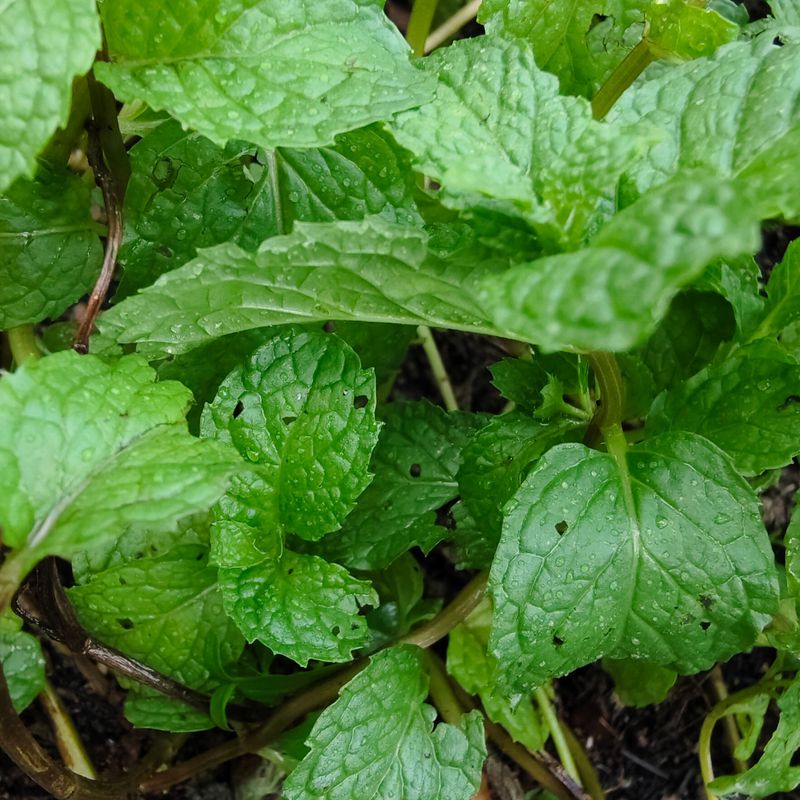
Brush past a mint patch on a hot afternoon and the air suddenly smells like a fresh pack of gum. That bold scent comes from menthol and other oils, and plenty of insects seem to find it confusing.
Many pests hunt for dinner by smell, so a strong competing aroma can make their search a little harder. Researchers have seen mixed results, though, so think of mint as a helper rather than a magic shield.
I like tucking crushed leaves around young cabbage and kale when flea beetles start chewing tiny holes. Rubbing a few sprigs between your palms first releases more oil and gives the trick a better chance.
Some gardeners steep a big handful of leaves in hot water overnight, then strain the cooled tea into a sprayer. Test it on a few leaves first, because homemade sprays can sometimes spot tender foliage in strong sun.
Ants also seem to dislike the smell, so a few sprigs near a patio crack might send them elsewhere. Fresh leaves lose their punch quickly, so swap in new ones every few days for steady results.
Fair warning, scent tricks rarely stop a big outbreak of aphids or cabbage worms by themselves. Row covers and a strong blast of water from the hose still do much of the heavy lifting.
Keep your mint in pots set between the rows, so the scent travels without the roots taking over. That way you enjoy the fragrance and the harvest without fighting runners across every bed next spring.
2. Peppermint Sachets Might Make Mice Think Twice
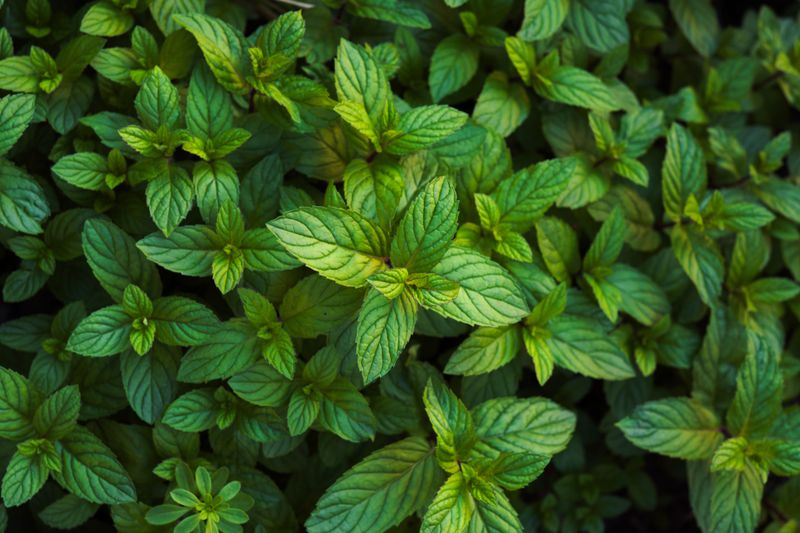
Mice have noses so sharp that they find food crumbs in the dark, which makes strong smells a real nuisance for them. Plenty of gardeners stash peppermint near basement doors each fall, hoping the scent sends tiny visitors packing.
Truth is, the science here is thin, and studies have not proven that mint keeps rodents away for long. I still like the idea as a gentle first step, especially in a garden shed full of seed packets.
Dry a few bundles of stems by hanging them upside down in a warm, airy spot for about two weeks. Crumble the crisp leaves into small cloth bags and tuck them into drawers or along shelf corners.
Some folks prefer cotton balls dabbed with peppermint oil, since that scent is much stronger than dried leaves. Refresh them every week or so, because the sharp smell fades faster than most people expect.
Seal gaps around pipes and doors with steel wool or caulk, since mice squeeze through openings smaller than a dime. Scent can support that work, but it cannot replace good sealing or traps when mice settle in.
Keep concentrated oil well away from cats and dogs, because essential oils can make pets quite sick. Dried leaves in a closed sachet are a safer choice for homes with curious furry family members.
As cold weather arrives, I make a fresh batch of sachets and swap out the old ones in the shed. Even if the mice ignore them, the whole room smells clean whenever I grab a rake.
3. Blooming Mint Flowers Pull In Bees And Hoverflies
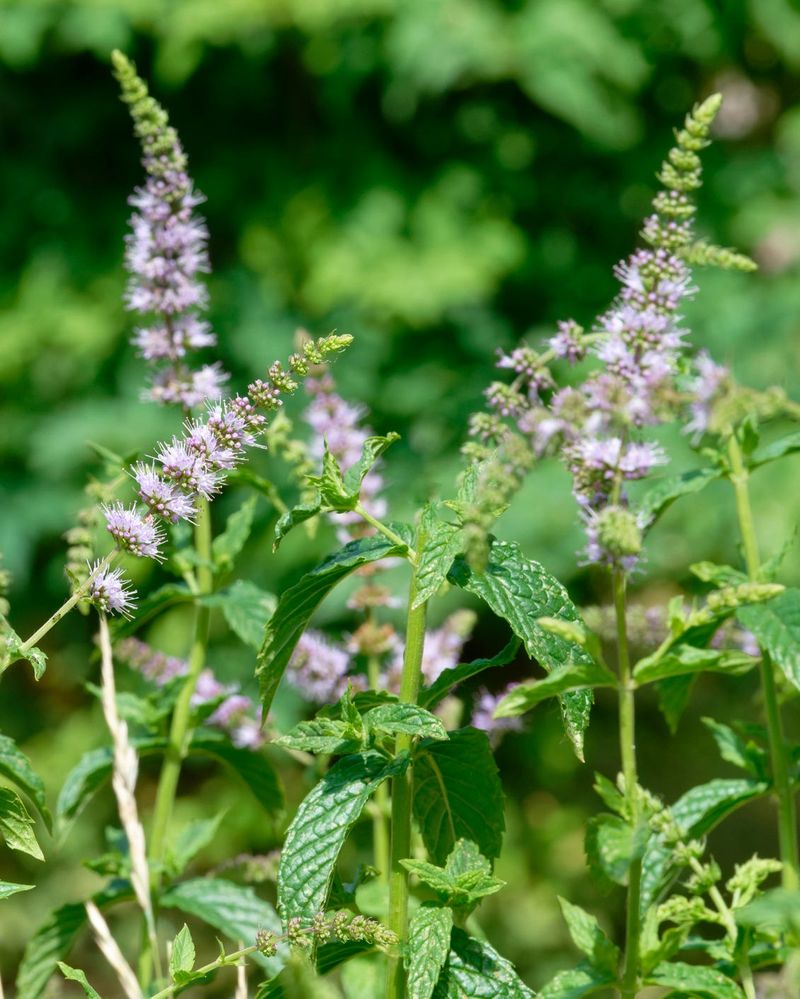
Let a few stems flower in midsummer and you will hear a soft hum before you even reach the patch. Those tiny lavender or white blossoms hold nectar that small bees and wasps can reach with ease.
I’m not proud of this, but I used to shear every bloom off to keep the leaves tasting sweet. Now I leave one pot to flower, and it buzzes with life on most sunny afternoons.
Hoverflies are frequent visitors, and they look like little bees but hover in place like tiny helicopters. Their larvae gobble aphids, so feeding the adults nectar can mean fewer pests on nearby vegetables.
Tiny parasitic wasps also sip from mint flowers, and they lay eggs inside aphids and caterpillars. Those wasps are harmless to people, so you can watch them work without worrying about stings.
If you want a native option, look for mountain mint, a cousin in the genus Pycnanthemum. Several species grow wild across Michigan meadows and attract a huge parade of pollinators all summer long.
Mountain mint spreads too, though usually more politely than garden spearmint or peppermint. Give it full sun to light shade and average soil, and it will reward you for years without much fuss.
One small tip keeps everyone happy, so snip flowers off your kitchen pot but let a second pot bloom. You get tasty leaves for tea and a busy little pollinator stop right beside the patio.
4. Potted Mint Makes A Clever Cabbage Patch Neighbor
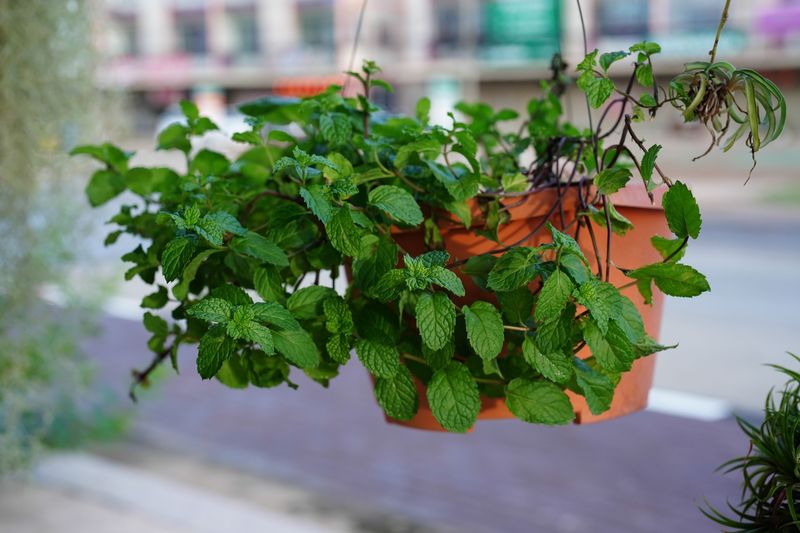
Cabbage white butterflies flutter over a broccoli bed like they own the place, laying eggs that soon hatch into green caterpillars. A few fragrant pots of mint nearby might make that bed a little harder for them to find.
Some studies have found less flea beetle feeding on cabbage crops grown near mint, though results vary between trials. I treat it as a bonus, not a guarantee, and I still keep row covers handy.
Carrots and onions are other popular partners, since gardeners hope the scent muddles carrot flies and onion maggots. Evidence for these pairings is mostly anecdotal, but trying them costs very little effort.
Planting mint straight into a vegetable bed is a mistake I learned the hard way one summer. Its underground runners crept into my lettuce row and took two full seasons to pull out.
Set the herb in containers instead, and place them right between rows where the scent can drift. Pots on pavers or bricks work best, because roots can escape through drainage holes into soft soil.
Mint grows well in Michigan containers when it gets about four to six hours of sun daily. Water whenever the top inch of soil feels dry, since potted herbs dry out faster than bed plants.
Move the pots around as your crops change through the season, shifting them toward whatever needs help most. That flexibility is the real secret, and it turns an unruly herb into a handy garden helper.
5. Fresh Mint Turns Plain Vinegar Into A Kitchen Cleaner
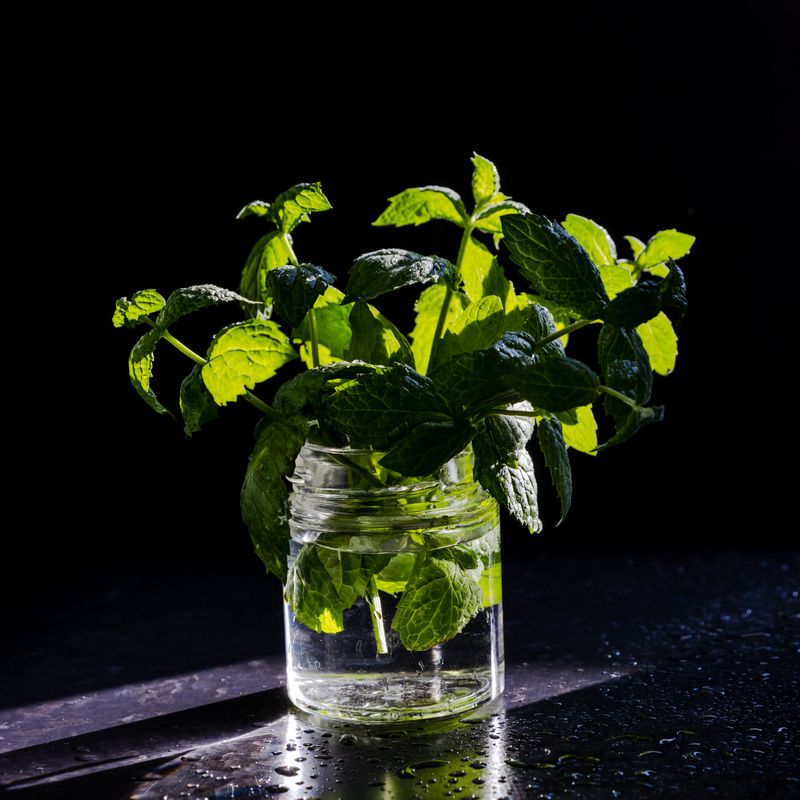
Plain white vinegar cleans like a champ, but that sour pickle smell lingers in my kitchen for hours. Stuffing a jar with fresh mint sprigs softens the odor into something that smells almost like a garden.
Fill a clean glass jar about halfway with rinsed leaves, then top it off with vinegar and seal it. Let the jar sit in a cool cupboard for one to two weeks, giving it a gentle shake now and then.
Strain out the soggy leaves and mix the infused vinegar with equal parts water in a spray bottle. It works nicely on sinks and glass, but skip granite or marble because acid can etch stone.
Vinegar itself does most of the cleaning, so think of the mint as a pleasant scent boost. Some lab studies suggest mint oils fight certain germs, but a homemade spray is not a true disinfectant.
For a quick freshener, tuck a bundle of fresh sprigs into a small vase on the windowsill. The leaves release more scent as they warm in the sun, and they last several days in water.
I also toss a handful of chopped stems into the trash can before a new bag goes in. It does not solve every stink, but it makes taking out the garbage a bit less unpleasant.
Harvest for cleaning projects in the morning, after the dew dries but before the hot sun hits. Leaves picked then hold more of their oils, which means a stronger and brighter smell in every batch.
6. A Cool Mint Foot Soak Revives Tired Gardener Feet
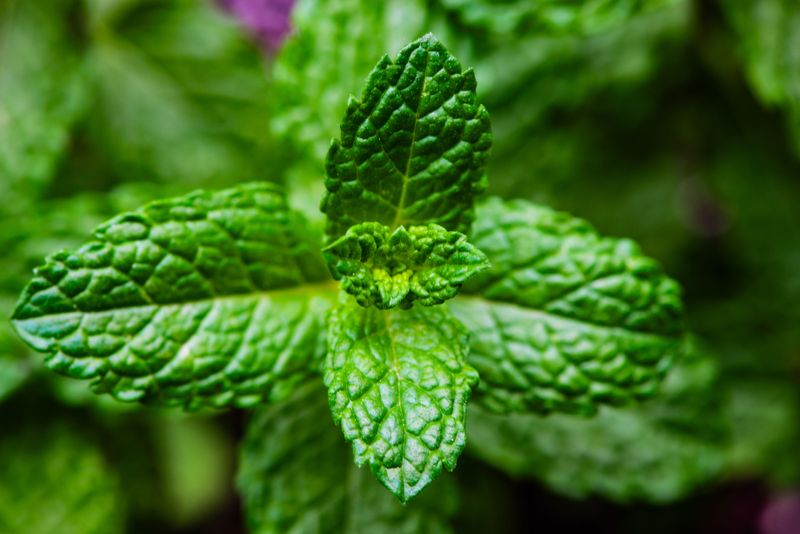
After a long day of weeding, my feet ache like I walked across the whole county in rubber boots. A basin of warm water with a big handful of bruised mint leaves turns that ache into real relief.
Menthol in the leaves triggers cold sensors in the skin, which is why mint feels cool without changing temperature. Scientists have traced that feeling to a receptor called TRPM8, the same one that reacts to chilly air.
Steep two cups of fresh leaves in hot water for ten minutes, then pour the tea into a foot basin. Add enough cool water to make it comfortable, and soak for about fifteen minutes while you rest.
A cooled mint tea also makes a lovely splash for your face after hot afternoons in the garden. Keep it in the fridge for two or three days, and toss any batch that smells sour or looks cloudy.
People with sensitive skin should test a small spot first, since mint can cause redness or itching for some. Stop using it right away if irritation shows up, and check with a doctor about ongoing skin problems.
I’m a sucker for homemade lip balm, and mint-infused oil gives it a tingly little kick. Warm dried mint leaves gently in olive oil for an hour, strain well, then blend the oil with melted beeswax.
Peppermint usually feels stronger than spearmint because it holds much more menthol in its leaves. Spearmint is gentler, so I reach for it when making something for kids or sensitive skin.
7. Chilled Mint Tea Compresses Cool Achy Muscles

Rub a fresh peppermint leaf on your wrist and wait a moment for a surprising chill to spread. That frosty tingle explains why menthol shows up in so many store-bought muscle rubs and cooling gels.
Small studies suggest diluted peppermint oil rubbed on the temples may ease tension headaches for some adults. Results are encouraging but limited, so treat mint as a comfort measure rather than real medicine.
For a simple compress, brew a strong pot of mint tea and chill it in the fridge for an hour. Soak a clean washcloth, wring it out, and lay it across sore shoulders or a warm forehead.
Not going to lie, after hauling mulch all morning, that cold cloth feels better than almost anything. The cooling sensation lingers longer than plain water, which makes a short rest feel extra refreshing.
You can also make a homemade rub by warming dried leaves in a carrier oil like sunflower or almond. Strain the oil, let it cool, and massage a little into tired calves after a long gardening day.
Skip pure essential oil straight on skin, because concentrated menthol can burn or irritate even healthy adults. Keep mint rubs away from the faces of babies and young children, since strong menthol can affect breathing.
Dried leaves work best for oil infusions because fresh leaves add water that can spoil the batch. Dry them on a screen in a shady spot, then store them in a sealed jar away from light.
8. Fresh Mint Brightens Savory Peas And Grilled Lamb

Most people link mint with candy canes and gum, yet cooks around the world have tossed it into savory dishes for centuries. Middle Eastern tabbouleh and Vietnamese spring rolls both lean on fresh mint for their bright, clean flavor.
My favorite quick side is buttery peas with a handful of chopped spearmint stirred in at the end. Spring peas and mint leaves in a Michigan garden often peak together, which feels like perfect planning.
Spearmint is the usual choice for savory cooking because it tastes sweeter and softer than sharp peppermint. Peppermint can taste a bit like toothpaste in a salad, so save it mostly for tea and desserts.
Try swapping half the basil in your pesto for mint, then spooning it over grilled lamb or chicken. A squeeze of lemon and a few walnuts round it out, and leftovers taste great on roasted potatoes.
Chopped mint also wakes up a cool cucumber yogurt sauce, which tastes wonderful beside spicy grilled kebabs. Stir the leaves in just before serving, because they darken quickly after cutting.
Harvest leaves from the top few inches of each stem, where growth is youngest and most tender. Regular snipping also keeps the plant bushy and slows down flowering, which can make older leaves taste bitter.
Extra leaves freeze well when chopped and packed into ice cube trays with a little water or oil. Drop a cube into soups or sauces during winter, and summer flavor comes right back to your table.
9. Backyard Chickens And Rabbits Enjoy Fresh Mint Treats
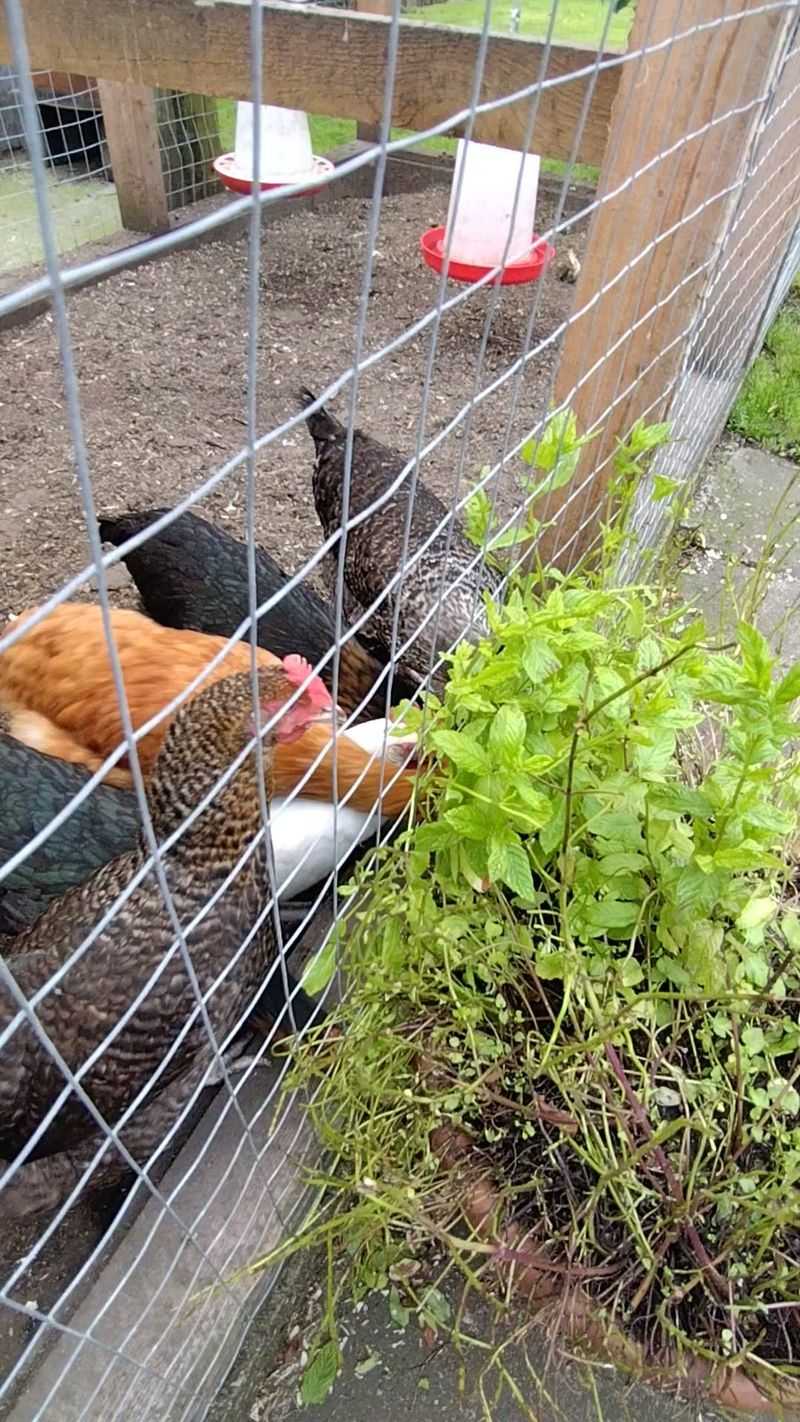
Toss a handful of fresh mint into a chicken run and watch the flock scramble like it is a party favor. Many backyard keepers offer mint as an occasional snack, and the birds usually gobble it up fast.
Some poultry folks also scatter dried mint in nesting boxes because it smells fresh and pleasant. Claims that it repels mites or lice are mostly anecdotal, so keep up regular coop cleaning and checks.
Rabbits and guinea pigs can nibble small amounts of fresh mint too, according to many small animal care guides. Treat it as a tasty extra, not a main meal, and introduce it slowly to avoid upset stomachs.
Cats and dogs are a different story, and caution matters most with them. The ASPCA lists garden mint as toxic to dogs and cats, and large amounts can cause vomiting or diarrhea.
Concentrated peppermint essential oil is even riskier, especially for cats, whose bodies struggle to process many oils. Keep diffusers and oil bottles out of reach, and ask your vet before using any mint product near pets.
I’ll say this much, my old dog sniffs the mint pot every morning but rarely takes a bite. Most pets lose interest quickly, though a fence or raised planter keeps curious noses safer.
Grow a separate pot just for animal treats so you know it stays free of sprays. Michigan winters can be rough on potted mint, so shelter containers in a garage or surround them with mulch.