The Native Tree Early Ohio Families Brought Inside for Christmas
In 1847, a homesick German immigrant in Wooster reportedly carried a tree in from the woods and lit it with candles for local kids.
Ohio folks still tell that story every December. I love how one small act of homesickness turned into a tradition that now fills living rooms across the state.
No tree farms existed back then. No neat rows of sheared firs waited by the road, and nobody shipped trees in by rail. Families walked into the snowy woods with a saw and took whatever the hills offered.
That raises a fun question for any gardener. Which wild evergreen actually stood in those cabins and parlors, dripping with popcorn strings and candle wax? Personally, I expected a fir or a spruce.
You’re in for a surprise, because the most likely answer has prickly needles, blue berries, and a pencil-wood scent that might be growing along your fence line right now.
A Wooster Spruce Story Hides a Twist About Ohio Evergreens
The Wooster story goes like this. August Imgard, a young German immigrant, is said to have cut a tree from nearby woods in 1847 and decorated it with paper ornaments, nuts, and candles.
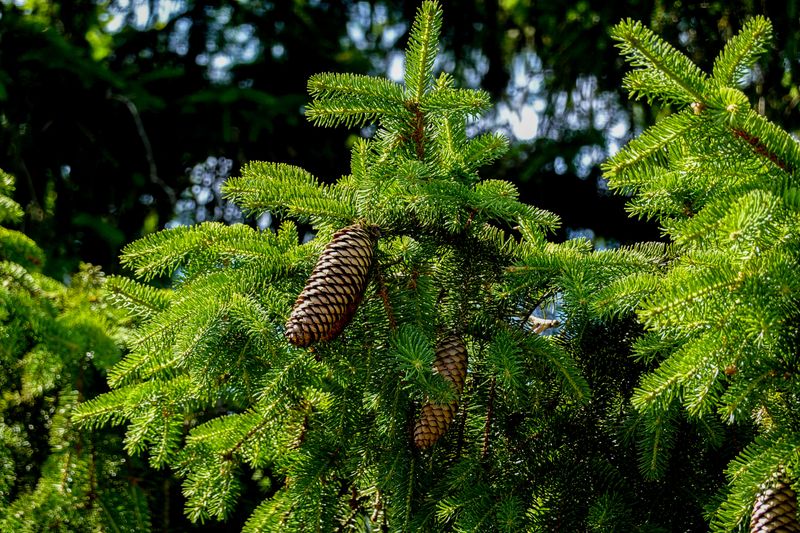
Many retellings call his tree a spruce. Our state, though, has almost no wild spruce.
The state’s forests were full of hardwoods like oak, maple, and beech, with only a handful of native evergreens mixed in.
So what did he really cut? Nobody knows for sure.
Old stories often used “spruce” or “pine” as a loose word for any evergreen, much like people today call every soda a pop.
That uncertainty matters if you love history. It means the real answer depends on which evergreens actually grew wild near early homes.
Botanists and the Ohio Department of Natural Resources list only a few native conifers, and some of them grew in tiny pockets.
I find that detail kind of delightful. Early families did not shop for a perfect shape.
They used what grew close by, and in much of the state, one tough little evergreen popped up in old fields and rocky slopes more than any other.
Eastern Redcedar Was the Evergreen Most Families Could Reach
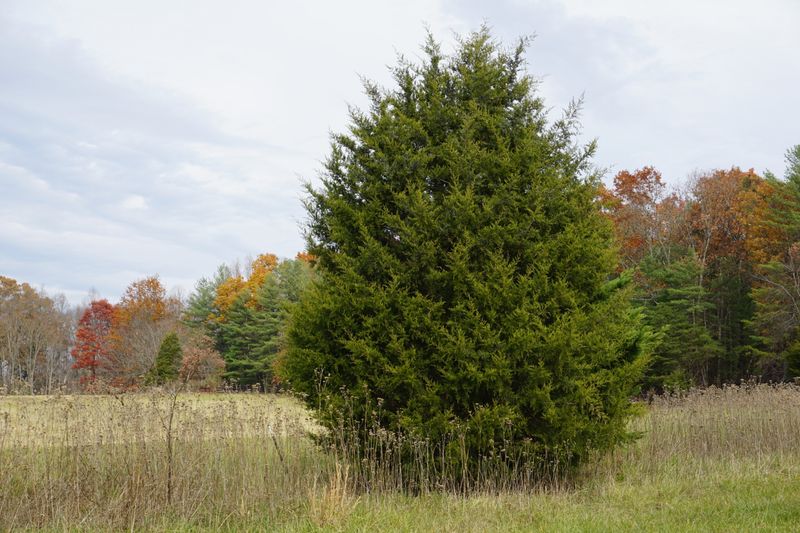
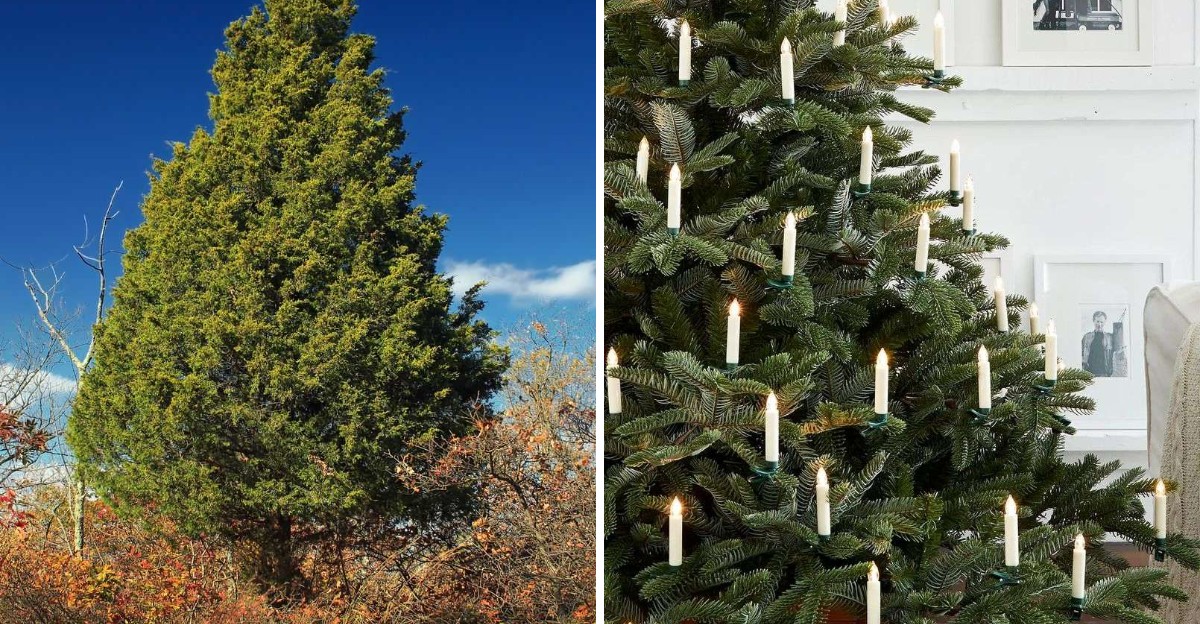
Prickly, fragrant, and everywhere, the eastern redcedar is the strongest candidate for early Ohio Christmas trees. Its scientific name is Juniperus virginiana, and despite the name, it is a juniper rather than a true cedar.
Redcedar grows naturally across much of the state, especially in southern and western counties. It loves sunny, open ground, so it pops up quickly in old fields, along fence rows, and on rocky hillsides.
Settlers clearing land for farms created exactly the kind of space it likes.
That made it easy to find. A family did not need to hike deep into the forest, because a nicely shaped young redcedar might be growing at the edge of their own pasture.
Across the eastern and southern United States, redcedar served as a common Christmas tree for generations before tree farms took over. Clemson Extension and other sources note its long holiday history in rural areas.
The tree also has a natural cone shape. Small ones look like they were trimmed on purpose, even when nobody touched them.
For a pioneer family wanting a quick, handsome tree close to home, redcedar checked nearly every box.
Those Blue Redcedar Berries and Scratchy Needles Made It Memorable
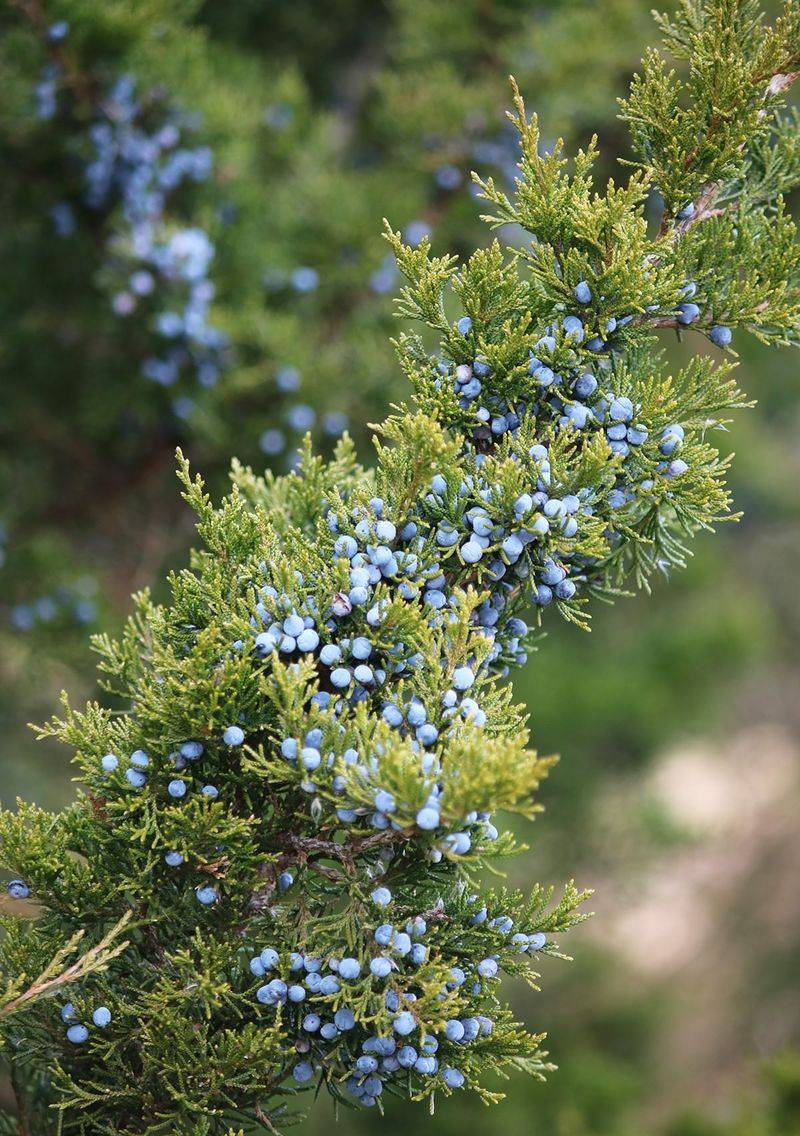
Anyone who has hugged a young redcedar remembers it. The juvenile foliage is sharp and scratchy, while older branches carry softer, scale-like leaves pressed close to the twig.
Decorating one could leave your arms itchy. I suspect plenty of pioneer kids learned to hang their popcorn strings very carefully.
The female trees carry small blue “berries” that are actually fleshy cones. They have a frosty, powdery coating that looks lovely against dark green foliage.
In winter, cedar waxwings, robins, and bluebirds feast on them, which is how the tree spreads so easily.
Then there is the smell. Redcedar wood and foliage give off a spicy, clean scent, the same aroma you notice in cedar chests and old wooden pencils.
In a warm cabin, that fragrance would have filled the whole room.
The bark adds charm too. It is reddish brown and peels in long, thin strips.
If you want to spot one this winter, look for a narrow, dense evergreen standing alone in a field or along a highway. Those blue berries are a sure giveaway that you found a redcedar.
Soft Eastern White Pine Boughs Graced Northeast Ohio Homes
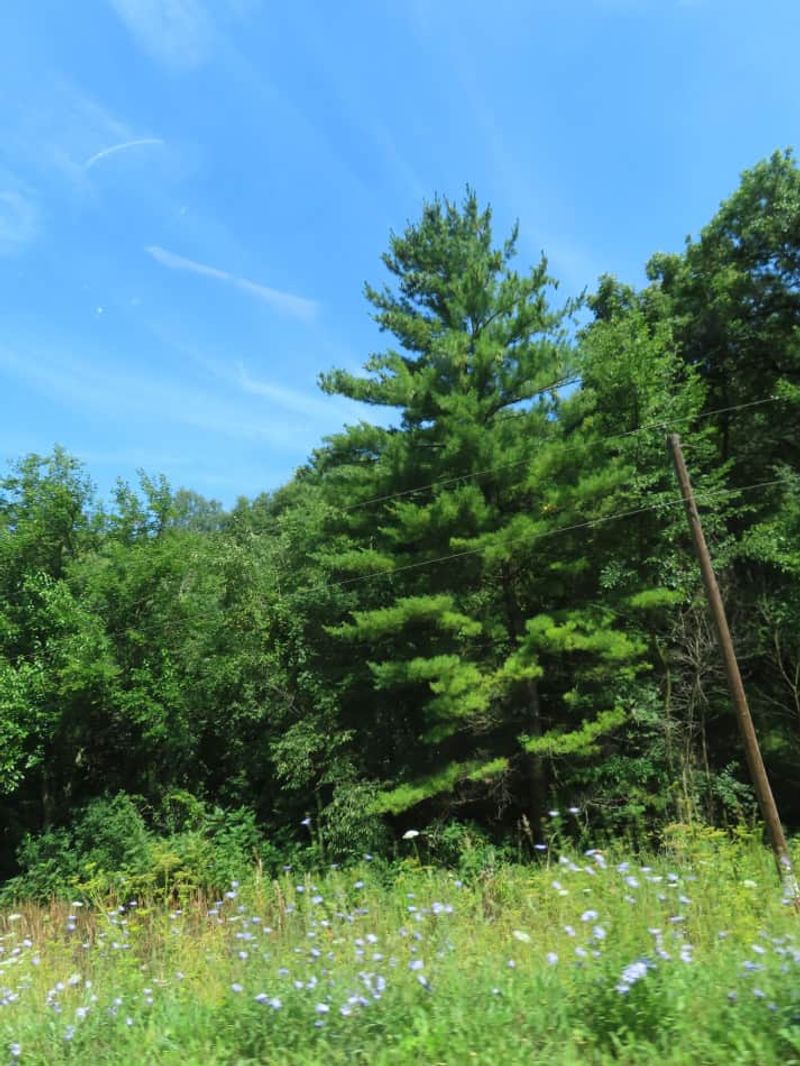
Run your fingers through an eastern white pine and you will feel the difference right away. Its long, bluish-green needles grow in bundles of five and feel soft, almost like feathers.
White pine is one of the tallest native trees in the state. When settlers arrived, it grew mainly in the northeast, in places like the gorges and ravines that still shelter old stands today.
Families living near those woods had a gentler option than redcedar. A young white pine has a pleasant shape, a mild piney scent, and branches that won’t scratch little hands.
There is one catch. Those flexible branches bend under heavy ornaments.
Early decorations were light, though, like paper chains, dried fruit, and small cookies, so that would rarely have caused trouble.
White pine is still sold as a cut Christmas tree today, and it holds its needles well indoors. You can find it at many Ohio choose-and-cut farms.
Fun tip for your yard: count the needles in a bundle. Five needles, five letters in “white.” That simple trick helps you tell white pine apart from other pines at a glance.
Northern White Cedar and Hemlock Grew in Special Ohio Pockets
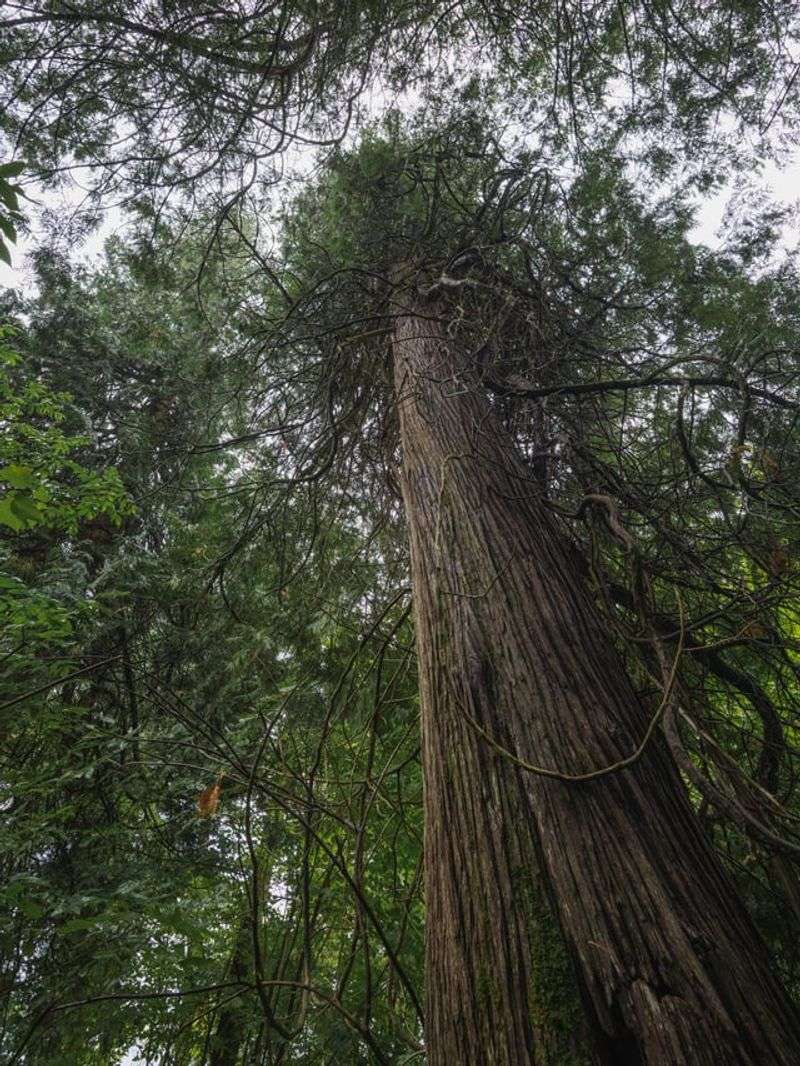
Some native evergreens were rare treasures rather than everyday choices. Northern white cedar, also called arborvitae, grows in only a few Ohio spots, often on limestone cliffs or near cold, wet bogs.
Its flat, lacy sprays of foliage feel soft and smell fresh when crushed. A family living near one of those sites might have brought home a small one, though most Ohioans never saw it growing wild.
Eastern hemlock is another possibility. It thrives in cool, shady ravines, especially in places like the Hocking Hills and northeast Ohio gorges.
Its short, flat needles have two white stripes underneath, and its drooping tips look graceful.
Hemlock drops needles fairly quickly indoors, though. A short holiday display would have worked, but it may not have lasted long by a warm fireplace.
Today, these trees deserve protection more than a saw. Hemlocks face a tiny invasive insect called hemlock woolly adelgid, which ODNR tracks closely in the state.
If you visit a state park this winter, look for hemlocks along shaded streams. Please leave them standing.
Seeing them in the wild is a far better holiday gift than cutting one.
Popcorn Strings and Candles Turned a Wild Tree Into a Showpiece
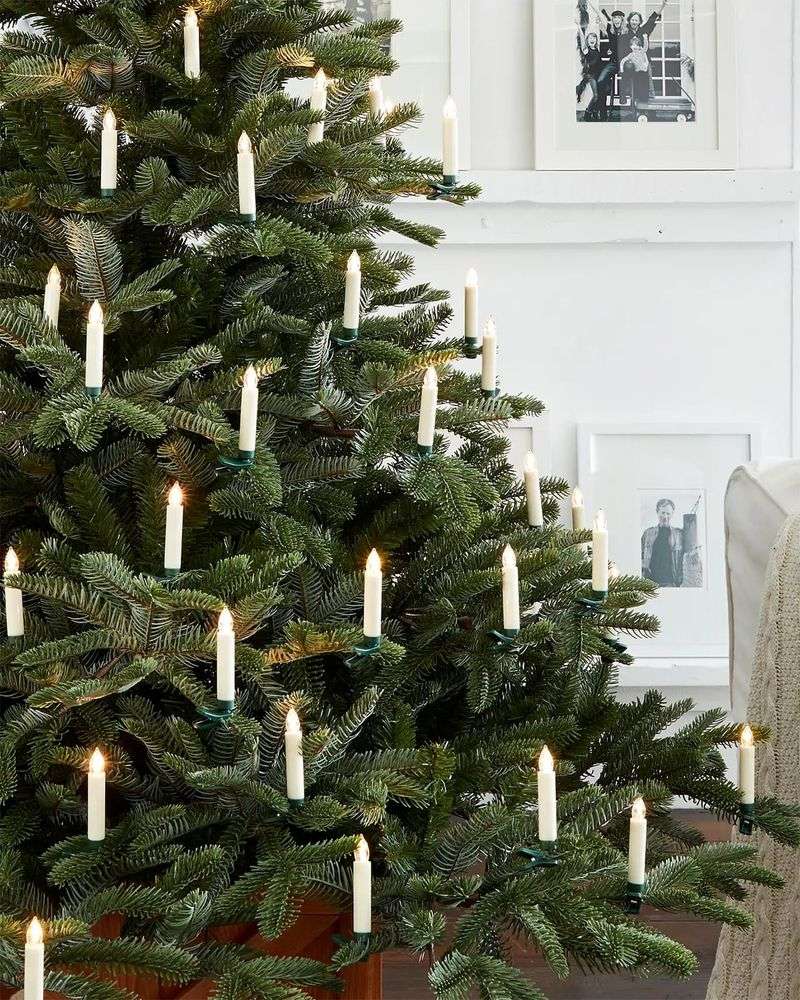
Nobody in an 1840s Ohio farmhouse ran to a store for glass balls. Decorations came from the kitchen, the orchard, and the sewing basket.
Families strung popcorn and cranberries on thread. They hung dried apple slices, walnuts, gingerbread, and small paper cutouts.
Bits of ribbon or colored cloth added brightness.
Candles were the big wow moment. Clipped or tied onto branches, they glowed for just a few minutes while someone stood nearby with a bucket of water.
Fire was a real risk, especially with a drying tree.
I love trying a few of these old ideas at home. A popcorn and cranberry garland makes a great winter project with kids, and you can hang it outside afterward for birds.
Please skip real candles on your tree, though. Modern LED lights give a similar warm glow without the danger.
Keep your cut tree in fresh water every day too, since a well-watered tree stays greener and safer.
Dried orange slices are another easy craft. Slice thin, bake low for a few hours, and tie them on with twine.
Your tree will look and smell like an old farmhouse Christmas.
Today’s Ohio Christmas Tree Farms Grow Mostly Non-Native Firs and Spruces
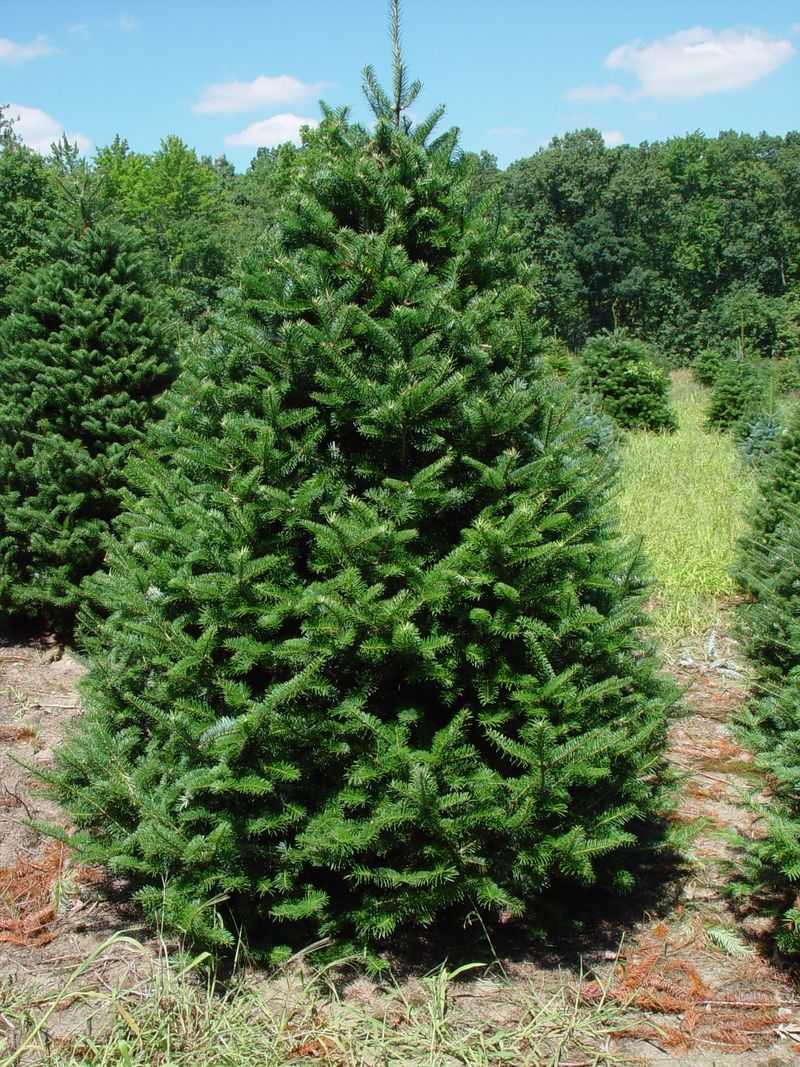
Walk through an Ohio choose-and-cut farm this December and you will see a very different lineup. Fraser fir, Canaan fir, Douglas fir, Norway spruce, Colorado blue spruce, and Scotch pine fill most rows.
None of those are native to the state. Fraser fir comes from the southern Appalachian mountains, Douglas fir from the West, and Norway spruce and Scotch pine from Europe.
Growers choose them for good reasons. Firs hold needles well, have sturdy branches for heavy ornaments, and smell wonderful.
Norway spruce handles our winters easily.
White pine remains the main native option you will find on farms. Redcedar is rarely sold, partly because of its prickles and because it can dry out faster indoors.
The Ohio Christmas Tree Association lists farms across the state, and buying locally supports family growers. Real farm trees are a renewable crop, and many farms replant several seedlings for each tree cut.
A friendly tip: give your trunk a fresh cut and get it into water within a few hours. A tree can drink a quart or more a day early on, so check the stand often.
Plant a Redcedar or White Pine and Bring Pioneer History Home
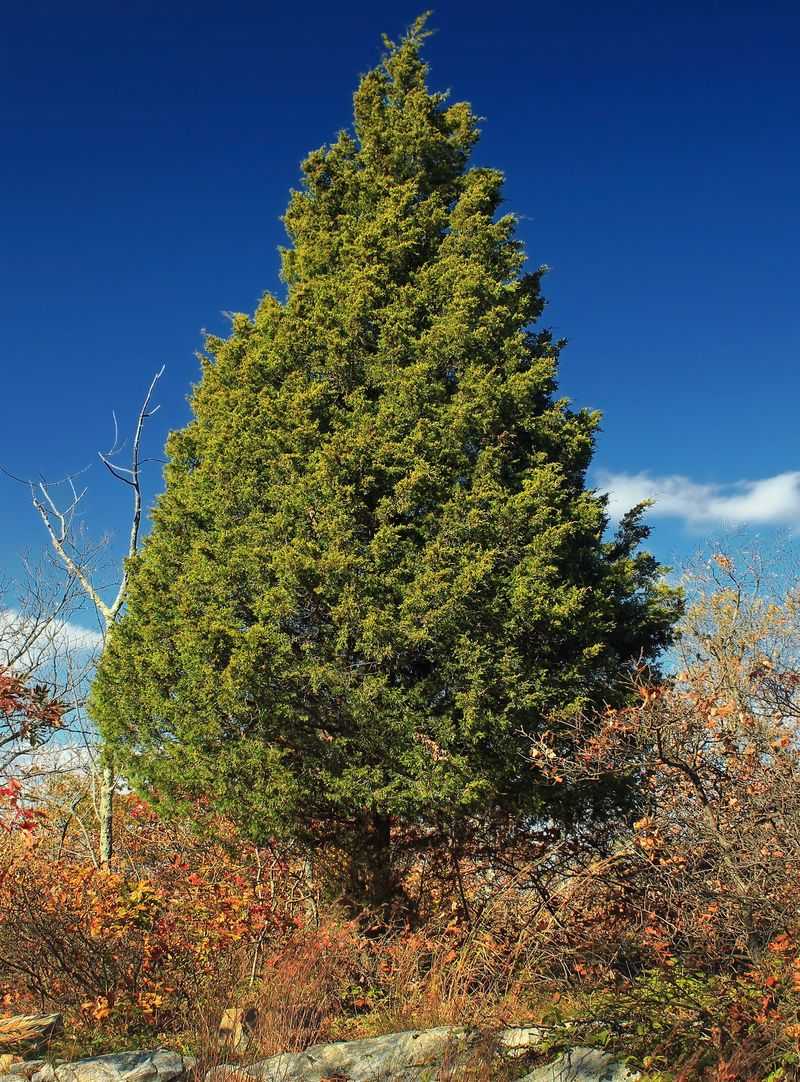
My favorite way to honor those early families is simple. Plant one of their trees in your own yard.
Eastern redcedar handles poor, dry, rocky soil and full sun. It works well as a windbreak or privacy screen, and its berries feed winter birds.
Cardinals and juncos often shelter in its dense branches on icy nights.
Keep redcedar away from apple and crabapple trees if possible. It hosts cedar-apple rust, a fungus that moves between the two plants and spots apple leaves.
Eastern white pine prefers moist, well-drained, slightly acidic soil and room to grow tall. It struggles near salty roads and in heavy, soggy clay, so choose your spot carefully.
Both trees are hardy across Ohio’s USDA zones 5 and 6. Early spring or early fall is the best planting time, not the middle of winter.
Many county Soil and Water Conservation Districts hold spring tree sales with affordable native seedlings. Order early, since popular species sell out.
In a few years, you could step outside, see snow on a native evergreen, and feel a little connection to that first glowing tree in Wooster.