9 Ohio Native Plants Deer Tend To Leave Alone
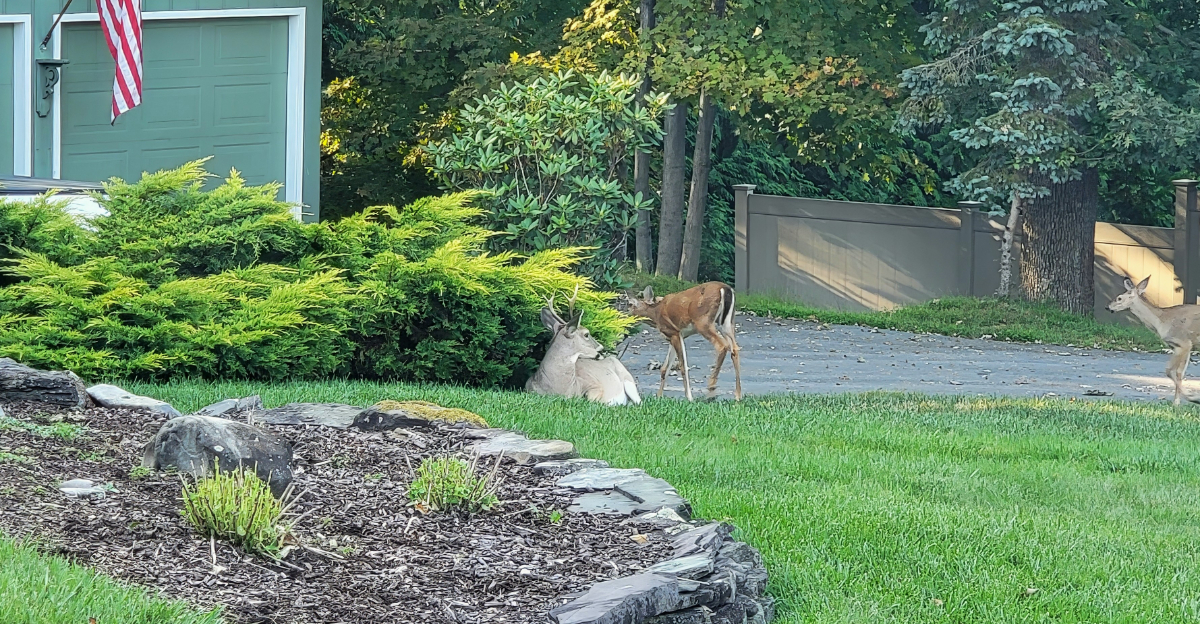
One night it looks full and thriving. The next morning, it’s like something walked through and helped itself to the best parts.
No warning, no pattern, just that sinking feeling when you spot fresh damage again. In a lot of Ohio yards, that story keeps repeating.
At some point, it stops being about chasing deer away and starts becoming about outsmarting them. Because they do have preferences, and not everything on your planting list makes the cut.
That’s where things get interesting. A handful of native plants tend to get ignored more often, even when everything around them gets picked over.
Not untouched every time, but passed by enough to make a real difference in how your garden holds up. Swap in the right mix, and suddenly the yard starts looking like yours again.
1. Eastern Redcedar Rarely Gets Touched By Deer
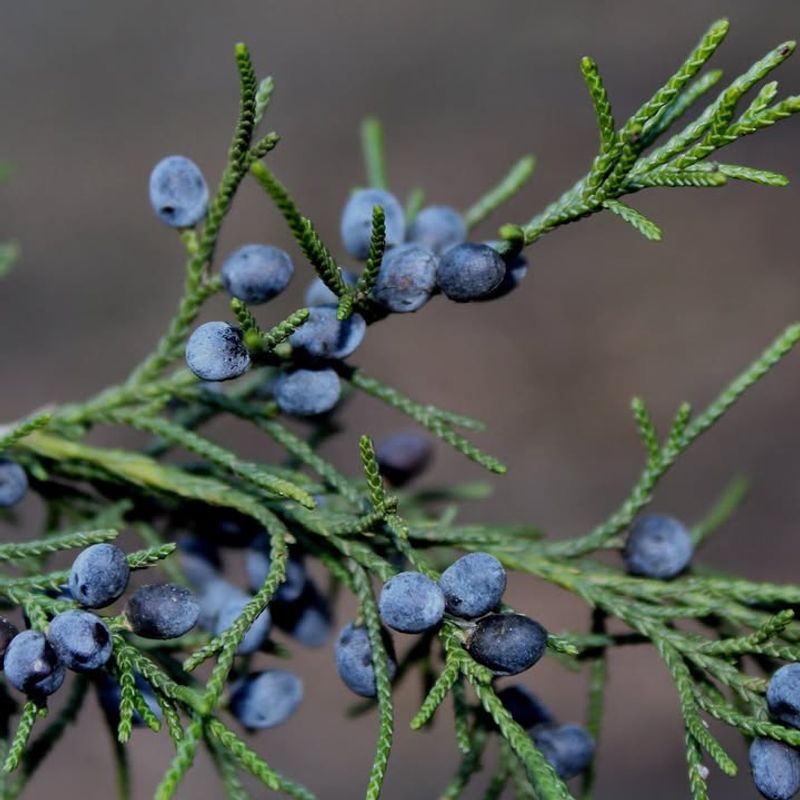
Walk past an Eastern Redcedar on a warm afternoon and you will immediately notice that sharp, piney scent. That aroma comes from the tree’s aromatic oils, and it is exactly what makes deer reluctant to browse it.
The dense, prickly needles add another layer of protection, making it uncomfortable for deer to push through or feed on the foliage.
Eastern Redcedar is one of the toughest native trees you can plant in Ohio. It handles poor, rocky, or clay-heavy soil without complaint, and once established, it is remarkably drought-tolerant.
Full sun is ideal, though it can manage in slightly shadier spots with reduced density.
For screening or windbreaks, plant trees about 6 to 8 feet apart. They grow slowly at first but become dense and reliable over time.
Mature trees can reach 30 to 40 feet tall, making them excellent for blocking views of roads or neighboring properties. Just avoid planting near apple orchards or hawthorns, since Eastern Redcedar is an alternate host for cedar-apple rust.
Used thoughtfully in the right Ohio landscape, this tree provides year-round structure, wildlife habitat, and serious staying power without requiring much from you in return.
2. American Holly Holds Up Well Against Deer Browsing
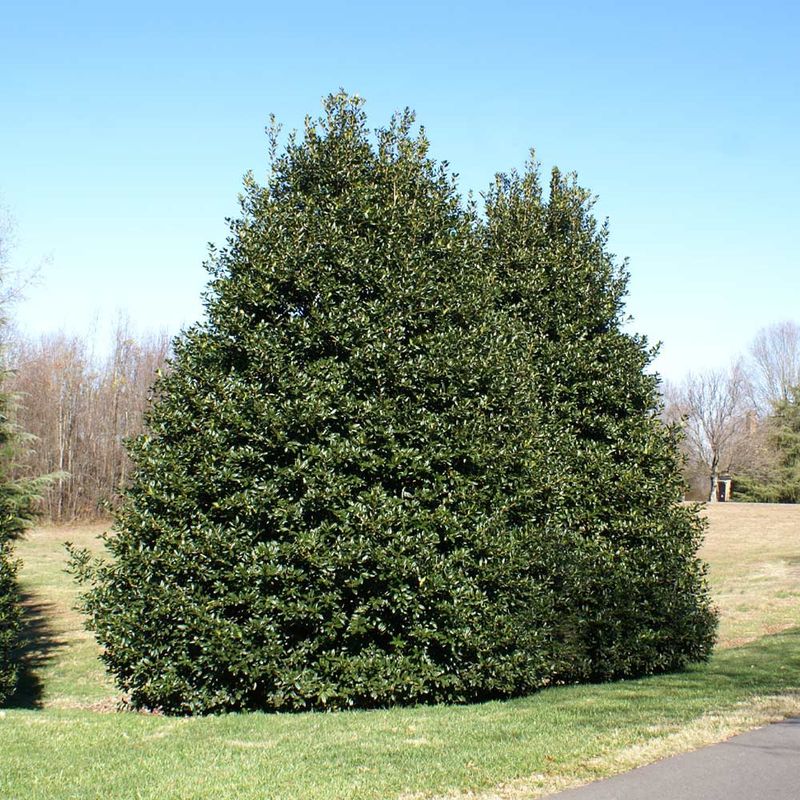
Those stiff, spiny leaves that make American Holly so visually striking in winter are also what keep deer from treating it like a salad bar. The sharp leaf edges are genuinely uncomfortable for deer to chew, so they tend to move on and find something easier.
That physical deterrent, combined with the plant’s dense growth, makes it a reliable choice for deer-prone properties.
American Holly is an evergreen native that grows slowly, typically adding less than a foot per year. It prefers well-drained, slightly acidic soil and does best in full sun to partial shade.
In Ohio, it performs well across most of the state, though it appreciates a bit of shelter from harsh winter winds in northern counties.
Placement matters with American Holly. It works beautifully as a foundation plant, a corner anchor, or a naturalized hedge along a property line.
Keep in mind that you need both a male and female plant nearby for the female to produce those iconic red berries. Space plants at least 10 feet apart to allow for mature spread.
Your Ohio Garden Changes Every Week. Your Plan Should Too.
Gardening in Ohio changes quickly throughout the season. Every Friday you’ll receive a simple weekly plan showing exactly what to plant, prune, fertilize, harvest, and protect so you never miss the right timing.
Growth is slow but the payoff is a handsome, low-maintenance evergreen that adds color and structure to the winter landscape.
3. Inkberry Stays Intact Even In Deer-Prone Yards
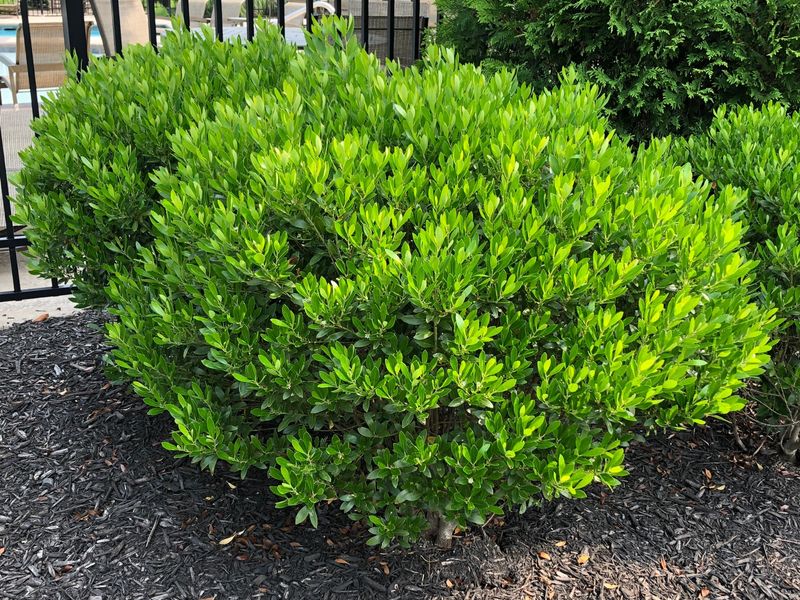
Gardeners who have struggled to find an evergreen shrub that holds up in wet, low-lying areas of their Ohio yard often discover Inkberry as a pleasant surprise. Not only does it tolerate soggy soil that would stress most plants, but deer tend to pass it by.
The leaves have a slightly leathery texture that is not particularly appealing to browse, and the plant contains compounds that make it bitter and unpleasant to most wildlife.
Inkberry, known botanically as Ilex glabra, thrives in moist to wet, acidic soils and performs well in full sun to partial shade. It is a natural fit for rain gardens, pond edges, or any spot in the yard where water tends to collect.
In Ohio, it is especially valuable in areas with heavy clay soil that stays damp after rain.
Mature plants typically reach 5 to 8 feet tall and wide, forming a rounded, dense shape. Pruning is rarely necessary, but light shaping in early spring keeps plants tidy.
The small, dark berries that appear in fall are a valuable food source for birds like cedar waxwings and bluebirds. Plant in groups of three or more for the strongest visual impact and the best wildlife benefit.
4. Spicebush Is Seldom Browsed Once Established
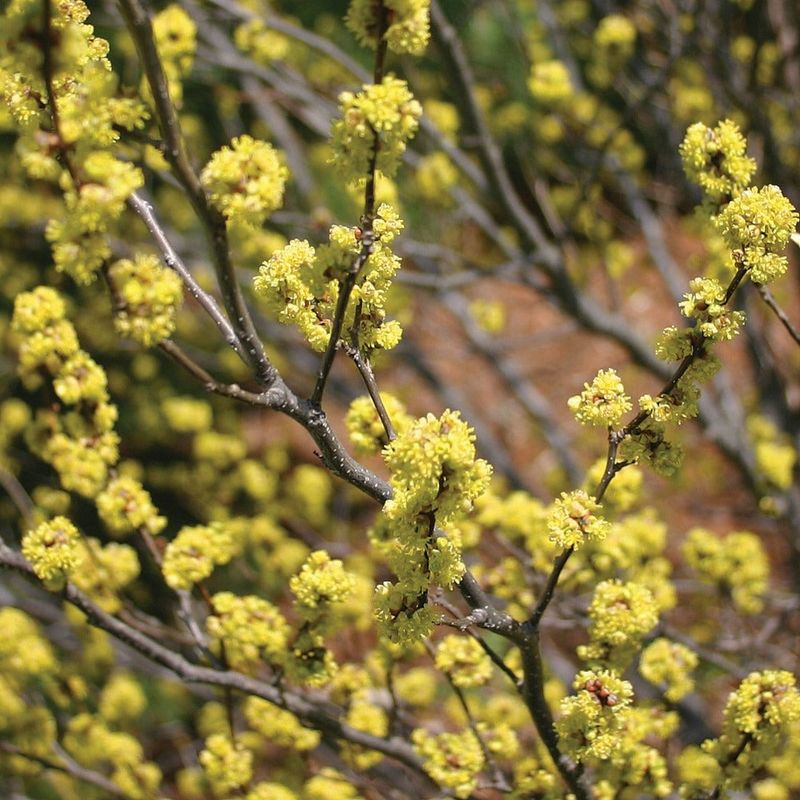
Crush a leaf of Spicebush between your fingers and the smell hits you immediately. It is sharp, spicy, and unmistakably aromatic.
That strong scent is the main reason deer avoid this native shrub. They rely heavily on smell to evaluate food, and Spicebush simply does not register as something worth eating.
In Ohio, Spicebush grows naturally along stream banks and in woodland understories, which tells you a lot about what it needs. It is happiest in partial to full shade with consistently moist, well-drained soil rich in organic matter.
It handles Ohio’s humid summers well and is cold-hardy throughout the state. Once established, it requires very little attention.
Spicebush typically grows 6 to 12 feet tall and wide, making it a solid mid-size shrub for naturalized areas or layered plantings under large trees. In early spring, tiny yellow flowers appear before the leaves, providing one of the first nectar sources for early pollinators.
By fall, the bright red berries attract migrating songbirds, especially wood thrushes. Plant male and female shrubs together for berry production.
For shade gardeners looking for a reliable, low-fuss native that deer tend to ignore, Spicebush is a genuinely strong option.
5. Virginia Bluebells Tend To Be Left Alone
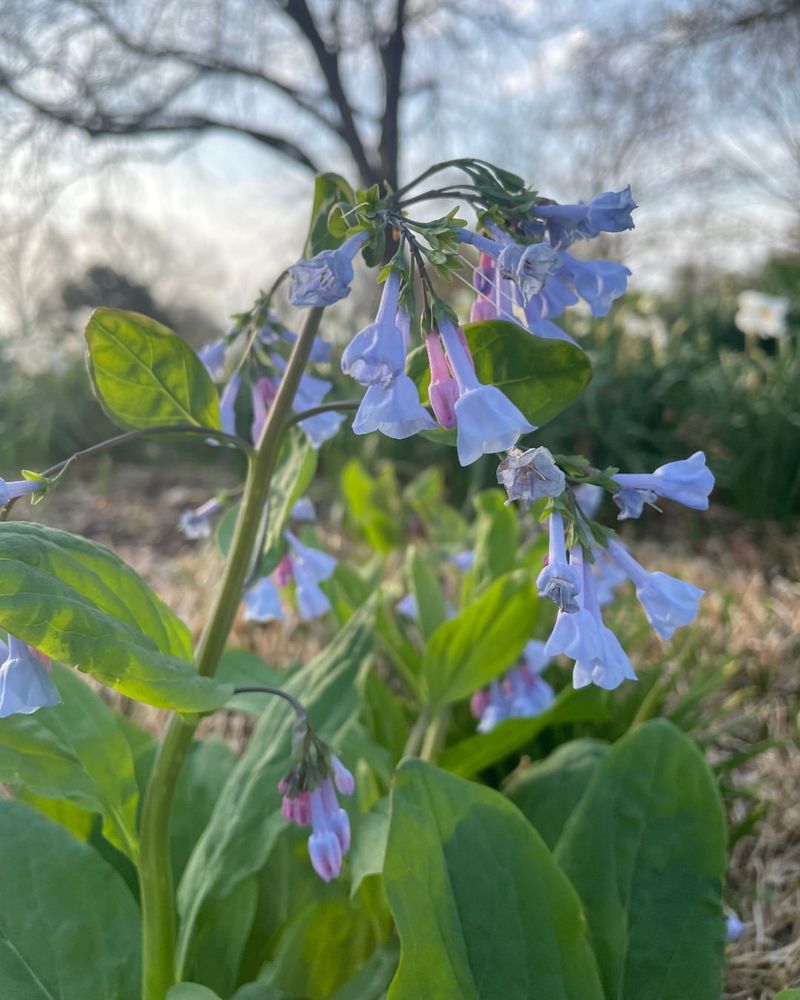
There is something almost magical about watching Virginia Bluebells emerge in early spring when the rest of the garden is still waking up.
Clusters of soft blue, trumpet-shaped flowers appear in March and April, then the entire plant fades back into the ground by early summer.
That brief seasonal window is actually one reason deer tend to leave them alone. They are simply not around long enough or in large enough quantities to attract serious browsing pressure most years.
Virginia Bluebells, or Mertensia virginica, are true spring ephemerals. They prefer rich, moist, well-drained soil and dappled shade, conditions that mimic their natural floodplain and woodland habitats in Ohio.
They naturalize well and spread gradually over time through self-seeding.
Because they go dormant so quickly, it helps to pair them with later-emerging plants that fill the gaps they leave behind. Hostas, wild ginger, and ferns work especially well as companions.
Plant bulbs or bare-root plants in fall for best results, and avoid disturbing the soil where colonies are established.
Virginia Bluebells reward patient gardeners with reliable spring color year after year, and since they disappear before summer heat sets in, they rarely need any special care once they find a spot they like.
6. Wild Ginger Is Commonly Avoided In Shady Beds
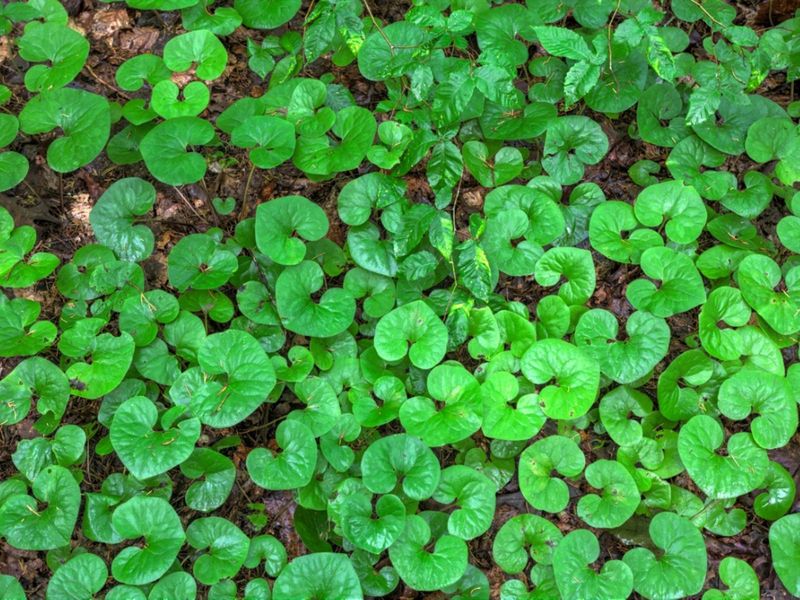
Few ground covers handle deep shade as gracefully as Wild Ginger. It spreads steadily to form a thick, lush carpet of large, heart-shaped leaves that looks intentional and polished even in the darkest corners of the yard.
Deer tend to avoid it, likely because of the pungent, gingery scent the leaves and roots release when disturbed. That smell is not dangerous to deer, just unappealing enough to make them move on.
Wild Ginger, or Asarum canadense, is native to Ohio’s woodland floors and thrives in full to partial shade. It prefers moist, rich, slightly acidic soil with good organic content.
It is not a fast spreader, but it is persistent. Each year, rhizomes creep outward just a little more, and over several seasons, a small planting can fill a significant area.
Space plants about 12 inches apart when planting to allow room for natural spread. Wild Ginger works beautifully under large deciduous trees, along shaded walkways, or as a weed-suppressing layer beneath taller native shrubs.
It stays low, rarely exceeding 6 to 8 inches in height. Maintenance is minimal once established.
Just keep the soil consistently moist during the first growing season, and the plant largely takes care of itself from there.
7. Christmas Fern Keeps Its Shape Without Deer Damage
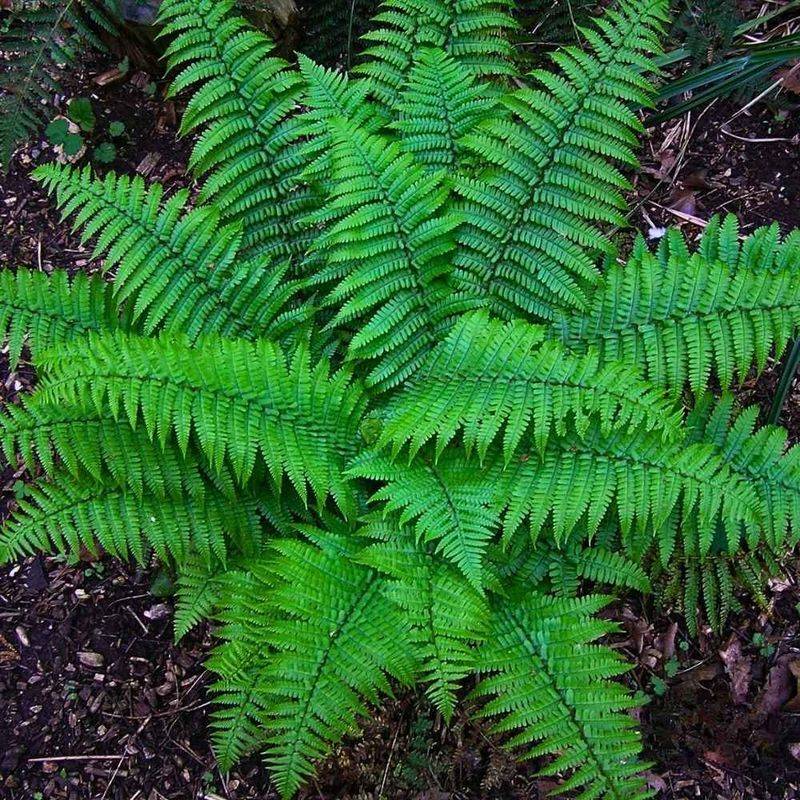
Most ferns go dormant and disappear by late fall, but Christmas Fern stays green well into winter, which is exactly how it earned its name. Early settlers reportedly used the evergreen fronds as holiday decorations, and those same tough fronds are what help this native plant hold up in deer-prone yards.
The leathery texture is simply not appealing to browse, and deer generally pass it by in favor of softer, more palatable options nearby.
Christmas Fern, or Polystichum acrostichoides, is one of the most adaptable native ferns in Ohio. It grows in full shade to partial shade and tolerates a range of soil types, though it performs best in moist, well-drained, slightly acidic soil.
It handles slopes well and is an excellent choice for preventing erosion on shaded hillsides or embankments.
Plants typically reach 1 to 2 feet tall with an arching, vase-like form. Space them about 18 inches apart to allow for natural spread over time.
Christmas Fern pairs beautifully with Wild Ginger, Trillium, or Black Cohosh in a layered woodland planting.
It requires virtually no maintenance once established, making it one of the most practical and reliable natives for low-effort, deer-resistant shade gardening in Ohio.
8. Foxglove Beardtongue Is Rarely On The Menu
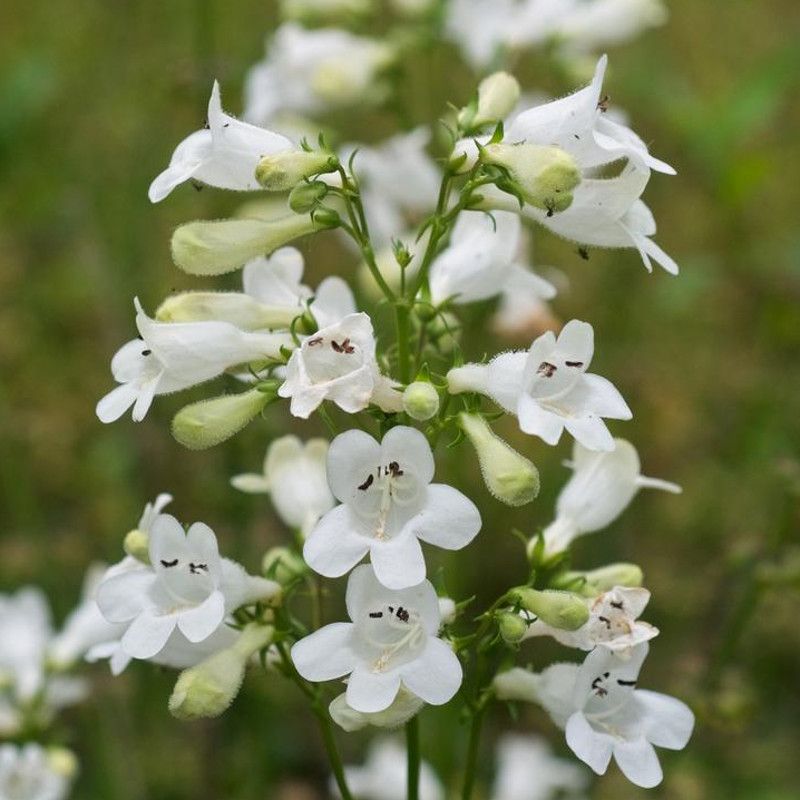
Penstemon digitalis might not be a household name, but any Ohio gardener who has planted it quickly learns to appreciate it.
The tall, airy spikes of white flowers appear in late spring and early summer, drawing in bumblebees, native bees, and hummingbirds with impressive regularity.
Deer, on the other hand, tend to walk right past it. The foliage carries a slightly bitter quality that makes it far less palatable than the surrounding garden plants deer might prefer.
Foxglove Beardtongue thrives in full sun and adapts to a wide range of soil conditions, including dry, poor, or clay-heavy soils that challenge many other natives. That flexibility makes it an especially practical choice for Ohio yards where soil quality is inconsistent.
It handles summer heat and humidity without much fuss.
Plants grow 2 to 4 feet tall and look best when grouped in drifts of five or more. They self-seed modestly, so you may find small new plants appearing nearby each year.
Deadheading after bloom can reduce self-seeding if preferred. Foxglove Beardtongue works well in pollinator gardens, meadow-style plantings, or mixed perennial borders.
It is a reliable, low-maintenance native that earns its place in the garden through both ecological value and its tendency to stay off the deer menu.
9. Black Cohosh Is Typically Left Untouched
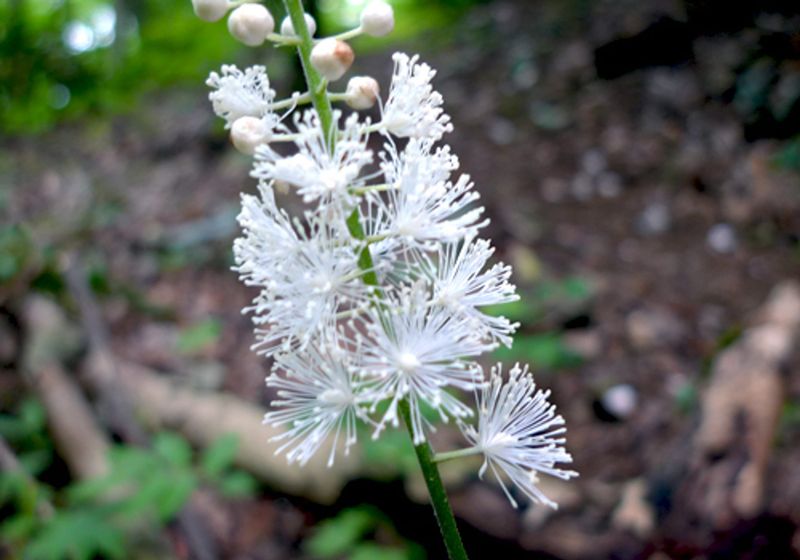
Towering white flower spikes rising 4 to 6 feet above the garden bed make Black Cohosh one of the most dramatic native plants you can grow in Ohio shade. Beyond its visual impact, it carries natural compounds, including triterpene glycosides, that make it genuinely unpleasant for deer to eat.
Most deer that encounter it simply move on without taking a bite, which is a real advantage in yards where browsing pressure is high.
Black Cohosh, or Actaea racemosa, grows naturally in Ohio’s rich woodland understories and performs best in full to partial shade with deep, moist, humus-rich soil. It is not a plant for dry or compacted spots.
Give it good organic matter and consistent moisture, especially during its first two seasons while it establishes a strong root system.
Mature clumps spread slowly over several years and rarely need dividing. Space plants about 3 feet apart to allow for that gradual expansion.
Black Cohosh makes a striking backdrop in a layered woodland garden, especially when paired with Christmas Fern, Wild Ginger, or Spicebush at lower levels. The late-summer bloom is also a draw for native bees.
It is a slow starter but an incredibly rewarding long-term addition to any Ohio shade garden.