The Meaning Behind Seeing Cardinals In Your Ohio Yard This Summer
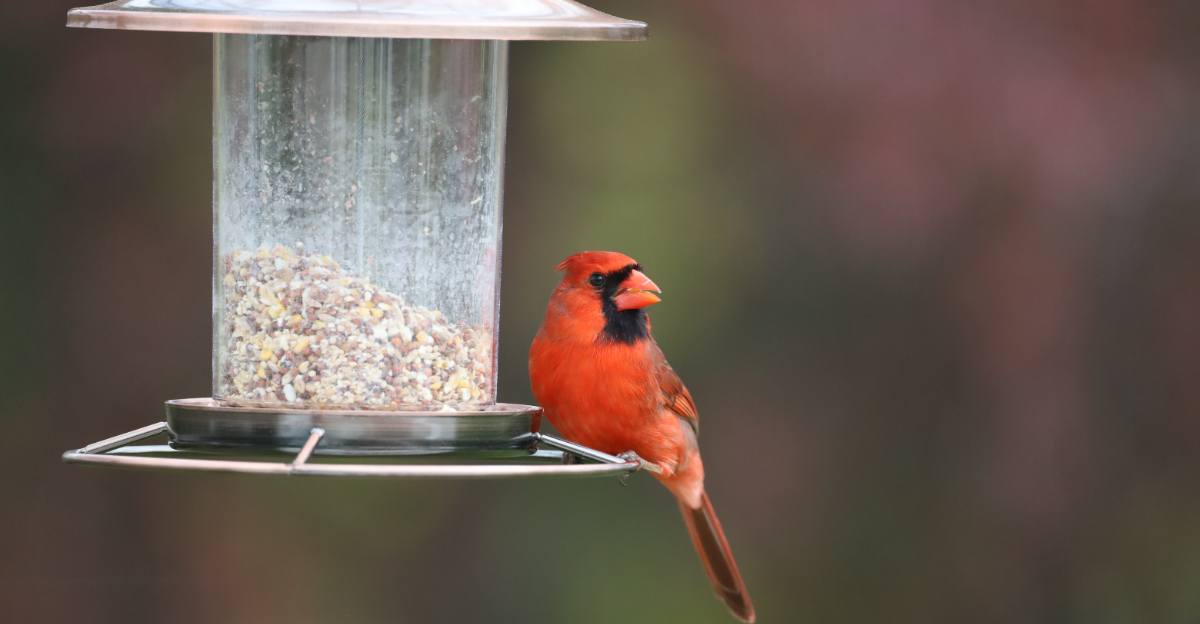
A cardinal does not stumble into your yard by chance. Every landing is a decision, weighed against dozens of yards it skipped along the way.
If red flashes have been showing up near your porch this summer, something about your Ohio property passed the test. Cardinals are notoriously selective, and their approval is not handed out lightly.
Maybe it is the male perched high, announcing himself without hesitation. Maybe it is the female, slipping quietly through the hedges, easy to miss if you are not looking closely.
Either way, they are not there by luck. Figuring out what drew them in could be the difference between a single visit and a yard they keep coming back to.
A Sign Your Yard Offers What Cardinals Need
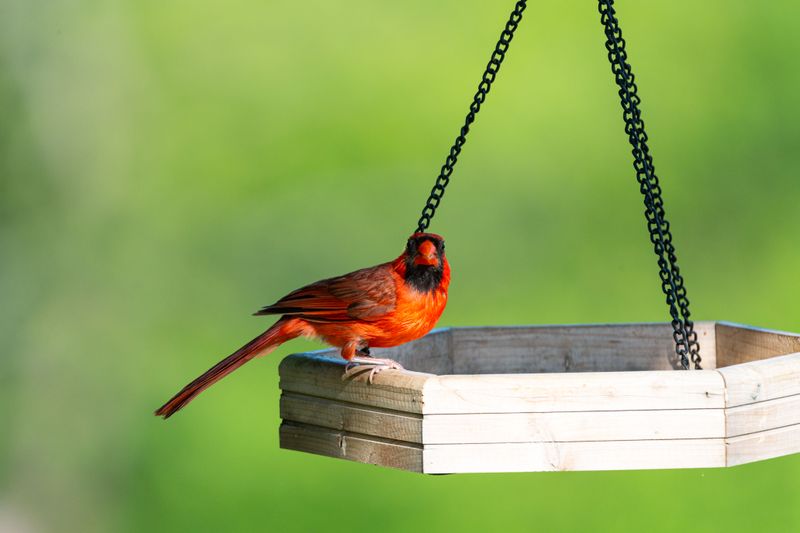
Your yard passed a test you did not even know you were giving. Cardinals scout for specific resources before they ever land, and a visit means your space checked enough boxes to earn their attention.
Food is the first thing they look for. Sunflower seeds, safflower seeds, and wild berries are cardinal favorites, and if your yard has any of these, you are already ahead.
Water matters just as much as food. A clean birdbath or shallow dish gives cardinals a reason to stay longer than just a quick meal.
Dense plant cover signals safety to a cardinal. Thick shrubs, layered gardens, and low-hanging branches make a yard feel protected rather than exposed.
Cardinals also respond well to cracked corn and suet during the warmer months, especially when insects are scarce nearby. A varied menu keeps them circling back instead of moving on to a neighbor’s feeder.
Perches near the feeding area matter too. A low branch or fence rail close by gives cardinals a safe spot to survey the yard before committing to a landing.
A cardinal choosing your yard this summer speaks volumes about what you have built there. These birds are not desperate wanderers, they are selective visitors with high standards.
Your yard earned that visit. The more resources you provide, the longer cardinals will linger and the more often they will return throughout the season.
How Cardinals Choose Which Yards To Visit
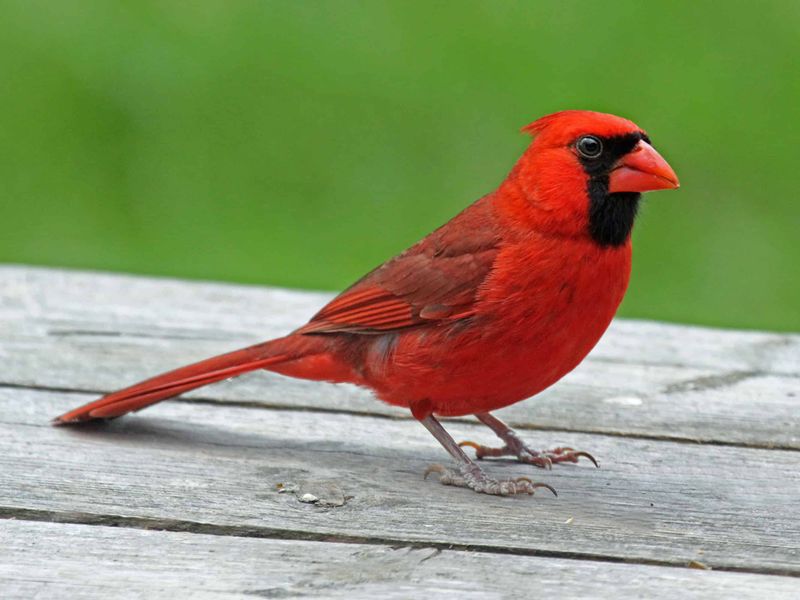
Cardinals do not flip a coin when picking a yard. They run through a mental checklist that includes food, water, shelter, and safety before committing to any location.
Open lawns with no cover make cardinals nervous. They prefer yards with layers, meaning tall trees, mid-height shrubs, and ground-level plants all working together.
Noise level plays a role too. Yards with constant foot traffic, loud pets, or heavy activity tend to push cardinals toward quieter neighboring spaces.
A yard near a wooded edge or a hedgerow has a natural advantage. Cardinals feel more confident when they can retreat to dense cover within just a few wingbeats.
Sunlight exposure plays a quieter role in the decision. Yards with a mix of dappled shade and open patches tend to appeal more than areas that sit in full sun all day.
Your Ohio Garden Changes Every Week. Your Plan Should Too.
Gardening in Ohio changes quickly throughout the season. Every Friday you’ll receive a simple weekly plan showing exactly what to plant, prune, fertilize, harvest, and protect so you never miss the right timing.
Consistency counts as much as resources. A yard that offers the same food and water day after day builds trust faster than one that changes constantly.
Feeders placed near shrubs rather than in wide-open spaces get more cardinal attention. The bird wants a quick escape route, not a long exposed flight to safety.
That repeat visitor in your yard this summer means the scales tipped in your favor. They weighed your yard against the competition and chose yours, and that choice was deliberate.
Shelter And Nesting Spots Cardinals Look For
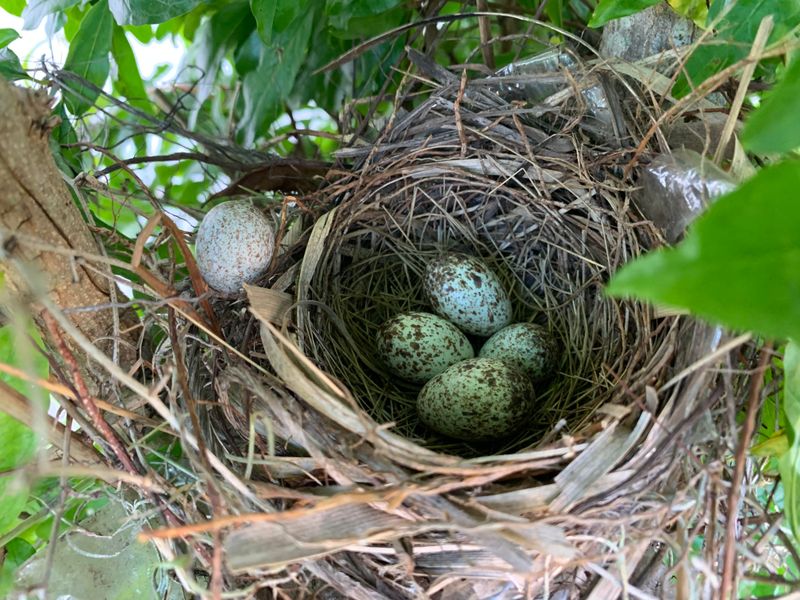
Cardinals build cup-shaped nests tucked inside dense shrubs or small trees. They favor spots that are hidden from above but still allow a clear view of the surrounding area.
Evergreen shrubs like arborvitae and holly are top picks because they hold their leaves all year. Even in summer, that dense foliage provides the privacy cardinals want for raising young.
Nests are typically built between three and ten feet off the ground. That height keeps eggs safe from most ground predators while staying low enough for easy access.
Female cardinals do most of the nest building while males stay close and watch for threats. If you spot a female carrying plant material, a nest is actively going up nearby.
Cardinals often reuse a general nesting area even if the exact nest itself is not reused each season. A yard that hosted a nest once has a good chance of hosting another nearby.
Thorny shrubs, like certain rose varieties, add an extra layer of protection. The same thorns that make pruning tricky also keep larger predators from reaching the nest.
Tangled vines, dense rose bushes, and thick hedgerows all qualify as prime real estate. Cardinals are not picky about the specific plant as long as the cover is thick enough.
Providing natural shelter in your yard is one of the most powerful things you can do. A yard with good nesting spots becomes a cardinal home base, not just a quick stop for a snack.
Why Cardinals Stick Around Through The Summer Months
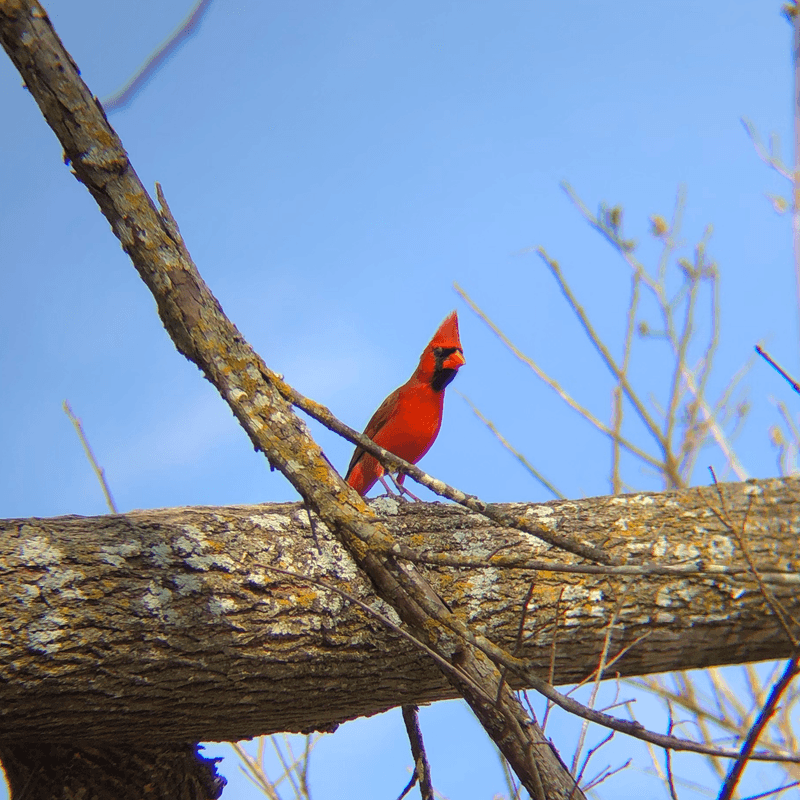
Summer is prime time for cardinals in Ohio. Unlike some birds that pass through during migration, cardinals are year-round residents who treat summer as their most active season.
Breeding season runs from late spring through late summer, meaning cardinals may raise two or even three broods in a single year. A yard with good resources can host the same pair through multiple nesting cycles.
Longer days give cardinals more time to forage, sing, and tend to their young. You will often hear males singing loudly from treetops as early as dawn.
Insects become an important food source during summer months. Cardinals feed insects to their nestlings, so a yard with natural insect activity supports the whole family.
Territory size can shrink slightly during peak summer as resources become more concentrated in a smaller area. This is part of why cardinals seem to stay closer to reliable yards rather than roaming widely.
Heat can shift feeding times earlier or later in the day. Cardinals often visit feeders at dawn and again closer to dusk, avoiding the hottest hours in between.
Molting happens in late summer, which can make cardinals look a bit ragged. A male with patchy feathers is not sick, he is simply going through his annual feather renewal.
Cardinals that stay in your yard all summer are a sign of a stable, resource-rich environment. Once a pair claims a territory, they tend to return to the same area year after year, making your yard a long-term destination.
Behaviors That Reveal What A Cardinal Is Doing
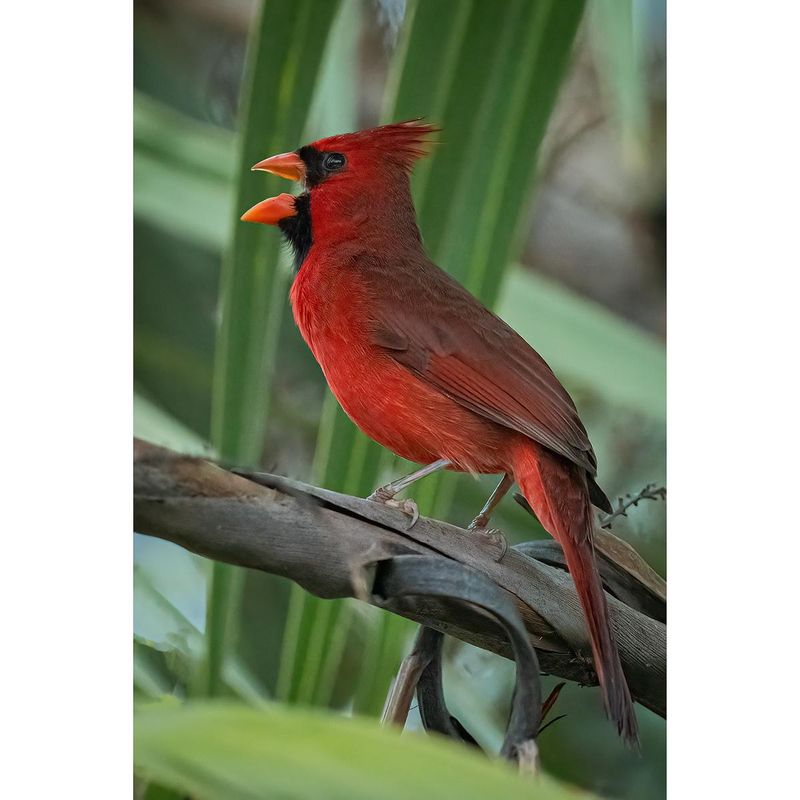
Cardinals communicate constantly, and once you learn to read their behavior, every visit tells a story. That loud, clear whistle from a high branch is a male marking his territory.
A cardinal tapping on your window is not confused, it is seeing its own reflection and treating it like a rival. This behavior is most common during breeding season when males are especially territorial.
Soft chip notes between two birds usually mean a mated pair is staying in contact. You will hear this quiet back-and-forth when they are foraging close together.
A cardinal sitting low and puffed up is likely resting or staying warm. Puffed feathers trap air and help regulate body temperature during cool mornings or after rain.
A pair perching side by side and passing food beak to beak is a courtship behavior called mate feeding. It often continues even after eggs have hatched.
Rapid tail flicking paired with a sharp chip note usually signals alarm. If you notice this, a predator or unfamiliar animal is likely nearby.
Females sing too, which surprises a lot of people. A female cardinal singing near a nest may be communicating with her mate about food needs or alerting him to approach safely.
Watching cardinal behavior turns a simple backyard sighting into something much richer. Each posture, call, and movement has a purpose, and your yard becomes a live nature documentary every single morning.
Simple Ways To Keep Cardinals Coming Back
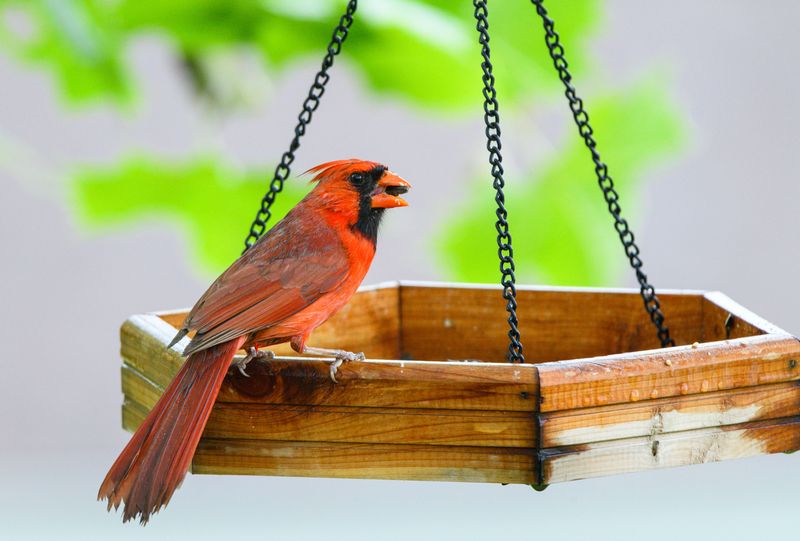
Keeping cardinals coming back does not require a big budget or a landscaping overhaul. A few targeted changes can make your yard a consistent stop on their daily route.
A platform feeder or hopper feeder works better than a tube feeder for cardinals. Their larger bodies need a solid surface to land on while eating, and tube perches are just too narrow.
Safflower seeds are a smart choice because squirrels tend to ignore them. Cardinals love safflower, so loading your feeder with it means the food goes to the birds you actually want.
Planting native shrubs like dogwood, serviceberry, or elderberry gives cardinals natural food and shelter. Native plants also attract insects, which cardinals need during nesting season.
Leaving some leaf litter or garden debris in place gives cardinals access to insects and seeds they would otherwise miss in a tidier yard.
Spacing feeders a few feet apart rather than clustering them together reduces competition and gives more cardinals a reason to stick around at once.
A clean, shallow birdbath placed near shrubs will get regular use. Change the water every two to three days to keep it fresh and prevent mosquito breeding.
Turning one summer sighting into a season-long habit takes only a little intention. Small, consistent efforts signal to cardinals that your yard is reliable, and reliable yards become favorite territories that birds return to season after season.