9 Virginia-Grown Foods for a Truly Local Thanksgiving Table
English settlers gave thanks at Berkeley Hundred on December 4, 1619, nearly two years before the famous Plymouth gathering. That early Virginia celebration means local harvest pride runs deeper here than most of us ever learned in school.
I have to admit that my own holiday table leaned on grocery store cans for far too many years. Then I started noticing how many fall crops in my garden and nearby farms could fill every single dish.
You might notice that homegrown food tastes richer when you know which patch of soil it came from. Some of my favorites even sweeten up after a cold snap, which feels like a reward for patient gardeners.
Several picks on this list surprised me, including a native fruit that puckers your mouth if you rush it. So how much of your next Thanksgiving meal could come straight from Virginia soil this year?
1. Sweet Potatoes
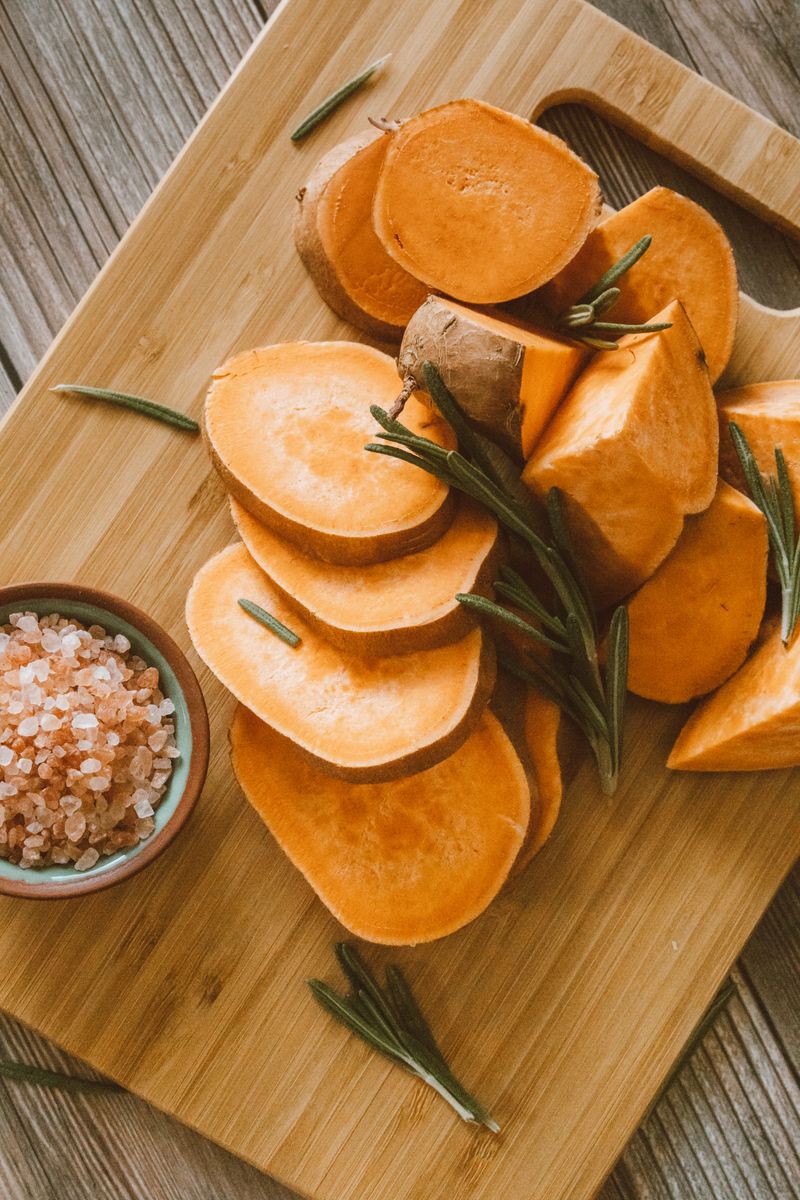
Fresh sweet potatoes taste surprisingly bland when you bake them straight from the garden on harvest day. Their famous sugary flavor shows up only after a short rest called curing, which still amazes me.
Sweet potatoes, or Ipomoea batatas, are swollen storage roots from a warm-loving vine in the morning glory family. They are not true yams, which come from a different tropical plant that rarely grows in our gardens.
Farms on the Eastern Shore have grown these roots for generations because the sandy soil there suits them nicely. Loose, well-drained ground lets the roots stretch out smoothly instead of twisting into odd, knobby shapes underground.
Plant rooted cuttings called slips after the soil warms in late May or early June. Cold soil stunts them badly, so patience in spring pays off with a much bigger harvest later in fall.
Go easy on nitrogen fertilizer, because too much feeds the leafy vines while the roots stay small and skinny. I learned that lesson the hard way after one summer of gorgeous vines and very few potatoes.
Dig your crop before the first frost touches the vines, and handle the roots gently to avoid bruising. Then keep them somewhere warm and humid, around 80 to 85 degrees, for about one week.
After curing, store them near 55 to 60 degrees, and skip the refrigerator because chilly air hurts their texture. Give them a few extra weeks in storage, and that holiday casserole will taste noticeably sweeter.
2. Apples
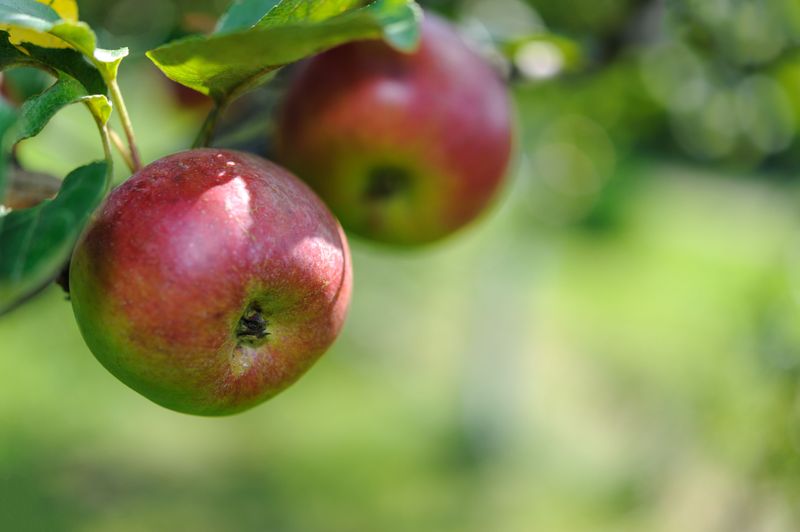
Thomas Jefferson grew the Albemarle Pippin at Monticello, and he praised this tangy green apple in his letters. Biting into one today feels like tasting a little piece of garden history from our own region.
Virginia ranks among the top apple-producing states in the country, with big orchards in the Shenandoah Valley. Cooler nights at higher elevations help the fruit build better color, firmer flesh, and a crisper snap.
Late-season apples like Fuji, Pink Lady, and Stayman keep beautifully in cold storage well past the November holiday. That means a local pie, a pot of applesauce, and a fresh fruit bowl are easy to manage.
If you want your own trees, choose two different varieties that bloom together so bees can cross-pollinate them. Most apples set very little fruit alone, which surprised me when my first lonely tree stayed bare.
Plant dormant trees in late fall or early spring, giving them full sun and soil that drains well. Dwarf or semi-dwarf rootstocks keep trees smaller and easier to prune, spray, and pick from a short ladder.
Our humid summers bring diseases like cedar apple rust and fire blight, so resistant varieties save plenty of frustration. Ask your local extension office for a list of varieties that handle these problems well in your county.
For what it is worth, a Saturday orchard trip fills the trunk faster than any home tree. You can pick your favorite varieties and chat with growers who know exactly which apples bake best.
3. Peanuts
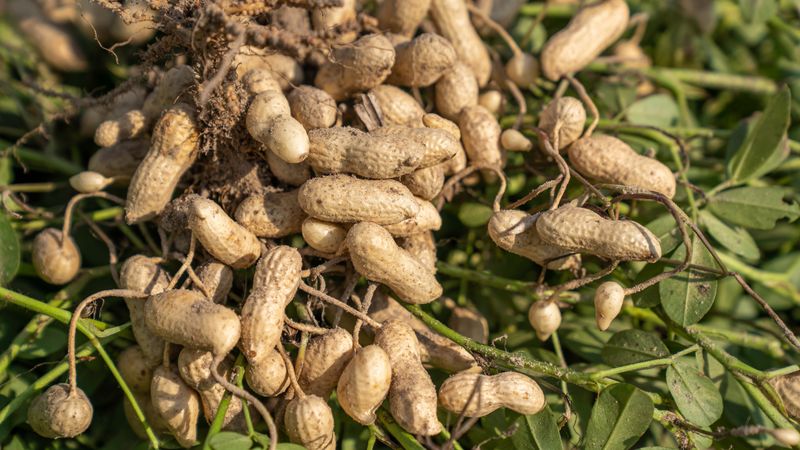
Peanut flowers bloom above ground, then send down skinny stems that push into the soil to form nuts. Watching those little pegs dive downward still feels like a magic trick happening right inside my garden bed.
Large-kernel peanuts known as the Virginia type grow across the southeastern part of the state, especially around Suffolk. They are prized for roasting in the shell because the big nuts stay crunchy and satisfying to snack on.
Peanuts, or Arachis hypogaea, are actually legumes related to beans rather than true nuts that grow on trees. Like beans, their roots partner with soil bacteria to collect nitrogen, so they need very little added fertilizer.
Plant raw, unroasted seed peanuts in May after the soil reaches about 65 degrees for steady sprouting. Loose, sandy soil works best, because heavy clay makes it hard for those pegs to burrow in.
Plants need a long, warm season of roughly four to five months before they are ready to dig. Northern parts of our region may need fast-maturing varieties to beat the first fall frost in time.
Pull a test plant in late September and check whether most shells show dark veins inside. When they look ready, lift the plants with a garden fork and let them dry for several weeks.
Roasted homegrown peanuts make a fun appetizer while the turkey finishes cooking in the oven. My guests usually crack open a handful, then ask how on earth anyone grows peanuts in a backyard.
4. Collard Greens
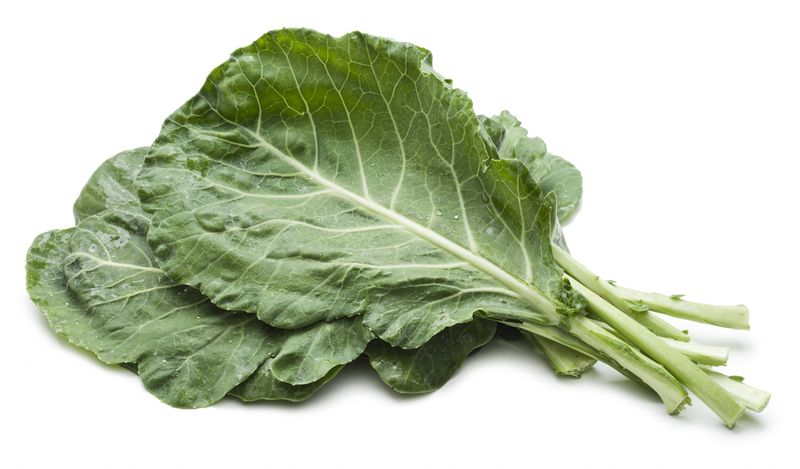
A good frost turns collards from slightly bitter into surprisingly sweet, and I wait for that cold night eagerly. The plant converts some starches into sugars, which acts like natural antifreeze inside those big, leathery leaves.
Collards belong to the same species as cabbage and kale, Brassica oleracea, but they grow loose leaves instead. Their wide, blue-green paddles can reach knee height or taller by the time the holidays roll around.
Enslaved Africans and their descendants shaped the slow-simmered Southern greens many families still treasure today. That deep cooking tradition gives a pot of collards a special place on the table beside the turkey.
Sow seeds or set transplants in late July or August for a fall harvest that lasts for months. Young plants appreciate steady watering during hot spells, so mulch the bed to keep the soil cool.
Harvest the lower, outer leaves first and leave the central bud growing to produce more leaves later. One sturdy plant can keep feeding your family well into winter when you pick carefully this way.
Watch the leaf undersides for green cabbage worms, which chew ragged holes during warm weeks in early fall. Lightweight row covers keep the egg-laying white butterflies away without any need for harsh sprays.
If you ask me, homegrown collards beat store bunches simply because they reach your pot so fresh. Strip the stems, slice the leaves into ribbons, and simmer them low with onions and a little broth.
5. Butternut Squash
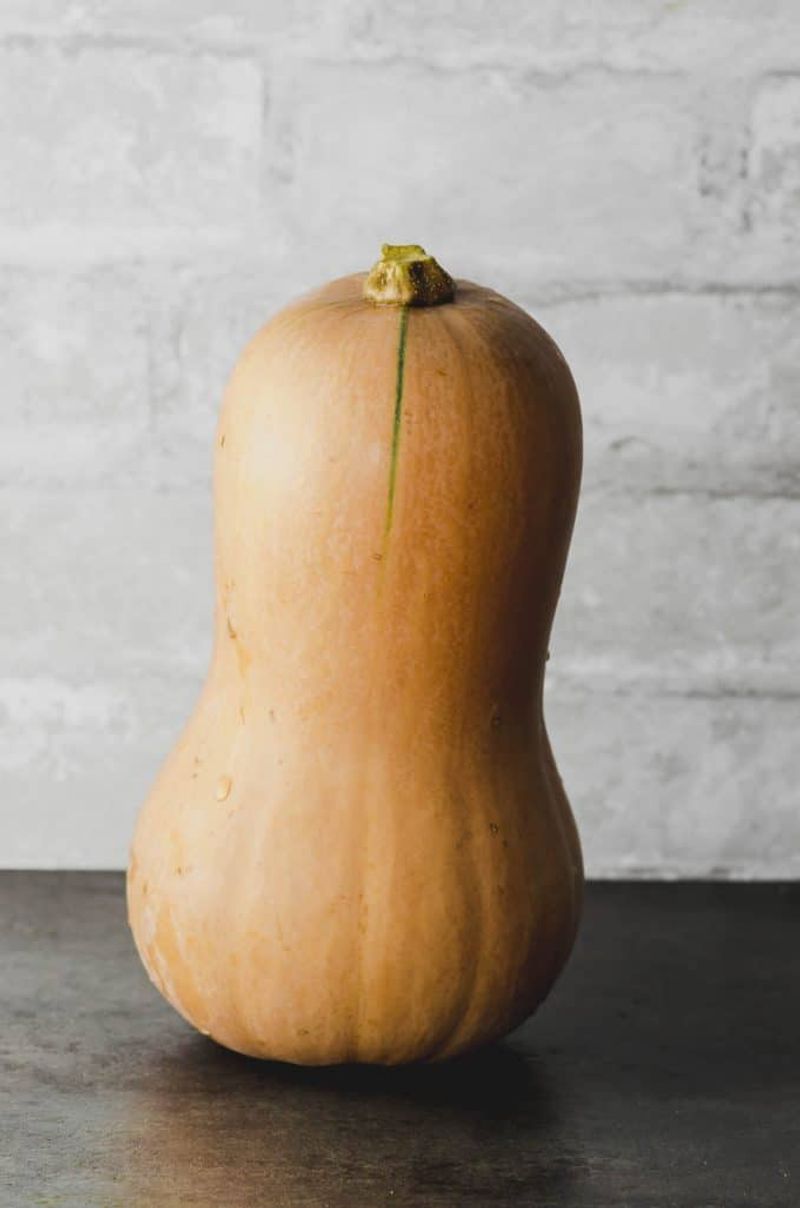
Squash vine borers wreck many pumpkin patches, yet butternut squash often shrugs them off without much trouble. Its solid, tough stems make tunneling harder for the larvae, which feels like a lucky break for gardeners.
Butternut belongs to Cucurbita moschata, a species that handles heat and humidity better than many other winter squash. That toughness makes it a smart pick for gardeners dealing with sticky summers across the Mid-Atlantic region.
Plant seeds directly in the garden after the soil warms well past the last spring frost date. Most varieties need around 100 to 110 days, so a late May or early June sowing works nicely.
Give the vines plenty of room, full sun, and about one inch of water every week. Watering at the base instead of the leaves helps reduce powdery mildew, which loves crowded, damp foliage.
Harvest before a hard freeze, once the skin turns deep tan and resists a fingernail press. Cut the stem with a few inches attached, because snapping it off invites rot during storage.
Cure the squash somewhere warm for about ten days, then move them to a cool, dry spot. Kept around 50 to 55 degrees, many butternuts stay sweet and firm for several months.
Let’s just say a roasted butternut soup disappears faster than anything else at my holiday dinner. The flesh turns silky and nutty in the oven, and the seeds roast up into a crunchy snack.
6. Pie Pumpkins
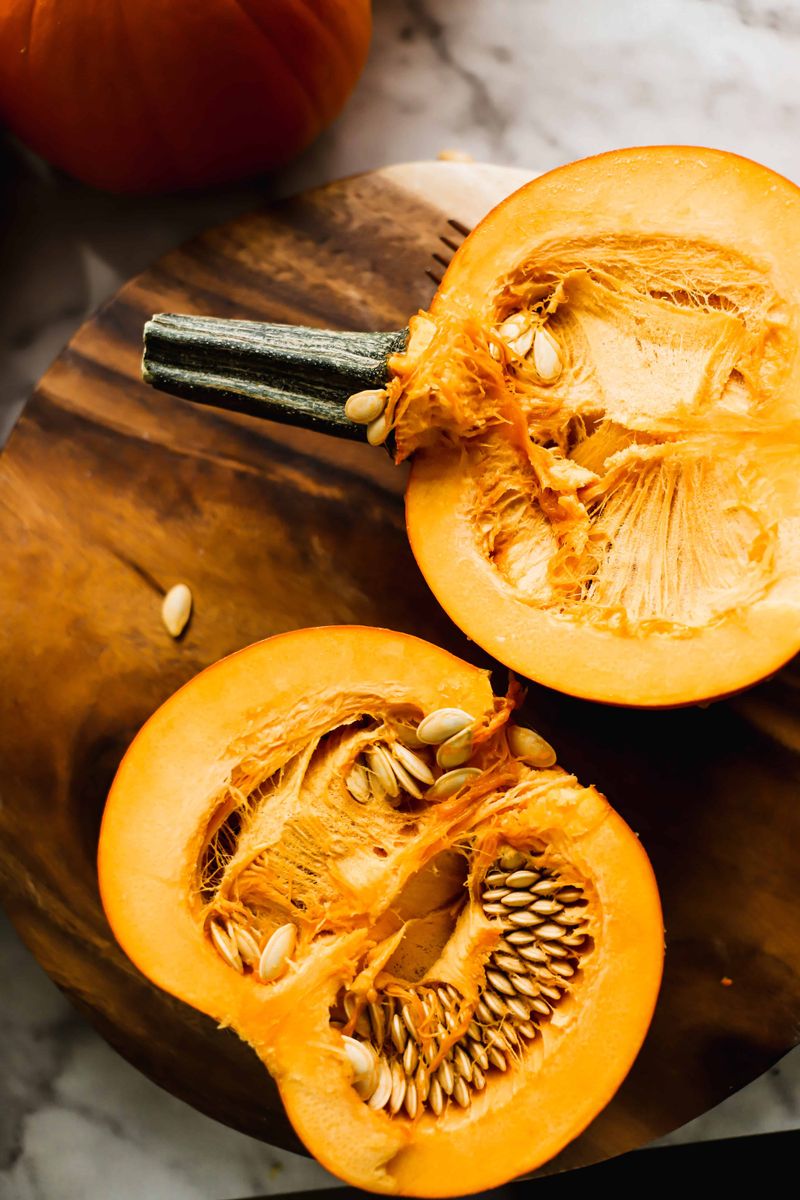
Those giant carving pumpkins on porches make stringy, watery pies, which explains why bakers prefer smaller sugar types. Pie pumpkins weigh only a few pounds yet pack dense, sweet flesh that purees into velvety filling.
Most pie varieties, like Small Sugar and Winter Luxury, belong to Cucurbita pepo, the same species as zucchini. I find their compact size handy because one pumpkin often makes just enough filling for a single pie.
Sow seeds after the soil warms to about 70 degrees, usually in late May or early June here. Most varieties need around 100 days, so count backward from your planned harvest before planting.
Choose a sunny spot with rich soil, and work plenty of compost into each planting hill. The vines are heavy feeders, and steady moisture during flowering helps them set more fruit.
Bees handle pollination, so avoid spraying anything harmful while blossoms are open in the morning hours. Planting a few flowers nearby can attract more pollinators and boost your pumpkin count noticeably.
Pick pumpkins when the color deepens evenly and the rind resists a firm press from your thumbnail. Leave a few inches of stem attached, and cure them in a warm, dry spot for about ten days.
Don’t make my mistake of skipping the fresh puree because canned seemed easier one busy year. Roasting halved pumpkins and scooping the soft flesh takes little effort, and the flavor difference is striking.
7. American Persimmons
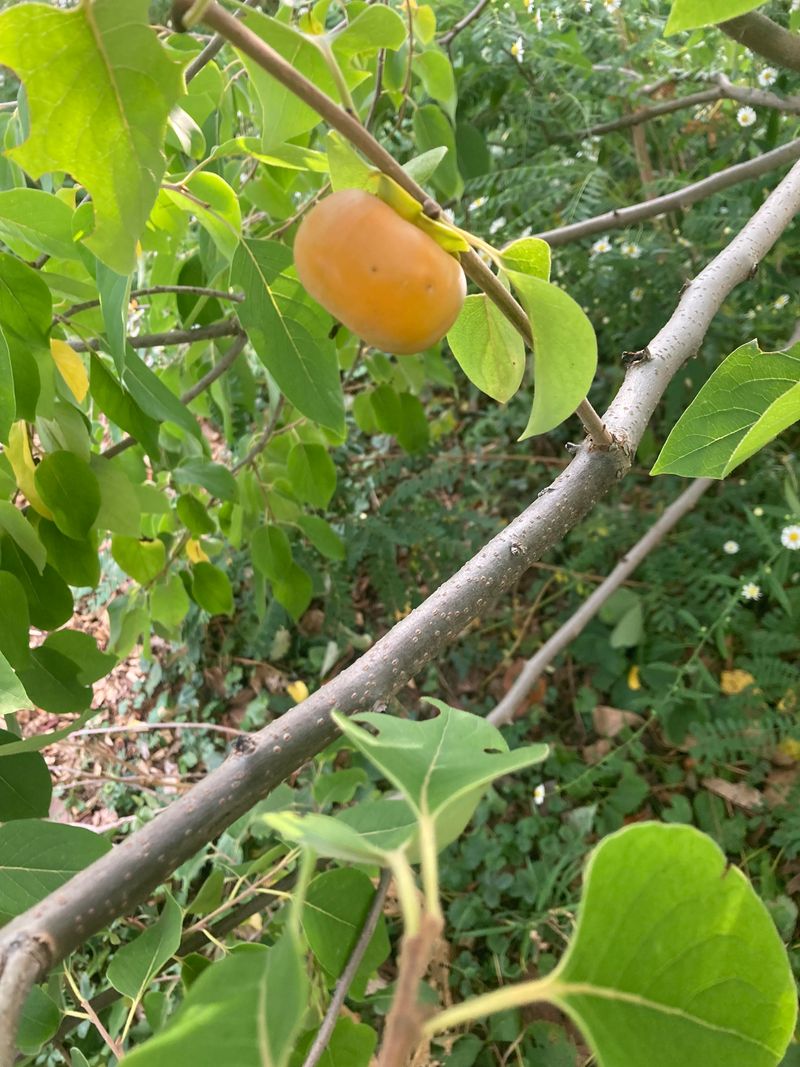
Bite into an unripe American persimmon, and your whole mouth puckers like it just licked a dry sponge. Wait until the fruit turns soft and wrinkly, though, and it tastes like honey mixed with apricot jam.
Captain John Smith described this native fruit around Jamestown, and its name traces back to a Powhatan word. The scientific name, Diospyros virginiana, even honors our state, which makes it a fitting holiday pick.
A common myth says frost makes the fruit sweet, but full ripeness is what actually removes that harsh taste. Many fruits ripen and drop on their own in fall, often around the same time as frosty mornings.
Native persimmon trees grow well across much of the eastern United States, handling zones four through nine. They tolerate many soil types and need full sun to produce their best crop of fruit.
Most trees are either male or female, so you usually need both types nearby for wild trees to fruit. Some named cultivars set fruit without a partner, which helps gardeners working with smaller yards.
Spread a tarp under the branches and gather fallen fruit daily before raccoons, opossums, and deer find them. Wildlife loves these treats, so I share a few and save the rest for baking.
Persimmon pudding is a longtime Southern holiday dessert, rich and spiced like a dense gingerbread cake. Press the soft pulp through a strainer to remove seeds, and freeze any extra for later recipes.
8. Turnips
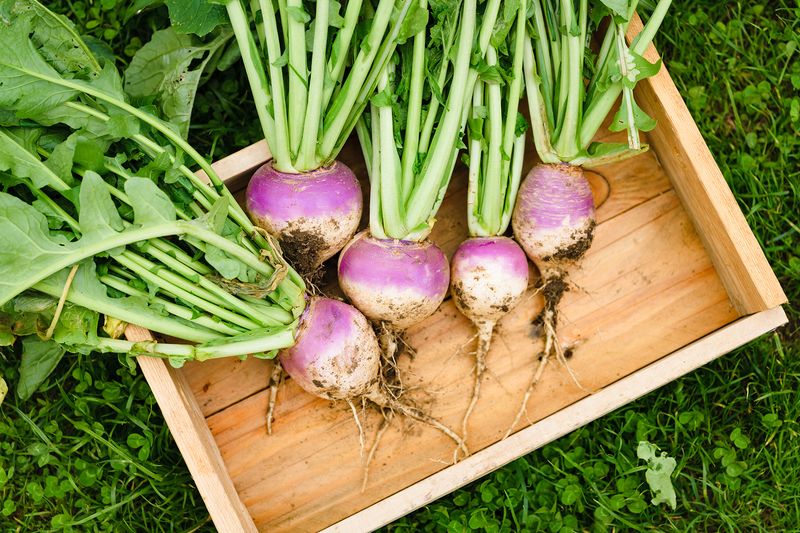
Turnips give you two crops from a single seed, because the leafy tops are just as tasty as the roots. I love any vegetable that feeds me twice, especially one that grows this quickly in cool weather.
Purple Top White Globe is a classic variety, and its roots look like painted ornaments when freshly pulled. These plants, Brassica rapa, are cousins of collards and mustard, and they share that same love for chilly weather.
Gardeners in Virginia often sow turnips from late July through August for a harvest before the holiday. Seeds sprout fast in warm soil, and many varieties reach eating size in about 50 to 60 days.
Scatter seeds thinly in loose, well-drained soil, then thin seedlings so each root has a few inches. Crowded plants grow lots of leaves but form small, misshapen roots that disappoint at harvest time.
Keep the soil evenly moist, since dry spells can make roots woody and give them a sharp bite. A light frost improves their flavor, much like it does for other leafy members of this plant family.
Pull roots when they reach two to three inches across for the most tender, mild texture. Larger turnips are still edible, but they can turn fibrous and taste stronger than many guests enjoy.
My garden taught me that roasted turnips with a little butter win over even suspicious relatives at dinner. Saute the greens with garlic, and you have a second side dish from the same harvest.
9. Black Walnuts
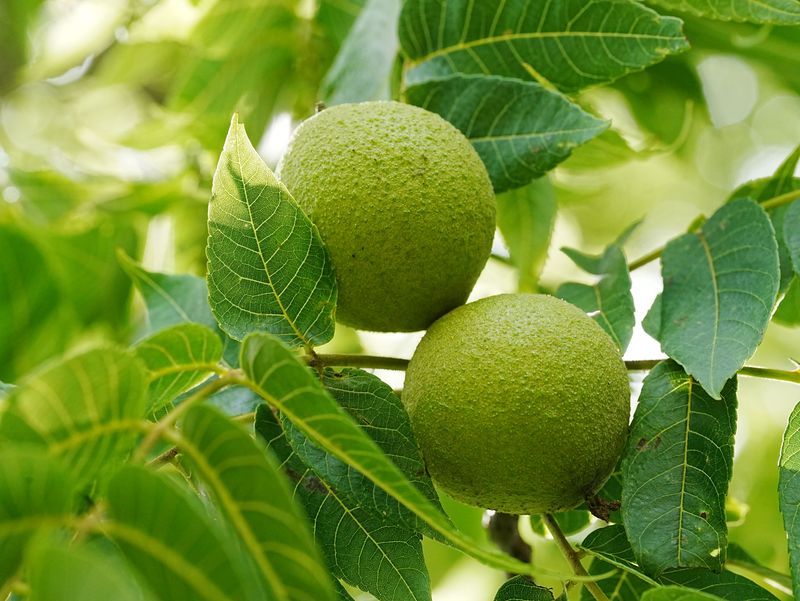
Anyone who has cracked black walnuts knows the stained brown fingers that last for days afterward. That messy job rewards you with a bold, earthy flavor that store-bought English walnuts rarely match.
Black walnut, Juglans nigra, is a native tree that grows wild along fields, fencerows, and woodland edges throughout our region. Its round green husks drop in early fall, often thumping onto lawns, sidewalks, and unsuspecting parked cars.
Gather the nuts soon after they fall, before squirrels haul them away or the husks rot into mush. Wear sturdy gloves while removing husks, because the dark juice stains skin and clothing very stubbornly.
After hulling, rinse the shells and let them dry in a single layer for two to three weeks. Keep them somewhere airy and out of reach of squirrels, which watch these piles with great interest.
Black walnut roots release a natural chemical called juglone that harms tomatoes, peppers, and several other garden plants. Keep vegetable beds well away from the tree’s root zone if you have one growing nearby.
Cracking the thick shells takes real force, so many people use a hammer or a heavy-duty nutcracker. Some local buying stations also purchase hulled nuts each fall, which can earn you a little extra cash.
Here is what caught my attention, a handful of chopped black walnuts transforms ordinary holiday cookies and cakes. Their flavor is strong, so start with smaller amounts until your family decides how much they enjoy it.