What Virginia Law Says About Leaves From Your Neighbor’s Tree
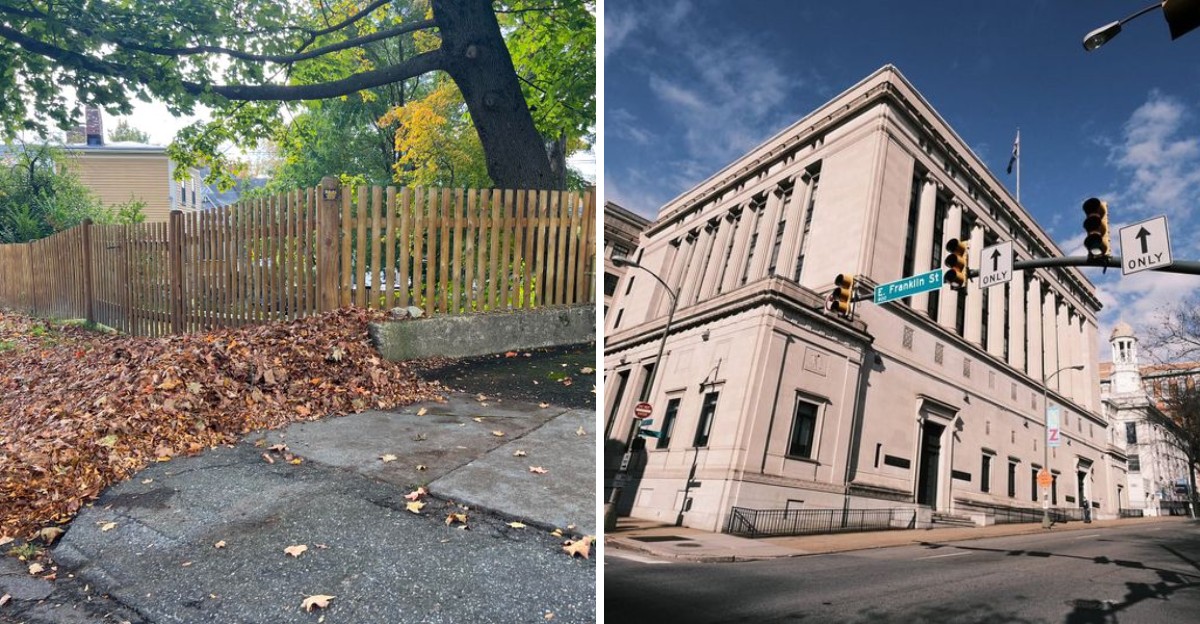
Your neighbor’s giant oak gets all the glory, and you get all the leaves. Somehow, that never quite feels like a fair trade.
Every fall you rake, bag, and grumble while the culprit stands tall and proud next door. At some point, you start wondering if your neighbor owes you something.
Maybe a thank-you note. Maybe a check for all that sweaty, back-aching work.
Or maybe the law sees the whole thing very differently than you think.
Virginia courts have spent decades sorting out who handles falling leaves, sneaky roots, and branches creeping over fences. One big ruling changed nearly everything about how these disputes play out.
Before you march next door with a rake in hand, find out where the law actually stands. It could save you time, money, and some very awkward fence-line conversations.
Falling Leaves Alone Rarely Count As A Legal Nuisance
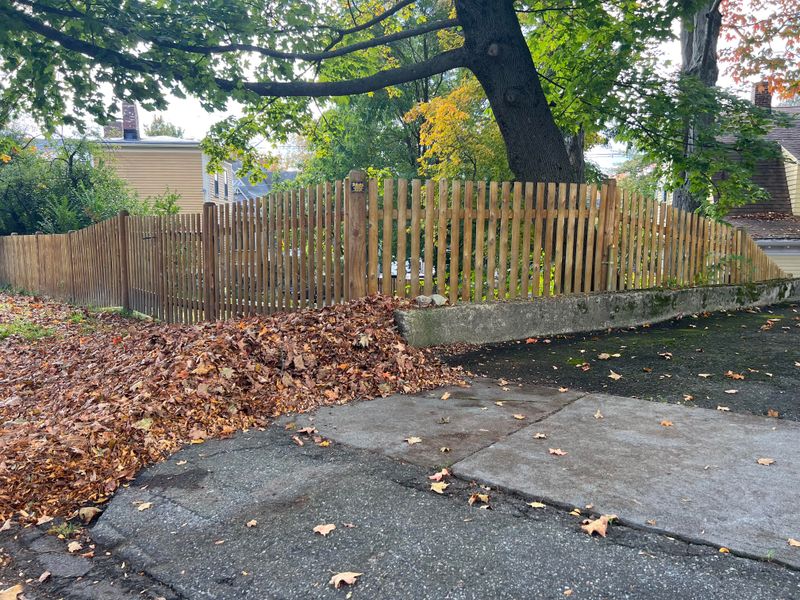
Picture a golden October afternoon with leaves drifting over your fence like confetti. Pretty, sure, but then you remember the raking ahead.
Under Virginia law, a neighbor’s leaves usually are not a legal problem. Courts see falling leaves as a normal part of living near trees.
Legally speaking, falling leaves aren’t a nuisance at all. Annoying?
Absolutely, but not grounds to sue.
Shade works the same way in most cases. Dropping sap, seed pods, and tiny twigs also tend to fall into this category.
Your main tool here is something lawyers call self-help. Simply put, you handle the mess that lands on your own property.
Raking, blowing, and mulching are your friends during leaf season. A mulching mower can chop leaves into tiny bits that feed your lawn.
Many towns also offer curbside leaf collection in fall. Check your county website for pickup dates and bagging rules.
Some areas even use vacuum trucks for loose leaf piles. Others want paper yard waste bags instead of plastic ones.
Here is a helpful mindset shift for frustrated homeowners. Those leaves can become free compost for garden beds next spring.
Shredded leaves make a great mulch around shrubs and perennials. They hold moisture and slowly break down into rich soil.
So before you get upset with the folks next door, take a breath. Nature is doing its thing, and the law mostly agrees with nature.
A 2007 Virginia Supreme Court Case Reset The Rules

History buffs, this one is for you. Back in 2007, a single neighbor fight in Fairfax County reshaped tree law across the state.
The case was called Fancher v. Fagella.
It started with a large sweet gum tree growing close to a property line.
Roots from that tree reportedly pushed into the neighbor’s yard. They allegedly damaged a retaining wall, drain pipes, and even a house foundation.
The neighbor wanted the tree removed and asked a court for help. That request worked its way all the way up to the Supreme Court of Virginia.
Until then, Virginia followed a rule from a 1939 case. That older rule had stood for nearly 70 years without major changes.
Your Virginia Garden Changes Every Week. Your Plan Should Too.
Gardening in Virginia changes quickly throughout the season. Every Friday you’ll receive a simple weekly plan showing exactly what to plant, prune, fertilize, harvest, and protect so you never miss the right timing.
The justices decided the old approach no longer fit modern life. Crowded suburbs and small lots made tree conflicts far more common.
Fun fact for your next dinner party: Virginia’s new rule came straight from Hawaii. The court weighed several states’ approaches and adopted the ‘Hawaii Rule’ outright.
Under that model, trees are not nuisances just for dropping leaves. Things change, though, when real harm shows up next door.
Why does a decades-old ruling matter to you today? Pretty much every neighbor-vs.-neighbor dispute over encroaching trees in Virginia now starts with it.
Lawyers, judges, and arborists still quote Fancher regularly. Knowing its name can make you sound pretty informed when chatting with a neighbor.
Actual Harm Is The Legal Test
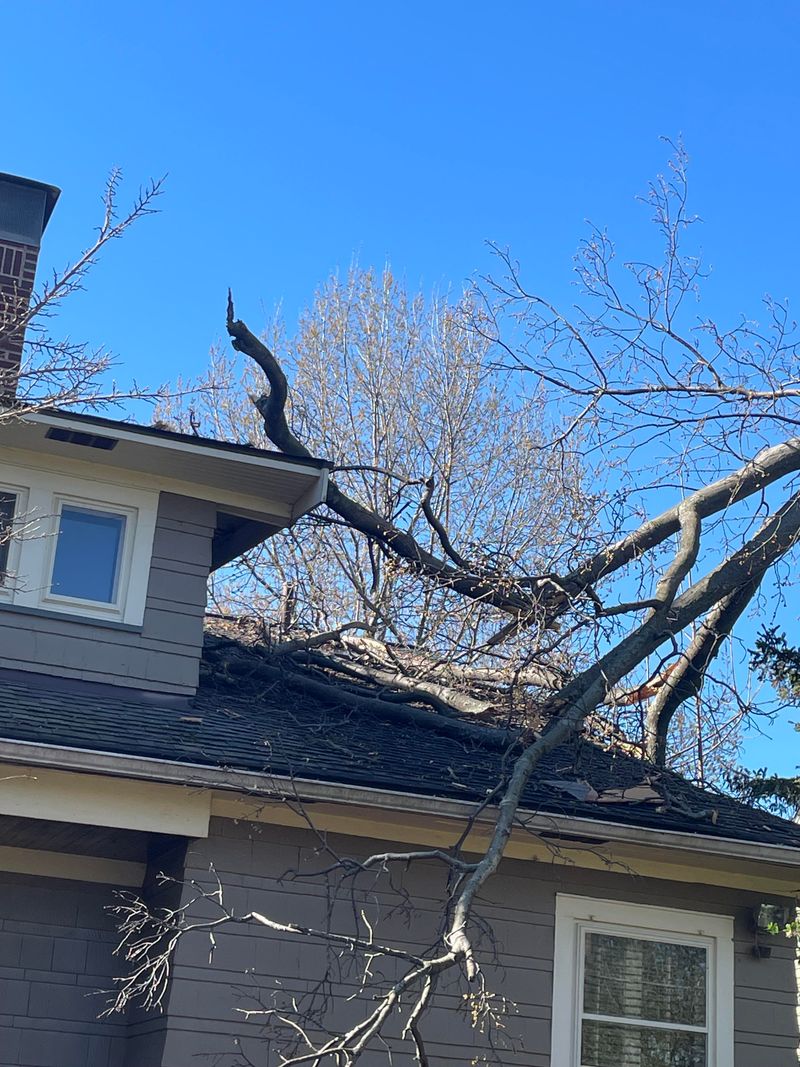
Ask any lawyer about tree disputes, and you will likely hear two words. Those words are actual harm, and they carry serious weight.
After the 2007 ruling, encroaching trees can become a legal nuisance. They need to cause real damage, or pose an imminent danger of it, first.
So what counts as real damage? Courts look for physical injury to things like buildings, walls, and pipes.
A cracked foundation from pushing roots is a classic example. A shoved retaining wall or crushed drain line can qualify too.
Leaves on your patio, sadly, do not make the list. Neither does a little extra shade over your vegetable garden.
Think of it like a sliding scale of trouble. Annoyance sits at one end, while broken property sits at the other.
Here is a practical tip if you suspect damage. Start taking dated photos as soon as you notice a problem.
Measure cracks with a ruler and photograph them every few months. Growth over time helps show the tree is truly the cause.
Repair estimates from contractors also help build your case. A plumber’s camera inspection can reveal roots inside sewer lines.
An arborist report connecting the tree to the damage is gold. Experts can explain root spread in ways judges understand.
Strong evidence makes conversations with your neighbor easier as well. Most people respond better to facts than to frustration.
Imminent Danger Counts Too
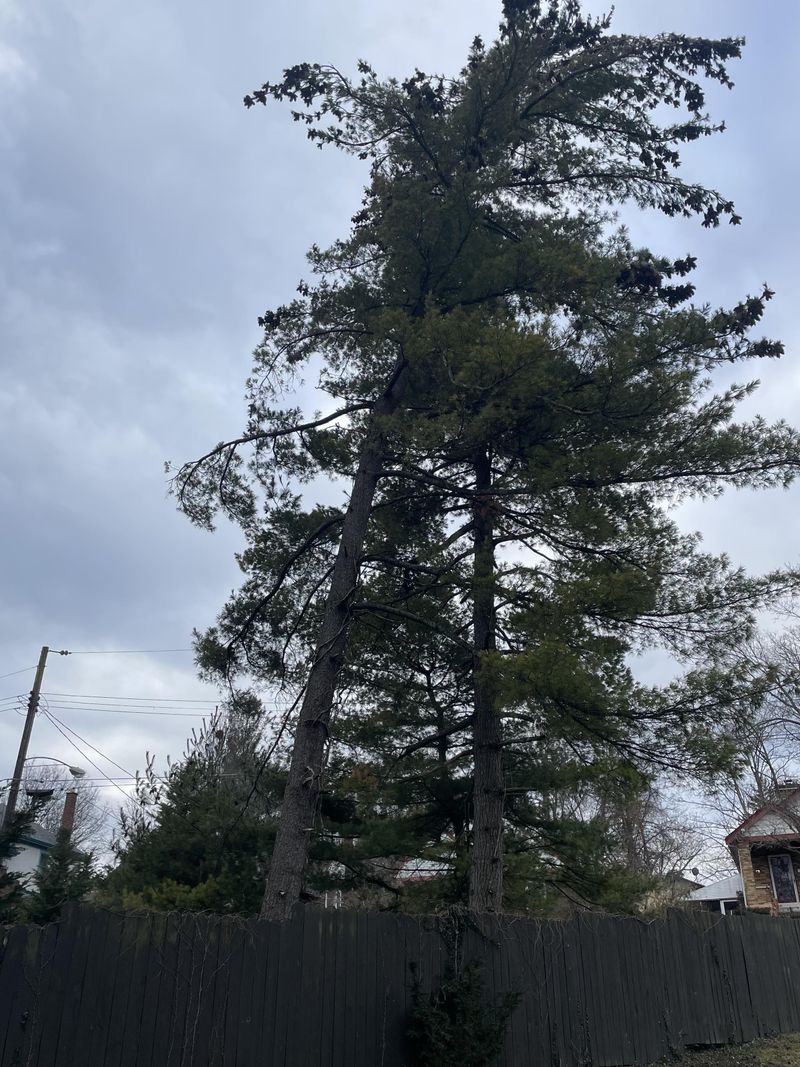
You probably should not have to wait for a tree to crash through your roof. Thankfully, Virginia courts agree with that common-sense idea.
The Fancher ruling covers more than damage that already happened. A tree can also be a nuisance if it creates imminent danger of actual harm.
Imminent means the threat is close and clear. A vague worry about some future storm usually will not be enough.
What might signal real danger? Look for a deep lean toward your home, especially a new one.
Large cracks or splits in the trunk are big warning signs. Fungus growing at the base can point to inner rot.
Hanging broken limbs, sometimes called widowmakers, deserve attention too. So do trees with few leaves during the growing season.
Heaving soil around the roots can mean the tree is shifting. After a big storm, check for new tilting right away.
Your best move here is calling a certified arborist. Many offer written risk assessments for a reasonable fee.
An expert opinion carries much more weight than a guess. It shows the danger is real and not just neighborly irritation.
Share the report politely with your neighbor first. Many folks act quickly once they see a professional warning.
Safety matters more than winning any argument. A calm talk can protect both homes before trouble strikes.
The Old “Noxious Tree” Requirement Is Gone
Noxious sounds like something from a witch’s potion, right? For decades, though, it was a key word in Virginia tree disputes.
The old rule came from a 1939 case called Smith v. Holt.
A tree had to be noxious and cause sensible injury.
Here was the tricky part. Nobody could clearly define what made a tree noxious.
Some courts thought it meant poisonous plants. Others focused on harmful trees or ones with invasive habits.
Because of that fuzziness, results could feel random. Two similar cases might end in totally different outcomes.
In 2007, the state Supreme Court tossed that requirement out. Justices said the word was too vague and hard to apply fairly.
Now the type of tree matters much less. A beloved maple and a messy mulberry face the same test.
Courts focus on what the tree actually does. Damage or imminent danger matters, not the species name.
Why should you care about an old legal word? Some online articles and neighbors still repeat outdated advice.
If someone says your tree must be noxious first, you can gently correct them. That rule faded away years ago.
Laws grow and change, a bit like trees themselves. Keeping current helps you avoid wasted effort and needless arguments.
Overhanging Branches Can Be Cut Back To The Line
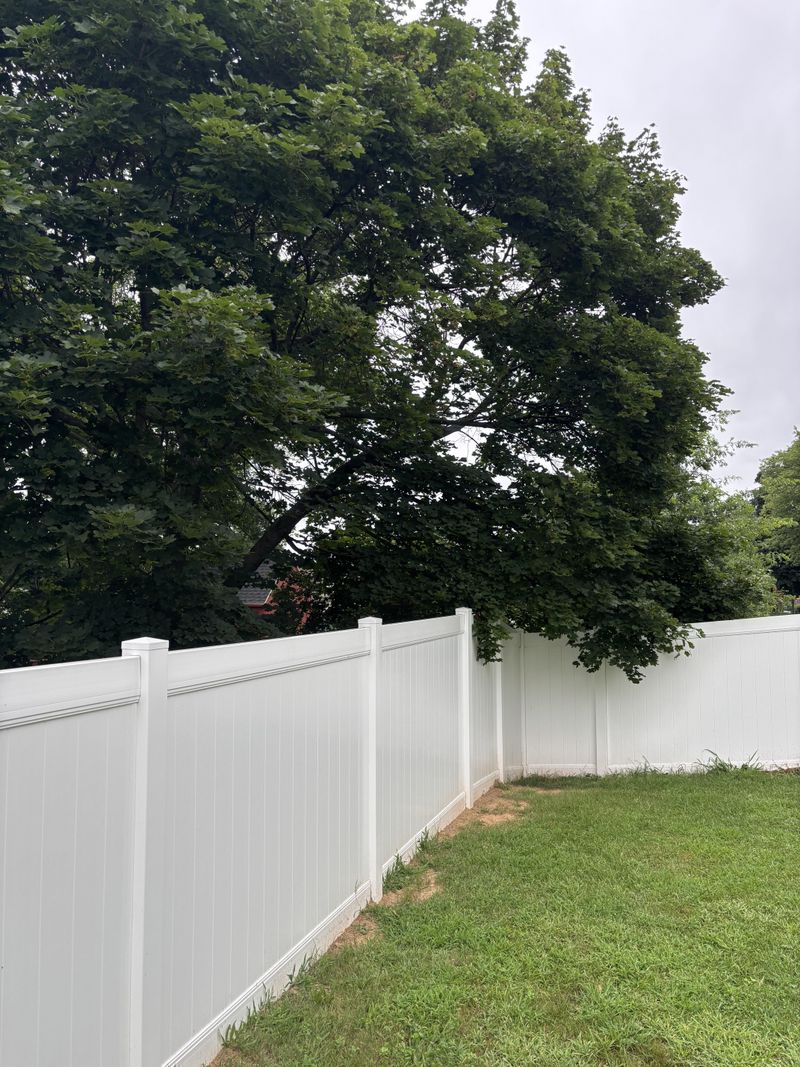
Good news for anyone tired of branches scraping their shed roof. Virginia gives you the right to trim limbs that cross into your space.
You can cut those branches back to the property line. Lawyers call this another form of self-help.
There are a few important strings attached. You usually pay for the trimming yourself.
You also need to stay on your own land while working. Leaning a ladder on your neighbor’s side without permission is a bad idea.
Most important, you cannot harm the overall health of the tree. Heavy cuts that cause it to decline could leave you owing money.
Some trees are surprisingly valuable, with replacement costs in the thousands. Careless pruning can turn a small fix into a big bill.
Before grabbing the saw, double-check where the line actually sits. A property survey or your county GIS map can help.
A friendly heads-up to your neighbor also goes a long way. Nobody enjoys hearing a chainsaw without warning.
Consider hiring a certified arborist for big limbs. Pros know how to make clean cuts that heal well.
Bonus tip: offer to return the trimmings if your neighbor wants them. Some people like firewood, and it shows good faith.
Smart pruning keeps the peace and keeps the tree thriving.
Roots Follow The Same Rule
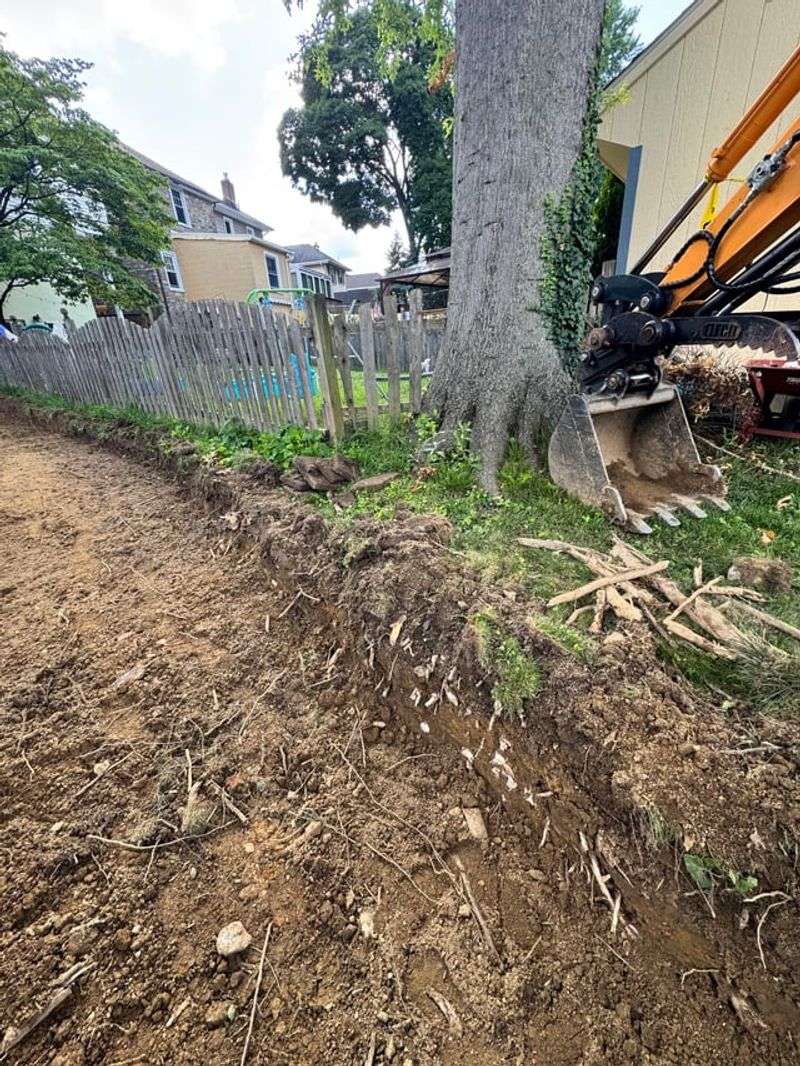
Underground trouble can be sneaky. Roots spread quietly for years before you notice a lifted sidewalk or slow drain.
Luckily, the same self-help idea applies below the soil. You can cut roots that cross onto your property back to the line.
Just like with branches, the cost usually lands on you. And again, you should avoid cuts that seriously harm the tree.
Roots are trickier than limbs, though. Slicing a major anchor root could make a tree unstable and likely to topple.
Picture cutting the legs off a table on one side. That is roughly what can happen with a big root.
An arborist can tell you which roots are safe to remove. Some even use air tools to expose roots without damaging them.
Root barriers are another smart option worth knowing. These underground panels guide roots down and away from foundations.
If roots are already damaging pipes or walls, things change. Actual harm or imminent danger may open the door to legal remedies.
Before digging anywhere, call Virginia 811. Free utility marking helps you avoid hitting gas or power lines.
That quick phone call is required by state law. It could also save you from a scary and costly mistake.
Patience and planning matter here more than speed.
Clogged Gutters And Pool Debris Usually Mean Maintenance, Not A Lawsuit
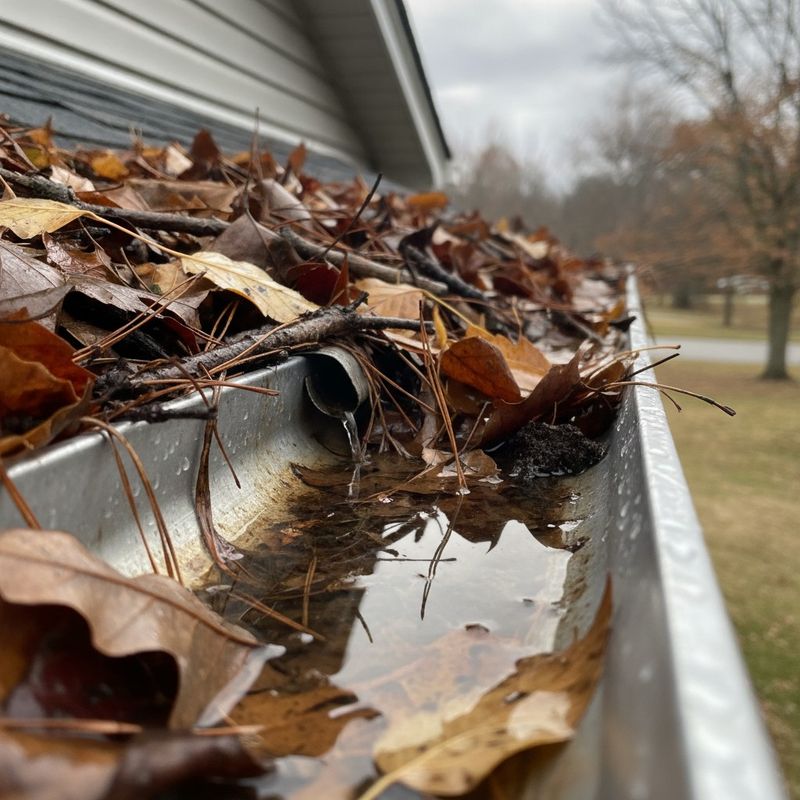
Few chores feel worse than scooping soggy leaves from a gutter. Fishing them out of your pool every morning comes close, though.
Many homeowners hope these headaches give them a legal claim. In most cases, sadly, they do not.
Courts treat leaves, fruit, and sap in gutters as natural tree byproducts. On their own, they’re not a legal nuisance at all, just part of living next to trees.
Owners are generally expected to maintain their own property. Cleaning gutters and pools is part of that job.
So how can you make life easier? Gutter guards are a popular fix that block most leaves.
Mesh styles tend to handle small pine needles better than basic screens. Professional installation can be worth it for tall homes.
For pools, a fitted leaf net cover saves loads of skimming time. Robotic cleaners also grab debris from the bottom.
Plan gutter cleanings in late fall and again in spring. Clearing them twice a year helps prevent ice dams and water problems.
There is one exception worth remembering. Water damage from long-term clogging might connect to bigger issues, but that is rare.
Talking with your neighbor about sharing tree care can help too. Some folks gladly trim branches that overhang a pool.
A little teamwork beats a courtroom battle almost every time.
A Written Request Builds A Paper Trail
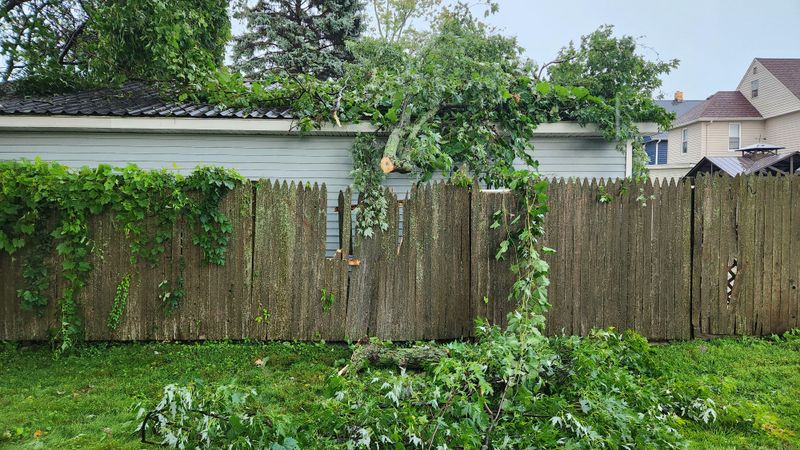
Words spoken over the fence fade fast. A letter, however, sticks around and tells a clear story later.
When a neighbor’s tree causes real harm, put your request in writing. Polite, specific, and calm is the winning combo here.
Start by describing the problem in simple terms. Mention the date you first noticed it.
Attach photos that clearly show the damage. Include any arborist reports or repair estimates you have.
Next, explain what you are asking for. Maybe that means removing a hazardous limb or sharing repair costs.
Offer a reasonable timeline, like 30 days. Deadlines help keep things moving without sounding pushy.
Keep a copy of everything you send. Certified mail with a return receipt proves your neighbor got the letter.
Why go through all this effort? A paper trail shows the owner knew about the danger.
Proof of notice can matter a lot if the issue reaches court. It can also show you tried to settle things fairly.
Avoid angry language, threats, or name-calling. Judges may read your letter one day, so keep it classy.
Here is a friendly tip: knock first, then follow up in writing. A short chat often softens the letter that comes after.
Sometimes, a letter alone gets the problem fixed.
An Attorney Can Weigh In On Real Damage
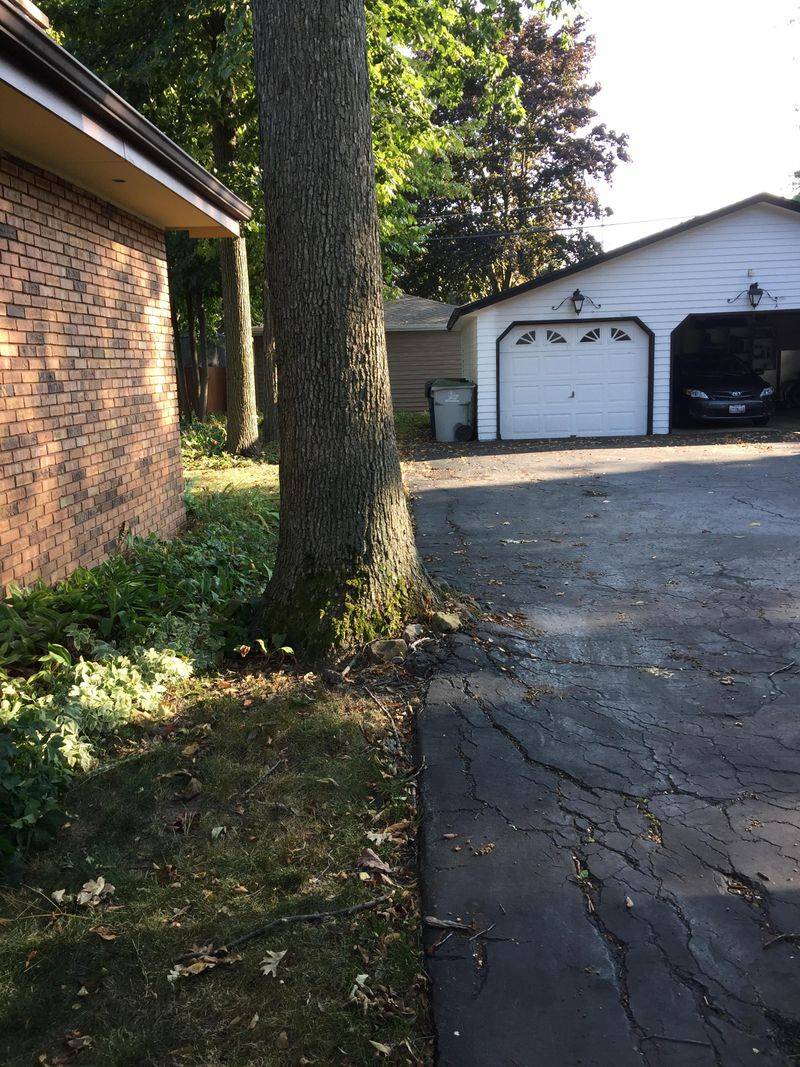
Sometimes a friendly letter is not enough. When roots crack your foundation, calling a professional makes good sense.
An attorney who handles property disputes can review your situation. They know how courts apply the Fancher rule today.
Bring your evidence to the first meeting. Photos, arborist reports, estimates, and letters all help.
A lawyer can tell you whether your case meets the actual harm test. They can also judge if imminent danger exists.
Possible remedies include money for repairs. Courts may also order a tree trimmed or removed through an injunction.
Many attorneys offer low-cost first consultations. Ask about fees upfront so there are no surprises.
Homeowners insurance is another angle worth exploring. Your policy might cover some damage, depending on its terms.
Mediation can be a smart middle step too. Many Virginia communities offer low-cost dispute resolution services.
Lawsuits take time, money, and patience. Keeping that in mind helps you weigh whether going to court is worth it.
Local rules may also apply in your city or HOA. Some neighborhoods have protected tree ordinances that add another layer.
Getting smart advice early can prevent costly missteps later. Knowing your rights in Virginia brings real peace of mind.
With the facts in hand, you and your neighbor can find solid ground again.