Why Your Pennsylvania Peace Lily Won’t Bloom? Here Are 7 Mistakes
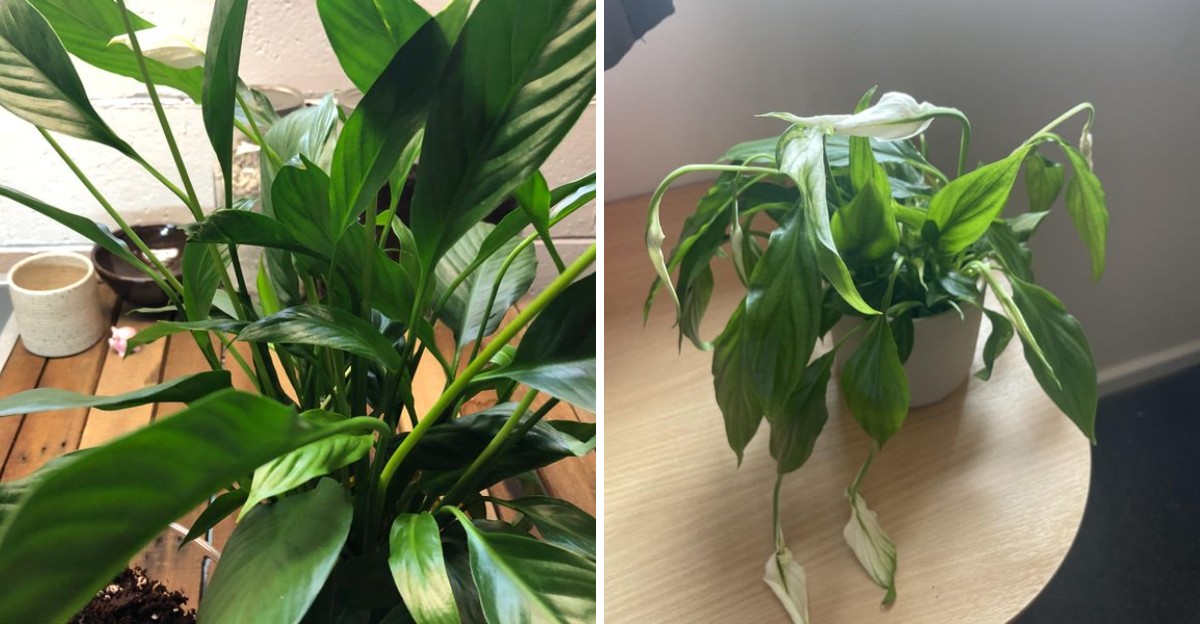
That snowy white bloom on your favorite leafy houseplant is not a petal at all, but a specialized leaf. Botanists call it a spathe, and the tiny true flowers actually crowd together on the slim spike inside.
Many nursery plants arrive blooming because growers treat them with a hormone called gibberellic acid before selling them. Once those first flowers fade, the plant often takes a long break that leaves new owners scratching their heads.
I have to admit my own pot sat green and stubborn for two winters in my Pennsylvania living room. Dry furnace air and short gray days play a bigger role in Pennsylvania homes than most people expect.
Believe it or not, most bloom problems trace back to simple habits that are surprisingly easy to change. So which of these sneaky mistakes is quietly keeping those white flags hidden in your own home?
1. Peace Lily Hiding In A Dark Corner
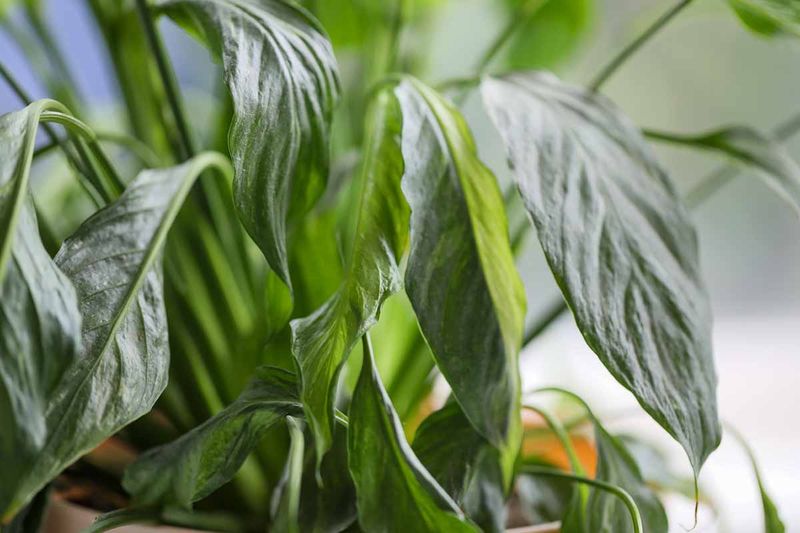
Those glossy leaves can fool you, because a peace lily happily survives in dim rooms without ever producing flowers.
Survival mode feels like success, yet the plant quietly saves its energy for leaves instead of those white blooms.
Peace lilies, known scientifically as Spathiphyllum, grow wild beneath rainforest trees where light arrives softened and filtered.
That dappled glow is the sweet spot, and a shadowy hallway corner simply cannot copy those natural conditions.
I moved mine from a bookshelf to a spot near an east window, and the change surprised me. Within a few months, a pale green bud poked up between the leaves like a curious little periscope.
A few feet from an east or north window usually works well for most homes and apartments. South and west windows can work too, as long as a sheer curtain softens the strong afternoon rays.
Direct sun is the opposite problem, since harsh rays can scorch the leaves with brown, crispy patches. Pale, washed out foliage or burned tips usually means the plant needs a step or two back from the glass.
Pennsylvania winters bring short, cloudy days, so even a decent window may not supply enough light from November through February. An LED grow light running ten to twelve hours daily can fill that gap without much fuss or cost.
Try the shadow test on a bright afternoon by holding your hand a foot above the leaves. A soft, fuzzy shadow signals gentle indirect light, which is exactly the glow these plants seem to love.
2. Young Peace Lily Plants Need Time To Mature
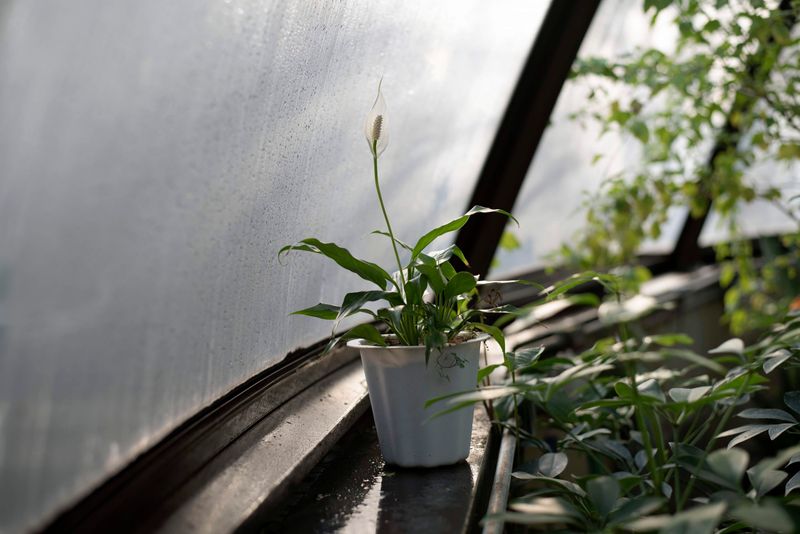
Nobody warned me that the gorgeous blooming plant I bought at the garden center was running on borrowed hormones.
Growers often treat young peace lilies with gibberellic acid, which pushes them to flower well before their natural schedule.
That chemical boost makes the plants look irresistible on store shelves, especially around holidays like Mother’s Day and Easter.
Once those forced blooms fade, though, the plant returns to its normal pace and focuses on growing up.
Most peace lilies need somewhere between one and three years of growth before they bloom on their own. Until then, they pour energy into building roots and leaves, which is actually healthy behavior for a youngster.
I like to think of it as a teenage growth spurt, all legs and appetite before the real show. Rushing that stage rarely works, and heavy feeding or fussing often stresses the plant more than it helps.
Instead, give a young plant steady care with good light and even watering while you wait patiently. Note the date you bought it on a sticky note under the pot, so you can track its age.
A mature plant usually has a fuller clump with several crowns, each carrying its own cluster of leaves. When you spot that bushy, crowded look, flowering often becomes much more likely during the following spring or summer.
A fun twist worth remembering comes up when friends complain their gift plant quit flowering after a few weeks. Nothing went wrong at all, and their peace lily is probably just catching up to its true age.
3. Peace Lily Fertilizer Mix Is Out Of Balance
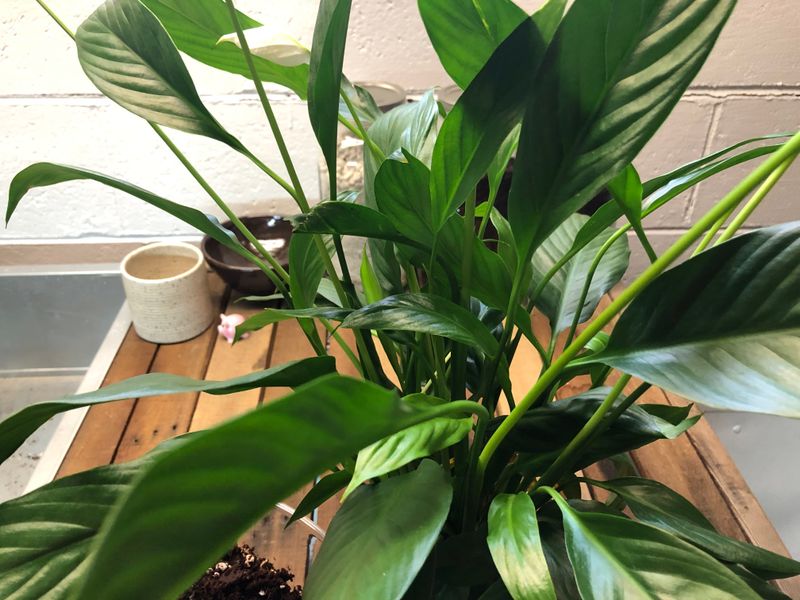
Feeding a houseplant feels loving, but the wrong fertilizer can turn your peace lily into a leaf factory. Lots of nitrogen pushes lush green growth, and the plant happily skips flowers while it builds more foliage.
Phosphorus is the nutrient tied most closely to blooming, since flowers demand a lot of stored energy. When the soil runs low, the plant may stay healthy looking yet stubbornly refuse to send up any buds.
I keep things simple with a balanced, water soluble fertilizer, something like a 10-10-10 or 3-1-2 formula. Diluting it to half or even quarter strength keeps the roots happy and lowers the risk of burning them.
During spring and summer, feeding every two to four weeks is usually plenty for an actively growing plant. Once fall arrives and growth slows down, cut back sharply or pause feeding until the days lengthen again.
Too much fertilizer creates its own trouble, because salts build up in the soil and irritate tender roots. A white crust on the pot rim or soil surface often signals that salts have been piling up.
To fix that, I flush the pot by running plain water through it for a minute or two. Let it drain well afterward, then hold off on feeding for a few weeks while the roots recover.
Pennsylvania tap water varies quite a bit between towns, and some areas have hard water with extra minerals.
If crust keeps returning quickly, try watering with filtered or collected rainwater now and then to reduce buildup.
4. Watering Your Peace Lily Too Much Or Too Little
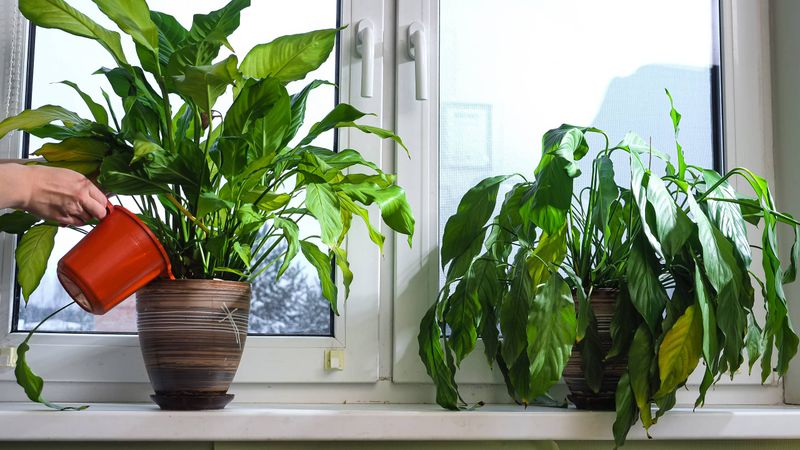
Few houseplants throw a tantrum quite like a thirsty peace lily, flopping its leaves dramatically over the pot edge. It perks back up after a drink, yet repeated wilting episodes slowly drain the energy needed for flowers.
Overwatering is the sneakier mistake, because soggy soil starves the roots of air and invites root rot. Yellowing lower leaves and a sour smell from the pot are two common warning signs worth checking.
I truly believe a finger is the best watering tool most of us own, and it costs nothing. Push it into the soil, and water only when the top inch or two feels dry to the touch.
Drainage matters just as much as timing, so every pot should have at least one open hole underneath. Dump any water sitting in the saucer after about fifteen minutes, since roots resting in puddles quickly suffer.
A cheap moisture meter helps if you tend to forget, or if your plant lives in a deep pot. Following a strict calendar schedule often backfires, because a plant uses water differently from season to season.
In summer, a warm room may mean watering once a week or even more for a big plant. During cooler months, the same plant can go noticeably longer between drinks, so check the soil first.
Room temperature water is kinder than icy water straight from the tap, especially for a tropical root system. Steady moisture without soggy soil is the rhythm that finally coaxed my own stubborn plant into flowering.
5. Chilly Drafts Around Your Peace Lily
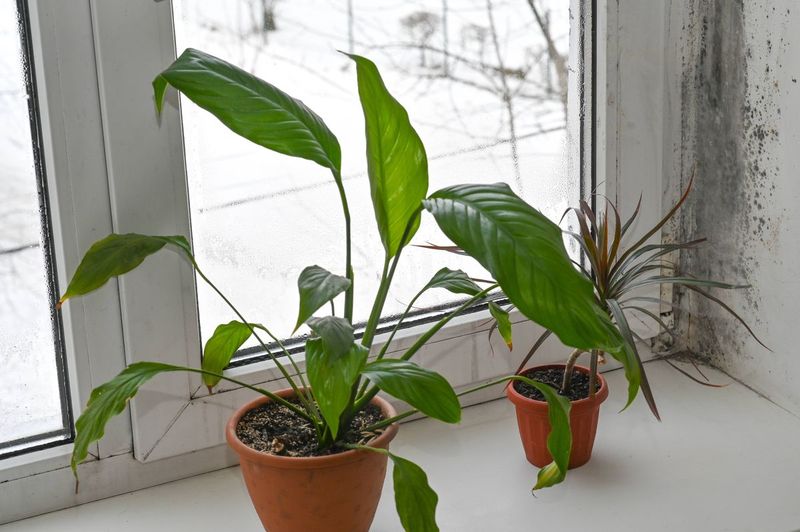
A tropical plant parked beside a leaky window in January is a bit like wearing flip flops in snow. Peace lilies prefer temperatures between roughly 65 and 85 degrees, and they sulk when rooms dip much cooler.
Regular exposure to temperatures below about 60 degrees can slow growth and hold back flowering for months. Cold drafts also cause brown or blackened leaf patches, which are easy to mistake for watering trouble.
Pennsylvania homes face real swings in winter, with frosty glass on one side and blasting furnace vents nearby. Both extremes stress the plant, so a spot well away from drafty doors and heating vents works best.
Personally, I check plant locations with my hand on cold nights, feeling for chilly air near the leaves. If my fingers feel a draft, the pot slides toward the middle of the room until spring arrives.
Summer brings its own challenge, since air conditioning vents can blow surprisingly cold air across nearby plants. Keeping the pot out of that direct airflow helps it stay comfortable through humid July and August days.
Some growers suggest a short cooler period of around 55 to 60 degrees in late winter for a few weeks. This idea is not proven science, but a mild seasonal shift may help nudge some plants toward spring blooms.
Avoid moving the plant outdoors until night temperatures stay reliably above 60 degrees in your area. In much of the state, that usually means waiting until late May or early June before any patio vacation.
6. Dry Winter Air Stressing Your Peace Lily
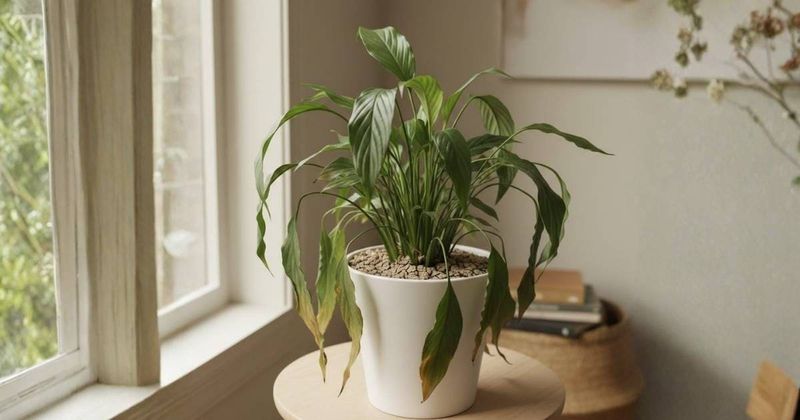
Crispy brown leaf tips often hint that your living room feels more like a desert than a rainforest. Peace lilies evolved in humid tropical forests, where moisture in the air rarely drops very low for long.
Ideal humidity for these plants sits somewhere between 50 and 70 percent, which many homes simply miss. Furnaces running through Pennsylvania winters can push indoor levels down to 30 percent or even lower at times.
I picked up an inexpensive hygrometer a few years ago, and the low reading honestly shocked me. You’ll love how easy it is to measure your own air before guessing what the plant might want.
A pebble tray works nicely, so set the pot on wet gravel in a shallow dish. Keep the water level below the pot bottom, so the roots stay dry while moisture rises around the leaves.
Grouping several houseplants together also helps, since each one releases moisture that the neighbors can share. A small humidifier nearby is the most reliable option, especially in bedrooms where furnace air feels especially dry.
Bathrooms with a bright window often make great homes, because steamy showers raise humidity a few times daily. Kitchens can work too, as long as the plant stays away from the hot stove and the oven door.
Misting gives a brief boost, but the effect fades quickly, so it works best alongside other methods. Wipe dusty leaves with a damp cloth now and then, which also helps them capture more light for flowering.
7. Peace Lily Stuck In The Wrong Size Pot
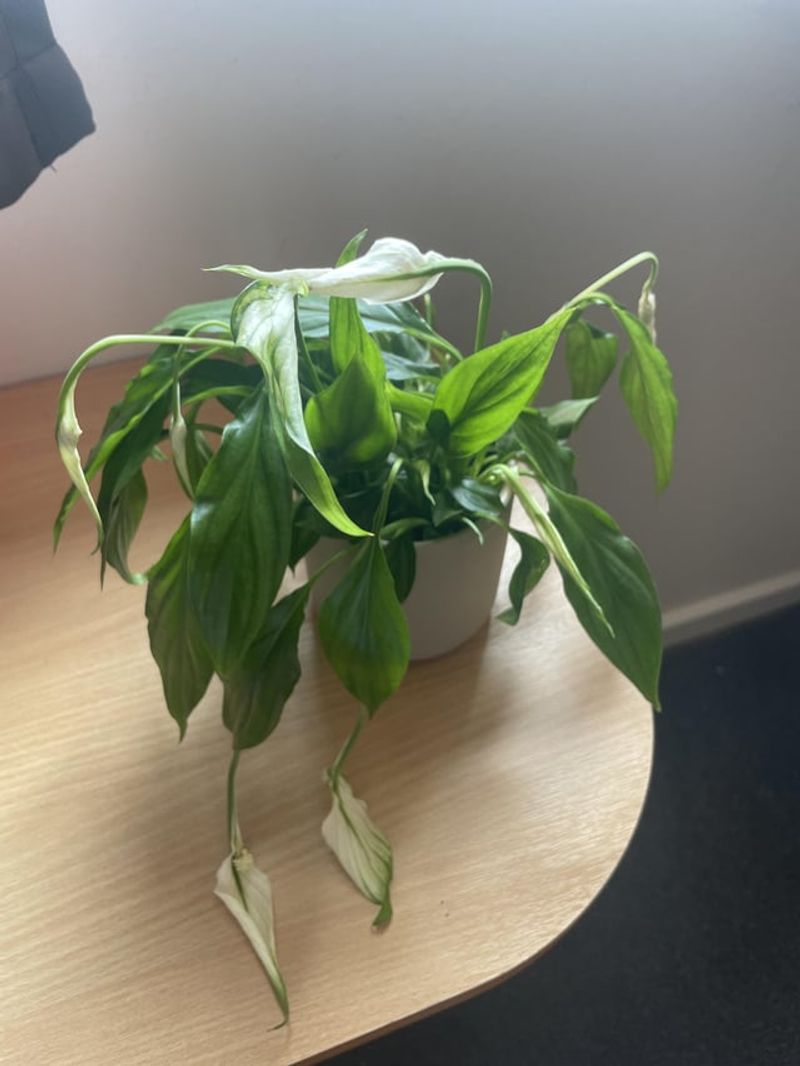
Believe it or not, a peace lily often blooms best when its roots feel a little snug in the pot. That gentle crowding seems to signal maturity, and the plant shifts some energy away from roots toward flowers.
Too big a pot causes trouble, because extra soil holds water that the small root system cannot use. Soggy soil can lead to rot, and the plant spends its effort filling empty space instead of blooming.
On the flip side, a severely root bound plant struggles too, with roots circling tightly around the pot. If roots poke out the drainage holes or water runs straight through, a new container is probably overdue.
I learned this lesson after moving a small plant into a huge decorative pot that looked fantastic. It sat there doing nothing for over a year, and the bottom soil stayed damp and smelly.
When repotting, choose a new container only one or two inches wider than the current one. Fresh, well draining potting mix with some peat or coir helps hold moisture without becoming heavy and soggy.
Spring and early summer are the best times to repot, since active growth helps the roots settle quickly. Most plants need a new pot every year or two, depending on how fast they fill their space.
Dividing a large, crowded clump is another option, giving you two healthier plants instead of one stressed one. Take a closer look at those roots this spring, and your plant may reward you with fresh white blooms.