Woodpeckers Damaging Your Georgia Home Are Protected By Federal Law And Here’s What You Can Do
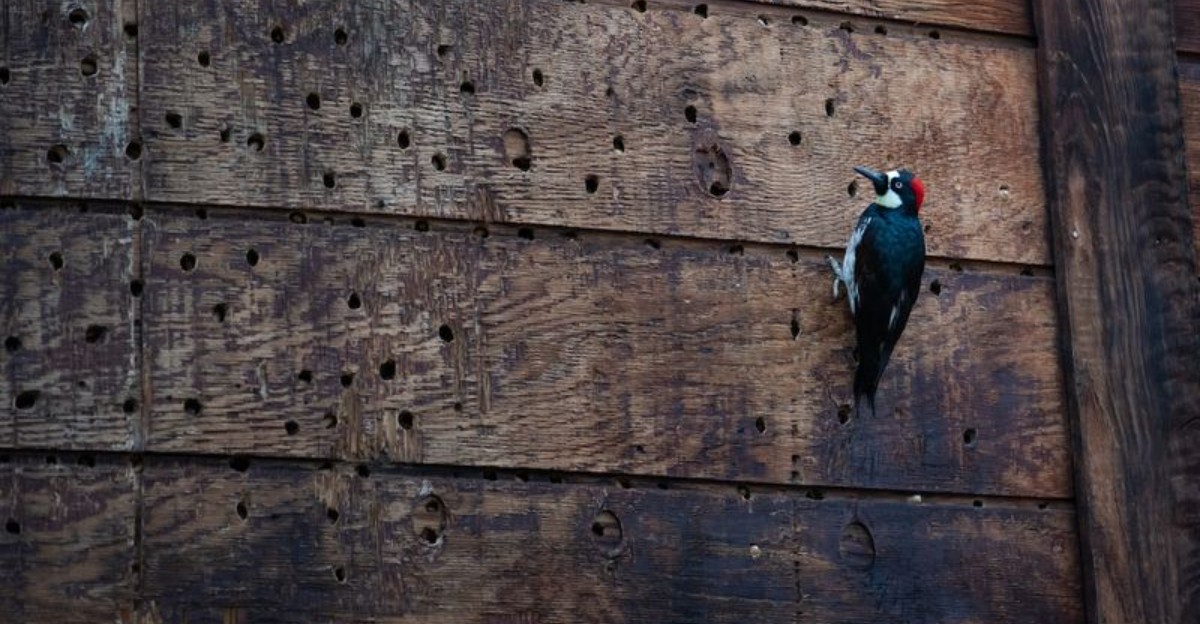
Even a bird that weighs less than a deck of cards can punch a hole clean through cedar siding in a single morning. Its skull is built with spongy bone and a wraparound tongue that cushions every blow.
Here in Georgia, that drumming often starts early in spring, right around coffee time. I’ll admit the racket can rattle your nerves faster than a smoke alarm with a weak battery.
You’re in for a big surprise, though. That noisy little carpenter has protection under a federal law signed more than a century ago, so grabbing a pellet gun is off the table.
I find that a little funny and a little frustrating at the same time.
When your siding starts looking like a cribbage board, there are still legal ways to protect your home without harming the bird. The answer is more hopeful than you might expect.
1. That Drumming Bird On Your Siding Has Serious Legal Backup
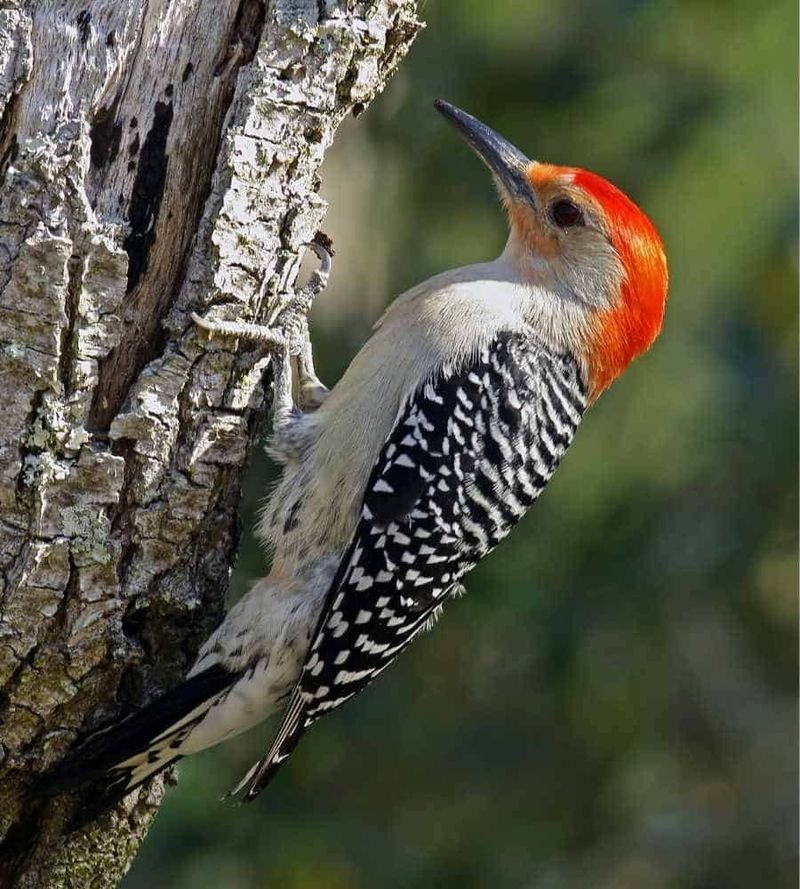
Back in 1918, Congress passed the Migratory Bird Treaty Act, and it still shapes what you can do about woodpeckers today. Every native woodpecker in the country falls under it, from the tiny Downy to the crow-sized Pileated.
The law makes it illegal to harm, capture, or possess these birds without a federal permit. Their nests, eggs, and even loose feathers are covered too.
Penalties can include fines, and repeat or serious cases can bring bigger trouble.
Georgia adds its own layer of protection. State wildlife rules from the Georgia Department of Natural Resources also protect nongame birds, so both state and federal law point in the same direction.
One exception involves depredation permits issued by the U.S. Fish and Wildlife Service, generally after nonlethal methods have failed to resolve significant damage.
Most homeowners will not qualify, and honestly, most will not need one.
I find this oddly reassuring. It means the answer to a woodpecker problem is about outsmarting the bird, not hurting it.
Plenty of tools work well, and they are cheaper than a lawyer. The rest of this guide covers which ones deserve your time and money.
2. Woodpeckers Usually Pick Your House For One Of Three Reasons
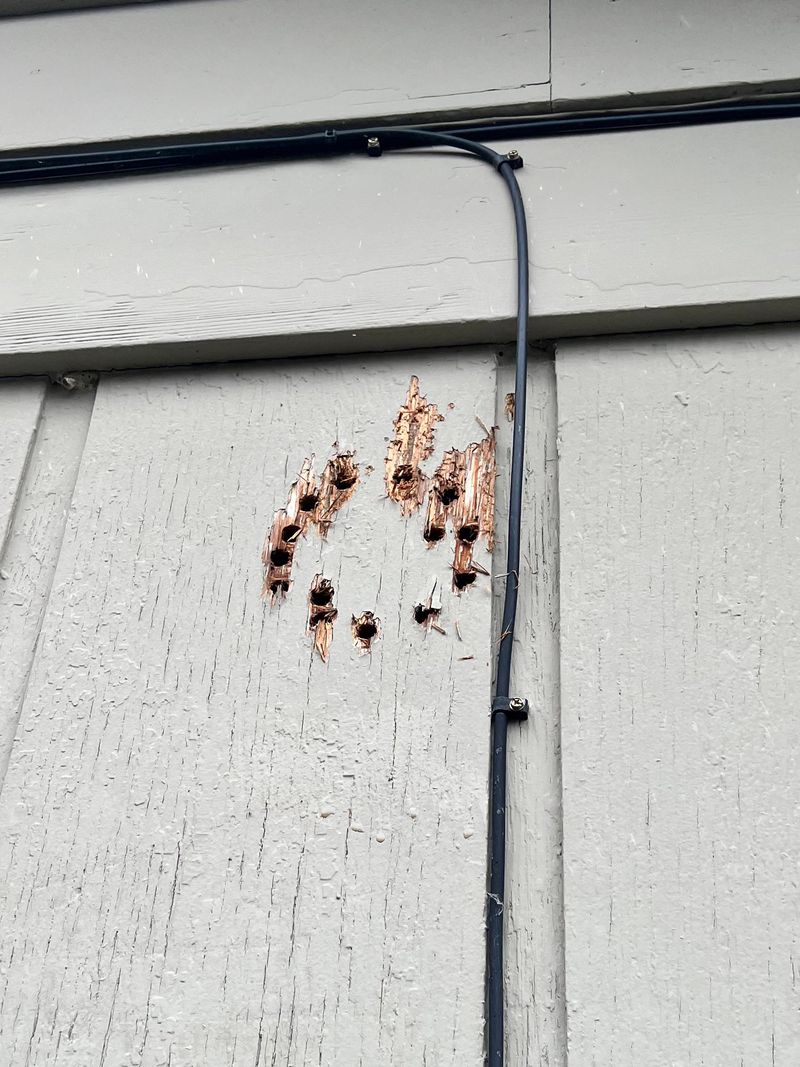
Figuring out the motive is half the battle. Wildlife specialists generally point to three reasons a woodpecker hammers on a home: drumming, feeding, or building a cavity.
Drumming is the loud, rapid rat-a-tat you hear in early spring. Males use it to claim territory and attract a mate, so they pick surfaces that echo.
Metal gutters, chimney caps, vent covers, and hollow siding all sound wonderful to a lovesick bird.
Feeding looks different. You may see scattered, irregular holes where the bird is chasing insects hidden in the wood.
Carpenter bees, carpenter ants, and some beetle larvae are common targets.
Cavity building leaves one larger, rounder hole, often near the eaves or a corner. Birds dig these for nesting in spring or for roosting through cooler months.
Spend a morning watching and listening before you buy anything. A drummer needs a different fix than a hungry forager.
Snap a few photos of the holes too. They help you track progress and come in handy if you ever talk with a wildlife professional or an extension agent at UGA.
3. Bird Netting Over The Siding Stops Pecking Cold
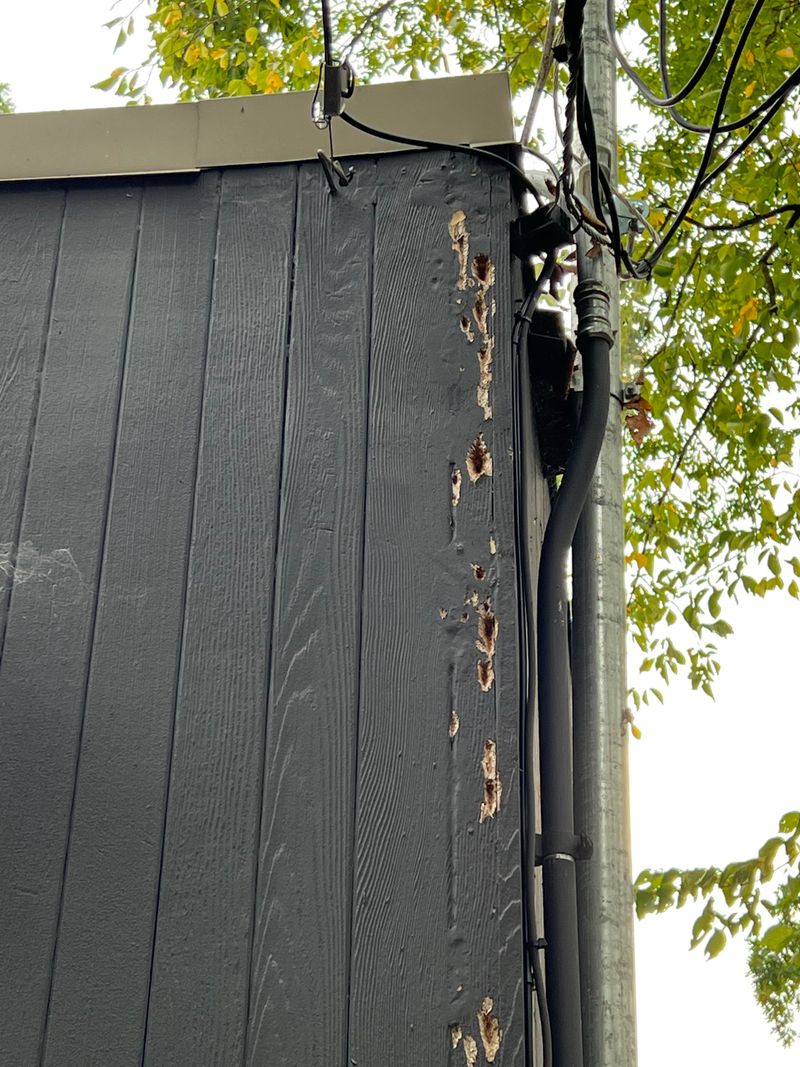
Of all the fixes I’ve read about, physical barriers earn the most praise from wildlife experts. A bird simply cannot drill through what it cannot reach.
Lightweight plastic bird netting with roughly three-quarter-inch mesh works well. Attach it at the eaves and stretch it down past the damaged area.
Keep about three inches of space between the net and the wall, so the bird cannot peck through the openings.
Pull the netting snug at the bottom. Loose netting can tangle birds, and that is the last thing you want with a protected species.
Check it now and then for sagging spots or small gaps.
For one stubborn spot, try a sheet of aluminum flashing or quarter-inch hardware cloth over the hole. Paint can help it blend with your trim.
Many homeowners swap metal vent covers for quieter materials too, which takes the fun out of drumming.
Timing helps a lot. Barriers installed before spring drumming season starts in late winter often save you weeks of noise.
Once a bird settles into a routine, it can take longer to convince it to move along.
4. Shiny Mylar Streamers Can Spook A Curious Woodpecker
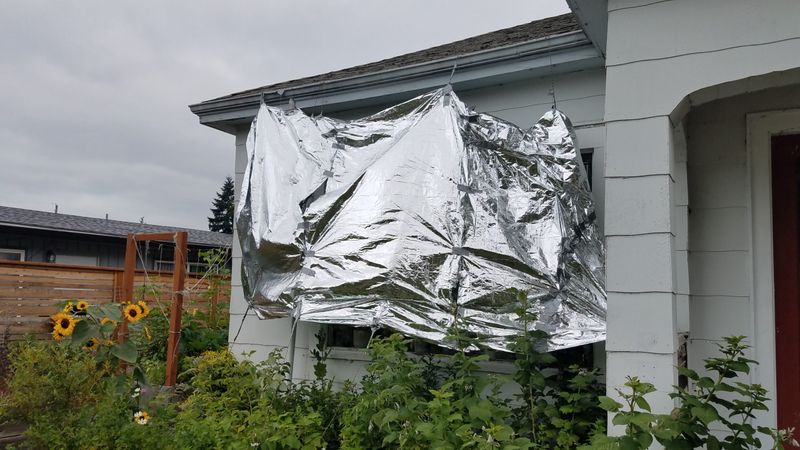
Flashing light and fluttering motion make many birds nervous. That simple fact powers one of the cheapest woodpecker deterrents around.
Reflective Mylar tape is the classic choice. Cut strips two to three feet long and hang them from the eaves right above the damaged area.
When a breeze catches them, they twist and flash in the sunlight.
Old CDs, pinwheels, and aluminum pie pans work in a similar way. Hang them so they move freely.
Hawk or owl silhouettes are sold too, though results are often mixed if they stay in one spot.
Expect to move things around every few days. Woodpeckers are smart, and they get used to anything that stays the same for too long.
A little variety keeps them guessing.
Sound devices that play predator calls or distress cries get mixed reviews. Some homeowners swear by them, while research results are less impressive.
If you try one, pair it with a visual scare or a barrier for a better chance at success.
Honestly, I think of these tricks as a first step. They cost very little and can buy you time while you plan a sturdier fix.
5. Carpenter Bees In Your Wood Might Be Ringing The Dinner Bell
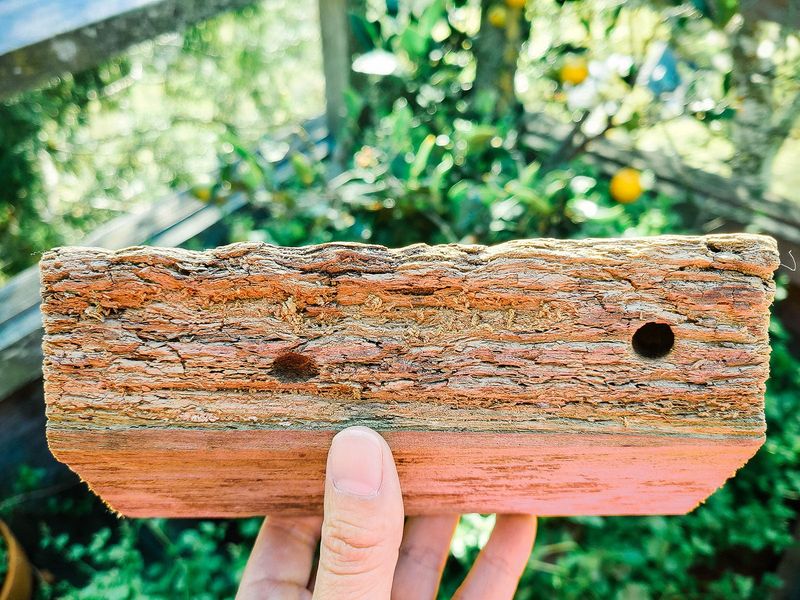
Ever notice perfectly round, half-inch holes under your deck rails or fascia boards? Carpenter bees made those, and woodpeckers know exactly what grows inside.
Bee larvae tucked in those tunnels make a protein-packed snack. A woodpecker can hear or sense them and will rip the wood open to get at them.
Carpenter bees are common across Georgia, so this pairing shows up often.
Termites and carpenter ants can draw woodpeckers too. Scattered, irregular holes near the same spot are a strong hint that insects live beneath the surface.
Treat the insect problem and the woodpecker often loses interest. A licensed pest control company can inspect your home and handle termites or ants.
For carpenter bees, many homeowners treat tunnels in the off season and then plug the holes with wood putty or dowels.
Painted wood also helps, because carpenter bees prefer bare, weathered surfaces. A fresh coat on fascia and trim gives them fewer places to drill.
I like this fix because it solves two problems at once. You protect your home from insect damage and remove the buffet that keeps bringing hungry birds back.
6. Cedar And Dark Wood Siding Tend To Draw More Attention
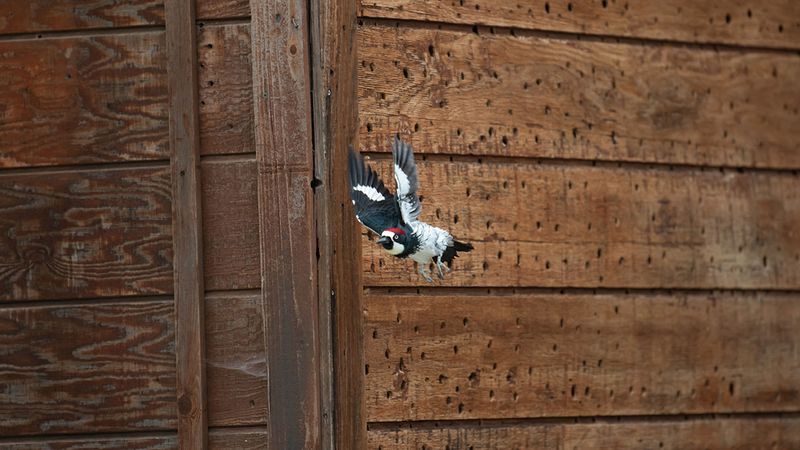
Some homes seem to attract woodpeckers like a magnet, and building materials play a part. Cedar, redwood, and other soft woods are easy for birds to drill.
Research cited by extension services suggests darker, natural wood tones may get more attention than lighter colors. The link is not perfectly understood, but some homeowners see less trouble after switching to white, cream, or pale gray paint.
Hollow siding with gaps behind it can sound like a perfect drum. Older wood with soft or rotten areas can also invite cavity digging.
Planning a renovation? Fiber cement, vinyl, aluminum, or hard compressed wood products resist pecking far better than natural cedar.
Fiber cement holds up well in humid Southern weather too.
Repair matters just as much as material. Fill old holes with wood filler or caulk and repaint.
A visible hole can act like an invitation for the next bird, since woodpeckers sometimes reuse or expand existing openings.
You do not need to replace a whole wall right away. Patch damage promptly, consider lighter paint at your next refresh, and save the bigger material switch for when siding needs replacing anyway.
7. A Nest Box Or Standing Snag Gives Woodpeckers Somewhere Better To Go
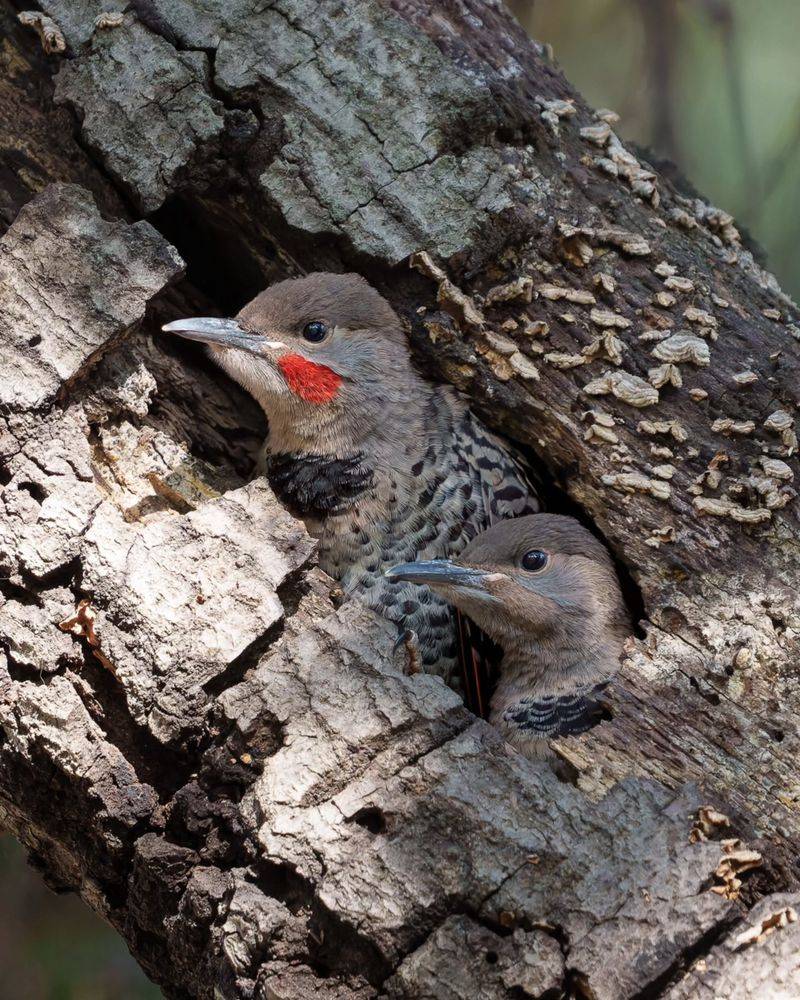
Sometimes the kindest fix is a trade. Give a woodpecker a better spot, and your siding may become far less interesting.
Standing old trees, called snags, are prime woodpecker real estate. If a snag on your property sits safely away from the house, driveway, and power lines, consider leaving it up.
Woodpeckers forage on these trees and dig nesting holes in the softer wood.
Have a certified arborist check any large tree before you decide. Safety comes first, and a leaning trunk near your roof is not worth the risk.
Nest boxes can help too, especially for Northern Flickers and Red-bellied Woodpeckers. Pack the box with wood shavings or sawdust.
These birds like to dig, and the filling lets them feel like they built the place.
Mount the box on a tree or post near the area where the bird was causing trouble, but not on the house itself. Late winter is a smart time to set it up, before nesting begins.
Suet feeders sometimes help as a distraction, though they can draw more woodpeckers to the yard. Place them well away from your walls.
8. Stubborn Woodpecker Damage Is The Moment To Call Wildlife Pros
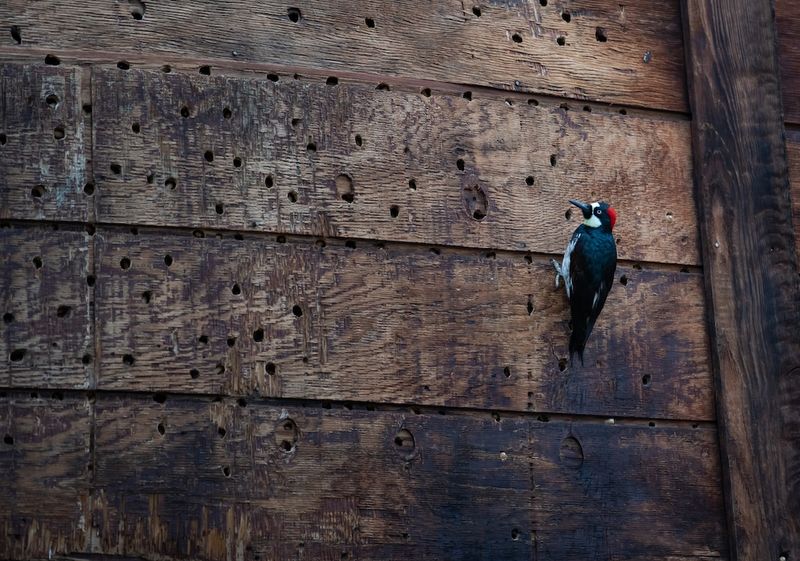
Most woodpecker problems fade with patience, barriers, and some insect control. Still, a few birds refuse to take the hint.
When damage keeps spreading after several honest attempts, a licensed wildlife control operator can help. Georgia requires nuisance wildlife trappers to hold a state permit, so ask to see credentials before hiring anyone.
A good professional will inspect for insects, spot the reason the bird keeps coming back, and suggest legal options. They also know the rules around active nests.
Once eggs or young are inside, the nest is protected, and you will usually need to wait until the young fledge and leave.
Federal depredation permits from the U.S. Fish and Wildlife Service do exist.
They are rare and typically require proof that harmless methods failed and the damage is serious. Treat that path as a true last resort.
Your county Extension office through UGA is another free resource. Agents can share research-based advice on identification and prevention.
Personally, I think the best mindset is part detective, part neighbor. Keep notes, fix problems early, and remember those drumming birds were here long before our siding was.