8 Surprising Uses for Pine Cones Every Florida Gardener Should Know
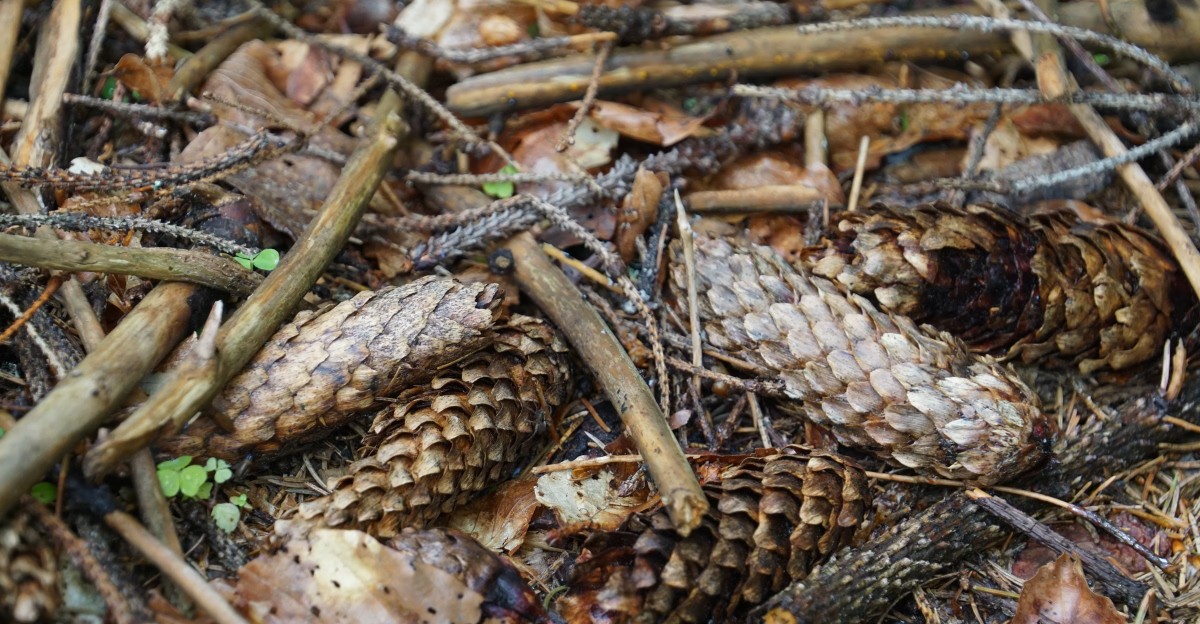
Some of those woody lumps under your pine trees can open and close like tiny weather stations. Their scales spread wide in dry air and fold shut when humidity climbs, which happens a lot around here.
I used to rake them into a pile and haul them to the curb every week. Looking back, I feel a little silly about all that effort, because the free supply kept dropping right back on the lawn.
Florida yards collect them from longleaf, slash, sand, and loblolly pines, and each tree adds its own shape and size to the mix. Some are small and prickly, while others look big enough to hold in both hands.
You’re in for a real surprise once you see what that brown clutter can quietly handle around the garden. Once you know its tricks, hauling it to the curb starts to feel like tossing out free tools.
1. That Pile of Pine Cones Under Your Tree Is a Free Garden Toolkit
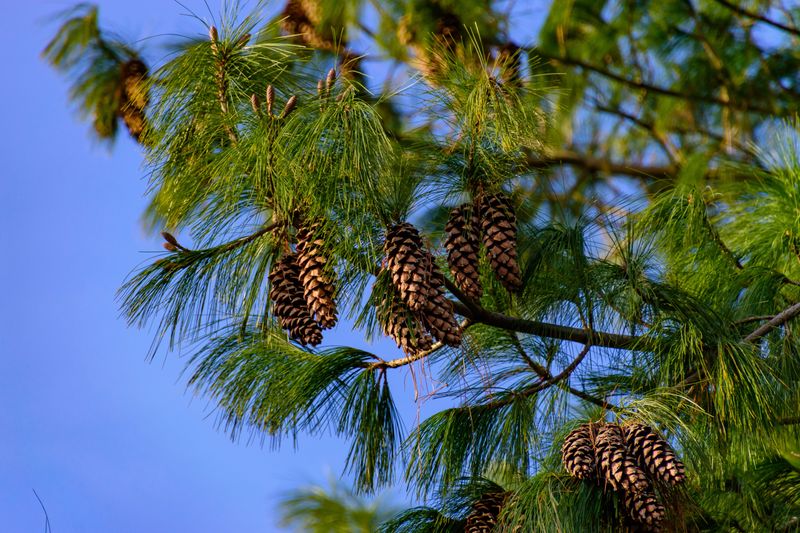
Every fall and winter, Florida pines shed cones by the dozen, and most folks treat them like litter. I get it, because they can crunch underfoot and clog a mower.
Look closer, though, and you’ll find a sturdy, slow-to-break-down material packed with carbon. Pine cones are made mostly of lignin and cellulose, the same tough stuff found in wood.
That’s why they hold their shape for a long time outdoors.
Slash pine and longleaf pine are the two big producers in many Florida yards. Longleaf cones can stretch 6 to 10 inches long, while slash pine cones usually run 3 to 6 inches.
Sand pine and loblolly cones tend to be smaller.
Size matters when you plan how to use them. Big cones work well as filler or path material, and smaller ones are easier to crush for compost or mulch.
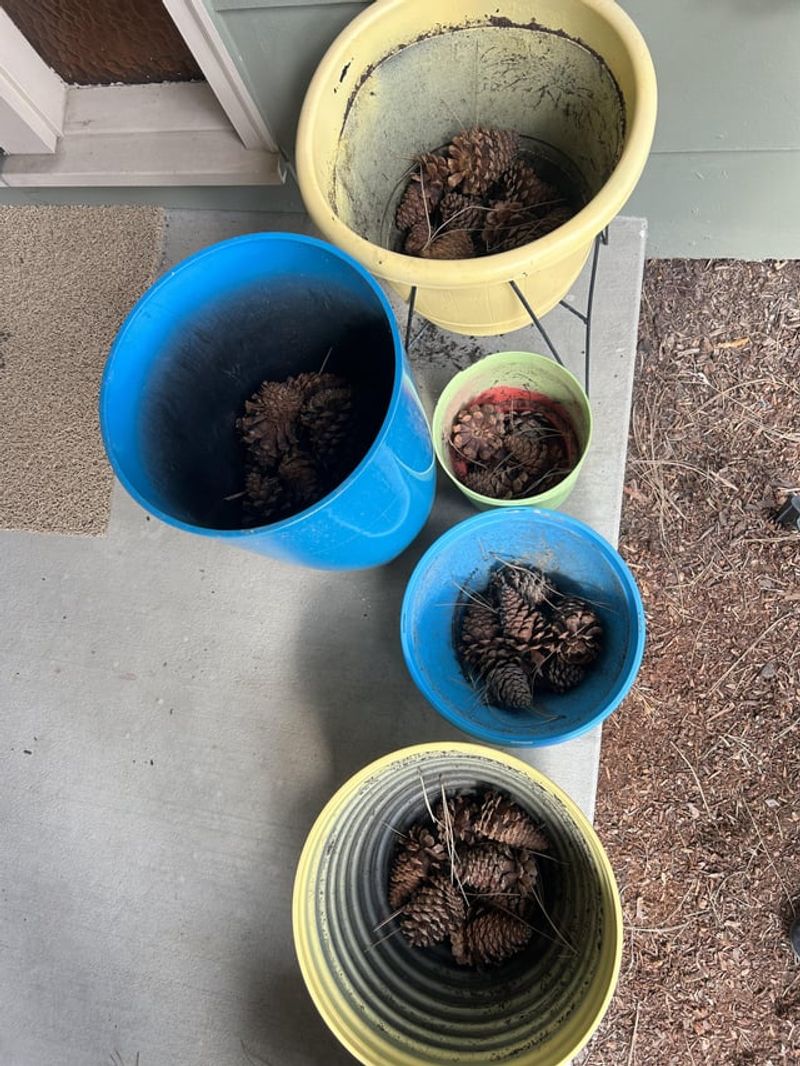
Before you start, sort them into two buckets. One can hold whole, clean cones, and the other can take broken or muddy pieces for the compost pile.
A fun bit of trivia helps too. Pine cones open their scales in dry weather to release seeds and close them when it’s damp, so a closed cone often signals humid air.
2. Fill the Bottom of Big Planters With Pine Cones and Lighten the Load
Moving a giant pot of potting mix across a patio can feel like a workout nobody asked for. A layer of pine cones in the bottom helps fix that.
For deep containers, fill roughly the bottom third with whole cones, then add a sheet of landscape fabric or burlap on top. The fabric keeps soil from sifting down into the gaps.
After that, fill the rest with quality potting mix.
You’ll use less soil, which saves money. The pot also weighs far less, so shifting it into shade during a July heat wave gets much easier.
One honest note matters here. University research shows that a coarse layer at the bottom doesn’t actually improve drainage, since water tends to collect in the soil just above it.
Good drainage still depends on drainage holes and a light potting mix.
So treat cones as a weight saver and space filler, not a drainage miracle. Save this trick for deep pots holding shallow-rooted plants like annuals, herbs, or coleus.
Plants with deep roots, such as small citrus or tomatoes, need all the soil you can give them. For those, skip the cones and fill the whole container with mix.
3. Pine Cone Mulch Can Hold Moisture Around Your Azaleas and Blueberries
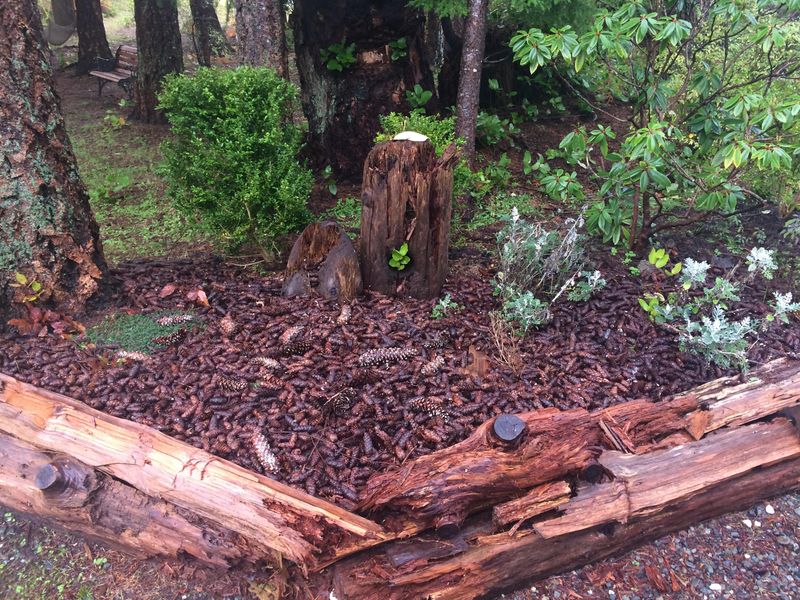
My azalea bed looked bare until I tried a ring of pine cones around each shrub. It turned into a rustic, woodsy look that neighbors actually asked about.
As mulch, cones shade the soil and slow evaporation, which helps on hot, breezy afternoons. They also block light that weed seeds need to sprout.
Because they break down slowly, you won’t be replacing them every few months.
Spread them 2 to 3 inches deep, and keep them a few inches away from stems and trunks. Mulch piled against bark can hold moisture and invite rot.
Cones work nicely around azaleas, camellias, and blueberries, which prefer acidic soil. Pine cones add only a tiny bit of acidity, though, so don’t count on them to change your soil pH.
A soil test from UF/IFAS Extension gives you real numbers.
Whole cones leave gaps, so they won’t smother weeds as well as fine mulch. Crushing them first creates a tighter layer.
Pine straw, another Florida favorite, pairs well with cones. Try a base of pine straw topped with a scattering of cones for weed control plus visual charm.
4. Prickly Pine Cones Make Squirrels and Cats Think Twice About Digging
Few things sting like finding your freshly planted bulbs tossed across the lawn by a busy squirrel. Florida’s gray squirrels are bold, and neighborhood cats love soft, fresh soil too.
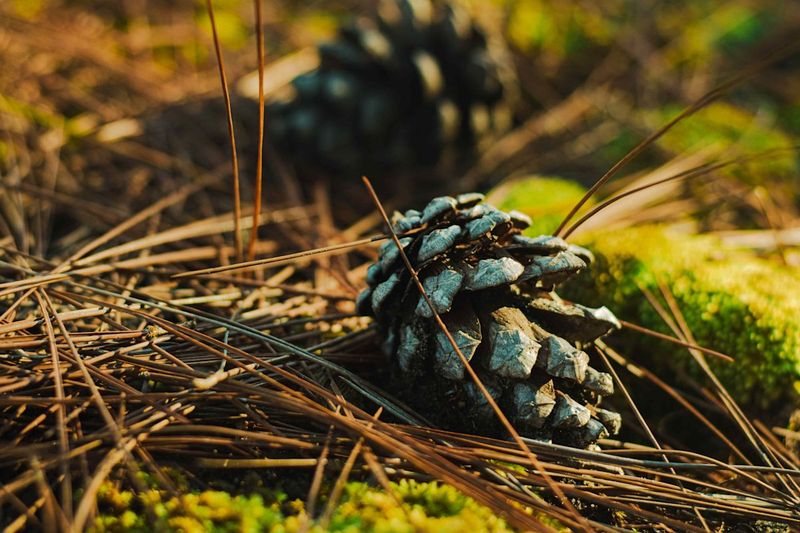
Spiky pine cones can help. Scatter a layer over newly planted beds, and the rough, uneven surface makes digging less appealing.
Cats especially dislike stepping on sharp scales.
Longleaf and slash pine cones work best here, since their scales carry small prickles. Lay them close together so there aren’t wide open patches of bare dirt.
Many gardeners also say cones discourage slugs and snails. Scientific proof for that is thin, so think of it as a possible bonus rather than a sure thing.
Handpicking at night or using iron phosphate bait is more reliable for snail trouble.
Keep expectations realistic with squirrels, too. A truly hungry squirrel may still push cones aside, so pairing cones with hardware cloth over bulbs gives stronger protection.
Once seedlings are a few inches tall and sturdy, you can pull the cones back. Leaving them in place can crowd young stems, and the plants will soon be big enough to fend for themselves.
5. Toss Crushed Pine Cones Into the Compost Bin for Extra Browns
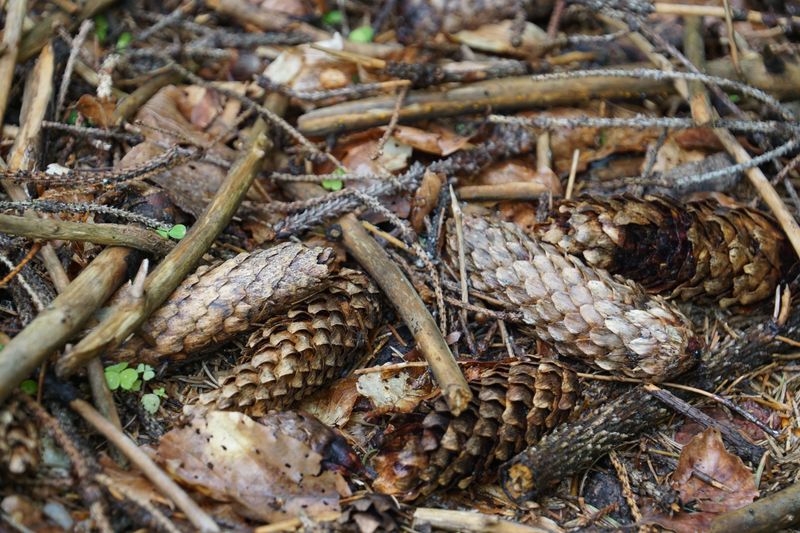
Compost piles in Florida often get heavy on green stuff, thanks to fast-growing grass and lots of kitchen scraps. Pine cones bring the balance back.
Gardeners call carbon-rich materials browns, and cones fit right in alongside dry leaves and shredded cardboard. Greens like veggie peels and grass clippings supply nitrogen.
A healthy pile needs both.
Whole cones can take a year or longer to break down, so size makes a big difference. Crush them with a shovel, smash them on a hard surface, or run them over with a mower set high.
Smaller pieces give microbes more surface to work on.
Aim for roughly two or three parts browns to one part greens by volume. Keep the pile about as damp as a wrung-out sponge, which can mean adding water during the dry spring months.
Turning the pile every week or two adds oxygen and speeds things up. Florida’s warmth gives you an edge, since microbes stay active much of the year.
If a few chunks still look firm when the rest is ready, sift them out. Toss those leftovers back into the next batch to keep working.
6. Broken-Down Pine Cones Help Sandy Florida Soil Hold Water
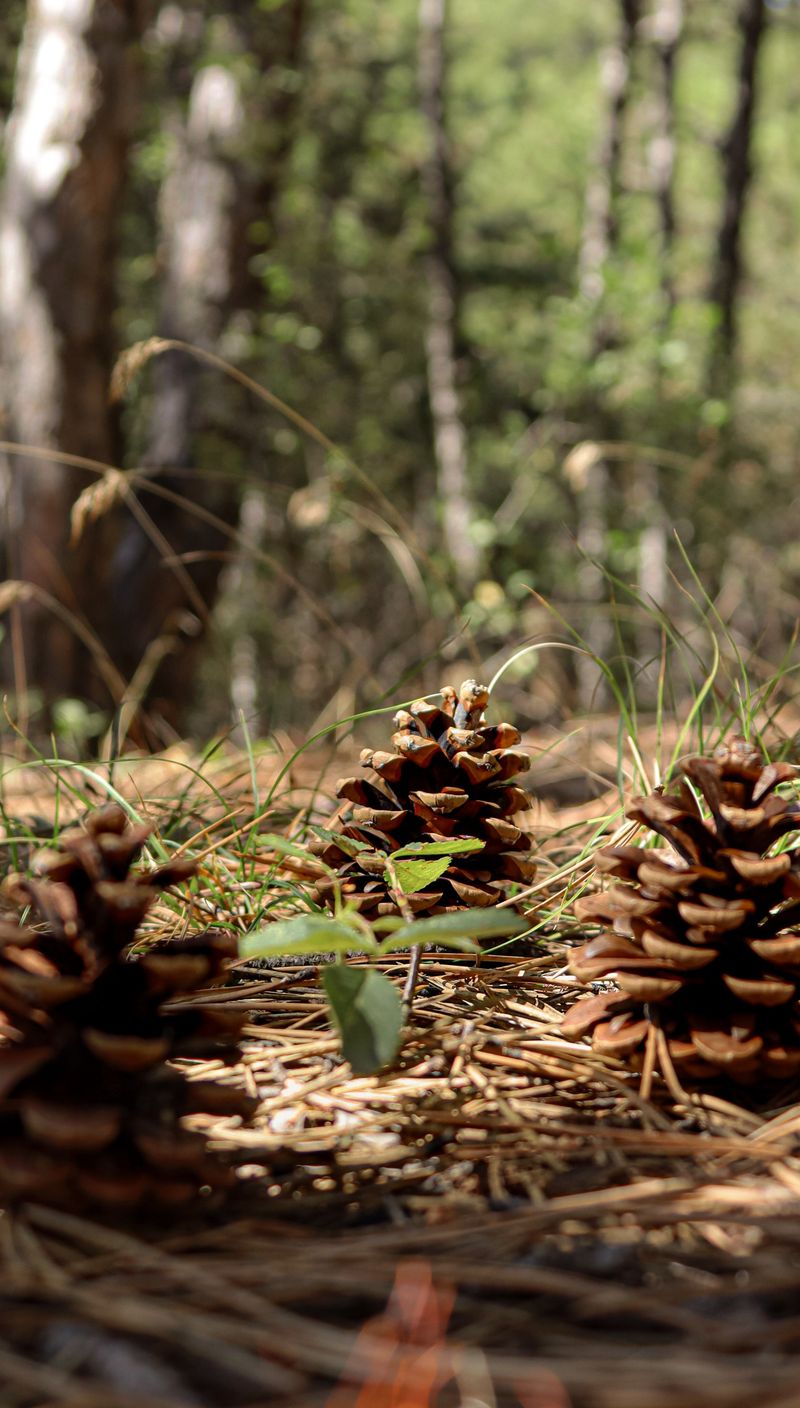
Anyone who gardens in Florida sand knows the struggle. Water pours straight through, and fertilizer often washes away before roots can grab it.
Organic matter is the fix, and finished compost made with pine cones adds exactly that. Decomposed bits act a little like a sponge, helping sandy soil hold moisture and nutrients longer.
Use well-rotted material rather than fresh cones when mixing into the soil. Fresh woody pieces can temporarily tie up nitrogen as microbes break them down, leaving plants a bit pale.
Work 2 to 3 inches of compost into the top 6 inches of a new bed. For existing plantings, spread it on the surface and let rain and earthworms carry it down.
Plan on repeating this yearly. Heat and humidity make organic matter vanish quickly in Florida, so a single dose fades within a season or two.
Gardeners in North Florida with clay pockets can see benefits too, since organic matter improves structure in heavier ground. It loosens tight soil and helps roots spread.
Watch for earthworms as a sign of progress. More worms usually mean your soil is turning into a healthier home for roots.
7. Ladybugs and Lacewings Love a Cozy Pine Cone Bug Hotel
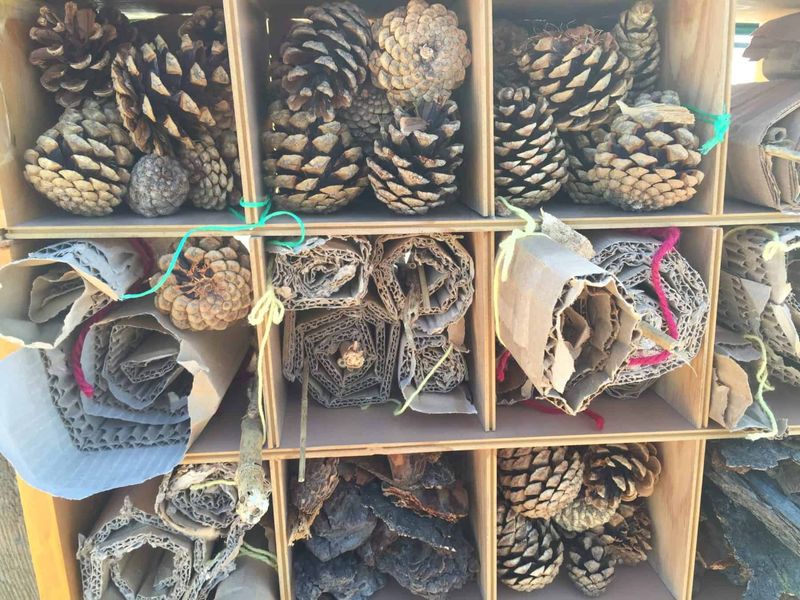
Ladybugs can eat dozens of aphids in a single day. Giving them a place to hide is one of the friendliest favors you can do for your garden.
A bug hotel sounds fancy, but it can be as simple as a wooden box packed with pine cones, hollow stems, and bark. The tiny gaps between cone scales offer shelter from heat, rain, and predators.
Lacewings, ground beetles, and small spiders may move in too. Their young, especially lacewing larvae, are hungry hunters of aphids, whiteflies, and mites.
Place your hotel in a partly shaded spot near flowers or vegetables. Mount it a foot or more off the ground so it stays drier during summer storms.
Keep it close to nectar plants like native coreopsis, firebush, or salvia. Adult beneficial insects need pollen and nectar to stick around.
Skip broad-spectrum insecticides nearby, since they harm helpful bugs along with pests. Check the hotel each season, and replace soggy or moldy material.
Kids usually love this project. It turns a pile of cones into a mini wildlife station they can check on every morning.
8. Gather Pine Cones Safely and Keep Them Away From Your House
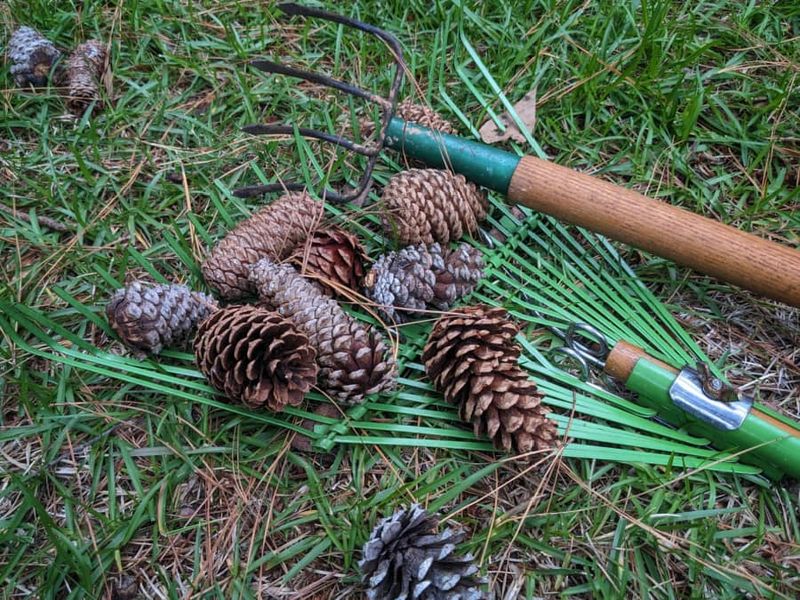
Collecting cones feels like a treasure hunt, and your own yard is the best place to start. Gloves make the job easier, since many cones have sharp tips.
Stick to your property or ask permission first. Florida State Parks generally prohibit removing plants and natural materials, and rules on other public lands vary, so check before you gather.
Shake cones over a bucket to drop out spiders, ants, or seeds. Some gardeners bake them at a low temperature to clear out hitchhiking insects, but stay nearby, because sap can catch fire.
That resin is the big safety note. Pine cones burn easily, and so do pine straw and other woody mulches.
If you live near wildland areas, follow Firewise guidance from the Florida Forest Service. Keep cone mulch and piles at least 5 feet from walls, decks, and fences, using gravel or bare soil closest to the house.
Start small this season with one bed, one pot, or one bug hotel. Watch how your plants respond, then expand what works.
Before long, that weekly raking chore might feel more like a free supply run.