7 Plants Still Blooming In California Gardens In Late November
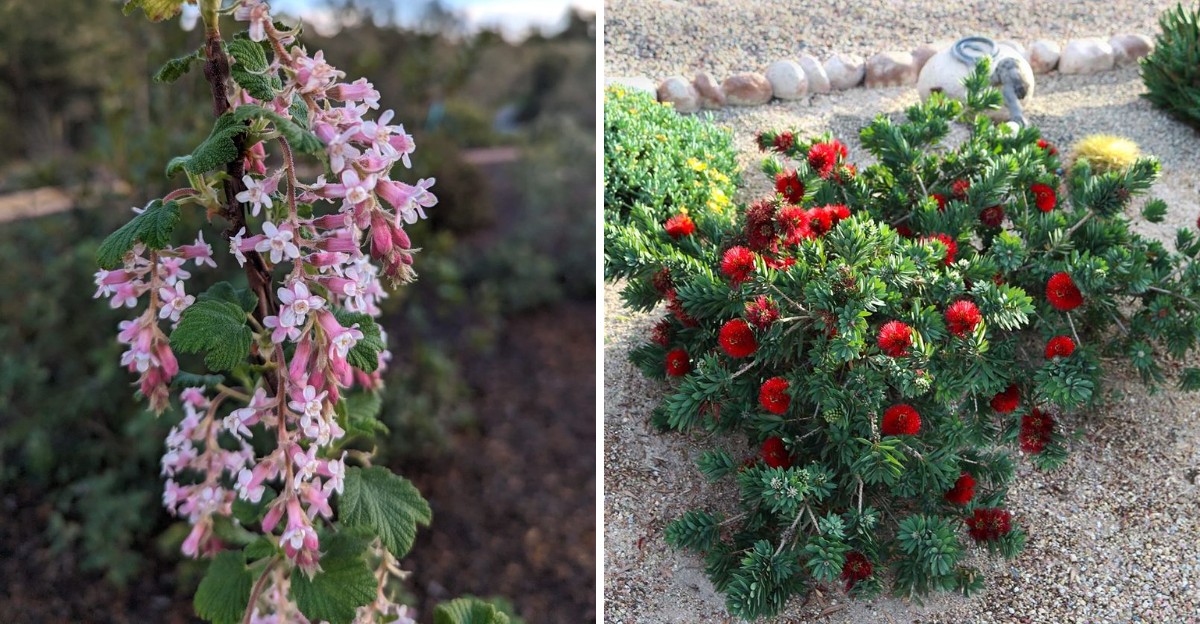
Anna’s hummingbirds stay in California all winter, and they still need flowers to sip from in late November. These tiny birds visit hundreds of blossoms every day, so somebody’s garden has to keep serving dessert.
It never stops surprising me how many flowers keep opening here while friends back east are shoveling their driveways. Mild coastal air and the first autumn rains give many plants a second wind after the long, dry summer.
You don’t have to look far for bright petals, either, because some of the best performers are easy nursery finds. A few are tough natives, while others are cheerful bedding flowers that actually prefer cool weather.
Your California garden can feed hungry pollinators and still look fantastic during the shortest days of the year. Which late bloomers deserve a sunny spot near your kitchen window before the holidays arrive?
1. California Fuchsia
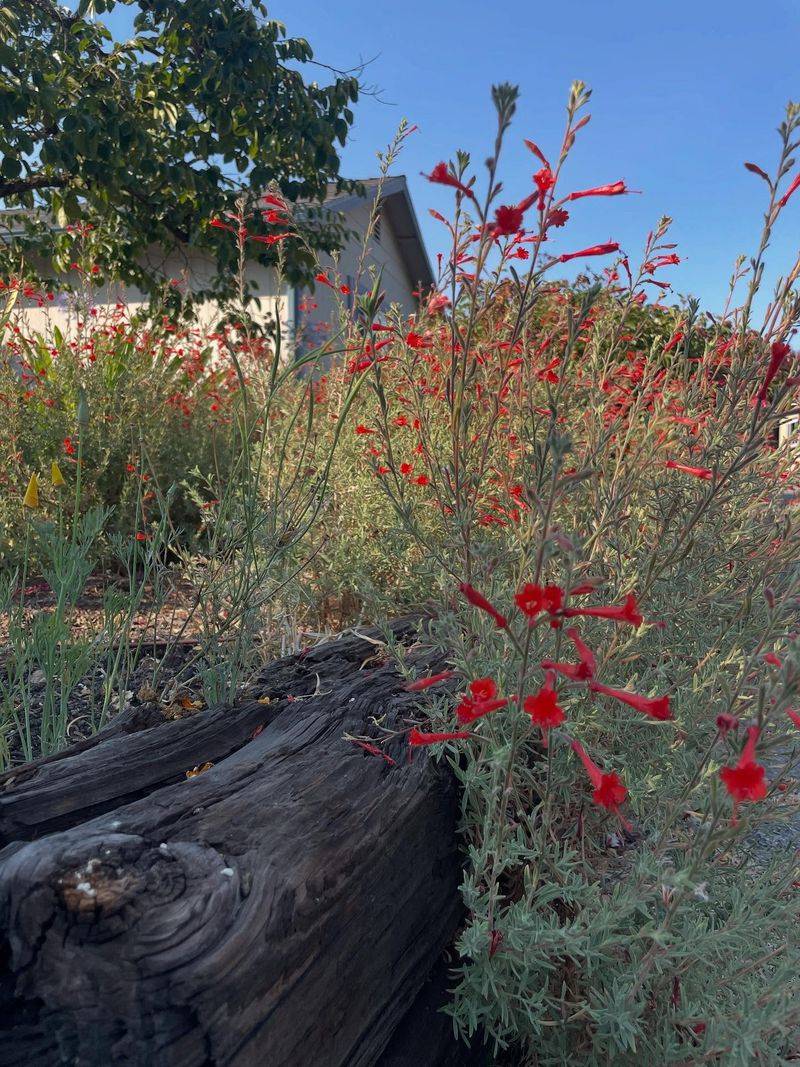
Hummingbirds treat a patch of Epilobium canum like a late-night diner, zipping between scarlet trumpets well after summer ends. I love catching that hum and flash of red from my porch on a chilly morning.
Flowering usually starts in late summer and often carries on through fall, especially in mild coastal gardens. By late November, plants may look a bit scruffy, but many still hold plenty of bright, tubular blooms.
The leaves are narrow and often gray-green or silvery, which makes those orange-red flowers pop even more. Plants range from low groundcovers to bushy mounds a few feet tall, depending on the selection you choose.
Give this native full sun and soil that drains fast, since soggy roots cause far more trouble than drought. Once established, it needs little summer water, although an occasional deep soak can keep it looking fresher.
Fair warning, it spreads by underground runners and can wander into neighboring plants if you let it. I treat that as a bonus, pulling extra shoots in spring and sharing them with friends.
After flowering finally slows in winter, cut the stems back hard to encourage tidy new growth next year. Many gardeners trim nearly to the ground, and the plant usually bounces back quickly once spring warmth returns.
Selections like ‘Everett’s Choice’ stay low and work beautifully spilling over walls or along gravel paths. Plant one near a window, and you may enjoy hummingbird visits right through the holiday season.
2. Mexican Bush Sage
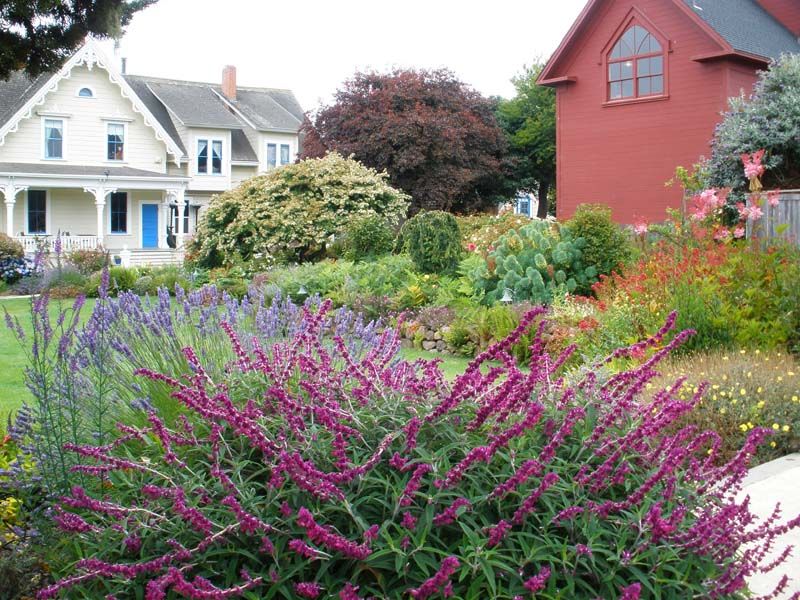
Run your fingers along a flower spike of Salvia leucantha, and it feels surprisingly like soft purple velvet. Kids in my neighborhood call it the fuzzy plant, and honestly, that nickname fits it perfectly.
The fuzzy part is actually the calyx, which holds small white or purple petals peeking out from each spike. Bloom begins in late summer and keeps going through fall, often lasting into winter where frost stays away.
Native to Mexico and Central America, this shrubby sage grows about three to four feet tall and wide. Its long, narrow leaves are gray-green on top and pale underneath, giving the whole plant a soft look.
Plant it in full sun with good drainage, because heavy, wet soil in winter can rot the roots. It handles dry spells well once settled, yet a deep drink every week or two helps flowering.
Hummingbirds and butterflies both visit the spikes, so I like planting it where I can watch from inside. Deer usually leave it alone, which makes it a smart pick for foothill gardens with hungry visitors.
The real secret is a hard cutback in late winter, once flowering fades and new shoots appear at the base. Remove the old stems near the ground, and the plant returns fuller and neater by summer.
Skip heavy fertilizer, since too much nitrogen pushes floppy leaves instead of those gorgeous velvet flowers. Snip a few spikes for a vase, and they hold their color nicely even after drying.
3. Autumn Sage
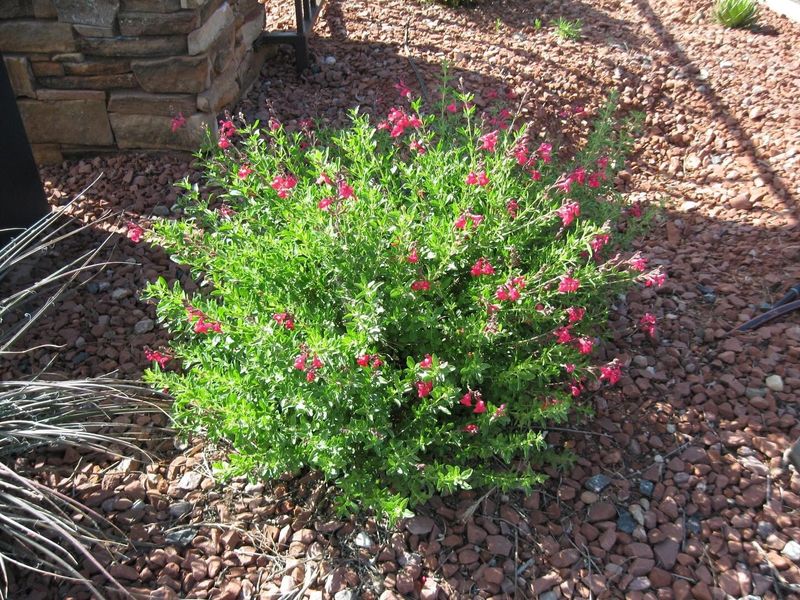
Brush past Salvia greggii on a cool afternoon, and you will catch a sharp, herbal scent from its leaves. That little whiff is my favorite reminder that this tough sage is still working hard late in the year.
Despite the common name, it flowers on and off from spring through fall, with big flushes when weather cools. In mild winter areas, some plants keep tossing out red or pink blossoms well into late November.
It grows wild in Texas and northern Mexico, which explains why it shrugs off heat and rocky ground. Most plants form a woody, rounded shrub about two to three feet tall with small, glossy leaves.
Breeders have created a rainbow of choices, from coral and raspberry shades to soft white and even bicolors. ‘Furman’s Red’ is a classic choice, holding rich crimson flowers that hummingbirds spot from across the yard.
Full sun and sharp drainage keep this sage happy, while heavy clay that stays wet invites root rot. In hot inland valleys, a little afternoon shade can help the leaves stay greener through summer.
Once roots settle, it needs only occasional deep watering, making it a great fit for water-wise yards. Fertilizer is rarely necessary, and rich soil can make the stems grow a bit long and floppy.
In late winter, trim the shrub back by about a third to remove old woody growth. Light shearing between flushes also helps, and I find the plant rewards that small effort with fresh blooms.
4. Chaparral Currant
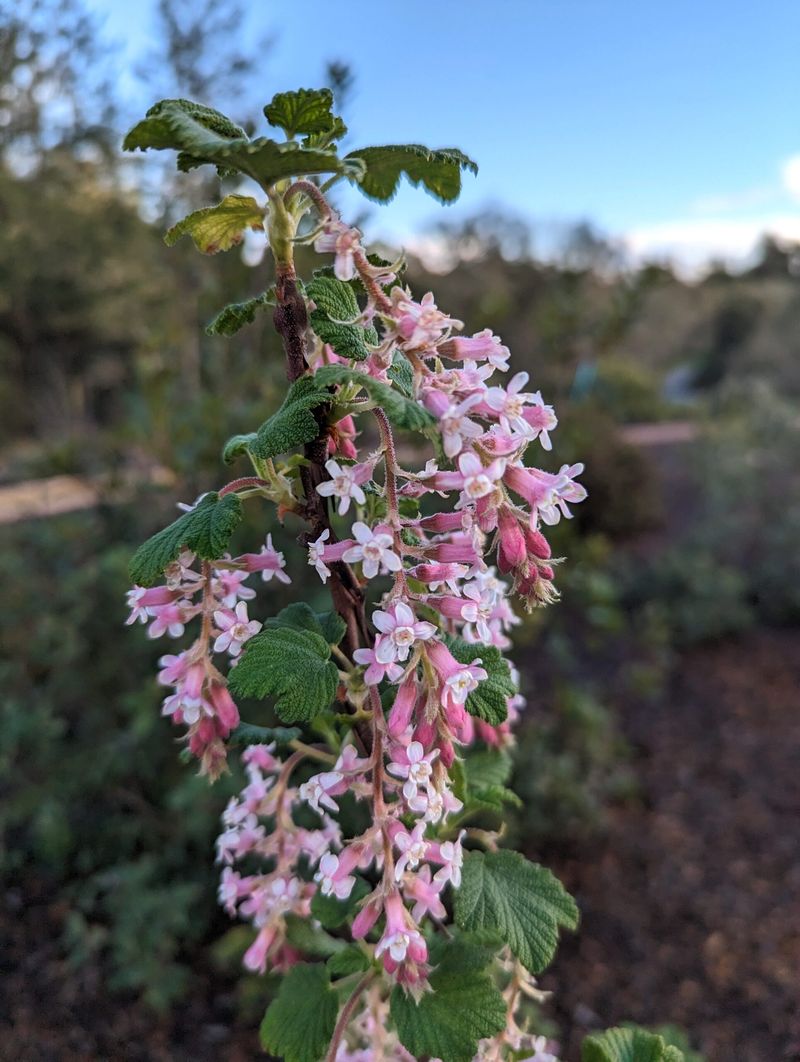
Most shrubs are slowing down for winter, yet chaparral currant waits for the first rains before it even starts flowering. I find that backward schedule delightful, like a guest who shows up just as the party quiets down.
Ribes malvaceum is a native shrub that drops many of its leaves during the hot, dry summer months. When autumn showers return, fresh leaves appear, and drooping clusters of pink flowers often follow by late fall.
Bloom can stretch through winter into early spring, which is a lifesaver for hummingbirds that stay year-round. Early native bees also visit, especially on sunny days when the air warms up a little in the afternoon.
The fuzzy, lobed leaves have a spicy, resinous smell, and deer tend to leave them alone. Plants typically reach about four to six feet tall, and the stems have no prickles to snag sleeves.
Give it sun near the coast and some afternoon shade inland, along with soil that drains well. Once established, it handles summer drought nicely, so skip regular irrigation when the plant goes semi-dormant.
Late fall is a perfect planting window in California, since winter rains help young roots spread out. Water new plants through their first dry season, then gradually cut back as they toughen up.
Small purple berries appear after flowering, and birds usually find them long before you spot them. Prune lightly after bloom ends in spring to shape the shrub and keep its crowded center open.
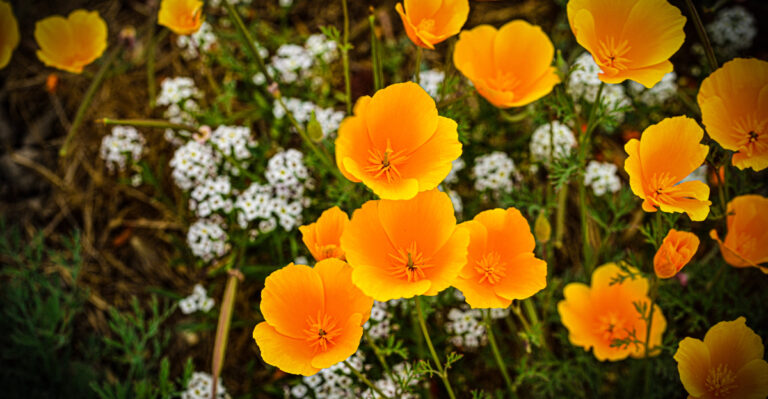
5. Calendula
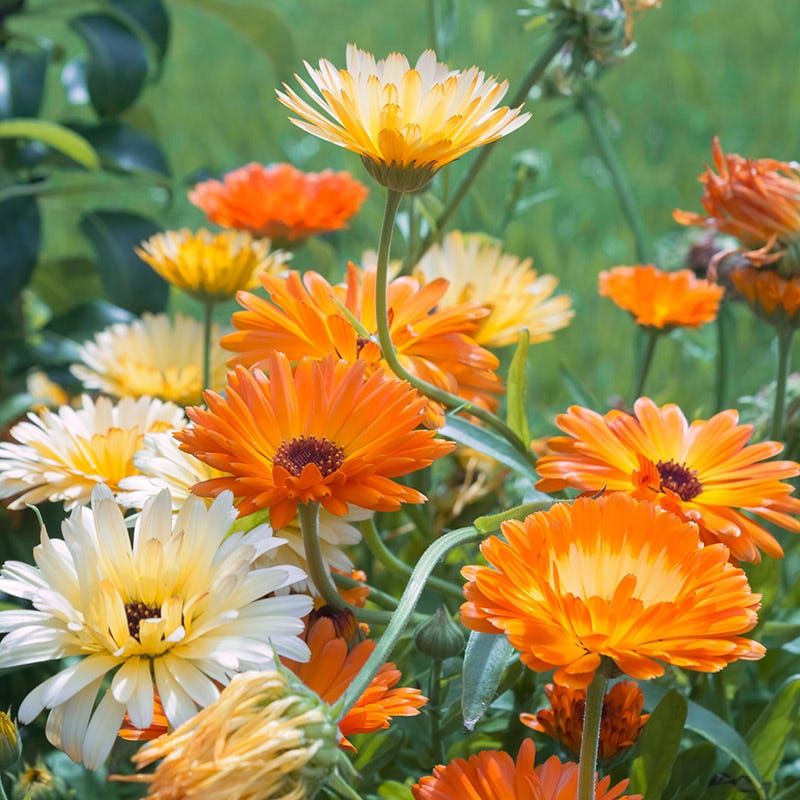
Calendula petals were once tossed into soups and stews, which is how this cheerful flower earned the name pot marigold. I still sprinkle a few bright orange petals over salads, and guests usually ask what they are.
Unlike many summer flowers, Calendula officinalis loves cool weather and often sulks during the hottest, driest months. In mild coastal and southern gardens, fall plantings can bloom through late November and well into spring.
Flowers come in sunny yellow and glowing orange, plus softer cream and apricot shades on newer varieties. Plants stay compact, usually one to two feet tall, so they fit nicely in pots or vegetable beds.
Bees and hoverflies visit the open flower centers, and those hoverflies help control aphids on nearby crops. That makes calendula a handy partner for winter lettuce and broccoli growing in the same bed.
Plant in full sun and average soil with decent drainage, and water regularly until seedlings are growing strongly. Skip heavy feeding, because overly rich soil tends to produce leafy plants with fewer blossoms to enjoy.
Snip off faded flowers every few days, because plants that set seed slow their blooming quickly. Leave a handful at the end of the season, and volunteer seedlings may pop up next fall.
Powdery mildew can show up when nights turn damp, so space plants for airflow and water at the base. Seeds sown now in frost-free areas will give you another round of sunshine by late winter.
6. Pansies And Violas
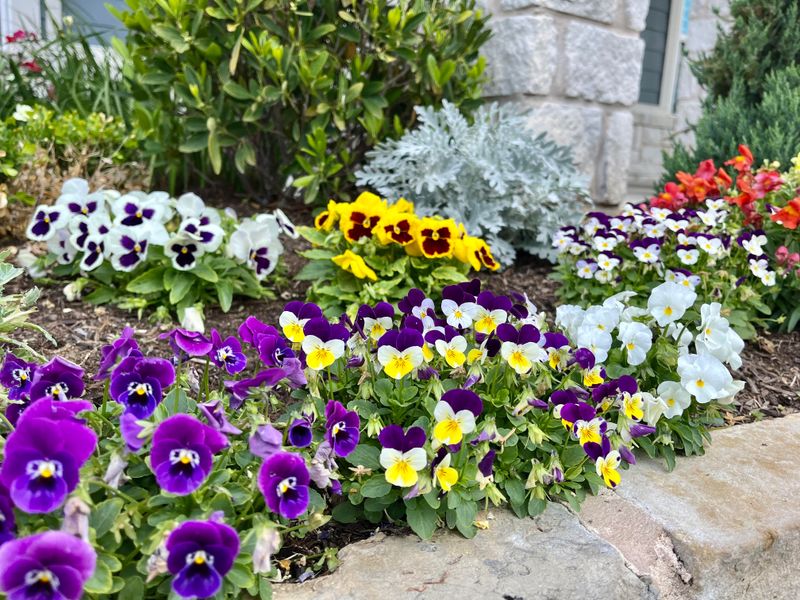
Look closely at a pansy, and you will often spot a little face with dark whiskers staring back at you. I can see why gardeners love them, because those cheeky expressions make even a gray morning feel friendlier.
Pansies and violas both belong to the genus Viola, though pansies carry bigger blooms and violas produce more of them. Both stay small, usually around six to ten inches tall, which makes them perfect for edging and containers.
In most of California, they are planted in fall as cool-season annuals rather than spring bedding plants. They bloom through late November and winter, then fade once summer heat arrives in late spring.
Colors span nearly the whole rainbow, and many varieties mix two shades with bold blotches in the center. Violas also tend to bounce back faster after rain, since their smaller flowers shed water more easily.
Pick a spot with full sun along the coast or light afternoon shade in warmer inland gardens. Loose soil enriched with compost and kept evenly moist will give you the longest flower show.
Pinch off spent blooms regularly, and feed lightly with a balanced liquid fertilizer every few weeks. Watch for snails and slugs after rain, since they love munching the soft, tender petals overnight.
Fun fact, pansy and viola flowers are edible and look adorable pressed onto cookies or floating in lemonade. Just use plants grown without pesticides, and buy seeds or starts meant for edible gardens when possible.
7. Little John Dwarf Bottlebrush
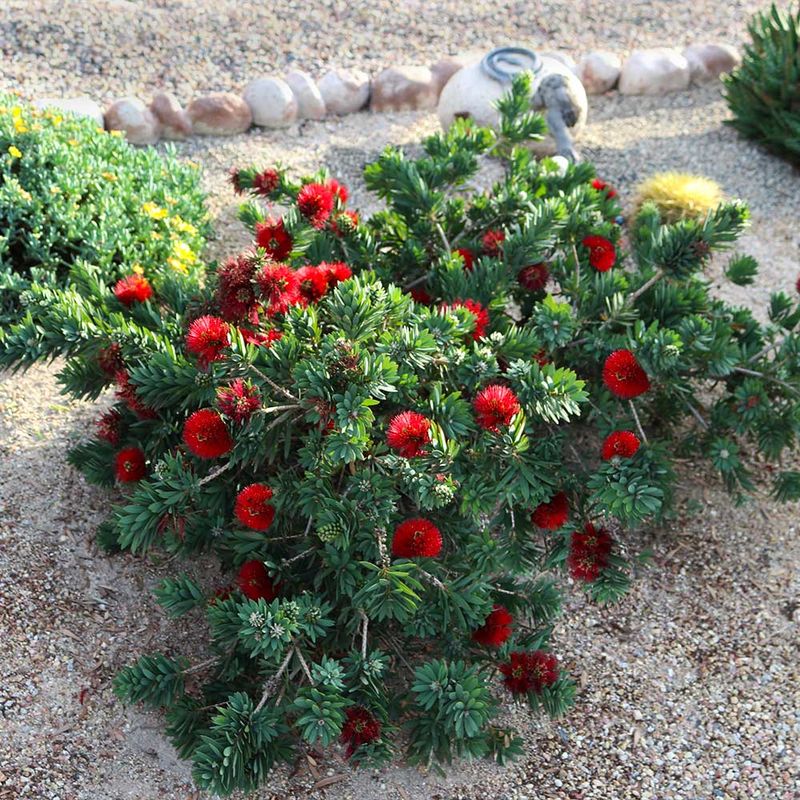
Australia gave us this dwarf bottlebrush, whose red flowers look exactly like tiny brushes for cleaning bottles. I grin every time a hummingbird jabs its beak into one of those fuzzy red cylinders.
Those bristles are actually long stamens, packed tightly around the stem, while the petals stay small and easy to miss. Heaviest bloom comes in spring and summer, though ‘Little John’ often adds scattered flowers through fall and winter.
Unlike its tree-sized cousins, this selection stays a tidy mound about three feet tall and a bit wider. The narrow, blue-green leaves are stiff and dense, so the shrub looks neat even between flower flushes.
It suits coastal and inland California gardens rated roughly USDA zones 9 through 11, where frosts stay light. A hard freeze can damage tips, so cover young plants on rare cold nights in chilly valleys.
Full sun brings the most flowers, and well-drained soil keeps the roots healthy through rainy spells. Once established, it tolerates dry periods, but occasional deep watering during long heat waves keeps it looking lush.
Pruning needs are light, so simply trim just behind faded flower spikes to encourage fresh growth and more blooms. Avoid shearing it into a hard ball, since cutting deep into bare wood can leave awkward gaps.
Its small size makes it a fun choice for large containers on a sunny patio or balcony. Planting now gives roots the cool, damp months to settle in before the heat of next summer arrives.