How Ohioans Use Rosemary After Bringing It Indoors For Winter
For centuries, people have associated a certain fragrant herb with memory and concentration. That same herb now spends Ohio winters perched on kitchen windowsills.
I love that one pinch of needles can make a gray January afternoon smell like a sunny hillside. Most of the state sits in USDA zones 6a to 6b, which is too cold for most varieties to stay outside reliably.
You haul the pot inside, find it a bright spot, and hope for the best. I think the real fun starts after that move.
You can snip it for supper, tuck it into gifts, root fresh cuttings, and even freshen a stuffy room. The trick is keeping the plant happy enough to share all that goodness.
How much can one little potted shrub really give you before spring arrives?
1. That Potted Rosemary On The Windowsill Has More Jobs Than You Expect
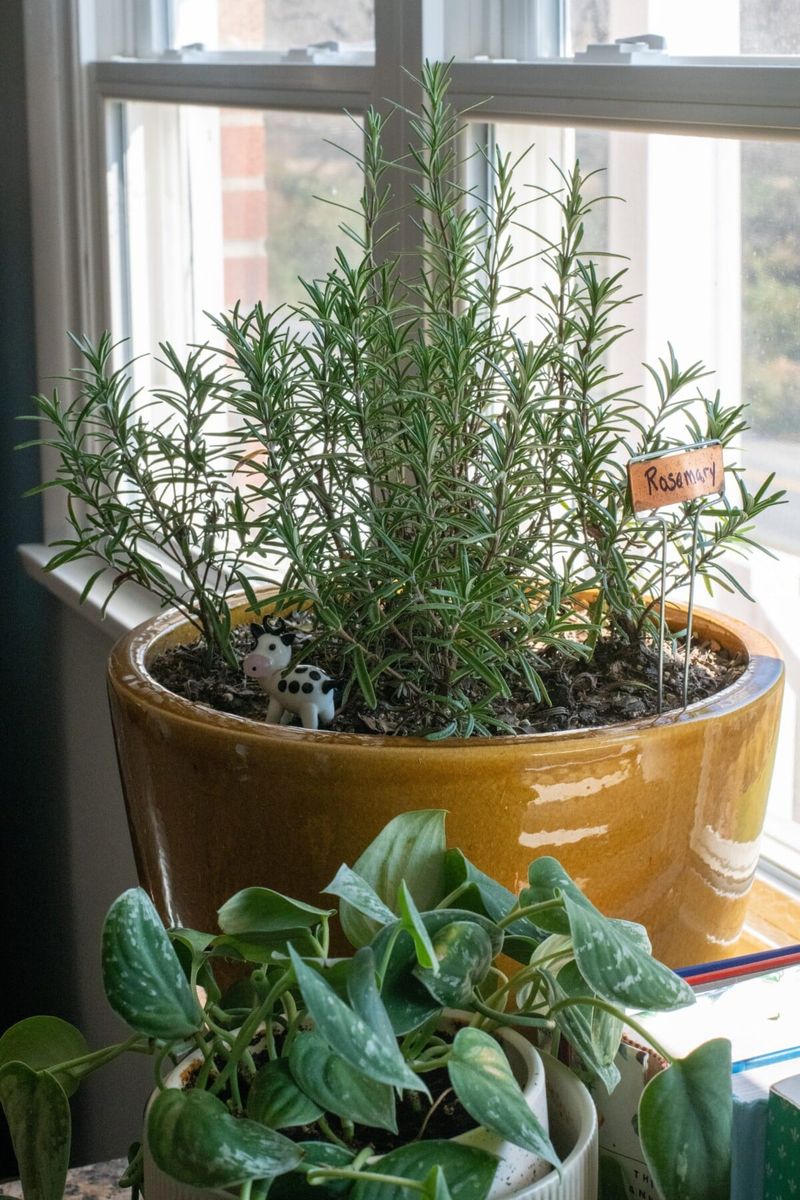
Most folks carry their rosemary inside in October thinking of it as a rescue mission. Within a few weeks, though, many discover the plant has quietly become one of the hardest-working things in the house.
Indoor rosemary does several jobs at once. It flavors winter meals, scents the air when you brush past, supplies cuttings for new plants, and adds a living green spot when the yard turns brown.
Ohio gardeners tend to use it in all of these ways, often in the same week.
There is a catch, and it matters. The Ohio State University Extension and other extension services note that rosemary struggles indoors when light is weak and watering is uneven.
A stressed plant drops needles and gives you less to harvest.
So the smartest approach blends using and caring. You snip lightly, you watch the soil, and you give it the sunniest window you have.
Treat it like a houseguest who pays rent in flavor.
Think of the next sections as a winter menu of ideas. Some are practical kitchen tricks, and others are small home projects.
All of them work best when your plant stays healthy, so care tips are woven right in.
2. Fresh Rosemary Sprigs Turn Winter Roasts Into Something Special
Nothing beats the sizzle of a pan of potatoes when a few fresh rosemary needles hit the hot oil. That smell alone can make a snowy Tuesday feel like a holiday.
Cooking is the number one way Ohioans use their indoor plants. Rosemary pairs beautifully with roast chicken, pork loin, lamb, root vegetables, and hearty bean soups.
A single sprig tossed into a pot of stew adds a woodsy, piney note that dried jars rarely match.
Harvest with a light hand. Clip the soft green tips with clean scissors, and avoid cutting more than about one-fifth of the plant at a time.
Indoor rosemary grows slowly in winter, so heavy cutting can leave it bare until spring.
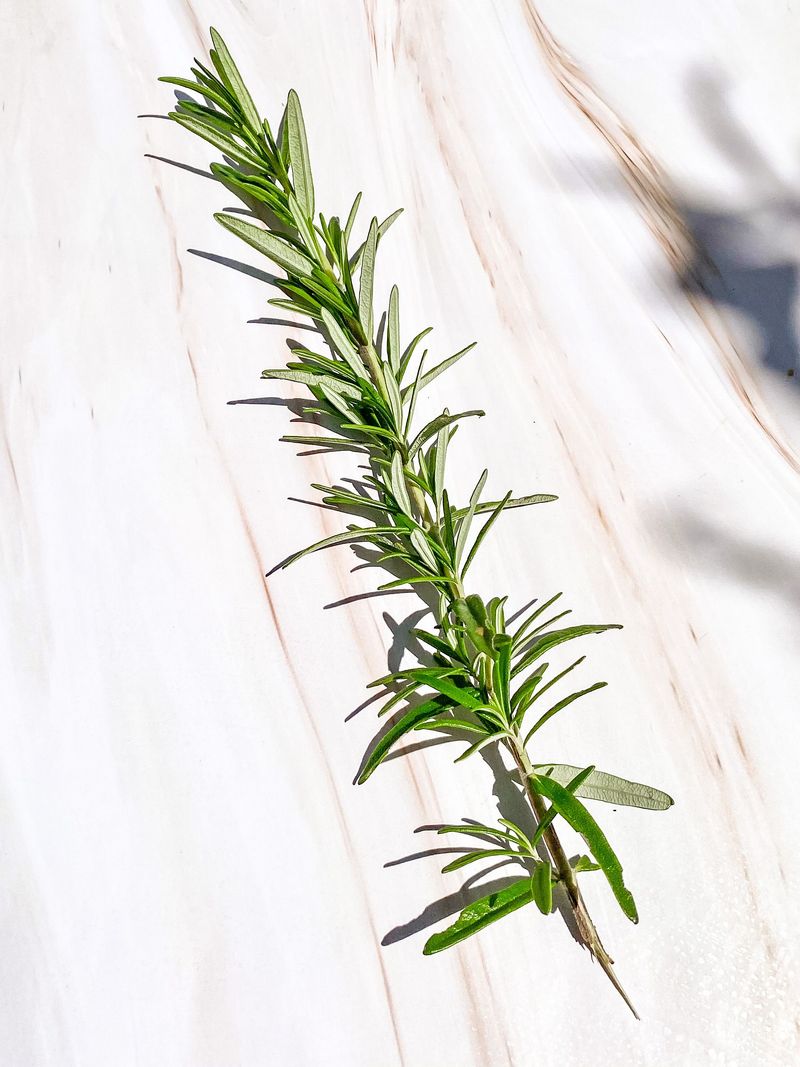
Here is a handy kitchen tip. Strip the needles by pinching the top of the stem and sliding your fingers down toward the cut end.
Chop them finely, since whole needles can feel tough to chew.
Rosemary is strong, so start small. About one teaspoon of chopped fresh needles can season a whole sheet pan of vegetables.
You can add more later, but you cannot take it back out once it is in.
3. Bright Light Keeps Those Needles Tasty All Winter

Ohio winters are famous for gray skies, and rosemary notices every cloudy day. A plant starved for light grows thin, pale, and stretchy, and its flavor gets weaker too.
Rosemary prefers six to eight hours of direct sun. A south-facing window gives you the best shot, and a west-facing one is the next choice.
Turn the pot every week or so to keep growth even on all sides.
Many Ohio gardeners add a grow light, and I think it is the single best upgrade for indoor herbs. A simple full-spectrum LED placed a few inches above the plant, running 12 to 14 hours a day, makes a huge difference.
Hook it to a cheap timer and you will hardly think about it.
Temperature matters as well. Rosemary likes a cool room, roughly 50 to 65 degrees, which mimics its natural winter rest.
A chilly sunroom or bright basement window often beats a warm living room.
Keep it away from heat vents and drafty doors. Hot, dry blasts of furnace air stress the foliage.
A happy, well-lit plant gives you more sprigs, stronger scent, and better flavor for your cooking.
4. Soggy Soil Is The Quickest Way To Lose An Indoor Rosemary
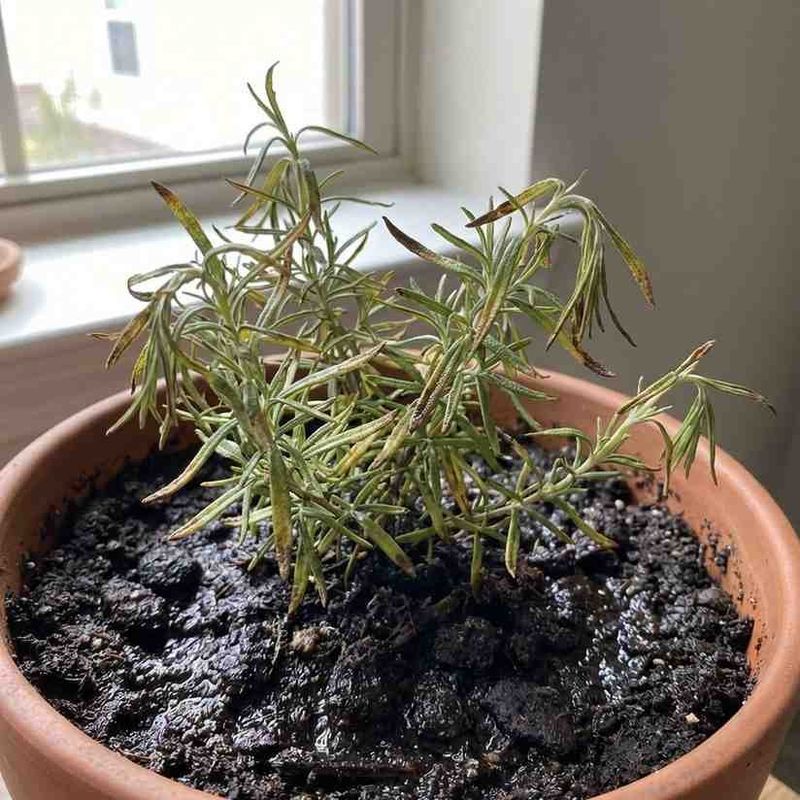
Ask a group of Ohio gardeners how they lost their indoor rosemary, and many will sheepishly admit they loved it too much with the watering can. Root rot is the classic winter problem.
Rosemary comes from the dry, rocky hills around the Mediterranean. Its roots want air as much as water.
Soil that stays wet in a cool house invites rot, and the plant can decline before you notice.
Check the soil with your finger before watering. When the top inch or two feels dry, water thoroughly until it runs from the drainage hole.
Then empty the saucer so the pot does not sit in a puddle.
Do not swing too far the other way, though. Rosemary can brown quickly if the root ball dries out fully, and it may not bounce back.
Aim for that middle zone of lightly moist, never soaked.
An unglazed clay pot helps because it breathes and lets extra moisture escape. Pair it with a gritty potting mix, perhaps with added perlite or coarse sand.
Those small choices protect your harvest for months and keep the kitchen supply flowing.
5. Rosemary Cuttings Root Easily On A Winter Windowsill
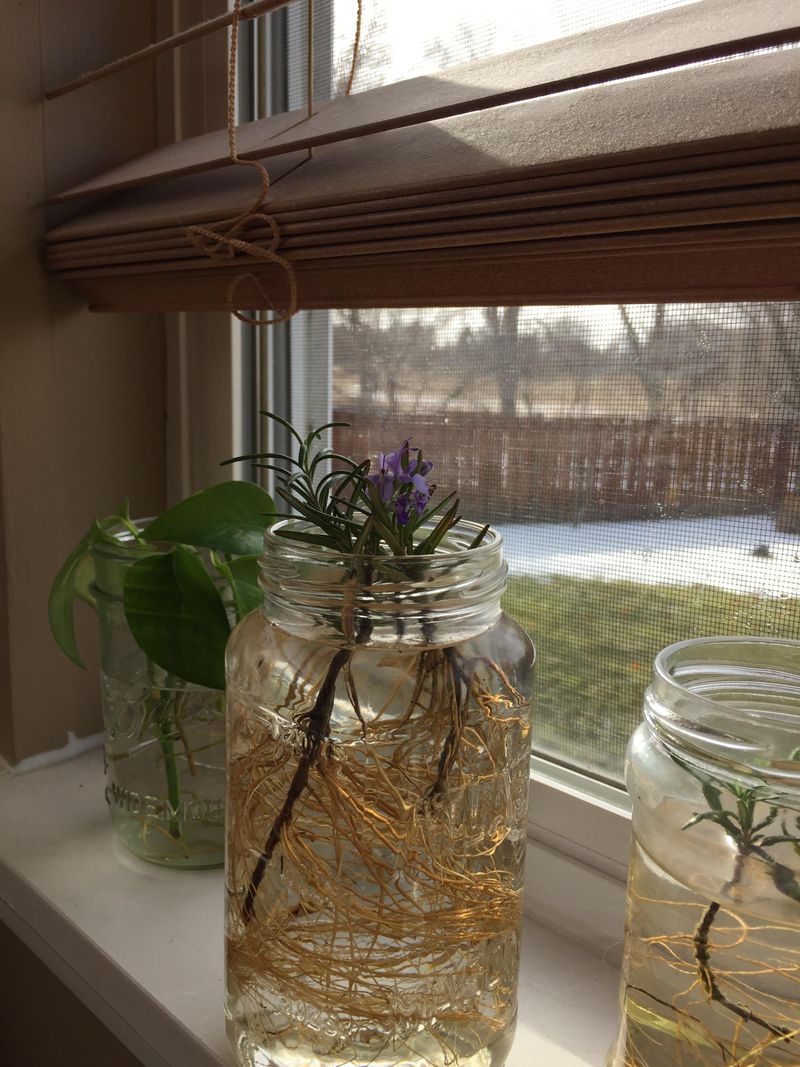
Here is a fun bonus that surprises new growers. Your overwintered rosemary can quietly become a little nursery, giving you free plants for spring.
Many Ohioans take cuttings in late winter. Snip a four to six inch piece of healthy, slightly woody stem.
Strip the needles from the bottom couple of inches, and dip the end in rooting hormone if you have some.
Push the cut end into a small pot of moist, well-draining mix like seed-starting soil with perlite. Keep it in bright, indirect light.
A clear plastic bag tented loosely over the pot helps hold humidity, but open it every day or two for fresh air.
Patience pays off here. Rosemary cuttings often take four to eight weeks to form roots.
A gentle tug that meets resistance usually means roots are growing.
Fun fact, rosemary cuttings are a time-honored way to share the herb, because seeds can be slow and unreliable. A rooted cutting also grows into a plant just like its parent.
By May, you could have extras for the garden, a neighbor, or a friend who has been eyeing your windowsill all winter.
6. Homemade Rosemary Gifts Make Cold Months Feel Cozy
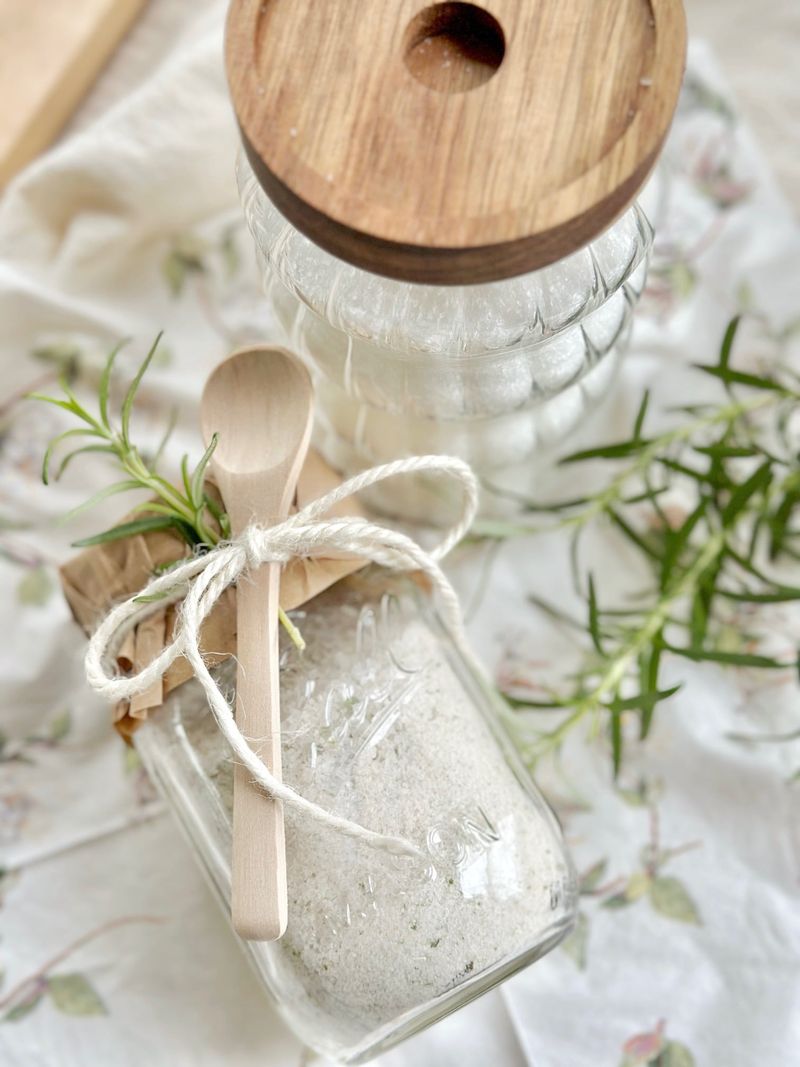
Some of my favorite holiday presents fit in a tiny jar. A pinch of homegrown rosemary turns plain kitchen staples into thoughtful gifts.
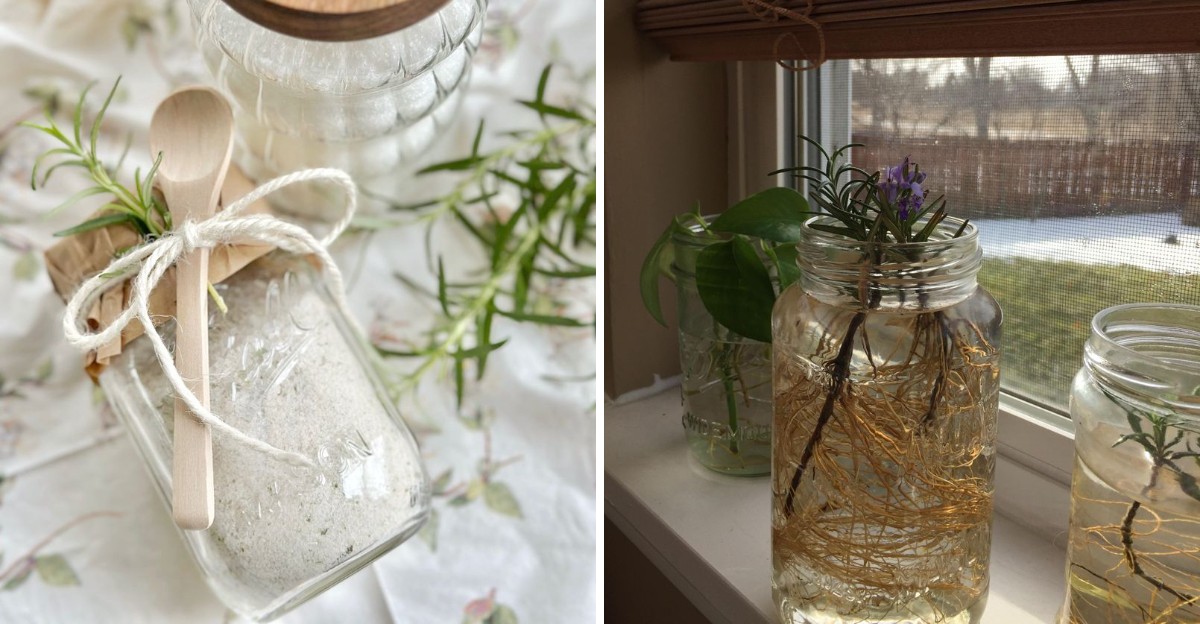
Rosemary salt is a top pick. Blend a handful of fresh needles with coarse sea salt, spread it on a tray to dry for a day or two, then spoon it into small jars.
Friends can sprinkle it on popcorn, eggs, or roasted veggies.
Dried bundles work well too. Tie small bunches with twine and hang them upside down in a warm, dry spot away from sunlight.
Once crisp, they look lovely tucked into a gift basket or wreath.
A word on safety matters here. Homemade herb-infused oils with fresh rosemary can carry a risk of botulism if stored at room temperature.
Food safety experts at extension services recommend refrigerating fresh infused oil and using it within about four days, so dried herbs are the safer gift option.
Remember your plant’s limits. Winter growth is slow, so plan gifts around small, steady harvests.
A few sprigs a week over November can add up to plenty of cheerful jars by the end of December.
7. A Quick Brush Of Rosemary Leaves Freshens A Stuffy Room
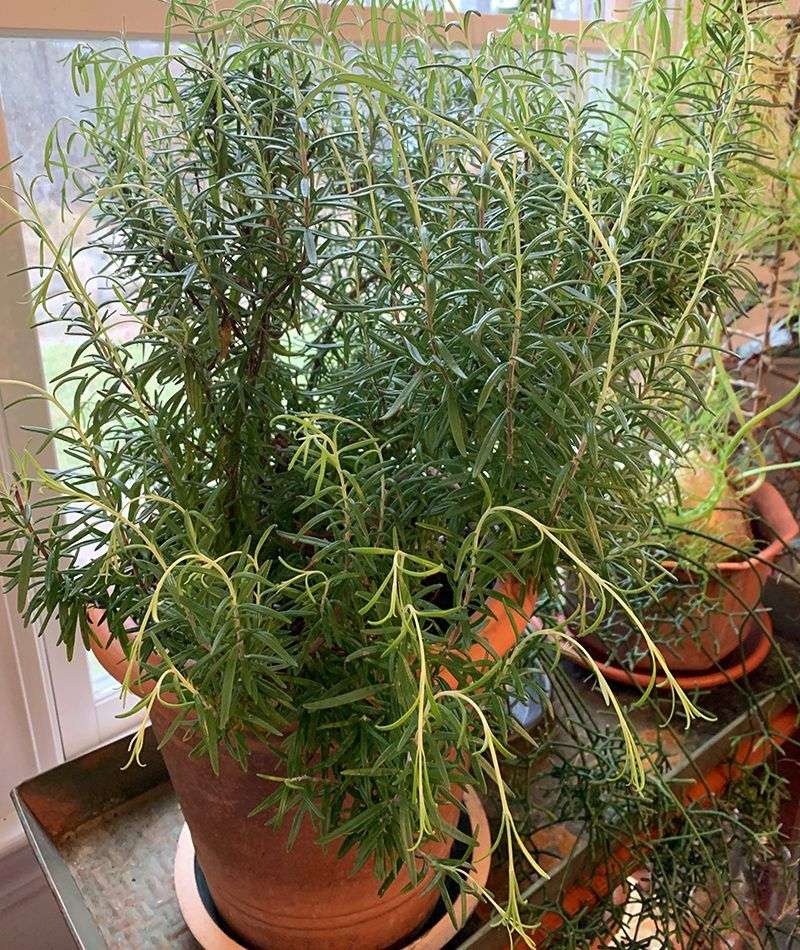
Winter houses get stuffy fast. Windows stay shut for months, and the air can start to feel flat and stale.
That is where rosemary earns a spot near the front door or reading chair. Just brushing the needles with your hand releases a clean, piney scent.
Many people simply enjoy that small, sensory lift during short, dark days.
Some gardeners also simmer a sprig with citrus peels in a small pot of water on the stove. The steam carries a fresh scent through the kitchen.
Keep an eye on the pot and top up the water so it does not boil dry.
You may read online that rosemary repels household pests. The scent may discourage some insects, but solid research on indoor pest control is limited.
I would enjoy it for its fragrance and not count on it as a bug barrier.
Pet owners can relax a bit. The ASPCA lists rosemary as nontoxic to dogs and cats.
Still, curious pets nibbling leaves can upset tummies, so placing the pot out of reach keeps both your plant and your furry friends in better shape.
8. Watch For Spider Mites And Powdery Mildew On Indoor Rosemary
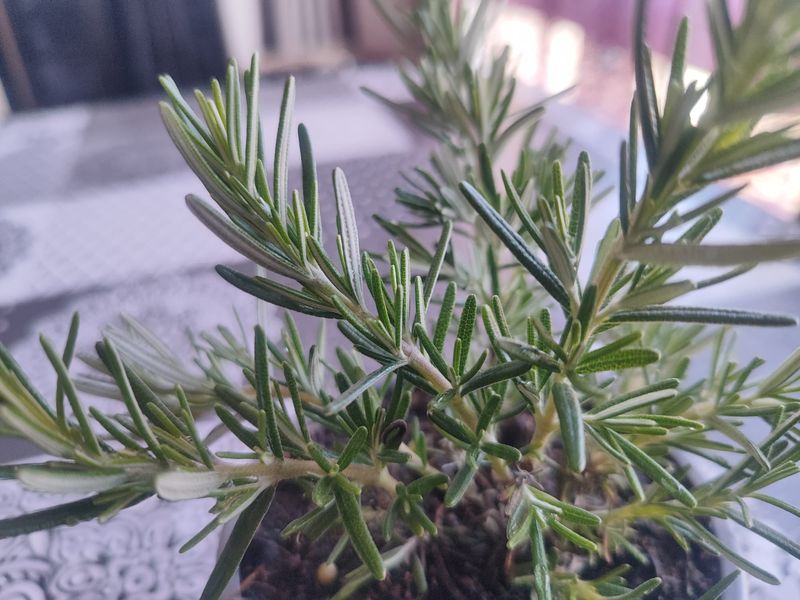
Dry furnace air and still rooms create a cozy hangout for a few unwelcome guests. Spotting them early keeps your kitchen herb in good shape.
Spider mites are tiny and hard to see. Look for faint speckling on needles and fine webbing near stem tips.
Aphids and whiteflies can also hitch a ride indoors if the plant was not inspected in fall.
Powdery mildew shows up as a white, dusty coating on the foliage. It thrives when air sits still around the plant.
A small fan on low and a little space between pots improve circulation.
For mild pest problems, rinse the plant gently in the sink or shower every week or two. Insecticidal soap labeled for edible herbs is another option.
Follow the label carefully and rinse sprigs well before cooking.
Spring brings the final step. Once Ohio nights stay above about 45 degrees, usually in May, harden the plant off by setting it outside a few hours a day for a week or so.
That slow return rewards you with fresh growth and a fragrant summer harvest ahead.