A Peanut Butter and Cornmeal Suet-Style Mix for Arizona Backyard Birds, and What It Can’t Do
A recipe cannot pick which birds show up, and that surprises a lot of people. Still, a homemade peanut butter and cornmeal mix is easy to make, and some backyard birds may enjoy it.
The real control comes from how your feeder is built, plus Arizona’s weather. Here is what works, what is only a hope, and how to keep it safe.
Make the Peanut Butter and Cornmeal Mixture
Grab a bowl, a spoon, and a jar of peanut butter. Audubon’s recipe calls for one part peanut butter to five parts cornmeal, stirred until it forms a thick, crumbly dough.
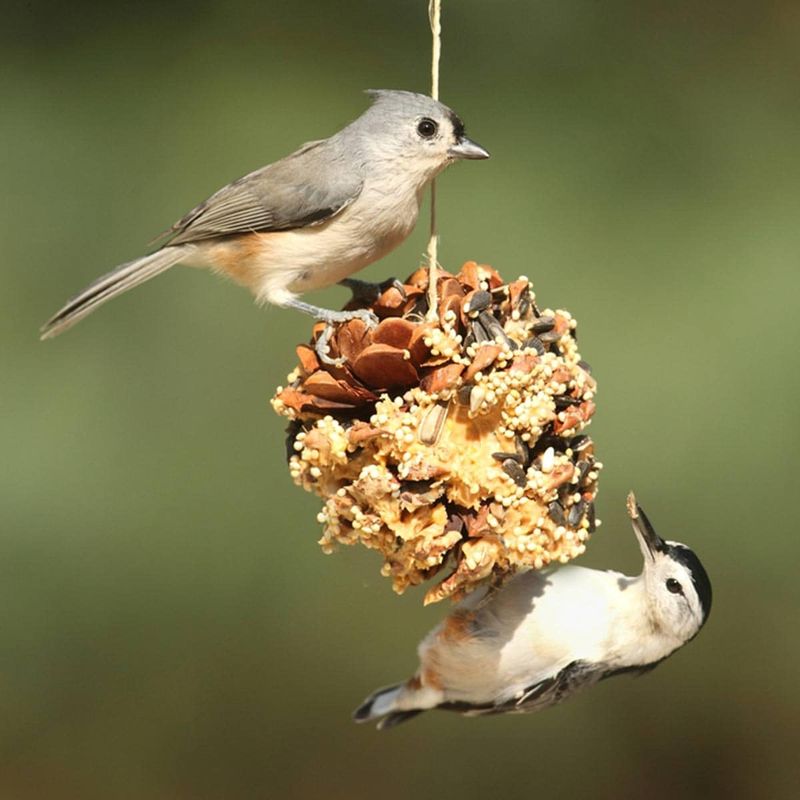
Next, pack the dough into the holes of a hanging log or into the crevices of a large pinecone. Press it in firmly so it stays put, then hang the log or cone from a branch or hook with sturdy twine or wire.
Think of it as a suet-style offering, since it gives birds a fatty, protein-rich food without any rendered animal fat.
You might wonder what the cornmeal is for. It may cut down on stickiness, which makes the mix easier to handle, but Audubon says peanut butter itself is not harmful to birds.
So cornmeal is a texture helper, not a safety step.
Here is the honest part: stirring this mix does not decide who eats it. Any bird that can reach a log or cone and likes the food may stop by.
Mixing takes just a few minutes, but plan on a bit longer than the headline once promised, because drilling, packing, and hanging all take time.
The Recipe Does Not Choose Its Visitors
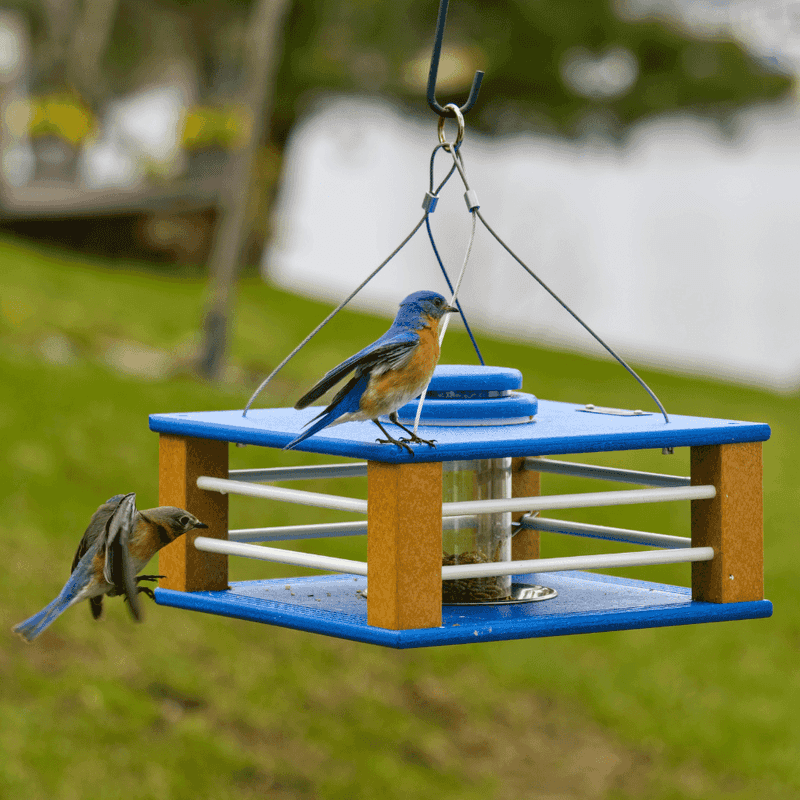
Let’s correct the headline plainly: no kitchen recipe can shut out grackles or doves. The mix is just food, and nothing in it checks bird IDs at the door.
What shapes your visitors is the feeder itself and where you hang it.
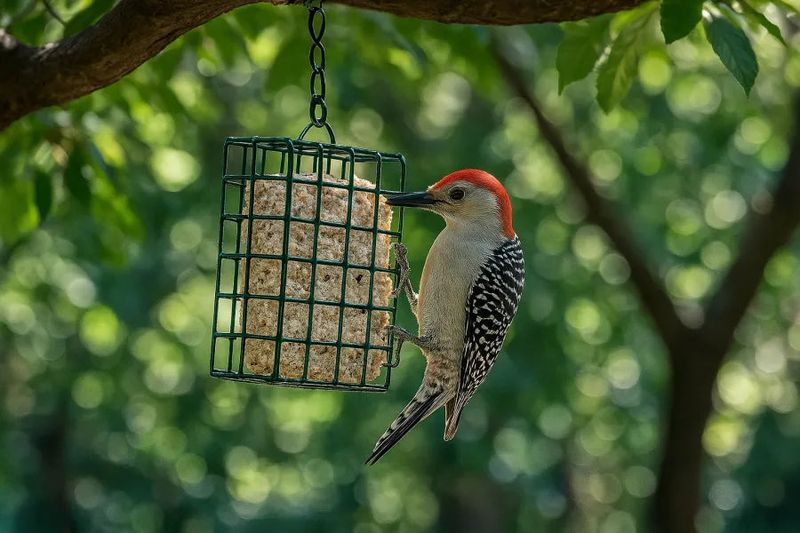
Birds also do not all eat the same way. Arizona Extension notes that doves, sparrows, and juncos commonly use ground feeders, while finches use seed feeders, and suet tends to draw birds such as chickadees, titmice, nuthatches, and woodpeckers.
So calling them all small songbirds promises far too much.
Design is the better lever. Nebraska Extension describes feeder styles that can deter certain larger birds, which is a very different claim from guaranteed exclusion.
Even then, some larger birds can use suet, and a smear of fat on bark has no proven filtering effect.
A practical clue: watch who actually shows up for a week. If a bird you did not plan for is feeding, change the feeder style rather than the recipe.
Your own backyard is the best test.
Choose a Feeder That Can Deter Larger Birds
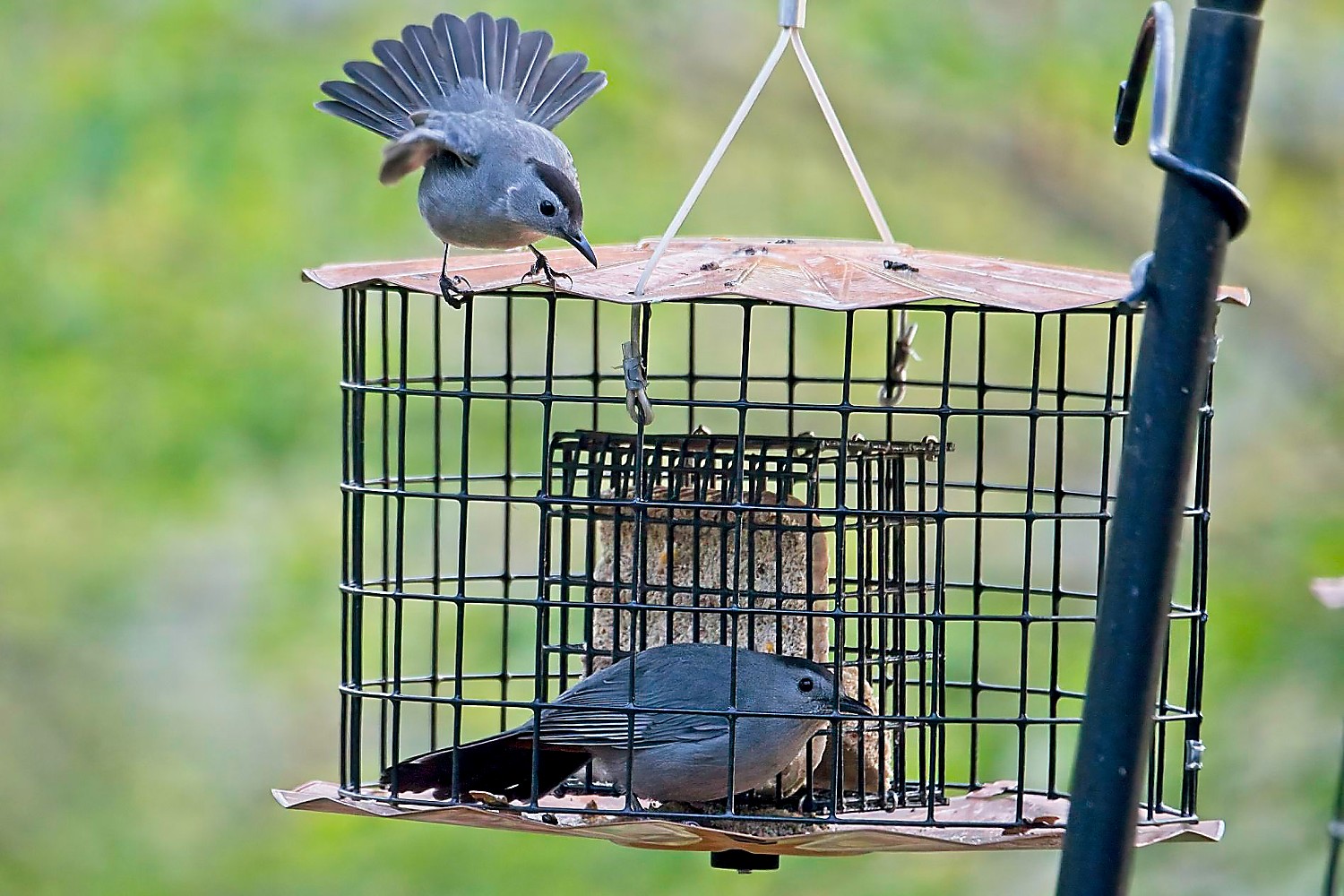
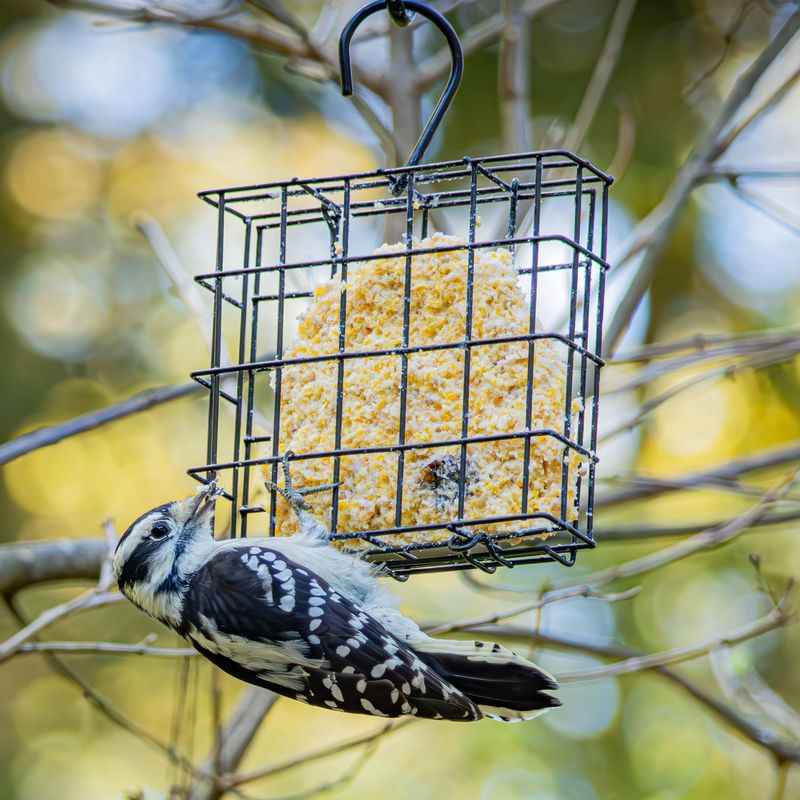
Hang a suet cake upside down and watch the acrobats. Nebraska Extension says upside-down suet feeders let clinging birds feed while excluding grackles and some other birds.
Notice the wording: some, not all.
Cages are another option. A wire cage around a feeder leaves gaps that smaller birds can slip through, which may limit access by bigger ones.
Tube feeders with small perches work on a similar idea, since large birds have a harder time finding a place to stand.
For tiny finches, check the opening size. Arizona Extension points to nyjer feeders with tiny openings as a way to suit small-beaked finches.
That does not mean every finch, sparrow, or dove will behave the same way.
Treat each design as a nudge, not a gate. If a hung log still draws crowds, try flipping it, caging it, or moving it.
Small tweaks teach you more than any promise on a label.
Support Verdins With Habitat, Not a Feeder Promise

Verdins are tiny, gray, and easy to miss, with a splash of yellow on the face. They are also a big reason the headline caught attention.
Sadly, it overpromised.
According to Cornell’s life history account, verdins eat mainly insects and spiders, with some nectar, fruit, and plant matter. Nothing there shows they will visit a homemade peanut butter mix.
If one does, enjoy it as a bonus.
A more local approach is to plant for them. Native shrubs and trees in your yard offer the insects, cover, and natural food that a feeder cannot replace.
Check the plant lists in Arizona Extension’s backyard bird guide for ideas that suit your area.
Habitat will not predict who lands on your feeder, either. It simply gives wild birds a reason to be around.
Think of it as setting the stage, then letting the cast surprise you.
Let Arizona’s Weather Guide Suet Use
A calendar page cannot tell you whether fat is safe to hang. Temperature can.
Arizona has warm spells in the middle of winter, so let the thermometer make the call.
Arizona Extension advises offering rendered-fat suet only in cooler autumn, winter, and spring weather. In warmer weather it can turn rancid, which is no treat for any bird.
Keep portions small so nothing sits around for long. Check the feeder often, and look for a sour smell, a greasy sheen, or soft, melting texture.
If you spot any of those, take it down and toss it where wildlife cannot reach.
Remember, the peanut butter mix is a separate thing from rendered suet, but the same common sense applies in heat. When afternoons warm up, pull anything fatty from the feeder and wait for the next cool stretch.
Clean Feeders and Contain Spilled Seed
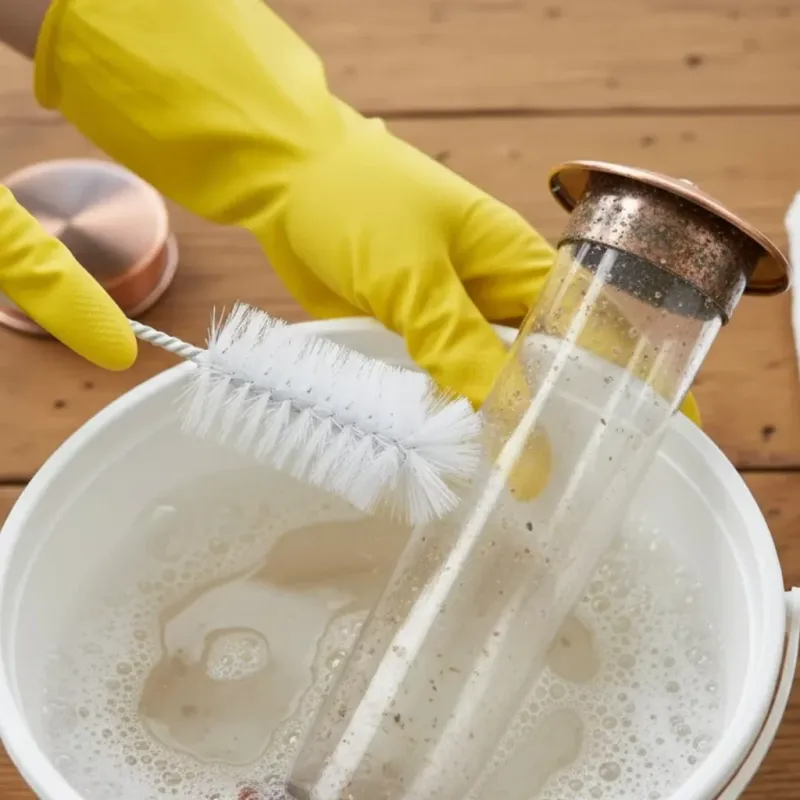
A tidy feeder is a safer feeder, and the routine is simple. Project FeederWatch recommends cleaning seed or suet feeders about weekly or every two weeks.
Do it more often with heavy use or wet weather.
Let each feeder dry fully before you refill it. Then clear waste and spoiled food from the ground below, since that mess can cause trouble too.
Birds are not the only ones who notice a snack. Arizona Game and Fish says feeders are permitted under its guidance if placed in an enclosed yard or fitted with a platform that catches spilled seed.
Seed should be available only to birds and tree squirrels.
Check your city and county rules as well, because local restrictions can vary and state guidance does not replace them. Feeding birds is never consequence-free for other wildlife, so a little care goes a long way.
A clean feeder and a swept patio make the best backyard manners.