Digging Or Tilling Wet Georgia Clay This Winter Can Leave Hard Clods For Years
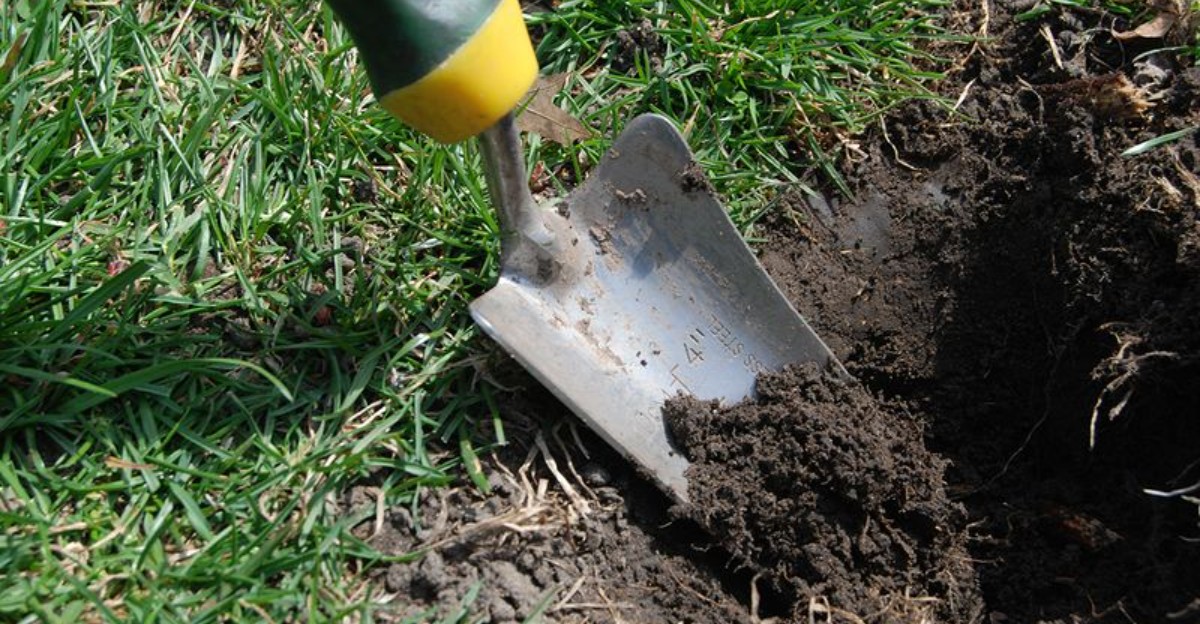
Just one afternoon of digging in soggy red clay can leave you with lumps that act like homemade bricks. Soil scientists call it puddling, and it happens faster than most of us expect.
I learned this the hard way one January. The ground looked fine, the sun was out, and my shovel slid in like butter.
By May, I was whacking rock-hard chunks with a hoe and wondering what went wrong.
Georgia winters are sneaky that way. A mild, bright day tempts you outside, yet the soil a few inches down can still be holding water like a sponge.
Those tiny clay bits are great at storing nutrients, but they also smear and pack together when wet.
Knowing when your beds are dry enough to work can save you months of frustration. And there are ways to improve that stubborn ground while you wait for the right conditions in spring.
1. That Sticky Red Clay On Your Shovel Is Sending A Warning
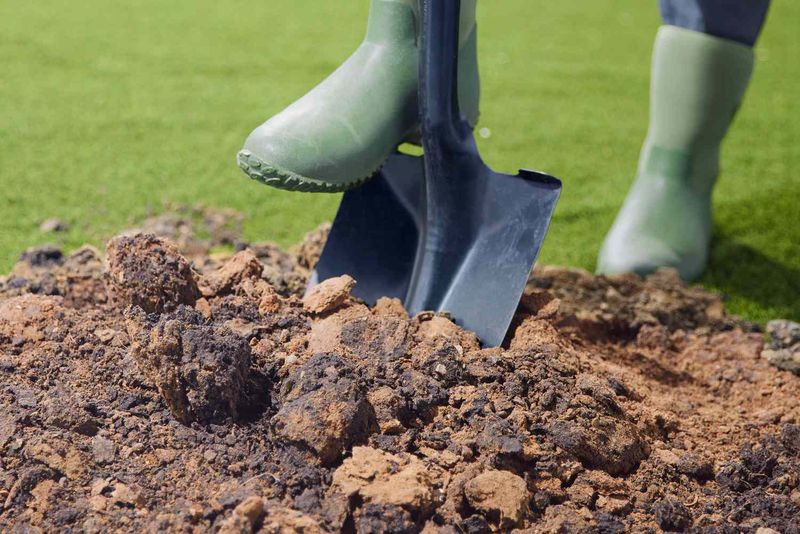
Ever pulled a shovel out of the ground and found it wearing a thick red coat? That gummy layer is your soil asking for a break.
Clay particles are incredibly small and shaped like flat plates. When they fill up with water, they slide around and lie flat against each other, a bit like a deck of wet playing cards.
Pressing on them from a spade, tiller, or even your boots squeezes out the air pockets between them.
Once those pockets collapse, they rarely bounce back on their own. As the soil dries, the flattened clay bakes into hard clods with very little space inside.
Roots struggle to push through, and water tends to run off instead of soaking in.
Here in the Piedmont and much of north Georgia, winter is often the wettest stretch of the year. Rain falls often, evaporation is slow, and cool temperatures keep the ground damp for days after a storm.
That makes January and February a risky time to start digging.
So when your tools come up sticky and shiny, treat it as a stop sign. A few patient days now can save you seasons of fighting stubborn lumps later.
2. A Quick Handful Of Soil Tells You When Digging Is Safe
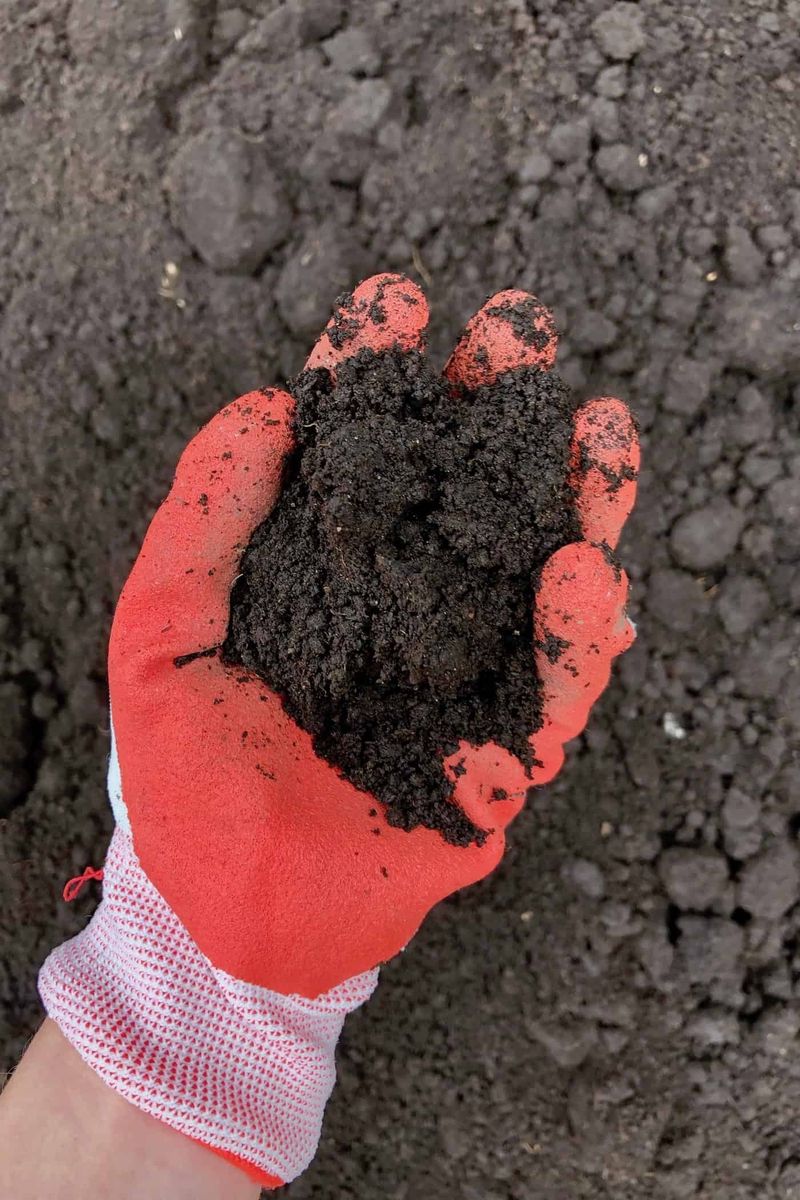
You do not need a fancy meter to check your beds. Your own hand works just fine, and the test takes less than a minute.
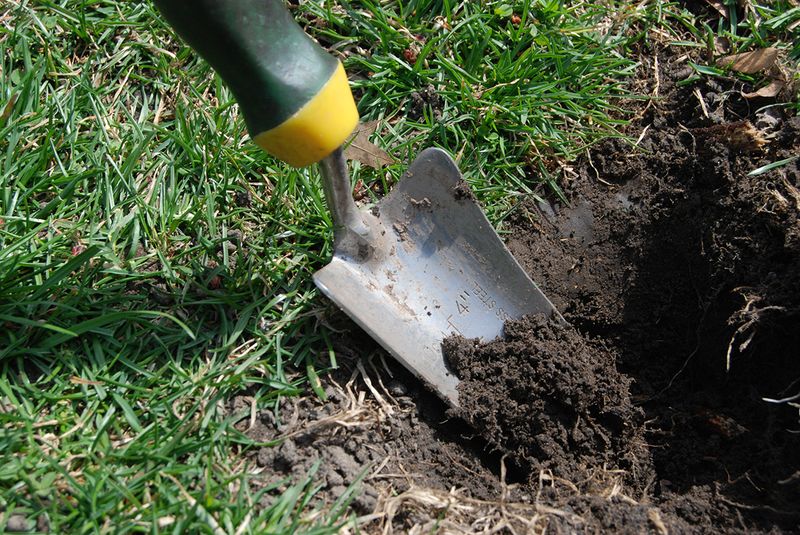
Dig down about four to six inches with a trowel and grab a small handful of soil. Squeeze it firmly into a ball, then open your hand.
Now poke the ball gently with a finger.
If it crumbles apart, the soil is ready to work. If it holds together like modeling clay, smears, or can be pushed into a long ribbon between your thumb and finger, it is still too wet.
University of Georgia Extension and many other experts recommend this same simple check.
Try it in a few spots, too. Low corners and shady areas often stay soggy longer than raised or sunny parts of the garden.
In my yard, waiting usually means a few dry, breezy days after a rain, sometimes longer in deep winter. It can feel slow, but the payoff is real.
Soil worked at the right moisture breaks into crumbly pieces instead of slabs. Make the squeeze test a habit before every digging session, and you will rarely create those stubborn clods again.
3. Rototillers Can Leave A Hidden Hardpan Under Clay Beds
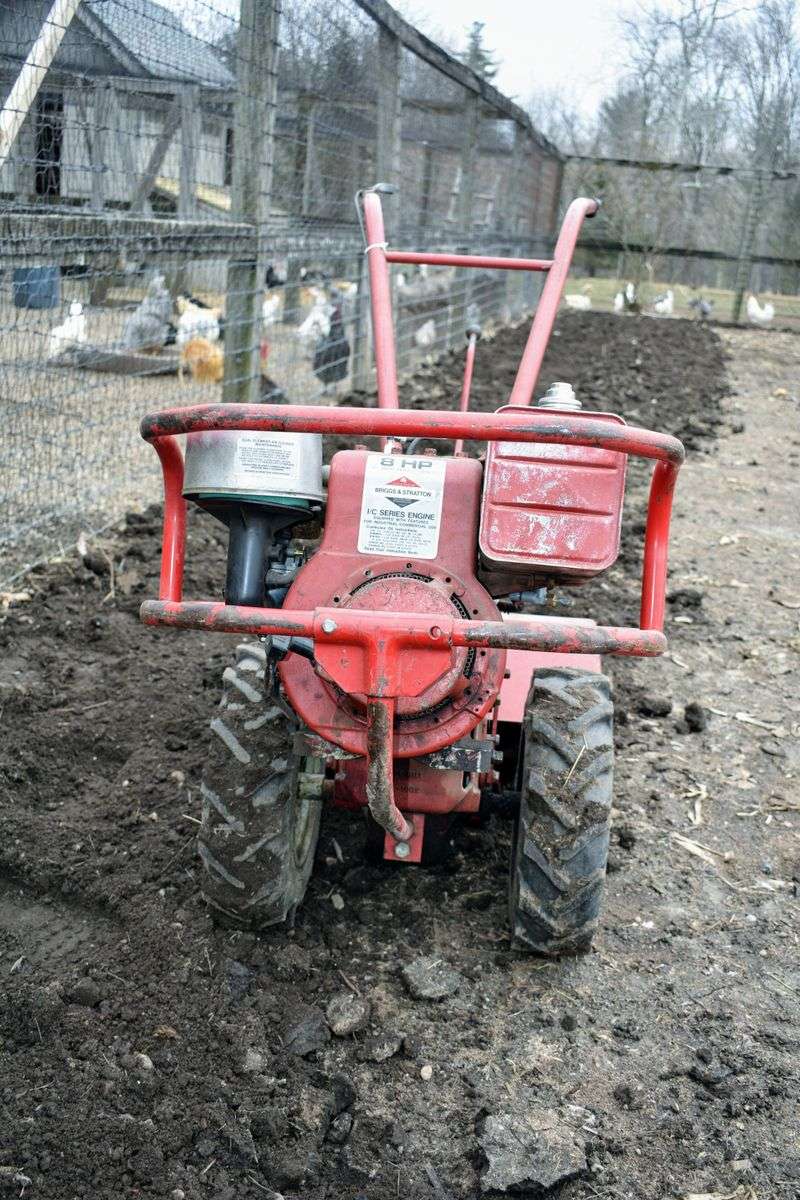
Tillers feel satisfying. The engine roars, the tines churn, and suddenly the bed looks fluffy and fresh.
Underneath, though, a different story can unfold. The spinning tines press down on soil just below their reach, and in wet clay this pressure forms a dense, smooth layer often called a hardpan or plow pan.
Roots and water hit that layer and spread sideways instead of going deeper.
Frequent tilling also breaks apart the natural crumbs that worms, fungi, and roots spend years building. In warm southern climates, it speeds up the breakdown of organic matter as well, leaving clay with less of the material that keeps it loose.
That does not mean you can never use a tiller. It can help when starting a brand new bed or blending in a big load of compost.
The key is to till only when the soil passes the squeeze test and to keep it occasional, not yearly.
If you suspect a hardpan already exists, push a long metal rod or screwdriver into the ground. A sudden spot of resistance a few inches down often means compaction.
A garden fork can gently crack it when the soil is dry enough.
4. Compost And Shredded Leaves Turn Clay Clods Into Crumbs
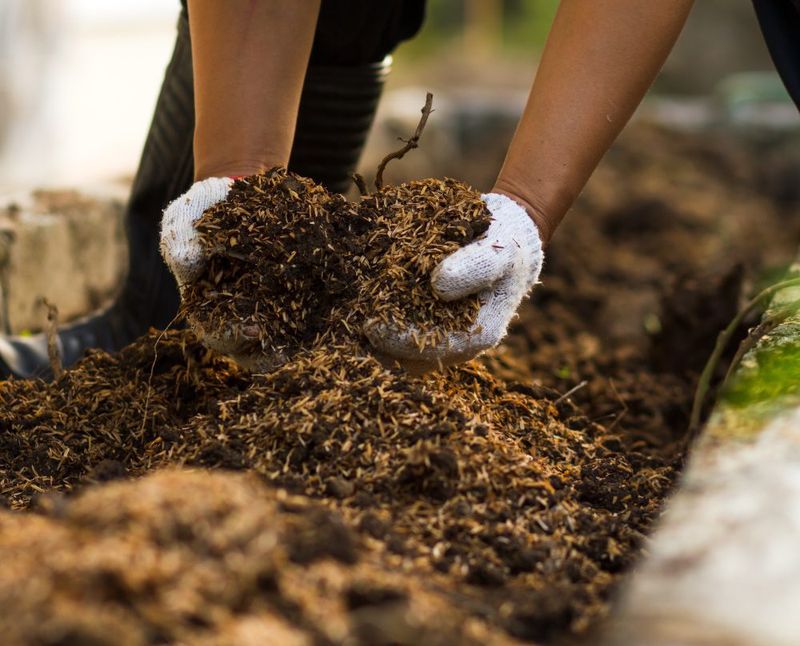
My favorite trick for clay costs almost nothing. It is a pile of fall leaves and a little patience.
Organic matter like finished compost, leaf mold, shredded leaves, and aged manure acts like glue for good soil structure. As microbes break it down, they release sticky substances that bind tiny clay bits into larger crumbs.
Those crumbs leave room for air, water, and roots.
Spreading two to three inches of compost on top of your beds each year makes a noticeable difference over time. In warm, humid Georgia, organic matter breaks down quickly, so steady yearly additions matter more than one huge dump.
One caution stands out. Avoid mixing sand into clay to loosen it.
Unless you add a very large amount, sand and clay can combine into something closer to concrete, which is the opposite of what you want.
Winter is a great time to topdress beds without digging at all. Rain, worms, and soil life slowly pull the compost downward for you.
By spring, the top few inches often feel darker and softer. Personally, I love scraping back the leaf layer in March and finding earthworms busy underneath, doing the hard work for free.
5. Cereal Rye And Crimson Clover Loosen Ground While You Rest
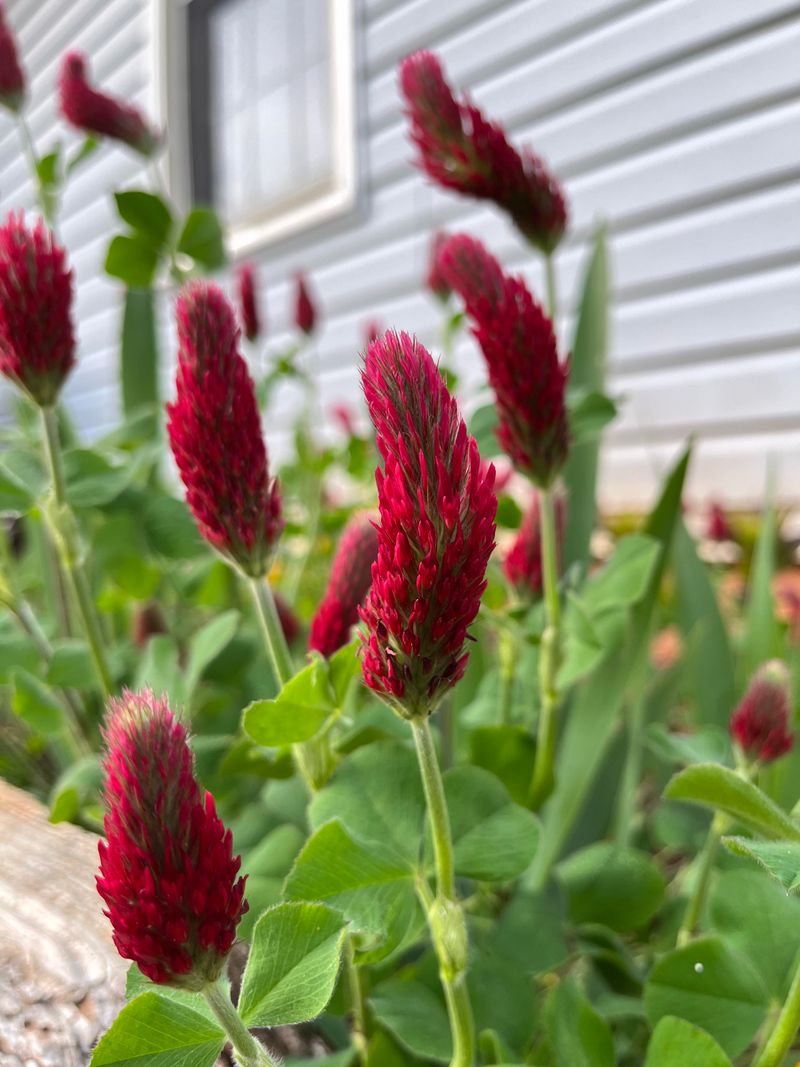
Some of the best soil workers grow right out of the ground. Winter cover crops keep roots alive in your beds during the cool months, and those roots quietly open up clay.
Cereal rye has a dense, fibrous root system that weaves through the soil and holds it in place during heavy winter rains. Crimson clover, a southern favorite with bright red blooms, adds nitrogen to the soil through bacteria living on its roots.
Many gardeners mix the two for both benefits.
In most of Georgia, these crops are usually sown in fall, roughly September through November. If you missed that window this year, jot a note on next fall’s calendar.
Bare clay sitting through winter rains tends to crust and erode.
When spring arrives, cut the crop down a few weeks before planting. You can leave it on the surface as mulch or lightly work it in once the soil is dry enough.
Leaving the roots in place gives you tiny channels for water and new roots to follow.
Crimson clover flowers also feed early bees, which is a lovely bonus. A bed full of red blooms in April beats a patch of muddy clay any day.
6. Boards And Stepping Stones Keep Muddy Footprints Off Garden Beds
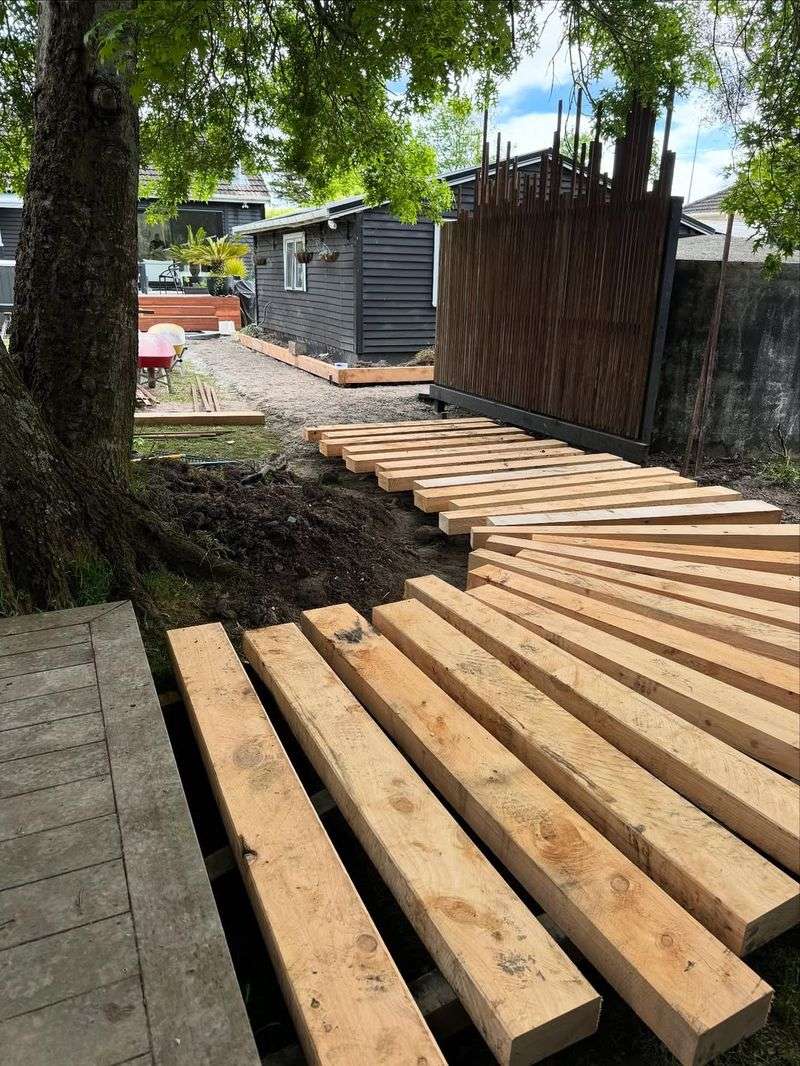
Boots can do as much harm as shovels. Every step on soggy clay presses it down, and a few trips to the compost pile can leave a packed trail through your favorite bed.
A simple fix is to stay off growing areas when they are wet. Lay down wide boards, pavers, or stepping stones where you need to walk.
A board spreads your weight across a bigger area, so the soil underneath feels much less pressure.
Permanent paths help even more. Mulch walkways with wood chips or pine straw, which Georgia has in abundance, and keep planting zones narrow enough to reach from the edges.
Beds around three to four feet wide work well for most adults.
Raised beds are another smart option for heavy clay. They drain faster after rain, warm up sooner in spring, and give you a clear boundary that reminds everyone where not to stomp.
Also think about wheelbarrows, mowers, and kids racing through the garden. Rolling wheels on wet ground can leave ruts that harden into ridges for months.
If a section looks shiny or squishy, simply route traffic around it until the sun has done some drying work.
7. A Winter Soil Test Sets Up Your Spring Garden For Success
Rainy weeks are not wasted time. They are perfect for planning, testing, and watching how your yard behaves.
Start with a soil test through your local University of Georgia Extension office. For a small fee, you get pH and nutrient results plus lime and fertilizer advice.
Many Georgia soils lean acidic, and lime works slowly, so testing in winter gives it time to start working before spring planting.
Next, walk your yard after a heavy rain. Note where puddles linger or water runs across the surface.
Those soggy spots may need raised beds, rain gardens, or plants that tolerate wet feet.
Keep your expectations realistic, too. Turning dense clay into dark, crumbly loam usually takes several years of compost, cover crops, and careful timing.
Each season builds on the last, and the change sneaks up on you.
When the ground finally passes the squeeze test, keep digging light. Loosen only what you need, add compost, and avoid flipping the soil over and over.
I like to think of clay as a slow friend. Treat it gently, feed it often, and it rewards you with rich, moisture-holding ground that carries plants through hot Georgia summers.