Why Indiana Drivers Are Finding Mouse Nests Under The Hood This Time Of Year
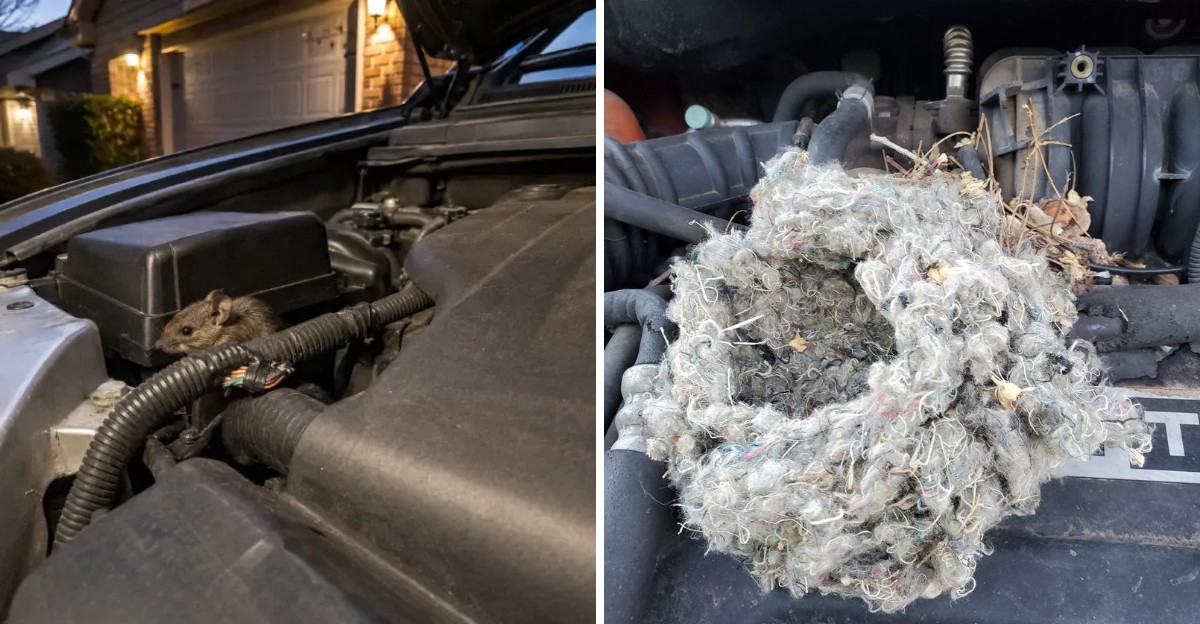
A mouse can slip through a gap about the width of a pencil. I learned that fact the hard way, standing in my driveway with the hood up and a fistful of shredded insulation in my hand.
Every fall in Indiana, cooler nights push small critters to hunt for shelter. Some of them pick sheds or woodpiles. Others pick the cozy, hidden spaces tucked around your engine.
Not going to lie, my first reaction was a yelp loud enough to startle the neighbors. Then came the questions. How long had my car been housing guests, and what were they chewing on while I slept?
Truth is, the answer has less to do with bad luck and more to do with timing, warmth, and a few habits most of us share. So what makes a parked car so tempting to a tiny visitor?
Cooler Fall Nights Send Field Mice Hunting For A Snug Spot
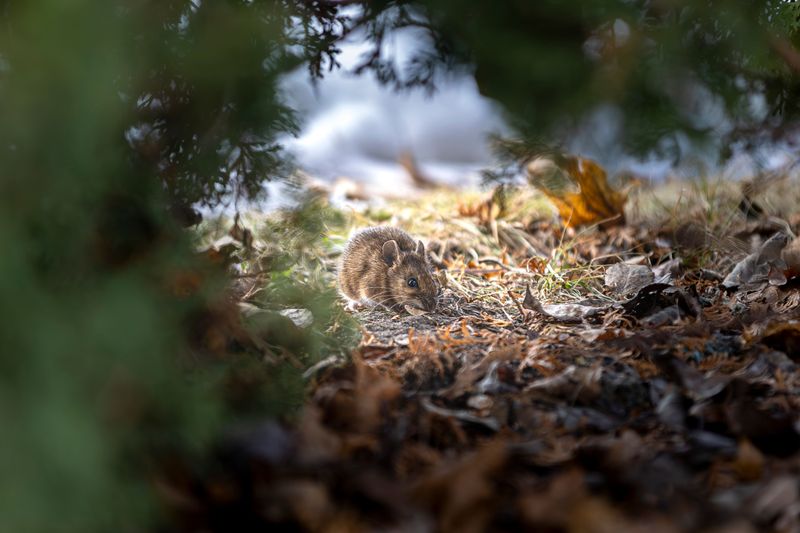
Frosty mornings tell local mice that the easy season is ending. Deer mice and house mice both start looking for protected places to spend the colder months, and they get busy fast.
Purdue University Extension notes that house mice move toward buildings as temperatures drop in autumn. A parked car sitting in a driveway or garage fits right into that search pattern. It offers walls, a roof, and plenty of hiding spots.
Here’s what surprised me most. Mice are not traveling far to find your car. Their home range is often just 10 to 30 feet, so the nest under your hood likely belongs to a mouse that already lived nearby.
That nearby population usually swells in late summer after a productive breeding season. Harvested fields across the state also leave many mice without the tall cover they enjoyed all summer. When corn and soybeans come down, those critters scatter toward fence lines, barns, and homes.
So the timing is not random at all. Shorter days, cooler air, and fresh shelter needs all line up at once. Your vehicle simply happens to be the closest dry, dark box available when the weather turns.
Leftover Engine Warmth Turns Your Car Into A Rodent Hotel
Engines hold heat for a surprisingly long time after you park. To a mouse shivering outside on a chilly evening, that lingering warmth feels like a welcome mat.
The engine bay also checks every other box on a rodent wish list. It’s dark, sheltered from wind and rain, and packed with tight corners where owls, cats, and foxes can’t reach. Nooks around the battery tray, air filter box, and top of the engine are favorite spots.
I get it if you assume engine noise would scare them away. Mice are bold little creatures, though, and they quickly learn that the rumble stops once you head inside for the night.
Cars that sit for several days are especially attractive. With no vibration or fresh breezes, the space becomes quiet and predictable. A mouse can haul in nesting material one mouthful at a time without interruption.
Garaged cars aren’t safe either. Attached garages stay warmer than the outdoors and often hold tempting extras like birdseed or pet food. That combination of heat, food, and shelter is about as good as it gets for a small rodent preparing for winter.
Shredded Insulation And Acorn Stashes Give The Nest Away
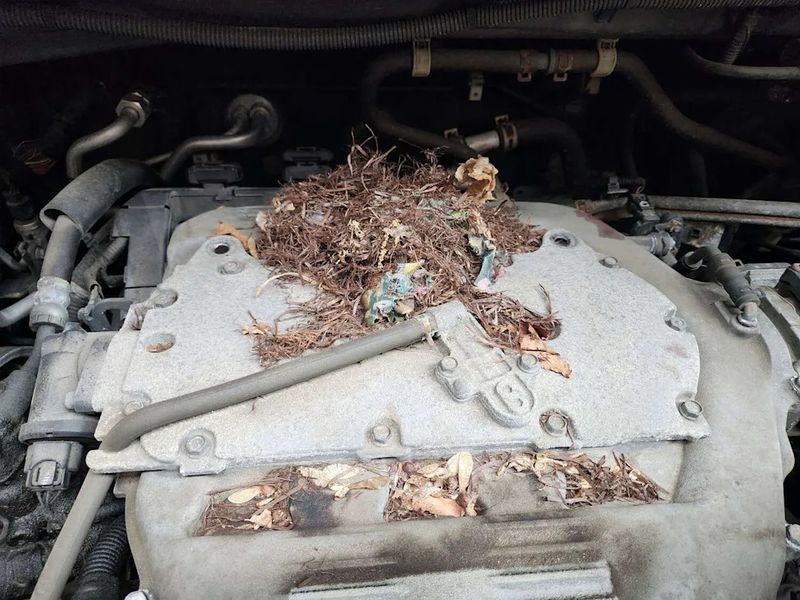
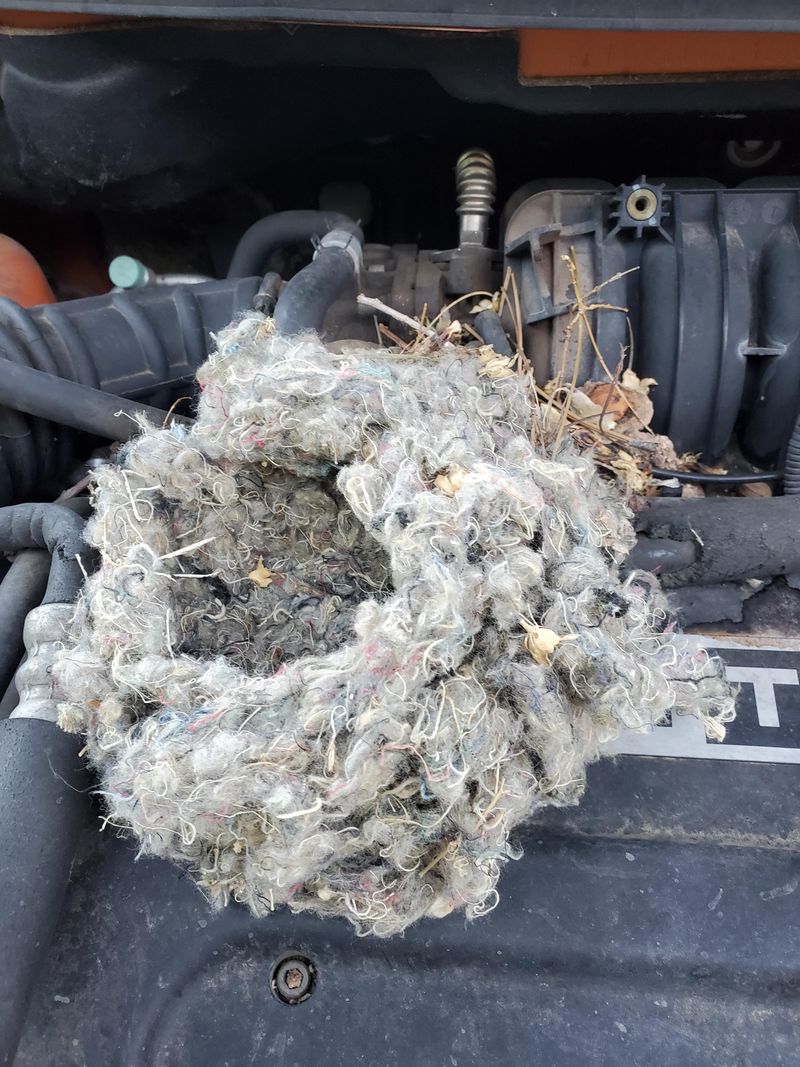
My first clue was a pile of fluffy, chewed material sitting right on the engine cover. It looked like someone had emptied a pillow under my hood.
Mice build nests from whatever they can tear apart. Hood insulation pads, foam, paper, grass, and dried leaves all get shredded into a soft ball. You may also find stashes of acorns, seeds, or dog food tucked into corners, since mice like to keep snacks close.
Small, dark droppings about the size of a rice grain are another strong sign. Look on the engine cover, near the battery, and along the edges of the firewall.
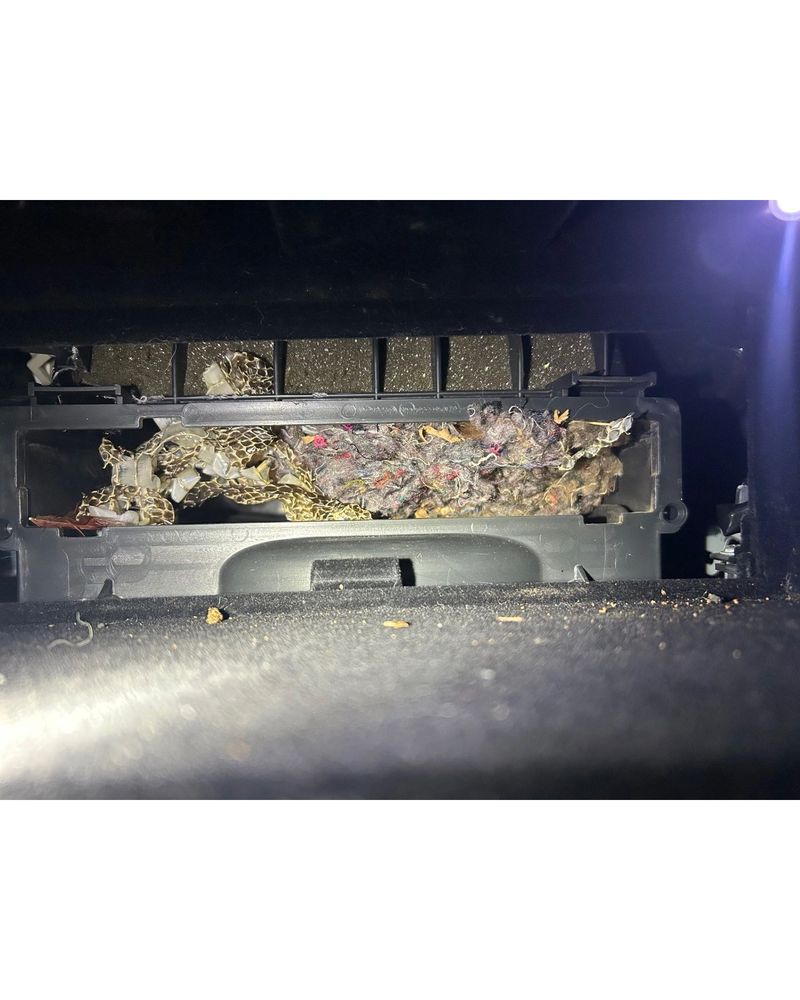
Don’t skip the cabin air filter, either. That housing often sits just below the windshield, and mice love to pack it with debris. A musty or urine-like smell when you turn on the heater can point straight to a nest in that spot.
Faint scratching sounds in a quiet garage are worth noticing too. Pop the hood with a flashlight and take a slow look around. Catching a nest early saves a lot of cleanup and worry later.
Gnawed Wires And Hoses Can Leave You Stranded
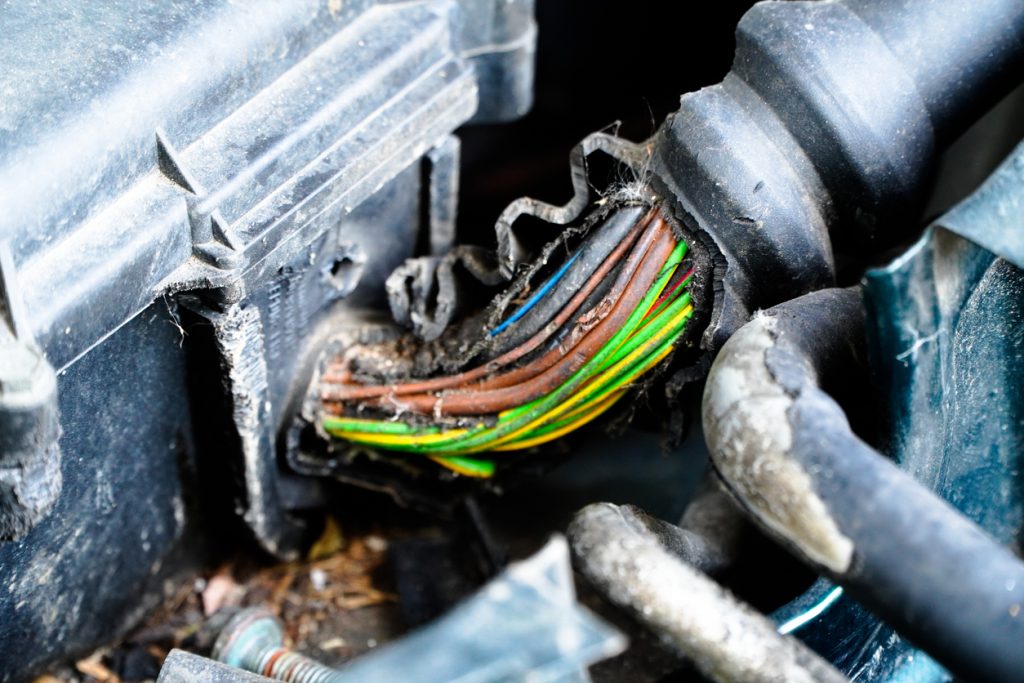
A mouse’s front teeth grow throughout its life. Constant gnawing keeps them in check, and unfortunately your car offers plenty to chew.
Wiring harnesses, vacuum lines, and rubber hoses are common targets. Damaged wires can trigger dashboard warning lights, cause starting trouble, or affect safety systems. A chewed hose may leak fluids or create performance problems you can’t easily explain.
You may have heard that soy-based wire coatings attract rodents. Some automakers did switch to plant-based materials, but research hasn’t firmly shown those coatings cause more chewing. Many mechanics believe gnawing happens regardless of what the insulation is made of, so every vehicle can be at risk.
Repairs can get pricey. Tracing a single chewed wire through a harness takes time, and some insurance policies cover rodent damage only under comprehensive coverage. Checking your policy before trouble starts is a smart move.
If your car acts strange after sitting for a while, consider critters as a possible cause. Strange electrical glitches, a check engine light, or a burning smell deserve a mechanic’s attention right away. Fair warning, nesting debris near hot parts can also become a fire hazard, so don’t ignore it.
Birdseed And Pet Food In The Garage Act Like A Dinner Bell

Guilty as charged, I used to keep a big open bag of sunflower seeds right beside my car. Turns out I was running a free buffet for every mouse on the block.
Food draws rodents in, and shelter convinces them to stay. Birdseed, grass seed, pet kibble, and even garbage bags give mice a reason to hang around your parking spot. Once they’re fed, a warm engine nearby looks like the perfect bedroom.
Store anything edible in thick plastic or metal containers with tight lids. Paper bags and thin plastic won’t stop determined teeth. Sweep up spilled seed and crumbs regularly, especially under bird feeders near the driveway.
Outdoor clutter matters as well. Woodpiles, leaf heaps, tall grass, and dense shrubs next to where you park provide easy cover for mice moving toward your vehicle. Trimming vegetation and keeping a clear strip around the parking area makes the trip feel riskier for them.
Fall leaf cleanup pulls double duty here. Raking piles away from the driveway helps your lawn and removes ready-made nesting material. A little tidying now can mean a lot fewer surprises under the hood come December.
Popping The Hood Overnight Makes Mice Feel Exposed
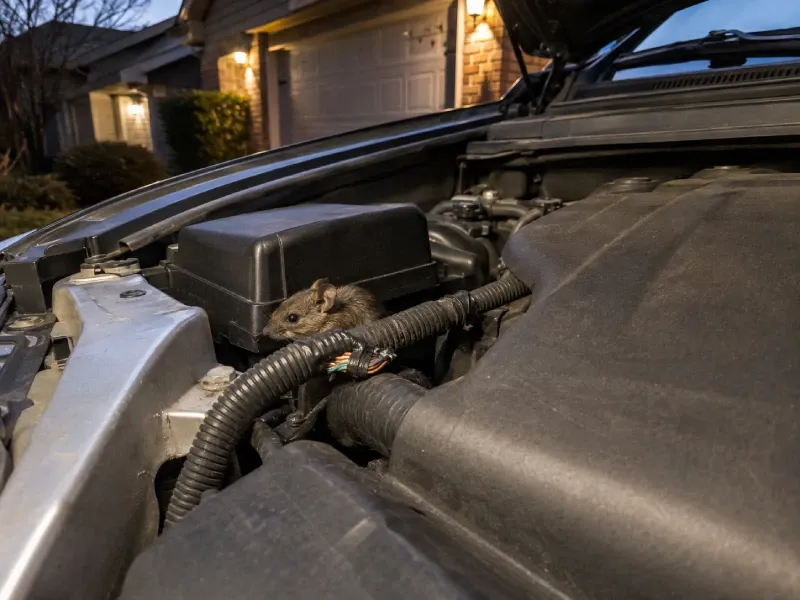
Mice crave darkness and tight cover. Take those away, and your engine suddenly feels a lot less cozy.
Leaving the hood up overnight is a simple trick many mechanics and pest pros suggest. Light and open air reduce the sheltered feeling rodents seek. Some folks hang a small work light in the garage too, though results vary from car to car.
I’ll say this much, it works best as part of a routine. Pop the hood every week or two during fall and winter to look for droppings, debris, or chewed spots. Clear away leaves and pine needles that collect near the windshield and cowl area.
A quick check takes less than five minutes. Bring a flashlight and peek around the battery, air box, and corners near the firewall. Wear gloves if you find nesting material.
Got kids or curious pets around? Lower the hood before you head out in the morning so nobody bumps into it. Also, be sure the hood is fully latched before driving. A loose hood flying up on the highway is one surprise nobody needs.
Cars That Sit Still All Winter Need Extra Attention
Stored vehicles are mouse magnets. That project truck, summer convertible, or spare car out by the barn makes a perfect winter home for a family of rodents.
Driving a car regularly creates heat swings, vibration, and moving air that disturb nesting attempts. Purely idling in place doesn’t do the same job, so a short drive every few days helps more. Rural garages and barns near farm fields face the heaviest pressure in the state, though town drivers see problems too.
For cars stored long term, a few extra steps help. Clean the interior thoroughly so no wrappers or crumbs remain. Place snap traps around the tires and along the walls, checking them often.
Many people stuff steel wool into the tailpipe and air intake during storage. If you try that, attach a bright reminder tag to the steering wheel. Starting a car with a blocked exhaust is a costly mistake.
Skip poison baits near vehicles. A poisoned mouse may crawl into a vent before it expires, leaving an awful smell, and baits can harm owls, hawks, and pets that eat affected rodents.
Sealing Garage Gaps And Cleaning Up Safely Keeps Them From Returning
Trust me on this one, removing a nest is only half the job. Mice leave scent trails that guide new visitors right back to the same spot.
Clean carefully, because deer mice can carry hantavirus. The CDC recommends airing out the space, wearing rubber gloves, and soaking droppings and nesting material with a bleach solution or disinfectant for about five minutes before wiping them up. Avoid sweeping or vacuuming dry droppings, which can stir particles into the air.
Replace the cabin air filter if mice nested there. A mechanic can also inspect wiring if you spot chew marks.
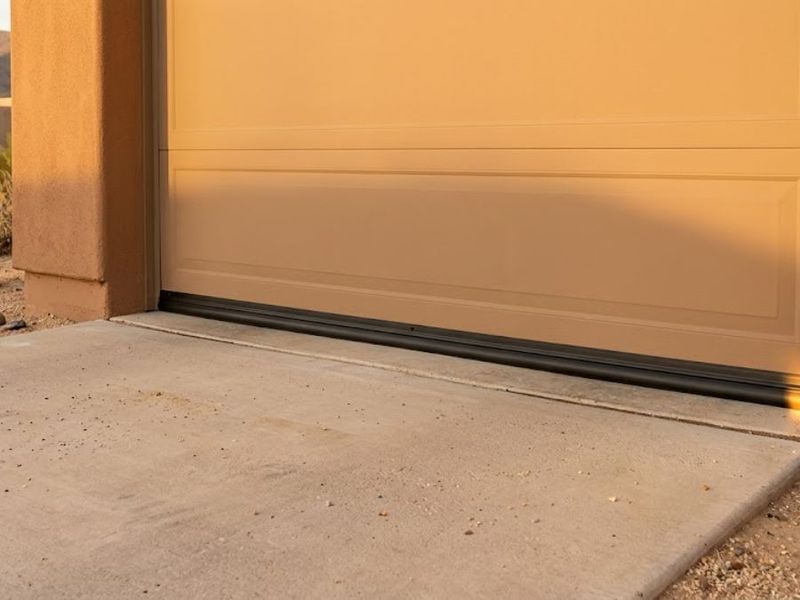
Next, tighten up the garage. Check the bottom door seal, gaps around pipes, and the spot where the garage meets the house. A young mouse can squeeze through an opening about a quarter inch wide, so small gaps count.
Copper mesh or hardware cloth works well for plugging holes, since mice struggle to chew through it. Peppermint sprays and ultrasonic gadgets get plenty of buzz, yet research shows mixed results at best. Steady habits, sealed food, and regular hood checks remain your most reliable plan this season.