Indiana’s Most Popular Hedge Is Also One Of Its Most Toxic
A single handful of needles from a common foundation shrub can stop a full-grown horse in its tracks. Veterinarians have documented cases where animals collapsed within hours of a nibble. That same shrub probably sits under a picture window on your street right now.
Truth be told, I trimmed one for years without a second thought. It stays green through brutal Indiana winters, takes shearing like a champ, and handles shade better than most evergreens. No wonder builders planted it by the thousands.
Here’s what gets me, though. The plant even grows cheerful red berries that look like candy to a toddler. Nearly every other part carries compounds that can throw the heart off rhythm.
So is that tidy green hedge by your front steps a friend or a quiet hazard? The answer depends on how well you know it.
That Tidy Foundation Hedge By Your Porch Has A Hidden Side
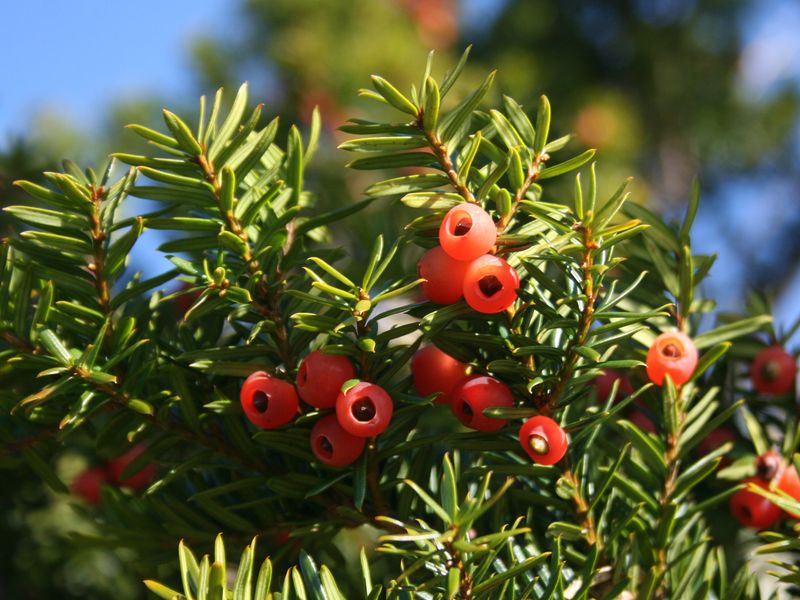
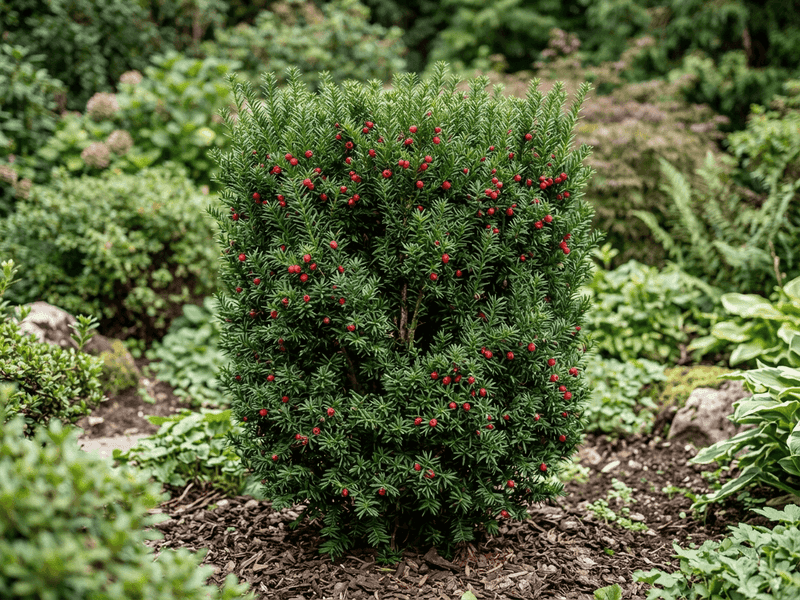
Walk down almost any Indiana subdivision and you will spot them. Dark green, flat-needled shrubs sheared into boxes and globes under front windows. Those are yews, and they rank among the most toxic plants in North American landscapes.
Most backyard yews are Japanese yew (Taxus cuspidata) or the hybrid Taxus x media, sometimes called Anglo-Japanese yew. English yew (Taxus baccata) shows up too, though less often in our cold winters. Purdue University and the ASPCA both list yews as poisonous to people, pets, and livestock.
I used to assume something so common had to be harmless. Turns out popularity has nothing to do with safety. Yews became landscape favorites because they tolerate shade, survive heavy pruning, and stay green when everything else turns brown.
The trouble comes from a group of compounds called taxine alkaloids. These chemicals interfere with how the heart muscle handles electrical signals. A small amount can cause a slow or irregular heartbeat in people and animals.
None of this means you need to panic about the shrub beside your sidewalk. Touching a yew will not poison you. The risk comes from eating it, and that risk is real enough to deserve your attention.
Yew Needles, Bark, And Seeds All Pack The Poison
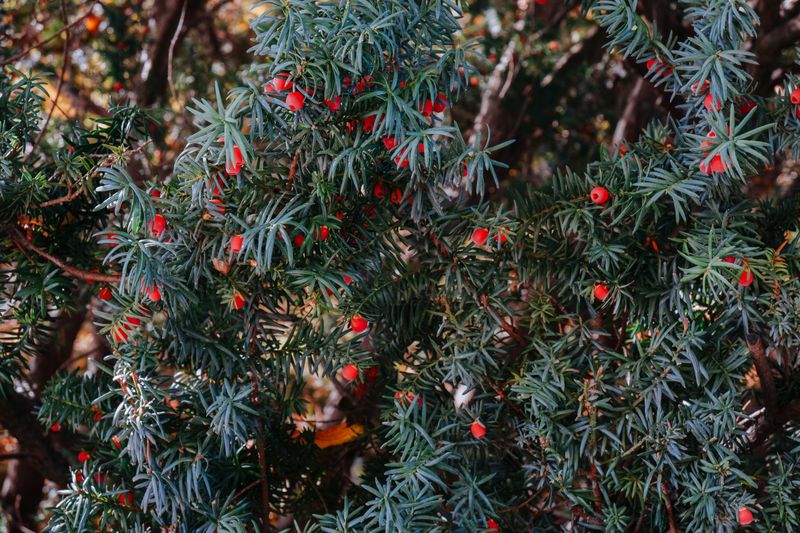
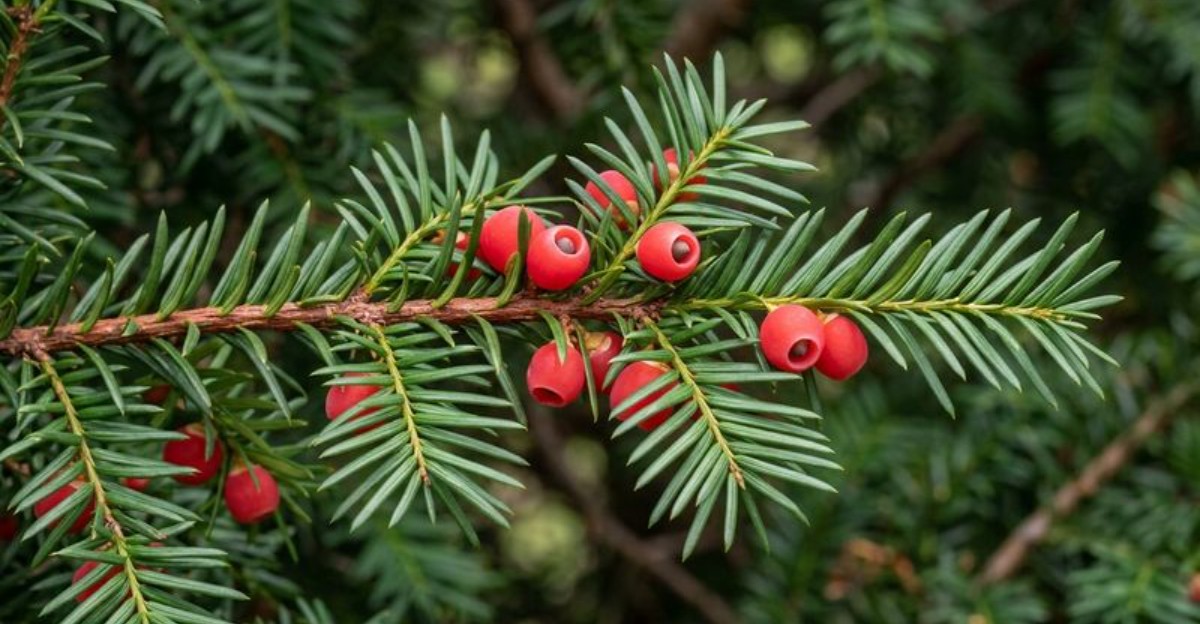
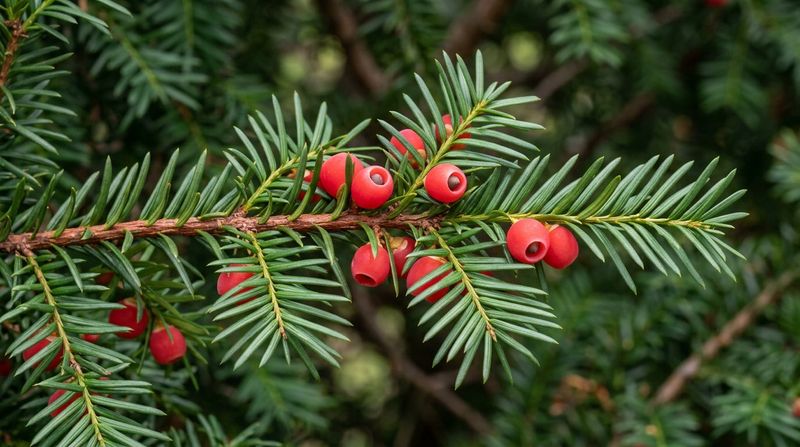
Grab a yew sprig and look closely. Those soft, flat needles with two pale stripes underneath hold much of the plant’s taxine load. The bark, twigs, and seeds carry it too.
Only one part gets a pass. The squishy red cup around each seed, called an aril, contains little or no taxine. Every other piece of the plant should be treated as toxic.
Some research suggests taxine levels run higher in winter. That matters in Indiana, because yews are often the only green thing left in January. Hungry deer, curious dogs, and bored livestock may notice them more when nothing else is available.
Fair warning about clippings, too. Cut branches stay toxic after they wilt and dry out. Old sources and veterinary reports agree that dried yew trimmings can be just as dangerous as fresh ones, sometimes more so because they are easier to munch.
Here is a simple rule I follow now. If it came off a yew and it is not the red fleshy berry, I treat it like a bottle of medicine left on the counter. It goes somewhere nobody can reach it, especially four-legged family members.
Those Bright Red Yew Berries Tempt Little Hands
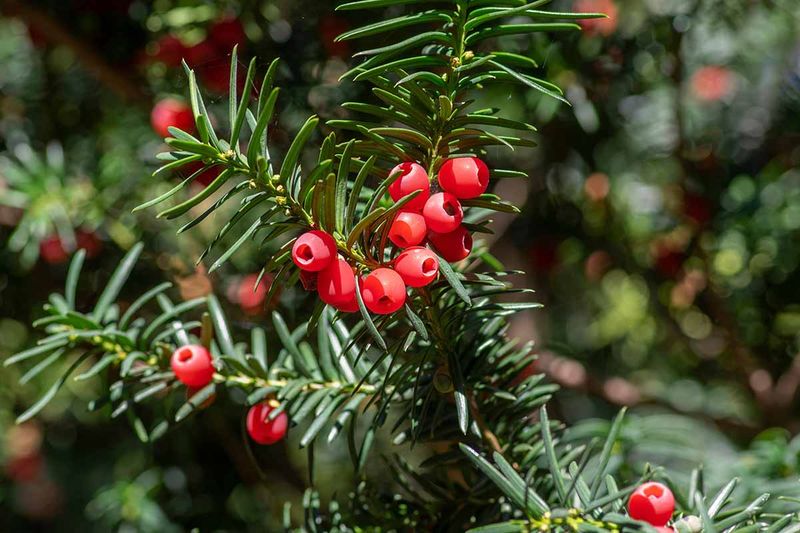
Kids love anything that looks like candy, and yew berries pass that test easily. Each one is a glossy red cup with a dark seed peeking out the end. They ripen in late summer and fall on female plants.
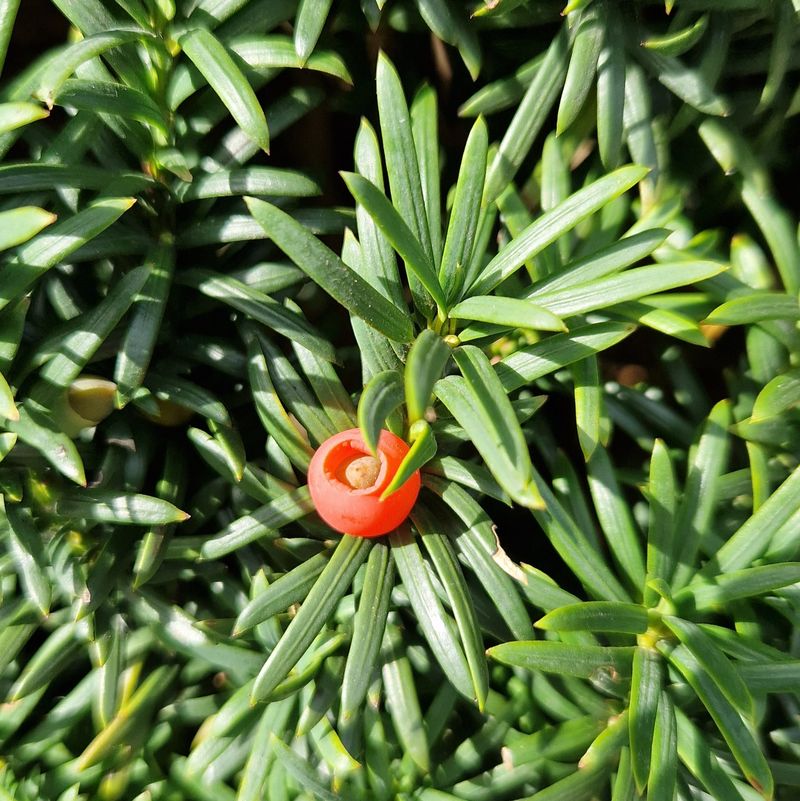
Technically, these are arils, not true berries. The sweet red flesh is mostly harmless. The hard seed inside is the problem, because it contains concentrated taxine.
Not going to lie, I was relieved to learn that swallowing a seed whole often lets it pass without releasing much toxin. Chewing changes everything. Crushing the seed frees the poison, and that is exactly what a curious child or puppy might do.
Poison control centers do field plenty of calls about kids eating yew berries. Most cases turn out mild, but nobody can know in advance how much was chewed. That uncertainty is why quick action matters.
A few easy habits help a lot. Teach children not to eat anything from the yard without asking an adult first. Pick up fallen berries near play areas. If you have small kids and a heavy-fruiting yew, consider whether a male plant or a different shrub might fit better.
Know The Warning Signs After Someone Chews On Yew
Symptoms from eating yew can show up fast, sometimes within an hour. MedlinePlus lists stomach pain, nausea, vomiting, dizziness, and dry mouth as early signs. Dilated pupils, weakness, and a flushed face can follow.
The heart is where things get serious. Taxine can slow the heartbeat, make it irregular, and drop blood pressure. In larger doses, it can lead to collapse or cardiac arrest.
Here is what I keep taped inside my kitchen cabinet. The national Poison Help line is 1-800-222-1222, and it works from anywhere in Indiana, day or night. If someone is struggling to breathe, fainting, or has an unusual heartbeat, call 911 instead.
Try to bring a sample of the plant if you head to the doctor. A small clipping in a plastic bag helps medical staff confirm what was eaten. Do not try home remedies or force vomiting unless a professional tells you to.
Severe human cases are uncommon, and most accidental nibbles by kids lead to minor or no symptoms. Still, there is no reliable antidote for taxine. Calling early gives experts the best chance to guide you before trouble builds.
Dogs And Cats Can Get Into Serious Trouble With Yew Clippings
Dogs explore the world with their mouths, and a pile of fresh trimmings looks like a free chew toy. Pet Poison Helpline rates yew toxicity in dogs and cats as moderate to severe. Cats are less likely to snack on it, but they are not immune.
Watch for drooling, vomiting, tremors, wobbly walking, or trouble breathing. A slow or irregular heartbeat can follow. Some pets show few signs before sudden collapse, which is what makes this plant so sneaky.
Guilty as charged, I once left a tarp of clippings on the lawn while I grabbed lunch. My dog found it before I got back. Nothing happened, thankfully, but I have not repeated that mistake.
If you suspect your pet ate yew, call your vet or an animal poison hotline right away. The ASPCA Animal Poison Control Center is at 888-426-4435, and a consultation fee may apply. Quick treatment can include medication to support the heart and steps to limit absorption.
Prevention is easy. Bag clippings as you cut, keep pets inside during pruning, and fence off low yew branches if your dog loves to chew on shrubs.
Horses And Cattle Face The Biggest Risk From Tossed Yew Branches
Ask any large-animal vet about yew and you will likely hear a story. Livestock cases are where this shrub earns its fierce reputation. Horses are especially sensitive, and a small mouthful can be enough to cause sudden collapse.
Cattle, sheep, goats, and even llamas are at risk too. Oklahoma State and Purdue extension specialists note that many livestock poisonings come from a simple, well-meaning act. Someone trims a hedge and tosses the branches over a pasture fence.
I get it, it seems like a nice snack for the animals. Unfortunately, grazing animals often eat yew eagerly, especially in winter when pastures are bare. Signs can be few, and animals are sometimes found down with little warning.
Rural Indiana neighbors share fences with horse farms and hobby barns all the time. If you live near livestock, never dump yard waste over the fence line, and gently mention this to anyone who might. A friendly heads-up could save a neighbor serious heartache.
Deer seem to tolerate yew better and often browse it heavily. That does not make it safe for farm animals, so do not take deer damage as a sign of harmlessness.
Prune Your Yews Like A Pro Without Leaving A Hazard Behind
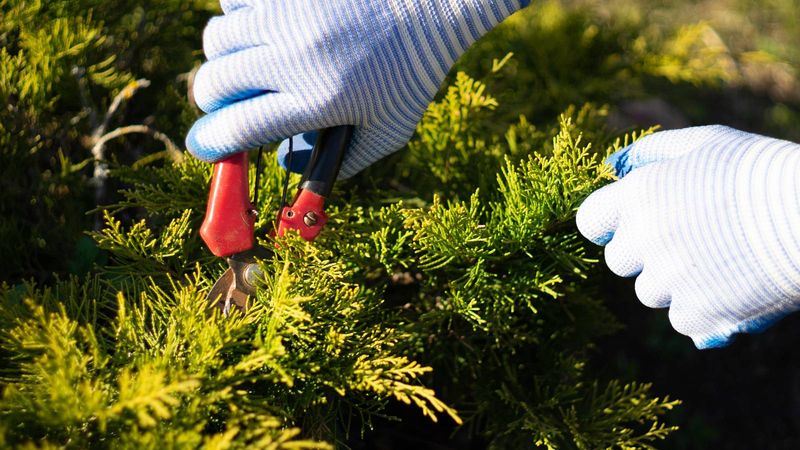
Keeping your yews does not mean living in fear. With a few smart habits, they can stay right where they are. Plenty of careful gardeners grow them for decades without a single scare.
Timing comes first. Purdue Extension suggests pruning yews in late winter or early spring before new growth, with a light touch-up in early summer if needed. Yews are one of the few evergreens that resprout from older wood, so they forgive mistakes.
Wear gloves and long sleeves while you work. Touching the needles is not dangerous for most people, though sap can irritate sensitive skin. Spread a tarp under the shrub so clippings land in one easy-to-gather spot.
Then deal with the debris right away. Bag it and put it out with yard waste, or take it to a municipal compost site that accepts woody material. Skip the home compost pile if pets or chickens can reach it.
Trust me on this one, do a final sweep of the lawn and mulch bed. Stray sprigs hide easily. A quick walk-around takes two minutes and removes the most common way pets and kids get into trouble.
Swap In Native Evergreens Like Arborvitae Or Inkberry Holly
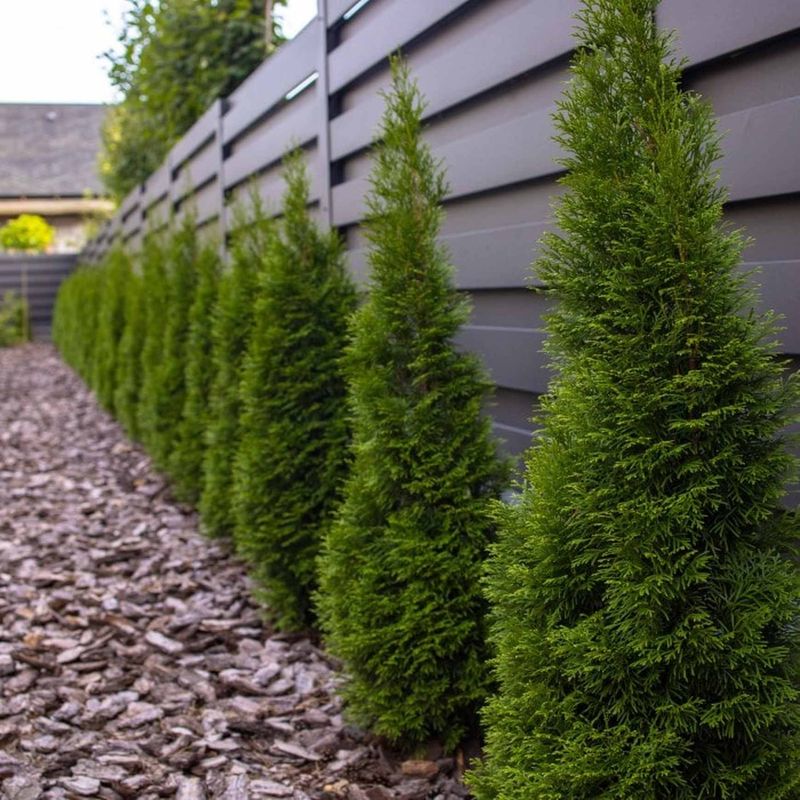
Maybe you have a toddler, a chew-happy dog, or a pasture next door. Replacing yews might bring real peace of mind. Plenty of evergreen shrubs can fill that same spot under the windows.
Inkberry holly (Ilex glabra) is a native eastern shrub with glossy leaves that handles shearing and wet soil. Its black berries can upset stomachs if eaten in quantity, but it is far less dangerous than yew. Dwarf cultivars like Gem Box or Shamrock stay compact near foundations.
American arborvitae (Thuja occidentalis) is native to parts of northern Indiana and makes a dense green screen in sun. It is not fully free of irritating compounds, so discourage nibbling, but it carries nowhere near the risk of yew. Deer love it, which is worth knowing.
Japanese plum yew (Cephalotaxus harringtonia) looks yew-like, but it is related to the toxic yews and contains its own alkaloids, so it is not a dependable swap where pets or livestock might chew on it.
I’ll say this much, there is no shame in keeping your yews. Know what you have, manage it wisely, and choose your next shrub with your household in mind.