Tiny Bugs Slipping Through Missouri Window Screens Come From Hackberry Trees
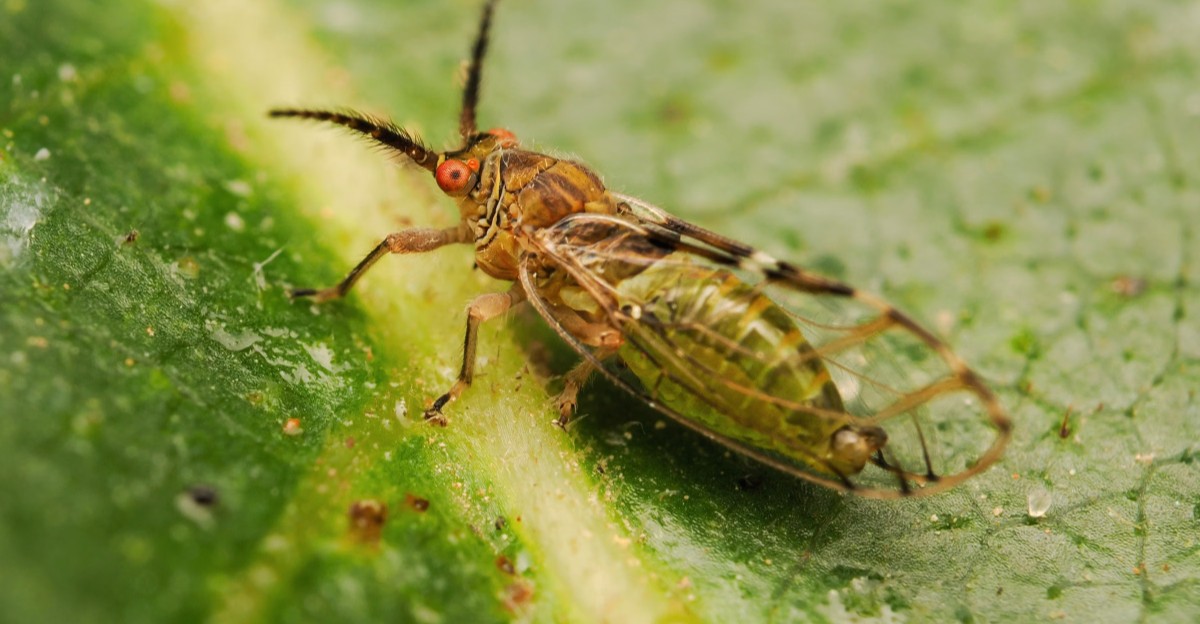
A bug about the size of a sesame seed can hop through a window screen like it owns the place. I found three on my kitchen lamp last fall, and I’ll be honest, I blamed the screens first.
They look like teeny cicadas with mottled brown wings. They jump when you poke them. Every late summer, Missouri homeowners start finding them stuck on bright walls, lampshades, and bathroom mirrors.
Here’s what gets me about these pests. They don’t come from your lawn, your pantry, or your houseplants. Their whole story starts high in the leaves of a common native tree that probably grows within sight of your porch.
You’d think something this small would stay outside where it belongs. Call me stubborn, but I wanted to know why they pick our houses. Once you learn where they hatch, the window mystery makes a lot more sense.
Those Speck-Sized Jumpers on Your Window Screen Have a Leafy Backstory
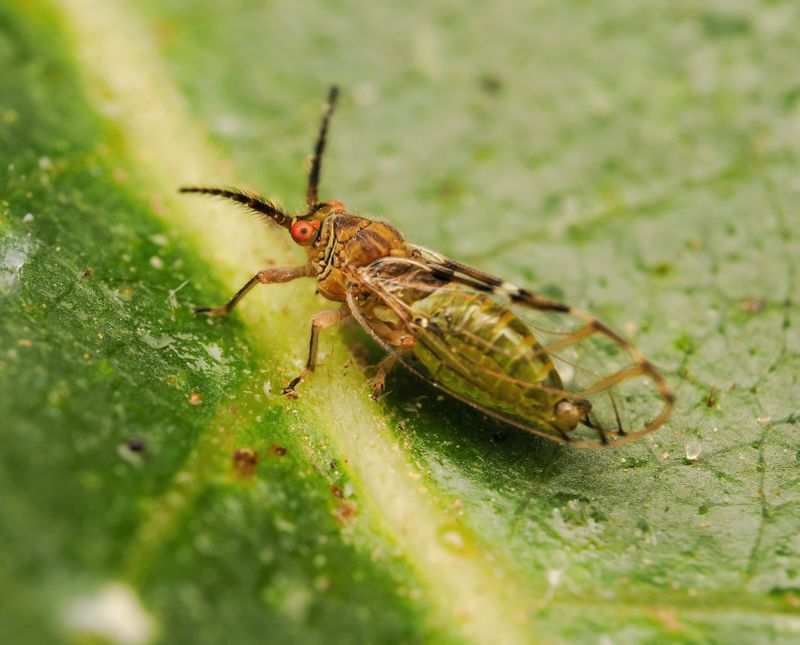
My first guess was fruit flies. A closer look showed tiny bodies shaped like miniature cicadas, with clear wings folded like a roof over their backs.
These little guys are hackberry psyllids, sometimes called hackberry nipple gall makers or hackberry gnats. Adults measure only about 1/8 of an inch long, which explains how easily they vanish against a screen. Their mottled brown coloring helps them blend into bark, siding, and window frames.
They also have strong hind legs. Touch one and it may leap away before your finger lands, which is a handy clue for telling them apart from gnats or small flies.
So why the sudden crowd? Late summer and early fall is their big moment. After a season tucked inside tree leaves, the adults come out looking for a cozy place to spend the winter.
Your house just happens to look like a fine hotel. Warm walls, small cracks, and glowing windows all send the same invitation. They aren’t attacking anything. They are simply hunting for shelter, and your home is the closest option around.
Knowing who they are takes a lot of worry off the table. These visitors are annoying, but they are not a sign that something is wrong inside your home.
Hackberry Trees Raise Every Single One of These Bugs
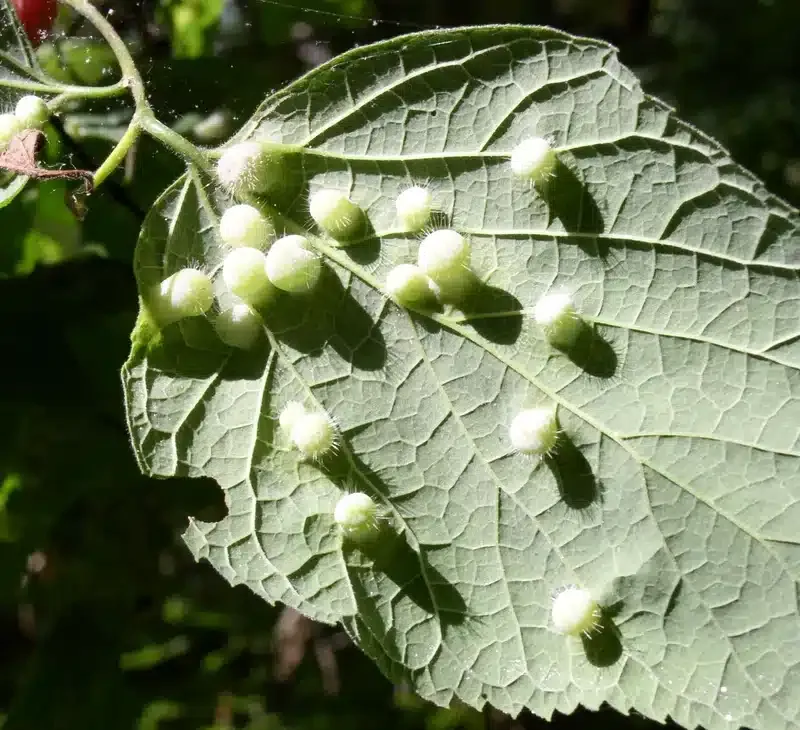
Look around your neighborhood for a tree with bumpy, warty gray bark. Chances are good you’ll spot a hackberry, because both common hackberry and sugarberry grow across Missouri in yards, fencerows, parks, and creek banks.
The psyllids depend on these trees for their whole life cycle. They don’t breed on your roses, your maples, or your lawn. Hackberry is home base from start to finish.
Spring kicks things off. Adult females lay eggs on the fresh leaves as they unfold. When the eggs hatch, the young nymphs settle into the leaf tissue and start feeding.
The tree responds in a strange way. It grows little swellings around each nymph, creating a private shelter where the insect grows all summer long.
By late August, the adults are ready to leave. Emergence often continues into October, which matches the time most folks start complaining about bugs on screens.
Trust me on this one. If you live near even one big hackberry, you’ll likely see these visitors each fall. Several trees nearby can mean hundreds of them gathering on a sunny wall. The tree itself is a valuable native, though, so cutting it down isn’t the answer.
Standard Window Screen Mesh Is Basically a Doorway for Psyllids
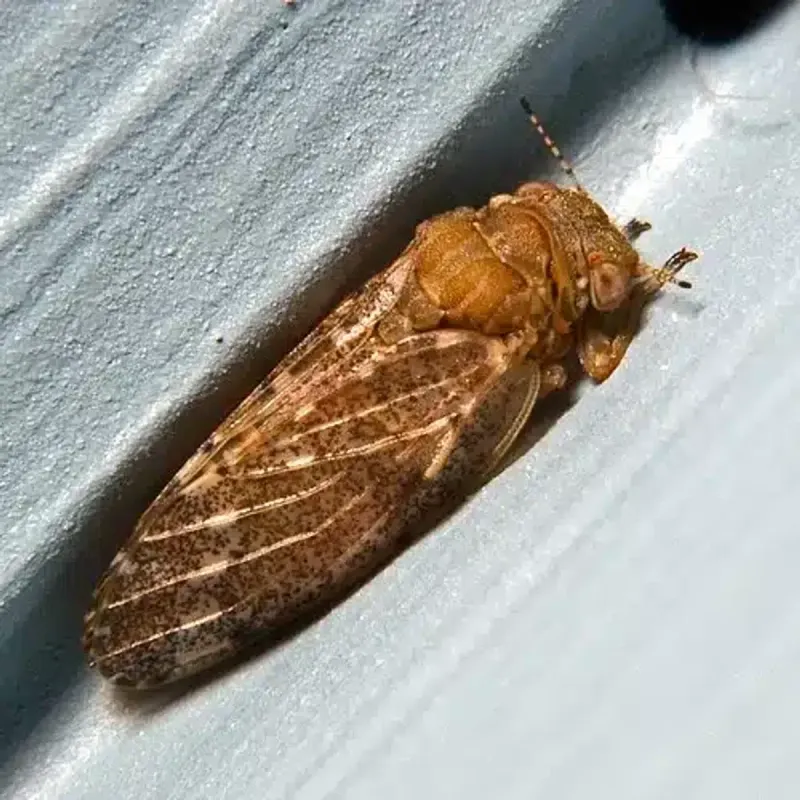
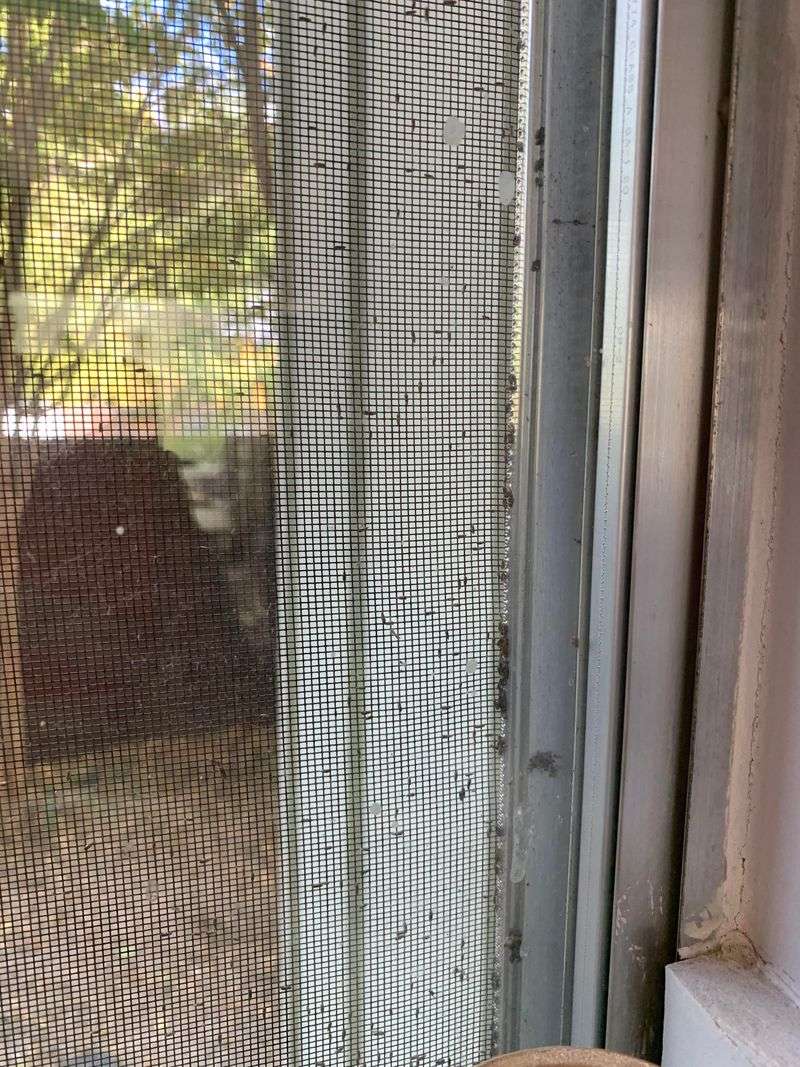
I learned the hard way that a brand new screen won’t stop these bugs. Most household screens use an 18×16 mesh, which means 18 wires one way and 16 the other in every inch.
That size blocks mosquitoes and houseflies just fine. Tiny insects like psyllids, though, can squeeze right through the openings with room to spare.
Gaps make the problem worse. Loose screen frames, torn corners, worn weather stripping, and cracks around window sashes all give them extra routes inside.
Here’s a quick test you can try. Stand indoors on a sunny afternoon and watch the screen closely. If you see small brown specks walking through the mesh, you’ve found your entry point.
Finer mesh helps a lot. Screens labeled 20×20, often sold as no-see-um mesh, have smaller openings that block many tiny insects. They do slightly reduce airflow, so many people only swap the screens on their sunniest sides.
You don’t have to replace every window in the house. Focus on the rooms where you notice the most bugs. Those spots usually tell you exactly where the trouble is coming from.
Those Bumpy Galls on Hackberry Leaves Are Psyllid Nurseries
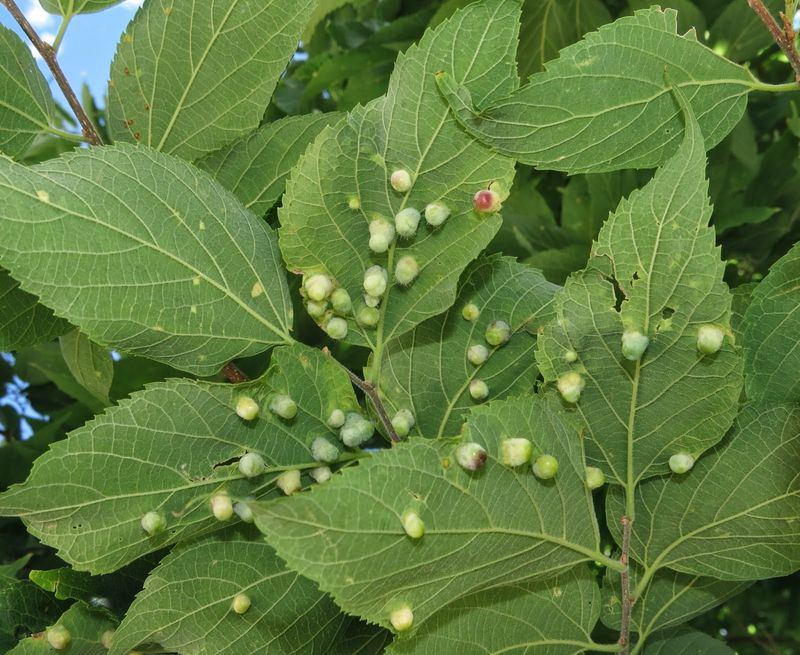
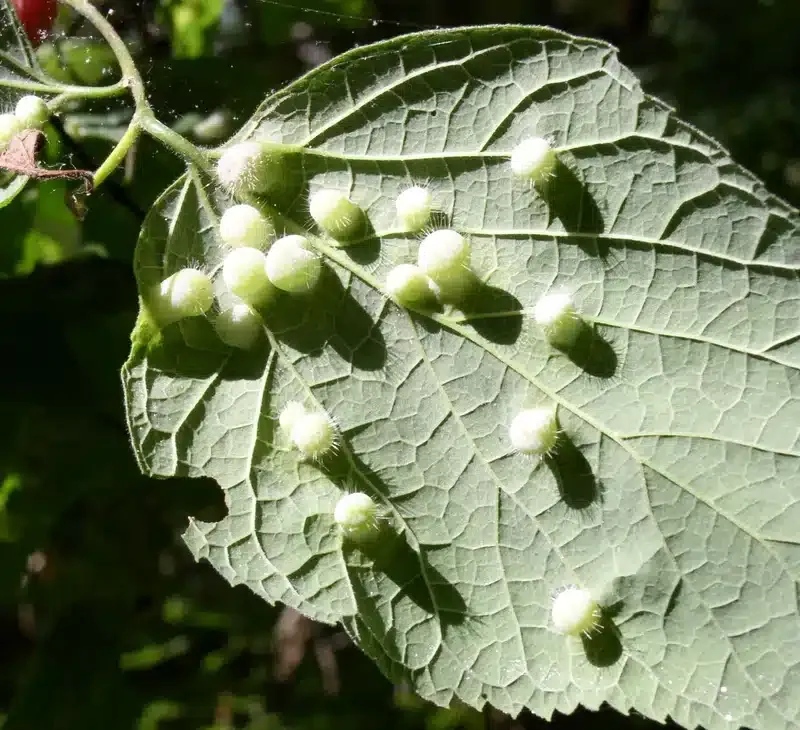
Flip a hackberry leaf over in midsummer and you might find dozens of small bumps. Gardeners often panic at first, but those bumps are simply where the psyllids grew up.
Each bump is called a gall. The tree forms it in response to a feeding nymph, building walls of plant tissue around the young insect.
Galls come in surprising shapes depending on the psyllid species. Some look like tiny nipples, while others resemble buttons, blisters, flasks, or even little stars. Kids love hunting for the different types, and honestly, so do I.
Do the galls hurt the tree? Mostly not. Extension experts agree they make the leaves look rough, but healthy hackberries handle them well year after year.
Heavy infestations can cause some early leaf drop. Even then, the tree usually leafs out normally the next spring.
Here’s a fun detail to share. Hackberry trees often carry another oddity called witches’ broom, a cluster of twiggy growth caused by a mite and a fungus working together. Between galls and brooms, this tree collects strange features, yet it keeps standing strong in yards across the state.
Sunny South and West Walls Attract Psyllid Crowds
Guilty as charged, my west wall is the bug magnet of the whole house. Psyllids love warm, light-colored surfaces, especially sides that soak up afternoon sun.
That warmth matters in fall. Cool mornings slow them down, and sunny siding gives them a comfortable spot to gather before they hunt for cracks.
Pale colors seem to draw them in too. White, cream, and tan siding often shows clusters of brown dots, while darker walls may have fewer visitors.
So which windows need the most help? Start with south and west sides. Experts recommend checking these areas first because that’s where the largest groups usually collect.
Walk around your house on a warm September afternoon. Note where the bugs bunch up, then look for nearby gaps around frames, vents, and siding seams.
Outdoor lights play a role at night as well. Porch lamps near doors can pull insects close to openings, so switching to yellow bug bulbs or turning lights off early may cut down on traffic.
A little detective work now makes later sealing much easier. You’ll know exactly where to aim your caulk gun instead of guessing around the whole house.
A Caulk Gun in August Beats a Swatter in October
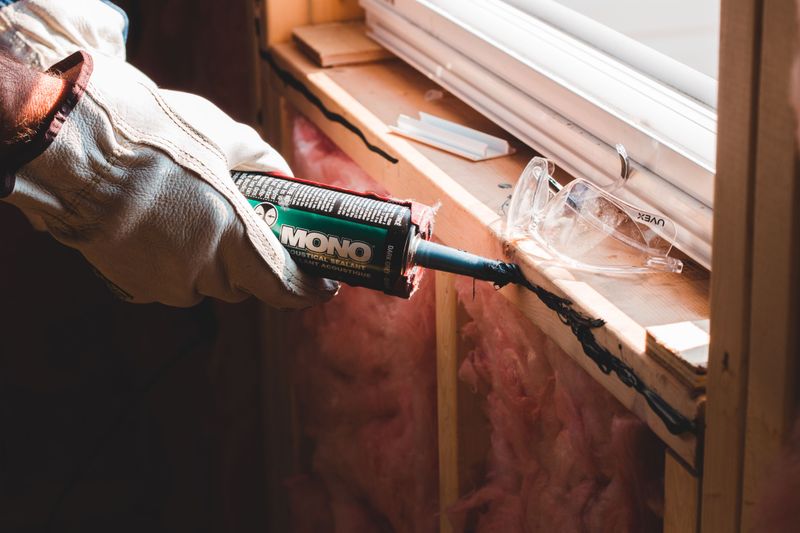
Timing is the secret weapon here. Seal up your home in August, before the adults pour out of their galls, and you’ll see far fewer indoors.
Grab a tube of exterior caulk and check around window frames, door trim, and spots where pipes or cables enter the walls. Small cracks matter, because these bugs fit through tiny spaces.
Weather stripping deserves a look too. If yours feels brittle or leaves gaps when doors close, replace it before fall.
Next, inspect screens. Patch holes, tighten loose frames, and consider finer 20×20 mesh on the windows that face south and west.
What about spraying the tree? Treating a large hackberry is often impractical, and experts generally don’t recommend it for a nuisance pest. Spraying the outside of the house also gives limited results, since new psyllids keep arriving for weeks.
Physical barriers are the most dependable approach. They work for other fall invaders too, like boxelder bugs and lady beetles, so your effort pays off in several ways.
My knees have opinions about crawling around window wells. Still, one afternoon of sealing saves me weeks of chasing jumpy specks across the kitchen.
Your Vacuum Hose Is the Best Fix for Psyllids Indoors
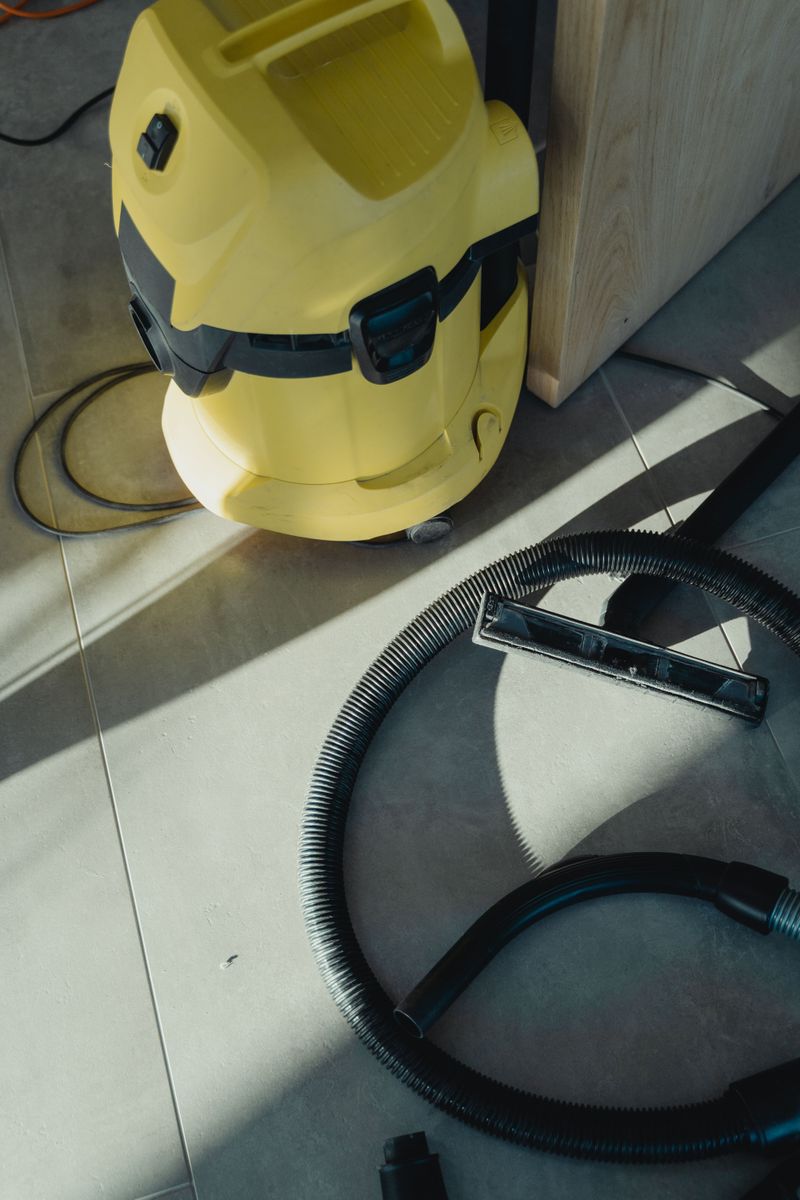
Don’t laugh, but my vacuum gets more action in October than any other month. It’s honestly the easiest way to deal with psyllids that make it inside.
Use a crevice tool along window sills, lampshades, and the corners where they gather. Empty the canister or toss the bag outdoors afterward so stragglers don’t crawl back out.
Indoor bug sprays aren’t really needed. These insects don’t breed inside your home, and they struggle to survive in dry indoor air, so their numbers drop on their own.
A few tricks can help too. Keep blinds closed on sunny windows during peak weeks, since bright light draws them toward the glass.
Sticky traps near windows may catch a handful. They won’t solve a big problem, but they can show you where bugs are getting in.
Patience is part of the plan. Activity usually fades by late fall once cold weather arrives and the adults settle into outdoor hiding spots.
Keep the vacuum handy, close up obvious openings, and you’ll get through the season with your sanity intact. It’s a short, seasonal nuisance, not a permanent problem in your home.
Hackberry Psyllids Pester You but Pose No Real Harm
Some people swear these bugs bite. The truth is gentler. A psyllid may land on your skin and probe it, which can feel like a tiny prick.
They aren’t feeding on you, though. Hackberry psyllids don’t drink blood, can’t sting, and don’t spread diseases to people or pets.
They also leave your belongings alone. They won’t chew clothes, eat food in the pantry, or damage furniture. Mostly they wander around, hop, and get on your nerves.
That leaves one big takeaway. Hackberry trees are valuable natives that feed birds with their small fruits and host butterflies like the hackberry emperor and the American snout. Removing a healthy tree over a fall nuisance usually isn’t worth it.
Instead, plan ahead. Mark late August on your calendar for sealing cracks, checking screens, and replacing worn weather stripping. Keep the vacuum ready for September and October.
I’ve made peace with my little brown visitors. They show up, annoy me for a few weeks, and fade away with the first real chill. With smart prevention, Missouri homes can enjoy hackberry trees and keep the tiny jumpers mostly outside where they belong.