Maryland Backyard Beekeepers Have One Legal Step To Finish Before January 1
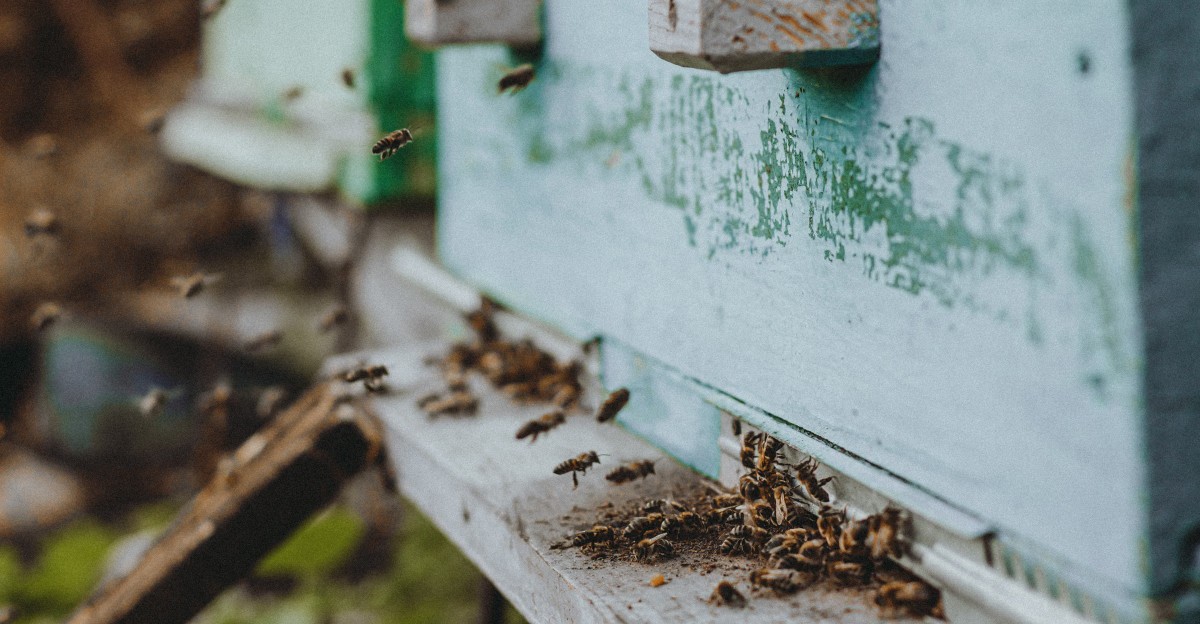
Your bees can be perfectly healthy and still be out of line with the law. Not going to lie, that one surprised me when I first heard it at a local bee club meeting.
The task takes about ten minutes. It costs zero dollars, not even a stamp if you go online. Maryland ties it to a date that lands right when most of us are buried in holiday chaos.
I get it. Winter is the slow season, when the hives cluster up and we finally stop worrying about swarms and mite counts. Truth is, that quiet stretch is exactly when this chore slips through the cracks.
Here’s what gets me about it. The reward for doing it includes a free visit from someone who studies sick hives for a living. So how many of us are quietly behind right now, and would we even know it?
One Free Form Stands Between Your Honey Bee Hives And The Law
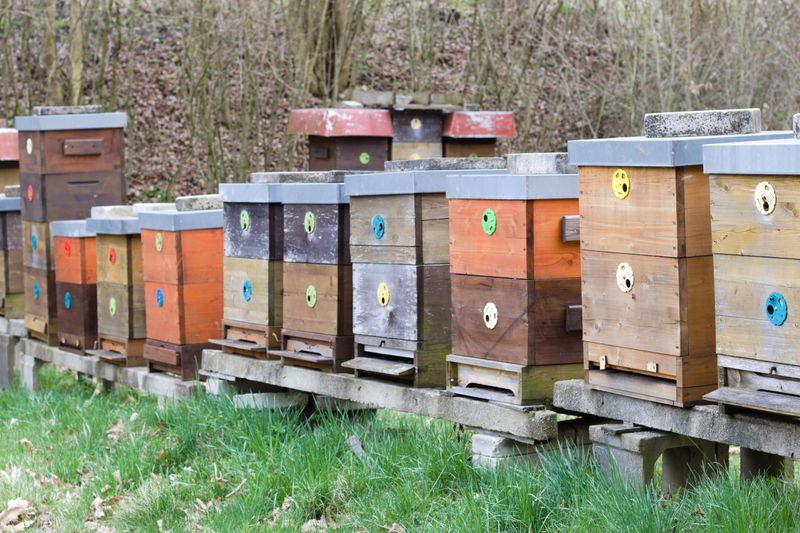
Funny thing about beekeeping in winter. The bees are doing almost nothing outside, yet the beekeeper still has homework.
The homework is registration. Maryland law asks anyone who keeps honey bees to register their colonies with the Maryland Department of Agriculture, and the registration runs on a yearly cycle. Getting yours done before January 1 keeps your records current as the new year starts.
I used to think registration was only for big commercial outfits hauling trucks of hives to orchards. Nope. A single hive behind the tomato beds counts the same as two hundred hives on a farm. Hobbyists, school gardens, and folks who caught one swarm last May all fall under the same rule.
The process asks for basic details. You share your name, contact info, how many colonies you keep, and where they sit. That location detail matters most, because it tells the state where bees are clustered across the map.
What surprises people most is the price tag. There is no fee for registering, so the only cost is a few minutes at your kitchen table.
Think of it as a small yearly check-in. Your bees handle the pollination, and you handle the paperwork that keeps everyone on the same page.
Every Honey Bee Colony Counts, Even Your Brand New Package
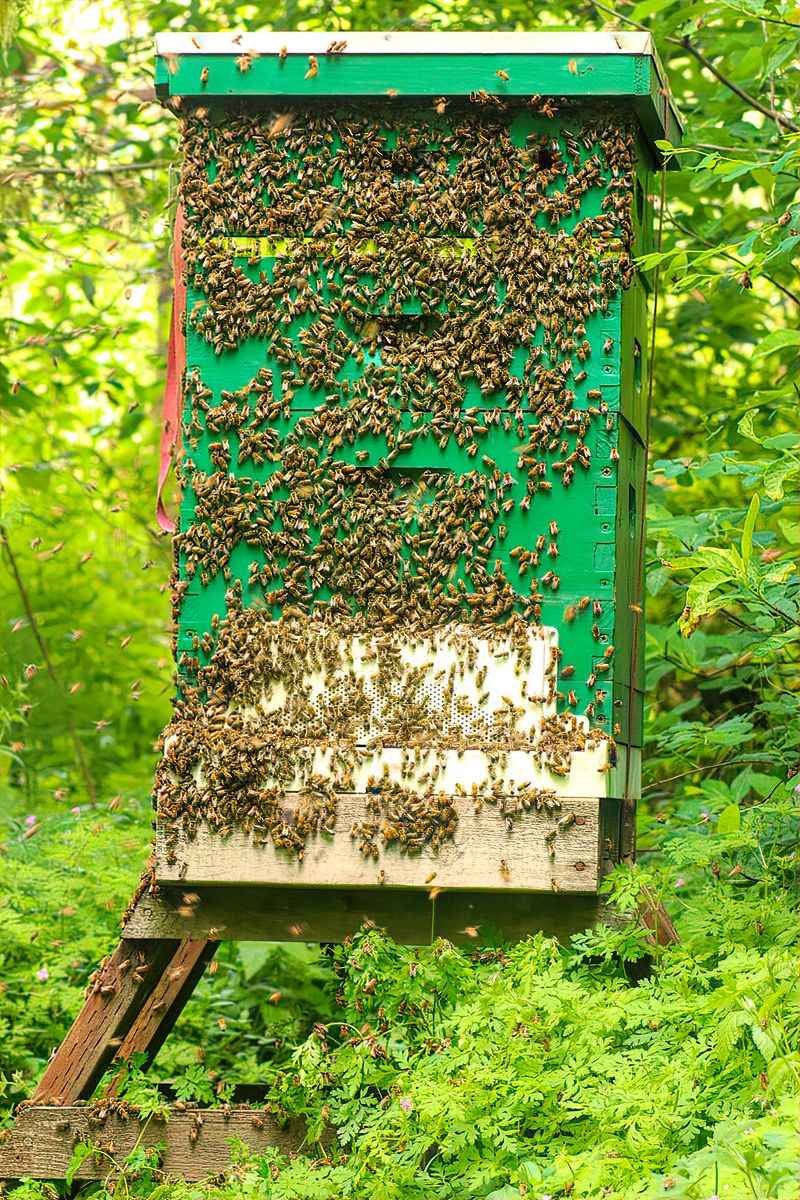
Brand new to bees? Congratulations, and welcome to the club with the sticky gloves.
New colonies come with their own timeline. Maryland expects beekeepers to register within 30 days of getting bees, whether they arrived as a package, a nucleus colony, or a swarm you coaxed out of a shrub. After that first registration, you renew every year like everyone else.
The annual count works like a snapshot. Colonies grow, split, swarm, and sometimes fail over winter, so last year’s number may look quite different from today’s. Updating it gives inspectors a realistic picture of what is buzzing where.
Skipping the step carries real risk, because violating Maryland’s honey bee laws can bring penalties, which is a headache no hobbyist wants. Local rules in some counties and towns add their own layers too, like setback distances or HOA restrictions.
My advice is simple. Write your colony count on a sticky note each fall after your last inspection, then use that number when you register.
Fair warning, swarms you catch in spring count as new colonies. Keep that 30-day window in mind whenever your apiary grows, and you will stay comfortably on the right side of the rules.
Registering Your Beehives Online Takes Less Time Than A Hive Inspection

Grab a mug of tea and a jar of your own honey for motivation. Registering your bees is easier than lighting a smoker on a windy day.
The Maryland Department of Agriculture offers an online registration option through its apiary inspection pages. Prefer paper? You can download a printable form and mail it in instead.
Before you start, gather a few details:
How many colonies you currently keep. The street address or location of each apiary site. Your phone number and email, so an inspector can reach you if there is a health concern nearby.
Once you submit, keep a copy of your registration for your records. Store it somewhere you will find it again, such as a folder with your other beekeeping paperwork.
I’m the first to admit I once lost my registration paperwork in a pile of seed catalogs. Now I keep it inside the lid of my bee supply bin, where I see it every spring.
Online submissions are the speediest route this close to January 1. Mail works fine too, just send it early enough to beat the holiday postal crunch. Either way, you will be done long before your bees break cluster in late winter.
State Bee Inspectors Can Spot Trouble Hiding In Your Brood Frames
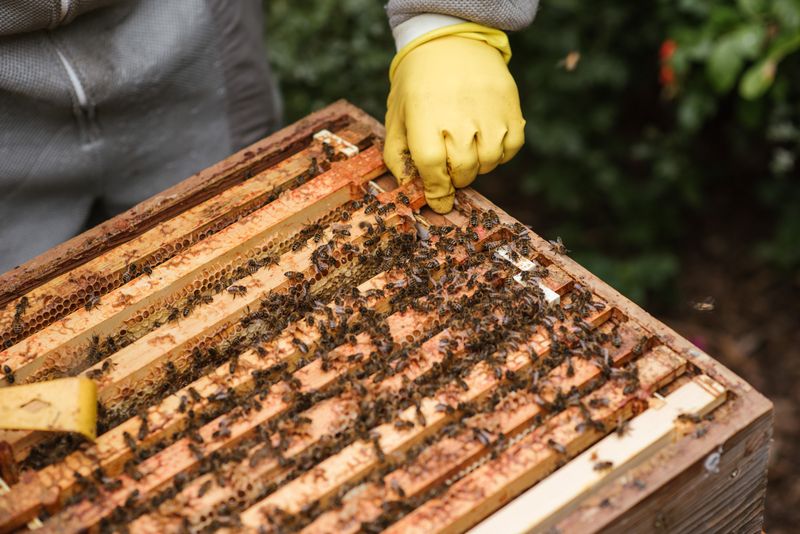
Ever pulled a brood frame and thought, that pattern looks weird, but I have no idea why? Registered beekeepers get help with exactly that moment.
Maryland’s apiary inspectors visit hives across the state to check colony health. They look for brood diseases like American foulbrood, a bacterial problem that spreads between hives and can sweep through an entire neighborhood of colonies. They also watch for varroa mites and small hive beetles.
Registration is what puts you on their radar. Inspectors use the state’s records to know where colonies sit, which helps them respond faster when a disease turns up nearby.
Not going to lie, the first time an inspector opened my hive, I was nervous. Instead of a lecture, I got a mini lesson on reading capped brood and spotting spotty patterns early.
That expertise does not come with a bill. Inspections are offered at no charge to registered beekeepers, which feels like a steal when you consider what a lost colony costs to replace.
Varroa mites deserve special mention here. They carry viruses that weaken bees, and they have hit wild colonies hard too. A trained second set of eyes can catch mite trouble before your hive slides into decline.
Removable Hive Frames Are Part Of Maryland’s Rulebook
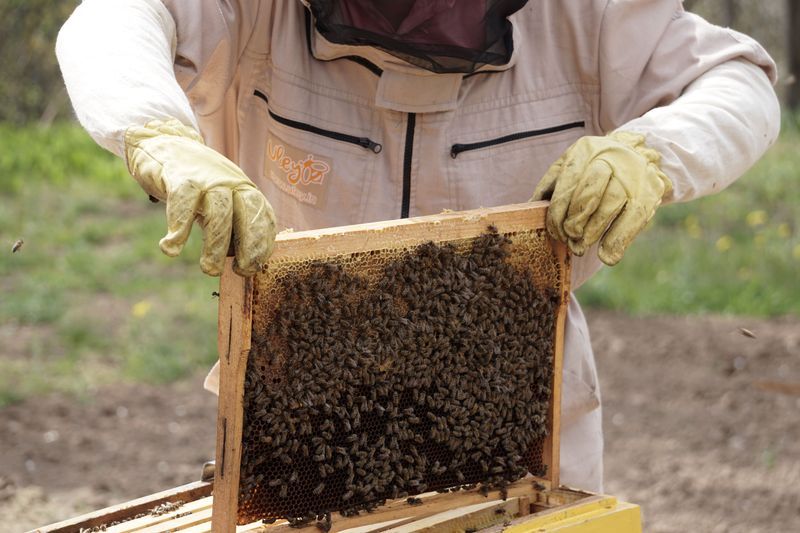
Here’s a quirky bit of history. Before the 1850s, many beekeepers kept bees in straw skeps or hollow logs, and checking the comb meant breaking it apart.
Then Lorenzo Langstroth, a minister from Philadelphia, popularized the removable frame hive built around “bee space,” a gap bees leave open instead of filling with wax. That idea changed beekeeping forever, and it shows up in Maryland law today.
Colonies in the state need to be kept in hives with movable frames or combs. The reason is practical. Inspectors have to lift out each comb to check brood and honey without tearing the hive apart.
Most backyard setups already pass. Langstroth hives and similar frame-based boxes check this box easily.
Trouble pops up with fixed-comb setups, like rustic log hives or decorative boxes where bees build comb straight onto the walls. They might look charming next to the herb garden, but they make health checks nearly impossible.
Trying a less common design, such as a top bar hive? Check with the Maryland Department of Agriculture first. A quick question now beats rebuilding a hive later, and you will know your equipment lines up with what inspectors need to see.
Bees Kept On A Neighbor’s Farm Need The Apiary Identified
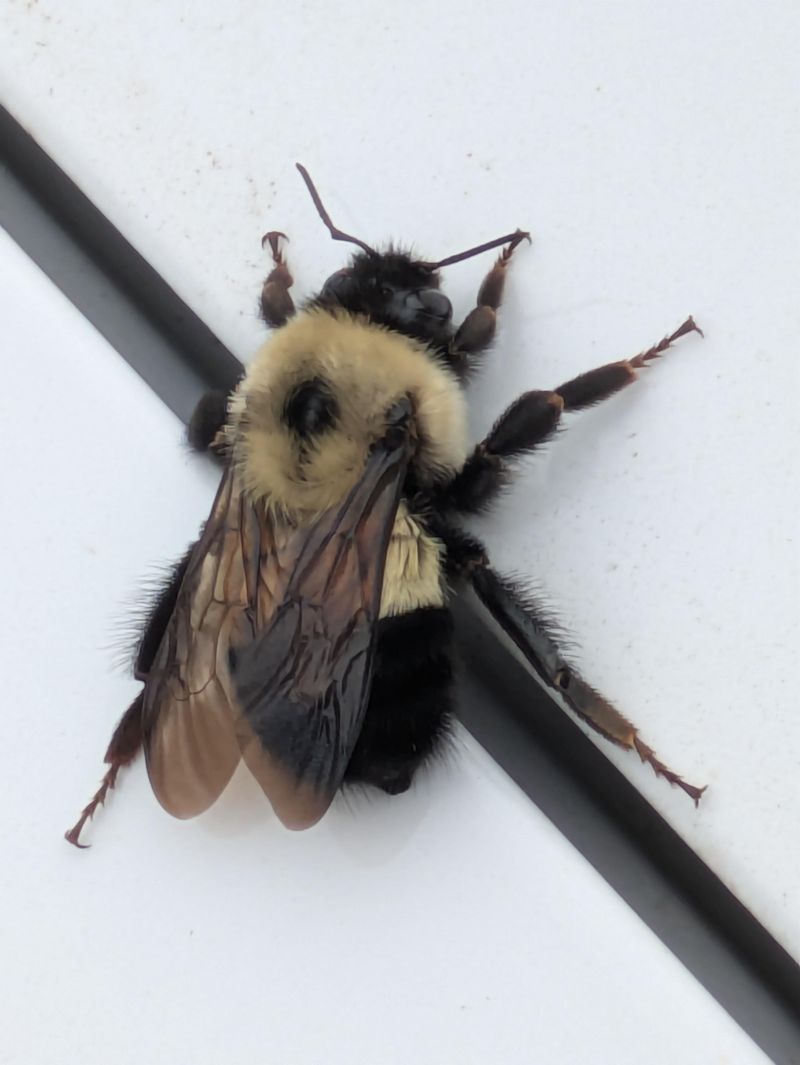
Plenty of beekeepers don’t keep bees at home at all. A friendly farmer down the road or a relative with acreage often offers space, and the bees get a buffet of clover and wildflowers.
Out-yards like these come with one extra duty. If your colonies sit on property you don’t own, Maryland requires you to identify the apiary with an approved name or number where it can be seen.
The logic makes sense. An inspector, landowner, or worried neighbor can figure out who owns the hives without knocking on every door in the county.
Small details make the sign work well:
Use weatherproof material, since paper signs fade fast in Chesapeake humidity. Mount it on a post or the side of a hive stand at eye level. Add your phone number if you are comfortable, so landowners can reach you during a swarm call.
I learned the hard way that a hand-written number in permanent marker lasts about one summer. An engraved plastic tag or a painted board holds up much better.
Remember to register each out-yard location too. Inspectors rely on those addresses to map where colonies live, especially when a disease shows up nearby.
A Quick Winter Hive Checklist Before The New Year Bell Rings
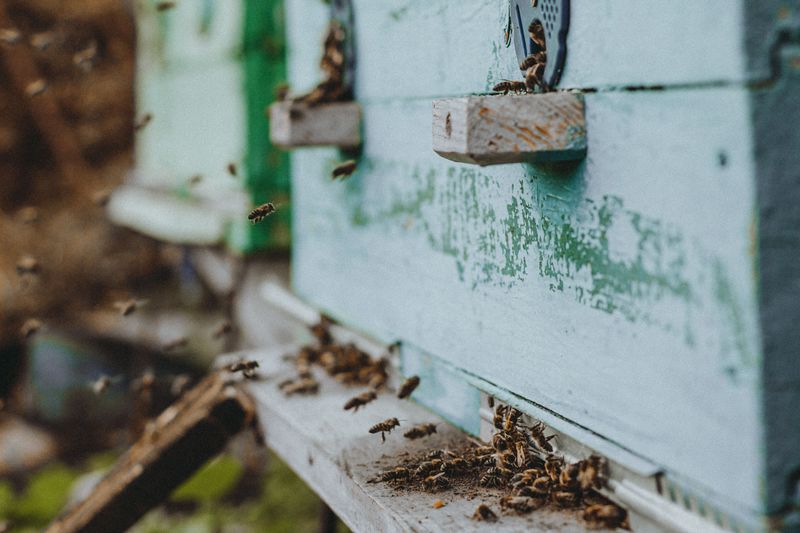
December in the bee yard feels peaceful. Hives hum softly, clusters stay tight, and you finally have time to catch up on everything you set aside since spring.
Make this your end-of-year routine:
Count your colonies without opening them on cold days, and heft each hive gently from the back to gauge stores. Register that count with the Maryland Department of Agriculture before January 1. Save a copy of your registration somewhere you will find it again.
While you’re at it, confirm your out-yard signs are still readable. Double-check that every hive uses movable frames if you plan to add new equipment in spring.
Winter weather across the state varies quite a bit. Western mountain counties like Garrett see longer, snowier stretches, while the Eastern Shore stays milder and damper. Either way, mouse guards and good ventilation help colonies come through in better shape.
Trust me on this one, a little paperwork now saves stress later. If a disease outbreak hits your area next summer, being registered means an inspector can reach you quickly.
Finish the form, pour some cocoa, and let the bees rest. Your hives handled the hard work all season, and this small step is your part of the deal.