What Those Foamy Masses On Maryland Plants Really Are
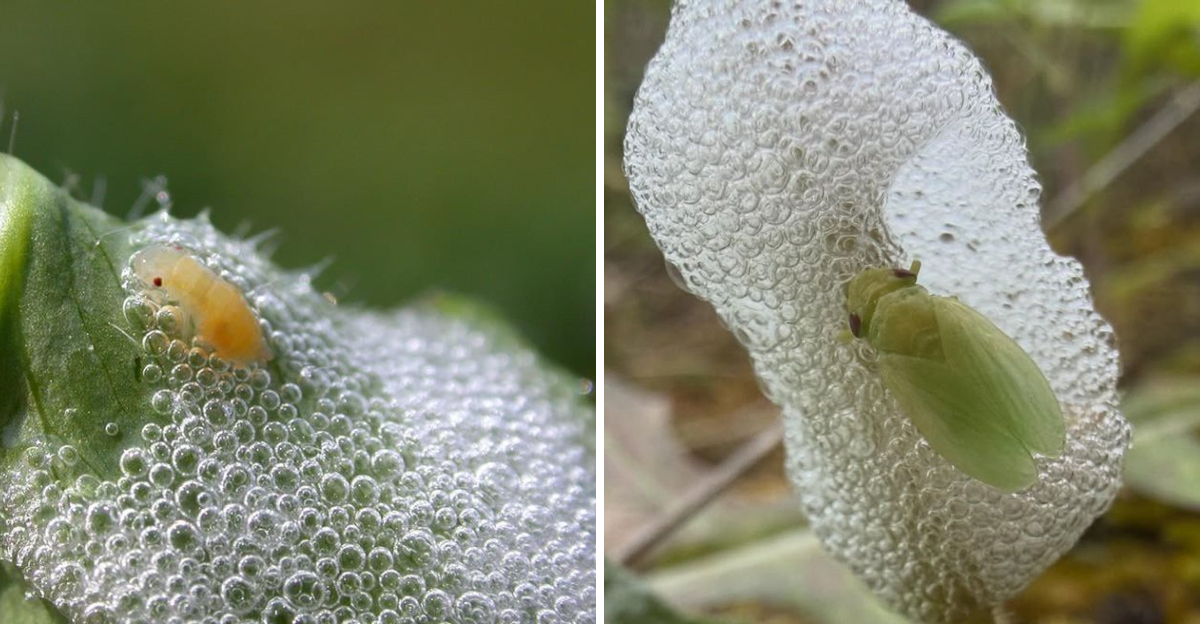
You’re crouched over your tomato plants, coffee still in hand, when you spot it: a clump of foam sitting right on the stem, appearing overnight with no wind, rain, or chemical spill to explain it.
Your brain runs through the usual suspects: fungus, mold, some chemical drift from next door. All wrong.
What you’re staring at is a nursery, built entirely out of bubbles, by an insect smaller than your fingernail. It’s hiding inside that foam right now, and it built the whole thing on purpose.
That foam has been showing up in gardens for millions of years, yet most people never learn what’s really going on inside it until curiosity gets the better of them and they poke it.
Spittlebug Nymphs Create The Foam For Protection
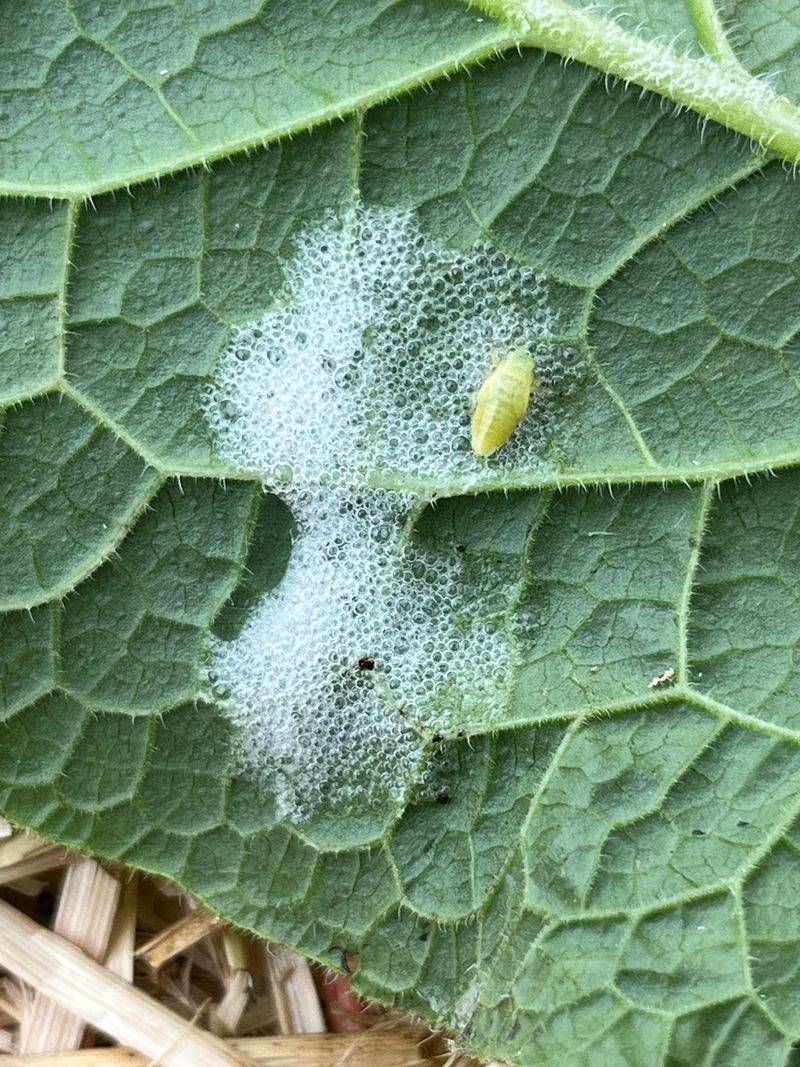
Tiny architects are hiding in your garden. Spittlebug nymphs, the juvenile stage of the spittlebug insect, are the creators behind those mysterious foamy masses on Maryland plants.
Each blob of white froth is hand-crafted by a single nymph working hard beneath the surface. The nymph produces this foam by pulling plant sap through its body and mixing it with a special secretion.
Air gets pushed through the liquid, creating bubbles that pile up fast. The result looks exactly like someone spit on your rosemary bush.
These insects belong to the superfamily Cercopoidea, which includes several related families found across North America. Adult spittlebugs are small, brownish, and easy to miss.
Their nymphs, though, are bright yellow or green and almost impossible to spot without parting the foam. One nymph builds one foam nest, all by itself. Just one tiny creature acting entirely alone, driven by instinct rather than any group effort.
The whole process starts within hours of hatching from an egg. The foam is not random. Each bubble is carefully maintained so the nest stays moist and insulating. If you pull the froth apart, the nymph will quickly rebuild it from scratch.
Watching this process up close feels like witnessing a magic trick. A creature smaller than your pinky nail builds a home from nothing but plant juice and air. That level of biological engineering is worth a second look.
The Froth Shields Them From Predators And Drying Out
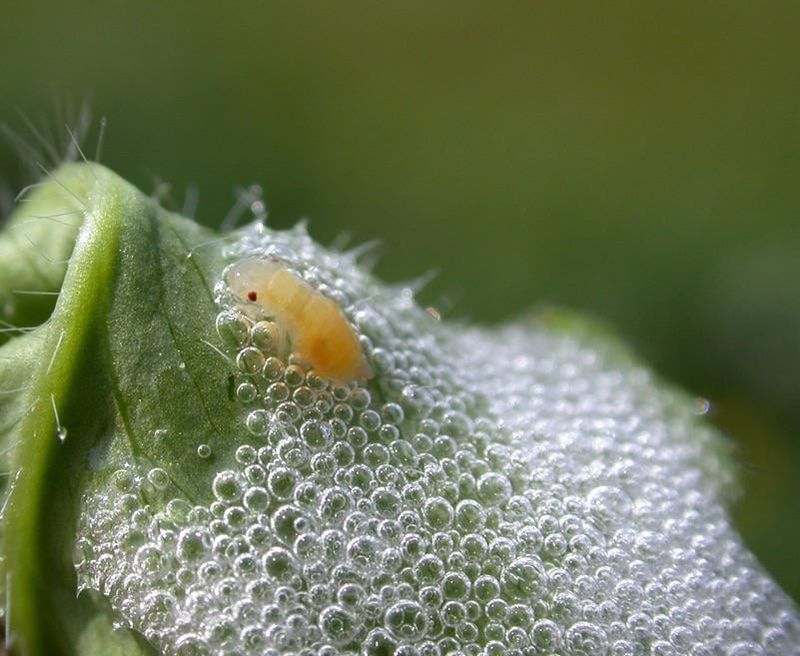
Nature loves a clever disguise. The foam a spittlebug nymph creates is one of the most effective survival tools in the insect world. It works on two fronts at the same time, and neither one is accidental.
First, the froth hides the nymph from hungry predators. Birds, beetles, and spiders are constantly on the hunt in gardens.
A soft, defenseless nymph sitting exposed on a stem would not last long. Tucked inside the foam, though, it becomes nearly impossible to spot.
Second, the foam locks in moisture. Spittlebug nymphs need a humid environment to survive. Maryland summers can swing from wet to blazing hot within days.
The foam acts like a personal climate system, keeping the nymph cool and hydrated no matter what happens outside. Some researchers have found that the froth also tastes bad to many predators.
Your Maryland Garden Changes Every Week. Your Plan Should Too.
Gardening in Maryland changes quickly throughout the season. Every Friday you’ll receive a simple weekly plan showing exactly what to plant, prune, fertilize, harvest, and protect so you never miss the right timing.
The plant compounds mixed into the bubbles create an unpleasant flavor. A bird might peck at the foam once and never bother again.
The foam also buffers against temperature swings. That insulation likely helps the nymph stay comfortable through cool spring swings. So that weird white blob is not just decoration.
It is a shield, a greenhouse, a camouflage cloak, and a flavor deterrent all rolled into one. Honestly, it is hard not to respect an insect that solves four problems with a single solution.
Common Garden Plants Attract These Hidden Insects
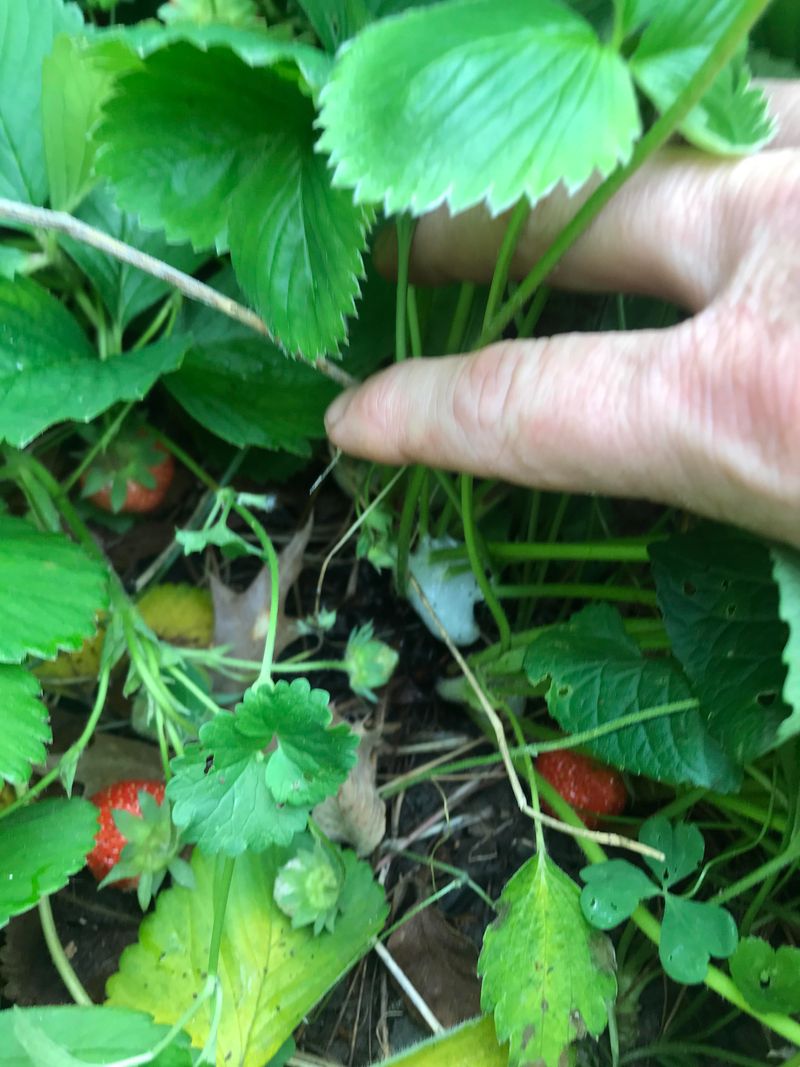
Spittlebugs are not picky, but they do have favorites. Across Maryland yards and gardens, certain plants show up again and again as prime real estate for nymph activity.
Knowing which ones to check can save you a lot of confused staring. Rosemary is a top target. The woody stems and aromatic oils seem to attract egg-laying adults in large numbers.
Come spring, a well-established rosemary bush can host dozens of foam nests at once. Strawberries are another hotspot. Spittlebugs love low-growing plants where moisture lingers near the soil.
Strawberry patches create exactly that kind of sheltered, humid microhabitat that nymphs thrive in. Lavender, clover, ornamental grasses, and even some vegetable plants like tomatoes and peppers also attract these insects.
Basically, if your garden has variety, you have probably already got spittlebugs somewhere in it. Pine trees and junipers attract a specific species called the pine spittlebug.
This one prefers evergreens and can appear higher up on branches. The foam looks identical but the host plant gives it away.
Wild areas bordering your yard matter too. Meadow grasses and weedy patches provide overwintering spots for adult spittlebugs.
Each fall, adults lay eggs in plant stems, and each spring, new nymphs hatch and start building foam nests all over again. Walking your garden in May and June is the best way to find active nests.
Check stem joints and leaf bases where moisture naturally collects.
Light Feeding Rarely Causes Real Plant Damage
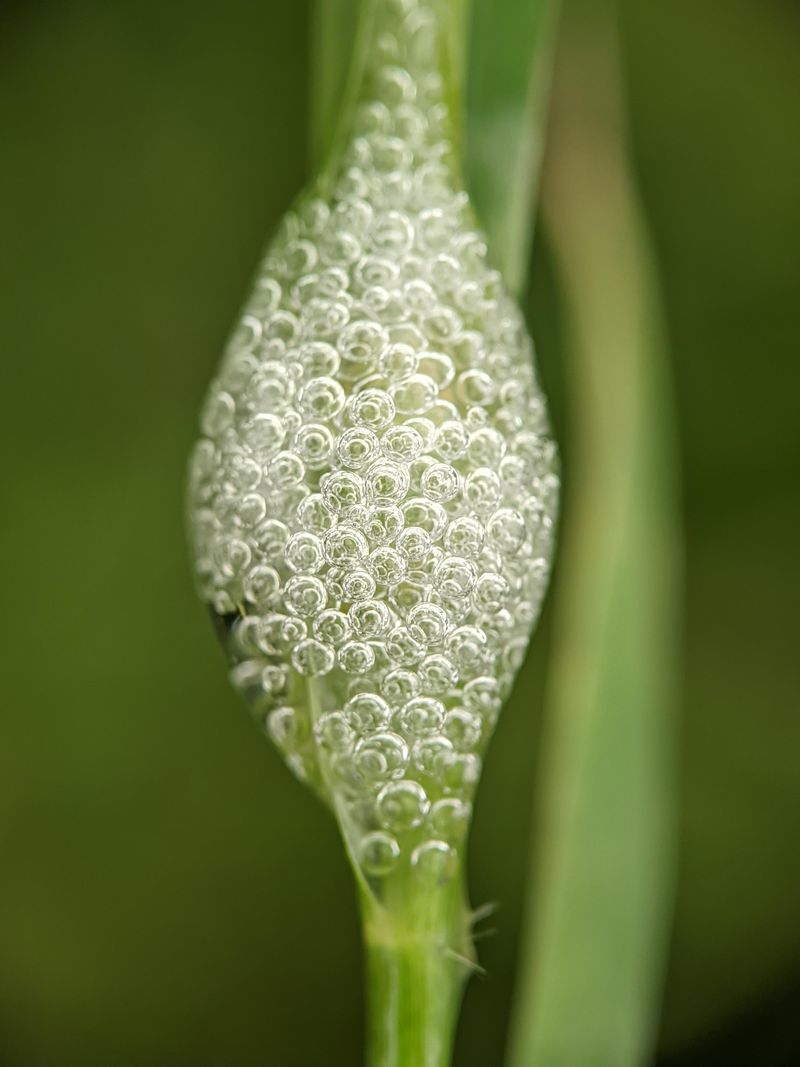
Here is the part that surprises most gardeners. Spittlebugs feed on plant sap, yes. But in most home garden situations, the damage they cause is almost unnoticeable.
Healthy plants handle the feeding without missing a beat. A nymph feeds by inserting a needle-like mouthpart into a plant stem and drawing out fluid.
The amount taken is genuinely tiny compared to what the plant produces daily. One nymph on one stem is not a crisis.
Large infestations on young or stressed plants can cause some leaf curling or slight yellowing. In those cases, the plant might look a little tired. But even then, recovery is fast once the nymphs mature and leave.
Pine spittlebugs can cause more noticeable harm over multiple seasons. Repeated feeding on young pine shoots can stunt growth or cause branch go dormant. That said, this level of damage is the exception, not the rule.
For most Maryland gardeners growing vegetables, herbs, or flowers, spittlebugs are a cosmetic issue at worst. The foam looks alarming, but the plant underneath is usually just fine.
Pulling back the froth often reveals a healthy green stem with no visible injury. Treating every foam spot with pesticide is unnecessary and can harm beneficial insects nearby.
Bees, ladybugs, and parasitic wasps all share the same garden space. Spraying broadly to eliminate a harmless nymph is not a trade worth making. Patience is often the best tool a gardener owns.
Foam Timing Follows A Predictable Spring Pattern
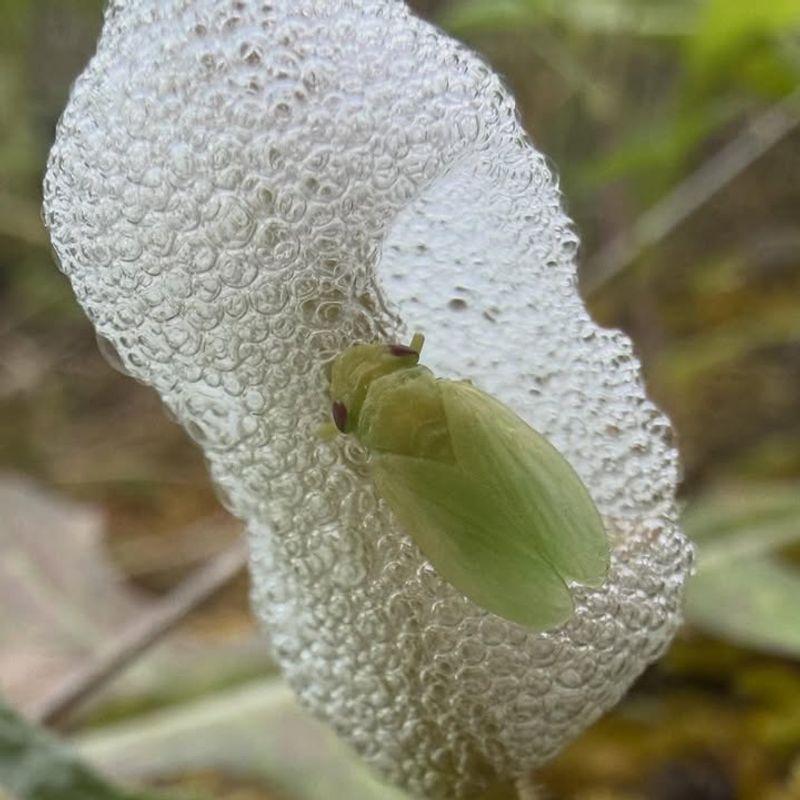
Timing is everything with spittlebugs. Once you know their schedule, spotting foam on your plants stops feeling random and starts feeling almost predictable. These insects run on a tight biological clock.
Adult spittlebugs lay their eggs in late summer and early fall. The eggs tuck into hollow plant stems or leaf litter and wait out the winter. Cold temperatures do not bother them at all.
When soil temperatures climb in early spring, the eggs hatch. In Maryland, this usually happens between late April and early May. Within days of hatching, nymphs start producing foam on whatever host plant they land on.
The nymph stage lasts roughly five to eight weeks. During that window, the foam is visible and active. Check your garden in May and you will almost certainly find at least one nest if you look carefully.
By late June or early July, nymphs complete their development and emerge as adults. The foam disappears almost overnight. Adults are small, quick, and far less noticeable than the dramatic nests they once lived in.
Adults mate through summer, lay eggs in fall, and the whole cycle resets. One generation per year is the standard for most spittlebug species in this region. That predictable rhythm makes them easy to monitor once you know what to track.
Marking your calendar for a mid-May garden walk each year means those foamy masses on Maryland plants will never catch you off guard again.
Simple Checks Confirm What’s Living In The Bubbles
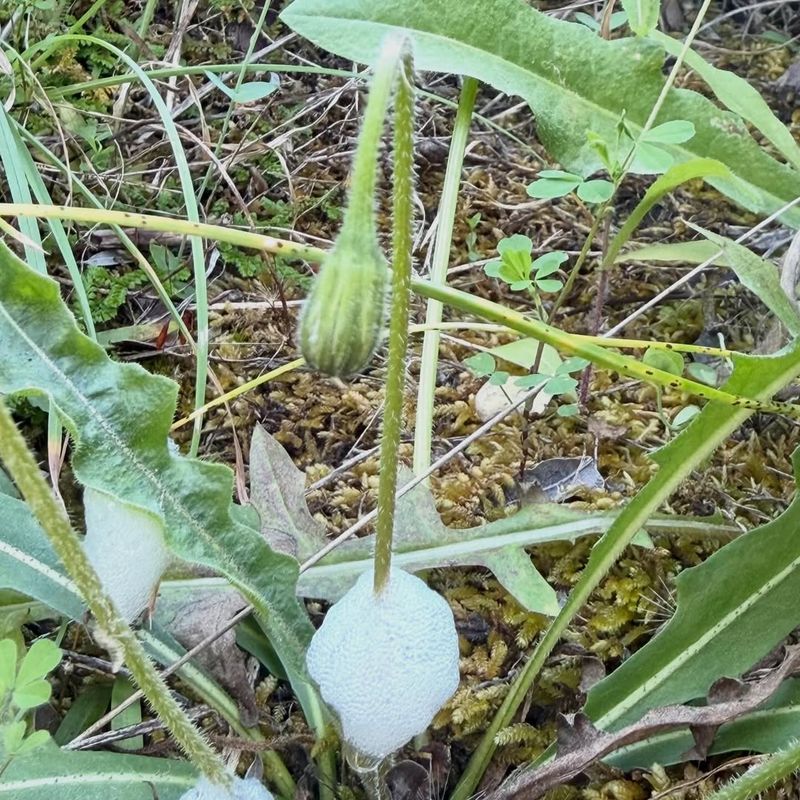
Curiosity is a gardener’s best tool. If you spot foam on a plant and want to know for certain what is inside, the check takes about ten seconds. Anyone can spot it, no tools or training necessary.
Use your finger or a small stick to gently part the foam. Push it aside slowly so you do not flick the contents off the stem. Inside, you should see a small, soft-bodied insect clinging to the plant.
Spittlebug nymphs are typically yellow-green or orange, depending on species and age. They look almost translucent, like a tiny alien bead. Their legs grip the stem tightly even when disturbed.
If nothing is inside the foam, the nymph may have already matured and left. Old foam dries out and turns crusty. Fresh foam is bright white and slightly sticky, with active bubbles still forming at the edges.
You might also find a nymph that never fully matures. Some natural predators and parasites help keep spittlebug populations in check.
This is natural population control at work, and it is a sign your garden ecosystem is balanced. After checking, leave the nymph alone if the plant looks healthy. Wash your hands and move on, no treatment needed.
Understanding what those foamy masses on Maryland plants really are turns a moment of confusion into genuine appreciation. Nature is doing its thing, right in your backyard, one bubble at a time.