Why Your Texas Peace Lily Won’t Bloom? Here Are 7 Mistakes
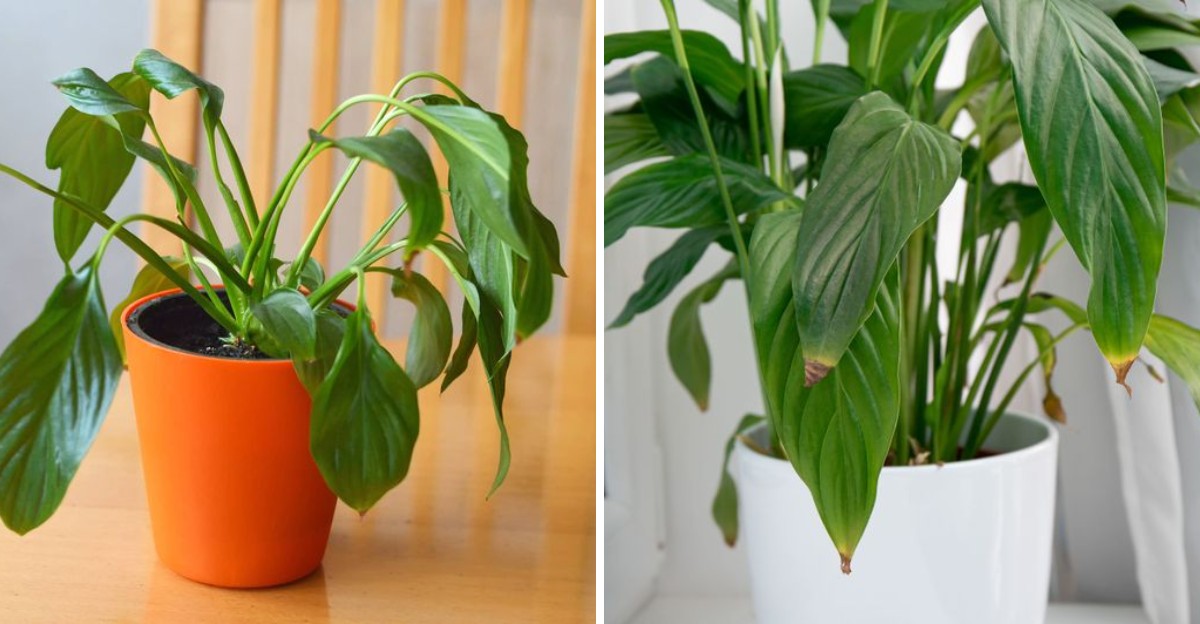
That snowy white flag on your favorite houseplant is not a petal, but a cleverly modified leaf called a spathe. Many growers also treat young plants with a hormone called gibberellic acid, so they bloom early for store shelves.
Once that first flush fades, the plant has to bloom on its own schedule in your living room. Nobody warned me that the second round depends far more on your daily care than on pure luck.
I have to admit my own pot sat green and flowerless on a Texas bookshelf for two summers. You might notice the same stubborn pattern at your house, with plenty of glossy leaves and zero blooms.
Texas homes add their own twists, like chilly air conditioner blasts and sunny windows that bake nearby leaves. Which small habits are quietly holding your plant back, and how quickly can you turn things around?
1. A Peace Lily Stuck In A Dark Corner Rarely Blooms
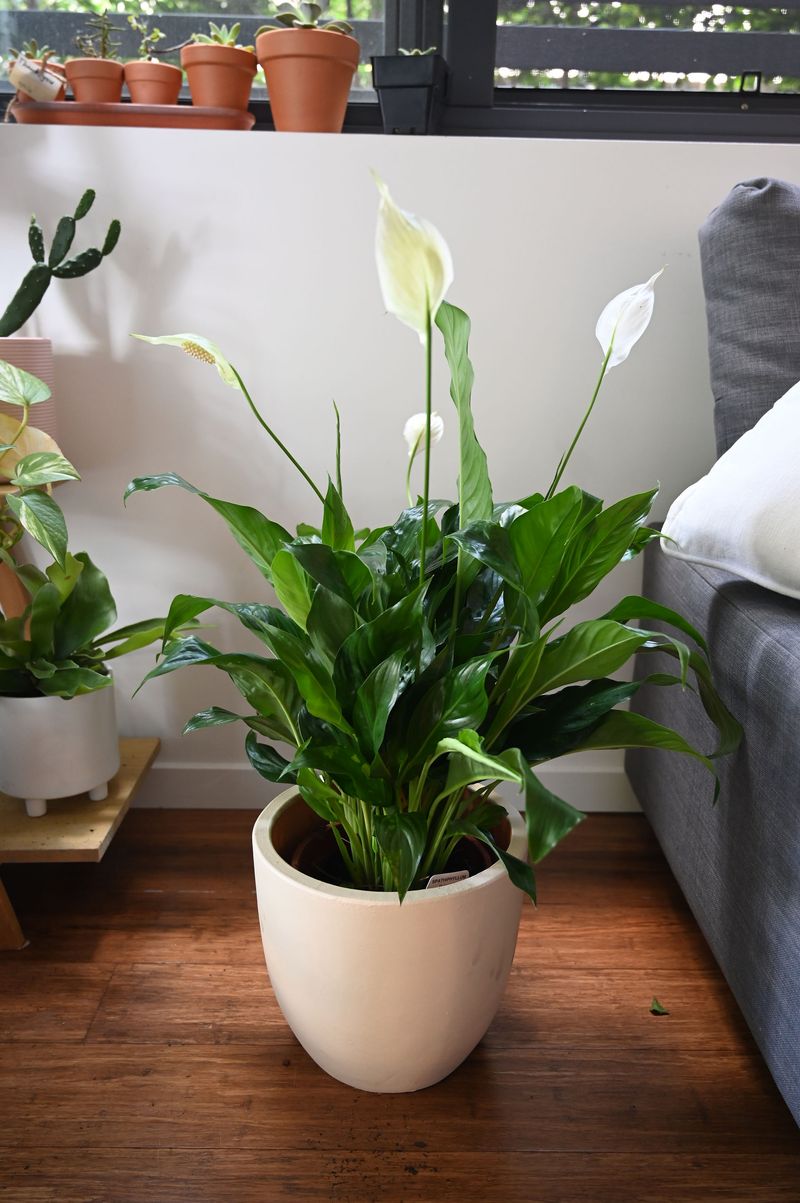
Peace lilies earned a reputation as the plant you can stash anywhere, and that reputation causes plenty of flowerless pots. Surviving in a dim hallway is one thing, but producing those white spathes takes noticeably more energy.
In the wild, these plants grow on shady rainforest floors in Central and South America under broken canopy light. Filtered brightness there is far stronger than the gloomy corner behind your couch, even on cloudy days.
Personally, I moved my stubborn plant six feet closer to an east window, and buds showed up months later. Gentle morning sun gave it enough fuel without scorching the leaves the way afternoon rays often do.
Bright indirect light is the sweet spot, which usually means near a north or east window. A sheer curtain on a south or west window works nicely too, especially during long Texas summers.
Direct afternoon sun can bleach leaves pale yellow or leave crispy brown patches across the surface. If you spot those marks, slide the pot back a few feet instead of hiding it away again.
Grow lights help a lot in darker apartments where windows face a wall or a covered patio. A simple full-spectrum LED bulb running around twelve hours daily can make a real difference over time.
Give the plant a few months after any change, since buds form slowly and rarely appear overnight. Patience pays off when that first pale spathe finally unfurls above the leaves like a tiny sail.
2. Wilting Peace Lily Leaves Signal A Watering Problem
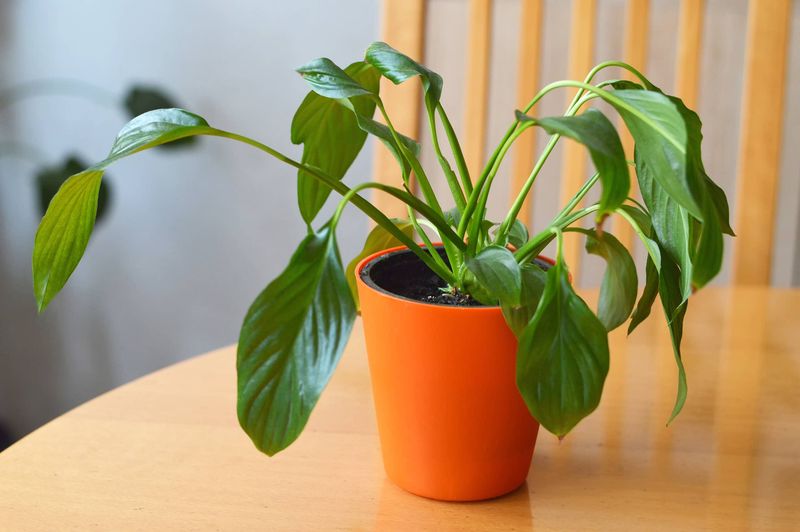
Few houseplants throw a tantrum quite like this one, flopping over dramatically the moment its soil runs dry. It looks alarming, yet the leaves usually perk back up within hours after a good, deep drink.
That quick rebound tempts many of us to wait for the droop before reaching for the watering can. Repeated wilting stresses the roots, though, and a stressed plant puts flowers far down its priority list.
Soggy soil causes the opposite trouble, since roots sitting in water can rot and turn mushy brown. Root rot often shows up as yellow leaves and a sour smell coming from the pot.
Aim for evenly moist soil, letting the top inch or so dry before you water again. Your finger works better than any calendar, because indoor conditions shift with the seasons and air conditioning.
Water slowly until it drains from the bottom, then empty the saucer within about fifteen minutes. A pot without drainage holes is asking for trouble, so swap it for one that lets water escape.
Tap water in some areas carries chlorine or fluoride, which may cause brown leaf tips on sensitive plants. Letting water sit out overnight or using filtered water is an easy habit that many growers swear by.
I like to check my pots every few days during hot summer stretches, when soil dries faster. Winter usually calls for less water, so adjust your routine instead of sticking to one fixed schedule.
3. Too Much Or Too Little Fertilizer Stalls Peace Lily Blooms
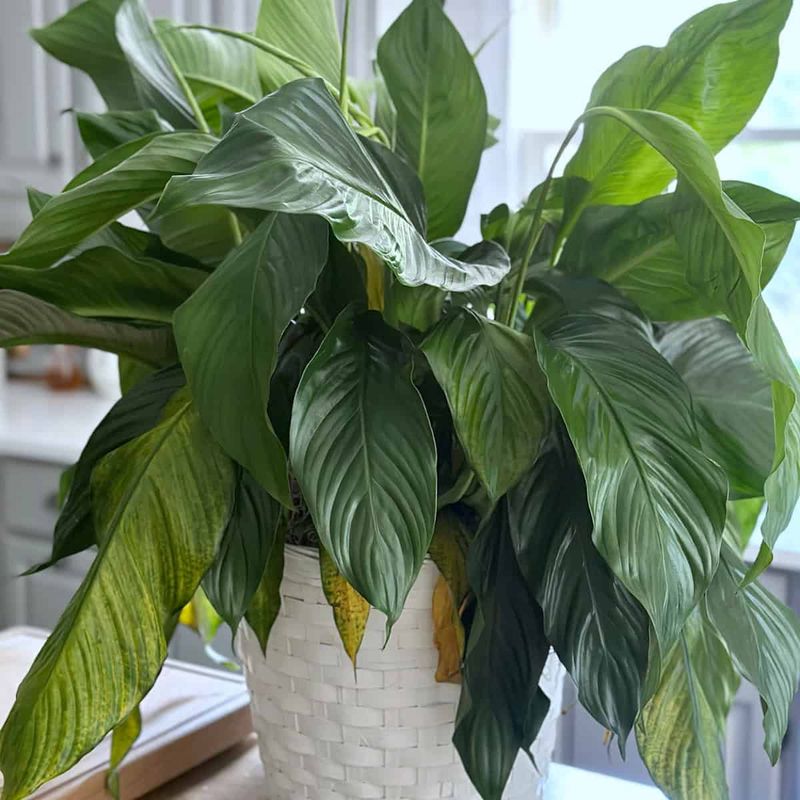
Feeding a houseplant feels like a kind gesture, but this one is surprisingly picky about how much it gets. Both a hungry plant and an overfed plant can sit there stubbornly, refusing to send up a single bloom.
Old potting mix slowly loses most of its nutrients, especially after years of regular watering flushes them away. A plant parked in the same tired soil for ages may simply lack the fuel to flower.
Too much fertilizer brings a different headache, since excess nitrogen pushes lush leafy growth instead of pretty blossoms. Overfeeding can also build up salts that burn root tips and leave crispy brown edges on leaves.
A balanced liquid houseplant fertilizer diluted to half strength works well for most indoor peace lilies. Feed about once a month during spring and summer, when the plant is actively growing and hungry.
Fall and winter growth slows down, so cut back or pause feeding until warmer weather returns. Some growers prefer a bloom-boosting formula with a little extra phosphorus, though balanced food usually does fine.
Water the soil first before fertilizing, because dry roots soak up concentrated nutrients too quickly and burn. A white crust on the soil surface often means salts are building up from too much feeding.
Flushing the pot with plain water every few months helps rinse those salts away from the root zone. I truly believe a lighter hand with fertilizer solves more bloom problems than any fancy product on store shelves.
4. Peace Lily Roots Need A Snug Pot To Bloom
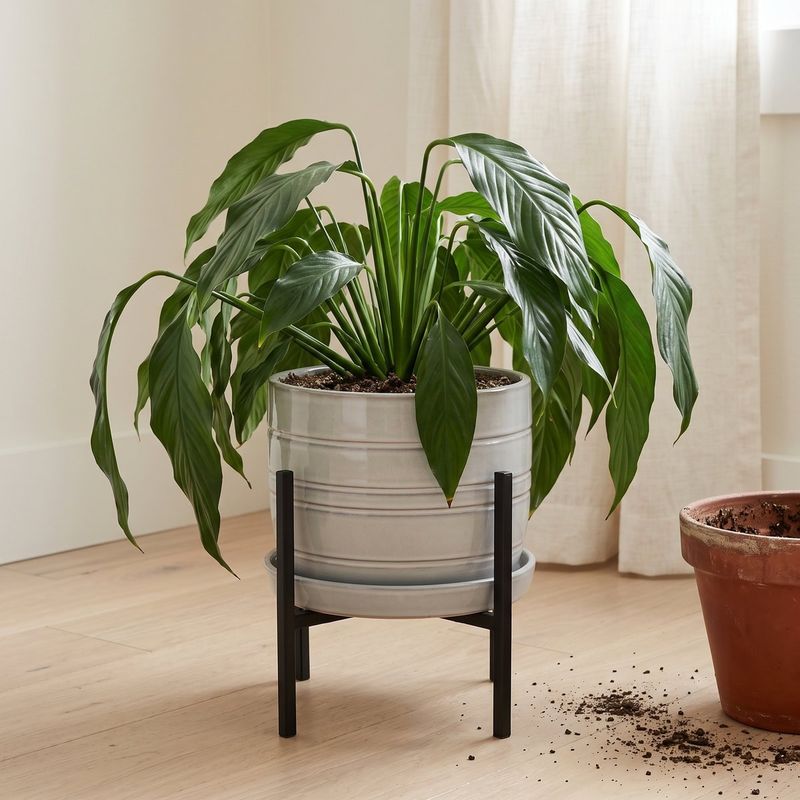
Roots poking out of drainage holes look like a cry for help, yet this plant actually enjoys snug quarters. A slightly crowded root system often nudges peace lilies a little toward flowering instead of endless leaf production.
Problems start when the pot becomes so packed that roots circle tightly and water runs straight through. At that point, the plant spends its energy just staying alive, and flowers quietly drop off the agenda.
An oversized pot creates the opposite mess, holding extra soggy soil that the roots cannot reach. That leftover moisture lingers for days and invites root rot, which pushes blooming even further away.
Repotting every year or two usually keeps things balanced, especially once roots start escaping from below. Spring is a great time for this job, since the plant is ready to grow and recover quickly.
Pick a new container only one or two inches wider than the old one, with good drainage holes. A peat-based or well-draining potting mix with some bark or perlite keeps roots moist without staying waterlogged.
Large clumps can also be divided into smaller plants, which gives you bonus gifts for friends and family. Gently pull the crowns apart by hand, making sure each piece keeps healthy roots and several leaves.
Expect a short pause in flowering after repotting, because the plant needs time to settle into fresh soil. You’ll wonder why you didn’t try this sooner once new spathes appear above that refreshed root ball.
5. Dry Indoor Air Gives Peace Lily Leaves Brown Tips
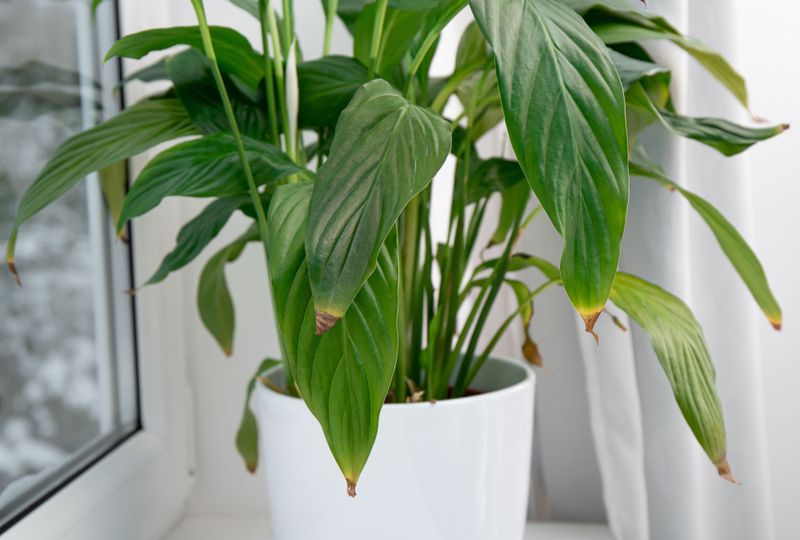
Rainforest air feels like a warm, damp towel, and peace lilies grew up loving every steamy breath of it. Our air-conditioned homes feel wonderful to us in July, but they can be surprisingly dry for tropical plants.
Running the AC all summer and the heater all winter pulls moisture out of indoor air steadily. Many Texas homes end up with humidity levels well below what these jungle natives prefer for steady growth.
Brown, crispy leaf tips are often the first clue, along with slower growth and fewer new buds. Those tips can also come from water quality or fertilizer salts, so check a few possibilities before deciding.
A pebble tray is an easy fix, using a shallow dish of water and stones under the pot. Keep the pot sitting above the water line, so the roots stay dry while moisture rises around the leaves.
Grouping several houseplants together also helps, since leaves release moisture and create a slightly damper pocket of air. My bathroom peace lily, near a bright frosted window, blooms more than any other plant in my house.
A small cool-mist humidifier works well for serious dry spells, especially in bedrooms or home offices. Misting feels helpful, but the effect fades within minutes, so it rarely changes humidity in a lasting way.
Wiping dusty leaves with a damp cloth also helps them breathe and soak up more available light. Take a closer look at those leaf tips this week, because they quietly reveal how your plant feels.
6. Cold Drafts And AC Vents Chill Peace Lily Growth
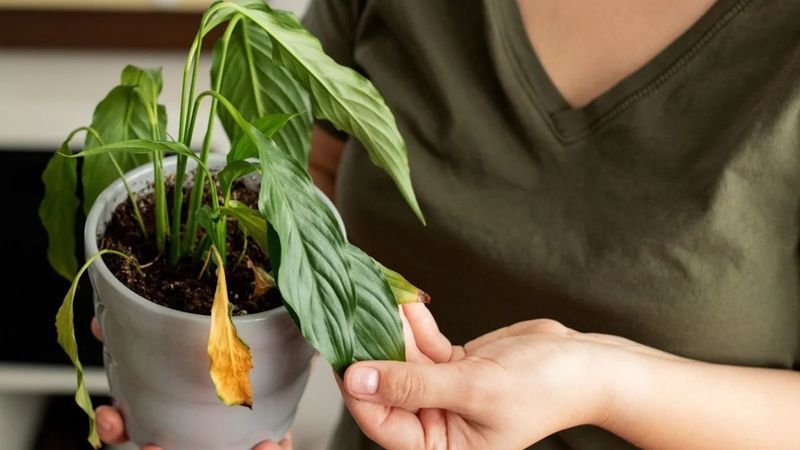
Peace lilies sulk when temperatures dip, and a spot beside a rattling air vent can feel like a constant cold front. Sudden chills stress the plant, and stressed plants rarely waste precious energy on making new flowers.
Comfortable temperatures for this plant run roughly between 65 and 80 degrees Fahrenheit, matching most indoor rooms nicely.
Readings that sit below about 60 degrees for long stretches can slow growth and damage tender leaves.
The tricky part is that cold air often comes from surprising places, like ceiling vents blowing straight down. Front doors opened during a winter norther can also blast chilly gusts across plants sitting nearby.
Heat brings its own trouble, because pots on sunny sills can cook during long summer afternoons. Temperatures climbing well above 85 degrees may cause wilting and scorched leaves, even when the soil is moist.
Move your plant at least a few feet away from heating vents, fireplaces, and drafty windows or doors. Hold your hand near the plant for a minute, and you’ll feel whether a breeze is sneaking past.
Outdoor summers on a shady porch are possible, but bring the pot inside before nights drop below sixty degrees. Peace lilies are only hardy outdoors in USDA zones 10 through 12, so most Texas yards get too cold.
A steady, cozy spot works wonders, and the plant rewards that consistency with healthier leaves and better blooms.
Grab a cheap indoor thermometer, and you might discover your favorite corner runs cooler than you expected.
7. Young Or Stressed Peace Lilies Need Time To Rebloom
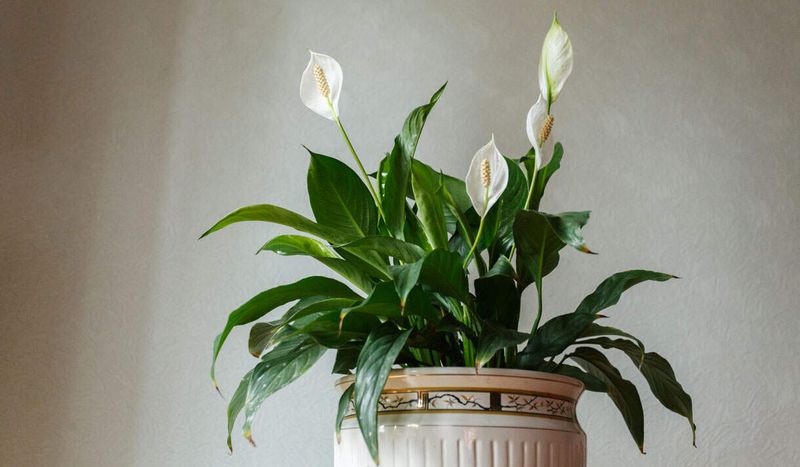
Store-bought peace lilies often arrive loaded with blooms thanks to gibberellic acid, a growth hormone used by commercial growers.
That chemical boost wears off, and the plant then needs to bloom naturally on its own timetable.
Many young plants focus on roots and leaves first, so flowers may take a year or more to return. Mature plants usually bloom in spring and early summer, sometimes adding a second flush later in the year.
Older flowers fade naturally, turning green and then brown before they drop or wither on the stem. Snip those spent stalks near the base, so the plant can redirect its energy toward fresh growth.
Pests like mealybugs, spider mites, and scale can also drain energy and quietly hold back new buds. Check under leaves and along stems, then wipe off any pests with a soft cloth or insecticidal soap.
Recent repotting or a big move across town can also cause a temporary pause in flowering. Plants need several weeks to settle in, and that adjustment period is perfectly normal for most houseplants.
Keep in mind that peace lilies are toxic to cats and dogs, because their leaves contain calcium oxalate crystals. Chewing on them can irritate mouths and throats, so place pots where curious pets cannot reach them.
Believe it or not, my most stubborn plant finally flowered after I simply stopped fussing and let it mature. Steady care and a little patience often turn a leafy green pot into a plant covered in snowy spathes.