What Texas Law Says About Cutting Down A Tree On A Property Line
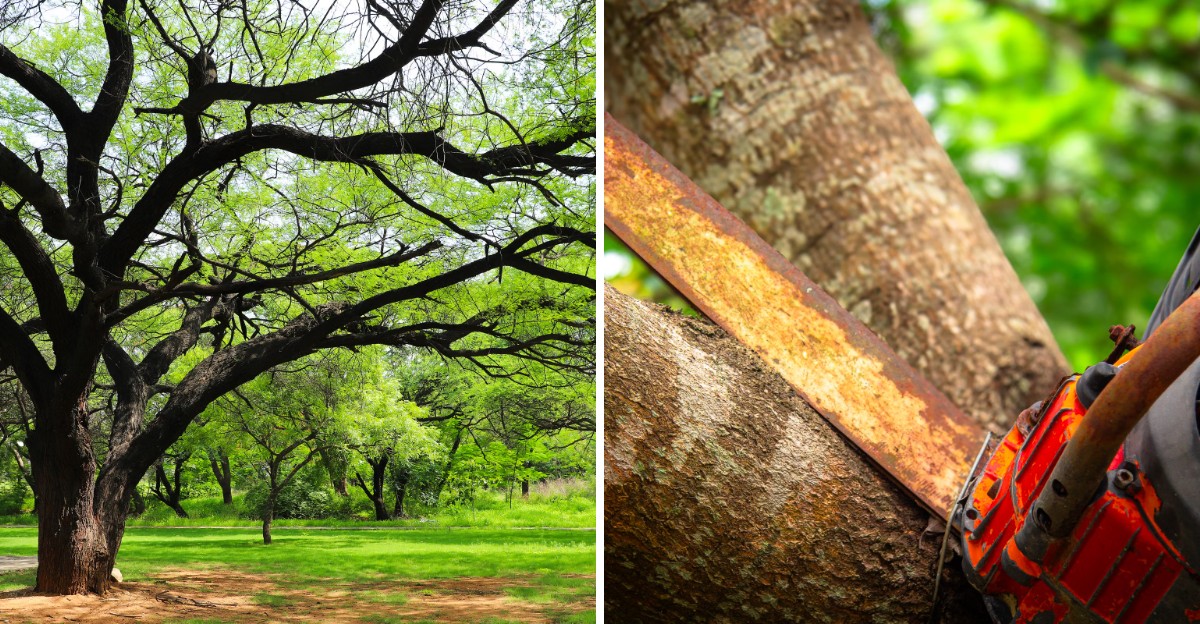
A single tree trunk can legally belong to two families at once. Nobody warned me that a shared shade tree comes with shared rights, but that is exactly how courts often treat it.
In Texas, the spot where the trunk meets the soil matters more than who planted it, who waters it, or who rakes its leaves. I find that oddly fair. The tree does not care about fences, and the law mostly follows the trunk.
Personally, I would rather learn these rules over coffee than in a courtroom. One wrong cut can cost far more than a new fence. Some mature trees carry price tags in the thousands of dollars.
So who really gets the final say when bark crosses the line? The answer might change how you look at that big tree out back.
1. That Trunk Sitting On The Fence Line Has Two Owners
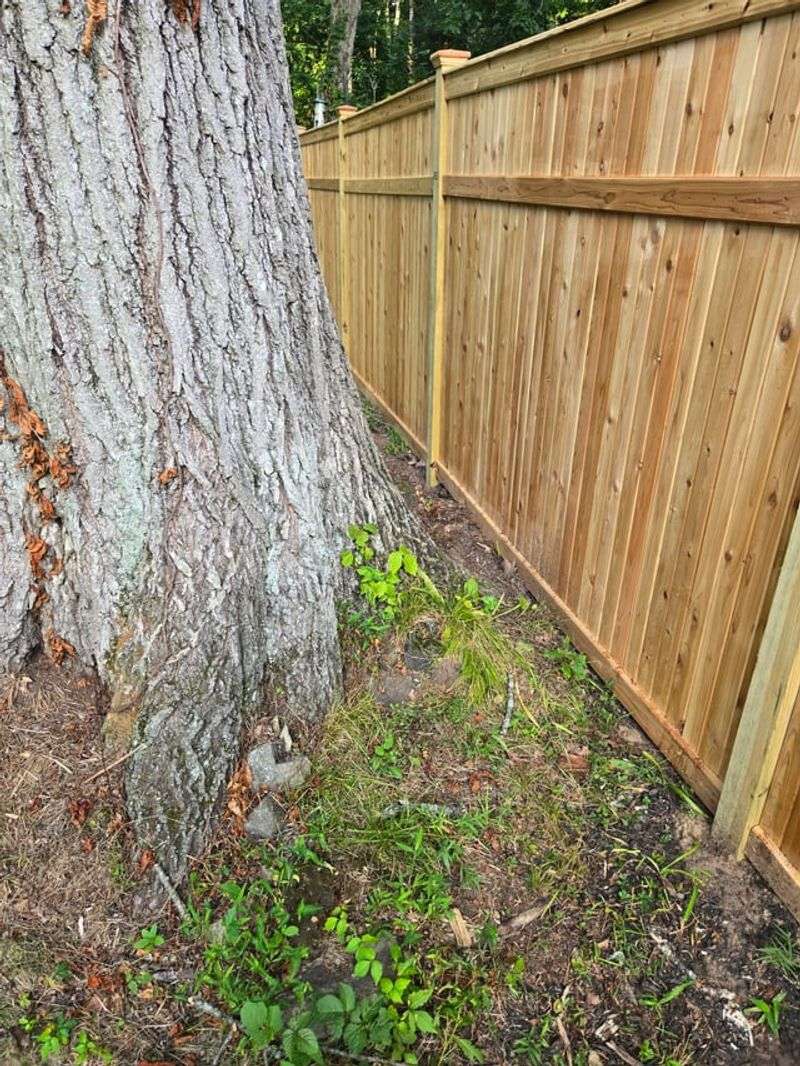
Walk out to your fence and look closely at where the trunk enters the ground. That spot tells you most of what you need to know about ownership.
Texas courts generally follow the trunk rule. If the whole trunk sits on your land, the tree is yours, even when the branches hang over next door. If the trunk sits fully on your neighbor’s side, it belongs to them.
A trunk that grows across the boundary is different. Lawyers call it a boundary tree or line tree, and it is usually treated as shared property between both owners.
Roots under the soil do not decide ownership, and neither does who planted the seedling decades ago. The visible base of the trunk carries the most weight in most disputes.
I like how simple that test sounds, yet fences rarely sit exactly on the true boundary. Many Texas fences were built a foot or two off the line for convenience.
Before you assume anything, pull out your property survey or plat. If those papers are unclear, hiring a licensed surveyor costs far less than a lawsuit.
A few hundred dollars for clear markers can save you a mountain of stress and keep the peace on both sides of that fence.
2. Cutting Down A Shared Boundary Oak Needs Both Neighbors To Agree
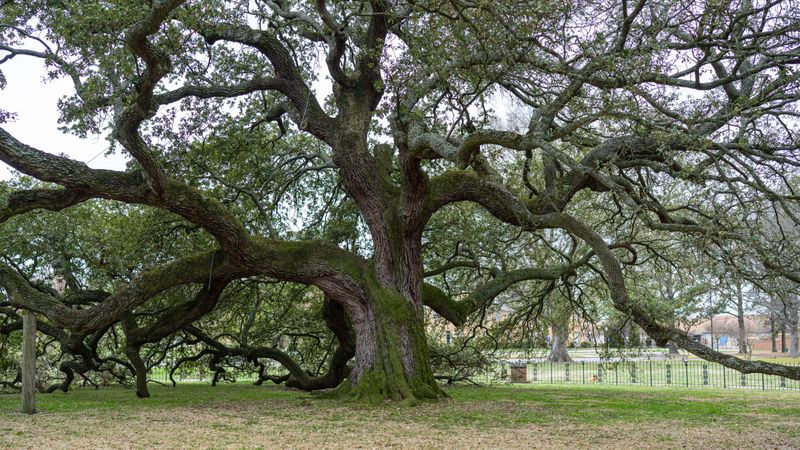
Here comes the rule that surprises most folks. When a tree straddles the property line, one owner generally cannot remove it alone.
Because a boundary tree is shared property, each neighbor holds an interest in the whole tree. Cutting it down without permission can expose you to a claim for damages, even if half the trunk stands on your side.
So what should you do if that shared pecan or cedar elm truly needs to go? Start with a calm conversation and explain your reasons clearly.
Bring facts if you have them. A written report from an ISA certified arborist showing decay, cracks, or heavy lean makes your case far more convincing than frustration alone.
Once you both agree, put it in writing. A short signed note stating who hires the crew, who pays, and how the stump and debris get handled can prevent arguments later.
Many neighbors split costs evenly, though nothing requires a particular split. You can work out whatever arrangement feels fair to both households.
If your neighbor refuses and the tree poses a real hazard, talk with a local real estate attorney. Getting legal advice early beats grabbing a saw and hoping for the best.
3. Overhanging Branches Can Be Trimmed Right Up To Your Side Of The Line
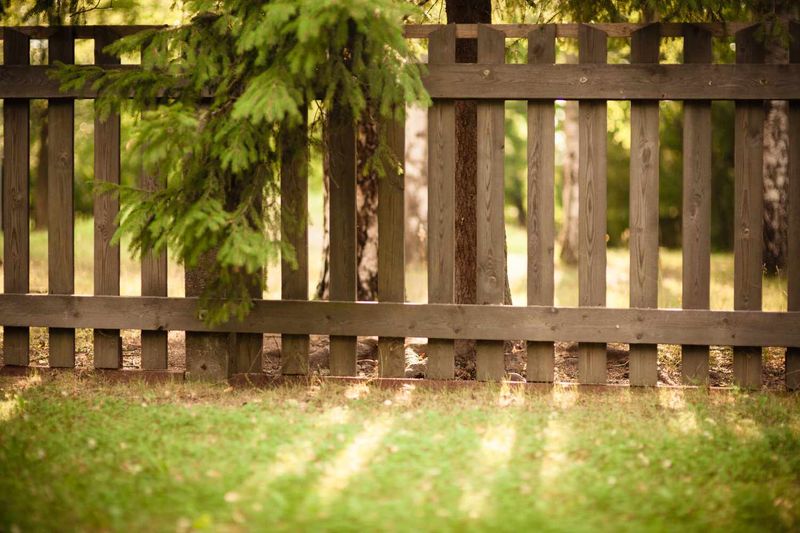
Leaves piling in your gutters from the neighbor’s tree? Texas generally lets you handle that yourself through what is called self-help.
You may usually trim branches that cross onto your property, but only up to the property line. Picture an invisible wall rising straight up from the boundary. Anything on your side of that wall is fair game for careful pruning.
A few limits matter a lot. You should stay on your own land while you work, unless your neighbor gives clear permission to step onto theirs.
You also cannot prune so heavily that you seriously harm the tree. Cutting back half the canopy because it bugs you could leave you responsible for the damage.
Paying for the trimming usually falls on you, since you chose to do it. Some neighbors happily share costs, so asking politely never hurts.
Timing helps the tree too. Texas oaks should mostly be pruned in the hottest part of summer or the coldest part of winter, avoiding roughly February through June, to lower the risk of spreading oak wilt.
Make clean cuts just outside the branch collar, and paint fresh oak wounds right away. Your neighbor’s tree stays healthy, and so does your friendship.
4. Roots Cracking Your Driveway Follow Similar Trimming Rules
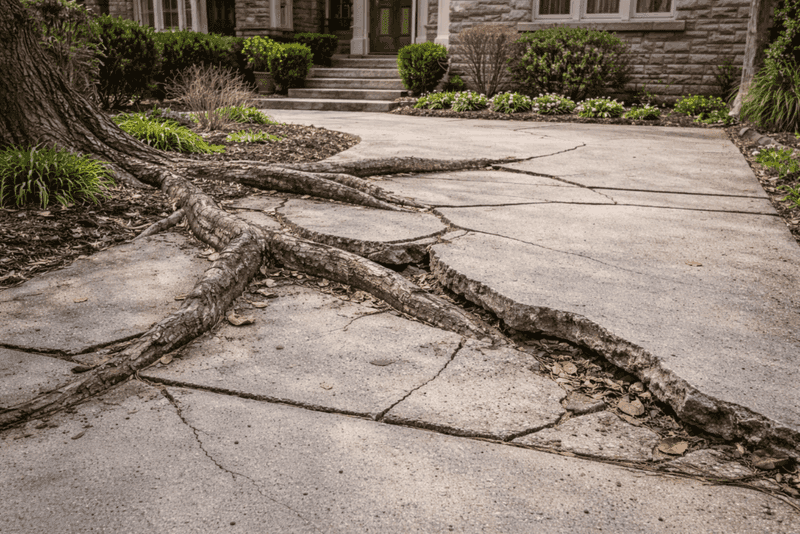
Roots are sneaky. You often notice them only after a sidewalk heaves or a foundation crack appears.
Texas generally treats encroaching roots much like branches. You can usually cut roots that have grown onto your land, as long as you stay on your side and avoid seriously harming the tree.
That last part is tricky. Roots anchor the tree and carry water, so heavy root cutting can weaken it or make it unstable in a windstorm. A toppled tree after your trenching could become your problem.
Most structural roots sit in the top couple of feet of soil and spread far beyond the canopy. Cutting a big root close to the trunk carries much more risk than trimming one farther out.
Before any digging, call 811 at least two business days ahead. Texas law requires utility line locates before excavation, and buried gas or electric lines are not something to guess about.
For serious root problems, ask an arborist about root pruning or a root barrier. Barriers placed along driveways or foundations can guide roots downward without cutting the tree off from its lifeline.
Patience and planning work better here than a quick swing of the shovel.
5. A Chainsaw Mistake On Your Neighbor’s Pecan Can Get Expensive
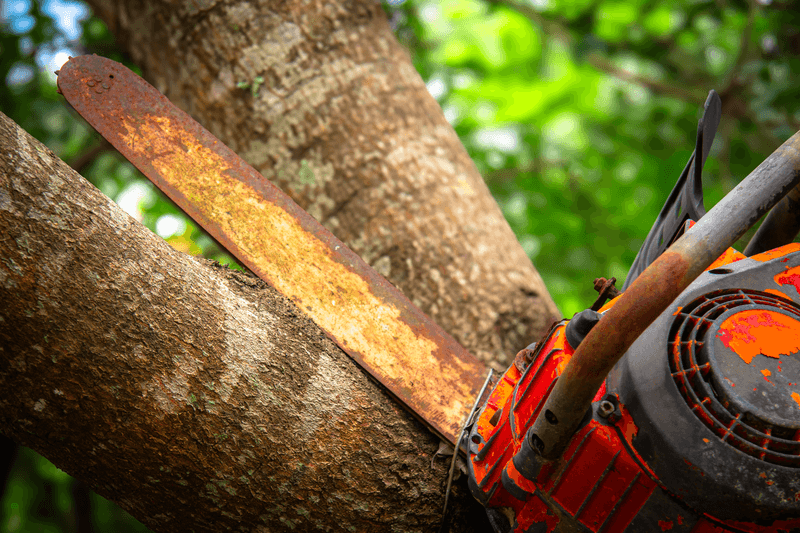
Mature trees are worth real money. A big shade tree can add serious value to a home, and Texas courts recognize that.
If you cut down or badly damage a tree that belongs only to your neighbor, you can be held liable. Removing or butchering someone else’s tree without permission is treated as damage to their property.
Courts in Texas may look at several ways to measure the loss. One option is the drop in the property’s market value.
Another is the cost of replacing the tree with something comparable, including buying, hauling, and planting it. Replacing a large oak is costly, and many big trees simply cannot be replaced at full size.
Texas courts have also allowed recovery based on a tree’s intrinsic value in some cases. That covers the shade, beauty, and usefulness a tree gives even when market value barely changes.
Honestly, I cannot imagine any frustration worth that bill. Mature trees can carry values in the thousands, sometimes more.
Hiring a tree service does not get you off the hook either. If you tell a crew to remove a tree that is not yours, you may still share responsibility. Confirm ownership first, every single time.
6. City Rules Can Protect Some Big Texas Trees
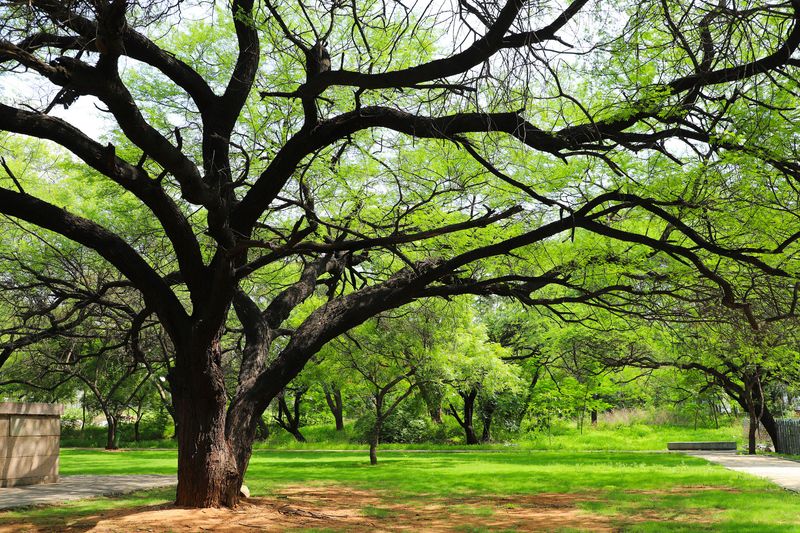
State law is only part of the story. Many Texas cities add their own tree ordinances on top.
Austin is a well-known example. Its rules protect trees measuring 19 inches or more in diameter, and heritage trees of certain species starting at 24 inches usually need a city permit before removal.
Other cities, including San Antonio, Dallas, and Houston, have tree preservation or landscape rules too. Many apply mostly during development or to commercial lots, while some reach residential yards in specific situations.
Homeowners associations can also have a say. Deed restrictions might require approval before removing trees, especially in newer subdivisions.
State law does limit how far cities can go in some cases. A 2017 Texas law created certain limits and fee credits around municipal tree mitigation, though cities still keep many permit rules.
The takeaway is simple. Before you remove any sizable tree, even one that is fully yours, check your city website or call the planning department.
Look at your HOA covenants while you are at it. A quick phone call is far easier than paying fines or replanting several trees to satisfy a permit requirement you missed.
7. When A Storm Drops A Tree Over The Fence, Fault Matters
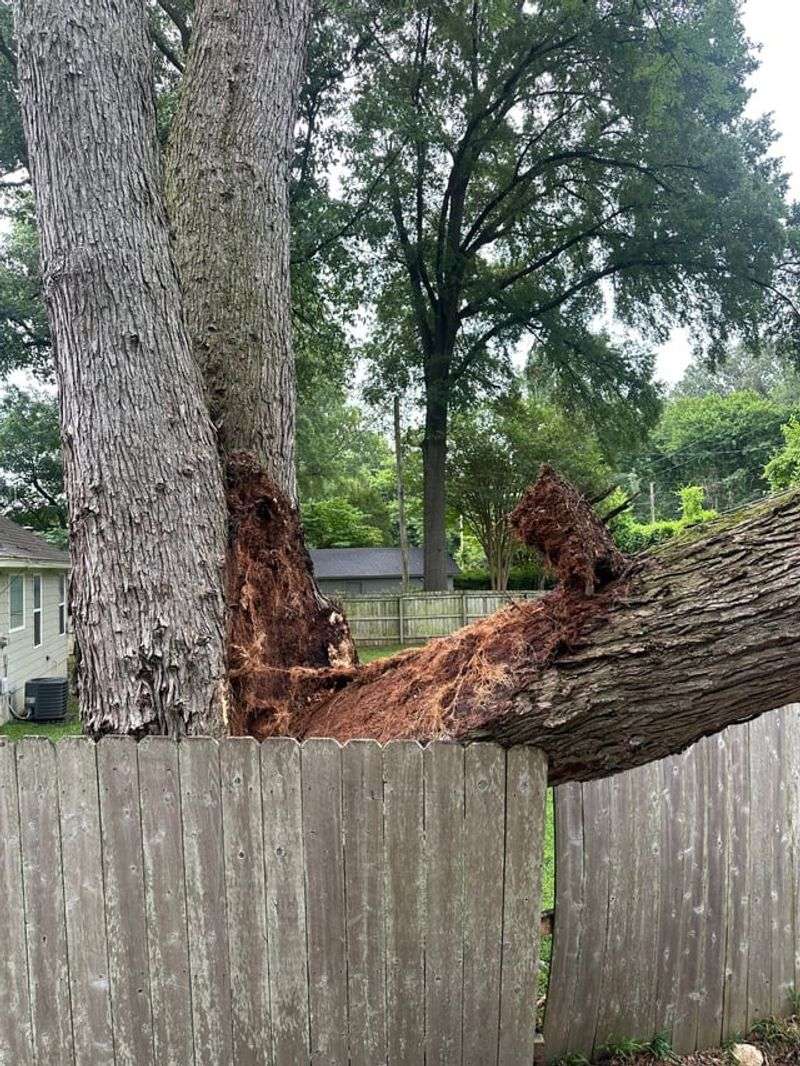
Spring thunderstorms in Texas can turn a calm evening into a backyard mess. When a tree crashes across the line, the first question is usually who pays.
If a healthy tree falls because of a storm or other natural event, the owner usually is not liable. Each homeowner typically files with their own insurance for damage on their property.
Things change when the owner knew, or reasonably should have known, the tree was hazardous. Visible rot, large hollow cavities, a deep split, or a trunk with fungi growing on it can point to negligence.
In that case, the tree owner may be responsible for the damage the fall causes. Courts focus on whether the problem was foreseeable and ignored.
Worried about a neighbor’s tree? Take dated photos and send a polite written note describing the problem. That record can matter a great deal later.
Check your own trees too, especially after droughts, which stress many Texas trees. An arborist inspection every few years is a smart habit.
Removing a clearly hazardous tree that sits only on your property is usually your call, though city permits may still apply. Shared trees still need that neighbor conversation first.
8. A Friendly Chat Under The Shade Tree Beats A Courtroom
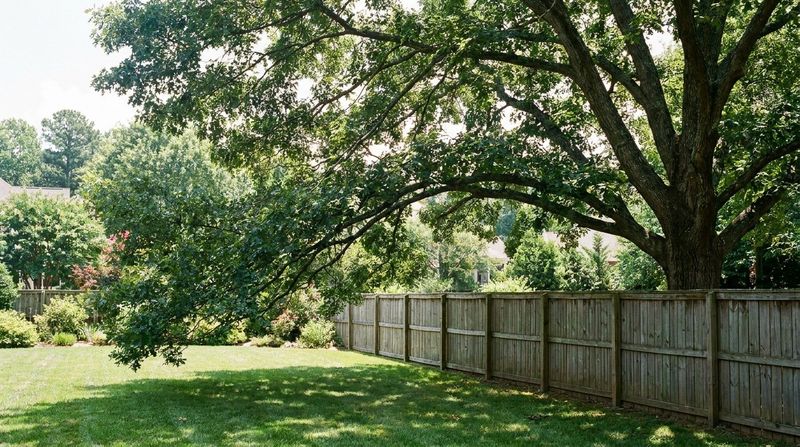
Most tree disputes start small. A few leaves, a scraped roof, a shady tomato bed, and suddenly two neighbors stop waving.
A friendly conversation solves more problems than any statute. Pick a relaxed moment, walk the line together, and look at the tree side by side.
Share your concern plainly and listen just as much. Your neighbor might love that tree for reasons you never knew, like a parent who planted it.
Write down whatever you agree on. Clear notes about who trims, who pays, and when the work happens keep memories from drifting later.
If talks stall, many Texas counties offer dispute resolution centers with low-cost or free mediation. A neutral mediator can help both sides find middle ground.
Here is my personal checklist before any cut near a boundary. Confirm the line with a survey, identify where the trunk sits, check city and HOA rules, and talk with your neighbor.
Then bring in a certified arborist for anything big. They can advise on safe pruning and spot hazards early.
Trees outlive most fences and many friendships. Treat that shared shade with care, and you will both enjoy it for years.