The Golden Rule For When To Stop Fertilizing Your Pennsylvania Lawn
Your grass can keep feeding its roots for weeks after you park the mower for winter. Nobody warned me about that hidden shift, and I used to treat my lawn like it clocked out in October.
To my surprise, the blades go quiet while the roots stay busy below the soil. Cool nights slow the top growth, yet sunny afternoons still let the grass make sugars and tuck them away. That stored energy becomes the fuel for an early spring green-up.
Here in Pennsylvania, there is even a legal deadline tied to this season, so timing matters more than most of us realize. Too early, and you get soft growth. Too late, and your effort may wash into the nearest storm drain.
So what signal tells you the moment has arrived? Your lawn sends a pretty clear clue, and you have probably seen it already.
The Lawn Mower Holds The Clue To Your Last Fall Feeding
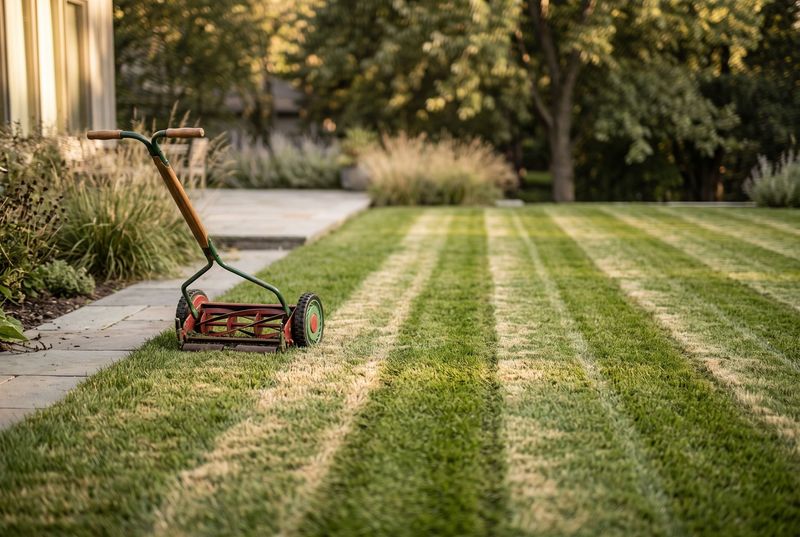
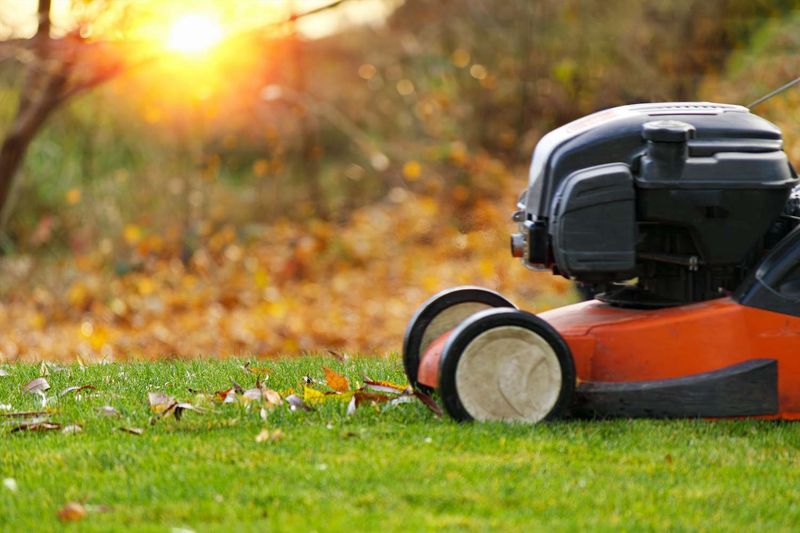
My mower tells me more about fertilizer timing than any calendar does. When I walk a fall lawn and realize I have not needed to cut it in over a week, I know the final feeding window is opening.
That is the heart of the golden rule. Penn State Extension describes a late fall application made after the top growth slows to a crawl but while the grass is still green.
The blades stop stretching upward, yet the plant keeps photosynthesizing on mild, sunny days.
Why does that matter? Nitrogen applied at this stage is not spent on leaves you would have to mow. The grass uses it to build and store carbohydrates in its crowns, roots, and rhizomes instead.
Your cue has two parts: mowing has mostly stopped, and the lawn still has a healthy green color over unfrozen soil. Both need to be true at the same time.
Once the turf turns brown and dormant, or the ground locks up hard, the window has closed.
Grass in that state cannot pull nutrients from the soil, so any granules you spread just sit there. Rain or snowmelt can then carry them into streams.
Late October Through Mid-November Is Prime Time For That Last Spreader Pass
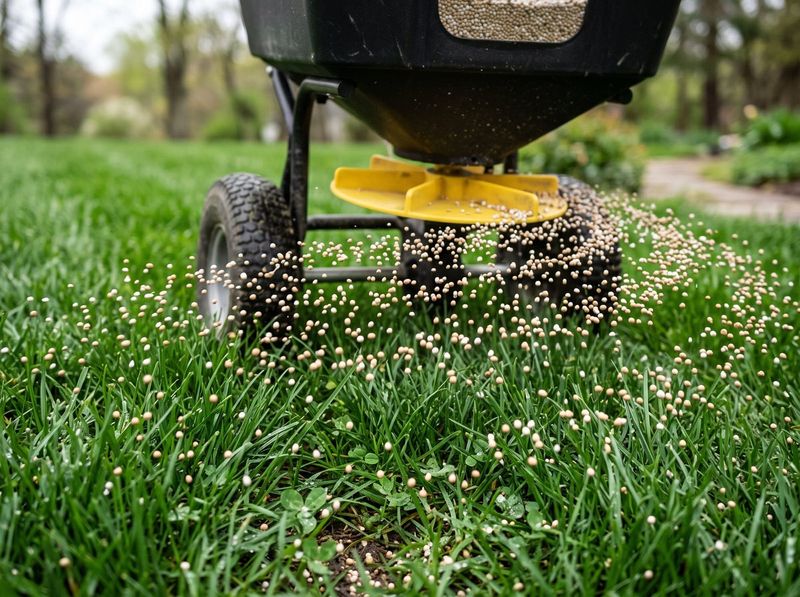
Ask ten neighbors when they make their last lawn application and you might hear ten different answers. The grass itself settles the debate, but geography helps you guess when it will be ready.
Across most of Pennsylvania, the final feeding usually lands somewhere between late October and mid-November.
Penn State turf specialists often point to this stretch because cool-season grasses like Kentucky bluegrass, tall fescue, and perennial ryegrass slow their top growth then.
Your exact spot on the map shifts things. Lawns around Erie, the northern tier, and the higher Allegheny ridges cool down sooner, so homeowners there may hit the window in late October.
Yards near Philadelphia and the lower Susquehanna Valley often stay green and active into mid or late November.
Weather can nudge the timeline too. A warm, wet autumn keeps grass growing longer, while an early cold snap speeds things up.
I like to keep a simple note on my phone with the date I last mowed each fall. After a couple of seasons, you will spot your own yard’s rhythm. Pair that record with a glance at the ten-day forecast, and picking your day gets much easier.
Pennsylvania’s Fertilizer Law Puts A Hard Stop On Winter Spreading
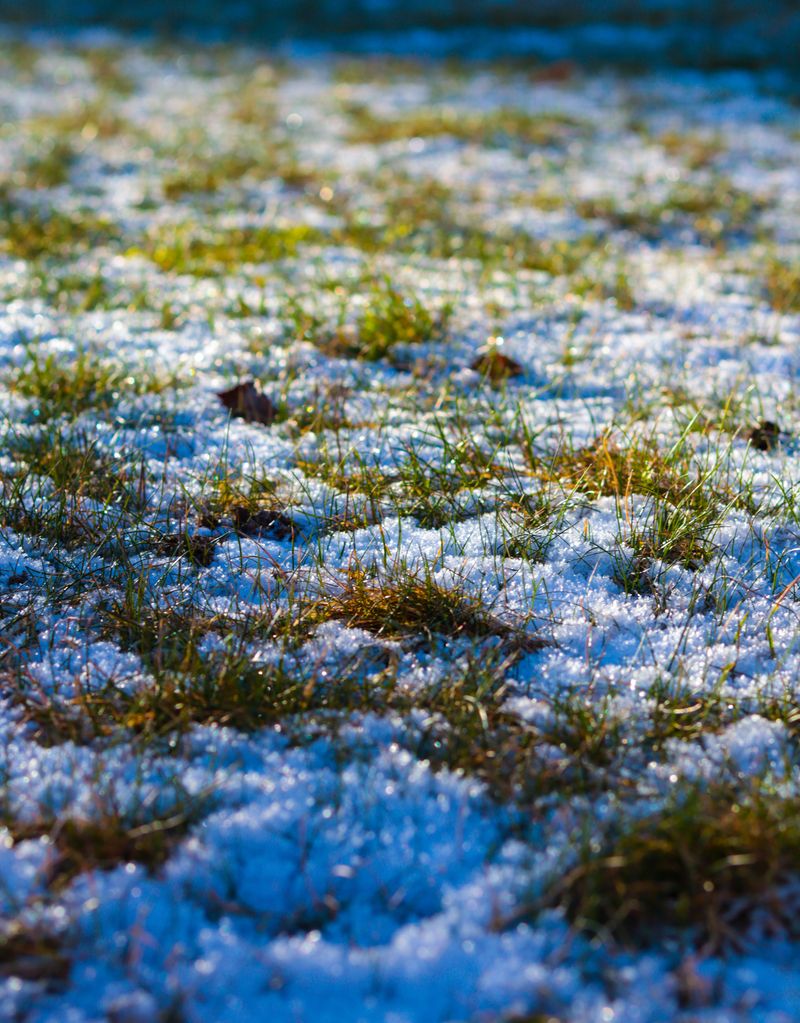
Few homeowners realize there is now an actual legal deadline for fall lawn feeding. Pennsylvania passed a turf fertilizer law in 2022, with its rules for homeowners and lawn companies phasing in over the following two years.
Under the law, you cannot spread fertilizer on frozen or snow-covered ground. The rules also block turf applications between December 15 and March 1, no matter how mild the weather looks.
A few other requirements matter during fall cleanup. Keep fertilizer at least 15 feet from streams, ponds, and other water, or 10 feet if you use a drop spreader or similar targeted tool.
Sweep any granules off driveways, sidewalks, and streets so they do not wash into storm drains.
Phosphorus is limited too. Unless you are seeding a new lawn, repairing bare spots, or following a soil test that shows a need, choose a product with little or no phosphorus.
These rules exist because nutrients that run off lawns can feed algae in local waterways and, eventually, the Chesapeake Bay.
For practical purposes, aim to finish well before mid-December. That gives you a buffer if an early freeze or snowstorm arrives first.
Hungry Grass Roots Keep Working Under Those Slow Fall Blades
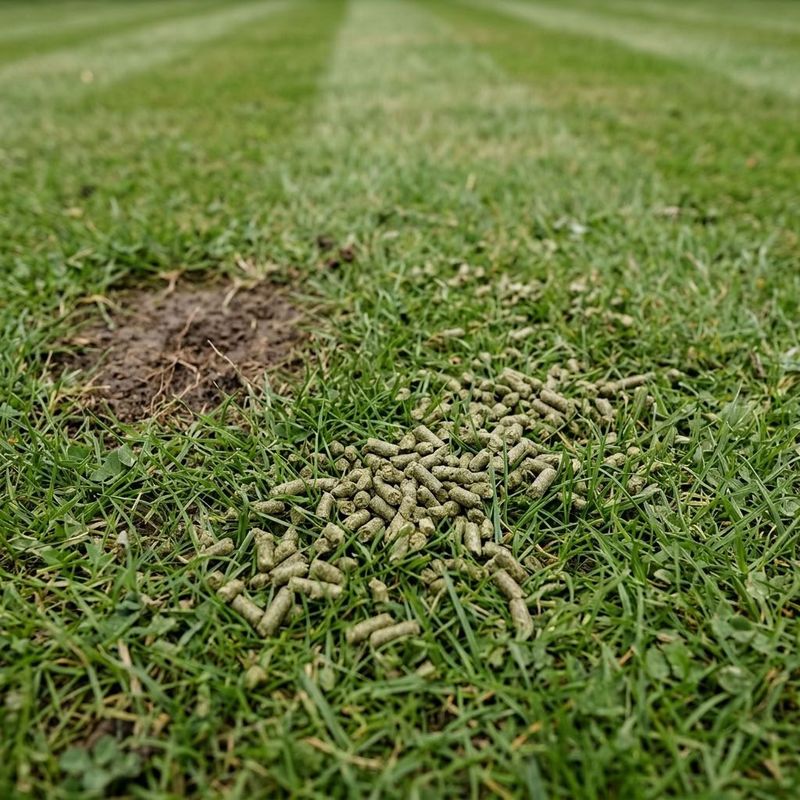
Below the surface, your lawn is running a busy little warehouse in November. The leaves may look sleepy, but cool-season grass roots keep growing in chilly soil, only slowing as it drops toward the low 40s.
That gap between shoot growth and root activity is what makes late feeding so useful. Leaf growth slows sharply as air temperatures fall, yet the plant still captures sunlight on bright days. With less energy going into new blades, it can send more toward storage.
The stored carbohydrates act like a pantry. Grass draws on them through winter and again in early spring, when it needs fuel to wake up before the soil fully warms.
Research from turf programs, including work at Penn State, has linked late fall nitrogen to earlier spring green-up and better root development. Many lawns also come through winter with fewer thin spots.
I find this part oddly comforting. While I am raking the last oak leaves and wondering if the season is over, my lawn is quietly packing a lunch for April. A small, well-timed meal now helps it make the most of those last mild afternoons.
Fertilizing Too Early Can Leave Tender Grass Blades Open To Frost
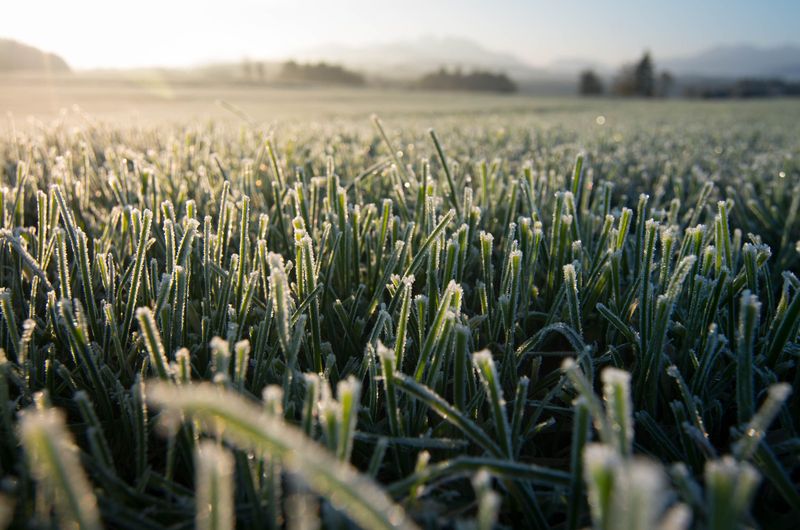
Patience pays off with fall fertilizer, even if your spreader is already sitting by the garage door. Feeding while the lawn is still growing fast in October changes where that nitrogen ends up.
Grass that is actively stretching will pour a quick nitrogen boost into fresh, leafy growth. That soft, lush tissue is more easily injured by sudden frost and tends to be more appealing to some winter diseases.
Snow mold is a good example. Gray and pink snow mold show up in spring as matted, discolored patches, and lush fall growth under long-lasting snow can make them worse.
An early application also creates more mowing. Instead of putting the mower away, you end up cutting heavy, wet grass in November, which is not fun for anyone.
To be clear, an early fall feeding in September is a smart move for most cool-season lawns. The concern is mistaking that application for your final one, or piling on fast-release nitrogen while the grass is still in high gear.
Before your last pass, watch the mowing rhythm for a couple of weeks. If clippings are still piling up, give it a little more time and check again next weekend.
Reading The Fertilizer Bag Label Before Your Final Fall Feeding
Walk down any garden center aisle in autumn and you will see bags labeled winterizer. The name sounds official, yet there is no standard recipe behind it, so the three numbers on the label matter much more.
Those numbers show nitrogen, phosphorus, and potassium, in that order. For a late fall feeding, nitrogen is the star, since it fuels the carbohydrate storage your grass needs.
A twist many people miss involves temperature. Some slow-release products depend on warm soil and active microbes to break down, so they release very little in late fall. A blend with a decent share of quickly available nitrogen tends to work better this time of year.
Keep rates modest. State rules cap each turf application at 0.9 pounds of total nitrogen per 1,000 square feet, with no more than 0.7 pounds in quick-release form.
Many lawns do well with somewhere between half a pound and that upper limit in one late visit.
Potassium helps with cold and stress tolerance, but most established lawns only need it when a soil test shows low levels.
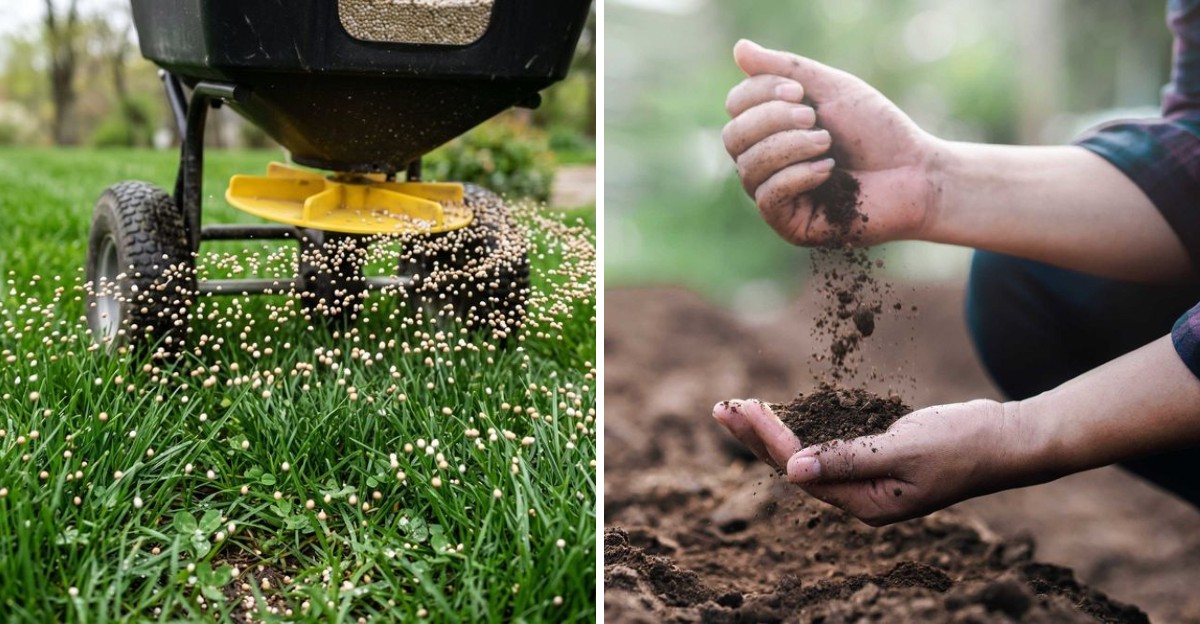
Read the spreader settings on the bag, measure your lawn’s square footage, and fill the hopper on a hard surface you can sweep.
A Soil Test Kit Points The Way To A Thicker Spring Lawn

The smartest thing I ever did for my lawn cost less than a takeout lunch. A Penn State soil test kit, available through the Agricultural Analytical Services Lab and county extension offices, tells you what your soil actually needs.
Results show pH, phosphorus, potassium, and other nutrients, along with recommendations for turf. Many lawns in the state lean acidic, and limestone applied in fall has the whole winter to start working.
Late fall is a handy time to sample, since you are already outside raking. Pull small cores from several spots, about three inches deep, then mix them in a clean bucket. Keep lawn and garden samples separate because their needs differ.
After your final feeding, a few habits help it pay off. Mulch or rake heavy leaf layers so they do not smother the turf, and stay off frosty grass so the crowns are not crushed.
Then jot down three things: the date you last mowed, the day you fed, and the date your lawn greened up in spring.
That small record turns into your own golden rule, tuned to your yard’s quirks. Next fall, you will know just when to reach for the spreader.