What To Do With Spent Perennials In Your Ohio Beds Before The Freeze
Some native bees spend the whole winter tucked inside hollow flower stems no wider than a pencil. Next spring, they chew their way out and get right back to work.
I’m always surprised by how much life hides in a messy fall garden. Goldfinches pick at old seed heads, and tiny beetles shelter in fallen leaves.
Even snow gets caught in stiff stalks and becomes a cozy blanket for the roots below.
You might find it hard to believe, but your tidiest neighbor in Ohio may be making winter harder for their plants. Cutting everything to the ground feels productive.
Still, some of those brown stems are doing quiet, useful work.
So which ones stay, which ones go, and what else should happen before the ground turns hard? The answer has more to do with each plant than with any single rule.
Your beds might be smarter than they look.
1. Those Brown Coneflower Stalks Are Doing More Than You Realize
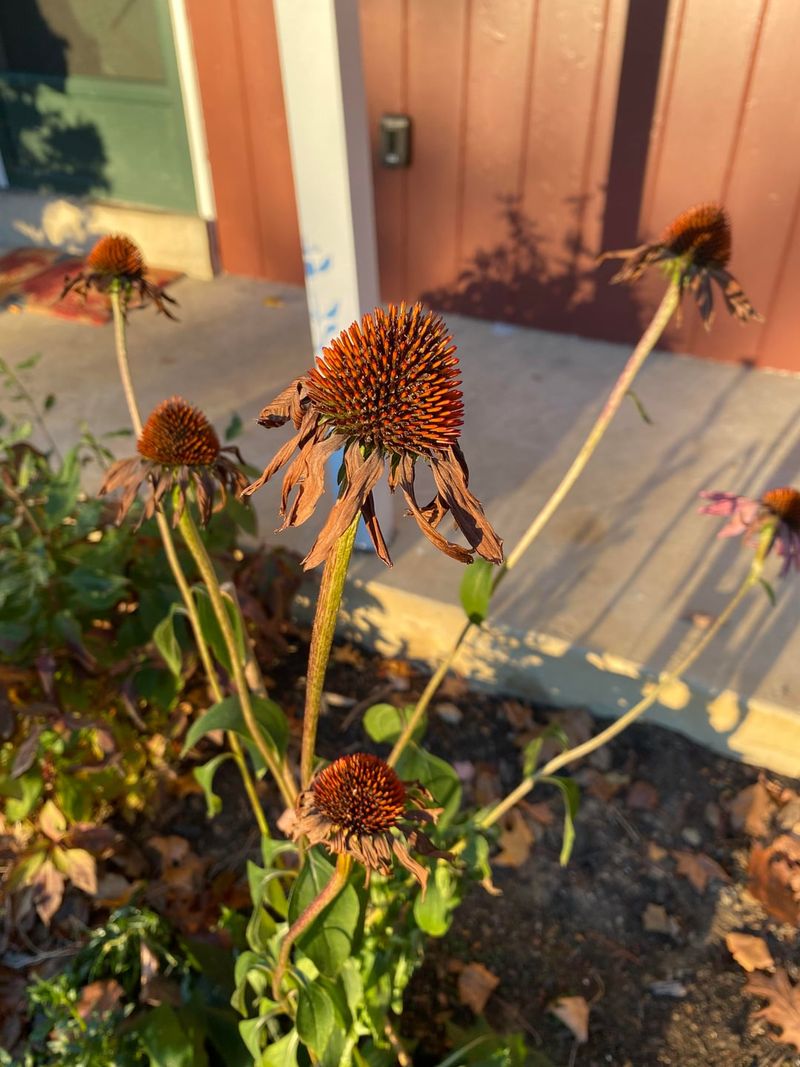
Old seed heads on a cold November morning can look like a garden that gave up. I used to see them that way too.
Then I watched a flock of goldfinches clinging to my coneflowers and changed my mind fast.
Many perennials offer real benefits when you leave them standing through winter. Purple coneflower, black-eyed Susan, and native asters hold seeds that birds eat during lean months.
Hollow or pithy stems, like those on bee balm and Joe Pye weed, can shelter native bees and other helpful insects.
Ohio State University Extension and other horticulture experts point out that standing stems also trap leaves and snow. That layer helps insulate the crown, the spot where stems meet roots.
Plants that are a little tender, like some mums, often survive better with their old growth left in place.
Russian sage, lavender, and other woody-based perennials are also best left alone until spring. Their stems protect the buds near the base.
Cutting them hard in fall can leave them more exposed to cold, drying winds.
A simple test helps. Ask yourself if the plant looks healthy, stands up well, and has seeds or interesting shape.
If the answer is yes, it can probably stay right where it is.
You get winter beauty, happier wildlife, and less fall work. That feels like a pretty fair trade for a few brown stalks.
2. Mushy Hosta Leaves And Mildewed Phlox Should Head Out First
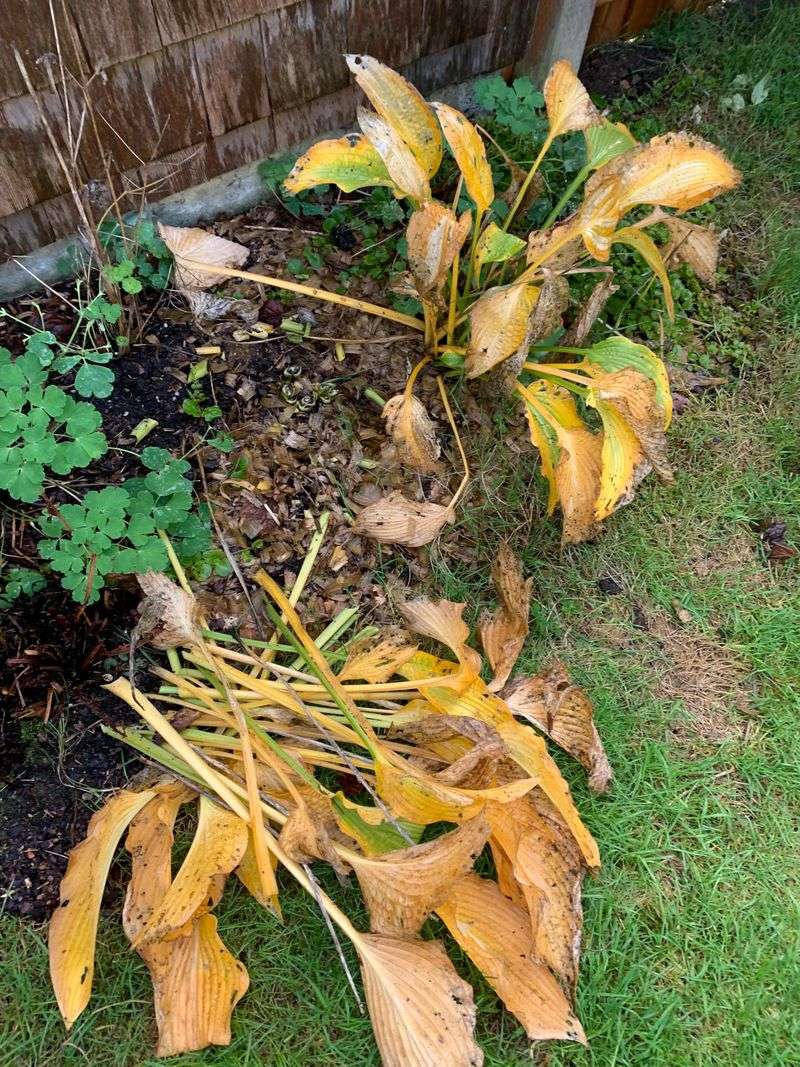
A hard frost turns hosta leaves into a soggy, slippery mess almost overnight. Slugs love that kind of cover.
So do fungal problems that want a cozy place to wait for spring.
Some perennials honestly are better cut back in fall. Hostas, daylilies, and irises often collapse into mushy piles that offer little shelter and can harbor pests.
Iris leaves are worth removing because iris borer eggs can overwinter on old foliage.
Disease matters even more. Garden phlox and bee balm often get powdery mildew, while peonies can carry botrytis blight.
Removing that infected foliage cuts down on fungal spores hanging around for next season.
Peonies deserve special attention. Cut their stems close to the ground after frost browns them.
Fresh, clean soil around peony crowns is a healthy start for spring.
Use clean, sharp pruners and cut stems an inch or two above the soil. Wiping blades with rubbing alcohol between diseased plants is a smart habit.
Where does all that material go? Healthy trimmings can go in the compost pile.
Diseased leaves belong in the trash or yard waste pickup, since most home compost piles do not get hot enough to break down disease reliably.
Think of this step as triage. You only remove what causes problems, not every brown leaf in sight.
3. Fall Leaves Make The Best Mulch For Perennial Crowns
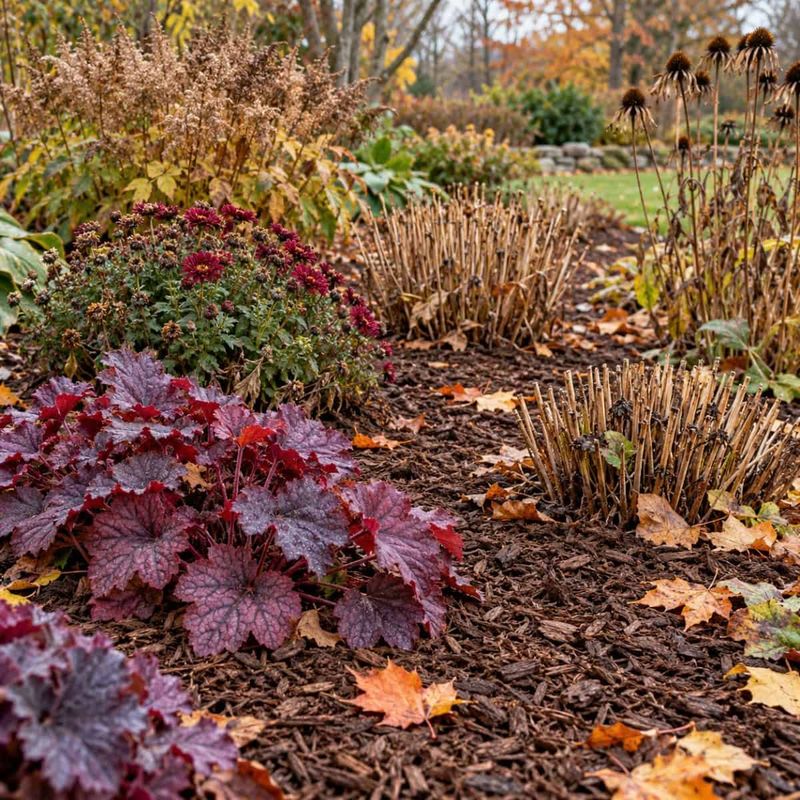
Free mulch falls from the sky every October. Maples, oaks, and sycamores across Ohio drop exactly what perennial beds need.
Mulch does not keep the ground warm all winter. Its real job is keeping soil temperature steady.
Ohio winters bounce between freezing nights and mild, sunny afternoons, and that swing can push shallow-rooted plants right out of the soil.
Gardeners call that frost heaving. Coral bells, newly planted perennials, and small divisions are especially prone to it.
You might spot exposed roots in March if this happened.
Timing makes a big difference. Wait until after the ground starts to freeze, often late November or early December in much of the state.
Mulching too early can invite voles and mice to move in and nibble crowns.
Spread about 2 to 3 inches of shredded leaves, straw, or shredded bark around plants. Shredding leaves first with a mower helps a lot, since whole leaves can mat into a soggy layer.
Keep mulch pulled back slightly from the crown of each plant. Piling it right against stems can hold too much moisture and cause rot.
New plantings can use a thicker, looser layer of straw or evergreen boughs. Pull it back gradually in spring once new growth appears.
Your perennials will thank you with sturdier, earlier shoots.
4. A Deep Soak With The Garden Hose Pays Off Before The Ground Freezes
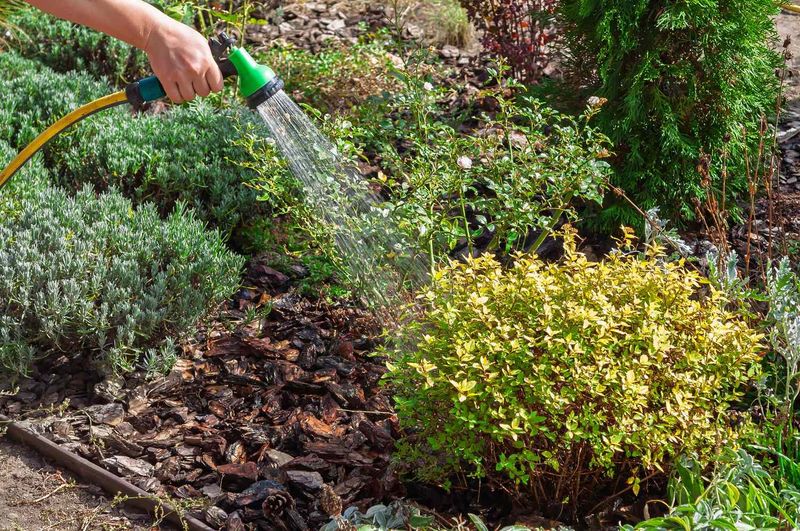
Watering in October might sound odd. The air is chilly, the sky is gray, and the plants look sleepy.
Yet roots keep growing as long as soil stays above freezing.
Dry fall weather is more common than many people expect in Ohio. When soil goes into winter dry, roots have less moisture to draw on.
Evergreen perennials like hellebores and heuchera can lose water through their leaves even in January.
New plants need help the most. Anything planted this year has a small root system that has not reached deep moisture yet.
Fall divisions fall into this group too.
A good rule from many extension sources is about one inch of water per week when rain is lacking. Check by pushing a finger a few inches into the soil.
If it feels dry, it is time to water.
Water slowly at the base with a hose or soaker hose. A deep, steady soak reaches roots better than a quick sprinkle.
Morning works best, so leaves dry before nighttime cold.
Keep going until the ground starts freezing. After that, unhook hoses and drain them so they do not crack.
Skip it if your soil is already soggy. Soaked clay around crowns can cause rot, and many Ohio yards have plenty of clay already.
5. Ornamental Grasses Look Better Standing Tall Until Spring
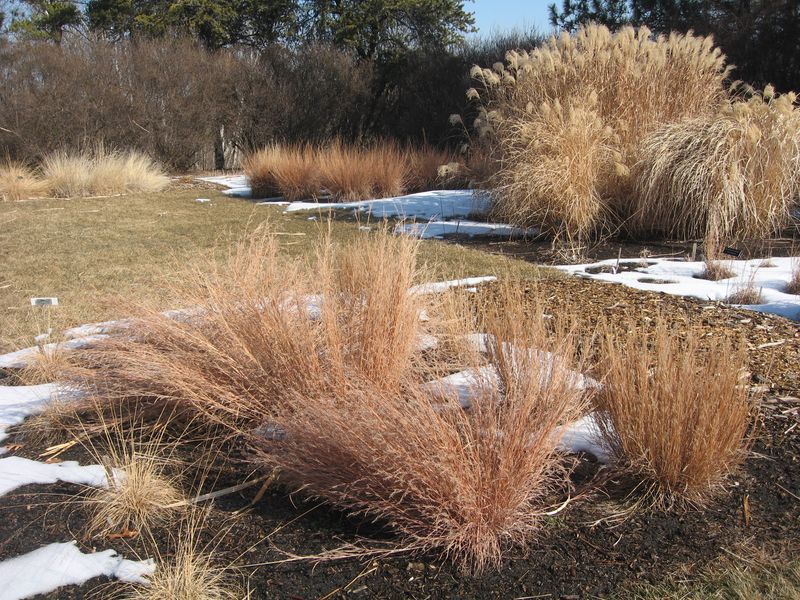
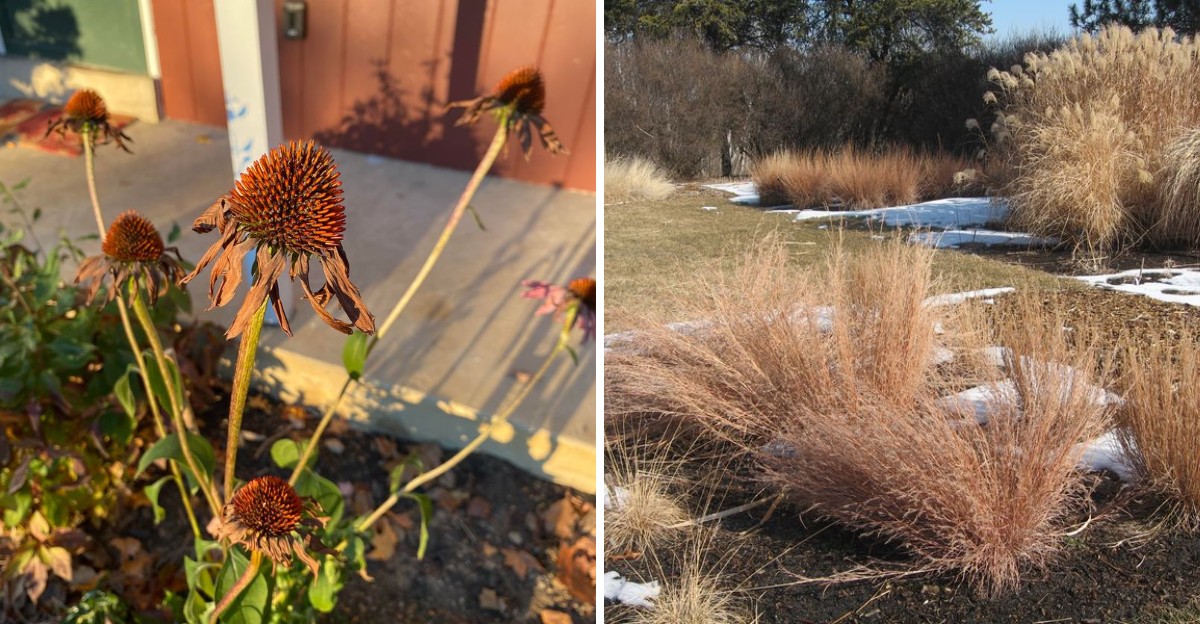
Few things in a winter garden glow like switchgrass catching low afternoon sun. A dusting of snow on those tan plumes is pure eye candy.
Ornamental grasses rank among the easiest perennials to leave alone in fall. Their dried leaves help protect the crown from cold and moisture.
Many gardeners and extension experts suggest waiting to cut them until late winter or early spring.
Native choices shine here. Switchgrass, little bluestem, and prairie dropseed all handle Ohio winters well.
Little bluestem even turns a coppery orange that lasts for months.
Birds and insects use grass clumps too. Some butterflies and moths overwinter as eggs or tiny larvae near the base of native grasses.
Leaving clumps standing gives them a fighting chance.
Plan your spring cut for March or early April, before new green blades appear. Tie the clump with twine first, then cut it a few inches above the ground.
Cleanup is far easier that way.
One word of caution helps. Avoid planting Chinese silvergrass, also called miscanthus, in new beds.
It spreads by seed into natural areas in parts of Ohio and the eastern U.S.
Stick with natives or sterile varieties instead. You get the same winter drama without sending seeds into nearby woods and fields.
6. Dividing Asters And Sedum Can Wait For Spring

Late-season ambition gets plenty of gardeners into trouble. That crowded aster clump might tempt you right now, but patience often works better.
A handy rule from many horticulture sources says to divide plants in the opposite season from when they bloom. Spring and early summer bloomers, like peonies, irises, and daylilies, do well with late summer or early fall division.
Fall bloomers, like asters, sedum, and mums, usually prefer spring.
Roots need time to settle before the ground freezes. Most experts suggest finishing fall division about four to six weeks before hard freezes arrive.
In northern Ohio, that window closes sooner than it does near Cincinnati.
Missed the window? No problem.
A plant left whole for one more winter is rarely harmed. A fresh division planted too late may heave out of the soil or struggle to root.
Peonies are picky about planting depth. Set the eyes, those pink buds on the roots, no more than about 2 inches below the soil.
Plant them deeper and they often refuse to bloom.
If you do divide late, water the new pieces well and mulch them once the ground freezes. That extra care helps them hold on.
Otherwise, jot a note on your spring calendar and enjoy a little rest.
7. A Half-Tidy Perennial Bed Gives You A Head Start On Spring
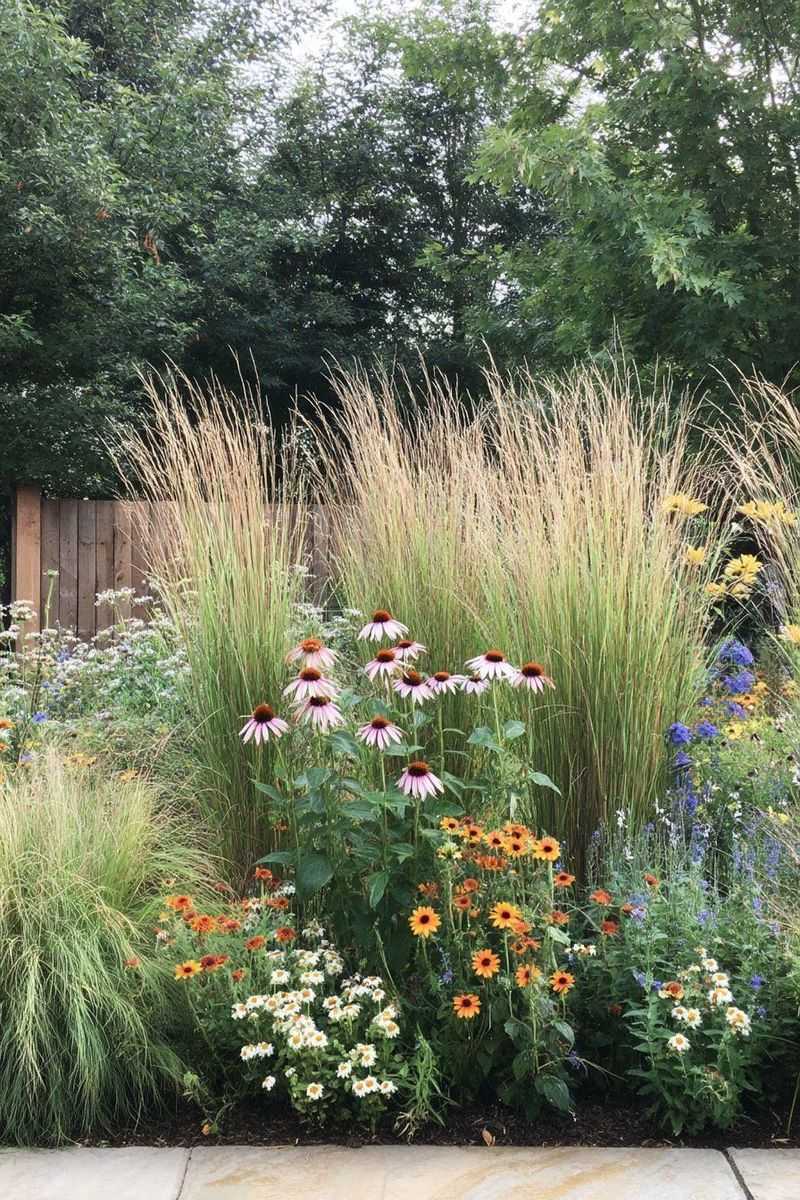
Nobody hands out ribbons for the cleanest fall bed. Your garden gets graded in May, when shoots push up strong and pollinators show up early.
A balanced cleanup works best. Remove diseased and floppy foliage, keep healthy seed heads and grasses, water well, and mulch after the ground starts freezing.
That mix protects plants while feeding birds and sheltering insects.
Spring cleanup needs a gentle touch too. Many native bees and insects stay tucked in stems until temperatures stay in the 50s for a while.
Waiting until mid to late spring gives them time to emerge.
One trick some gardeners like is cutting old stems to different heights, around 8 to 24 inches. New growth hides the stubble quickly.
Bees may even nest in those hollow stalks next year.
Keep a small notebook or phone note this fall. Write which plants struggled, which spread too much, and which ones the birds loved.
Those notes make spring choices far easier.
Consider adding a few native perennials next season too. Ohio natives like wild bergamot, New England aster, and butterfly weed support local wildlife and handle winter well.
Your beds can look a bit wild and still be well cared for. That relaxed winter look is often a sign of a gardener paying attention.