Coffee Grounds Around Georgia Blueberries Do Not Make The Soil More Acidic
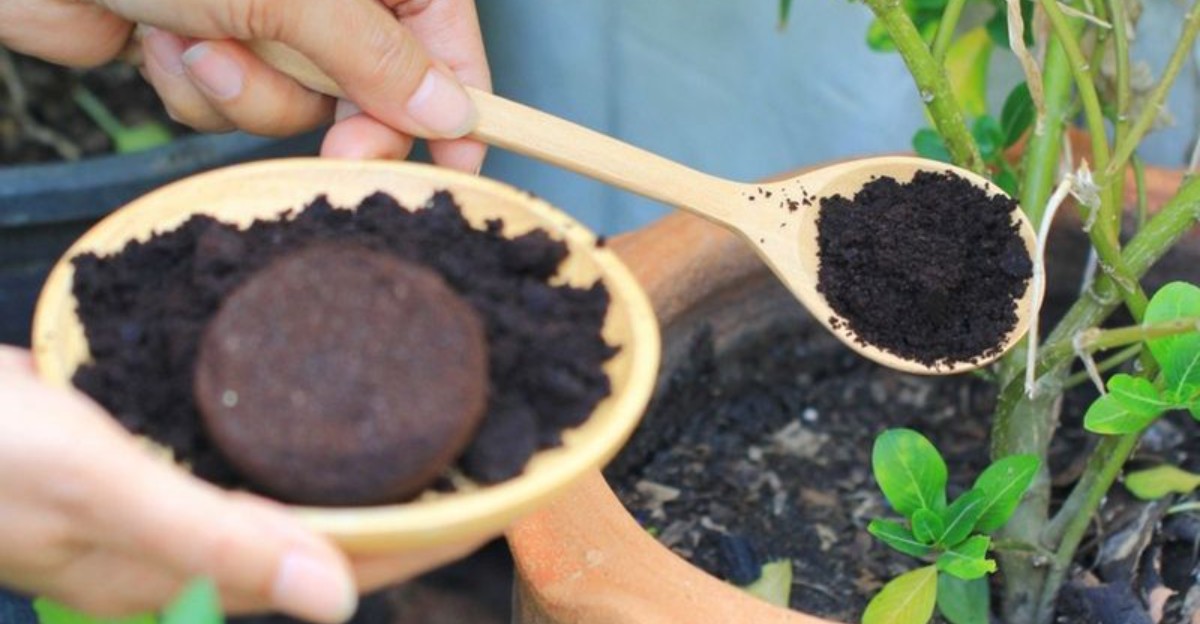
Your morning cup tastes sharp and tangy, yet the soggy leftovers in the filter test closer to neutral than most garden soil. University of Georgia Extension testing put the average pH of used grounds around 6.1.
That number surprised me more than I expected. I had spent years tipping my filter basket around a row of shrubs, feeling pretty clever about my free soil fix.
Many gardeners across Georgia share the same habit, and I understand why. The idea sounds logical, costs nothing, and makes recycling feel useful.
Plus, those dark crumbles look like rich earth the second they hit the ground.
You deserve to know what that pile is really doing down by the roots. Some of it helps in quiet ways, some of it can cause trouble, and the true acid fix sits in a bag most of us walk right past at the garden center.
1. That Leftover Coffee Filter Holds Less Acid Than You’d Guess
Coffee beans start out acidic, and that tang is part of why your brew tastes bright. The catch is where that acid goes.
Hot water pulls most of the acidic compounds out of the grounds and into your mug.
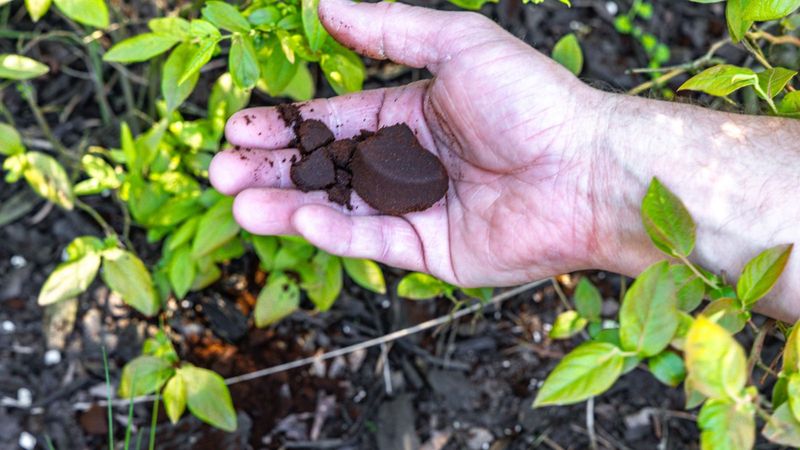
What stays behind in the filter is mostly spent plant material. University of Georgia Extension tested used grounds and found an average pH near 6.1, while other studies report a range of roughly 6.2 to 6.8.
That sits close to neutral and is less acidic than many soil samples that land on extension lab benches.
Blueberries, by contrast, want soil around pH 4.0 to 5.5 in most guides. Remember that pH works on a scale where each step is ten times stronger than the last.
Going from 6.0 to 5.0 is a big jump, and a material that starts near 6 has very little power to push your soil lower.
Fresh, unbrewed grounds are a bit more acidic, but they are also pricey and carry more caffeine. Very few gardeners would spread them by the bucket.
So the old tip mostly falls apart once you look at the numbers in the filter.
2. Blueberry Roots Want Soil Far More Sour Than Coffee Can Deliver
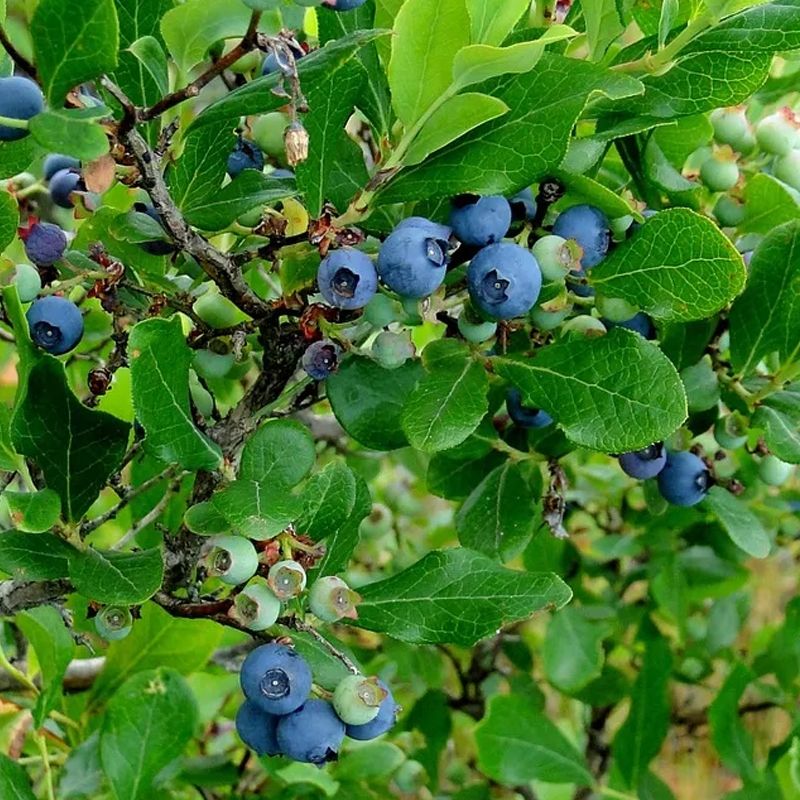
Blueberries are picky eaters with a very specific taste in dirt. Their roots are fine and shallow, with no root hairs, so they depend on acidic, loose, well-drained soil to pull in nutrients.
UGA Extension suggests a pH around 4.0 to 5.3 for home plantings.
When the pH creeps too high, iron and manganese get locked up. You may notice yellow leaves with green veins, weak new shoots, and smaller harvests.
Gardeners often blame water or bugs first, but soil pH is a common hidden culprit.
Georgia gives you a small head start here. Many soils across the state, especially in the Coastal Plain, lean naturally acidic.
Rabbiteye types, which are native to the Southeast, and southern highbush types both grow well in much of the state when the pH stays in range.
Still, “naturally acidic” can mean 5.8 or 6.2 in a lawn that was limed years ago. That gap matters to a blueberry.
Builders also leave behind concrete dust and fill near foundations, which can raise pH close to the house. Location and history count as much as the general soil map.
3. Elemental Sulfur Is The Blueberry Soil Fix That Actually Works
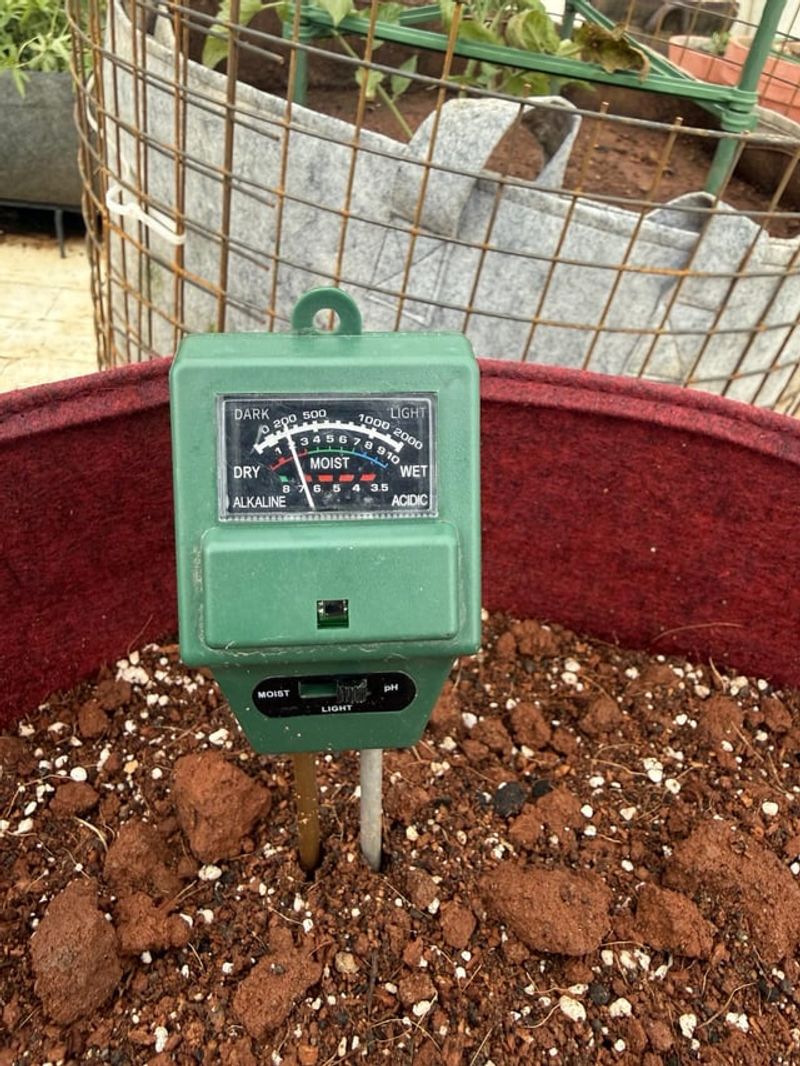
Plain yellow sulfur does what coffee only promises. Soil bacteria slowly turn elemental sulfur into sulfuric acid, which lowers pH in a steady, lasting way.
Extension specialists across the South point to it as the go-to choice for blueberries.
Patience is part of the deal. The bacteria work best in warm, moist soil, so the change can take several months.
Many gardeners mix sulfur in during fall or several months before planting, giving the soil time to settle into the right range.
Amounts depend on your starting pH and soil type. Sandy soil shifts with less sulfur, while clay holds onto its pH and needs more.
A soil test report from UGA will give a rate for your exact situation, which keeps you from overshooting.
For established bushes, scatter sulfur lightly over the root zone and water it in rather than digging deep. Blueberry roots sit close to the surface and bruise easily.
Smaller doses spread over time are safer than one heavy dump, and rechecking the pH each year or two keeps everything on track.
4. Pine Bark And Pine Straw Make Smarter Mulch Around Blueberry Bushes
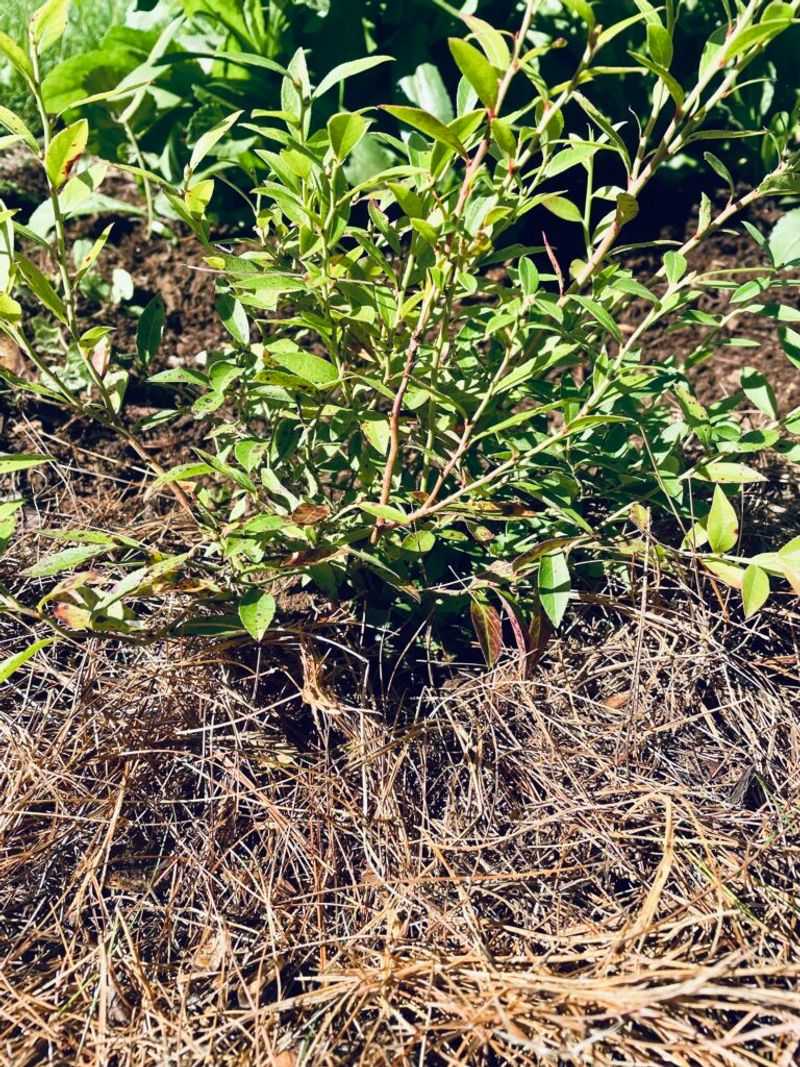
Southern gardeners have a secret weapon lying under every pine tree. Pine straw and pine bark make excellent mulch for blueberries, and they are easy to find in Georgia.
Let me be honest about the pH part. Mulch on top of the ground only nudges acidity slightly over time, so it will not replace sulfur.
Its real value comes from what it does for those delicate surface roots.
A 3 to 4 inch layer keeps soil cool in July, holds moisture during dry spells, and blocks many weeds. As it breaks down, it adds organic matter that blueberries love.
UGA growers often mix milled pine bark into the planting hole too, which improves drainage in heavy red clay.
Pull the mulch back an inch or two from the main stems to discourage rot. Top it off each year as the old layer settles.
Some gardeners also use peat moss at planting, which is acidic and helps lower pH, though it can repel water once dry, so blend it well with native soil. Ammonium sulfate fertilizer can add a little acidity too, used carefully at label rates.
5. Spent Grounds Still Earn A Spot In Your Compost Pile
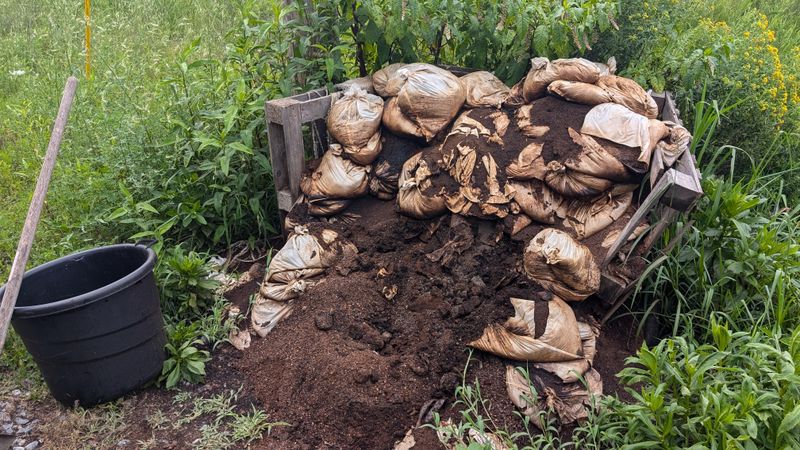
Please hold on to that coffee habit, because your grounds are not useless. They simply have a different job than the one folklore gave them.
Used grounds hold around 2 percent nitrogen, plus small amounts of potassium and phosphorus. Compost experts count them as a green material, much like grass clippings.
Mixed with brown leaves or shredded paper, they help feed the microbes that turn scraps into crumbly compost.
Finished compost then adds organic matter to your beds, which improves structure and moisture. That kind of soil makes life easier for shallow blueberry roots.
The benefit comes slowly and gently, not as a quick chemistry change.
Many coffee shops give away bags of grounds for free, so ask your local barista. A good rule of thumb keeps grounds to about a quarter or less of your compost pile so it stays balanced.
Paper filters can go in too, since they break down along with everything else.
One popular claim says grounds repel slugs and snails. Research on that has been mixed, so treat it as a maybe instead of a promise.
Compost is where your coffee leftovers truly shine.
6. A Thick Coffee Crust Can Smother Shallow Blueberry Roots
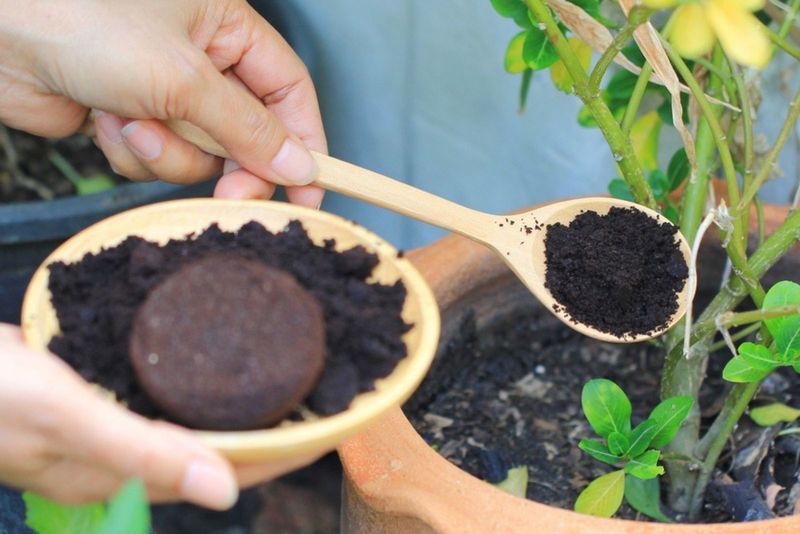
More is not better here, and I learned that the messy way. Wet grounds are fine and pack tight, so a thick layer can dry into a crust that sheds water like a tabletop.
That crust becomes a real problem for blueberries. Their roots crowd the top few inches of soil and need steady moisture plus air.
When rain runs off instead of soaking in, the plant can wilt even after a storm, and mold can grow on damp clumps underneath.
Caffeine adds another wrinkle. Research shows leftover caffeine and other compounds in grounds can slow seed germination and stunt young seedlings.
Some studies also found reduced growth when raw grounds were spread straight onto soil in large amounts.
So keep raw grounds away from new plantings and seed beds. If you want to use them near mature bushes, sprinkle a thin layer no thicker than about half an inch.
Then rake it lightly into the soil or cover it with pine straw. Mixing beats piling every single time, and composting first is the safest choice of all.
7. Your County Extension Office Can Test Blueberry Soil For A Few Dollars
Guessing about soil feels a bit like seasoning soup with your eyes closed. A soil test takes the guesswork out, and in Georgia it is affordable and easy.
Your county UGA Extension office sells sample bags and sends them to the university lab in Athens. The standard test usually costs well under twenty dollars, depending on your county.
Results report your pH plus nutrient levels and include recommendations built around the crop you list.
Collecting a good sample matters. Use a clean trowel and take small slices from about six inches deep in several spots around your planting area.
Mix them in a clean bucket, let the soil air dry, and fill the bag to the line.
Write “blueberries” on the form so the advice fits their unusual needs. Testing before planting gives sulfur time to work, and retesting every two or three years helps catch slow pH drift.
Avoid sampling right after fertilizing.
Home pH kits and meters can give a rough idea between lab tests. For actual sulfur amounts, though, the lab report is worth trusting over a cheap probe.
8. Better Berries Start With Matching Each Bush To Its Soil
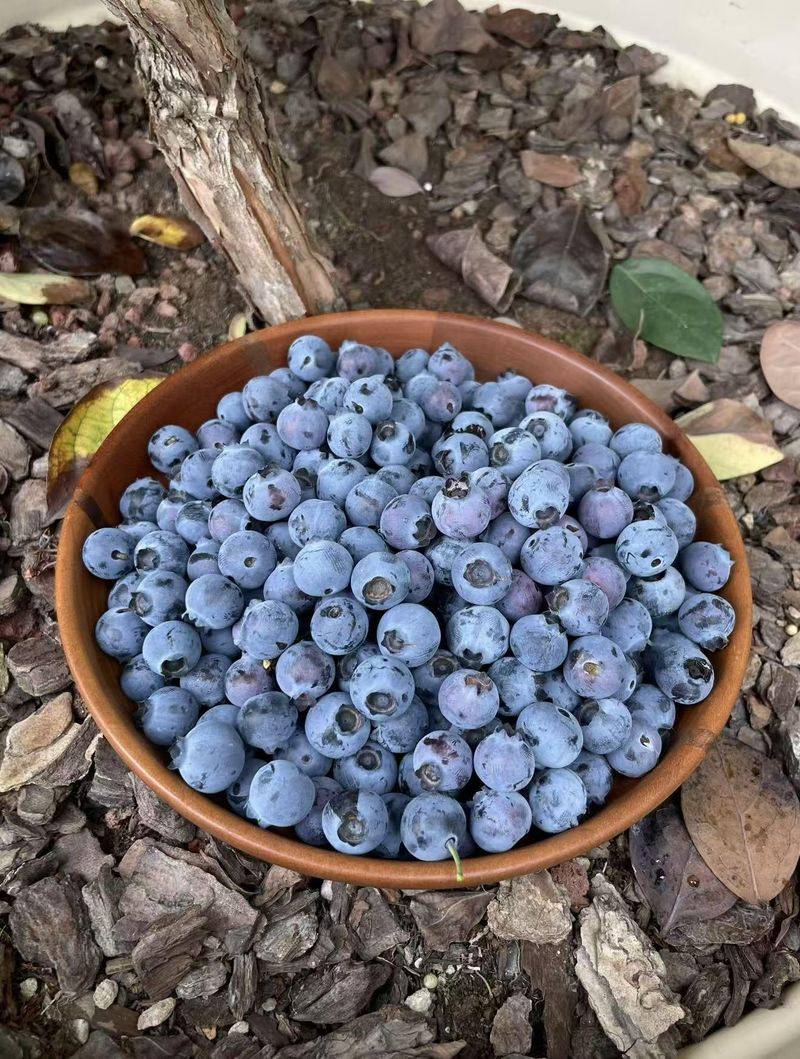
Sweet handfuls in June and July come from simple habits done well. Once you drop the coffee myth, blueberry care feels much less mysterious.
Start with a soil test, then adjust pH with sulfur if needed. Plant in full sun with good drainage, since blueberries hate soggy feet.
Mix in pine bark for clay soils, and plant at least two varieties of the same type for better pollination. Rabbiteyes in particular set more fruit with a partner.
Choose varieties suited to your region. Rabbiteyes handle most of the state well, while southern highbush types bloom earlier and fit milder southern areas, though late frosts can catch flowers.
Your county agent can suggest names that thrive locally.
Mulch with pine straw, water deeply during dry weeks, and fertilize lightly with products labeled for acid-loving plants. Blueberries burn easily from heavy feeding, so small split doses work best.
As for your coffee, let it ride through the compost bin first. I still save every filter, but now my grounds feed the pile while sulfur handles the chemistry.
That swap made a real difference in my bushes, and I bet yours will notice too.