What Georgia Homeowners Should Know About Brown Recluse Spiders This Summer
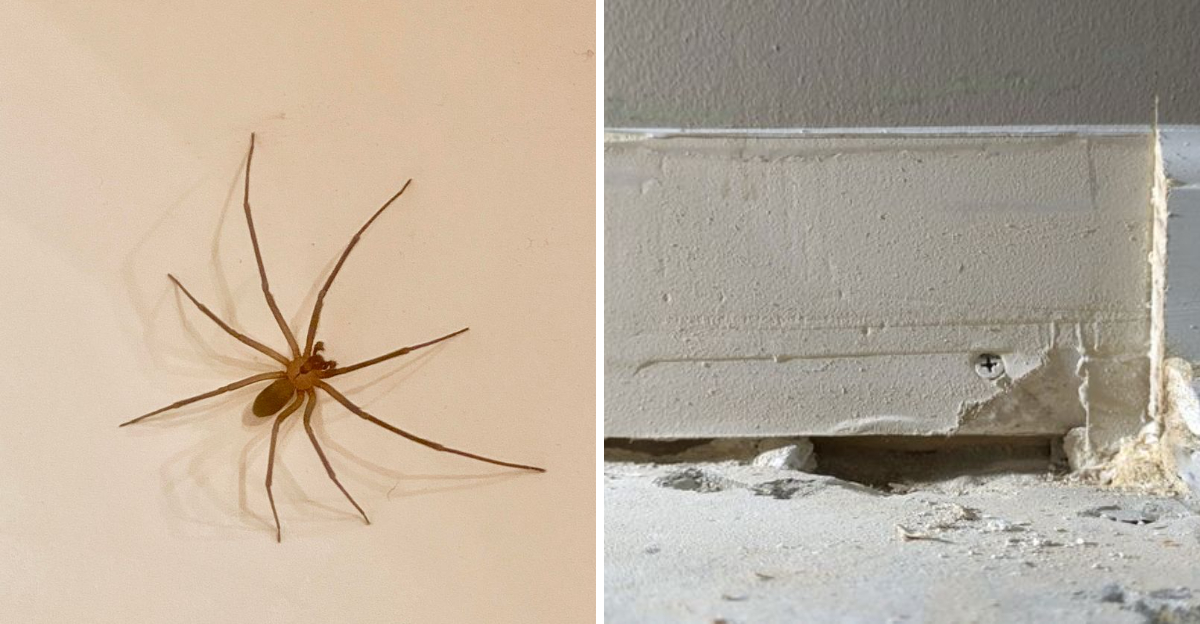
Brown recluse spiders tend to get more attention than almost any other spider. Their name alone is enough to make homeowners stop and take notice.
During summer, that attention often increases because more time is spent in garages, sheds, storage areas, gardens, and other places where spiders may occasionally be encountered.
What makes the subject challenging is that many people are not sure how concerned they should be. It can be difficult to separate general spider fears from information that is genuinely useful.
As a result, questions about brown recluse spiders often come up whenever temperatures rise and outdoor activity increases.
Although brown recluse spiders are often reported in Georgia, they are frequently misidentified, and many sightings turn out to be other spider species.
Taking a closer look at the facts can help put those concerns into perspective and provide a better understanding of what to watch for this summer.
1. Brown Recluse Spiders Have Six Eyes Instead Of Eight
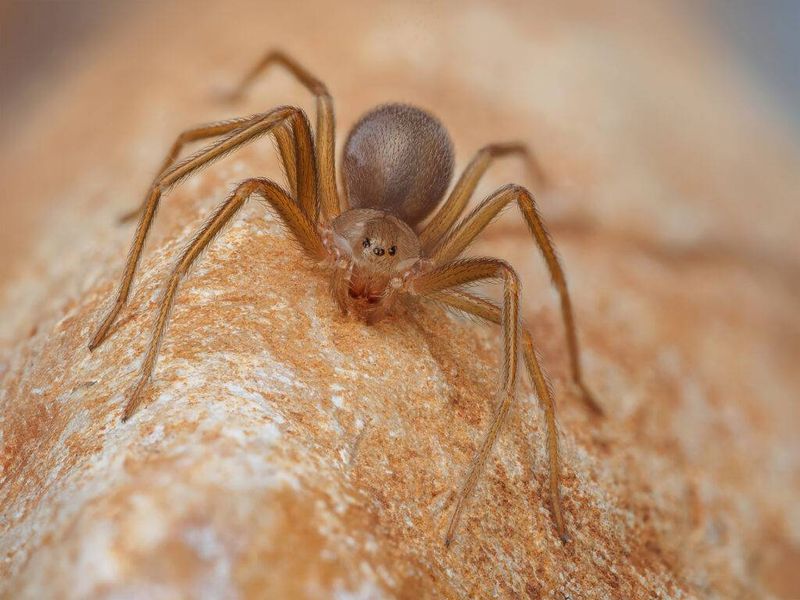
Most spiders have eight eyes, so spotting only six is a genuine clue worth knowing. Brown recluse spiders carry three pairs of eyes arranged in a semicircle pattern.
No other common house spider shares that exact layout.
Identifying a spider by eye count sounds tricky, but it is actually one of the most reliable features experts use. A magnifying glass helps a lot when you are trying to get a closer look without getting too close.
Six eyes set in a curved row near the front of the head is a distinctive trait. Combined with a tan or light brown body, it narrows things down quickly.
Knowing this detail keeps you from misidentifying harmless spiders as dangerous ones.
Plenty of brown-colored spiders live in Georgia homes and yards. Not all of them are brown recluses.
Focusing on eye arrangement rather than color alone gives you a more accurate read.
Amateur identification can lead to unnecessary panic or, worse, false confidence. When in doubt, a pest control professional can confirm the species.
Getting a correct ID early makes managing the situation much easier and less stressful for everyone in the household.
2. The Violin Marking Is Not Always A Reliable Identifier
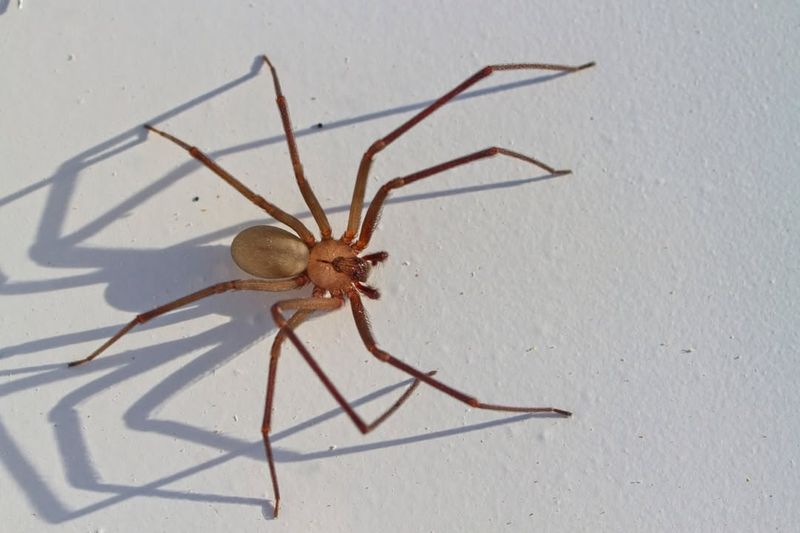
Almost everyone has heard that a violin shape on the back means brown recluse. That advice is partially right, but it leaves out some important details.
Young brown recluse spiders often have very faint markings. Lighting conditions, spider age, and even the angle you view them from can make that violin shape nearly invisible.
Relying on it alone is risky.
Other species share a similar dark patch near the head.
Several harmless brown spider species are commonly mistaken for brown recluses.
Misidentification happens more often than most homeowners realize.
Pest professionals across the Southeast see this confusion regularly. A spider gets spotted, someone notices a dark smudge, and the whole house goes on high alert.
Sometimes it is a recluse, sometimes it absolutely is not.
A smarter approach combines multiple identifiers. Look for the six eyes, the uniform tan abdomen with no banding or stripes on the legs, and the overall body shape.
Your Georgia Garden Changes Every Week. Your Plan Should Too.
Gardening in Georgia changes quickly throughout the season. Every Friday you’ll receive a simple weekly plan showing exactly what to plant, prune, fertilize, harvest, and protect so you never miss the right timing.
Brown recluse legs are smooth and lack the thick spines common on other spider species.
Photographing the spider from a safe distance and sending the image to a local extension office or pest expert is always a solid move. Accurate identification leads to better decisions and smarter treatment options for your home.
3. Storage Areas Are Among Their Most Common Hiding Spots
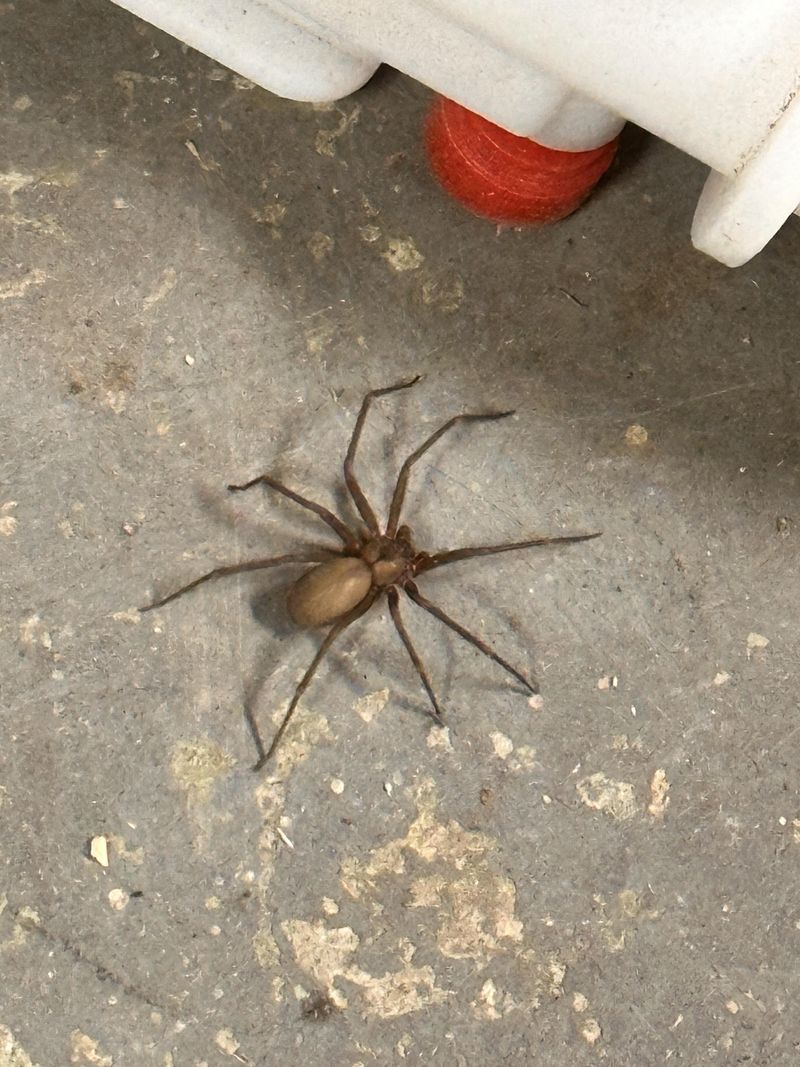
Cardboard boxes stacked in a garage corner are practically an open invitation. Brown recluse spiders love undisturbed, dark spaces where foot traffic is minimal.
Storage rooms, attics, and crawl spaces check every box on their list.
Clutter gives them both shelter and access to prey. Small insects that hide in storage areas become a food source, which keeps recluses coming back.
Reducing clutter removes both the hiding spot and the food supply at once.
Plastic bins with tight-fitting lids are a better option than cardboard. Cardboard holds moisture, attracts insects, and breaks down over time, creating soft hiding layers that spiders love.
Swapping boxes out is a simple upgrade with real benefits.
Seasonal items like holiday decorations, camping gear, and gardening gloves sit untouched for months. Brown recluses treat those quiet spots like prime real estate.
Before pulling anything out of storage, shake it gently and inspect it carefully.
Basements in older homes across the region tend to run dark and slightly humid during summer. Those conditions suit brown recluses well.
Running a dehumidifier and adding better lighting to storage areas can make those spaces less attractive to spiders over time.
Regular walkthroughs of storage areas, even quick ones, help catch activity early. Spotting a shed skin or a small flat web is often the first sign a recluse has moved in.
4. Shoes And Gloves Should Be Checked Before Use
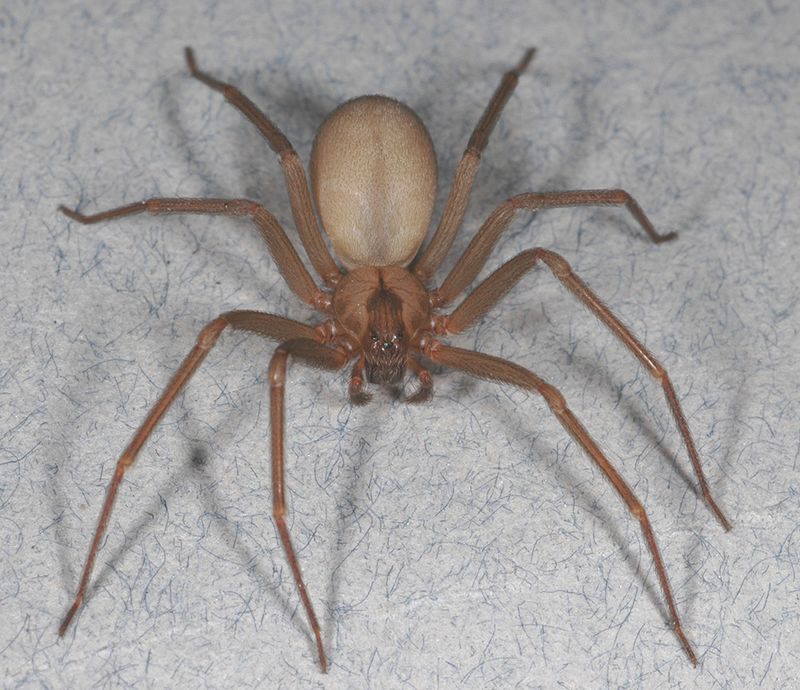
Sliding your foot into a shoe without checking first is a habit worth breaking immediately. Brown recluse spiders seek out tight, enclosed spaces, and a shoe sitting untouched for a few days is exactly what they look for.
Garden gloves left on a shelf or tossed in a bin are just as risky. The finger areas create a perfect snug space.
A spider that feels trapped will bite out of defense, not aggression.
Shaking shoes upside down before putting them on takes about three seconds. That three-second habit could prevent a lot of pain and a trip to urgent care.
Make it automatic, especially during warmer months when activity increases.
Work gloves stored in sheds or garages face the same risk. Before slipping them on, turn them inside out and give them a firm shake.
A quick visual check of the fingers goes a long way.
Boots stored near exterior walls or in mudrooms are particularly vulnerable. Those spots tend to stay cooler and darker, which suits recluses well.
Storing footwear in sealed plastic bags or closed bins reduces the risk significantly.
Kids and teens are often less cautious about checking shoes. Teaching children this habit early is a practical way to reduce encounters at home.
Simple routines like this make a noticeable difference over an entire summer season.
5. Clothing Left Unused Can Shelter Hidden Spiders
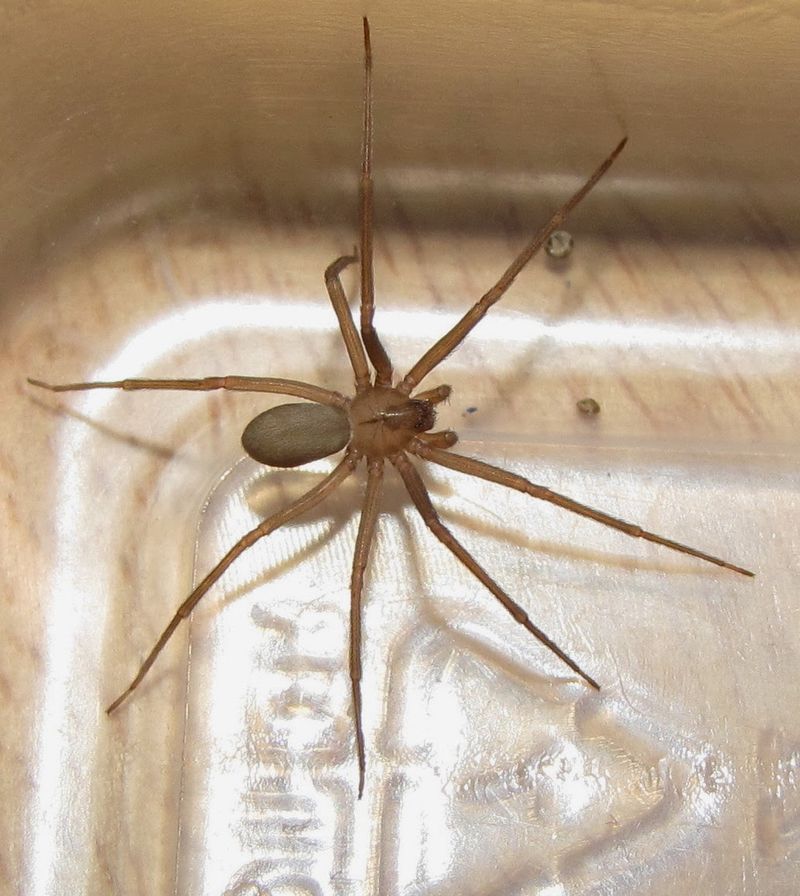
A stack of sweaters untouched since last winter could be harboring more than just dust. Clothing that sits folded or bundled for weeks creates layered, dark spaces that brown recluse spiders find very comfortable.
Closet floors are especially worth watching. Items that fall and stay there, old jackets, spare blankets, rolled-up towels, become low-risk shelters from a spider’s point of view.
Picking things up regularly disrupts that comfort zone.
Washing and wearing clothing regularly keeps spiders from settling in. Rotation matters.
Seasonal items that come out once a year deserve a careful shake and visual inspection before anyone puts them on or handles them directly.
Hanging clothes are less risky than folded piles, but pockets and hoods can still harbor spiders. Checking pockets before reaching in is a small habit that pays off.
A quick shake of a jacket before putting it on does the same.
Laundry left on the floor overnight is another common risk. Spiders active at night may wander into clothing sitting at ground level.
Keeping laundry off the floor and in a closed hamper reduces that exposure significantly.
Homeowners in humid climates often deal with spiders near laundry areas. Warmth and moisture attract insects, and insects attract spiders.
Keeping laundry rooms clean, dry, and well-lit makes the space far less inviting for recluses looking for shelter.
6. Sticky Traps Can Help Detect Indoor Activity
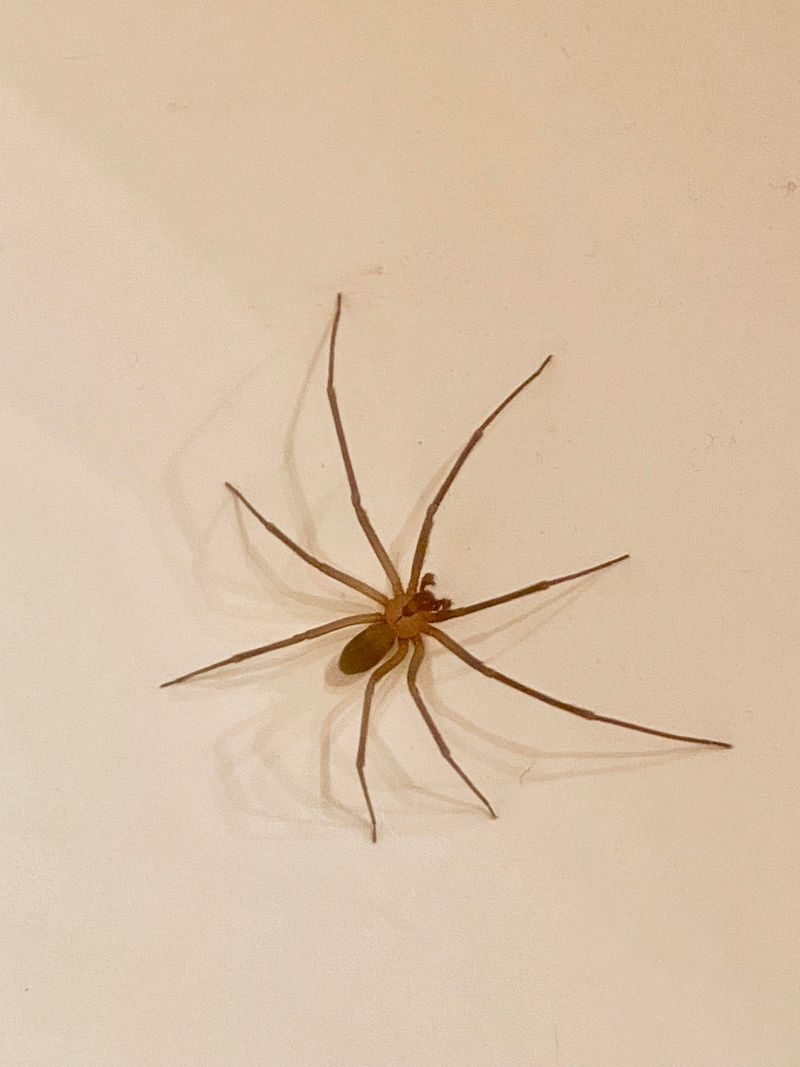
Sticky traps are one of the most underrated tools for tracking spider activity indoors. Placing them along baseboards, behind furniture, and inside closets gives you a clear picture of what is moving through your home at night.
Brown recluse spiders are most active after dark. Traps set near walls and in corners catch them during their nightly searches for food.
Checking traps weekly tells you whether activity is increasing or staying steady.
Hardware stores and home improvement centers carry basic glue traps at low cost. No bait is needed since recluses wander rather than being lured.
Simple placement in high-risk zones is enough to start gathering information.
Finding one spider on a trap is not necessarily cause for alarm. Finding several over a short period suggests a more established presence.
That pattern is the signal to call in a professional for a thorough assessment.
Traps also help identify which rooms have the most activity. A trap with nothing in the bedroom but multiple catches in the basement tells you where to focus your prevention efforts.
Location matters as much as quantity.
Replacing traps every four to six weeks keeps them effective. Dust and debris reduce stickiness over time.
Fresh traps placed in consistent spots give you the most accurate and ongoing read on spider movement throughout the summer months.
7. Sealing Entry Points Can Reduce Indoor Encounters
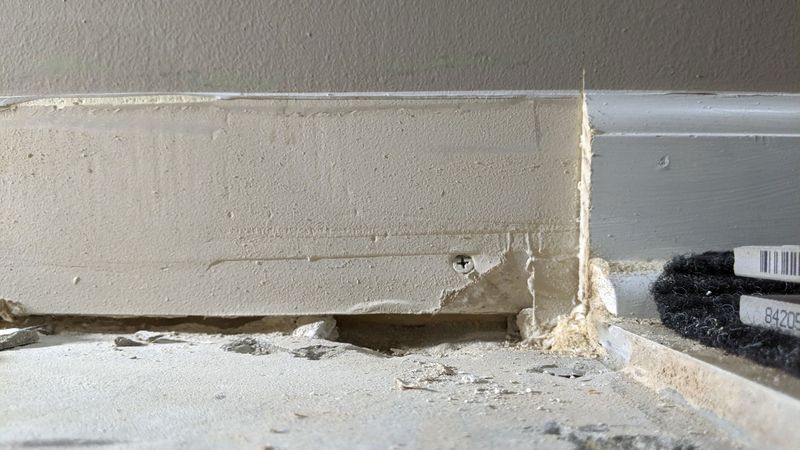
Gaps around doors and windows are basically welcome mats for spiders. Brown recluse spiders can squeeze through surprisingly small openings, and older homes tend to have more of those gaps than owners realize.
Weatherstripping on exterior doors wears down over time. Replacing it is a low-cost fix that blocks more than just spiders.
Drafts, moisture, and other insects enter through the same gaps, so the repair pays off in multiple ways.
Caulking cracks around window frames, pipe penetrations, and foundation gaps is another practical step. Focus on areas where utility lines enter the home.
Spiders often follow those pathways from outside to inside.
Door sweeps on garage doors and basement entries are easy to overlook. Those wide gaps at the bottom are major entry routes.
A proper door sweep costs very little and installs in under an hour for most homeowners.
Exterior lighting attracts insects at night, and insects draw spiders close to your home. Switching to yellow or sodium vapor bulbs reduces the insect activity near entry points.
Fewer insects nearby means fewer spiders hunting along your walls.
Checking the perimeter of your home twice a year, once in spring and once in late summer, helps catch new gaps before they become entry routes.
Staying ahead of small maintenance issues is the most consistent and practical way to keep indoor encounters to a minimum throughout the warmer seasons.