Pruning Freeze-Damaged Georgia Azaleas Too Soon Could Make Things Worse
Even a crispy brown branch on a spring shrub can still have living green tissue hiding under its bark. I learned that the hard way after a March cold snap turned my flowering hedge the color of toast.
In Georgia, late freezes often arrive just as buds swell and fresh leaves unfold. One cold night can scorch petals, curl young leaves, and split bark on tender stems.
The damage looks dramatic, and I understand the urge to fix it fast.
I find a scorched shrub hard to look at every morning with coffee in hand. You want your yard to look tidy again, and grabbing the pruners feels like progress.
Yet the plant has its own timeline for showing what made it through the cold. A little patience and a few clues beneath the bark can help you decide which branches deserve a second chance before you make that first cut.
1. Those Crispy Azalea Leaves Are Hiding Something From You
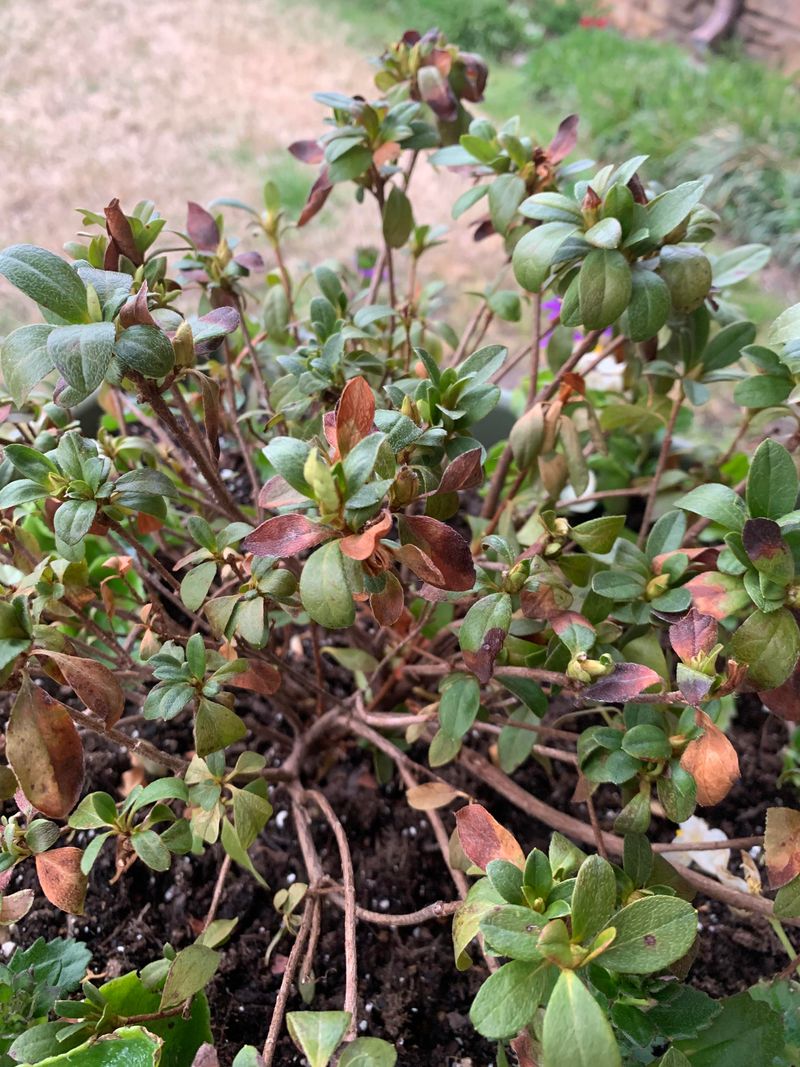
Brown leaves on an azalea after a freeze look like a final verdict. In reality, they mostly tell you how the outer tissue handled the cold, not what is happening deeper inside the stems.
Leaves and open flowers are the most tender parts of the shrub. They often scorch within a day or two of a hard freeze, while the woody branches underneath stay alive.
Bark and buds tucked lower on the plant can hold up far better than that crunchy outer layer suggests.
I once counted a whole shrub as a loss, only to see green leaves pop out along the same branches a few weeks later. That surprise taught me to treat early browning as a rough first draft.
University of Georgia Extension specialists advise gardeners to wait before judging cold damage on shrubs. Symptoms can keep developing for days or even weeks after the cold night, so the picture you see right away is incomplete.
For now, walk around the plant and simply take notes. Snap a few photos so you can compare them later.
A little patience at this stage gives you real information instead of guesses, and your azalea gets the time it needs to show you the truth.
2. Wait Until New Azalea Shoots Show You Where To Cut
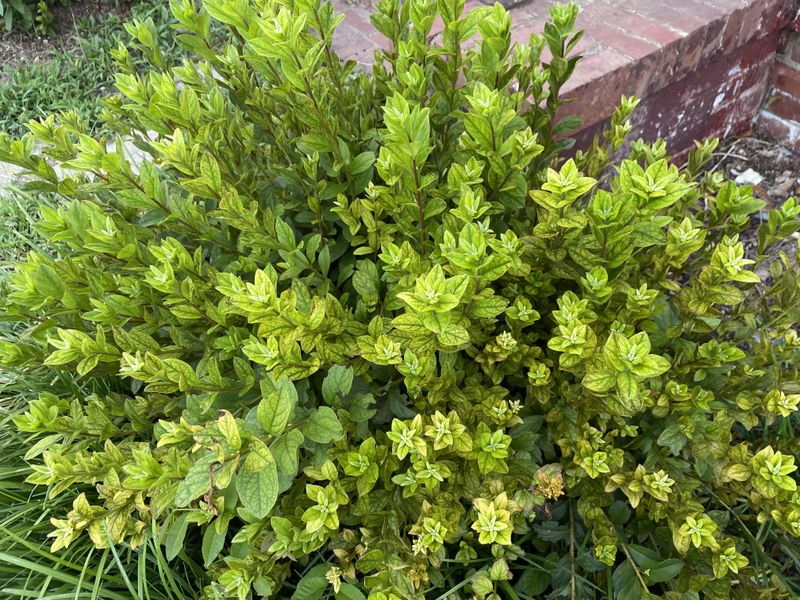
Honestly, the best pruning guide you can get is free, and it grows right on the plant. Fresh green shoots act like little flags that mark the living parts of each branch.
Extension experts generally recommend holding off on pruning cold-damaged shrubs until new growth appears in spring. In much of Georgia, that means waiting until late April or May, after the usual last frost date for your area.
North Georgia mountain gardens may need a bit more time than gardens near Savannah or Valdosta.
Once shoots emerge, the line between healthy and damaged wood becomes easy to spot. Branches that leaf out are alive.
Stems that stay bare and brittle well after the rest of the shrub has greened up are the ones worth removing.
This approach saves you from cutting healthy wood by mistake. It also means you prune once with confidence instead of hacking several times and hoping for the best.
If you want an extra check, try a gentle scratch test. Use your thumbnail to scrape a tiny bit of bark.
Green underneath means the stem is alive, while brown and dry tissue usually means that section did not recover.
3. Fresh Cuts Can Push Tender Azalea Growth Into Another Cold Snap
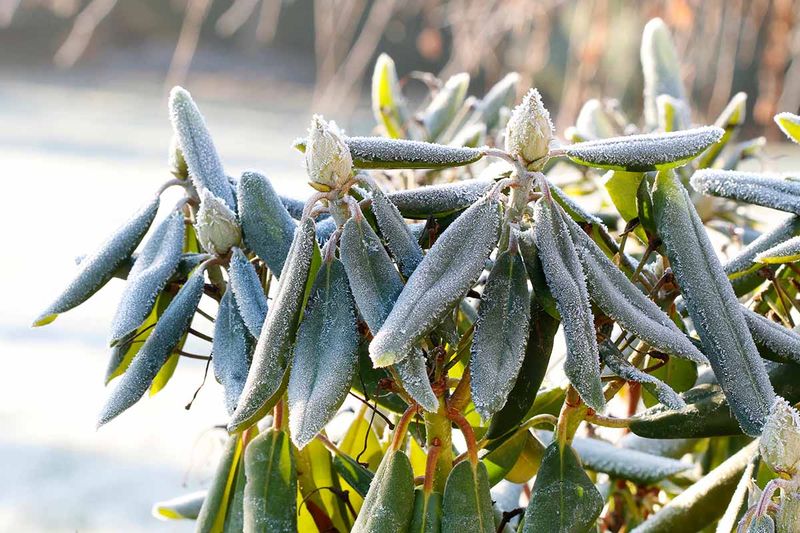
Spring weather in the Southeast loves a plot twist. A warm week can trick everything into growing, and then a chilly night shows up out of nowhere.
Pruning encourages a shrub to push out new shoots near the cut. That soft, fresh growth has little cold tolerance.
If another frost arrives after you prune, those young shoots can be damaged too, and your azalea has to spend even more stored energy replacing them.
That repeated cycle of growing and losing new leaves wears a plant down. Each round uses up the reserves it needs to recover from the first freeze.
A stressed shrub may also be more vulnerable to problems like branch damage and pests later in the season.
I like to think of the damaged foliage as a messy but useful blanket for now. It may offer a little shelter to buds and stems below while temperatures keep bouncing around.
Check your local forecast and your county Extension office for typical last frost dates. Once the risk of cold nights has mostly passed, your pruning cuts will lead to growth that actually gets a chance to thrive.
4. Azalea Bark Splits Tell A Different Story Than Brown Leaves
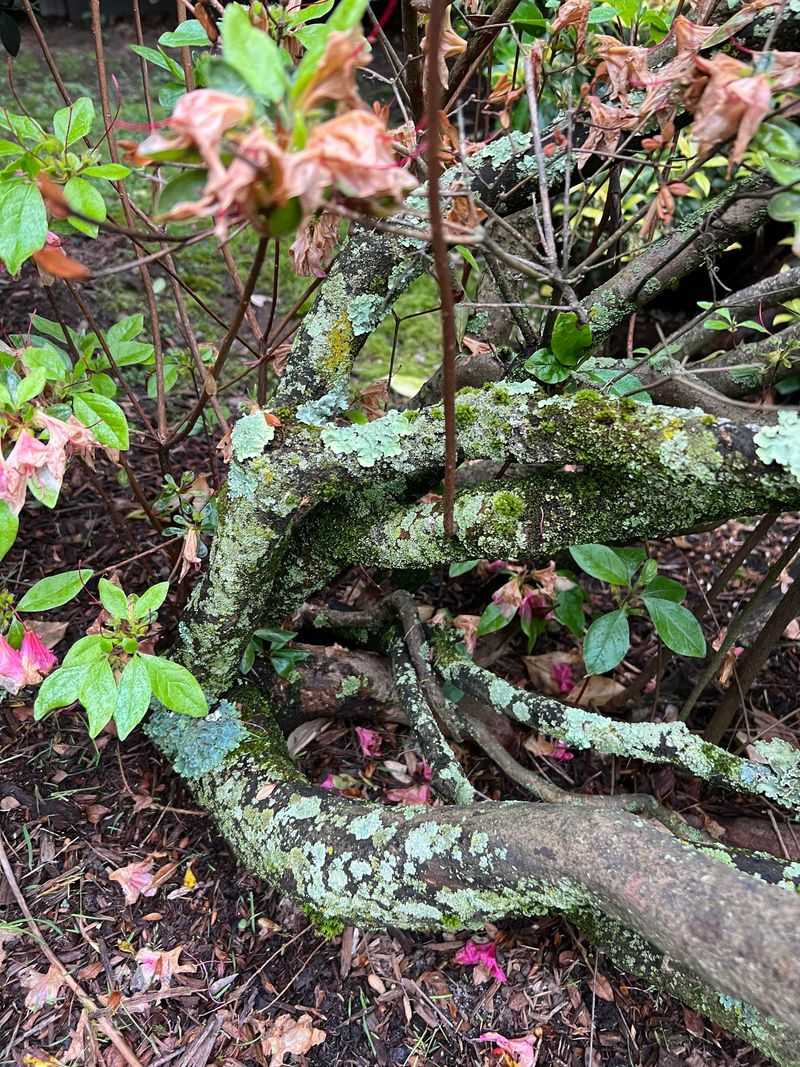
Leaves get all the attention, but the bark deserves a closer look. Cracked or split bark near the base of a stem is one of the more serious signs of freeze injury.
When sap is moving in late winter or early spring, a sudden hard freeze can cause bark to split. This injury may not show up right away.
Sometimes a branch leafs out normally and then wilts weeks later in summer heat, because the damaged bark cannot move enough water.
So keep watching through the season, even after your shrub looks fine. A stem that suddenly droops in June or July, with healthy branches all around it, may be revealing hidden bark damage from spring.
When you find a split stem that fails to recover, cut it back below the injured section to healthy wood. If the split is near the ground, remove that whole stem at its base.
Many azaleas send up replacement shoots from lower on the plant.
Giving those new stems space and light helps the shrub fill back in over the next year or two, which feels pretty rewarding once you see it happen.
5. Your Azalea Flower Buds For Next Spring Form Sooner Than You Expect
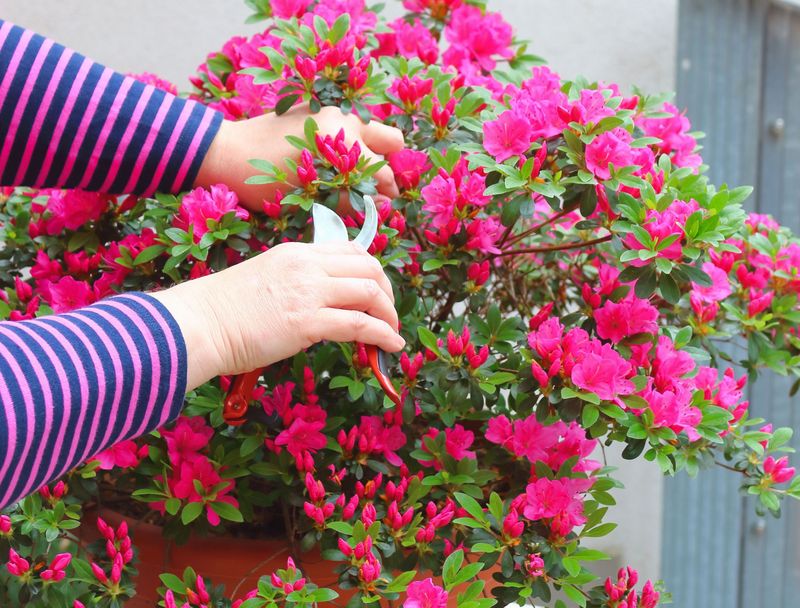
Here is a timing fact that surprises plenty of gardeners. Most azaleas start forming next year’s flower buds in early to mid summer, shortly after they finish blooming.
That gives you a fairly short pruning window. University of Georgia Extension suggests pruning spring-flowering azaleas soon after bloom, generally before early July.
Cutting later in summer, fall, or winter can remove the buds that would have opened into next spring’s show.
A freeze year complicates things a little. You wait for new growth to show what survived, then you prune damaged wood promptly so the shrub can set buds afterward.
Light cleanup of obviously lifeless stems later is fine, but avoid heavy shaping past midsummer.
Reblooming types, such as Encore azaleas, follow a slightly different rhythm. They flower in spring and again later in the year, so the grower recommends pruning right after the spring bloom.
Plan ahead by marking your calendar for late spring checkups. A quick look at your shrubs in May and June keeps you on track.
Your future self, admiring a yard full of color next April, will be glad you respected that bud schedule.
6. Clean Azalea Pruning Cuts Make Recovery Much Easier
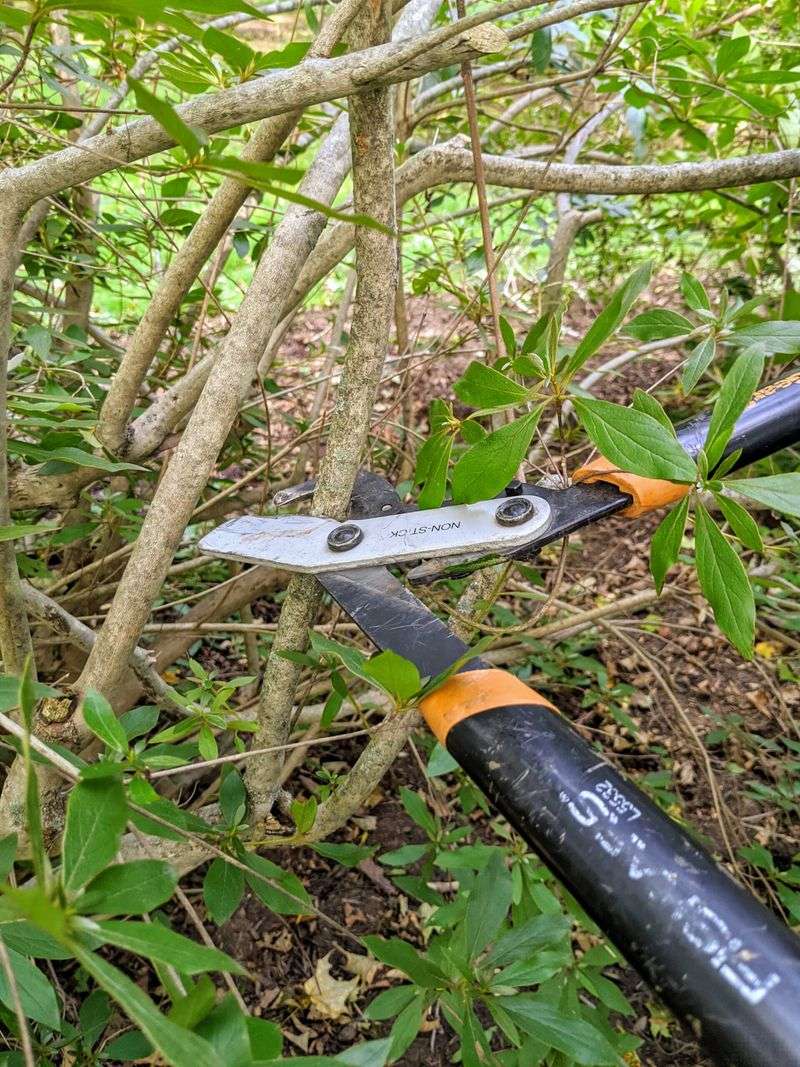
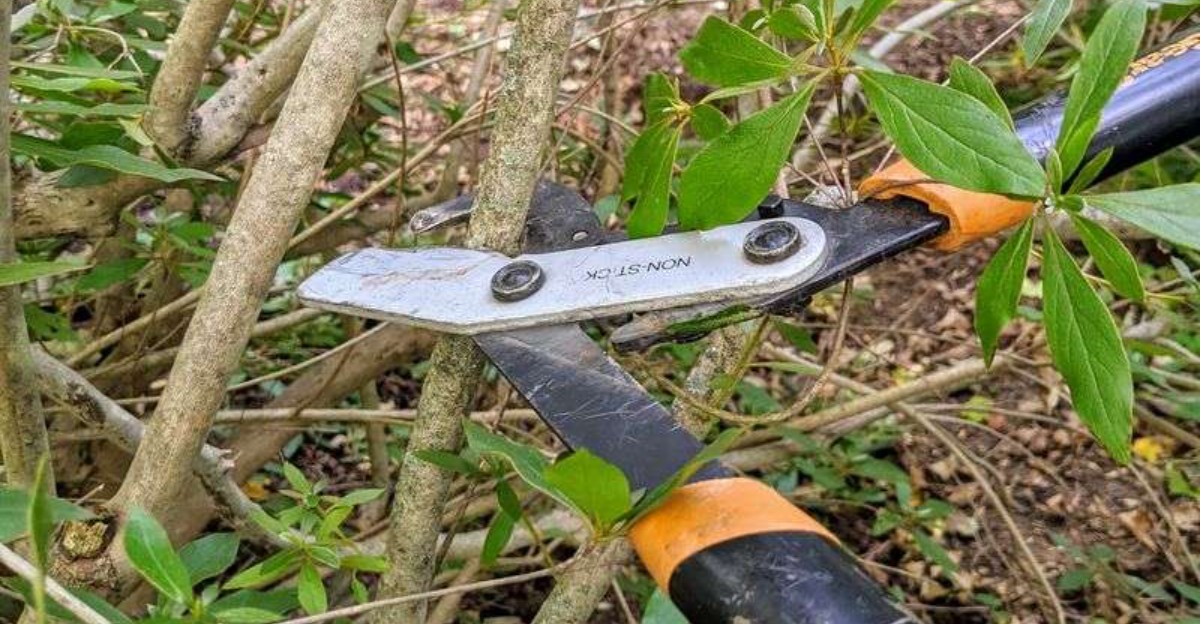
Grab your bypass pruners, wipe the blades clean, and give them a quick sharpening. Crisp, clean cuts heal faster than ragged ones, and that matters for a shrub already under stress.
Start with the stems that never leafed out. Cut each one back to a healthy side branch, a live bud, or green wood below the damage.
If you are unsure, trim a little at a time and check the inside of the stem for green tissue.
Avoid leaving long bare stubs. Those leftover sections often decline and can invite decay.
Cutting just above a bud or branch helps the plant seal the wound and send growth in a useful direction.
Resist the temptation to shear the whole shrub into a tidy ball. Selective cuts keep the natural shape and let light reach the interior.
Azaleas tolerate fairly heavy pruning, but a freeze-stressed plant appreciates a lighter touch.
Finally, gather up the clippings and fallen leaves. Clearing debris from around the base reduces hiding spots for pests and disease.
Then step back and admire your work, because a careful trim often makes a scraggly shrub look fresh again surprisingly fast.
7. Mulch And Steady Water Help Georgia Azaleas Bounce Back
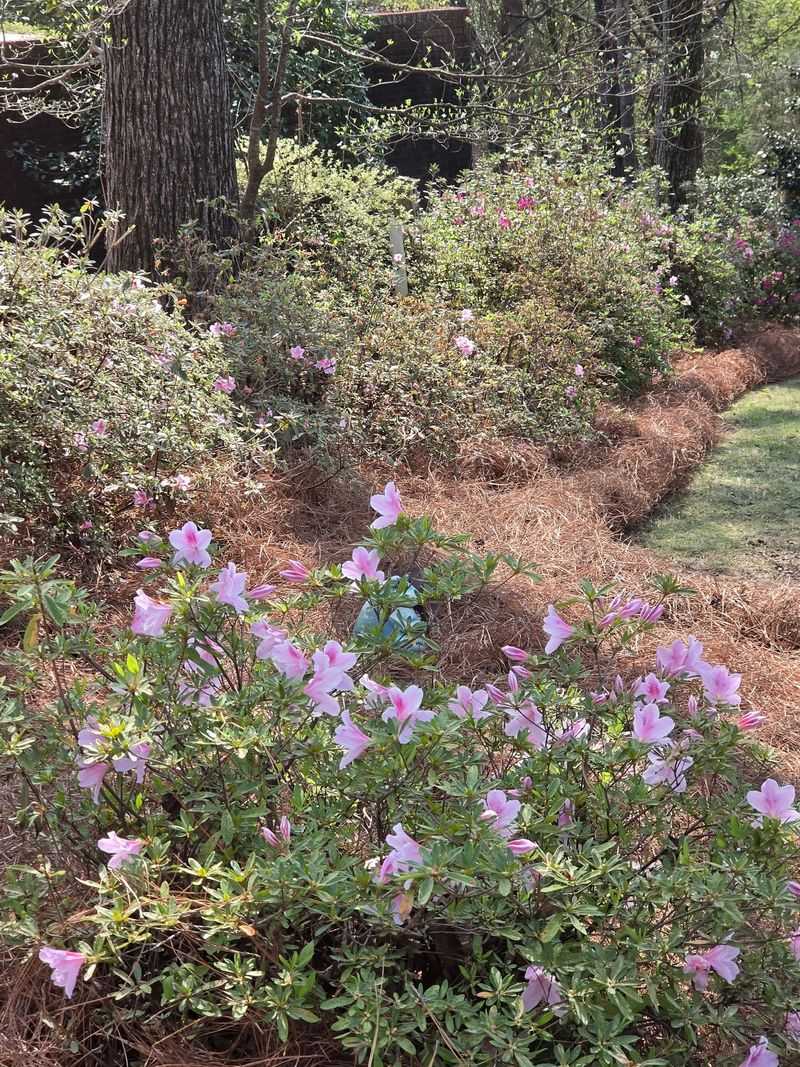
After all that waiting and trimming, your azalea mostly needs a calm, comfortable season. Think of it as recovery time rather than a race to look perfect.
Azaleas have shallow roots that dry out quickly. Water deeply about once a week during dry spells, aiming for soil that stays evenly moist but not soggy.
Moist soil also holds warmth better than dry soil, which can help during chilly nights.
A layer of pine straw or shredded bark, about two to three inches deep, keeps roots cooler in summer and steadier in winter. Pine straw is a classic choice across Georgia and suits these acid-loving shrubs nicely.
Keep the mulch a few inches away from the stems.
Go easy on fertilizer. Wait until new growth is clearly underway, then use a light feeding of an azalea fertilizer if a soil test shows a need.
Heavy feeding can push soft growth that struggles in hot or cold weather.
Finally, think about next winter. Covering shrubs with frost cloth on hard freeze nights, and picking cold-hardy varieties or native azaleas for new plantings, can save you from repeating this whole adventure.