7 Protected Animals Pennsylvanians Can’t Legally Remove
A turtle about the length of a credit card can land you in serious legal trouble here. Lifting one from a soggy meadow and carrying it home breaks state law in Pennsylvania, even with kind intentions.
Our wildlife code protects every animal listed as endangered or threatened, along with any part of that animal. That rule covers shells and feathers too, so a quick souvenir grab can turn into a costly mistake.
I have to admit, I used to assume protected species only lived deep in remote forests far from people. Nobody warned me that some of them hide in cattail marshes and boulder piles close to ordinary Pennsylvania backyards.
You might share your property with one of these quiet neighbors and not even know it yet. So which secretive creatures deserve a hands-off approach the next time you spot them near your garden?
1. Bog Turtles With Bright Orange Head Patches
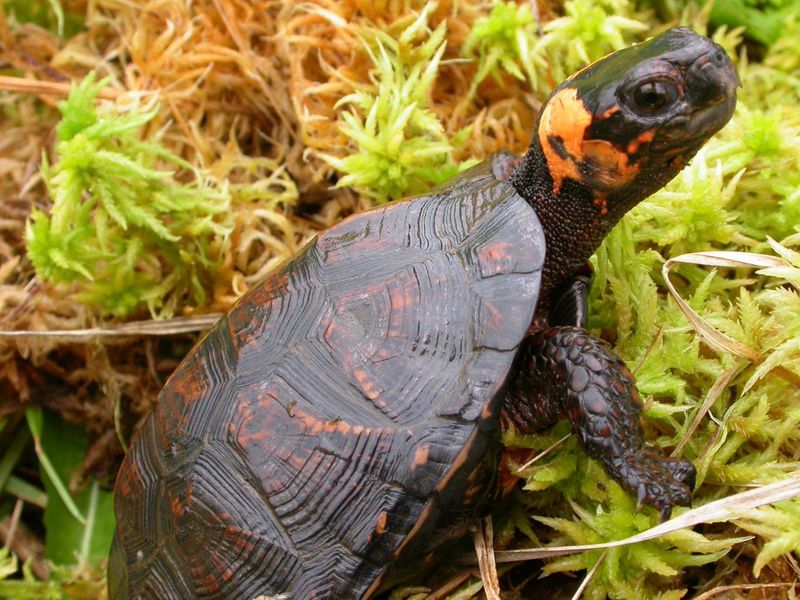
Bright orange blotches on each side of its head make the bog turtle look like it wore face paint. Personally, I think that splash of color is the cutest detail on any reptile in the eastern states.
Adults usually reach only three to four and a half inches long, making them the state’s smallest turtle. Their shells look dark brown or black, which helps them vanish into the muddy ground of their wetland homes.
You will find them in spring-fed wet meadows and bogs where tussock sedge grows in thick, grassy clumps. Much of their day is spent buried in soft muck, so spotting one takes patience and a little luck.
They snack on slugs and insects, plus seeds and berries that drop into their soggy feeding grounds. Emerging from hibernation in late March or April, they settle back into spring seeps again around October.
The bog turtle is endangered under state law and federally threatened, so collecting one is strictly illegal. Illegal collection for the pet trade still harms them, which is why biologists keep exact locations quiet.
If you own wet meadow land, light grazing or careful brush cutting can keep the habitat open and sunny. Talk with your county conservation district before changing any wetland, since permits are often required first.
If one crosses your path, snap a photo from a respectful distance and leave the turtle exactly where it was. Reporting sightings to the Fish and Boat Commission helps biologists track these tiny turtles over the years.
2. Eastern Massasauga Rattlesnakes Have A Surprisingly Soft Rattle
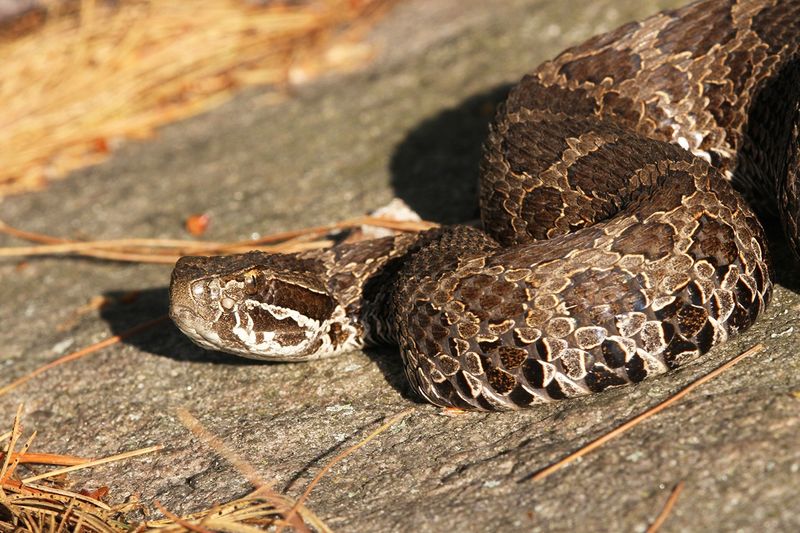
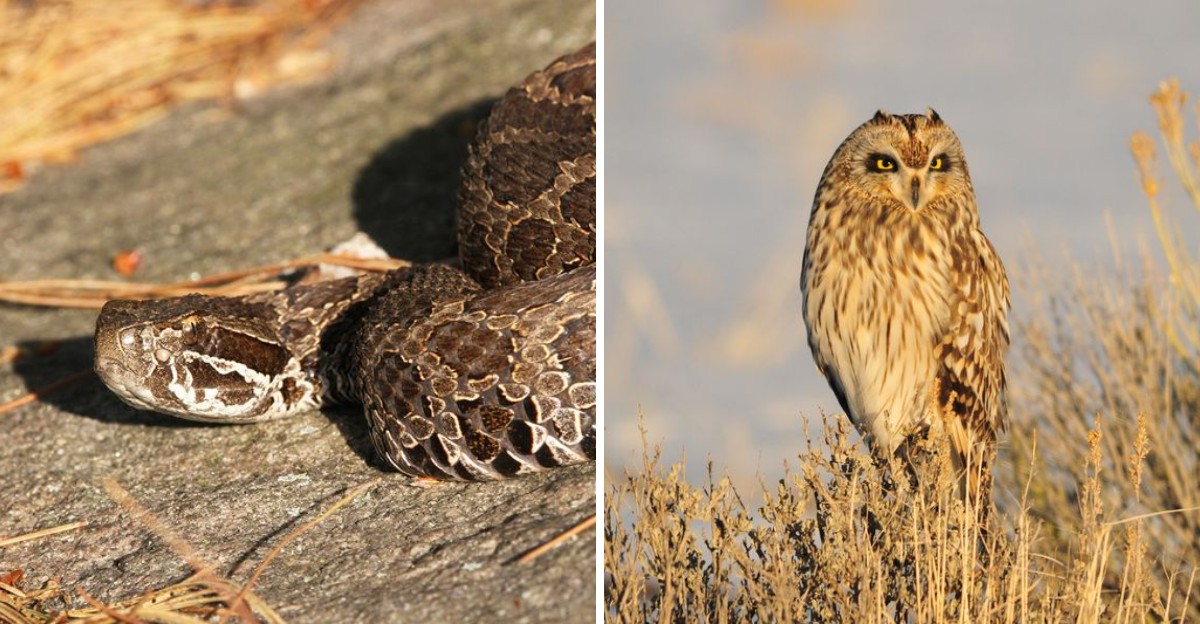
Most rattlesnakes announce themselves loudly, yet this one buzzes so softly it sounds like a summer insect. Beyond about five feet, the rattle of an eastern massasauga can be hard to hear at all.
I find that detail a little unsettling, but these snakes are known for their mild, laid-back temperament. They rarely strike unless someone handles or steps on them, preferring to rely on their excellent camouflage.
Adults average twenty to thirty inches, with thick bodies and gray or brown skin marked by dark blotches. That triangular head is a clear clue that you are looking at a venomous snake, so keep back.
Only a few wet prairies and old fields in western Pennsylvania still hold these rare rattlesnakes today. They winter underground in crayfish burrows, where unfrozen groundwater keeps them safe through the cold months.
Massasaugas are listed as endangered here and federally threatened, which means harming or moving one breaks the law.
Their main menu includes mice and voles, so they actually help control rodents around fields and meadows.
Wetland loss and roads are major problems, because these short-range snakes cannot travel far to find new homes. Land managers often suggest mowing nearby fields during the cooler months, when the snakes are resting underground.
If you spot one sunning on a trail, admire it from at least several feet away and walk around. Calling the Fish and Boat Commission with the location helps biologists track this rare snake over time.
3. Indiana Bats Huddled Together In Winter Caves
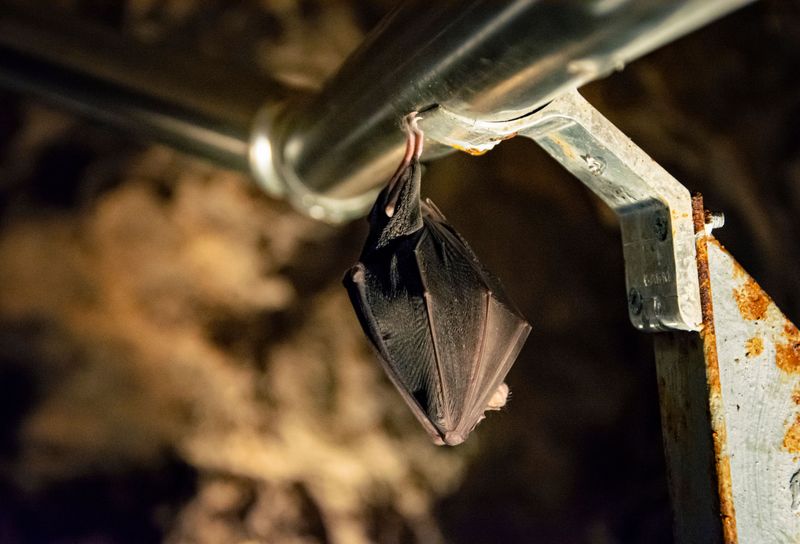
Pink lips might be the last thing you expect on a bat, but the Indiana bat wears them proudly. Its scientific name, Myotis sodalis, comes from a Latin word meaning companion, which suits this social little flyer.
In winter, these bats pack into caves and old mines in tight clusters of hundreds per square foot. I can’t imagine sharing a room that crowded, but the huddle helps them conserve energy through the cold months.
Each bat measures roughly three to three and a half inches long and weighs less than half an ounce. Their fur looks grayish brown and a little duller than the coats of similar bats sharing the same caves.
Federal law has listed the Indiana bat as endangered since 1967, and state law gives it matching protection.
Disturbing hibernating bats wakes them up and burns stored fat, which can leave them weak before spring arrives.
White-nose syndrome, a fungal disease, has caused steep declines, so staying out of closed caves really matters. Summer brings a different scene, as females gather under loose bark on large trees close to streams.
You can help by leaving big shagbark hickories and other shaggy-barked trees standing when they pose no safety risk. Cutting large trees in winter, rather than summer, also avoids disturbing mother bats raising pups under the bark.
These bats snack on moths and beetles at night, giving gardens free pest control while we sleep. Skipping heavy pesticide use keeps their insect menu cleaner, which is a simple favor for your winged neighbors.
4. Allegheny Woodrats Collecting Treasures On Rocky Slopes
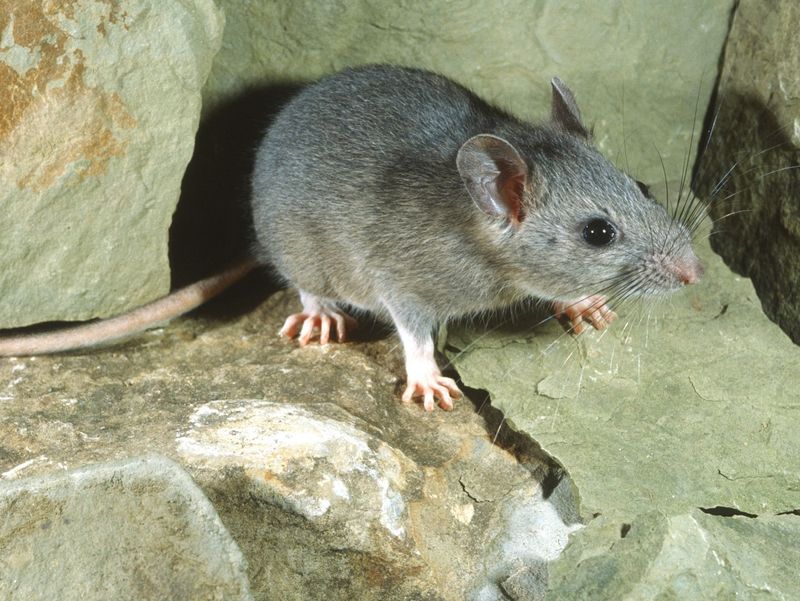
Shiny bottle caps and scraps of foil often turn up in Allegheny woodrat nests, earning them a packrat reputation. Their stash piles, called middens, mix sticks and nuts with odd human trinkets gathered over many seasons.
Please do not lump this critter in with the city rats that raid trash cans in town. A woodrat sports big dark eyes and a fully furred tail, both features that common city rats lack.
Total length runs about twelve to eighteen inches, including that fuzzy tail, with brownish gray fur on top. They live among boulder fields and rocky cliffs in the mountains, coming out mostly after dark to forage.
The state lists the Allegheny woodrat as threatened, so trapping or relocating one is not allowed by law. Raccoon roundworm is a serious problem, since woodrats pick up the parasite while foraging near raccoon droppings.
Losing the American chestnut also hurt them, because those nuts once supplied a major part of their winter food. Today they gather acorns and other nuts, along with buds and leaves, storing everything for colder days.
I love how much effort they pour into those caches, almost like a tiny mountain grocery store. If you hike rocky slopes, resist poking into crevices or moving midden material, since that disturbs active dens.
Landowners near rocky habitat can help by keeping garbage sealed, which discourages raccoons from crowding the area. Fewer raccoons means fewer roundworm eggs, giving these charming collectors a much better shot at thriving.
5. Short-Eared Owls Hunting Over Open Grasslands
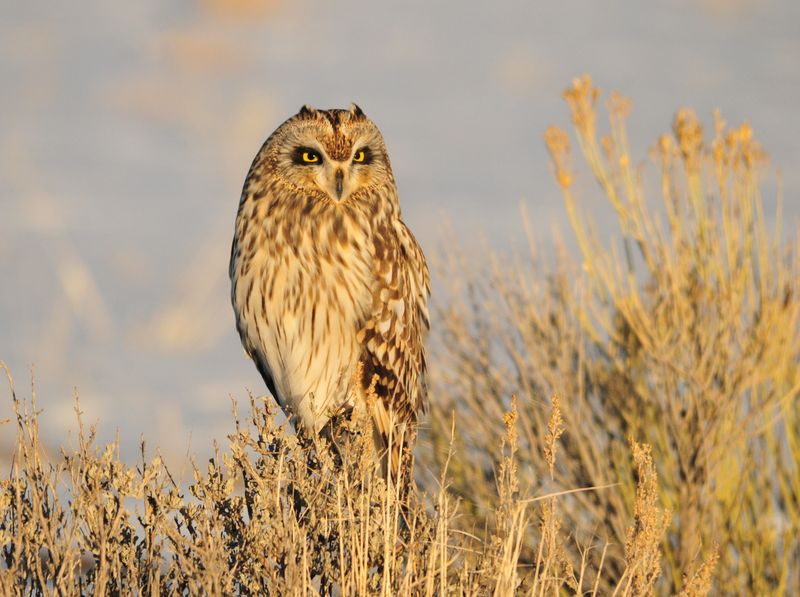
Most owls wait for full darkness, but short-eared owls often hunt at dusk, floating low like giant moths. Watching one tilt and glide over a winter field feels like seeing a kite with a mind of its own.
This crow-sized bird stands about thirteen to seventeen inches tall with a wingspan reaching forty-four inches. Bright yellow eyes ringed in dark feathers give it an intense stare that you will not forget quickly.
Its name comes from tiny ear tufts that usually stay hidden, so do not expect obvious horns. Look instead for dark crescent patches under the wings as the owl banks and turns above the grass.
They are listed as endangered in the state, and federal migratory bird law protects them as well. Nests sit right on the ground in tall vegetation, which makes them easy to disturb without realizing it.
Voles and mice make up most of their diet, so a healthy grassland usually means well-fed owls. Grasslands keep vanishing to development or turning into forest, and that habitat loss explains their endangered status.
Personally, I think reclaimed strip mines offer some of the best winter owl watching in the region. Staying in your car near the field edge lets you enjoy the show without flushing birds from their roosts.
If you own pasture or hayfields, delaying mowing until after nesting season can protect ground nests and chicks. Letting some grassy areas stand tall through winter also gives voles cover, which feeds hungry owls nearby.
6. American Bitterns Hiding In Tall Cattail Marshes
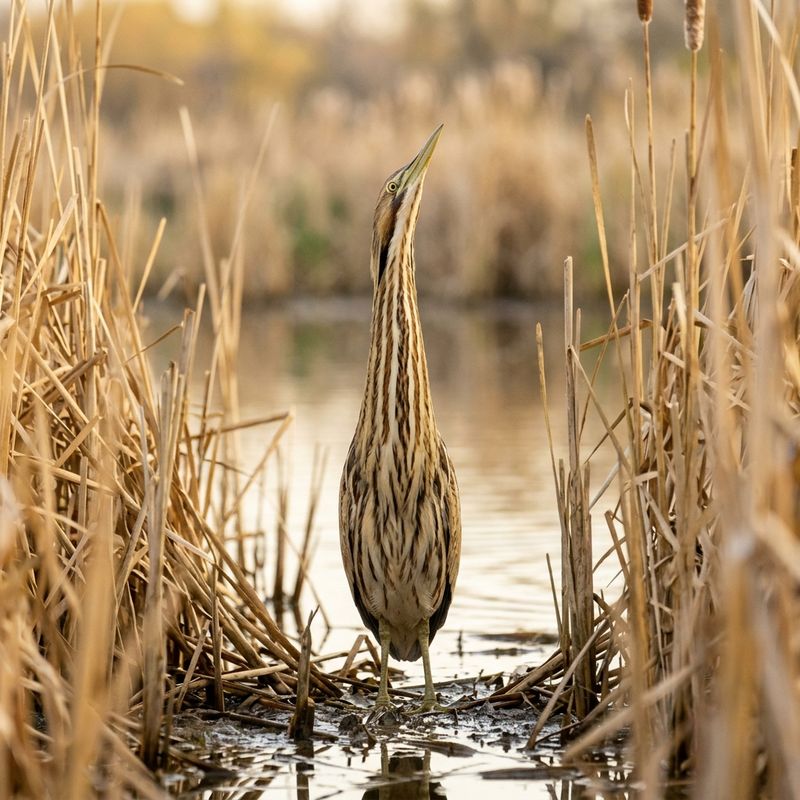
Some birds hide behind leaves, but the American bittern hides by pretending to be a bundle of reeds. It points its bill skyward and stands frozen, and its streaky brown feathers blend right into the cattails.
Birders call this the bittern stance, and I have to admit it fooled me for several minutes once. Some even sway gently when the wind moves the marsh, which makes the disguise even more convincing.
This stocky heron stands roughly two to nearly three feet tall, with brown streaks running down its neck. Look for dark mustache-like marks on its cheeks and black outer wing feathers when it flies off.
Spring brings a strange, gulping call that sounds like a pump, earning it nicknames such as thunder pumper. You will often hear one long before you see it, especially early in the morning near large marshes.
The American bittern is listed as endangered here, and the Migratory Bird Treaty Act adds federal protection. More than half of Pennsylvania’s original wetlands have disappeared over the past two centuries, shrinking their breeding grounds.
Bitterns eat fish and frogs, plus large insects and the occasional crayfish, by stalking slowly through shallow water. Their patience is impressive, and a single motionless pause can stretch for many minutes before a quick strike.
You can help by supporting wetland conservation groups and keeping fertilizer from washing into nearby ditches and streams.
When visiting marshes, stick to boardwalks and trails so nesting bitterns stay undisturbed in the thick vegetation.
7. Black-Crowned Night Herons Roosting Near River Islands
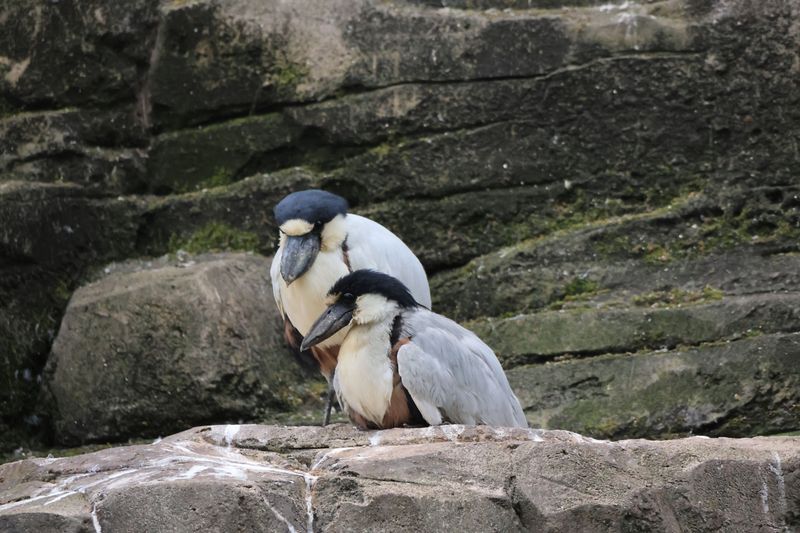
Glowing red eyes and a hunched posture give the black-crowned night heron a slightly grumpy, old-man look. I love that cranky expression, and it makes this bird surprisingly easy to recognize once you know it.
Adults wear a sleek black cap and back, while their wings and underparts show soft gray and white. Young birds look nothing like their parents, wearing streaky brown feathers sprinkled with small pale spots instead.
These herons are stockier than most relatives, larger than a crow but smaller than a great blue heron. As their name suggests, they do most of their hunting around dusk and dawn along quiet shorelines.
One of the best-known colonies has nested on Wade Island in the Susquehanna River near Harrisburg. That small island has been recognized as an Important Bird Area, largely because of its busy heron colony.
Black-crowned night herons are listed as endangered in Pennsylvania and protected by the Migratory Bird Treaty Act too. Disturbing nests can cause adults to abandon eggs, so even curious visitors need to keep their distance.
Their diet is wide-ranging, including fish, frogs, crayfish, and sometimes eggs or nestlings of other birds. Wetland loss and pollution remain the biggest challenges, since both reduce the prey these hunters depend on.
If herons visit your backyard pond, cover fish with netting rather than trying to chase or harm the birds. Enjoy them through binoculars at sunset, when they lift off to hunt and fill the sky with croaks.