Don’t Add Epsom Salt To Your Georgia Roses This Winter – Here’s What They Actually Need
For decades, a popular bath product has been sold as a secret rose booster, and the science behind it is surprisingly thin. Extension researchers have tested the claim, and the results rarely live up to the garden club gossip.
I understand the appeal. A cheap bag from the drugstore that promises greener leaves and bigger blooms sounds like a gardener’s dream come true.
Here in Georgia, though, winter is a season of rest for most bushes. Feeding a sleeping plant is a bit like serving a big dinner to someone who just fell asleep on the couch.
You mean well, but the timing is off.
I think the real winter secrets are far simpler and more satisfying. They cost less, take less effort, and set up a spring show worth bragging about.
Your roses may need far less attention this winter than those old garden tips would have you believe.
1. That Bag Of Epsom Salt Is Probably Doing Less For Your Rose Bushes Than You Hope
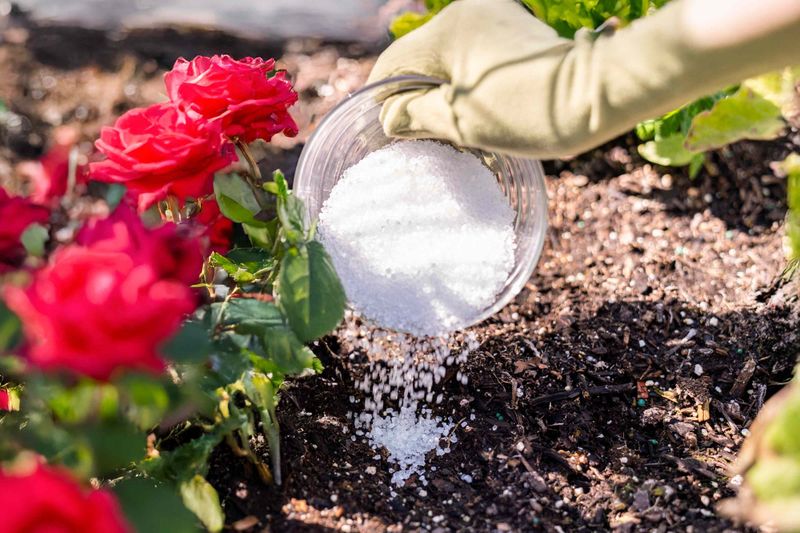
Old garden advice has a way of sticking around long after the evidence fades. Epsom salt is magnesium sulfate, and yes, roses use both magnesium and sulfur.
The catch is simple. Plants only benefit from extra magnesium when the soil is actually short on it.
Researchers, including horticulturists at Washington State University, have found little proof that Epsom salt helps roses grown in normal soil.
Too much magnesium can even cause trouble. It can compete with calcium and potassium, two nutrients your roses need for strong canes and healthy blooms.
Extra salts can also build up in the soil over time, especially in containers.
Winter makes the idea even less useful. Dormant roses are barely taking up nutrients, so most of what you sprinkle simply sits there or washes away in the next cold rain.
I like to think of it this way. You would not take a vitamin you do not need just because a friend swears by it.
Your roses deserve the same common sense.
So put that bag back in the bathroom cabinet for now. A relaxing soak is a far better use for it, and your aching gardening muscles will thank you.
2. A Simple Soil Test Tells You What Your Roses Are Missing
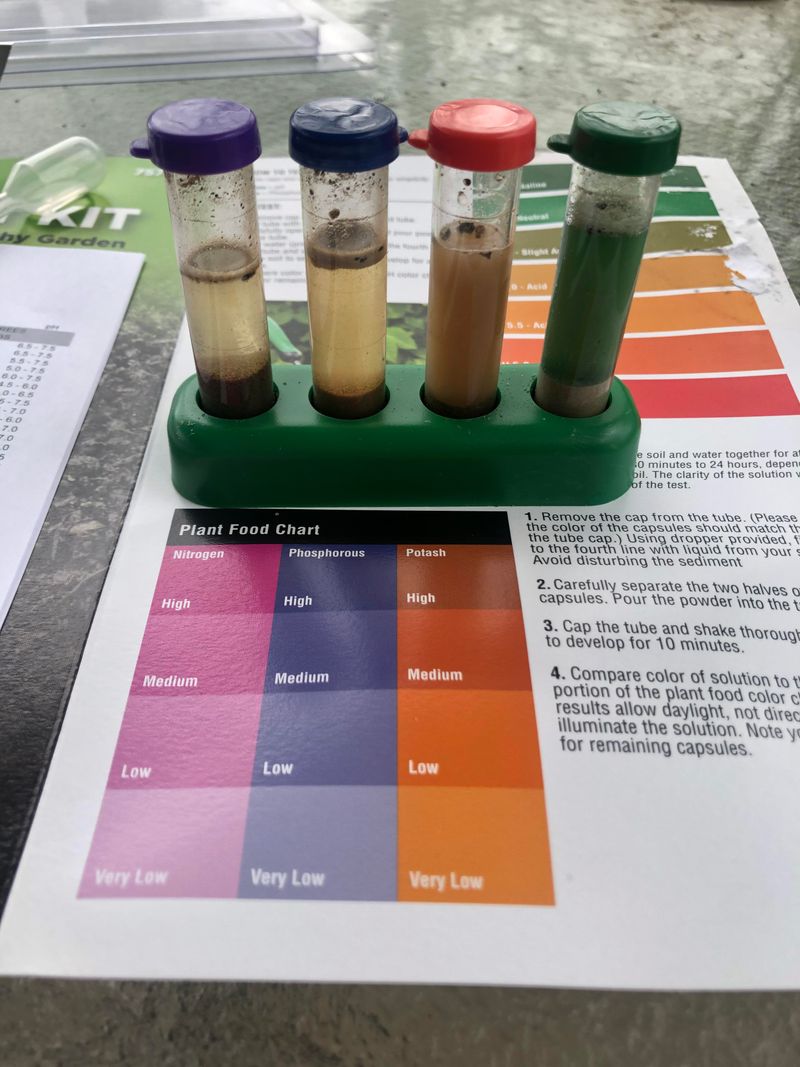
Guessing is the most expensive habit in gardening. A soil test from UGA Cooperative Extension costs very little and shows exactly what your rose bed contains.
Winter is actually a great time to send one in. Labs are less busy, and you get results back before spring feeding begins.
To collect a sample, dig down about four to six inches in several spots around your roses. Mix the soil together in a clean bucket, let it dry, and place about a pint in a bag.
Your county Extension office can tell you how to mail or drop it off.
The report will show your pH and nutrient levels, plus clear advice on what to add. Roses grow best with a pH between about 6.0 and 6.5.
Many Georgia soils lean acidic, so lime is often a more helpful fix than anything else. Dolomitic lime even supplies magnesium if your test says you need it.
Personally, I find the results kind of exciting. It feels like reading a secret diary written by your garden.
You might discover your soil is already in great shape and needs nothing at all.
3. Pine Straw Mulch Is The Cozy Blanket Your Rose Roots Really Want
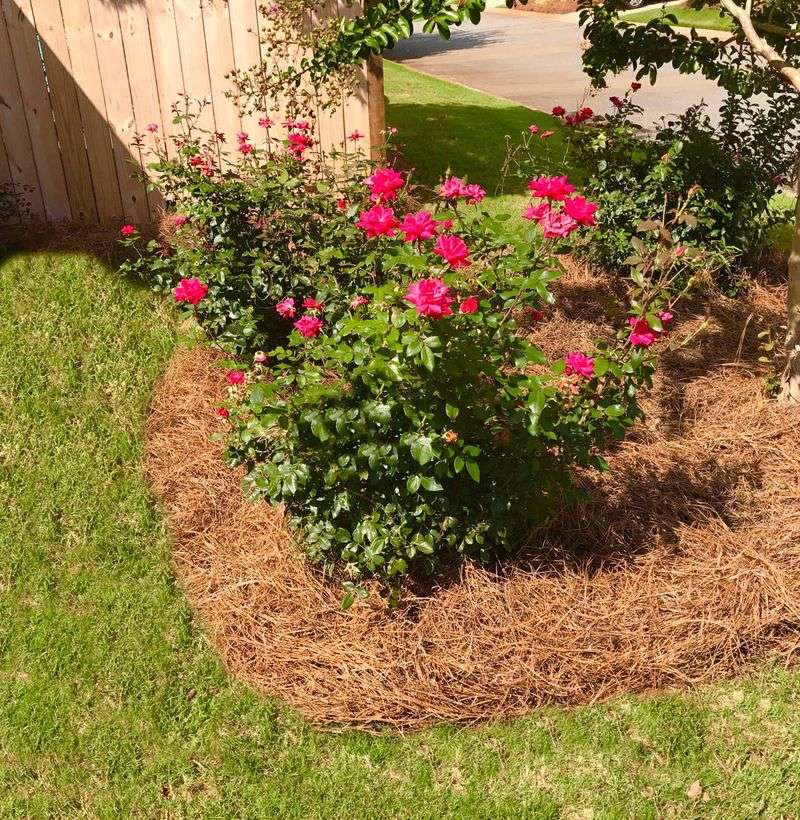
Georgia winters love to flip-flop. One week feels like spring, and the next brings a hard freeze that catches everything off guard.
Those wild swings are tougher on roses than steady cold. A good layer of mulch helps keep soil temperatures more even and holds moisture around the roots.
Spread about two to four inches of mulch over the root zone. Pine straw is cheap and easy to find across the state, and shredded leaves, pine bark, or compost work well too.
Leave a little breathing room around the base of the canes. Mulch piled right against the stems can hold dampness and invite rot or hungry critters.
In the colder north Georgia mountains, some gardeners mound extra mulch or soil around the graft union of grafted roses. Gardeners along the coast rarely need that step, since winters there are much milder.
I love how something so humble can do so much work. You rake it out, walk away, and the mulch quietly protects your plants all season.
Come spring, it slowly breaks down and feeds the soil as a bonus.
4. Fertilizer Can Wait Until Fresh Red Rose Shoots Appear
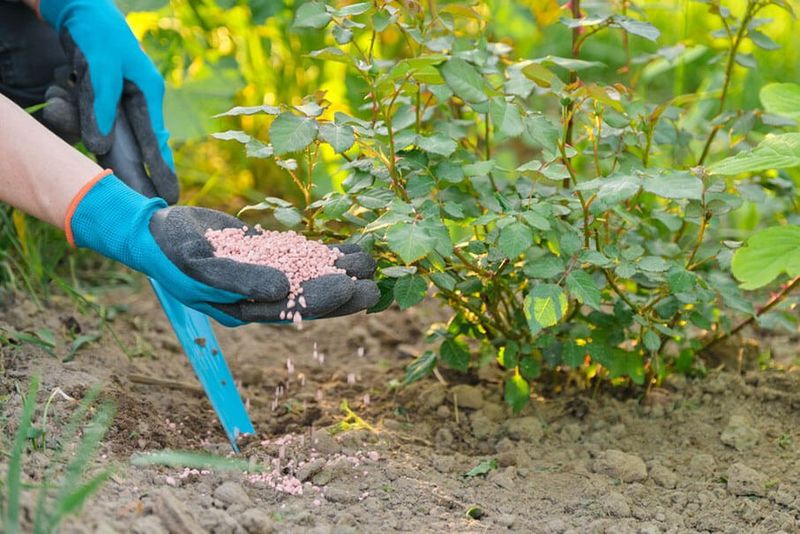
Patience feels hard when you love your plants. Still, fertilizer in the middle of winter does more harm than help.
Nitrogen nudges roses to push soft new growth. Those tender shoots are easily damaged when a sudden freeze rolls through, which happens often in Georgia between December and March.
Most experts suggest stopping fertilizer about six weeks before your average first frost. That gives canes time to harden up before cold weather settles in.
So when should you start again? Watch for new leaves to unfold after spring pruning.
Many gardeners in middle Georgia begin feeding around late March, while north Georgia gardeners may wait until April.
Choose a balanced rose food or follow your soil test results. Slow-release products and compost both give steady nutrition without a sudden rush of growth.
I believe the waiting is part of the fun. Those first reddish shoots are a little signal from your roses saying they are ready to eat.
Feed them then, and every bite goes toward strong stems, healthy leaves, and plenty of flowers. Your patience pays off in blooms.
5. Pruning Shears Belong Out Closer To Late Winter
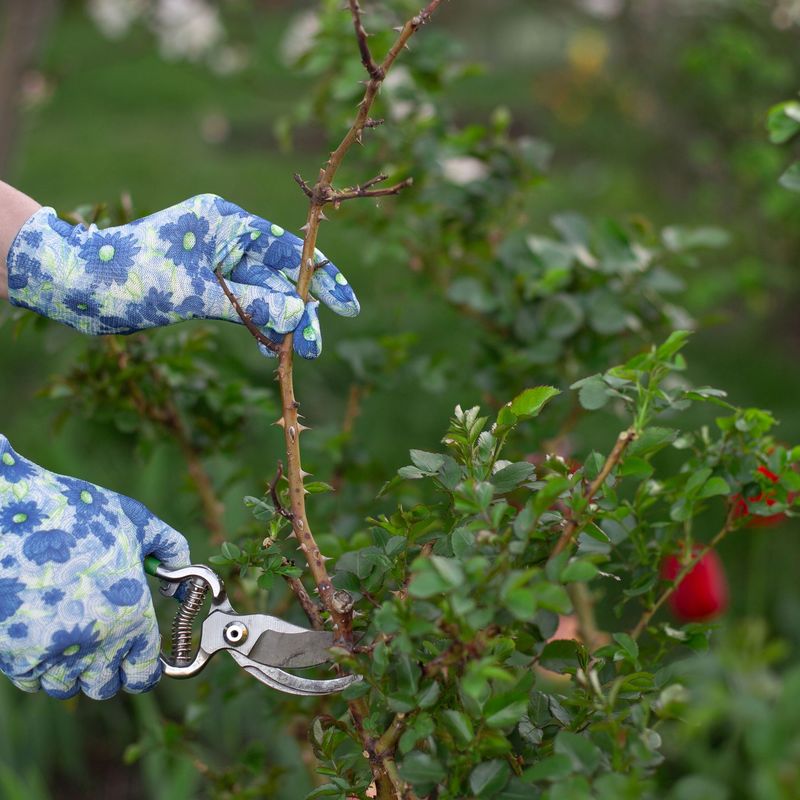
Grab your pruners in December and you might regret it by February. Early pruning can trigger new growth right before the coldest stretch of winter arrives.
For most of Georgia, the sweet spot for major rose pruning falls between late January and early March. Gardeners in the mountains usually wait toward the later end, while coastal gardeners can start earlier.
Many rosarians like to time it around when forsythia starts blooming. It is an easy natural reminder that spring is close.
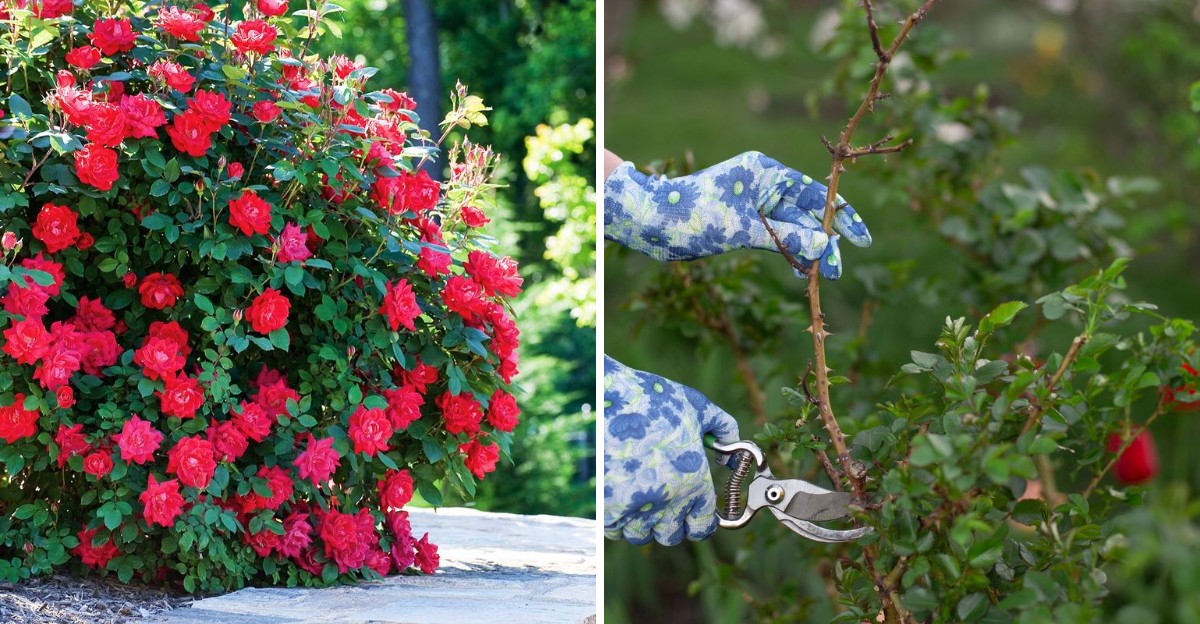
Start by removing broken, diseased, or brown canes. Then cut out crossing stems and open the center so air can move freely through the bush.
Make clean cuts about a quarter inch above an outward-facing bud, angled slightly away from it. Sharp bypass pruners make the job easier and leave healthier wounds.
Climbing roses and many old garden roses bloom on last year’s wood. Prune those lightly now and save heavier shaping until after their spring flowers fade.
Personally, pruning day is one of my favorite chores. It feels like giving each plant a fresh haircut before a big party.
6. Fallen Rose Leaves Can Hide Black Spot Over Winter
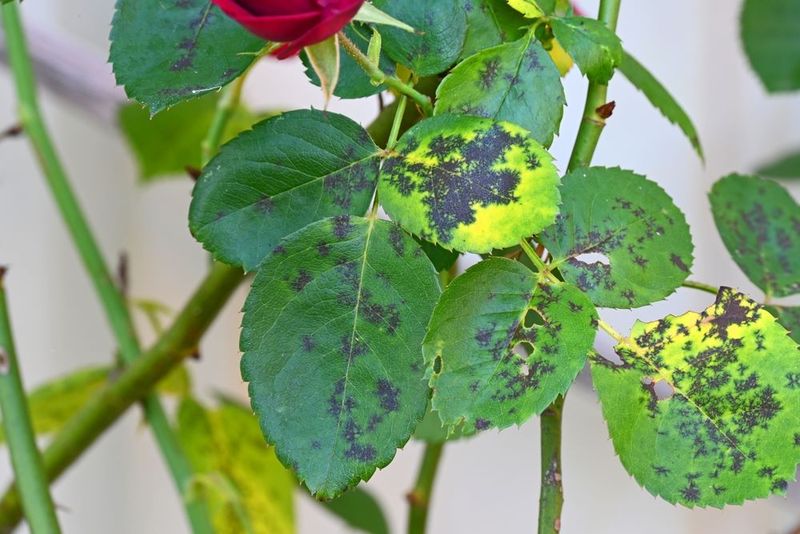
Black spot is the sneaky villain of southern rose gardens. Its spores can hang out on fallen leaves all winter, waiting for warm, wet spring days.
Georgia’s humid climate gives this fungus a big advantage. Cleaning up now is one of the easiest ways to cut down next year’s problems.
Rake up old leaves, spent petals, and debris from around each bush. Pull off any spotted leaves still clinging to the canes as well.
Bag that material or put it in the trash rather than your compost pile. Home compost piles often do not get hot enough to break down fungal spores.
After cleanup, add a fresh layer of mulch. A clean surface helps block splashing rain from bouncing leftover spores back onto new leaves.
You can also check canes for scale insects or cankers while you are down there. Snip out any damaged sections you spot.
I know raking is nobody’s idea of excitement. Still, a tidy bed now often means greener, healthier leaves in May.
That trade feels well worth an hour on a sunny winter afternoon.
7. Thirsty Roots Still Need A Drink During Dry Winter Spells
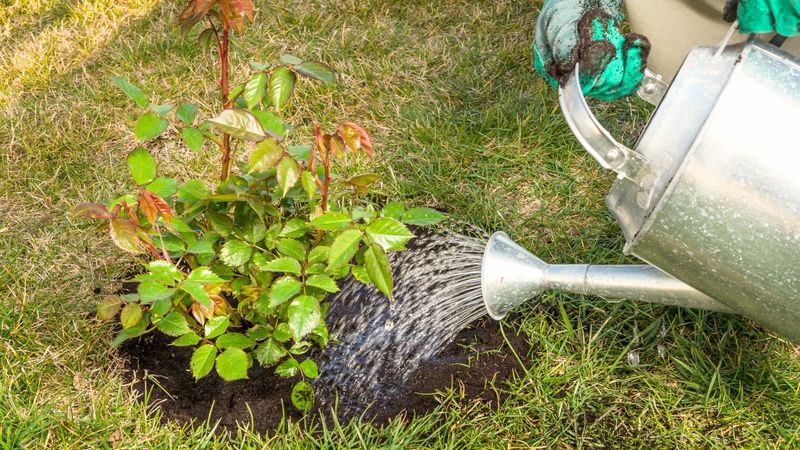
Dormant does not mean dry as a bone. Roses still lose some moisture in winter, especially on windy, sunny days.
Georgia usually gets decent winter rain, so you may not need to water much at all. During a long dry stretch, though, a deep drink helps keep roots healthy.
Check the soil by poking a finger a couple of inches down. If it feels dry, give the plant a slow, thorough soaking at the base.
Water on a mild morning when temperatures are above freezing. That gives moisture time to soak in before cold nights arrive.
Moist soil actually holds heat better than dry soil. Watering a day or two before a predicted hard freeze can help protect roots.
Avoid soggy conditions, though. Heavy clay soils in parts of Georgia can stay waterlogged and suffocate roots, so good drainage matters.
Container roses dry out faster and feel cold more than plants in the ground. Check pots more often and move them near a sheltered wall during freezes.
A little attention now keeps them ready for spring.
8. Spring Rose Blooms Start With The Choices You Make Right Now
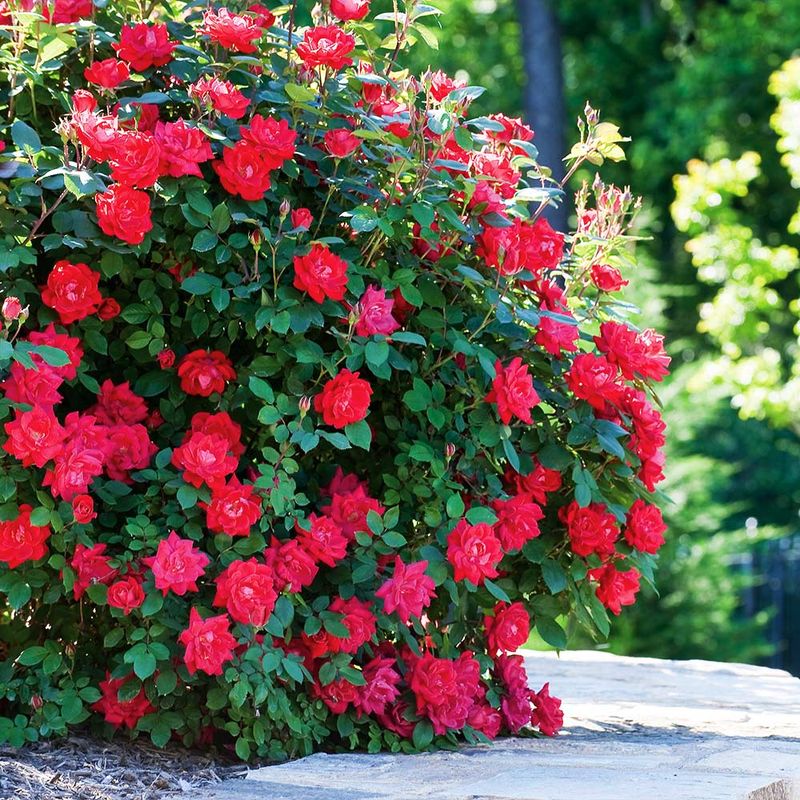
Every stunning May rose has a quiet winter backstory. The work you do in these cold months shows up later as color and fragrance.
Here is a simple plan to follow. Test your soil, mulch the root zone, clean up old leaves, and water only during dry spells.
Prune between late January and early March, depending on where you live. Then wait for new growth before you start feeding.
Winter is also a smart time to plant new bare-root roses in much of the state. Pick a spot with at least six hours of sun and good air flow.
Disease-resistant varieties make life easier in humid southern summers.
Many gardeners have great luck with tough shrub roses and well-known heirloom types that shrug off black spot.
If your test does show low magnesium, follow the lab’s advice for the right product and amount. That is the one time a supplement truly earns its place.
I can’t think of a better reward than that first spring bloom. You gave your roses exactly what they needed, and they will answer with a show worth sharing.