What Every Texas Gardener Should Do The Week Of Thanksgiving
Amarillo usually sees its first freeze in late October, while Brownsville can go entire winters without one. That wide stretch of weather makes Thanksgiving week in Texas a strange and wonderful time for anyone holding a trowel.
Half the state might be digging sweaters out of the closet while the other half still has the ceiling fans running. Even so, a surprising amount of garden work fits neatly between the pie baking and the parade watching.
Many outdoor jobs are perfectly timed for this holiday week. Cooler soil and softer sunshine give Texas gardeners a rare chance to get ahead on next year.
Not every task is glamorous, but a few of them pay off for months. Which chores truly deserve a spot on your list before the leftovers run out?
1. Tuck Pansies And Spinach Into Cool Garden Beds
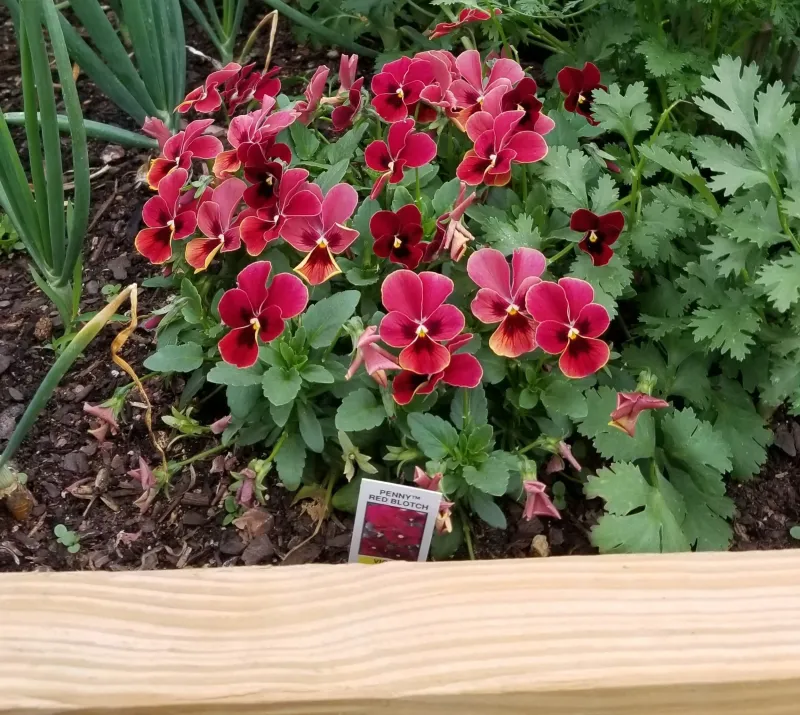
Pansies can shrug off nights in the twenties, then perk up by lunchtime like nothing ever happened. I love seeing their cheerful little faces greet me on frosty mornings when everything else looks sleepy.
Late November is a fine time to tuck them in alongside snapdragons and frilly ornamental kale for extra color. These cool-season bloomers often keep flowering through winter and well into spring across much of the state.
Your vegetable beds deserve some attention too, because many leafy crops actually taste sweeter after a light frost. Spinach transplants and mustard greens settle in quickly when the soil stays cool and evenly moist.
Root crops love this weather as well, so consider sowing a row of carrots or radishes this week. Radishes are the speedy option, often ready to pull about a month after you plant the seed.
Herbs belong on the list, especially cilantro, which bolts fast in heat but thrives in cooler months. Parsley and dill also grow happily now, and both attract swallowtail caterpillars that later become stunning butterflies.
Before planting, mix a couple inches of compost into the bed to give young roots a gentle boost. Water new transplants well on the first day, then check the soil every few days afterward.
The way I see it, a bowl of homegrown greens beats any store salad on a chilly evening. Plant a little now, and you will be snipping fresh leaves long before the Christmas lights come down.
2. Plant Redbuds And Native Shrubs While Roots Can Settle
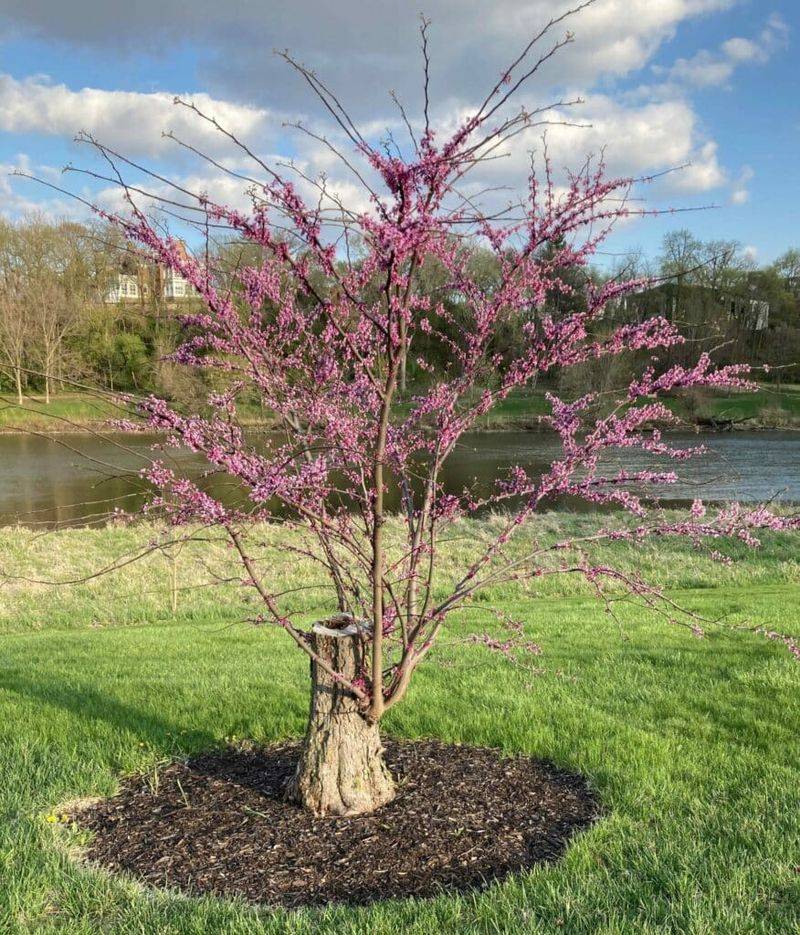
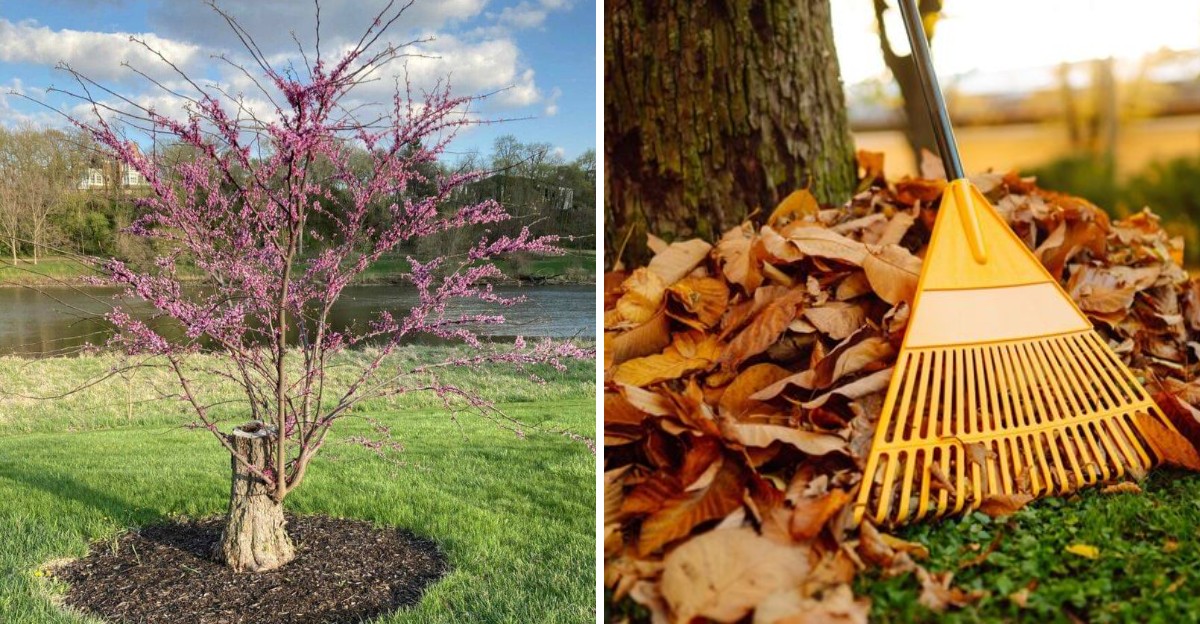
Redbuds planted this week get months of quiet root growth before they ever face a scorching summer. Texas AgriLife experts often call fall the best planting season for trees and shrubs in the state.
Up top, the branches may look sleepy, but roots keep growing whenever the soil stays reasonably warm. That hidden head start helps new plantings handle July heat far better than spring-planted ones usually do.
Eastern redbud, Cercis canadensis, rewards you with bright pink blossoms on bare branches in early spring. Mexican plum is another native favorite, offering fragrant white flowers that bees visit eagerly in late winter.
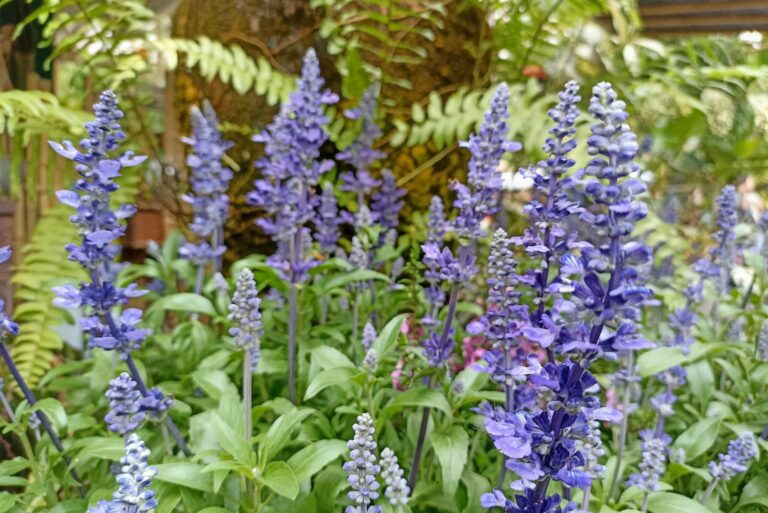
Perennials like salvias and lantanas also settle in nicely now, giving you bigger plants by next summer. Choose native or well-adapted varieties, since they usually need less water once their roots are established.
Dig the planting hole two to three times wider than the root ball, but no deeper. Setting a tree too low can lead to trunk rot, so keep the root flare visible.
Backfill with the same native soil you removed, since heavily amended holes can keep roots circling inside. Water slowly and deeply right after planting to settle the soil and remove any large air pockets.
I find it oddly satisfying to plant something now and mostly leave it alone until spring blossoms appear. Nurseries often run fall sales too, which makes Thanksgiving week a smart time to shop for trees.
3. Spread A Thick Blanket Of Mulch Over Garden Beds
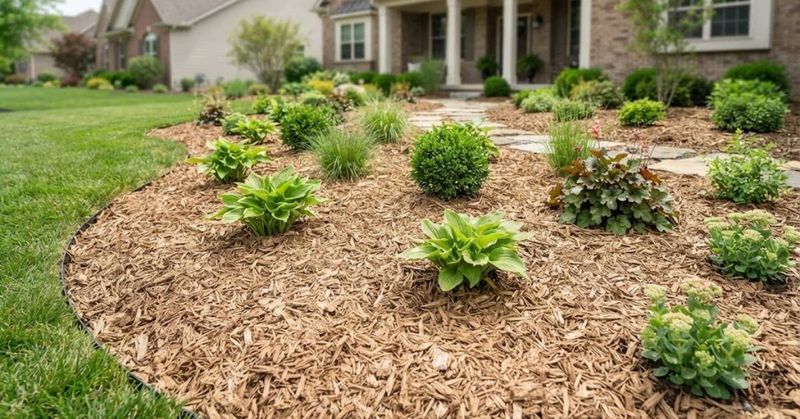
Bare soil in winter acts a bit like a chilly kitchen floor under your sock-covered feet. Roots feel every swing in temperature, and a good layer of mulch softens those swings beautifully.
Most extension guides suggest spreading about three inches of organic mulch over beds before the first hard freeze. Shredded hardwood bark and pine needles both work well, and they break down slowly over time.
Here’s something worth knowing about chopped leaves, which make a free mulch that many gardeners overlook each fall. Run them over with a mower first, because whole leaves can mat down and block water.
Mulch does more than keep roots cozy, since it also holds moisture during dry winter stretches. It shades the soil surface too, which helps reduce the number of cool-season weeds that sprout.
Keep mulch pulled back a few inches from tree trunks and shrub stems to prevent rot. Those tall mulch volcanoes piled around trunks look tidy but can invite pests and disease problems.
Perennials that go dormant, like lantana or salvia, appreciate a fluffy layer over their crowns this time of year. That extra blanket can be the difference between a plant that returns and one that struggles.
I’m often surprised by how much better my beds look in spring after a winter under mulch. Grab a few bags this week, and your soil will thank you with richer, crumbly texture later.
4. Water Deeply Before The Next Cold Front Arrives
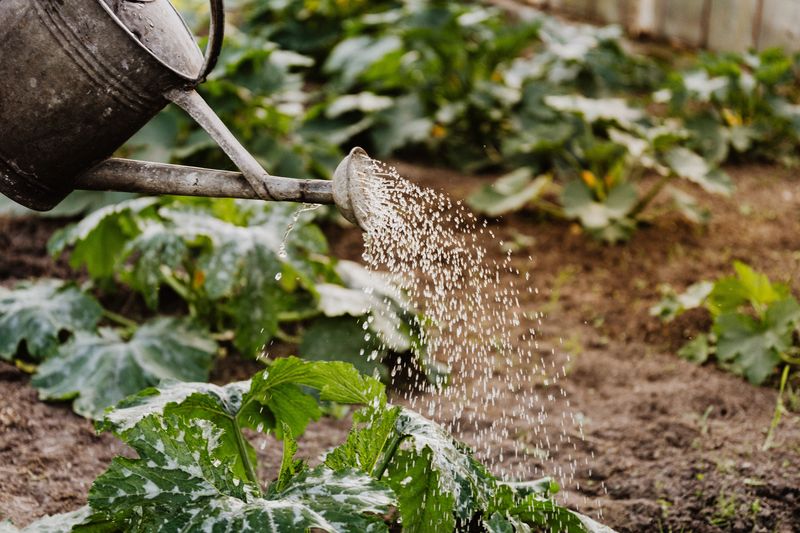
Wet soil holds heat better than dry soil, which sounds backward until you see it in action. Moist ground releases warmth slowly overnight, giving roots and low leaves a small but helpful buffer.
That’s why many extension specialists recommend watering a day or two before a hard freeze arrives. Thirsty plants often suffer more cold damage than well-watered ones growing right beside them in the same bed.
Timing matters, so try watering in the morning when temperatures sit comfortably above 40 degrees Fahrenheit. Evening watering on a frosty night can leave icy surfaces on leaves and slick spots on sidewalks.
Newly planted trees and shrubs need the most attention, since their roots have not spread far yet. Check them weekly, and give a slow, deep soak whenever the top couple inches feel dry.
Lawns need far less water now, so it’s a great time to turn down your sprinkler schedule. Dormant warm-season grasses like St. Augustine and Bermuda rarely need more than occasional drinks during dry winter spells.
You don’t have to look far to find water waste, since many automatic systems still run summer settings. Switching yours to manual mode lets you water only when plants and soil truly need it.
I could be wrong, but I think a smart watering plan is the most underrated winter chore. Your plants and your water bill will both look healthier when the next cold front blows through.
5. Rake Fruit Tree Leaves And Drain Garden Hoses
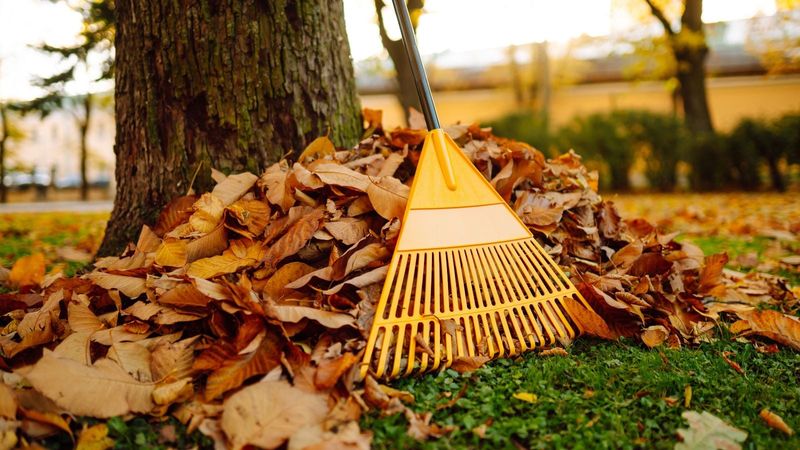
Fallen peach and plum leaves can hide fungal spores that wait patiently for spring rains to return. Raking them up now is one of the simplest ways to give next year’s fruit a cleaner start.
Many gardening experts suggest bagging fruit tree leaves instead of tossing them into a backyard compost pile. Home piles often stay too cool to break down disease organisms, so removal is the safer choice.
Leaves from healthy oaks and pecans are a different story, and they make wonderful compost or mulch. Just avoid leaving thick, soggy mats on the lawn, where they can smother grass over winter.
Pull lingering weeds while the soil is soft, before they set seed and multiply next year. Spent tomato and squash vines should come out too, since they can shelter pests through winter.
Garden hoses are easy to forget, but water trapped inside can freeze and split them overnight. Disconnect them from outdoor faucets and drain them well before coiling them inside a garage or shed.
Foam faucet covers cost only a few dollars and help protect outdoor spigots from bursting in a hard freeze. Anyone who lived through the 2021 winter storm in Texas understands why those little covers matter.
I can see why gardeners skip cleanup, because it feels less exciting than planting something new. An hour of tidying this week, though, can save you plenty of headaches when spring arrives.
6. Cover Tender Plants With Frost Cloth On Chilly Nights
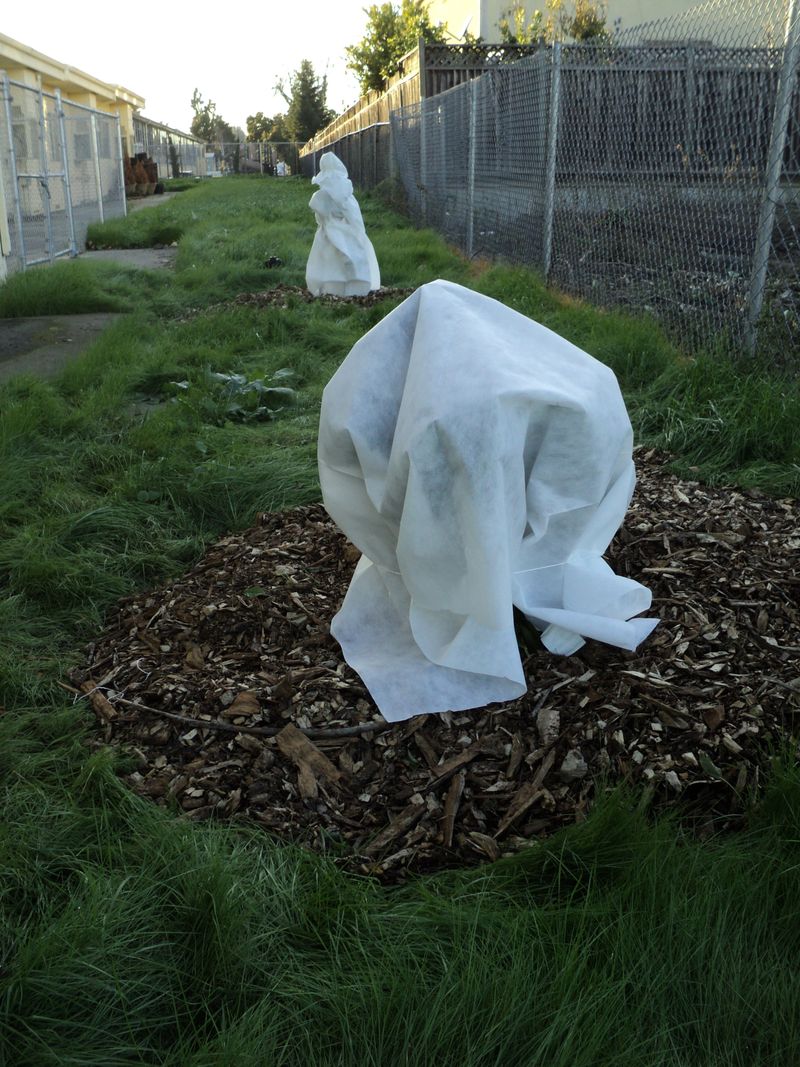
A plain bedsheet draped over a tender plant can hold a few degrees of warmth from the soil. That small difference can decide whether your favorite tropical hibiscus bounces back or sulks all winter.
Frost cloth, sometimes sold as row cover, works best because it breathes while trapping heat underneath. Let the fabric drape to the ground, then anchor the edges with bricks or garden staples.
Covering only the top of a plant, like a little umbrella, lets that precious ground heat escape. Skip plastic sheeting touching the leaves, since it can transfer cold directly into the tender foliage.
Potted plants have it tougher, because their roots sit above ground with very little natural insulation. Roll them into a garage or bring them inside near a sunny window before a hard freeze.
Citrus growers along the Gulf Coast keep a close eye on forecasts, especially for young trees. Mature satsumas handle cold fairly well, while lemons and limes are usually the most sensitive of the bunch.
Pull covers off the next morning once temperatures climb, or plants underneath may overheat in the sunshine. Keep the fabric folded nearby, because another chilly front may roll in just a few days later.
Don’t be surprised if your neighbors start draping old quilts over shrubs the moment a freeze warning appears. Honestly, it’s a time-honored tradition here, and it works surprisingly well when you are in a pinch.
7. Prune Oak Trees Before Beetle Season Returns
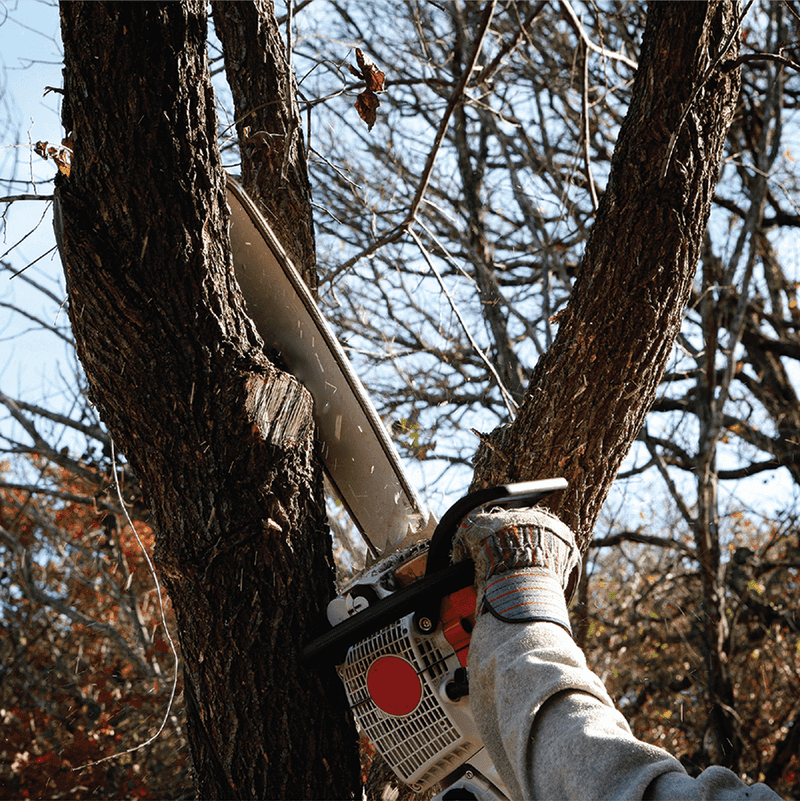
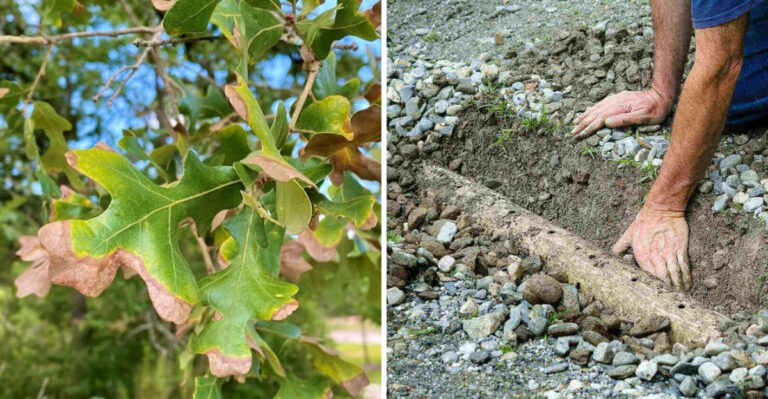
Tiny sap beetles can carry oak wilt fungus from tree to tree, and fresh pruning wounds attract them. Late fall and early winter are among the safest windows for trimming oaks, since those beetles slow down.
The Texas A&M Forest Service recommends avoiding oak pruning from February through June, when risk runs highest. Paint every oak wound right after cutting, even in winter, with a thin coat of wound dressing.
Broken or damaged limbs on any tree can come off whenever you spot them, regardless of season. Removing them early reduces the chance of a heavy branch crashing down during a winter windstorm.
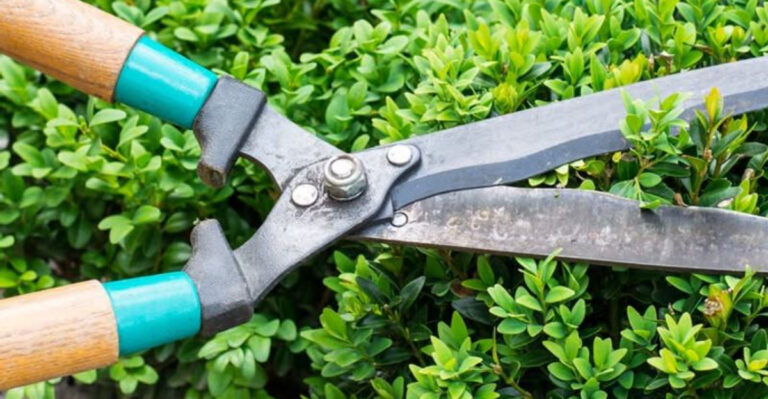
You might want to think twice about shearing healthy shrubs right now, though, even if they look shaggy. Heavy cuts can trigger tender new shoots that a sudden freeze could damage within a few weeks.
Save major shaping of most deciduous trees and shrubs for late winter, just before spring growth begins. Spring bloomers like azaleas are the exception, so wait until after their flowers fade to prune them.
Perennials such as lantana and salvia can be cut back after the first freeze browns their foliage. Some gardeners prefer leaving the stems until late winter, since they offer a little extra crown protection.
I find it fascinating that a few careful cuts in the right month can protect a century-old oak. Grab clean, sharp pruners, and wipe the blades between trees to avoid spreading other plant problems around the yard.
8. Sow Bluebonnet Seeds And Plant Daffodil Bulbs
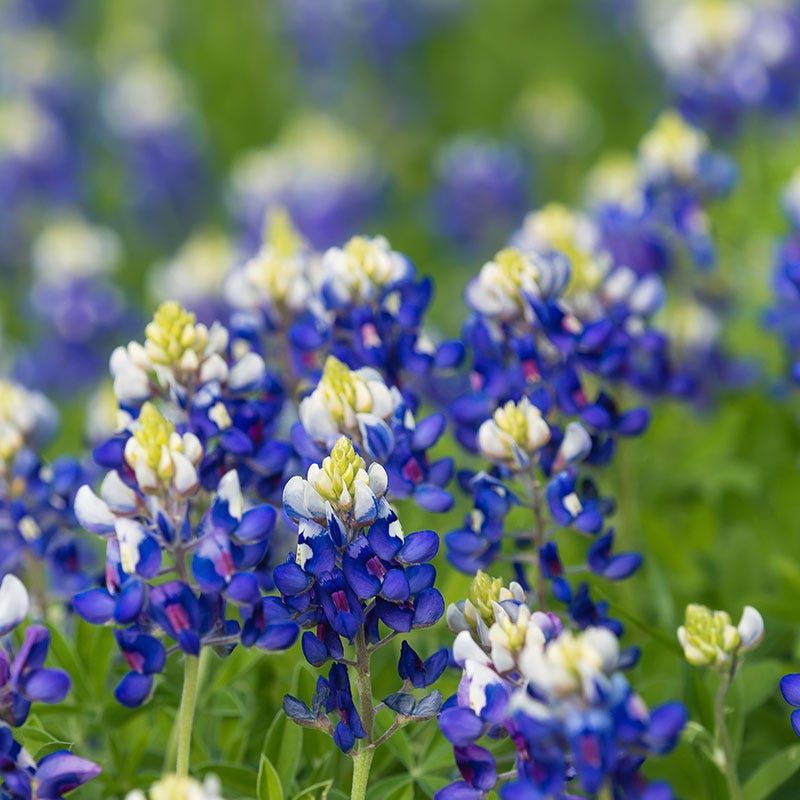
Bluebonnet seeds wear a coat so tough that some can sit in the soil for years before sprouting. That stubborn shell is nature’s backup plan, spreading germination across several seasons instead of just one risky year.
Fall is the classic time to sow Texas bluebonnets, and late November still works in many areas. Earlier sowing gives seedlings more time to form sturdy rosettes, so try not to wait much longer.
Indian blanket and Mexican hat seeds can join the party, along with Drummond phlox for cheerful color. Mow existing grass short first, then rake lightly so seeds make firm contact with bare soil.
Bulbs are the other half of this spring surprise, and daffodils are a reliable place to start. Many types return year after year here, especially older, smaller-flowered kinds that are well suited to mild southern winters.
Plant daffodil bulbs pointy end up in well-drained soil, about twice as deep as the bulb is tall. Squirrels usually leave them alone, since daffodils contain compounds that most garden critters find unpleasant to eat.
Tulips and Dutch hyacinths need some extra help, because mild winters rarely chill them enough to bloom well. Store them in the refrigerator for six to eight weeks, away from fruit, then plant in late December.
You might find it hard to believe, but a few minutes of planting now can paint spring with color. Save the empty seed packets, because you’ll want to remember which varieties performed best in your yard next April.