7 Ways New Yorkers Can Use Thanksgiving Leftovers in the Garden, and 3 That Attract Rats
New York City once appointed an official rat czar, and her real job title was Director of Rodent Mitigation. Kathleen Corradi took that role in 2023, and kitchen trash quickly became one of her biggest public talking points.
Thanksgiving dinner leaves most kitchens with a towering mountain of scraps, and many of them belong outside. Some leftovers feed your soil beautifully, while others ring a dinner bell for every whiskered neighbor nearby.
I have to admit my first compost bin smelled like a forgotten school lunchbox by early December. Looking back, I should have learned which scraps were safe before tossing in everything from the table.
You can turn holiday leftovers into rich garden food, even on a tiny New York backyard plot. So which scraps earn a spot in your soil, and which ones should stay far away from it?
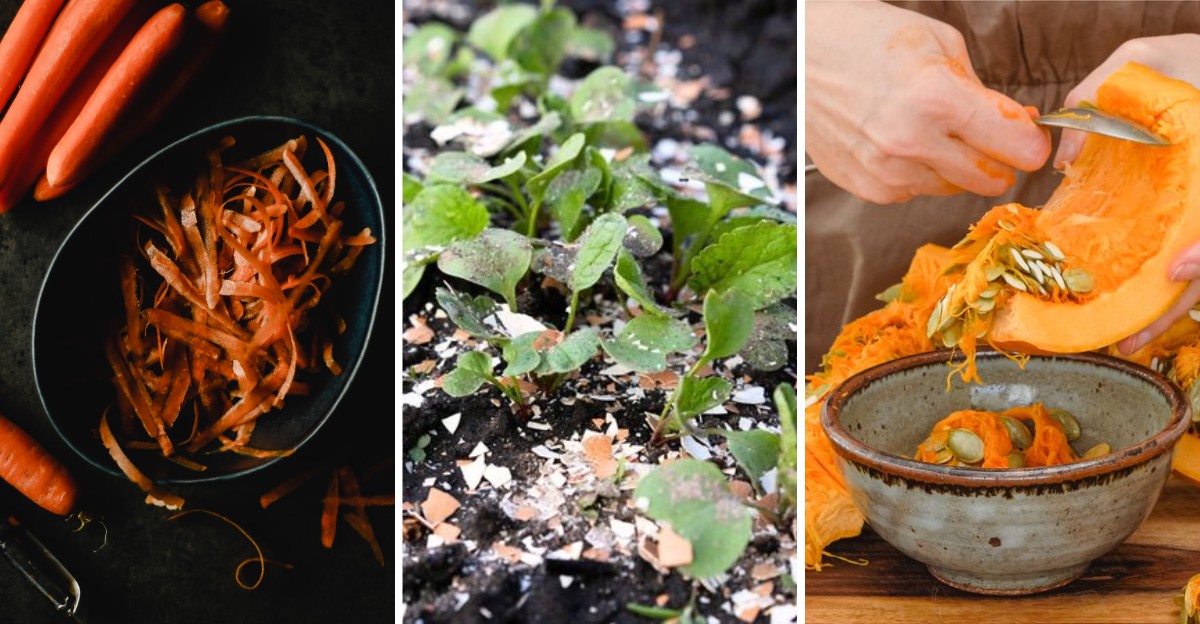
1. Potato And Carrot Peels Feed Your Compost Bin
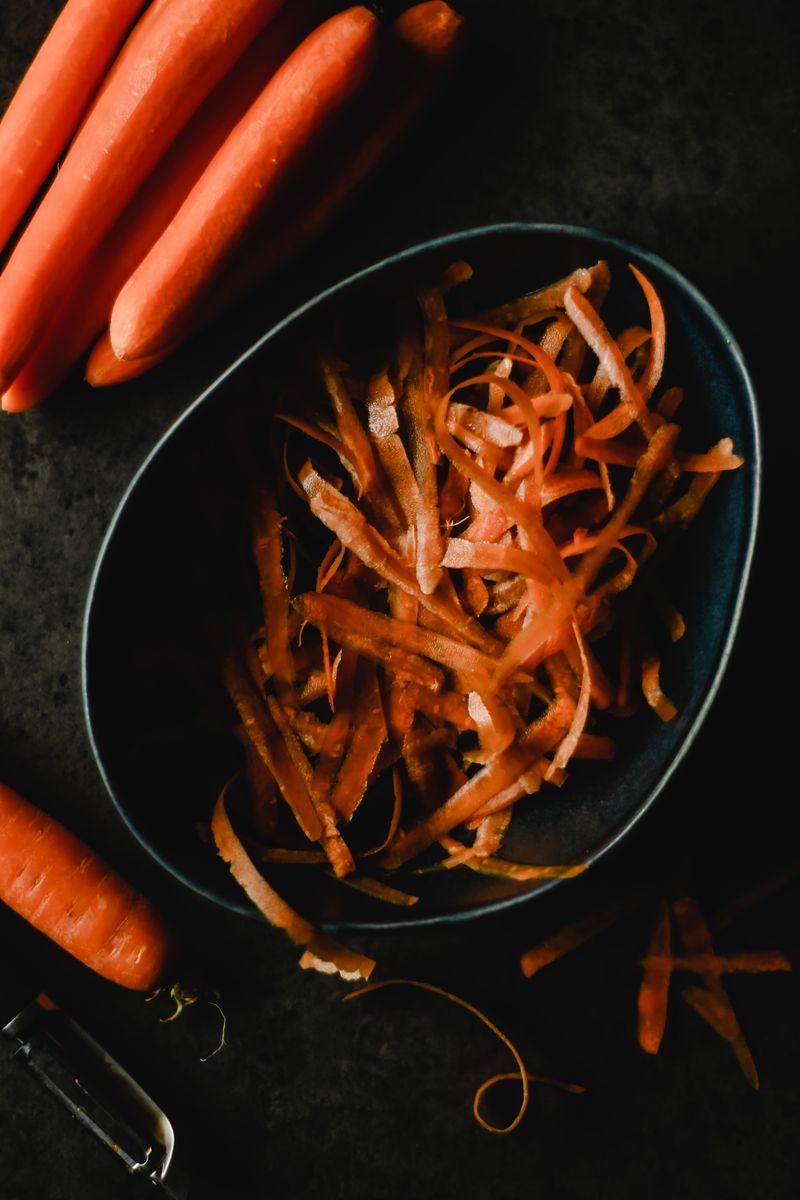
Every Thanksgiving, my cutting board disappears under a curly heap of potato skins and carrot shavings. Those humble peels count as green material, which means they add nitrogen that compost microbes happily devour.
Toss them into a closed bin or tumbler rather than an open pile on the ground. Cornell Waste Management Institute recommends covering fresh food scraps with browns, which helps reduce smells and curious visitors.
Chopping peels into smaller bits gives microbes more surfaces to work on, so they break down faster. I usually give mine a quick rough chop while the gravy simmers, and it takes barely two minutes.
Onion skins and celery ends can join the peels, since plain raw vegetable trimmings rarely draw rodents. Just keep anything coated in butter or oil out, because that coating changes the story quickly.
Cold weather slows decomposition in the city, so your pile may look nearly unchanged until spring warms up. Patience pays off, because by late spring those peels often become dark, crumbly compost ready for beds.
Store extra scraps in a lidded container in the freezer if your bin is frozen solid in January. Frozen peels also break apart nicely once thawed, which gives the microbes a head start later on.
Peels are the easiest win on this list, and they make a perfect first step for new composters. For what it’s worth, I wish someone had told me this before I filled my trash can every November.
2. Leftover Pumpkins And Winter Squash Break Down Into Rich Soil
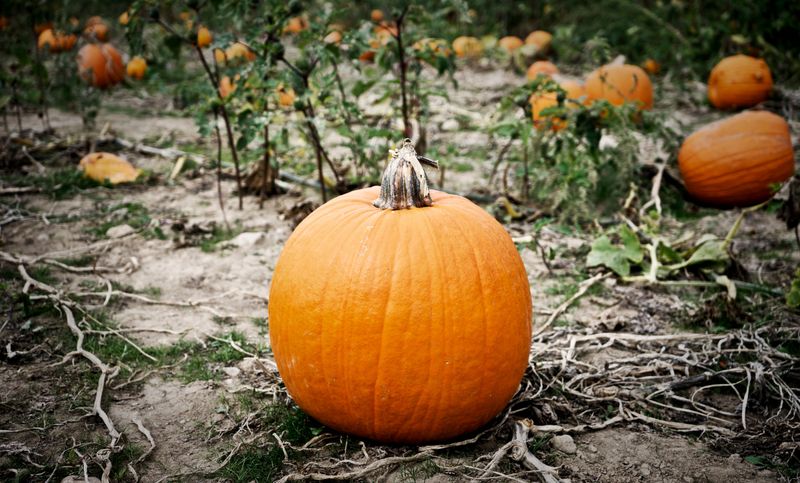
That centerpiece pumpkin slumping on your stoop is basically a giant water balloon packed with organic matter. Pumpkins are mostly water, so they soften and collapse fast once you break them into chunks.
Remove candles, paint, glitter, and wax first, since those additions do not belong anywhere near your soil. Painted or glittered pumpkins belong in the trash, but plain ones make wonderful material for any compost bin.
Smash or chop the pumpkin into pieces, then bury them in the center of your bin under leaves. Layering chunks with dry browns soaks up extra moisture and keeps the mix from turning slimy and sour.
Leftover roasted squash skins work too, as long as they were not drenched in butter or brown sugar glaze. Scrape off any heavy topping first, because sweet sticky coatings tempt rodents more than plain rinds do.
Some gardeners in New York bury pumpkin pieces directly in empty beds, a method called trench composting. In rat-heavy neighborhoods, I prefer a sealed bin, since buried food can still draw digging animals.
Seeds may sprout in your compost next summer, which can be fun if you enjoy surprise vines. Hot piles reach temperatures that can stop many seeds, but cool home bins often let them survive.
My garden taught me that one big pumpkin adds a surprising amount of volume to a small bin. Break it up well, mix it with leaves, and you will see it shrink by midwinter.
3. Crushed Eggshells Add Slow Calcium To Garden Beds
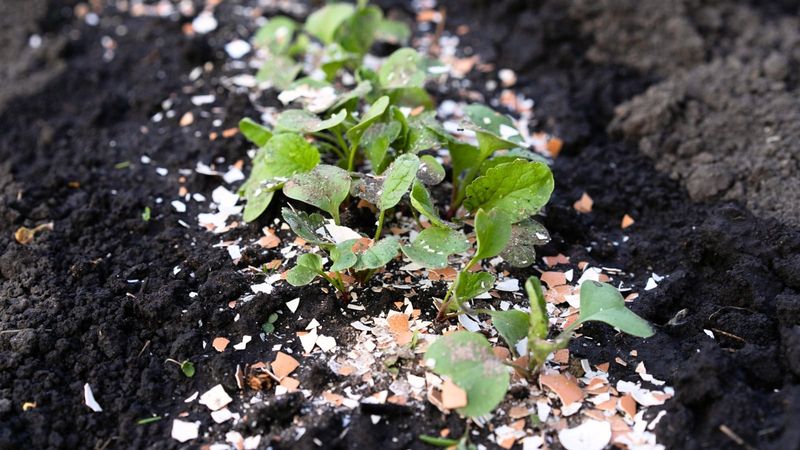
A dozen eggs vanish fast when pies and stuffing are on the menu, leaving a bowl of shells. Those shells are mostly calcium carbonate, the same mineral found in garden lime sold at hardware stores.
Rinse them, let them dry on the counter, then crush them as finely as you can manage. Fine powder breaks down much faster than big chunks, which can linger in soil for years.
Many gardeners add eggshells to stop blossom end rot on tomatoes, but the real story is more complicated. University extension experts note that blossom end rot usually comes from uneven watering, not a lack of soil calcium.
That means shells help most as a slow soil amendment, not as a quick fix for struggling tomatoes. Steady, even watering next summer will likely do more for your tomatoes than any pile of shells.
Researchers at the Royal Horticultural Society tested that slug claim and found shells did little to stop hungry slugs. Let’s just say I stopped arranging little shell fences after watching slugs cruise right over them.
Shells rarely attract rats, especially when rinsed, so they are one of the safest kitchen scraps around. Toss them in your compost bin or work the powder directly into beds while you tidy up for winter.
Grinding them in an old coffee grinder makes quick work of the job and creates a fine, sandy powder. Store extra powder in a jar, and sprinkle some into planting holes when spring arrives again.
4. Used Coffee Grounds Perk Up The Compost Pile
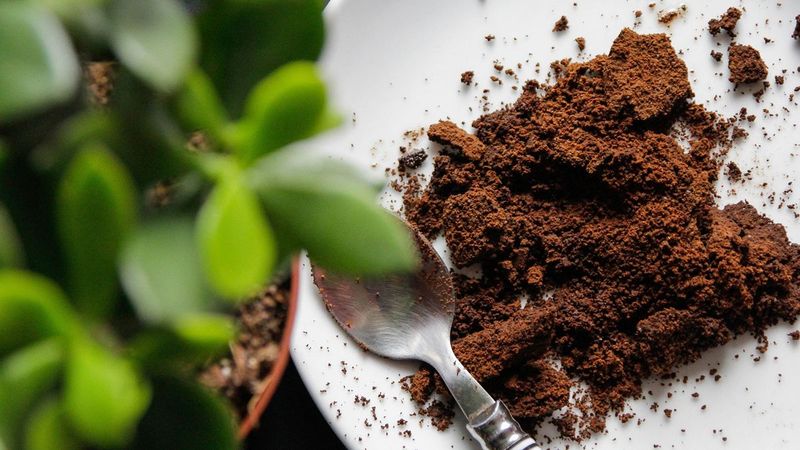
After the pie comes the coffee, and the pot at my place gets refilled at least three times. All those soggy grounds count as green compost material, carrying roughly two percent nitrogen by weight.
Grounds are less acidic than many people think, since most of the acid washes out during brewing. Oregon State University Extension reports used grounds are close to neutral, so they will not sour your soil much.
Mix them into your compost rather than piling a thick layer straight onto your garden beds outside. Thick layers can crust over and repel water, which leaves plant roots surprisingly thirsty underneath them.
Paper filters can go into the bin too, since they act as a handy brown carbon ingredient. Tear them up a bit, and they will vanish into the mix along with the grounds.
Many cafes in the city give away bags of used grounds for gardeners, so ask your favorite barista. I picked up a free bag once and my compost pile seemed to warm up noticeably within a week.
Grounds mixed with leaves make a balanced combo that rodents seldom find very interesting in my experience. Just skip grounds soaked with cream or sugary syrups, since those sweet extras can draw unwanted attention.
Coffee grounds will not chase slugs away reliably, despite popular claims you might read online this season. Treat them as a soil builder first, and you will appreciate what they really do for your garden.
5. Unsalted Vegetable Cooking Water Can Quench Thirsty Houseplants
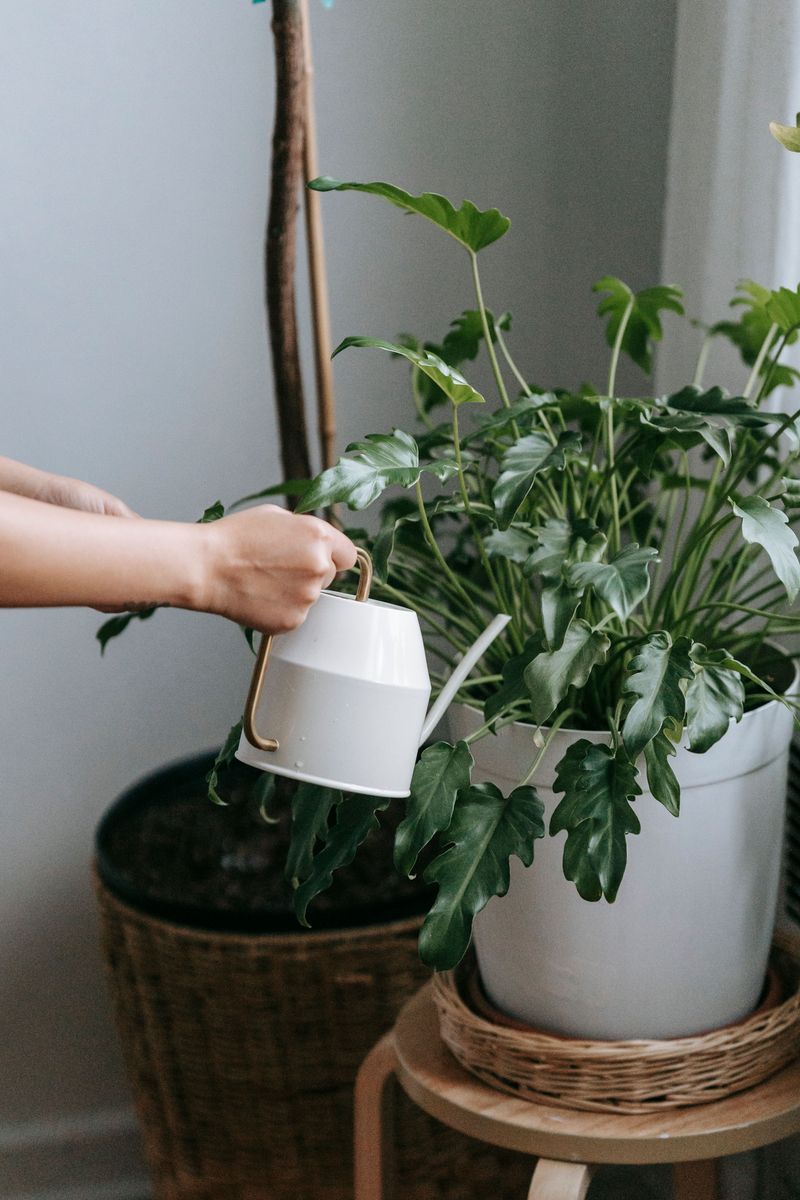
Steam rising from a pot of boiled green beans carries more than flavor, because some nutrients leach into water. Instead of pouring that cloudy liquid down the drain, cool it and give your houseplants a drink.
The key word is unsalted, since salt builds up in potting soil and harms roots over time. Most Thanksgiving recipes call for salted water, so set aside a small batch before you season the pot.
Let the water cool to room temperature, because hot liquid can scald tender roots in small containers. I fill an old milk jug and keep it on the counter until it feels lukewarm to my hand.
Potato water contains starch, which may encourage fungus gnats if you use it too often on indoor plants. Use starchy water sparingly, and switch back to plain tap water for most of your regular watering.
Outdoor beds in New York are usually frozen or soggy by late November, so this tip suits houseplants best. Your pothos and spider plants will enjoy the occasional treat while the garden outside rests for winter.
Do not expect miracles, since the nutrient amounts in cooking water are fairly small compared with fertilizer. Think of it as a gentle bonus and a smart way to waste less water during a busy holiday.
Broth or gravy is a different matter, because fats and salt can sour soil and invite pests. Stick to plain vegetable water, and your green friends indoors will quietly thank you through the winter.
6. Dried Cornstalks And Husks Become Valuable Brown Compost Material
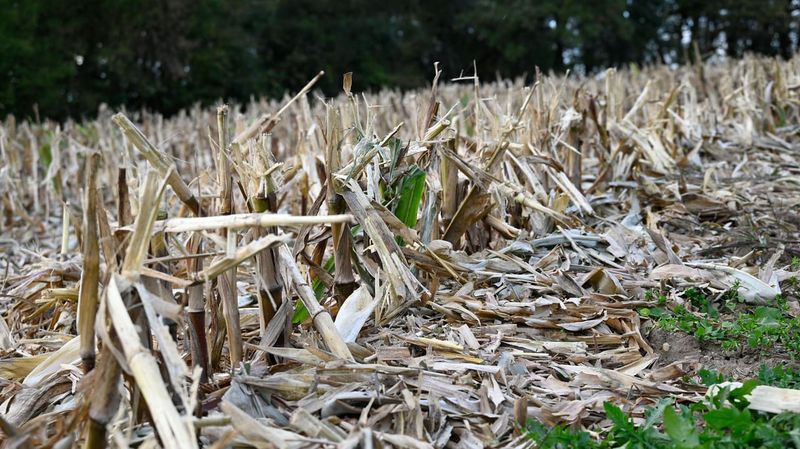
Those rustling cornstalk bundles tied to porch railings are compost treasure hiding in plain sight all autumn. Dry stalks and husks are carbon-rich browns, the ingredient most kitchen composters run short on first.
Food scraps alone turn soggy and smelly, so browns balance them and keep air flowing through the pile. Many extension guides suggest roughly two or three parts browns for every one part of greens by volume.
Whole stalks are tough, so snap or cut them into short pieces before adding them to your bin. Pruning shears work well, and I sometimes run them over with a mower before stashing them away.
Husks from fresh corn on the cob count too, and they shred easily by hand at the table. Corn cobs are slower, often taking a year or more, so break them up if you include them.
Remove wire and plastic ties before chopping, since those decorative extras will not break down in compost. Painted or glittered stalks should stay out of your bin, just like decorated pumpkins from the stoop.
Store extra chopped stalks in a dry bag beside your bin for adding over the coming months. Each time you add kitchen scraps, toss a handful of browns on top to hide them from curious noses.
If you ask me, cornstalks are the most underrated holiday leftover, sitting outside long after the turkey is gone. Give them a second life, and your compost will smell earthy instead of sour by early spring.
7. Seeds From Heirloom Pumpkins Can Start Next Year’s Pumpkin Patch
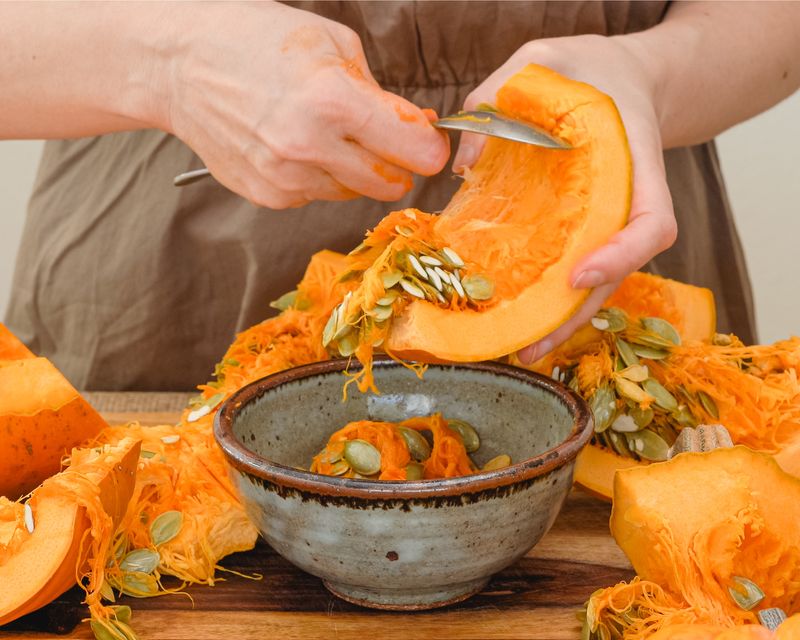
Scooping out a pumpkin feels gooey and messy, but those slippery seeds might grow next summer’s vines. Saving seeds works best with heirloom or open-pollinated varieties, which often grow true to their parents.
Hybrid pumpkins and many grocery squashes may produce surprise offspring that look nothing like the original fruit. Cross-pollination also happens easily, since bees carry pollen between different squash plants in the same species.
Rinse the seeds in a colander, rubbing away the stringy pulp until they feel smooth and clean. Spread them on a paper towel or screen, and let them air dry for about two weeks indoors.
Store dry seeds in a labeled envelope inside a jar, kept somewhere cool and dark until planting time. Squash seeds can stay viable for several years when stored properly, so you have plenty of time.
Pumpkins need warm soil, so wait until after the last frost, usually around early to mid-May in New York. City gardeners with limited space can try smaller pie pumpkins, which sprawl less than giant carving types.
Don’t make my mistake of saving seeds from a roasted pumpkin, because cooking ruins their ability to sprout. Only seeds from raw, fully mature fruit stand a real chance of germinating once spring arrives.
Extra seeds you do not save can be roasted with a little salt for a tasty snack. Just keep salted, seasoned seeds out of the garden, since they bring flavor that rodents happily notice.
8. Turkey Bones And Meat Scraps Lure Rats To Backyard Bins
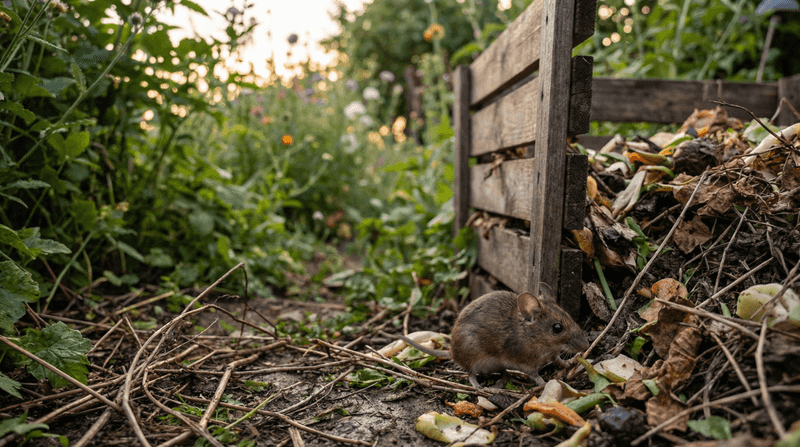
A turkey carcass sitting in a backyard bin is basically an open invitation for every rat on the block. Brown rats have a powerful sense of smell, and roasted meat sends a strong signal through the night air.
Most home compost guides, including Cornell’s, advise keeping meat and bones far away from backyard piles. Home bins rarely get hot enough to break these items down quickly, so they linger and smell.
Raw and cooked meat can also carry harmful bacteria, which is another reason to keep it away from beds. Your vegetables deserve better than a soil mix that might hold germs from spoiled poultry scraps.
Fortunately, the city’s curbside composting program accepts meat and bones in its brown bins for residents. Sanitation crews send that material to larger facilities designed to process it safely, often at higher temperatures.
Use a bin with a tight latching lid, and set it out close to pickup time. Rats chew through flimsy plastic bags, so a hard container makes a huge difference on your sidewalk.
Simmering the carcass into soup stock is another smart move that uses every last bit of flavor. After straining, the leftover bones still belong in the brown bin rather than your garden compost.
I can’t imagine anything that announces dinner to a rat faster than a greasy, foil-wrapped drumstick. Keep poultry scraps sealed and chilled until pickup, and your yard will stay much quieter this winter.
9. Greasy Gravy And Buttery Sides Draw Rodents To Your Yard
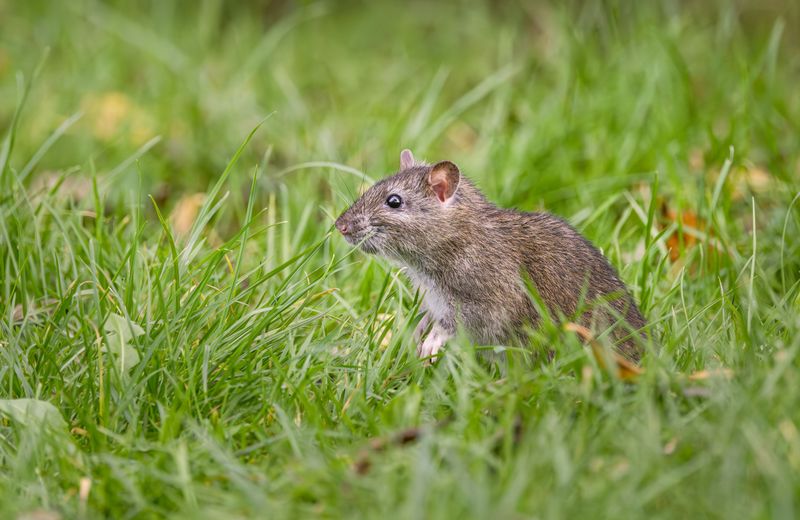
Gravy might be the star of the table, but in a compost bin it becomes trouble quickly. Fats and oils coat other scraps, blocking the air and moisture microbes need to do their work.
That slick coating slows decomposition and can lead to sour, airless pockets that smell unpleasant for weeks. Rats love fatty food because it packs lots of energy, so greasy scraps rank high on their list.
Butter-loaded mashed potatoes and creamy casseroles fall into the same risky category for backyard home composters. Dairy products spoil fast, and their sour scent seems to travel farther than you might expect outdoors.
Pouring cooking grease down the sink causes problems too, since it hardens and clogs city sewer pipes. New York City’s environmental agency urges residents to let grease cool, then scrape it into the trash.
Small amounts of greasy leftovers can go into curbside brown bins, where large facilities handle them properly. Wipe pans with a paper towel first, and that greasy towel can join the food scraps for pickup.
Looking back, my worst rat sighting happened two days after I tossed buttery stuffing into an open pile. Since then, anything rich or creamy goes straight into a sealed container instead of my backyard bin.
A simple rule helps here: if it shines with oil, it stays out of your garden. Your compost will smell sweeter, and your neighbors will appreciate one less late-night visitor scurrying past.
10. Bread Stuffing And Sweet Pie Scraps Tempt Hungry Rats
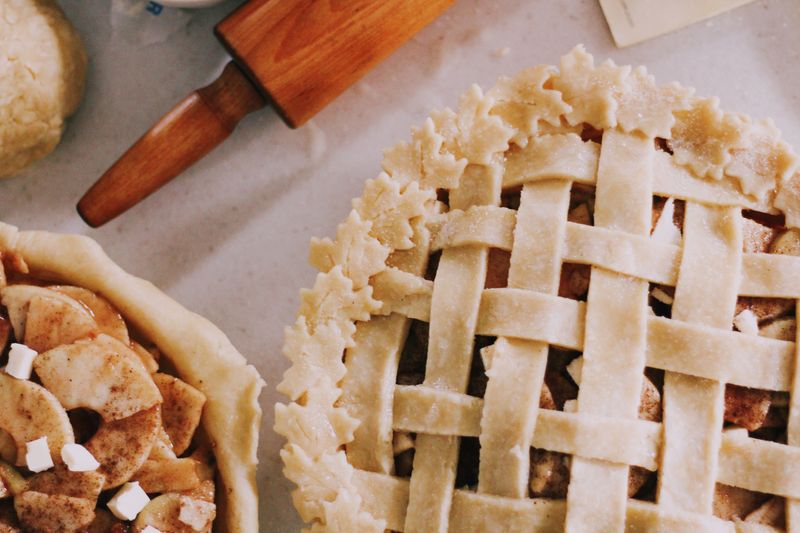
Leftover stuffing and pie crusts seem harmless, yet those soft carbohydrates are basically rat comfort food. Rodents seek out grains and sweets, and an exposed piece of cornbread can draw them in quickly.
Some composting guides say plain bread is fine in small amounts if buried deep in a sealed bin. Stuffing is rarely plain, though, since most recipes are loaded with butter and rich turkey broth.
Pumpkin and pecan pie add sugar and fat on top of the crust, making them even more tempting. Bread also tends to grow mold quickly, which can create soggy clumps that slow the rest of your pile.
In a city with crowded blocks and plenty of rats, I believe it is smarter to skip these items. Send them to the curbside brown bin instead, where the Department of Sanitation accepts all food scraps.
Better yet, plan portions carefully, and freeze extra stuffing or pie slices for easy meals later in December. Less waste means fewer scraps to manage, which protects both your wallet and your backyard from unwanted guests.
Tossing leftover bread to pigeons or squirrels also backfires, because uneaten crumbs quickly attract rats after dark. Bird feeders filled with seed can cause similar trouble, so sweep up spills under them regularly.
What surprises me most is how fast one careless crumb pile can change the wildlife scene in a yard. Keep sweet and starchy leftovers sealed for pickup, and your garden will reward you with peace come spring.