8 Animals New Yorkers Might Spot in Their Yard on a November Night
Some backyard visitors in New York glide between trees on furry skin flaps and land with a soft little thump. Most people sleep right through those landings and the quiet dramas unfolding just past their porch lights.
November nights get long and chilly, yet plenty of wild neighbors stay busy until sunrise across New York. Some are bulking up for winter, while others are already calling to mates in the frosty dark.
I love how a garden that looks sleepy by day turns into a lively wildlife stage after dinner. You might notice muddy prints on the deck, nibbled shrubs, or a strange smell drifting near the shed.
Personally, I keep a flashlight by the back door just for these surprise late evening encounters. So who exactly is wandering through your yard while the rest of the house is fast asleep tonight?
1. Masked Raccoons Raiding Backyard Trash Cans
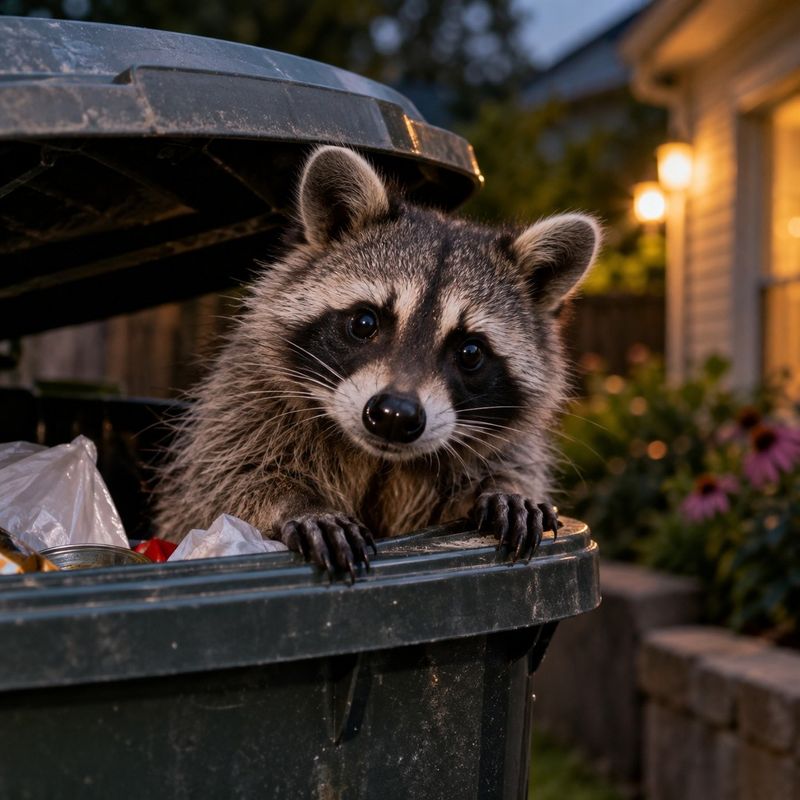
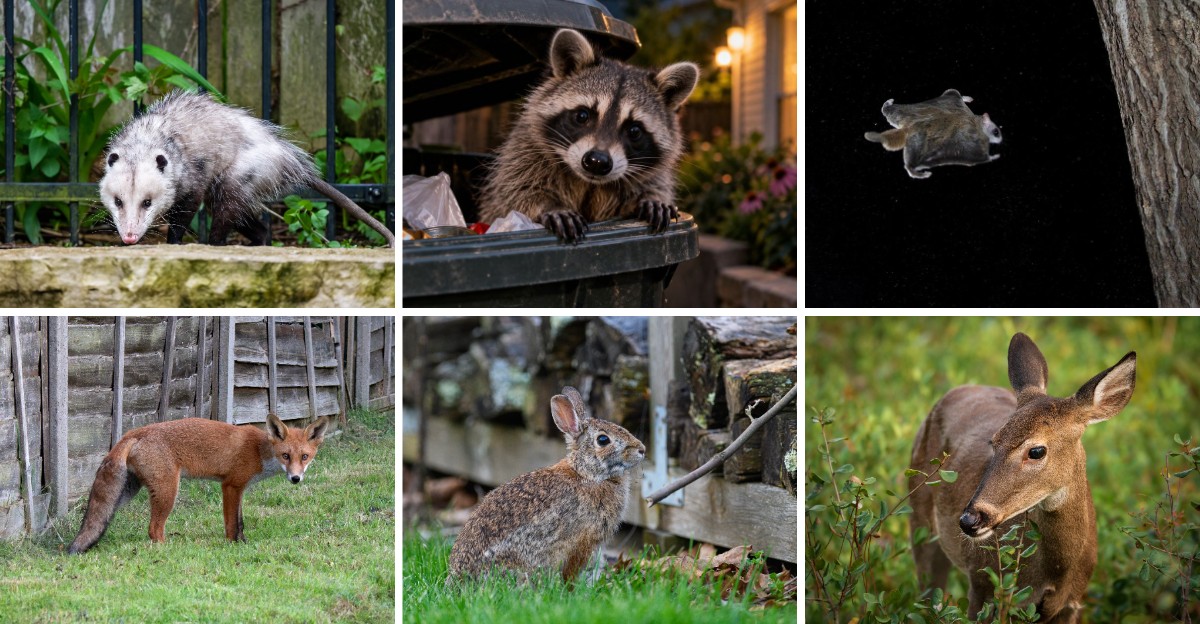
Raccoons have nimble front paws that work almost like small hands, so a loose trash lid barely slows them down. I have watched one twist open a bin latch with more patience than I show my tangled garden hose.
These masked bandits are mostly nocturnal, so they usually start roaming your yard shortly after dusk settles in. November keeps them busy because they eat heavily before cold weather, even though they do not truly hibernate.
Their menu is wide, covering fruits, nuts, insects, and small animals, plus anything tasty you leave outside. Pet food bowls, compost piles, and fallen garden produce can turn your backyard into their favorite late snack bar.
You need to secure garbage cans with tight lids or bungee cords to discourage those noisy midnight visits. Bringing pet dishes inside before dark also removes one of the easiest meals a hungry raccoon can find nearby.
Shelter matters to them as much as food, especially when chilly weather pushes them toward tree cavities or sheds. Check crawl spaces and attic vents now, because sealing openings early is easier than evicting a sleepy tenant later.
Raccoons are known carriers of rabies in New York, so admiring them from a distance is the smart move. Keep children and pets away, and contact local wildlife officials if one acts confused or unusually bold during daylight.
2. Virginia Opossums Prowling Quiet Garden Beds
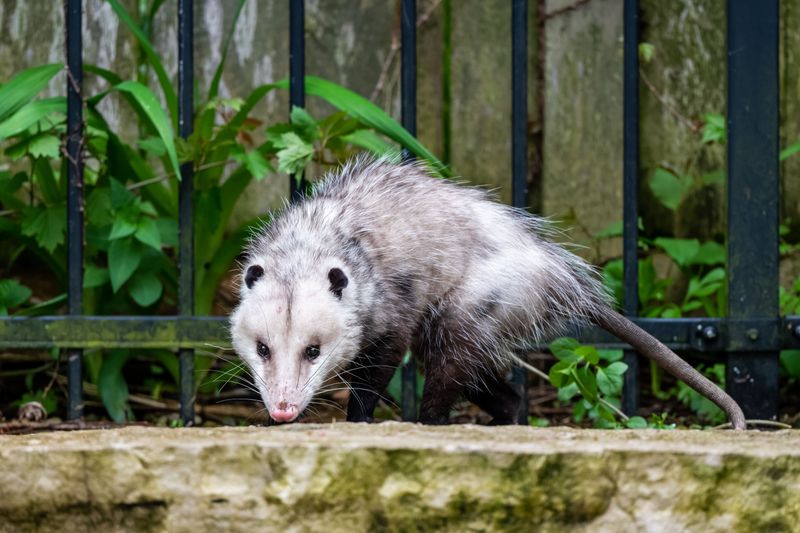
North America has only one marsupial, and it might be shuffling past your raised beds right now. The Virginia opossum carries its babies in a pouch, which still amazes me every single time I mention it.
Opossums are solitary night wanderers, and they show up across most of the state outside higher mountain areas. Their pale faces and pink noses look a little ghostly when your flashlight suddenly catches them near the fence.
Their diet is wonderfully flexible, including insects, fruit, grains, small animals, and even carrion found along their routes. Many gardeners appreciate how they clean up fallen fruit and snack on pests like slugs, beetles, and other crawlers.
Opossums do not hibernate, but they slow down considerably once deep cold arrives later in the winter months. On milder November nights, you will likely spot them climbing fences with help from their grippy prehensile tails.
When badly frightened, an opossum may slip into an involuntary frozen state that people call playing possum. If you find one lying still, give it space and quiet time, and it usually wanders off afterward.
I have to admit these odd little creatures won me over after one calmly toured my compost bin. Keeping pet food indoors and woodpiles tidy will help keep visits casual instead of turning them into long stays.
3. Striped Skunks Digging For Lawn Grubs
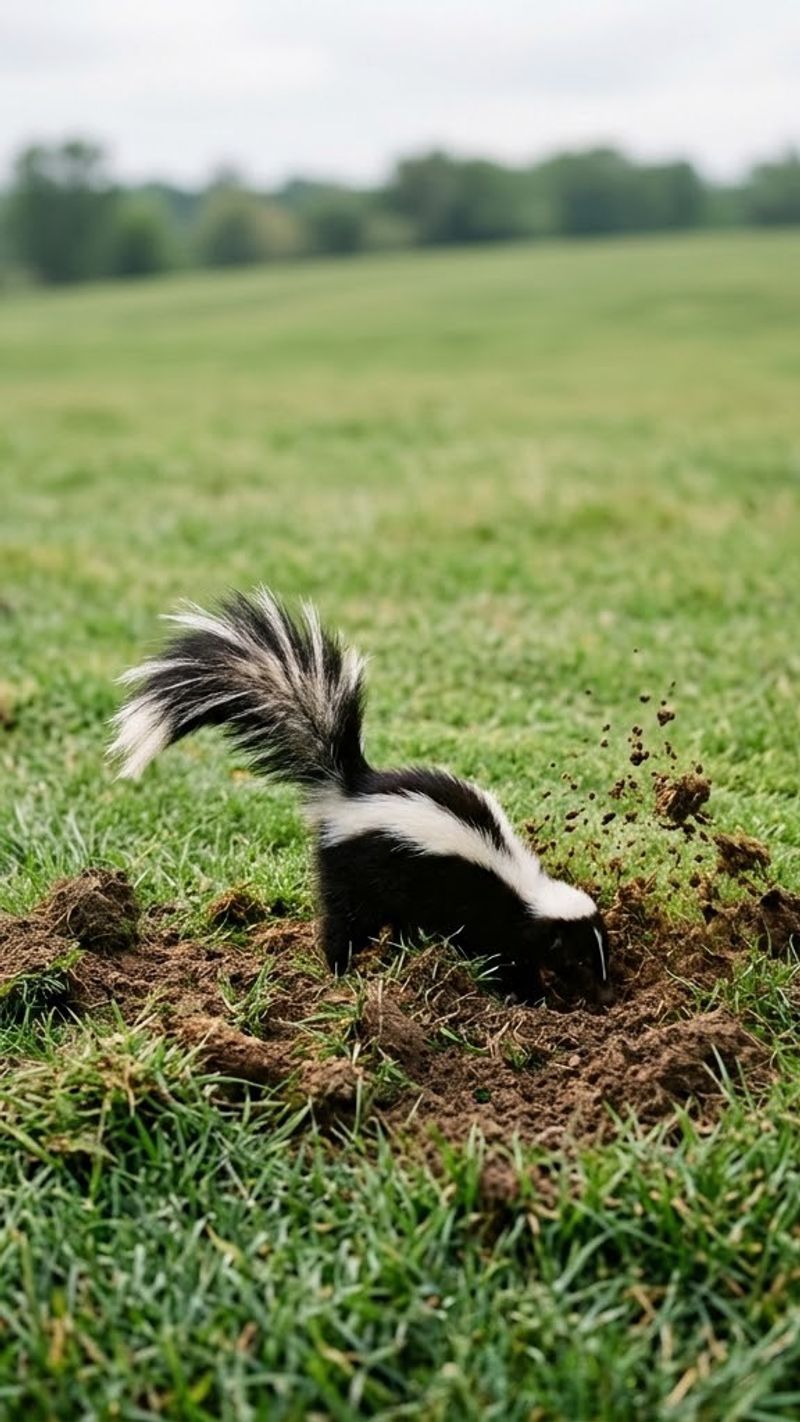
Small cone-shaped holes scattered across your lawn by morning often point to one very fragrant night visitor. Striped skunks dig for juicy grubs, and honestly, they do a decent job of hunting pests hiding underground.
About the size of a house cat, these black and white foragers love yards with lawns and big shade trees. They munch on insects, berries, nuts, and small mammals, mostly during the night or right before dawn arrives.
November marks a big shift because skunks begin settling into winter dens and moving around much less often. They do not truly hibernate, yet long cold spells keep them tucked away until milder weather returns in spring.
Early fall is den shopping season, so spaces under porches, decks, and sheds look especially tempting to them. You should inspect these spots now and close gaps with sturdy wire mesh once you know nobody is inside.
Their famous spray works incredibly well, and a startled skunk usually stamps its feet before taking final aim. If you meet one, back away slowly and calmly, giving it plenty of room to waddle off peacefully.
Personally, I flip on a porch light and make a little noise before taking the dog outside at night. That small habit has saved my family from more than one smelly bath and a very grumpy dog evening.
4. Red Foxes Trotting Past The Garden Fence
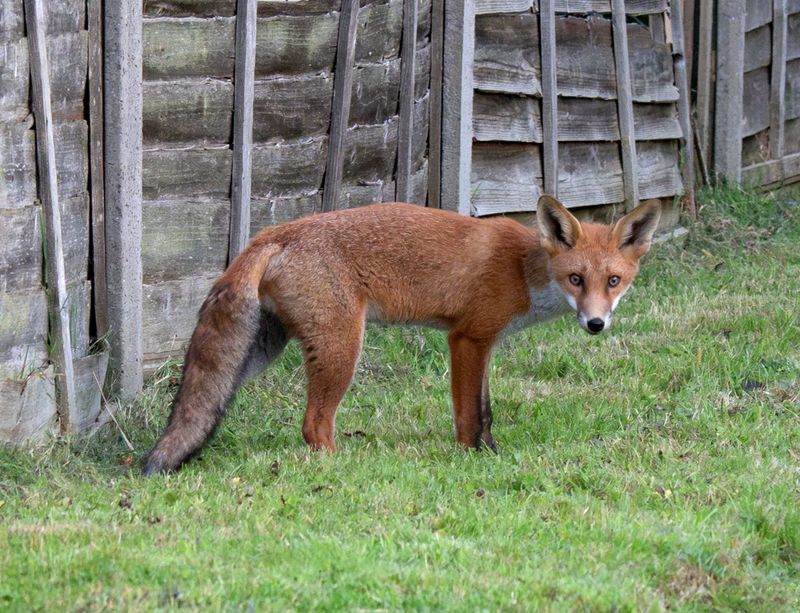
A flash of rusty fur and a white-tipped tail slipping past the fence line is one unforgettable November sight. Red foxes live in nearly every county across New York, from farm country to busy city neighborhoods.
These clever hunters are mostly nocturnal, although they often roam at twilight and sometimes appear during daylight hours. Urban foxes may shift their schedules to avoid people, which explains surprise sightings near parks, playgrounds, or quiet streets.
Winter activity actually picks up for adults because they begin searching for mates as colder months approach. You might even hear their eerie screams and barks echoing through the neighborhood on crisp, still nights this time of year.
Their menu includes mice, rabbits, squirrels, birds, insects, and fruit, which makes them helpful rodent controllers for gardeners. I love knowing a fox patrolling my yard may keep vole numbers lower around my favorite perennial beds.
Foxes often reuse burrows dug by other animals instead of building brand new dens themselves from scratch. A hidden spot under a shed or brush pile can attract them, so seal openings if you prefer fewer visits.
Keep small pets and backyard chickens secured at night, since an opportunistic fox rarely passes up an easy meal. Enjoy watching from the window, and avoid feeding them, because fed foxes can lose their healthy wariness of people.
5. White-Tailed Deer Browsing Backyard Shrubs
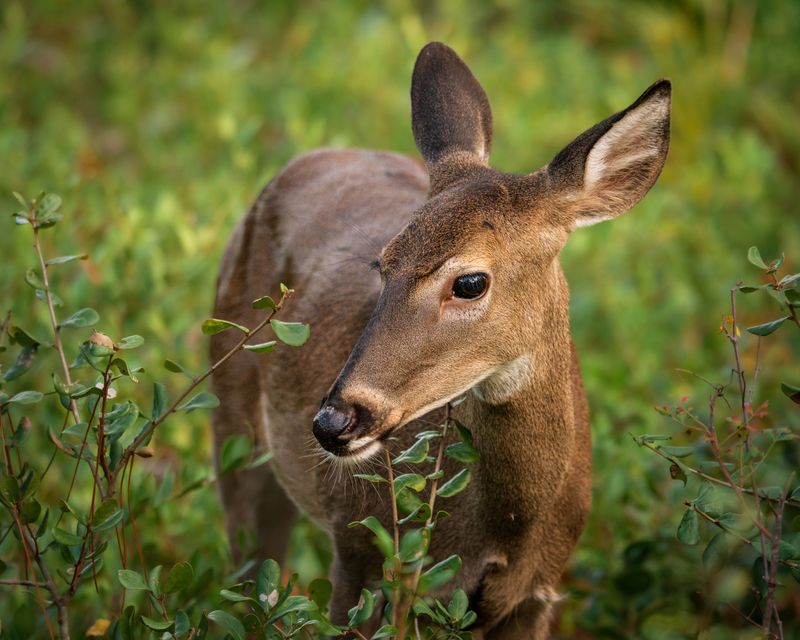
Those neatly snipped shrub branches you found this morning probably mean a hungry deer visited during the night. White-tailed deer often roam suburban yards after dark, when fewer people and cars are moving around outside.
November makes them easier to notice since many bucks still carry full antlers before shedding them later in winter. Their coats also turn a dull gray-brown, which contrasts nicely with white patches on the throat and belly.
Deer browse shrubs and low tree branches, especially near forest edges where yards meet woods and open space. Arborvitae, yews, and tender young trees often become favorite targets once garden plants fade and food grows scarce.
You need sturdy protection now, before winter browsing really ramps up and your evergreens start looking strangely trimmed. Burlap wraps, tall fencing, or repellents applied regularly can help reduce damage to plants you care about most.
Even places like Staten Island and parts of the Bronx have established deer populations, which surprises many city folks. I still remember my first encounter there, watching a buck calmly chewing someone’s hedge beside a parked minivan.
Drive carefully at dusk this month, since deer cross roads more often during the fall breeding season. Watching them from a dark window is magical, but keeping a safe distance protects both you and these big visitors.
6. Eastern Cottontails Nibbling Young Tree Bark
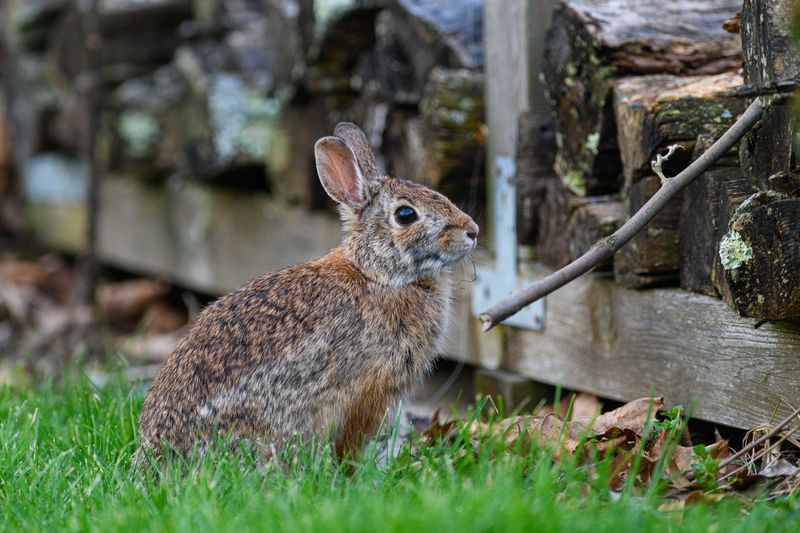
Bunnies do not vanish when summer lettuce disappears, and your young fruit trees might learn that lesson soon. Eastern cottontails stay active all winter, quietly switching from tender greens to bark, twigs, and plump buds.
They are the most widespread rabbit species in New York, thriving in backyards, meadows, and brushy hedgerows everywhere. You will spot them most often at dusk, dawn, or deep night, frozen still and hoping you overlook them.
That fluffy white tail flashes like a tiny signal when they finally bolt toward the nearest thicket for cover. Cottontails rarely dig burrows themselves, preferring shallow resting dips in tall grass or old burrows other animals left behind.
Gnawed bark near the base of trees is a classic sign of winter rabbit feeding in home gardens. You should wrap young trunks with hardware cloth guards now, making them tall enough to clear expected snow depth.
Fencing low perennials and berry canes with chicken wire also helps reduce nibbling during the long cold months ahead. I like tucking guards in snugly, because rabbits are surprisingly clever about finding little gaps at ground level.
Brush piles at the yard’s edge can give cottontails shelter away from your prized plants and vegetable beds. Owls and foxes also hunt them, so a healthy rabbit population usually supports other fascinating backyard wildlife too.
7. Great Horned Owls Hooting From Tall Trees
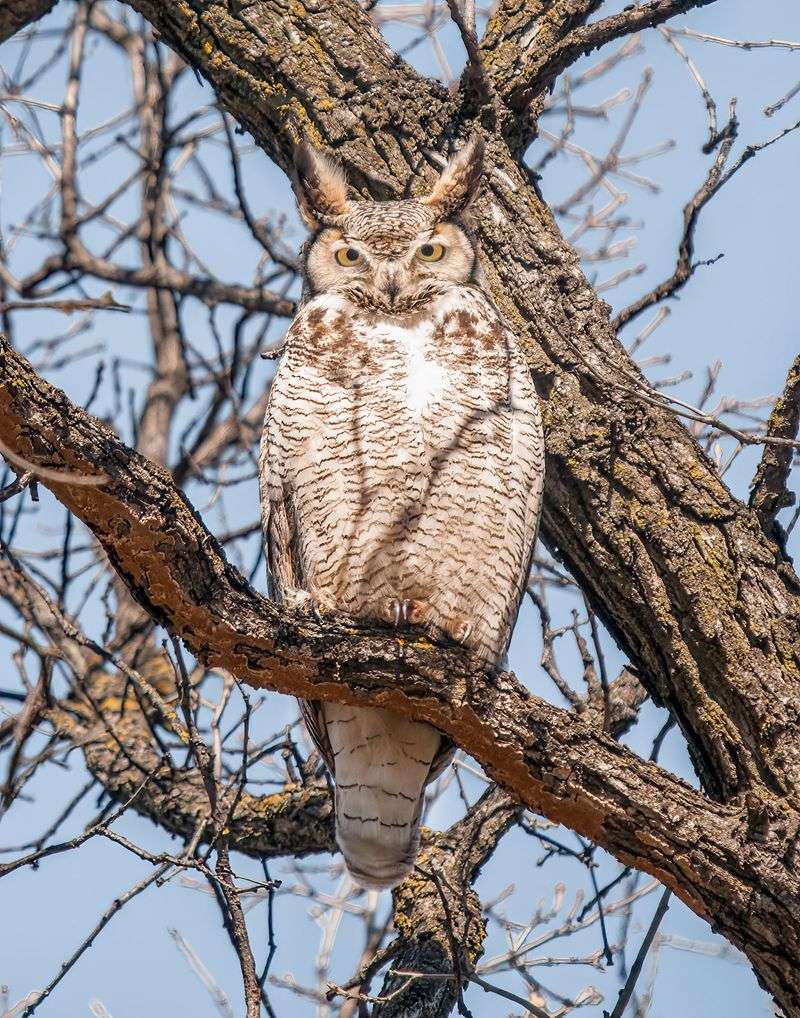
Deep, soft hoots drifting through the bare trees this month might belong to a couple planning their family. Starting around late November, mated great horned owls often sing duets to defend nesting territories near your yard.
Birders sometimes call this bird the tiger of the woods, and the nickname fits its fierce hunting skills. These large owls live year-round across the state, including suburbs and city parks with tall mature trees.
Their feather tufts look like little horns, though they are not ears and have nothing to do with hearing. Bright yellow eyes and silent wings help them spot and catch prey long before most animals realize trouble.
Great horned owls eat rats, mice, and rabbits, and they even tackle skunks and smaller raccoons sometimes. Personally, I treat them as free rodent patrol, which feels like a fantastic deal for any frustrated vegetable gardener.
They do not build nests, preferring to borrow old hawk or crow nests and roomy tree cavities instead. Leaving healthy large trees standing gives these impressive birds valuable places to roost and raise young next season.
You should skip rodent poisons, since owls eating poisoned prey can become seriously sick over time from those chemicals. Step outside on a calm evening, listen closely for their rhythmic calls, and enjoy one of nature’s best concerts.
8. Flying Squirrels Gliding Between Backyard Oaks
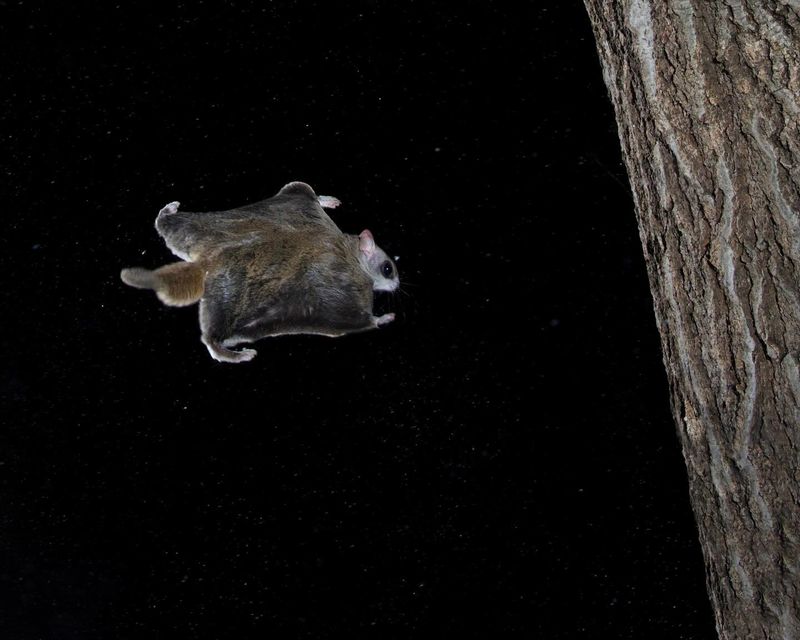
Mysterious thumps on the roof after midnight sometimes come from tiny gliders landing in trees beside your house. Flying squirrels can be surprisingly common in wooded neighborhoods, yet most people go years without seeing a single one.
New York hosts both southern and northern flying squirrels, and both kinds are strictly nocturnal animals. Huge dark eyes help them navigate the canopy at night, giving them an adorable, slightly startled cartoon look.
They do not truly fly, but they glide using a furry membrane stretched between their wrists and ankles. Their flat tails work like rudders, guiding them neatly toward a landing spot on a nearby trunk or branch.
Flying squirrels stay active in November, often sharing tree cavities with relatives to keep warm on chilly nights. Mature oaks and other nut trees provide both food and shelter, which makes wooded yards especially attractive to them.
What surprises me most is how often they visit bird feeders after dark without anyone noticing them at all. Try watching your feeder with a dim red flashlight, since bright white light may send them scrambling away quickly.
Seal attic vents and gaps carefully, because these cute climbers sometimes move indoors looking for a cozy spot. Outside, though, they are delightful neighbors and a wonderful reason to keep older trees standing in your landscape.