Copperhead Bite In Your Yard? 8 Immediate Steps To Take
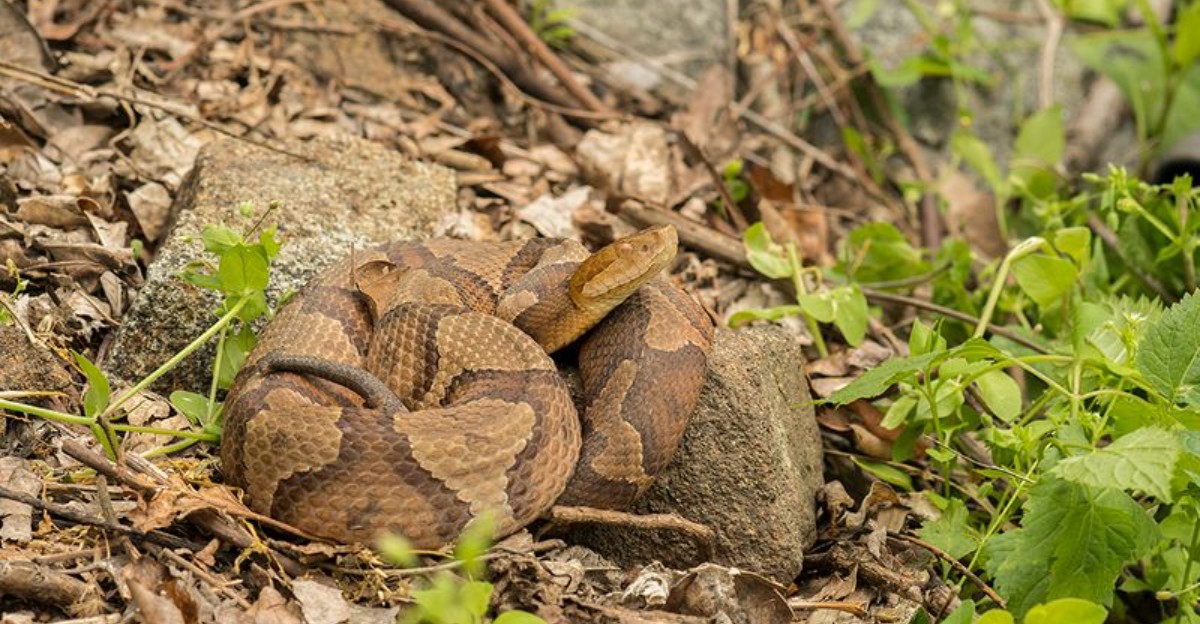
Baby pit vipers wiggle bright yellow tail tips to lure frogs and lizards closer. That sneaky trick works beautifully, and it means these snakes often hide right beside our mulch beds and garden paths.
Poison center records show that venomous snakebites are far more common than most people expect. Most of those bites happen close to home, often while someone reaches into a shrub or woodpile.
I am surprised how many gardeners still trust old advice about ice packs and pocketknives after a bite. You build your confidence by learning the real steps now, long before your gloves ever meet a snake.
The first ten minutes matter more than most people realize, and calm hands make much smarter choices. When that sharp sting hits your ankle near the tomato cages, you will already know exactly what to do.
1. Call 911 Right After A Copperhead Bite

My phone lives in my back pocket during every garden session, and a snakebite shows exactly why. Calling 911 right away gets trained help moving while you focus on staying safe and steady.
Copperheads cause more venomous bites in the eastern United States than any other snake, according to many experts. Their venom is rarely life-threatening for healthy adults, yet it can still cause serious pain and tissue damage.
You can also dial Poison Help at 1-800-222-1222, which connects you with your local poison center. Specialists there answer around the clock and can guide you while you wait for medical care.
Please skip the urge to wait and see whether symptoms appear before you decide to get help. Swelling and pain can build over several hours, and some people need antivenom to recover well.
Hospitals commonly stock antivenom products made for pit viper bites. Doctors decide whether you need it after watching your swelling and checking your blood work closely.
Avoid driving yourself to the hospital, since dizziness or nausea can sneak up on you without warning. Let a friend or family member drive, or wait for paramedics who can monitor you on the ride.
I keep the poison center number taped inside my shed door, right beside my seed packets and twine. A ten-second habit like that could save you precious minutes on a stressful summer afternoon.
2. Sit Still And Breathe Slowly After The Snake Strikes
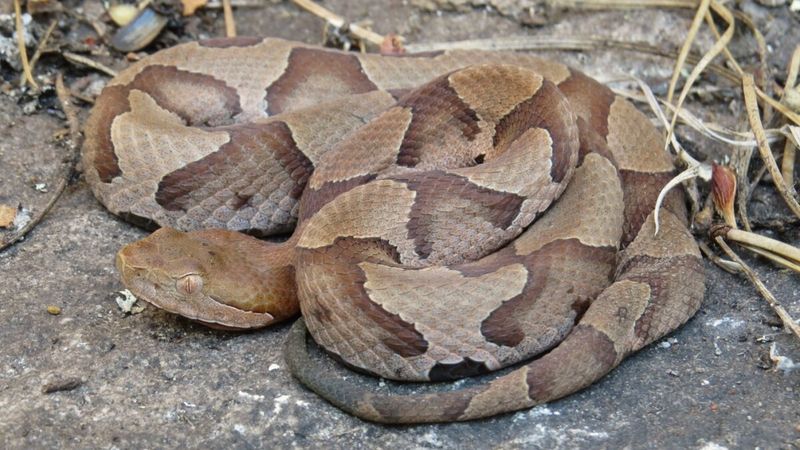
Panic feels like a snake of its own, coiling around your chest the moment you spot those fang marks. Slowing your breathing gives your brain room to think clearly about the next few important steps.
Move away from the snake first, because copperheads can strike again if they still feel cornered or threatened. A few calm steps back to a patio chair or shady spot puts helpful distance between you both.
Once you are safely away, sit or lie down and keep the bitten limb as still as you can. Muscle movement pushes lymph fluid around your body, and that fluid helps carry venom away from the bite.
Walking around the yard looking for the snake or your phone charger only adds more unnecessary motion. Ask someone nearby to fetch whatever you need, from water to your insurance card and house keys.
I tried slow box breathing during a scary bee sting once, and it truly settled my racing pulse. Breathe in for four counts, hold for four, then breathe out slowly for another four counts.
Most copperhead bites are painful but rarely threaten life, which is genuinely comforting to remember right now. Some bites are even dry, meaning the snake injected little or no venom at all into the skin.
Doctors still need to check every bite, though, because only medical tests can confirm how much venom entered. Your calm attitude makes their job easier and keeps your family from spiraling into panic alongside you.
3. Slip Off Rings And Watches Before Swelling Starts
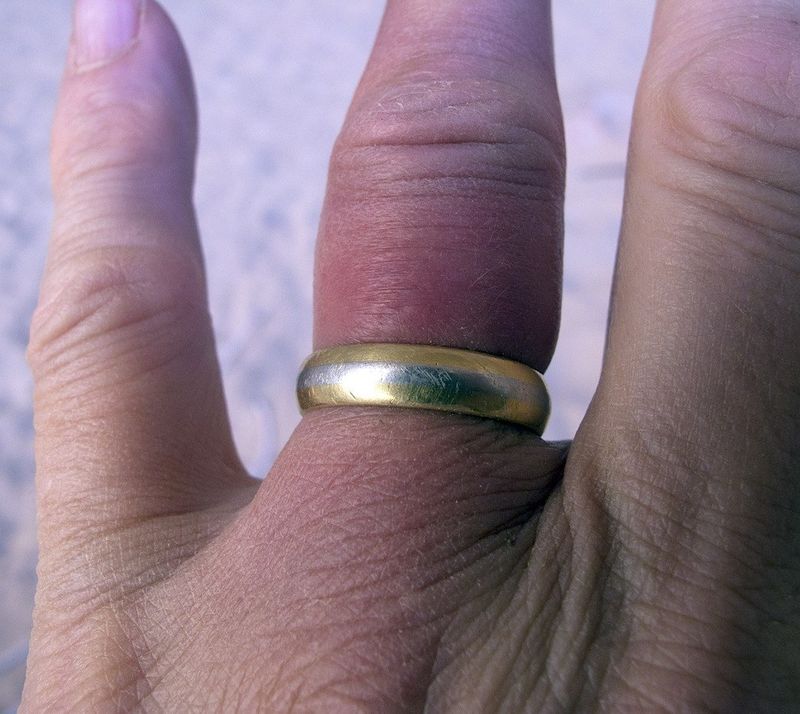
Your wedding ring might be the last thing on your mind, yet it deserves attention within the first minutes. Copperhead venom often triggers swelling that spreads quickly from the bite site up the arm or leg.
A snug ring can turn into a painful band once fingers puff up, and removal gets much harder later. Emergency staff sometimes need special ring cutters when patients wait too long to slip jewelry off.
Take off watches and bracelets on the bitten side before the tissue starts to tighten around them. Ankle bites call for removing shoes and socks, since feet swell surprisingly fast in garden boots.
Loosen tight sleeves or pant cuffs too, because elastic bands can pinch skin as the limb grows larger. Gardening gloves with snug wrists should come off gently, especially if the bite landed on your hand.
Hand bites are common among gardeners, since many people reach blindly into ground cover. Pine straw and thick ivy give copperheads perfect hiding spots, so wearing sturdy gloves really helps.
Place removed jewelry in a zip bag or pocket so nothing gets lost during the trip to the hospital. A family member can hold onto it, which frees your mind to focus on resting quietly.
I now take my rings off before weeding, partly for snakes and partly because soil scratches the metal. That small change feels easy, and it removes one worry from a stressful situation before it starts.
4. Wash The Snakebite Gently With Soap And Water
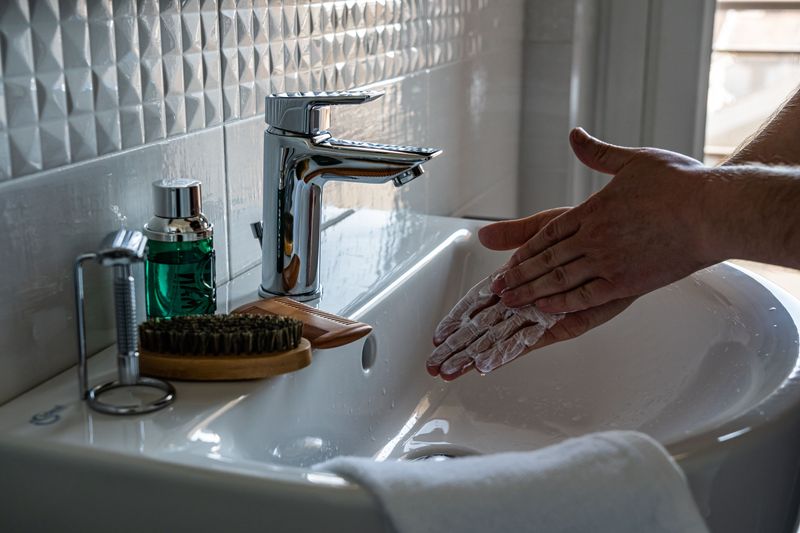
Soap and plain tap water might seem too simple for a snakebite, but they do useful work here. Gentle washing clears away garden soil and bacteria that might be sitting around the tiny puncture wounds.
Use cool or lukewarm water and let it run softly over the area without hard rubbing or scrubbing. Pat the skin dry with a clean towel rather than rubbing, since the area may already feel tender.
Skip the pocketknife, because cutting the bite open does not remove venom and raises your infection risk. Suction devices sold in old snakebite kits also failed in research and are no longer recommended by experts.
Hold off on ointments and home remedies like baking soda paste, since doctors want to see the bite clearly. Creams can hide redness or blistering, and that makes it harder for staff to judge how things progress.
Ice packs belong in the cooler, not on a snakebite, because cold can worsen tissue injury around the wound. Older advice suggested chilling the bite, but current guidance from poison centers warns strongly against it.
I keep a small bottle of mild hand soap near my outdoor spigot for quick cleanups after weeding. That same bottle would be handy for a bite, and it sits right where I usually work.
Keep the washing brief and gentle, then move on to the next step instead of fussing over it. Getting to medical care matters far more than scrubbing, so cleaning should take only a minute or two.
5. Cover The Fang Marks With A Loose Clean Bandage
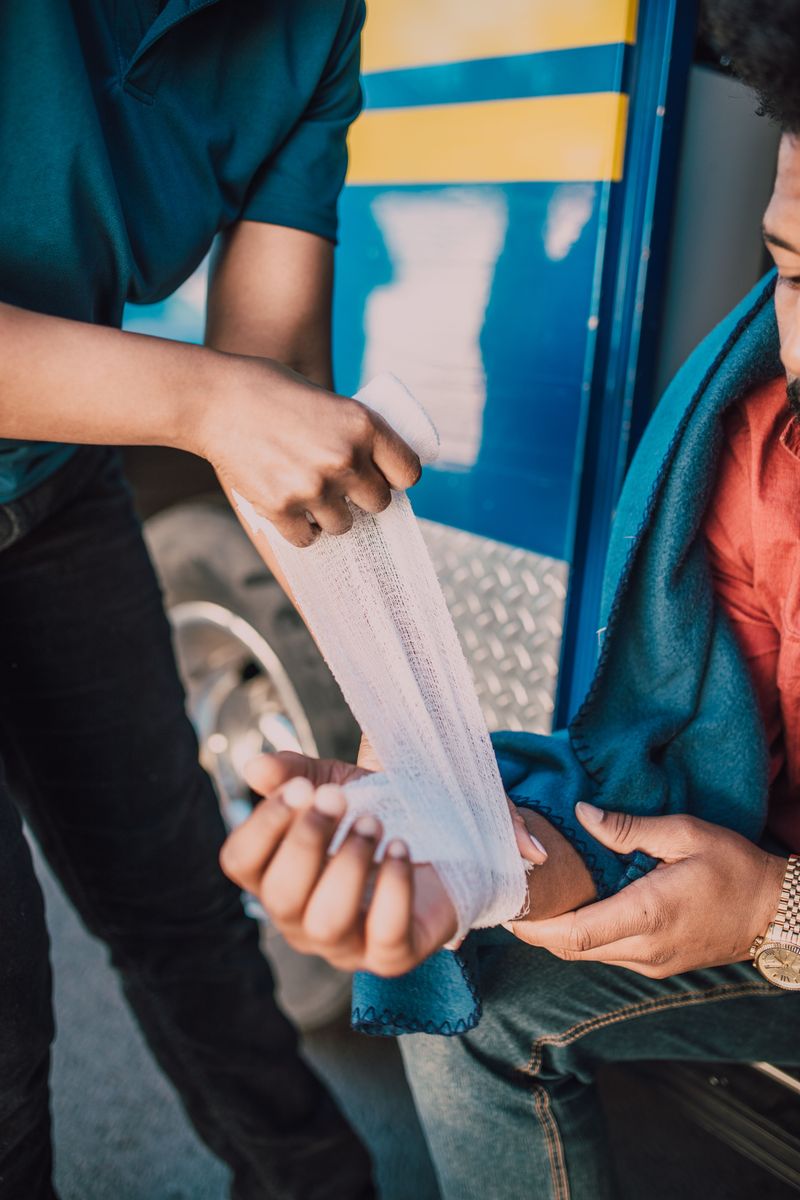
A loose bandage works like a little umbrella, shielding the bite from dirt without squeezing anything underneath. Clean gauze from a first aid kit is ideal, though a fresh cotton cloth can work in a pinch.
Lay the dressing gently over the fang marks and secure it with a strip of medical tape. Leave room for swelling, since the tissue under the bandage may grow puffier over the next hour.
Avoid elastic wraps or compression bandages, which some guides recommend for other snakes in other countries. For copperheads and other pit vipers, tight wrapping can trap venom in one spot and worsen local damage.
Tourniquets are also off the table, because cutting off blood flow can lead to serious injury to the limb. Many people still believe in them from old movies, but emergency doctors strongly discourage using them.
A quick check every few minutes helps you notice if the dressing starts digging into swollen skin. Loosen or replace it whenever it looks tight, and slip a finger under the tape to test.
Tucking a small first aid kit in your garden tote makes this step simple when nerves feel shaky. Mine holds gauze pads, tape, and a marker, plus a printed card with emergency phone numbers.
Covering the wound also keeps flies and gnats away, which matters during humid summer evenings outdoors. Your goal is simple protection, not treatment, so let the hospital team handle everything beyond that.
6. Keep The Bitten Arm Or Leg Level With Your Heart
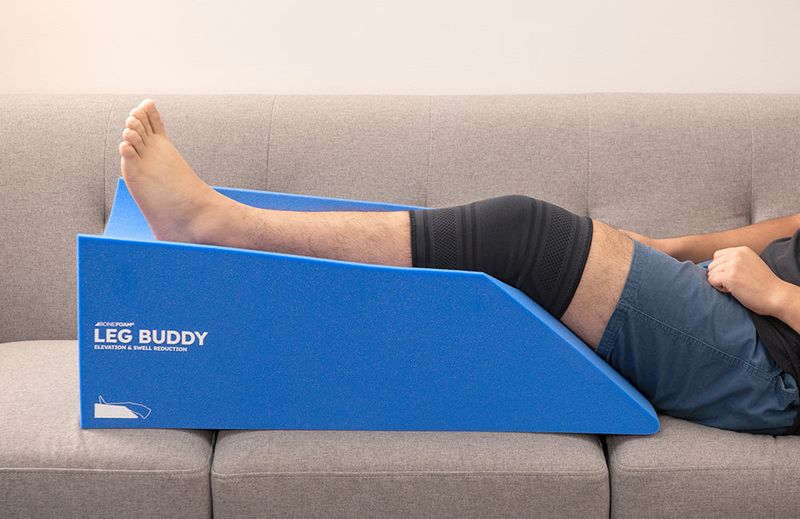
Raising a bitten hand above your head feels instinctive, kind of like waving for help across the yard. Current first aid advice from poison centers suggests keeping the bitten limb roughly level with your heart instead.
Holding the limb near heart height balances blood flow, avoiding extra pooling while not speeding venom toward your core. Medical teams may raise the limb later in the hospital, once they can watch swelling and give treatment.
If the bite is on your leg, sit on the ground or lie back with the leg resting flat. A folded towel under the calf can help keep it comfortable without lifting it too high off the ground.
Hand and arm bites do well resting on a pillow or armrest while you sit upright in a chair. A loose sling made from a shirt can support the arm during the ride to the emergency room.
Some older guides told people to keep the limb far below the heart, and advice varies slightly between sources. Level positioning is a sensible middle path, so follow what the poison center specialist tells you during your call.
Children bitten while playing near garden beds often squirm, so a calm adult holding them close truly helps. Reading a story aloud or humming a favorite song can keep little limbs resting still and relaxed.
I practiced this position once with my nephew during a backyard safety chat, and he thought it was hilarious. Laughing aside, that short rehearsal made the steps feel familiar instead of confusing and strange to him.
7. Trace The Swelling Edge With A Pen And Note The Time
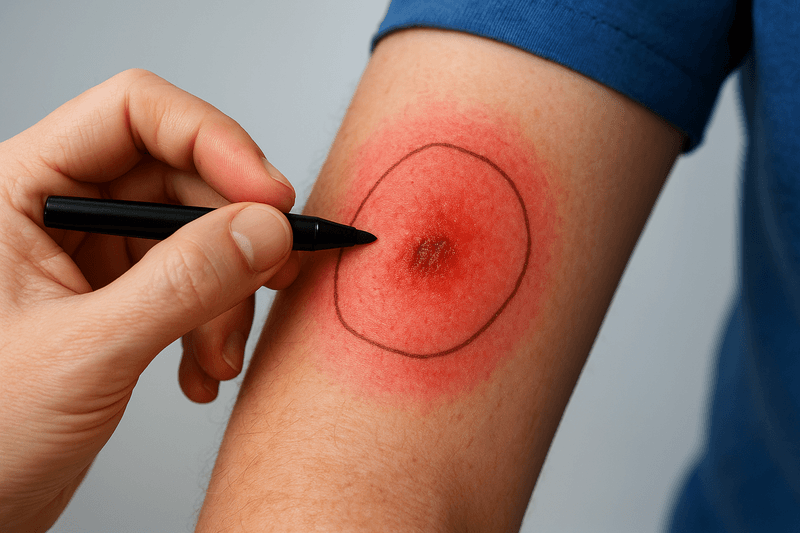
An ordinary ballpoint pen becomes a surprisingly useful medical tool when a copperhead bite starts to swell. Drawing a line at the edge of redness creates a simple map that doctors can read at a glance.
Trace gently around the border of swelling, then write the current time right beside your line on the skin. Repeat the process every fifteen to thirty minutes if help is still on the way to your house.
Those marks show how fast symptoms are spreading, which helps emergency staff decide whether antivenom is needed. Swelling that climbs steadily up an arm or leg usually signals a more significant amount of venom.
Write down when the bite happened too, along with any new symptoms like nausea or a metallic taste. A metallic or rubbery taste in the mouth is a known sign of pit viper envenomation, oddly enough.
Use a permanent marker if you have one, since sweat on hot summer days can smear regular ink. Snap a quick phone photo of the marks too, which creates a backup record if anything rubs off.
Copperheads are most active from spring through fall, often moving at night when days get hot. Evening watering sessions overlap with that schedule, so keep a flashlight and marker together in your garden kit.
I love how this step gives nervous hands a job, turning worry into something useful and calming. Your notes become a clear timeline, and the hospital team will appreciate every detail you can share.
8. Snap A Photo Of The Copperhead From A Safe Distance
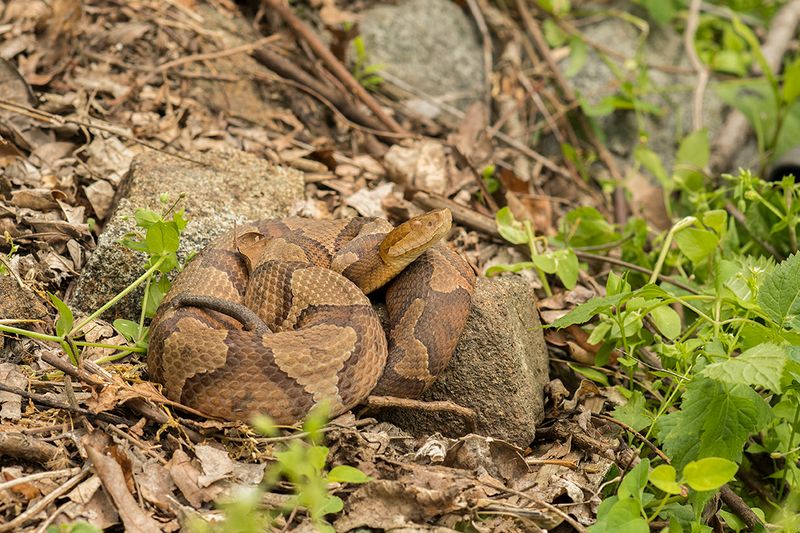
Copperheads wear a pattern of hourglass bands that many people compare to chocolate kisses or saddlebags. That coppery coloring blends beautifully into fallen leaves, which explains how so many gardeners step close by accident.
A clear photo helps medical staff confirm what bit you, though doctors treat based on symptoms more than pictures. Only snap a picture if the snake is still visible and you can stay at least six feet away.
Zoom in from a distance rather than creeping closer, because copperheads can strike roughly half their body length. Your safety matters far more than the perfect shot, so skip the photo if the snake has slipped away.
Please do not try to catch or harm the snake, since many bites happen during attempts to handle them. Even a snake that seems motionless can still bite by reflex, so keep shovels and hands well away.
Copperheads play a helpful role by eating mice and voles that nibble garden roots and bulbs. Moving woodpiles away from the house and trimming low shrubs makes your yard less inviting to them later.
Young copperheads have bright yellow tail tips, and they twitch those tips to attract frogs and small lizards. Spotting that yellow flicker in your photo can help confirm the identification if anyone has questions later.
I keep my phone camera ready on garden walks, mostly for butterflies, but it serves double duty here. A calm, distant photo paired with quick medical care sets you up for the smoothest possible recovery.