Even An Empty Box Turtle Shell Found In Your Indiana Yard Is Protected By Law
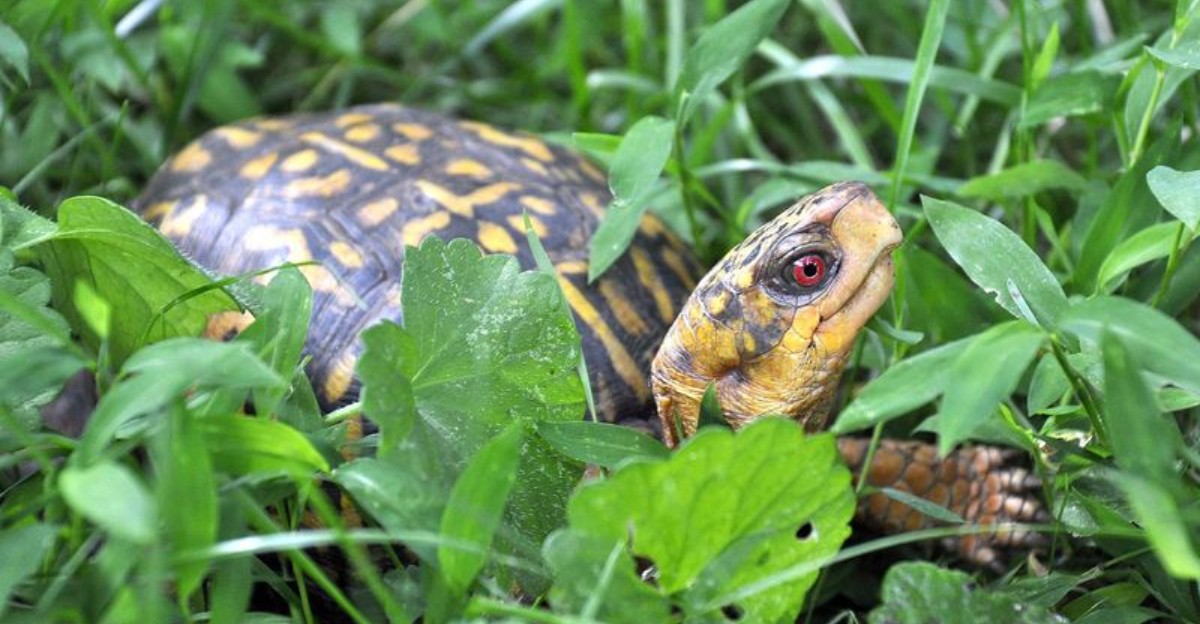
A bleached, empty shell under my hostas turned out to be a legal no-touch zone. Not going to lie, I almost carried it straight to my windowsill.
Indiana wildlife rules cover more than living animals. They reach eggs, shells, and other remains of one very slow, very old neighbor that wanders through gardens all summer.
Truth is, most of us have never read a wildlife regulation for fun. I sure hadn’t. But a creature that can outlive its gardener deserves a little attention, and its legal protection surprised me more than any weed in my beds.
You’d think something empty and weathered would be fair game for a nature shelf. So why would the state care about a hollow shell sitting in the mulch? The answer says a lot about the animal that once wore it, and about what it needs from your yard.
That Weathered Box Turtle Shell Under Your Hostas Has A Legal Story
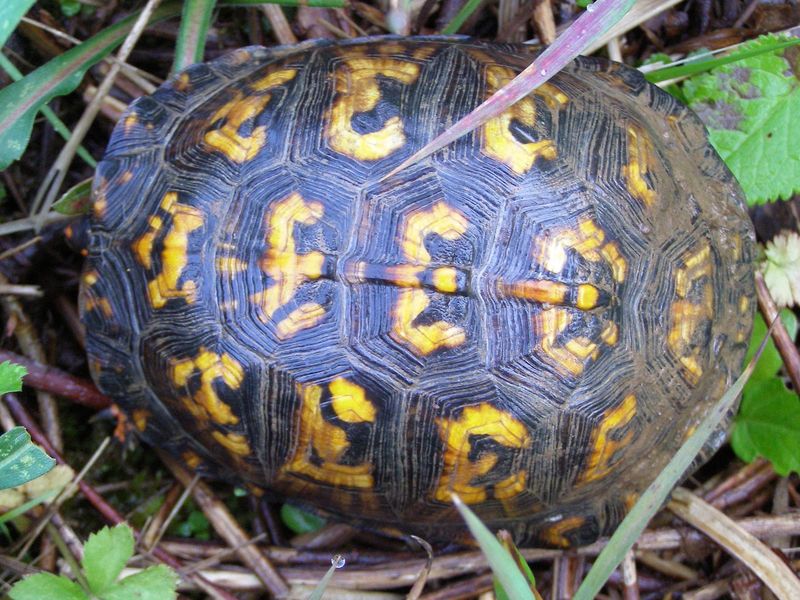
My first reaction to finding a hollow box turtle shell was pure excitement. It had that domed shape and faded orange pattern that looks like hand-painted art.
Then I learned the rules. The Indiana Department of Natural Resources says the Eastern box turtle is protected, and that protection covers the animal itself plus its parts. That includes eggs and shells found in the wild, even an empty one sitting in your flower bed.
So that pretty relic is not a free souvenir. Picking it up and keeping it puts you on the wrong side of state wildlife law, whether you meant any harm or not.
I know it feels a little strange. The animal is gone, and the shell is just sitting there. The law covers every part of the animal, which likely makes it simpler to enforce.
If shells were fair game, someone could claim a live-caught turtle’s shell came from the woods already empty. Covering all parts keeps enforcement simple and clear.
My advice is easy. Snap a photo, admire the pattern, and leave the shell where nature placed it. Insects, soil, and rain will slowly return it to the ground.
Indiana Stopped Wild Box Turtle Collecting Back In 2004
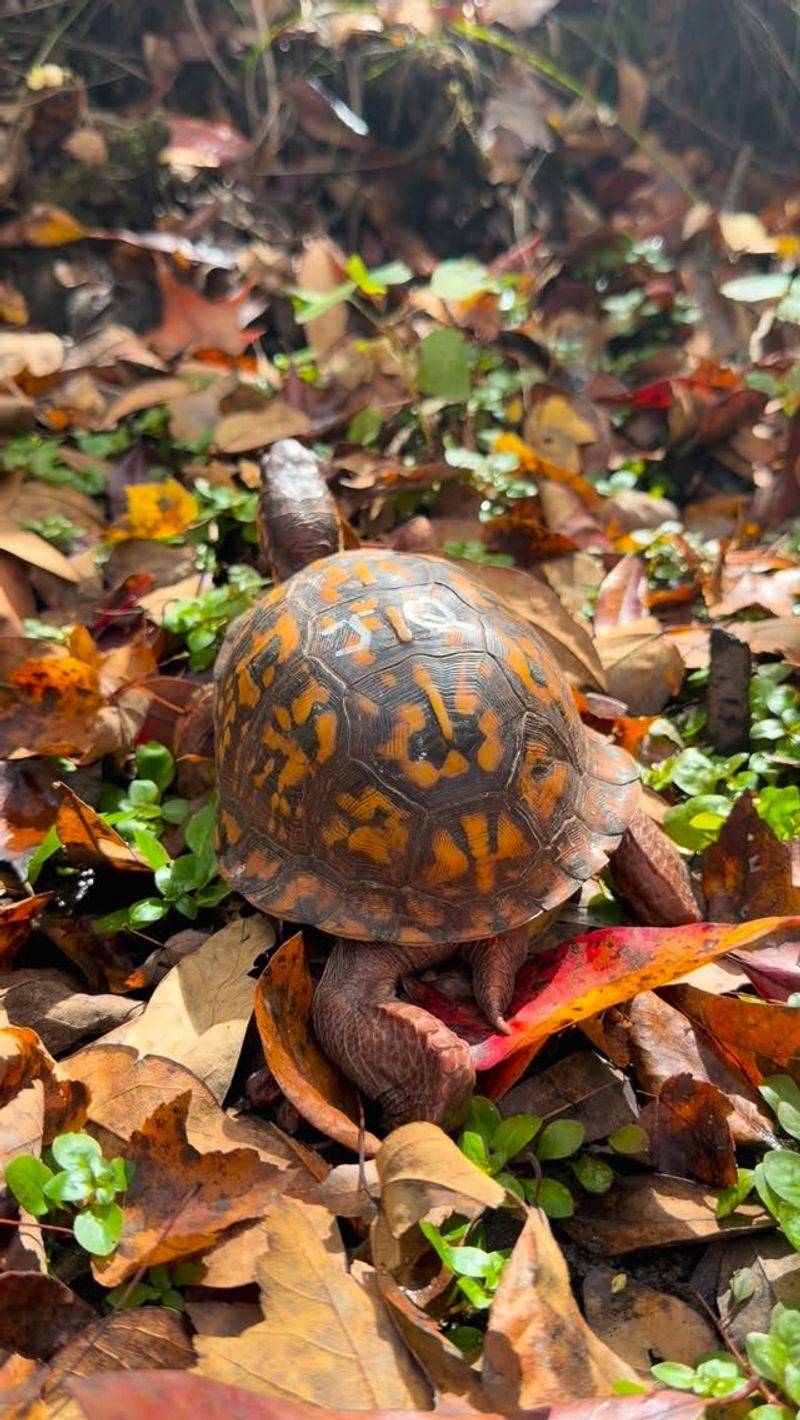
Here is a date worth remembering: 2004. That year, Indiana rules began prohibiting people from taking Eastern box turtles from the wild.
Before then, folks often scooped up a turtle from the road or the woods and brought it home for the kids. It felt harmless and even kind. Over time, though, wildlife experts saw how much that habit added up across a whole state.
The Eastern box turtle is listed as a species of special concern in Indiana. That label means biologists are watching it closely because its numbers face real pressure.
Under current rules, you cannot collect a box turtle from the wild at any time, and you need a DNR permit to keep one. The same protection extends to eggs and shells, which is why that empty find in your yard counts too.
One fun detail surprised me. Box turtles get their name from a hinged lower shell that lets them close up tight, almost like a lidded box.
If you ever feel unsure about whether something is allowed, call your local DNR office before acting. Staff can explain the rules plainly, and asking first is far easier than fixing a mistake later. A quick phone call keeps you and the turtles on safe ground.
Slow-Growing Box Turtles Can Outlive The People Who Find Them
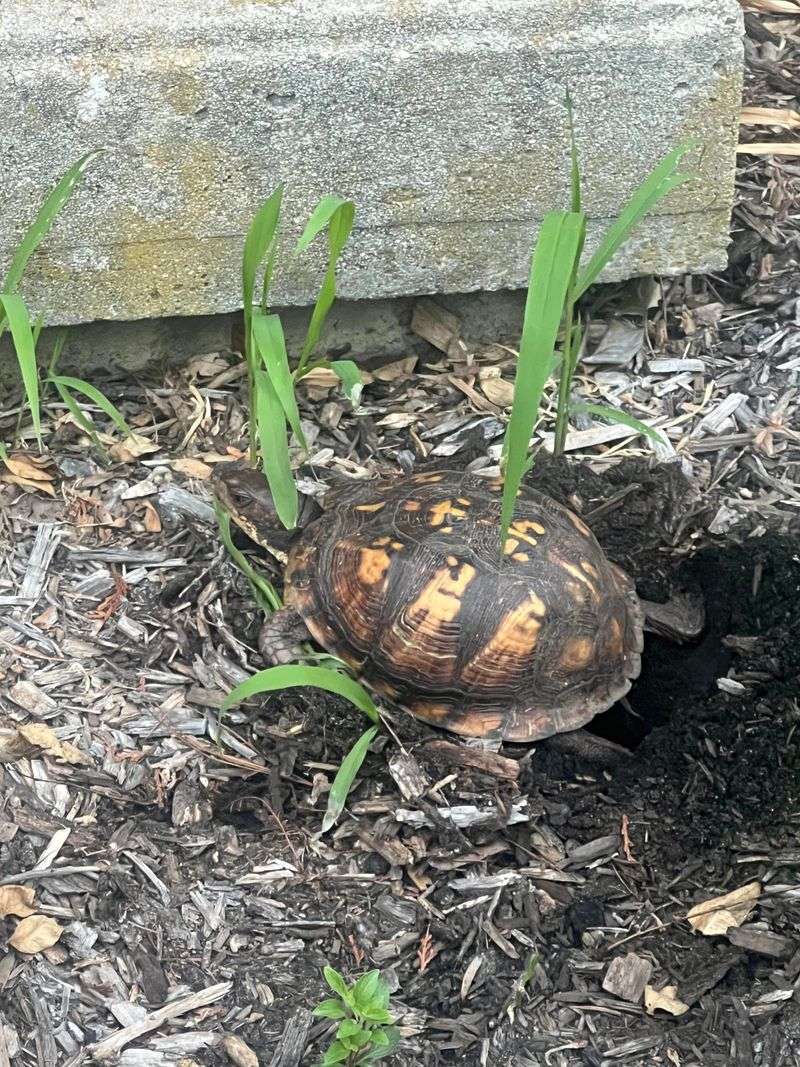
Some box turtles have been documented living past 60 years, and a few reports suggest a century or more. The turtle crossing your lawn might be older than your house.
Long life sounds like a strength, and in many ways it is. The catch is how slowly these reptiles grow up. Many take around 7 to 10 years to reach breeding age, and females lay only a small clutch of eggs each year.
Most of those eggs and tiny hatchlings never reach adulthood. Raccoons, skunks, and other predators find many nests, so each grown turtle matters a great deal to its local group.
Losing even a few adults can slow a population for decades. Habitat loss, cars on roads, and illegal collecting all pile onto that slow recovery rate.
That is why every rule seems so careful. A single adult removed from your neighborhood may represent years of breeding potential that cannot be quickly replaced.
Want a fun way to connect? Male box turtles often have red eyes, while females usually have brown ones. Next time one visits your garden, take a peek at its eyes and see if you can guess. Just keep your hands to yourself.
Leave That Wandering Box Turtle Right Where You Found It
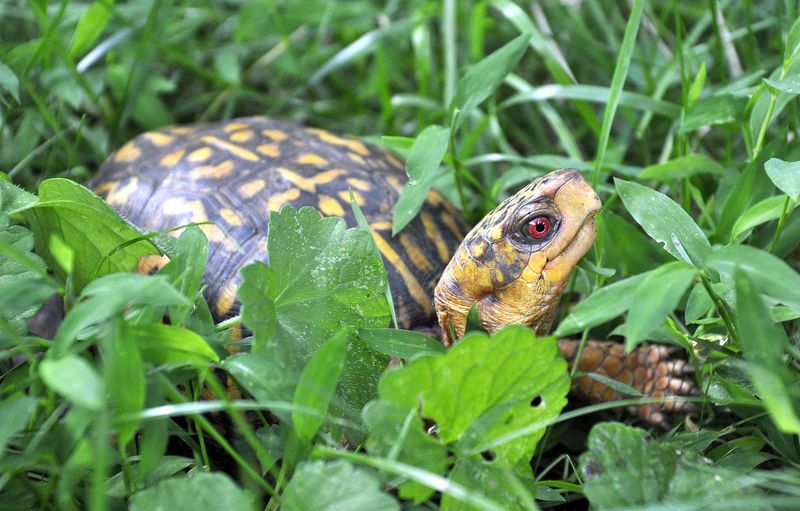
I get it. A turtle in the tomato patch feels like a tiny miracle, and your first urge might be to relocate it somewhere safer.
Hold off on that idea. Box turtles know their home turf incredibly well and often live in a fairly small area for years. Moving one, even a short distance, can confuse it and send it wandering toward roads.
The Indiana DNR also advises against collecting box turtles that look sick or slightly hurt. These reptiles are tougher than they look, and many minor shell scrapes heal on their own if left undisturbed.
There is a health angle too. A turtle that spends time around captive pets can pick up germs and then spread them to wild groups once it returns outdoors.
So what can you do? Keep pets indoors or leashed while the turtle passes through, and mow carefully when you know one is nearby. Spring through early fall is when they are most active in Indiana yards.
If an injury looks serious, such as a badly cracked shell, contact a licensed wildlife rehabilitator or your local DNR office. Let trained hands decide the next step instead of trying a home fix.
Helping A Box Turtle Cross The Road Comes With One Simple Rule
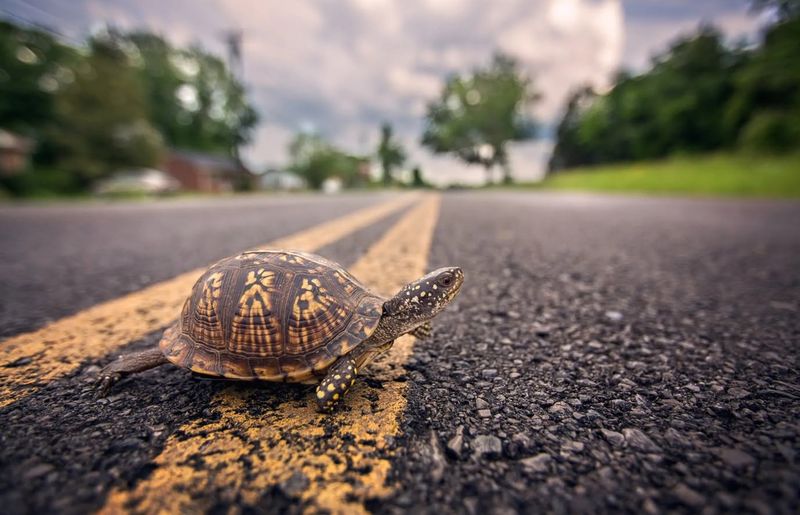
Few things make my stomach drop faster than a box turtle stepping onto a busy county road. Cars are one of the biggest threats these reptiles face.
You are allowed to help, as long as you do it the right way. First, make sure you are safe from traffic. Your own safety comes before any rescue.
Next, pick the turtle up gently by the sides of its shell. Carry it straight across in the same direction it was already heading, then set it down a short distance off the road.
Resist the urge to turn it around or take it to a nicer spot. The turtle is going somewhere on purpose, maybe a pond, a nesting area, or its regular feeding ground.
Above all, the turtle cannot come home with you. Indiana rules do not allow keeping it as a pet, even with the best intentions in your heart.
One extra tip helps a lot. Wash your hands afterward, since reptiles can carry salmonella bacteria. A small bottle of hand sanitizer in the glove box makes these quick roadside good deeds much more convenient during the busy summer turtle season.
Pet Box Turtles In Indiana Need A Special DNR Permit
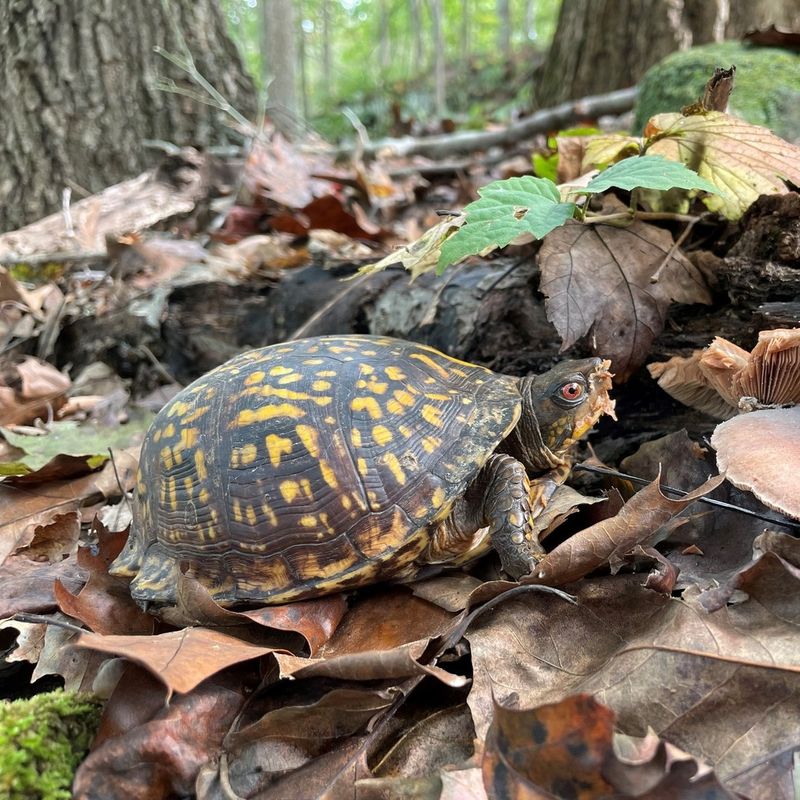
Owning a box turtle in Indiana is not as simple as buying one at a pet shop. The state requires a special purpose turtle possession permit from the DNR.
This rule covers Eastern box turtles and their subspecies, including ones legally obtained from out of state. It applies to people who legally got a turtle from out of state, or who already had one before November 1, 2004.
The goal is fighting the illegal pet trade. Wild turtles are often taken and sold, and that steady drain hits slow-breeding species hard.
Indiana also prohibits captive breeding of box turtles. So even a legal pet owner cannot raise baby turtles to sell or give away.
What about releasing a pet into the woods? Please skip that idea. A captive turtle may carry disease, may not know the area, and could harm wild populations instead of helping them.
If you already have a box turtle and are unsure of its legal status, contact the DNR directly. Staff can explain your options, including what to do with a turtle you can no longer care for. A short conversation now can save a lot of trouble and stress down the road.
Leaf Litter And Brush Piles Make Your Yard Box Turtle Friendly
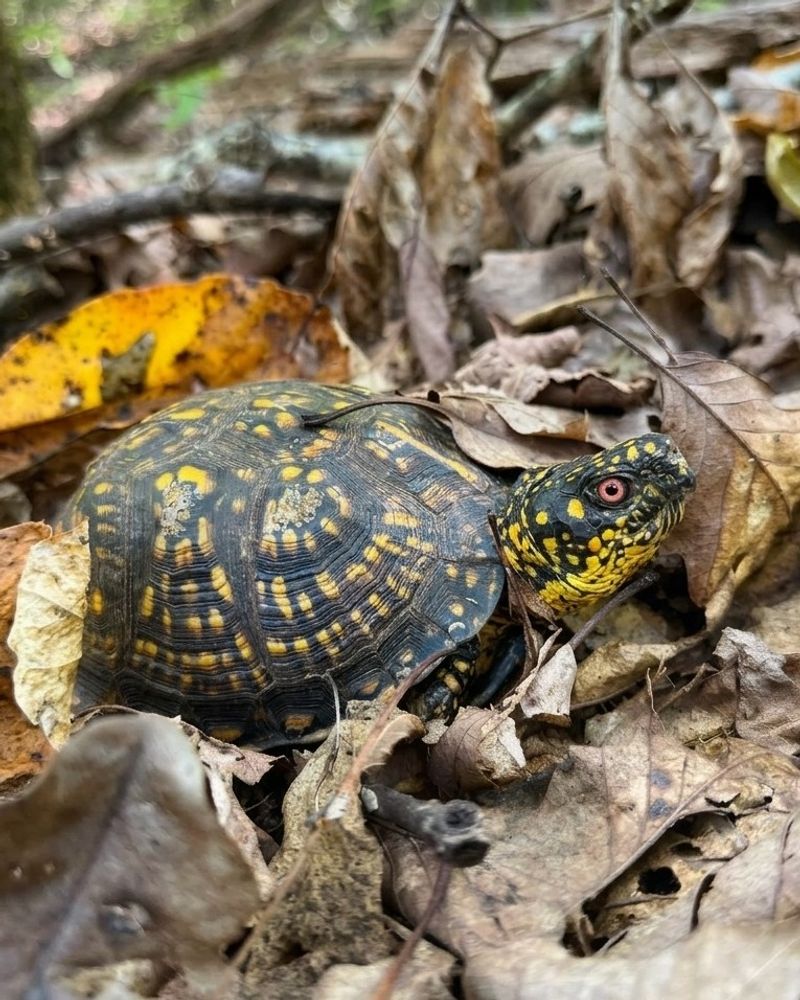
Guilty as charged, I used to rake every last leaf out of my garden corners. Then I learned box turtles love that messy layer.
These reptiles mostly live in forests, but they also use fields, thickets, and damp edges near water. Leaf litter and fallen branches give them shade, moisture, and plenty of worms, slugs, and beetles to eat.
Try leaving a wild strip along a fence line or wooded edge. A loose brush pile or a log on the ground can become a cozy shelter on hot July afternoons.
Before you clear brush or run a mower through tall grass, take a slow walk through first. Turtles blend in surprisingly well, and a quick check can prevent painful accidents.
Skip burning large piles where turtles may hide. They often tuck in under debris and cannot escape fast.
Native plants help too. Wild strawberries, mayapples, and native blackberries offer fruit box turtles happily munch on.
If you suspect someone is illegally collecting or selling box turtles, report it to the DNR Division of Fish and Wildlife or Law Enforcement. Reports can be anonymous. Small actions at home really add up for these long-lived neighbors.