7 Strong Scents That Draw Coyotes To Your California Yard
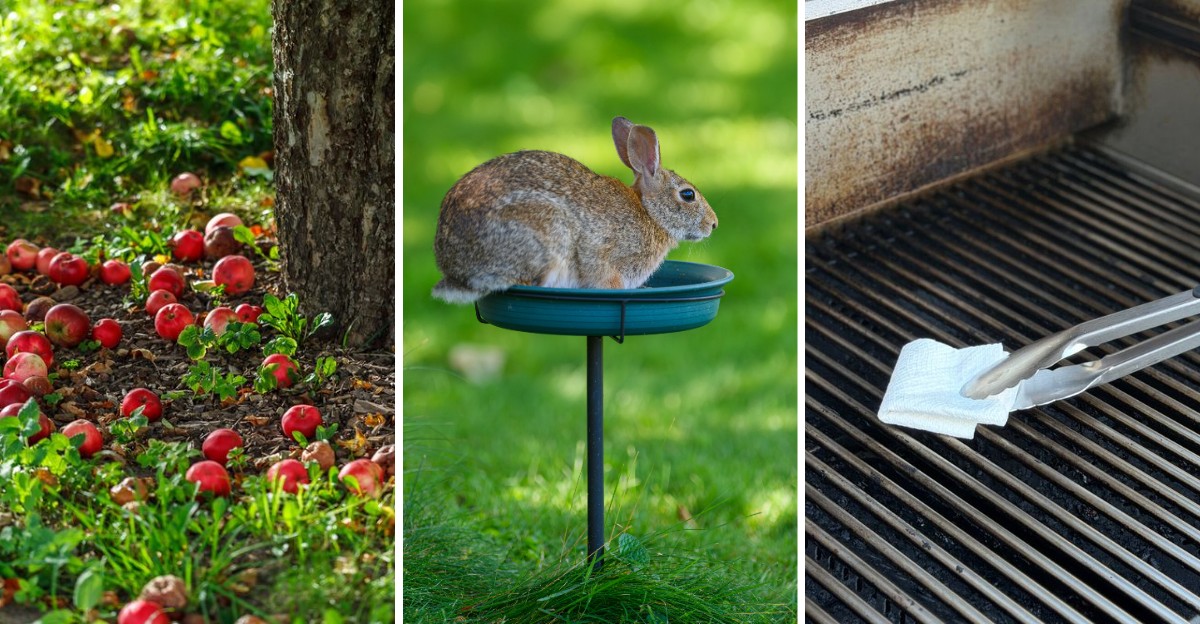
Spilled birdseed rarely tempts the wild canines prowling California suburbs, yet the mice and rabbits it attracts certainly do. Their scent trails and droppings can work like a neon sign for a hungry predator patrolling at dusk.
Ornamental fruits, like pyracantha berries and palm fruit, can draw these clever visitors too, along with ripe oranges and avocados left on the ground. The greasy drip pan under a backyard grill often holds the strongest smell of all.
Nobody asked, but scraping my grill while it’s still warm has become a must-do ritual after every cookout. You might notice tipped bins or seed-filled scat long before you ever spot the visitor itself.
Plenty of yards send out a nightly dinner invitation without their owners realizing it. A few simple habits with lids, bowls, and fallen fruit could make your garden far less interesting to these hungry neighbors after dark.
1. Overflowing Trash Bins And Open Compost Piles
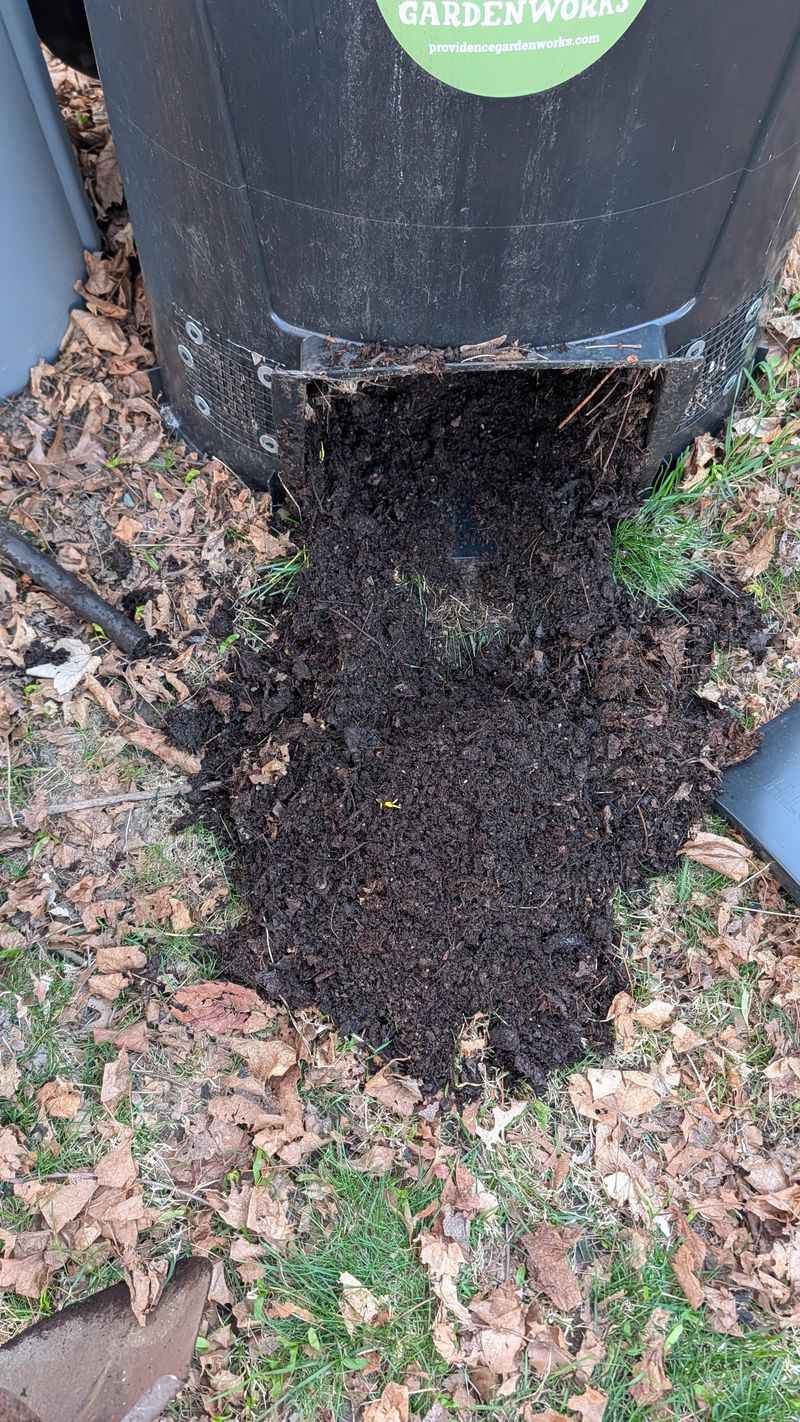
Rotting food scraps send out a powerful signal that travels on the evening breeze like a dinner bell for coyotes. I learned this the hard way after a warm night left my trash can tipped and scattered.
Coyotes are opportunistic scavengers, so meat remnants and soggy leftovers in exposed bins are hard for them to resist. Even a small gap under a loose lid can let those sour, pungent smells drift across the whole neighborhood.
Compost piles can cause similar trouble, especially when people toss in meat, bones, or dairy along with garden trimmings. Those items smell strong as they break down, and they also attract rodents that coyotes love to hunt.
You need sturdy bins with tight, animal-proof lids, and many cities recommend keeping them in a garage until pickup morning. Putting cans out in the morning instead of the night before cuts down on midnight raids quite a bit.
For compost, I suggest an enclosed bin or tumbler instead of an open heap sitting against the back fence. Stick with plant scraps, coffee grounds, and leaves, and keep meat and dairy out of the mix for good.
Turning your compost regularly helps it break down faster and keeps the smell from becoming too sharp or sour. Personally, I like burying fresh kitchen scraps under a layer of dry leaves to mask the odor nicely.
A clean, covered setup rarely gives coyotes a reason to linger, and your garden still gets all that rich homemade soil.
2. Pet Food Bowls Left On The Patio
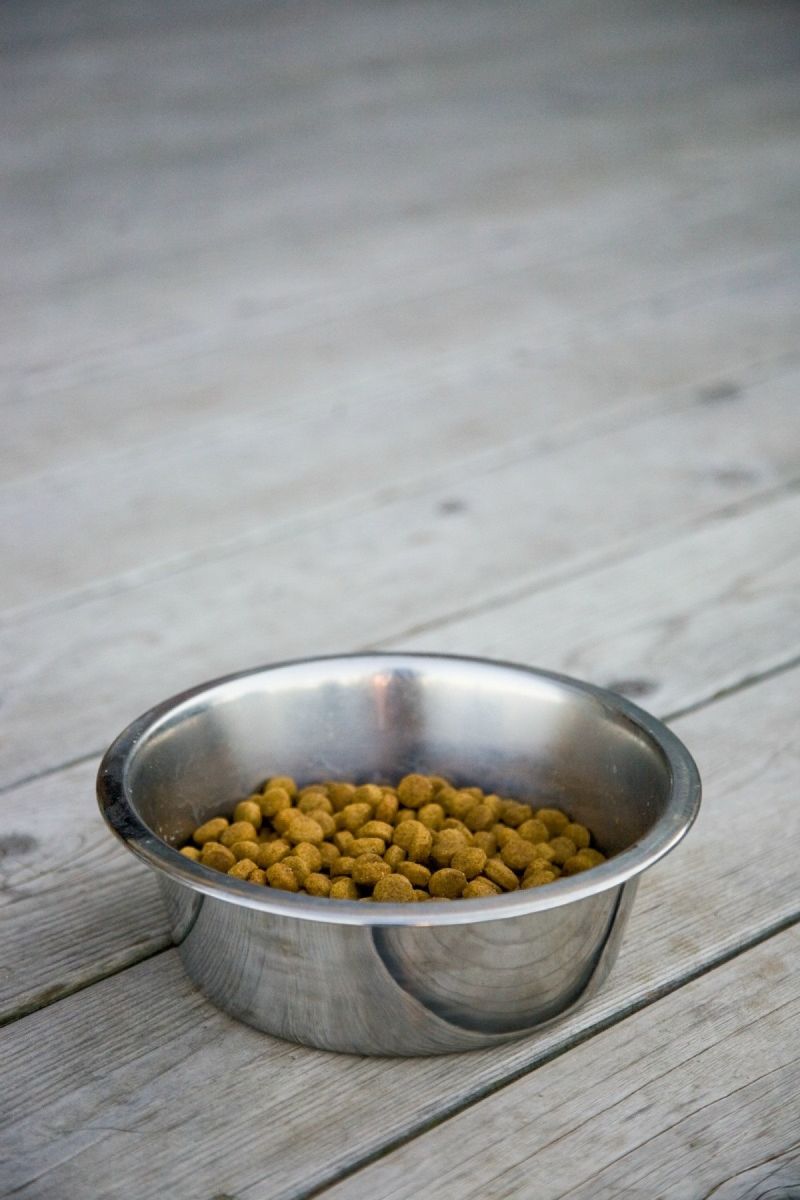
Few things smell as tempting to a coyote as a bowl of kibble sitting forgotten on the back porch overnight. To a hungry visitor, that dish is an easy meal that requires zero hunting and almost no effort.
Wet food is even stronger, and the meaty aroma clings to bowls long after your dog or cat finishes eating. Coyotes quickly learn which yards offer these freebies, and they often return night after night to check again.
Wildlife officials across California list outdoor pet food as one of the top reasons coyotes start hanging around homes. Once they connect people with food, they can lose their natural caution and become far bolder than usual.
The simplest fix is feeding pets indoors, which also keeps raccoons, opossums, and skunks from joining the party. If your pets must eat outside, pick up bowls right after meals and rinse away any lingering crumbs.
Storage matters too, because a torn bag in the garage can still send out a strong, inviting scent. I keep our pet food in a heavy plastic container with a snap-tight lid, and it works beautifully.
Water bowls deserve a quick thought as well, since a steady water source helps coyotes during dry summer months. Bringing them indoors at night removes one more reason for a curious coyote to settle near your patio.
3. Fallen Fruit Under Backyard Trees
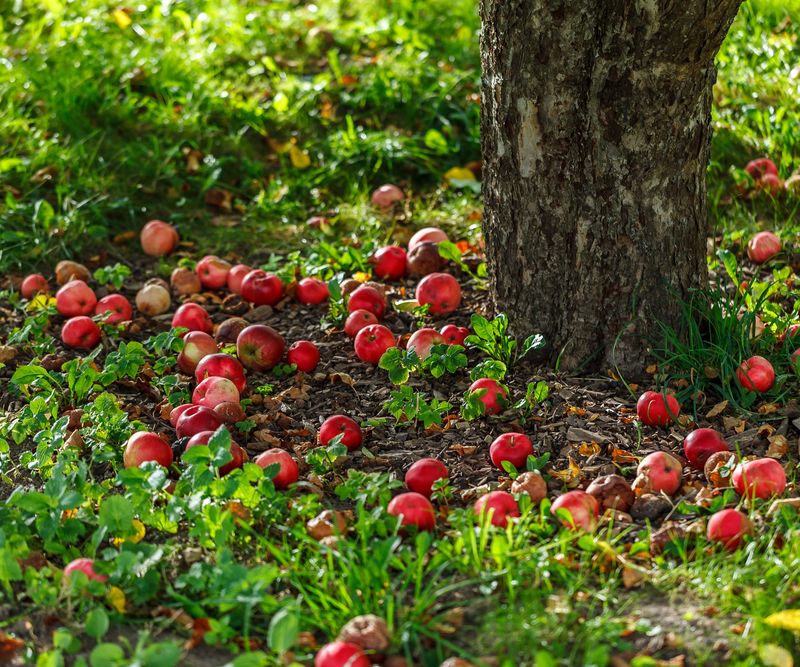
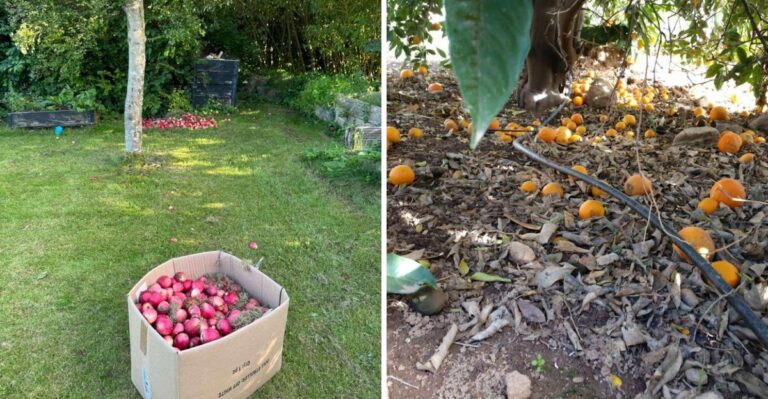
Many people are surprised to learn that coyotes eat plenty of fruit, from berries to backyard oranges and avocados. That sweet, slightly fermenting smell under a tree can pull them in from several yards away.
I love my citrus tree, but I noticed coyote scat full of seeds after I let fruit pile up last season. It was a clear sign that my orchard snack bar had attracted visitors I never actually invited.
Fallen fruit breaks down fast in warm weather, and the sugary scent grows stronger as it softens on the ground. It also draws rats and mice, which gives coyotes two good reasons to wander into your garden.
Local agencies note that ornamental fruits, like pyracantha berries and palm fruits, can attract coyotes in California neighborhoods too. If coyotes are a concern, consider landscaping plants that produce fewer fruits and seeds near your home.
You need to pick fruit as soon as it ripens instead of waiting for it to drop on its own. A fruit picker pole makes high branches much easier, and friends often love receiving extra lemons or plums.
Make a habit of walking under your trees every day or two to gather anything that has fallen overnight. Toss spoiled fruit into a sealed green waste bin instead of leaving it to rot in an open pile.
4. Rodents And Rabbits Drawn By Bird Feeders
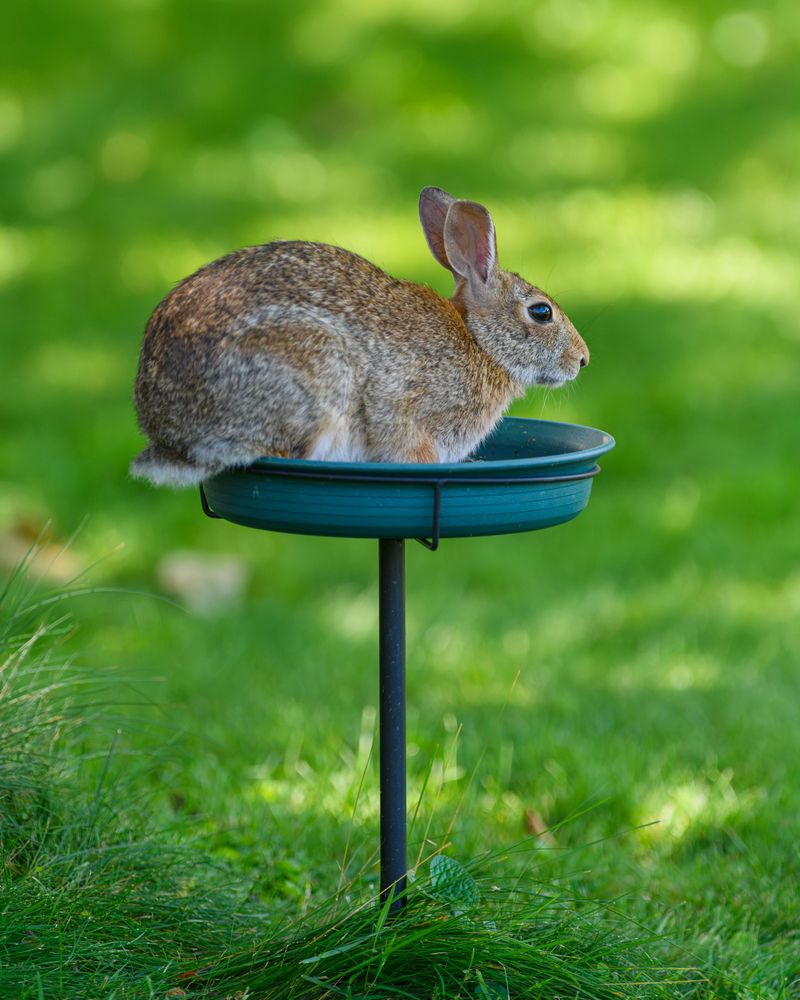
Bird feeders seem harmless, yet they can quietly start a food chain that ends with a coyote in your yard. The coyote is not after the seed, but it definitely notices the animals that gather around it.
Spilled seed attracts mice, rats, ground squirrels, and rabbits, which are some of the most important foods for coyotes. Their scent trails and droppings act like a neon sign for a hungry predator patrolling at dusk.
What surprises me most is how quickly a tidy feeder becomes messy once finches start flinging hulls in every direction. Within a week, the ground underneath can become a busy nighttime snack spot for small furry creatures.
Choose a feeder with a wide catch tray, or switch to no-mess seed blends that leave fewer scraps behind. Sweeping or raking under the feeder every few days keeps the buffet from growing into a rodent party.
Some homeowners bring feeders inside at night, which helps a lot because rodents and coyotes are most active after dark. You can also hang feeders over a patio, where spilled seed is easier to spot and clean.
Controlling rodents around sheds, woodpiles, and dense ground cover takes away another reason for coyotes to visit. Clearing clutter and sealing gaps under decks makes your yard far less appealing to the whole chain.
5. Greasy Barbecue Grills And Meat Scraps
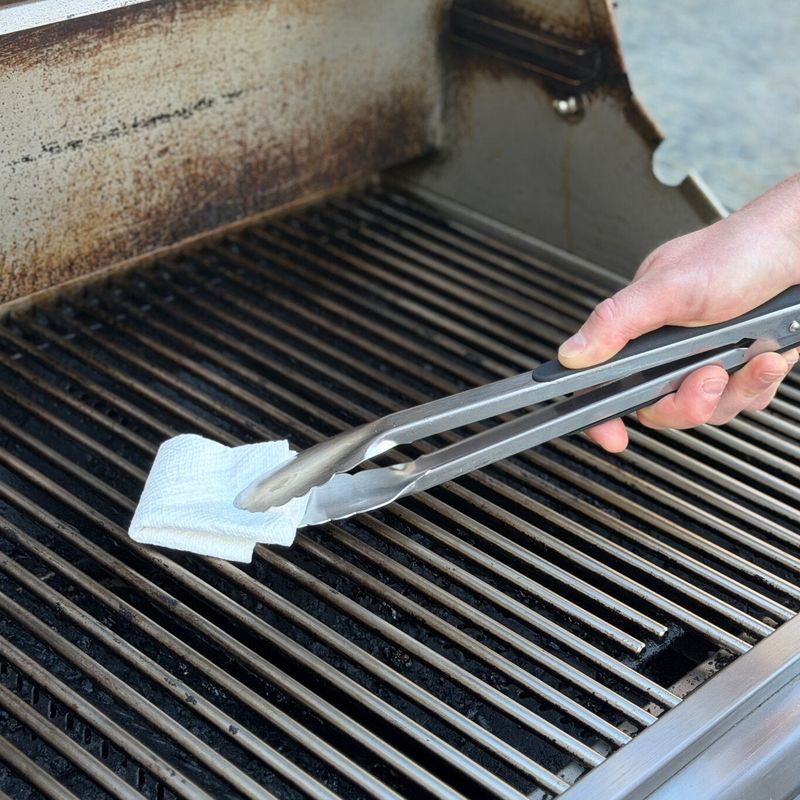
Summer barbecues smell amazing to us, and they smell even better to the coyote watching from the hillside. That smoky, fatty aroma can hang around a grill long after the last burger leaves the patio.
Grease traps, drip pans, and charred bits stuck to the grates keep sending out meaty signals well into the night. Coyotes are drawn to anything that smells like food, including scraps of raw meat, fish, and bones.
Personally, I scrape my grill while it is still warm, because the residue comes off much more easily then. Emptying the grease cup after each cookout makes a big difference, since that pan holds the strongest smell of all.
A grill cover adds another layer of protection, especially if you store the grill close to the house or garage. You might notice fewer late-night visitors when the cooking area smells like nothing more than clean metal.
Leftover meat and bones should go into a sealed bag and then into a bin with a locking lid. Avoid tossing scraps into bushes or compost, since buried bones can still be found by a determined nose.
Wipe down outdoor tables and pick up dropped food around the patio before heading inside after a party. A few minutes of tidying can save you from finding knocked-over chairs and chewed paper plates by morning.
6. Dog And Cat Scent Marks Around The Yard
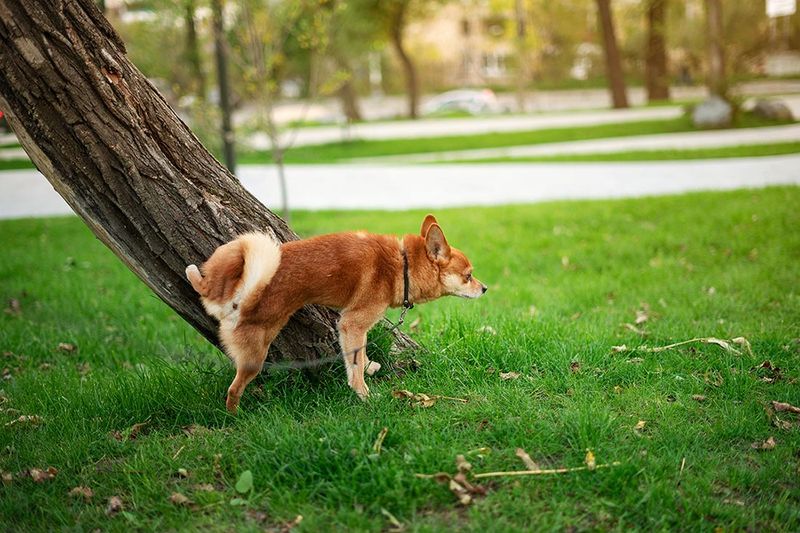
Your dog’s favorite fence post may carry a message that local coyotes read loud and clear on their rounds. Coyotes have an incredible sense of smell, and they can detect pet urine from quite a distance.
To a coyote, that scent can signal another canine in its territory, or it can hint at small prey nearby. Either way, it often sparks curiosity, and a curious coyote may come closer to investigate your yard.
I believe this is one reason small dogs and outdoor cats face real risks in coyote country after dark. Coyotes sometimes see cats and little dogs as food, while larger dogs may be viewed as rivals instead.
Stopping pets from marking outdoors is not realistic, but you can manage how and when they spend time outside. Keep them supervised in the yard, and use a short leash during evening and early morning walks.
Picking up pet waste promptly cuts down on lingering odors that tell passing coyotes exactly who lives at your house. Bring cats indoors at night, since dusk to dawn is when most coyote activity takes place.
Make sure your pets are current on vaccinations, because coyotes can carry diseases that spread to dogs and cats. A quick chat with your veterinarian can help you choose the right vaccines for your area.
7. Musky Animal Lures And Gland Scents
Trappers have long known that a dab of musky gland scent can make a coyote stop and sniff for minutes. Commercial coyote lures blend scents from coyotes, foxes, skunks, or beavers with strong oils to grab attention.
These odors work because coyotes rely on scent to communicate, mark territory, and figure out who lives nearby. A strange musk can trigger curiosity or a territorial reaction, so the animal often feels compelled to check it out.
You’re in for a big surprise if you think these products only stay where you put them. The smell can cling to gloves, shoes, and garage shelves, spreading an invitation you probably never meant to send.
Unless you are a licensed trapper or wildlife professional, I suggest skipping these lures around your home and garden. Some hunting scents are sold online, but they are designed to attract animals, not to keep them away.
Wild musk can also show up naturally, such as when a skunk sprays near your porch or under a deck. Cleaning that area and sealing openings helps reduce the lingering odor and discourages other animals from moving in.
If coyotes still visit often, local city animal services offer hazing tips and helpful advice for your neighborhood. In California, the Department of Fish and Wildlife also shares guidance for living calmly alongside these clever neighbors.