When You Actually Need A Permit To Remove A Tree In California
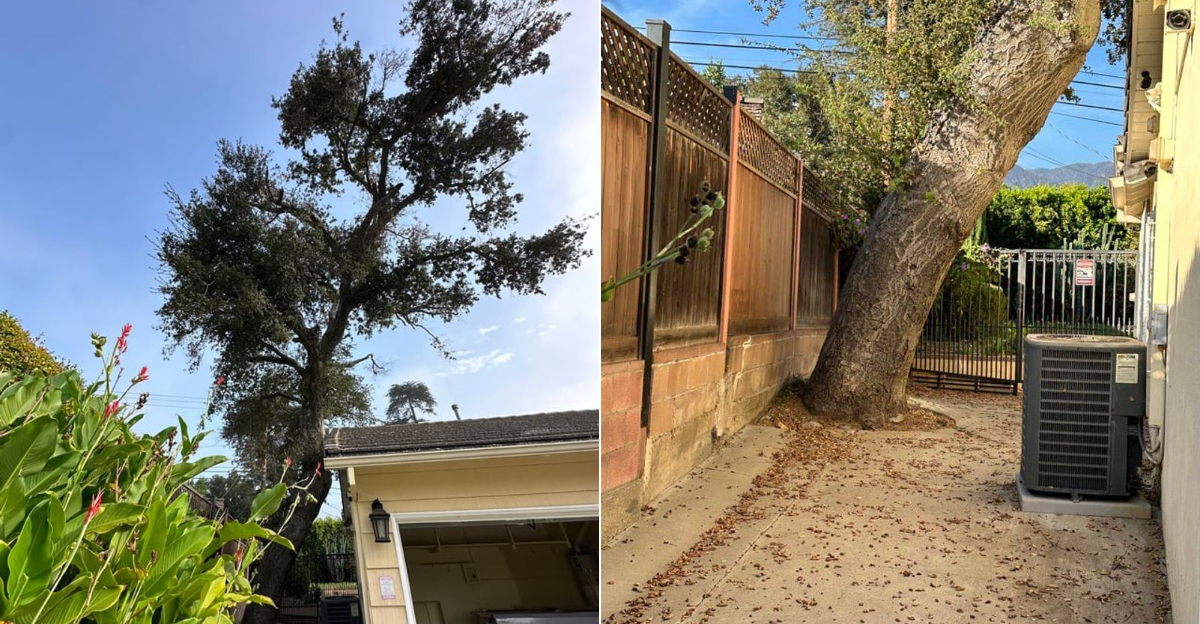
Tree removal can feel like a simple yard project until local rules enter the picture. One tree may be yours, planted inside your property line, and still come with paperwork before it can be taken out.
In California, permits can depend on the city, tree size, species, location, and even the reason you want it gone.
That can surprise homeowners who only find out after calling a tree service or getting a warning from a neighbor.
The tricky part is that rules are not the same everywhere. A small ornamental tree may be no issue, while a mature oak, street tree, or protected native can be a very different story.
Before you schedule the work, it helps to know what usually triggers a permit. A quick check now can save money, delays, and a lot of stress later.
1. California Tree Rules Are Mostly Local
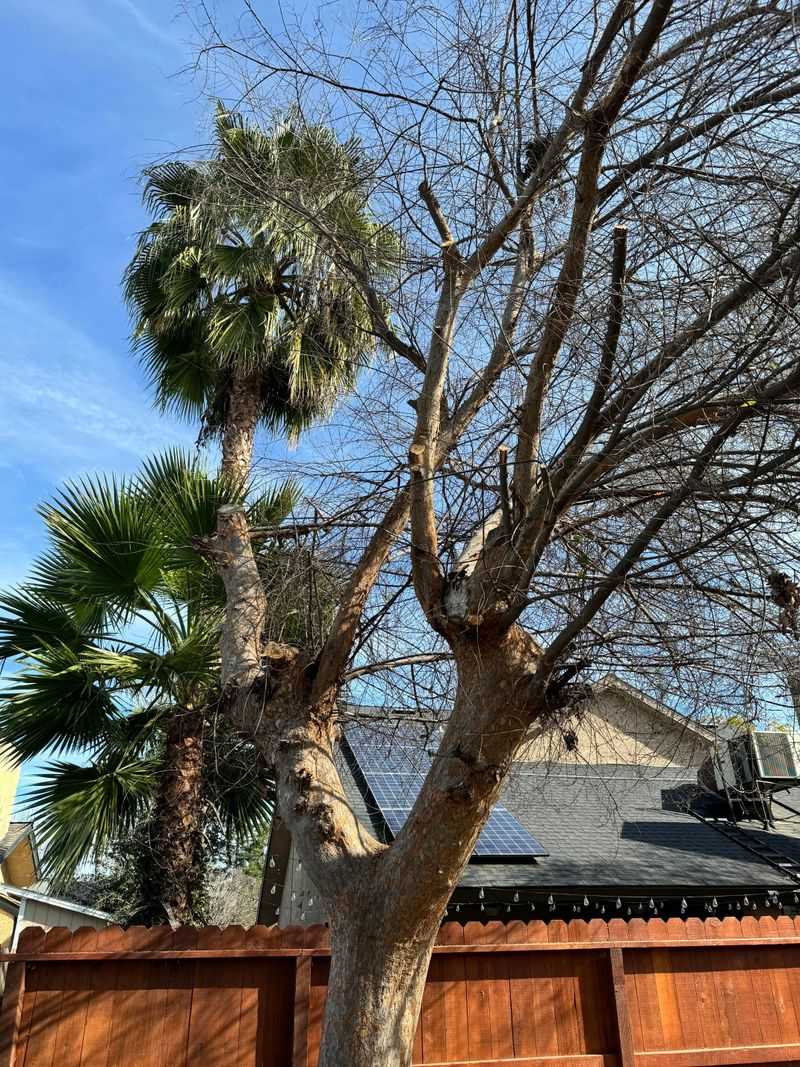
Here is something many people do not realize: there is no single statewide law that covers every tree removal situation. Most of the rules about cutting down trees are set at the city or county level.
That means what is allowed in one town might be completely off-limits just a few miles away.
Your local government gets to decide which trees are protected, what size triggers a permit, and how the process works. Some cities have very detailed tree ordinances that list specific species.
Others keep things simple and only regulate trees on public land.
The best first step is always to check with your local planning or public works department before touching any tree. A quick phone call or website visit can tell you exactly what rules apply to your address.
Many cities post their tree ordinances online in plain language.
Ignoring local rules is not worth the risk. Fines for unpermitted tree removal can run into the thousands of dollars.
Some cities even require you to plant replacement trees as part of the penalty.
Renters should also know that their landlord may face the consequences if a tree is removed without approval. Always confirm the rules before making any moves.
A little research up front can prevent a very costly mistake later on.
2. Street Trees Usually Need City Approval
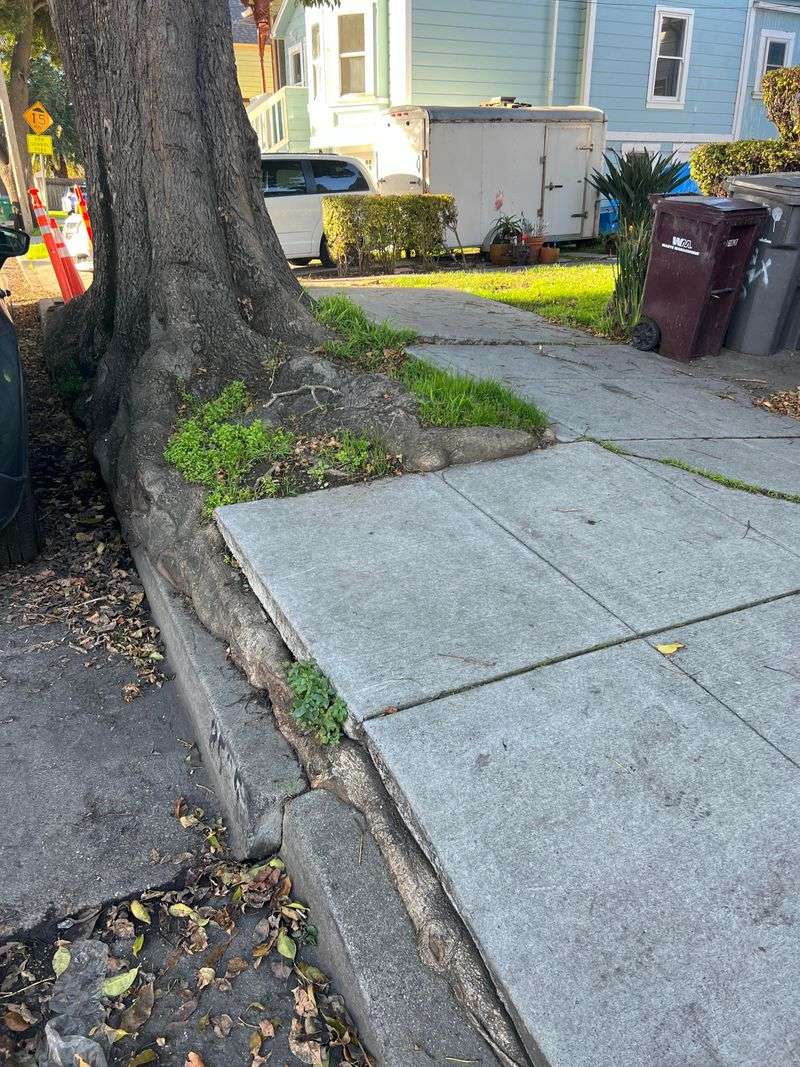
That big tree growing between the sidewalk and the street in front of your house might feel like yours, but it probably is not. Street trees, also called parkway trees, are usually owned and managed by the city or county.
That changes everything when it comes to removal.
Even if a street tree is causing problems, like lifting your driveway or dropping branches on your car, you cannot simply cut it down. You need to contact your city’s urban forestry or public works department first.
They will send someone out to assess the situation.
Cities take street trees seriously because they provide shade, clean the air, and add value to neighborhoods. Removing one without permission is treated as destruction of public property.
That can mean heavy fines and even legal action.
In some cases, the city will agree the tree needs to go and will handle the removal for free. Other times, they may prune it or treat it instead.
Your California Garden Changes Every Week. Your Plan Should Too.
Gardening in California changes quickly throughout the season. Every Friday you’ll receive a simple weekly plan showing exactly what to plant, prune, fertilize, harvest, and protect so you never miss the right timing.
If you disagree with their decision, there is usually an appeal process you can follow.
Some cities have long waiting lists for tree evaluations, so plan ahead if you have a concern. Document any damage the tree is causing with photos.
Having solid evidence can help speed up the city’s review and support your case for removal.
3. Protected Native Trees Are Different
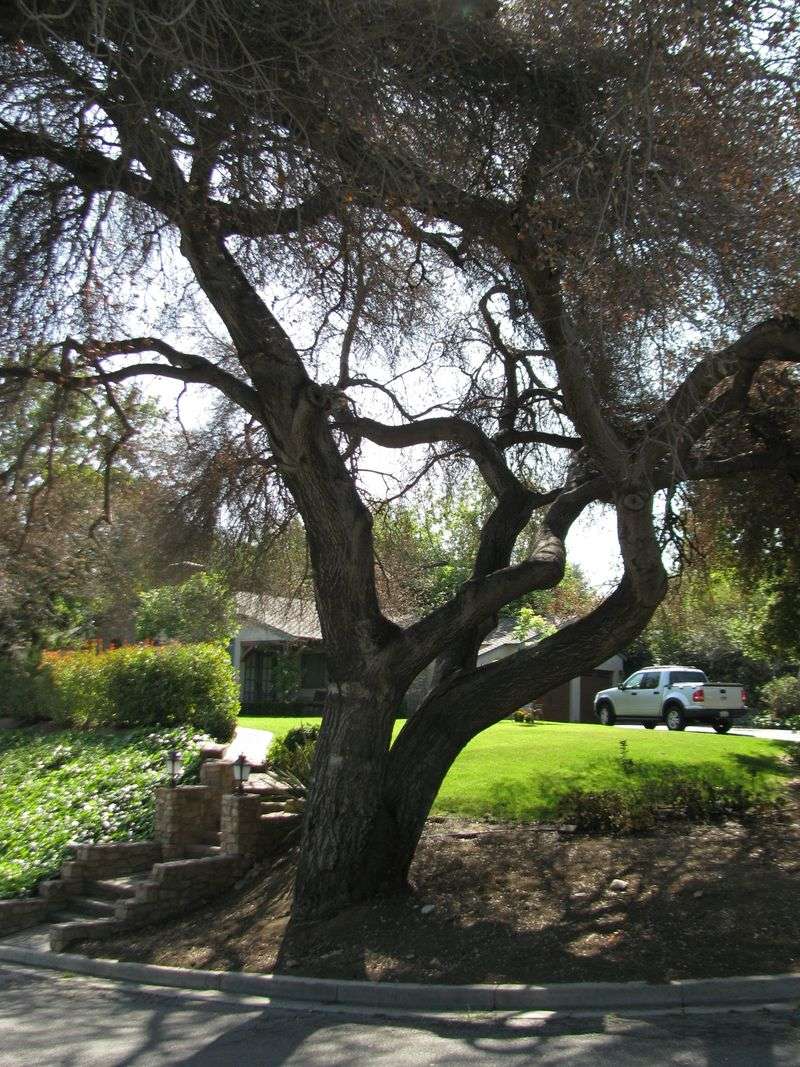
Not all trees are treated equally under local law. Native trees, meaning trees that naturally grow in a specific region, often receive extra legal protection.
Removing them without a permit can lead to serious consequences, even on private property.
Common protected native trees in this state include coast live oaks, valley oaks, blue oaks, and giant sequoias.
Some cities also protect native sycamores, bay laurels, and toyon shrubs that have grown large enough to be considered trees. The list depends entirely on where you live.
The reason these trees get special treatment is simple. They support local wildlife, prevent erosion, and have taken decades or even centuries to grow.
Losing them has a real impact on the surrounding environment.
If you want to remove a protected native tree, you will likely need to apply for a permit, pay a fee, and sometimes agree to plant replacement trees.
The city may also require an arborist report before they approve anything.
A certified arborist is a trained tree expert who can assess the health and condition of a tree. Their report often carries a lot of weight with local officials.
Hiring one before applying for a permit can make the process go more smoothly and increase your chances of approval.
4. Oak Trees Often Have Special Rules
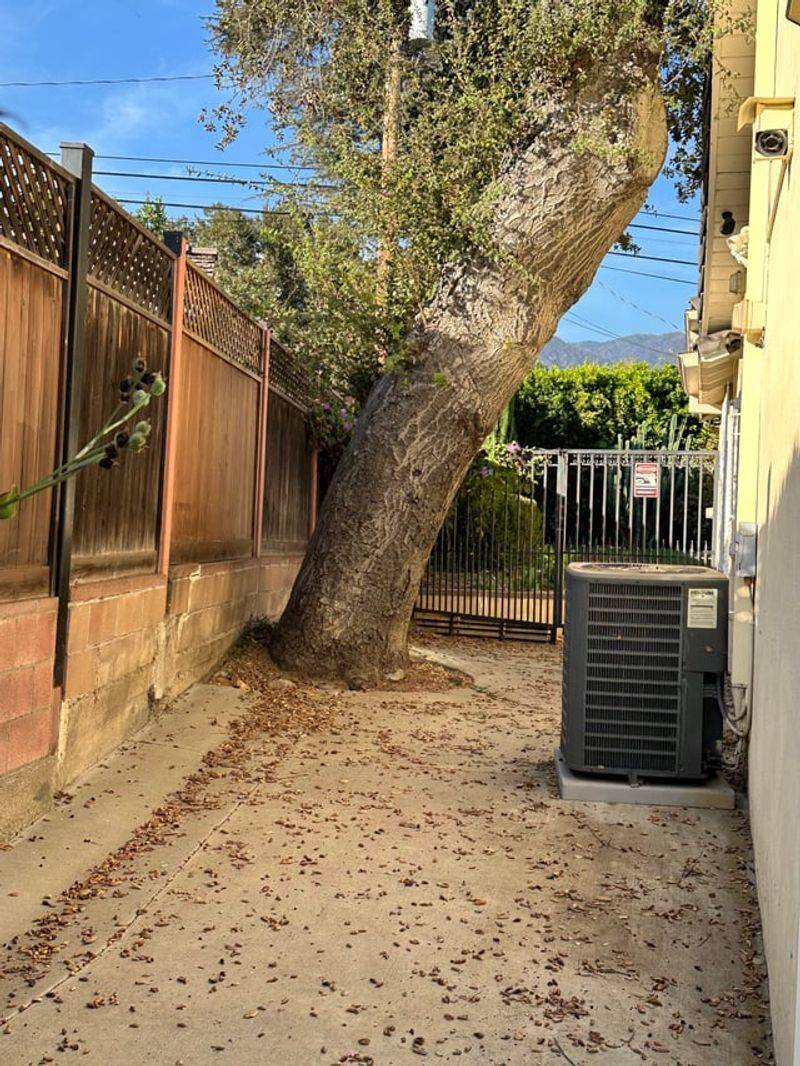
Oaks are practically a symbol of this state, and many cities treat them that way legally. Oak trees have some of the strongest protections of any species when it comes to removal rules.
Even trimming certain oak trees incorrectly can get a homeowner into trouble.
Many cities define a protected oak based on trunk diameter. For example, a valley oak with a trunk wider than four inches may require a permit to remove.
The exact threshold varies by city, so always check local rules first.
One interesting thing about oaks is that they are not just valued for their size. They support hundreds of species of insects, birds, and mammals.
That ecological importance is one reason why local governments fight hard to keep them standing.
If an oak is on your property and you want it removed, expect to fill out a detailed application. You will likely need to explain why removal is necessary.
Acceptable reasons usually include structural failure, disease, or conflict with construction.
Some cities will flat-out deny removal permits for healthy oaks, no matter what. In those cases, you may need to redesign a building project around the tree instead.
Working with an arborist early in the planning process can help you find solutions that satisfy both your needs and the local rules.
5. Tree Size Can Trigger A Permit
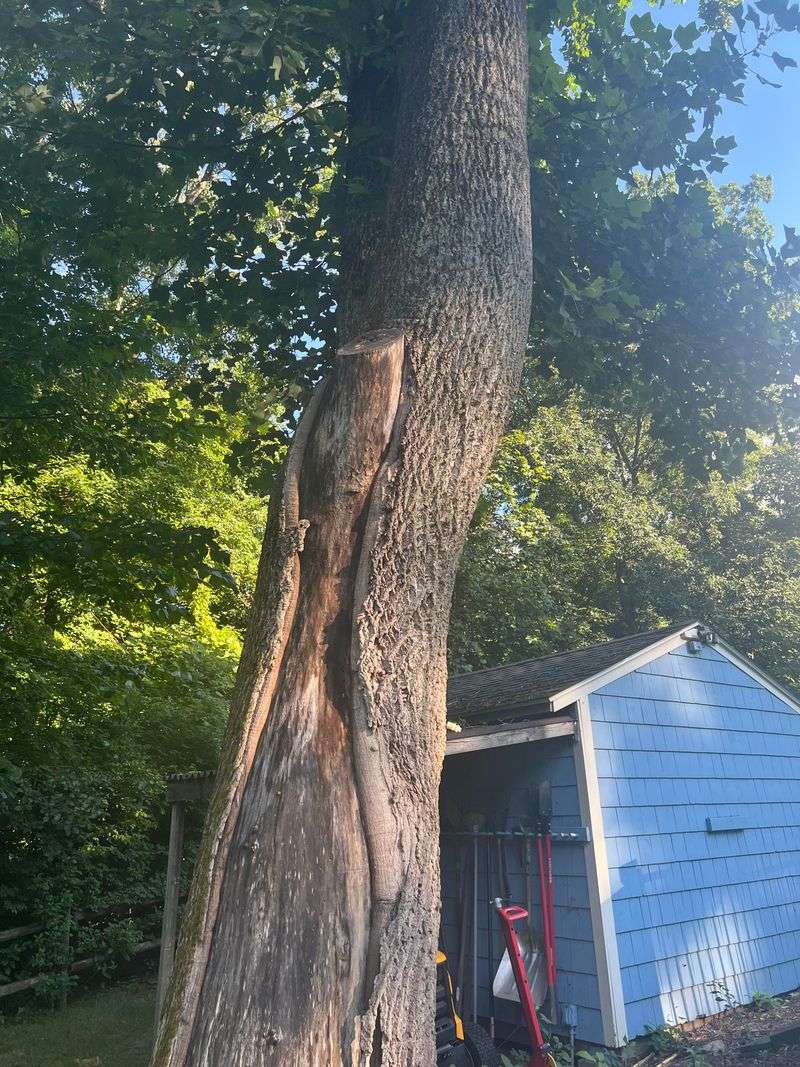
Sometimes the permit requirement has nothing to do with the species of tree. It is all about how big it has gotten.
Many cities use trunk diameter or overall height as the trigger point for requiring a permit before removal.
A common rule is that any tree with a trunk diameter of six inches or more, measured at about four and a half feet above the ground, needs a permit.
This measurement point is called DBH, which stands for diameter at breast height. It is the standard way arborists measure trees.
Why does size matter so much? Larger trees provide more environmental benefits.
They store more carbon, provide more shade, and support more wildlife. Losing a big tree has a bigger impact than losing a small one, so cities draw a line somewhere.
The tricky part is that different cities use different size thresholds. One city might require a permit for trees over six inches DBH, while a neighboring city might set the limit at ten inches.
Checking your specific city’s rules is the only way to know for sure.
Before you assume a tree is small enough to skip the permit, measure it carefully. Errors in judgment can lead to fines that far outweigh the cost of a simple permit application.
When in doubt, call your city and ask directly. It takes only a few minutes and can save you a lot of headaches.
6. Heritage Trees Are Harder To Remove
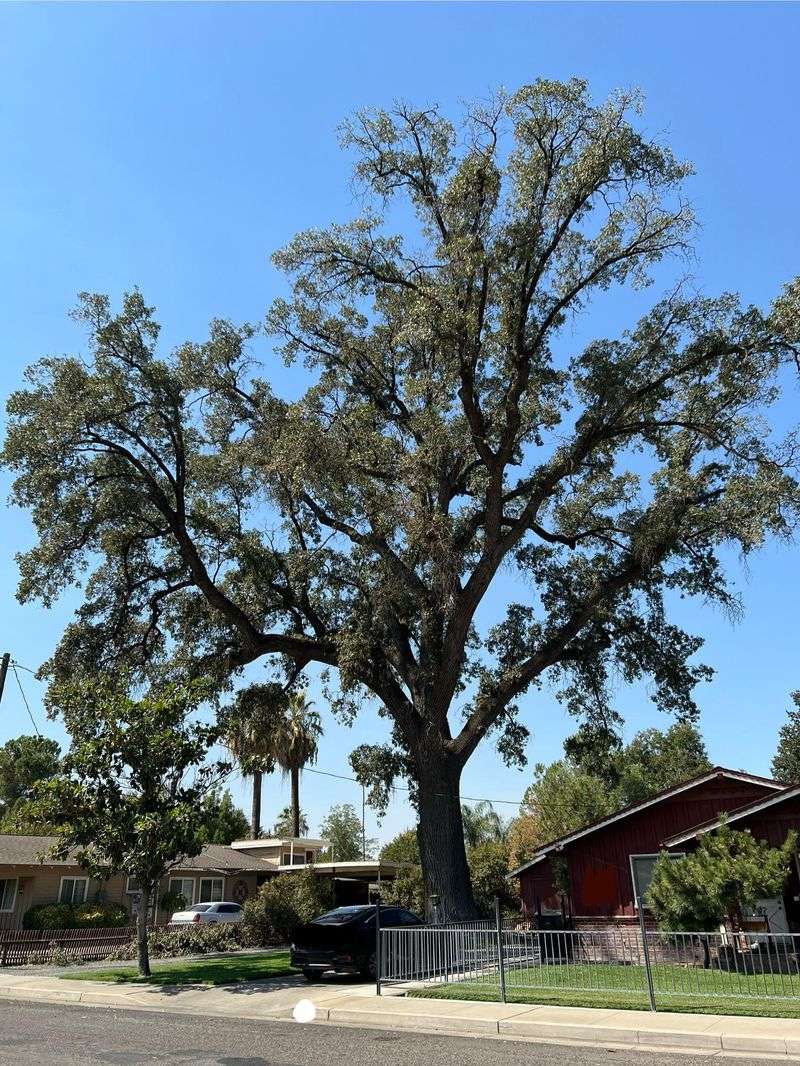
Some trees carry so much history and character that local governments give them a special label: heritage tree. Getting permission to remove one of these is a whole different level of difficult.
In many cases, it is nearly impossible unless the tree poses a serious safety risk.
Heritage trees are usually designated based on their age, size, historical significance, or ecological value.
A tree that has stood for over 100 years, or one that witnessed a historically important event, might qualify.
Cities often maintain a public list of all designated heritage trees. The removal process for a heritage tree typically involves a public hearing.
That means neighbors and community members get to weigh in before a decision is made. This adds time and complexity to the process.
Even if you own the property, the community has a say in whether a heritage tree stays or goes.
That might feel frustrating, but it reflects how much these trees mean to the broader neighborhood.
Many residents feel a genuine connection to these long-standing giants.
If you have a heritage tree on your property that you believe is unsafe, start by hiring a certified arborist to write a formal report. Submit that report with your permit application.
Solid documentation is your best tool when asking for approval to remove a tree with this kind of protected status.
7. Damaged Or Dangerous Trees May Still Need Paperwork
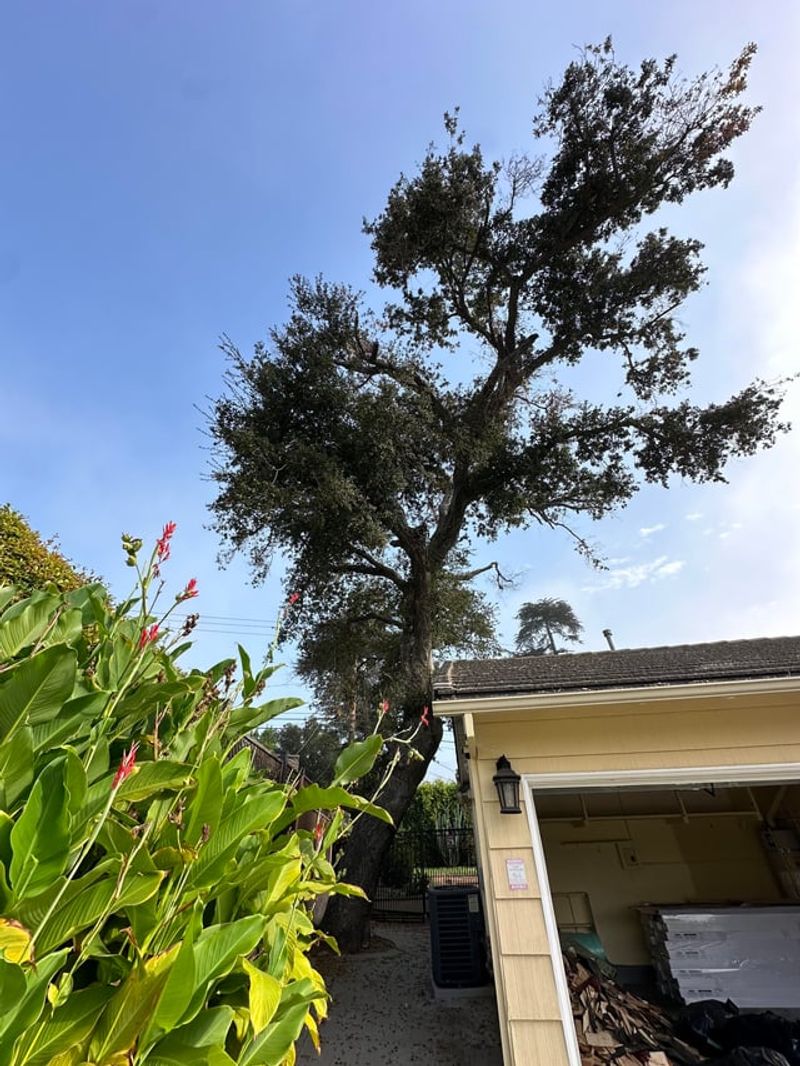
You might think that a tree that has clearly stopped living or is about to fall over would be easy to remove without any red tape.
But in many cities, even those trees require a permit before you can touch them. The rules do not always make exceptions for trees in poor condition.
The reasoning behind this rule is that cities want to verify the tree’s condition before it is removed. Just because a tree looks unhealthy to you does not mean a professional would agree.
Some trees that appear to be in bad shape can actually be treated and saved.
A certified arborist can write a report confirming the tree is beyond saving or poses a genuine hazard. This report is often required as part of the permit application for a tree in poor condition.
Without it, your city may not approve the removal.
Emergency situations are sometimes handled differently. If a tree has already fallen or is about to fall on a structure, many cities allow emergency removal without prior approval.
However, you are usually required to notify the city within a short time after the work is done.
Keep all documentation from emergency removals, including photos, arborist notes, and any invoices from tree service companies. Having a clear paper trail protects you if questions come up later.
Always follow up with your city to make sure you have met all the requirements after the fact.
8. HOAs Can Add Another Layer
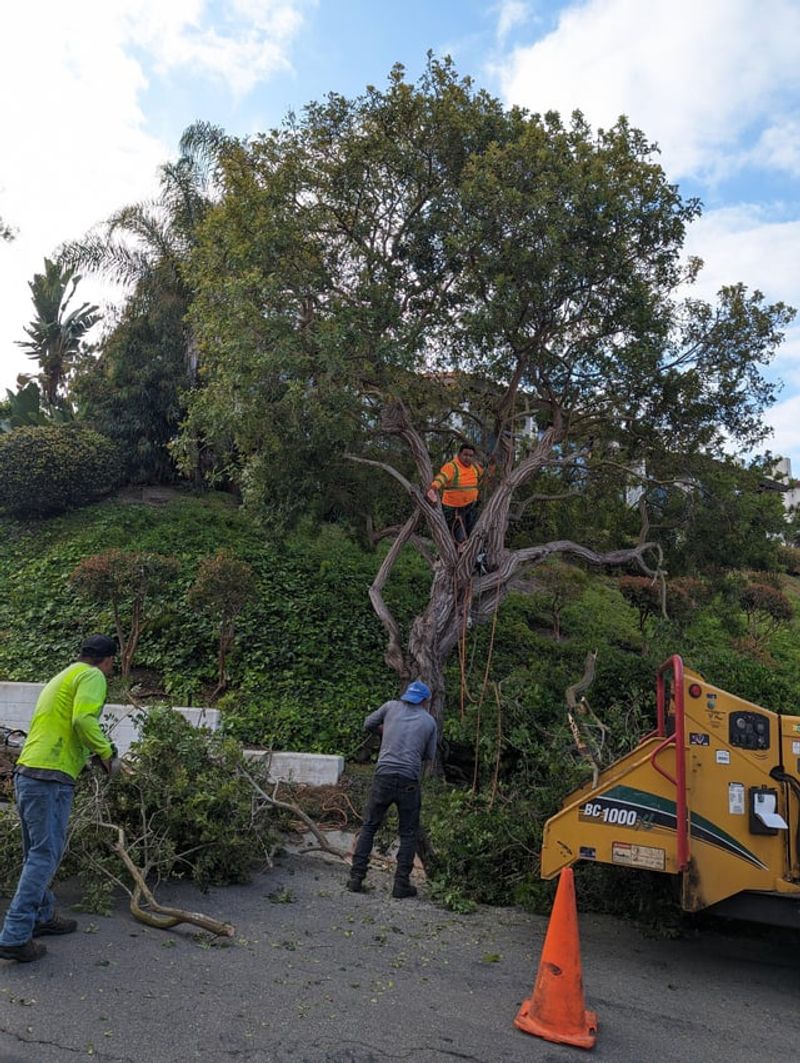
Living in a community with a homeowners association adds yet another voice to the conversation about tree removal.
Even if your city does not require a permit for a particular tree, your HOA might have its own rules that you still have to follow.
Ignoring them can lead to fines or legal disputes with your association.
HOAs often have detailed landscaping guidelines that cover tree removal, trimming, and planting. Some require written approval from the HOA board before any tree work is done.
Others may require you to use only approved contractors for the job.
The tricky part is that HOA rules and city rules operate independently. You might need approval from both before you can legally remove a tree.
Getting city approval does not automatically mean your HOA is on board, and vice versa.
If you are unsure about your HOA’s tree rules, start by reading your community’s CC&Rs. That stands for Covenants, Conditions, and Restrictions.
It is the main document that outlines what homeowners can and cannot do with their property.
If the language in the CC&Rs is unclear, reach out to your HOA board or property management company directly. Ask them to clarify the process in writing before you do anything.
Having written confirmation of what is allowed protects you from future disputes and keeps the whole process clean and above board.