Indiana Has A Venomous Mammal Smaller Than A Mouse And It Stays Active All Winter
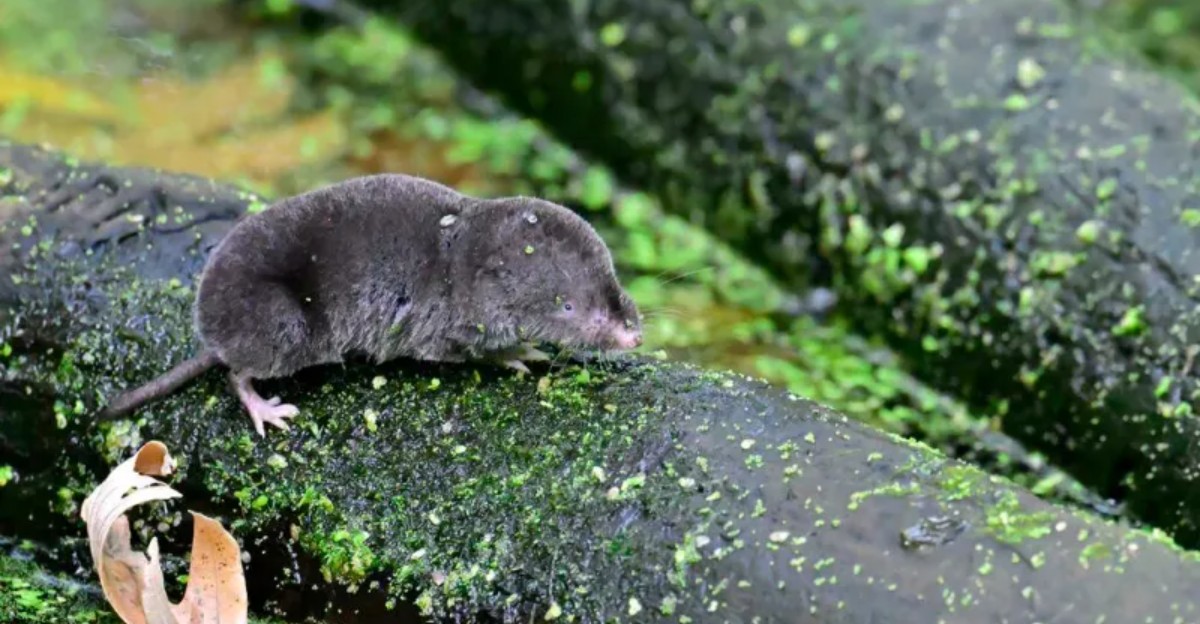
A furry animal weighing less than an ounce can paralyze a snail with one bite. It does this with venomous spit, and it hunts in the dark under your snowy garden beds.
Not going to lie, I had to read that twice. Venom belongs to snakes and spiders in my head, not to something with whiskers and velvet fur.
This little Indiana neighbor skips hibernation. While the tomato cages lean in the cold and the bird feeders swing, it keeps tunneling through leaf litter and snow. It eats so often that a long nap is not an option.
I’m the first to admit I once blamed every tiny gray critter on mice. Then I learned how wrong I was, and my winter garden suddenly felt a lot more crowded. So who exactly is running laps under your mulch right now?
That Tiny Gray Critter Under Your Mulch Isn’t A Mouse
Lift a frosty board in the garden, and something small and slate-gray might bolt for cover. Most of us shout mouse and move on. I did that for years.
Look closer next time. The animal is about 4 to 5 inches long, tail included, and weighs roughly half an ounce to an ounce. Its fur is thick, soft, and dark gray, almost like velvet.
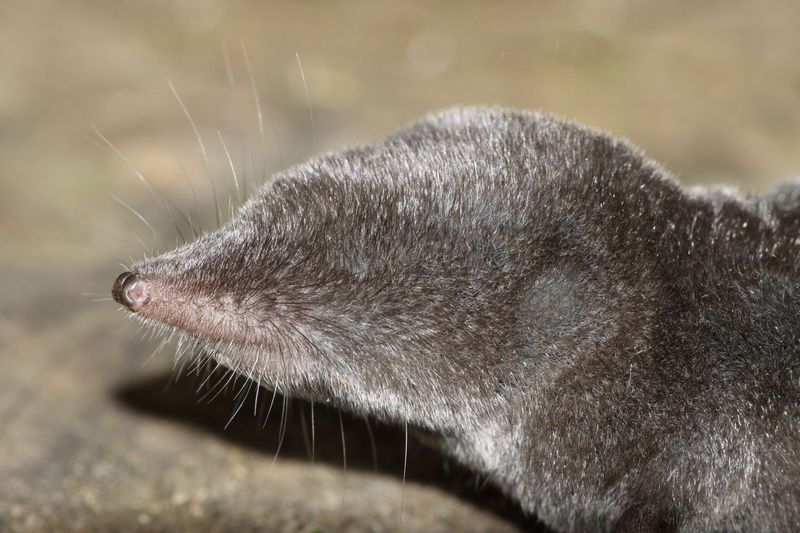
The face gives it away first. Instead of a rounded mouse face with big eyes, you see a long, wiggly snout and eyes so tiny they nearly vanish in the fur. The ears hide too.
Then there is the tail. It looks short and stubby, about a quarter of the body length or less. A house mouse or deer mouse carries a tail nearly as long as its body.
It is not a rodent at all. It belongs to a separate group of insect-eating mammals, closer in family terms to moles than to mice.
Trust me, once you see the difference, you will spot it again. Those quick gray blurs near your compost pile or under the hostas in winter may not be the pests you feared. They could be something far more interesting.
The Northern Short-Tailed Shrew Carries Venom In Its Spit
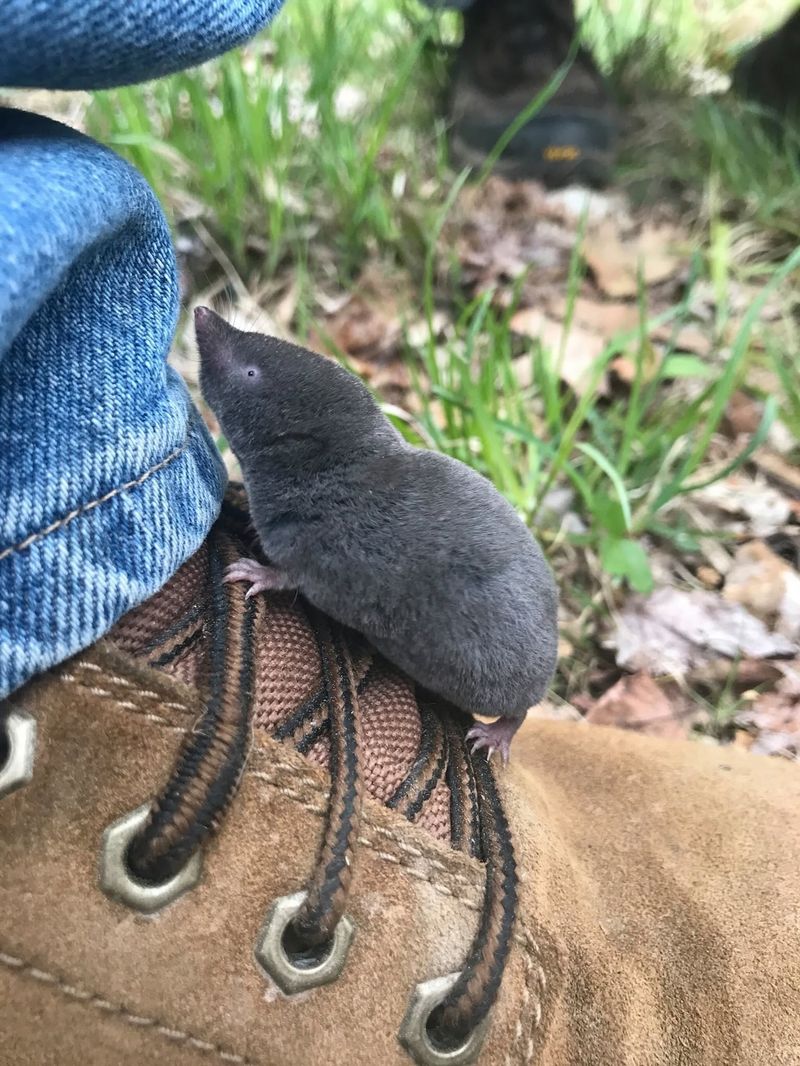
Few mammals on Earth make venom, and one of them lives across Indiana. Meet its real name: the northern short-tailed shrew, or Blarina brevicauda.
Its venom comes from glands under the jaw. The saliva flows along grooves near its lower front teeth, and a bite works the toxic spit into the prey. Scientists have found compounds in it that slow down nerves and muscles.
That is how such a small hunter handles beetles, snails, earthworms, and sometimes even mice or young frogs. Prey can be stunned or paralyzed instead of fighting back.
So should you worry? Not really. These shrews rarely bite people, and it usually happens only when someone grabs one with bare hands.
People who have been bitten describe burning pain and swelling that can last for several days. It is unpleasant, but it is not considered a serious medical danger for healthy adults.
My advice is simple. Admire them, but wear gloves if you need to move one out of a window well or garage. And keep curious kids and dogs from poking at any shrew they find.
Fun fact: the venom is being studied by researchers for possible medical uses.
Snow Tunnels Keep This Shrew Hunting Straight Through Winter
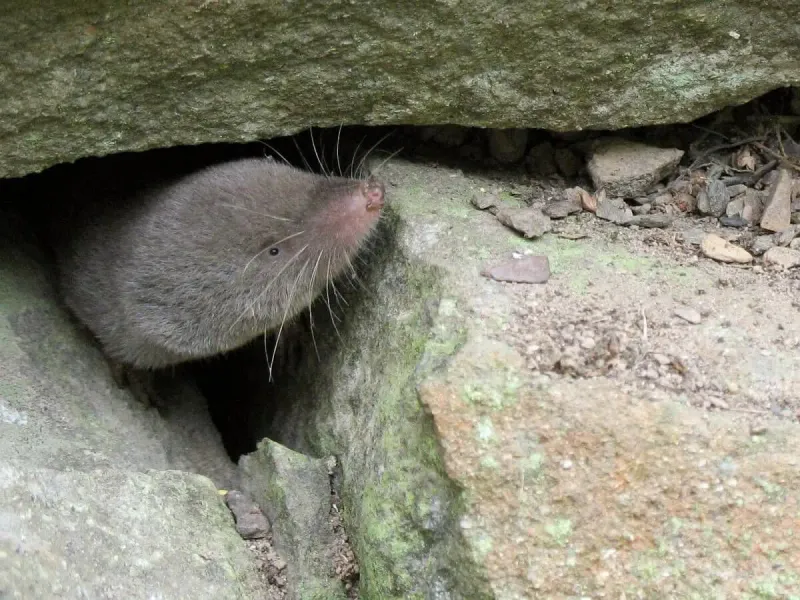
Hibernation is not on the menu. Northern short-tailed shrews stay active all winter, day and night, in short bursts of hunting and resting.
Snow actually helps them. Under a blanket of snow, the ground stays warmer and calmer than the air above. Shrews run along tunnels in leaf litter, soil, and the space under the snowpack, where wind cannot reach.
Their bodies burn fuel fast. A shrew this size has a racing heart and a very quick metabolism, so it eats many times a day. Some sources say it can eat about its own body weight or more daily, especially when cold.
They also build cozy nests of grass and leaves underground. Some research suggests these shrews even shrink a bit in winter to save energy, a strange trick seen in several shrew species.
In early spring, look for narrow runways in the matted grass as snow melts. Many of those little trails belong to voles, but shrews often use them too.
Here is something I love about it. While my garden feels asleep from December to March, a tiny hunter is still on patrol beneath my boots.
Slugs And Grubs Are On This Little Hunter’s Menu
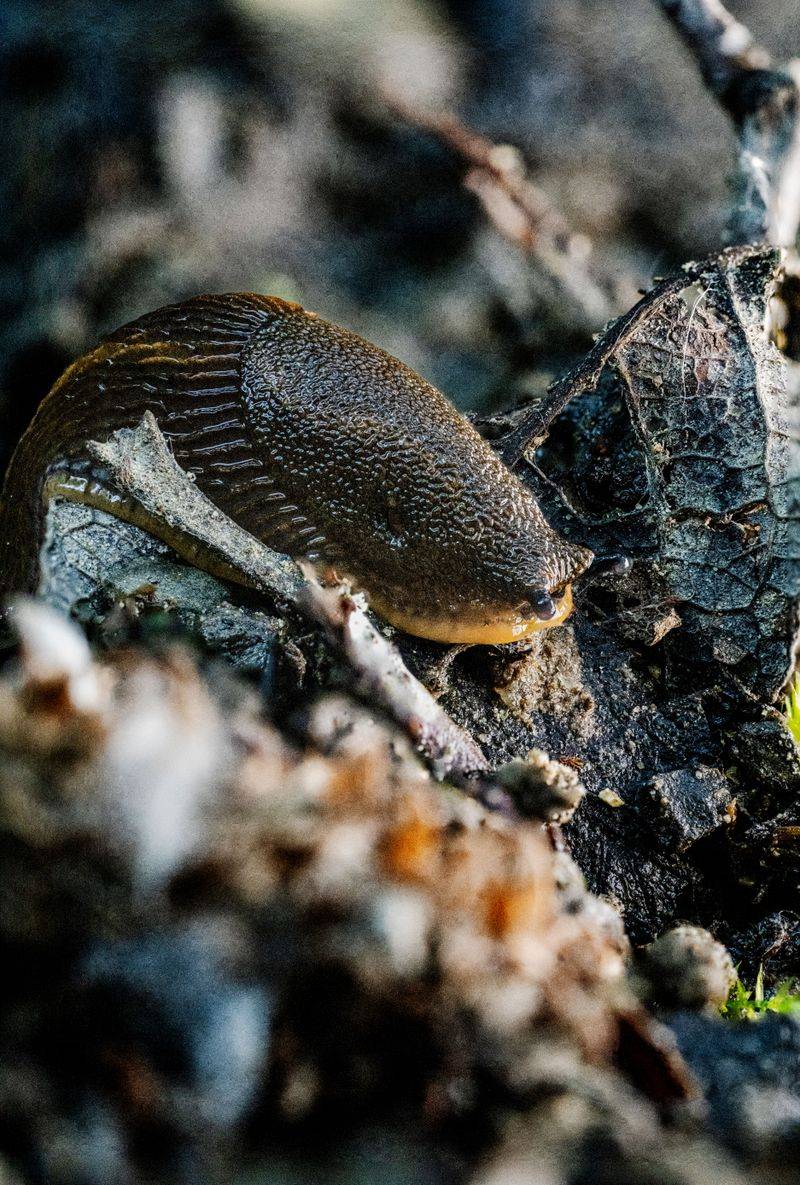
Gardeners, this part made me grin. The short-tailed shrew eats plenty of the critters that chew on our plants.
Its diet includes beetles, beetle grubs, caterpillars, crickets, slugs, snails, millipedes, spiders, and earthworms. It may also eat seeds and fungi now and then, and sometimes small vertebrates such as mice.
Snails get special treatment. The shrew can paralyze them and stash them in underground food caches. A stunned snail stays fresh for later, like a living pantry.
Does that mean a shrew will clean up all your slug troubles? No single animal does that. But a healthy shrew population adds steady, free pressure on pests, especially in mulched beds and near woodland edges.
They also eat earthworms, which we like. That is a fair trade in my book, since worms are plentiful in good soil.
One practical tip stands out. Skip broad poison baits for mice and slugs when you can. Shrews may eat poisoned prey or bait, and that can harm the very helpers working for you.
Instead, try hand-picking slugs, using beer-free traps like boards, and keeping a little leaf litter for the good guys.
Shrews Click Like Tiny Bats To Find Their Way
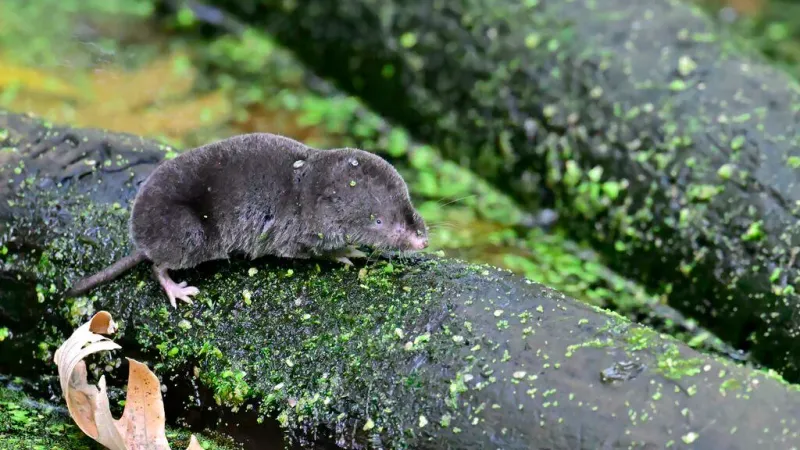
Tiny eyes do not leave this animal lost. Northern short-tailed shrews make high-pitched clicks, and studies suggest they use the echoes to sense their surroundings.
It is a simpler system than a bat’s, but the idea is similar. Sound bounces off tunnel walls, roots, and rocks, helping the shrew move through dark spaces. Its sensitive whiskers and sharp sense of smell do much of the work too.
Its eyes can mostly tell light from dark. In a world of soil and fallen leaves, that is often enough.
You may even hear them. On a quiet evening, some people notice faint twittering or squeaks from a woodpile or thick ground cover. That might be a shrew talking, scolding, or hunting.
I’ll say this much, I spent one fall evening crouched by my compost bin like a detective. I heard tiny chirps and never saw a thing.
Shrews also mark their paths with scent. Glands on their sides give off a musky odor that may help them keep track of territory.
If you have a pond, brush pile, or shaded corner, sit still for a few minutes at dusk and simply listen.
That Musky Smell Makes Many Predators Pass On Shrews
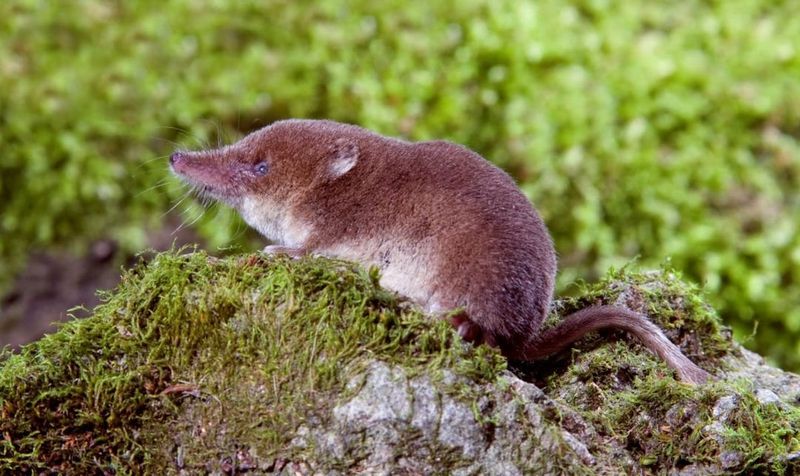
Ever found a tiny gray body on the porch, untouched by the cat that caught it? There is a smelly reason.
Shrews have scent glands on their flanks that produce a strong musky odor. Many mammal predators, including house cats and foxes, often seem to dislike the taste. They may catch a shrew and then leave it uneaten.
Birds play by different rules. Most birds have a weak sense of smell, so owls and hawks eat shrews regularly. Snakes take them too.
Owl pellets often contain shrew skulls. The teeth have reddish-brown tips, a feature that helps scientists and curious students identify them.
Those rust-colored teeth come from iron in the enamel. It is thought to make the teeth tougher, which helps with crunchy beetles and snail shells.
If your outdoor cat brings one home, you are not seeing anything unusual. Keeping cats indoors helps local shrews, songbirds, and other small wildlife.
Also, wash your hands after handling any wild animal, even a lifeless one. Wear gloves and bury it or bag it for the trash. That keeps things clean and simple for you and your family.
Leave Some Leaf Litter And Let Your Garden Shrews Work
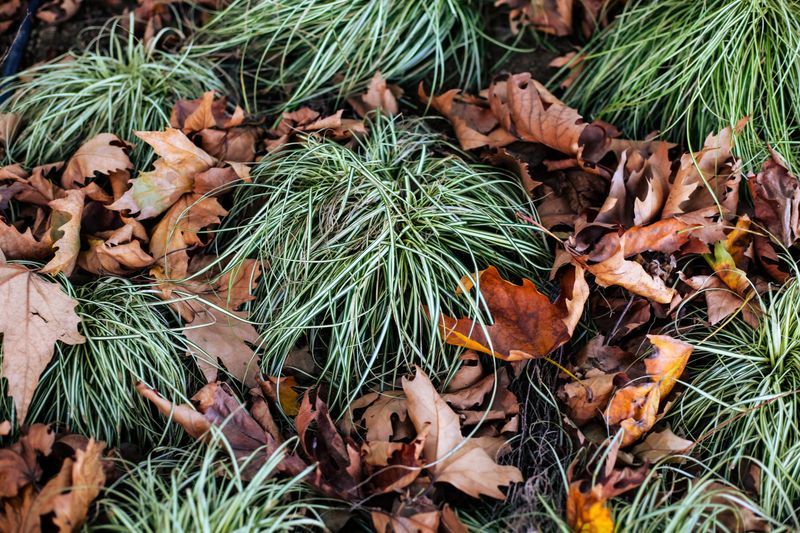
Want more shrews on your pest patrol? The answer looks a little messy, and I love that.
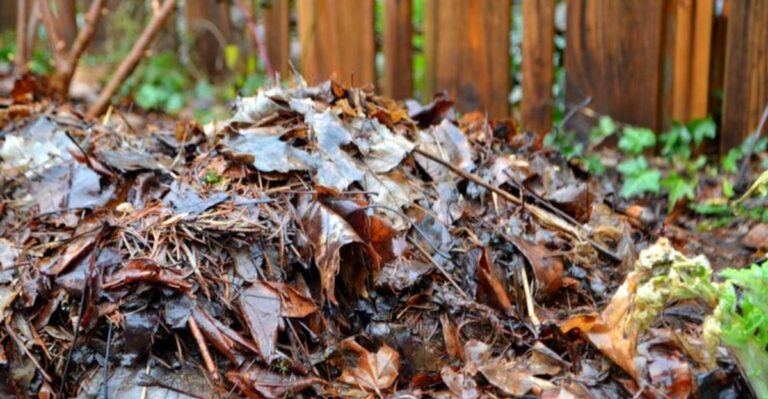
Leave some fallen leaves under shrubs and in perennial beds. Keep a log or brush pile in a back corner. Moist, shaded ground with plenty of cover is prime shrew habitat across much of Indiana.
Native plants help too. Beds of species like wild ginger, ferns, and sedges in shady areas support insects and keep the soil cool and damp.
Cut back on pesticides and rodent poisons. Snap traps placed inside enclosed boxes or indoors only are safer for wildlife than loose bait outside.
Sometimes a shrew wanders into a basement, shed, or garage when it gets cold. Seal gaps around doors and foundation cracks. If one gets in, guide it out with a container and a piece of cardboard while wearing gloves.
They rarely chew wires or raid stored seed the way mice often do. Mostly, they want bugs.
So this winter, take a slow walk past your garden beds. Somewhere under that frosty leaf layer, a venomous little friend is busy keeping tomorrow’s pests in check, and that is worth celebrating.