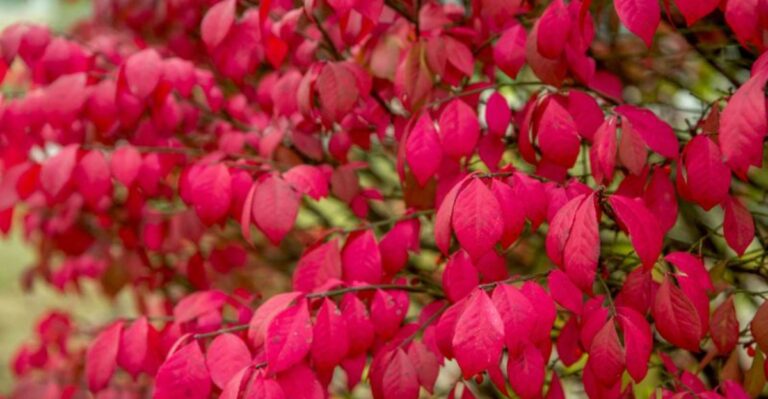
Wrinkled Wild Persimmons In Southern Indiana Are Finally Ready To Pick
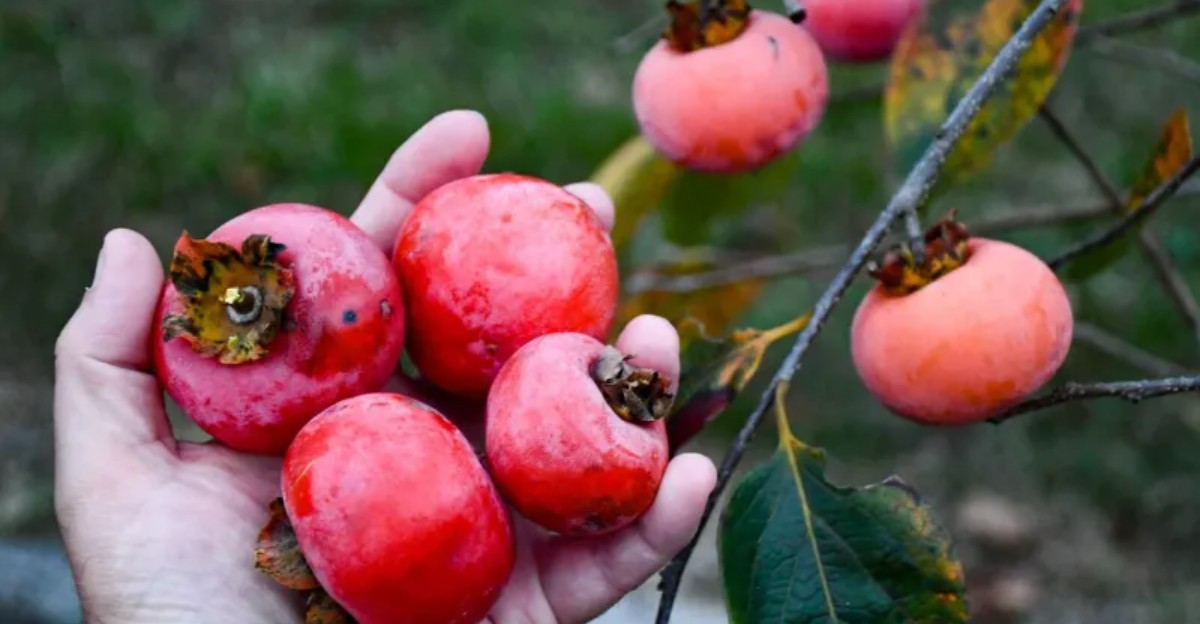
Some fruits look their best when they are shiny, plump, and smooth, like a polished apple on a teacher’s desk. Out in the woods of southern Indiana, one orange fruit does the opposite and tastes sweeter as it softens.
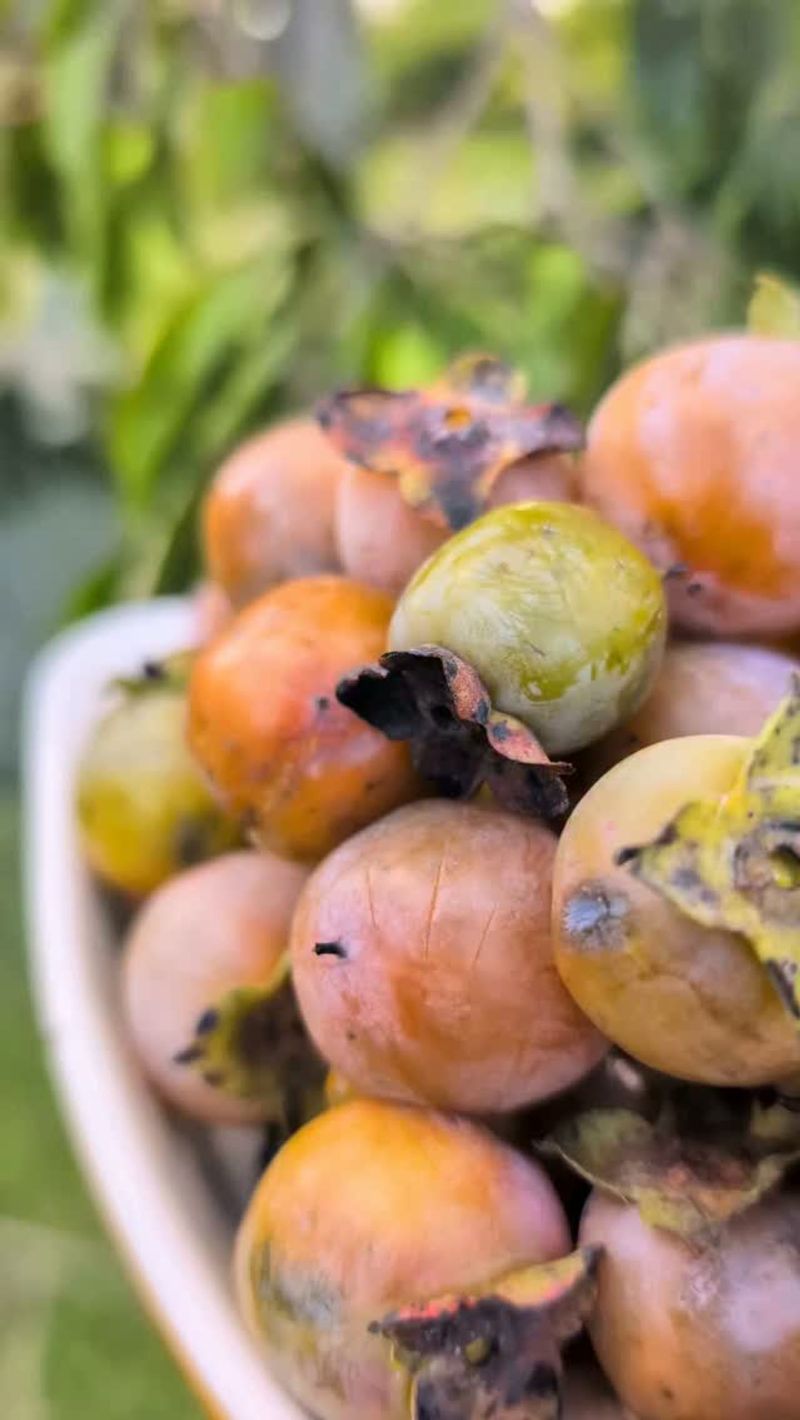
Its skin turns soft, saggy, and a little wrinkly, almost like a forgotten balloon left behind after a party. Most people would toss something that looks so tired, but local foragers grin and reach for a basket.
Bite into one too early, and your mouth puckers like you just licked a dusty chalkboard eraser by mistake. Wait for the right moment, though, and the flavor tastes like honey, apricot, and warm spice rolled together.
Early fall in Indiana brings cool mornings, crunchy leaves, and the soft thump of fruit hitting the ground. Grandparents remember gathering these sticky gifts by the bucketful, and many families still keep that tradition alive.
Raccoons, deer, and opossums know the secret too, so the race to the tastiest treats starts early. Whoever reaches the trees first after a chilly night usually finds the best fruit.
Soft Wrinkled Fruit Signals Peak Sweetness
Picture a fruit that looks like it sat in a sunny window for weeks, yet tastes amazing. Wild persimmons in southern Indiana reach their best flavor right when their skins start to wrinkle and sag.
The American persimmon, known to scientists as Diospyros virginiana, grows on tall trees across the Hoosier hills. Its fruits are small, usually about the size of a golf ball, with a glowing orange or reddish color.
Before ripening, each fruit is packed with tannins, the same natural compounds that make strong tea taste dry. As the fruit softens, those tannins break down, and sugars take over to create a rich, custardy treat.
A ripe persimmon feels squishy, almost like a water balloon, and the skin may look dull or slightly bruised. Many ripe ones drop on their own, so the ground beneath the tree is often the best place to look.
Color offers another clue, since fully ripe fruit turns a deep orange with hints of purple or brown. Firm, bright, and smooth fruits might look prettier, but they usually need more time on the branch.
Foragers often joke that the uglier the persimmon looks, the happier your taste buds will feel afterward. That silly saying holds true more often than not, especially during the cool, crisp days of early October.
Give a fruit a gentle squeeze, and if it feels like soft jelly inside, it is ready to enjoy. Wrinkles, sagging skin, and a sweet smell all point to a fruit that has finally reached its peak.
Early October Timing In The Hoosier Hills
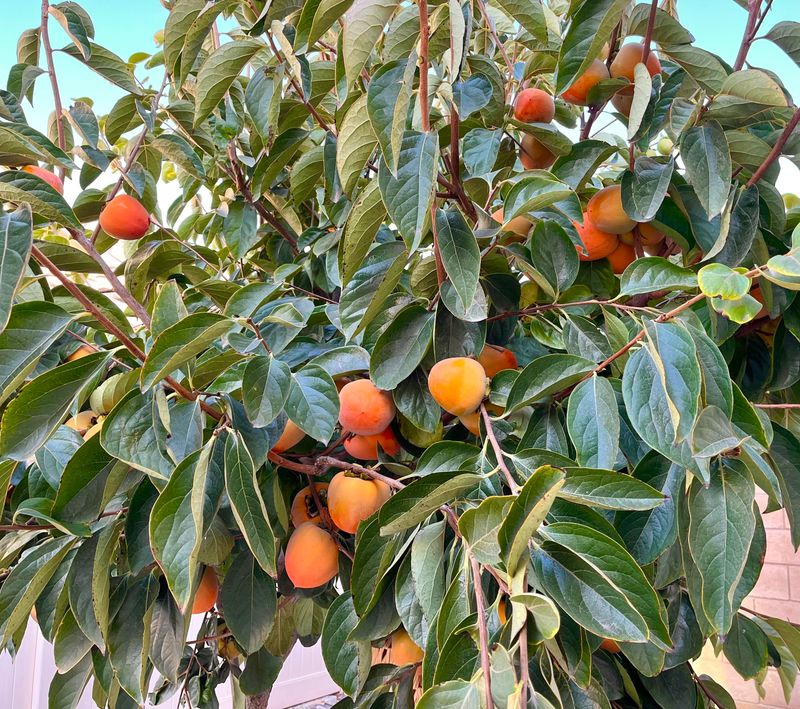
Ask any longtime forager in Brown County, and you will likely hear stories about waiting for the first frost. Old tales say frost sweetens the fruit, but science tells a slightly different and more interesting story.
Persimmons can ripen without frost, since the change mostly depends on how long the fruit has been growing. Cold nights may help soften the skin, yet warm autumn afternoons do plenty of the ripening work too.
Your Indiana Garden Changes Every Week. Your Plan Should Too.
Gardening in Indiana changes quickly throughout the season. Every Friday you’ll receive a simple weekly plan showing exactly what to plant, prune, fertilize, harvest, and protect so you never miss the right timing.
In southern Indiana, the main picking window usually opens in late September and stretches well into November. Early October often marks the sweet spot, when many trees start dropping fruit in steady little bunches.
Some trees ripen earlier than others, so a single grove can offer fruit for several weeks in a row. Keep notes on which trees drop first, and you can plan your visits around them next season.
Weather plays a big role, since crop size and ripening time can shift from year to year. Storms can also knock unripe persimmons down before they are ready.
Visiting your favorite spot every few days works better than waiting for one perfect weekend to arrive. Wildlife clears fallen fruit quickly, and a sweet pile one morning may vanish by the next afternoon.
Mitchell, Indiana, even hosts a persimmon festival each September, which shows how much locals love this harvest. By early October, the excitement continues as families head into the woods hoping to fill their buckets.
The Unripe Bite Mistake
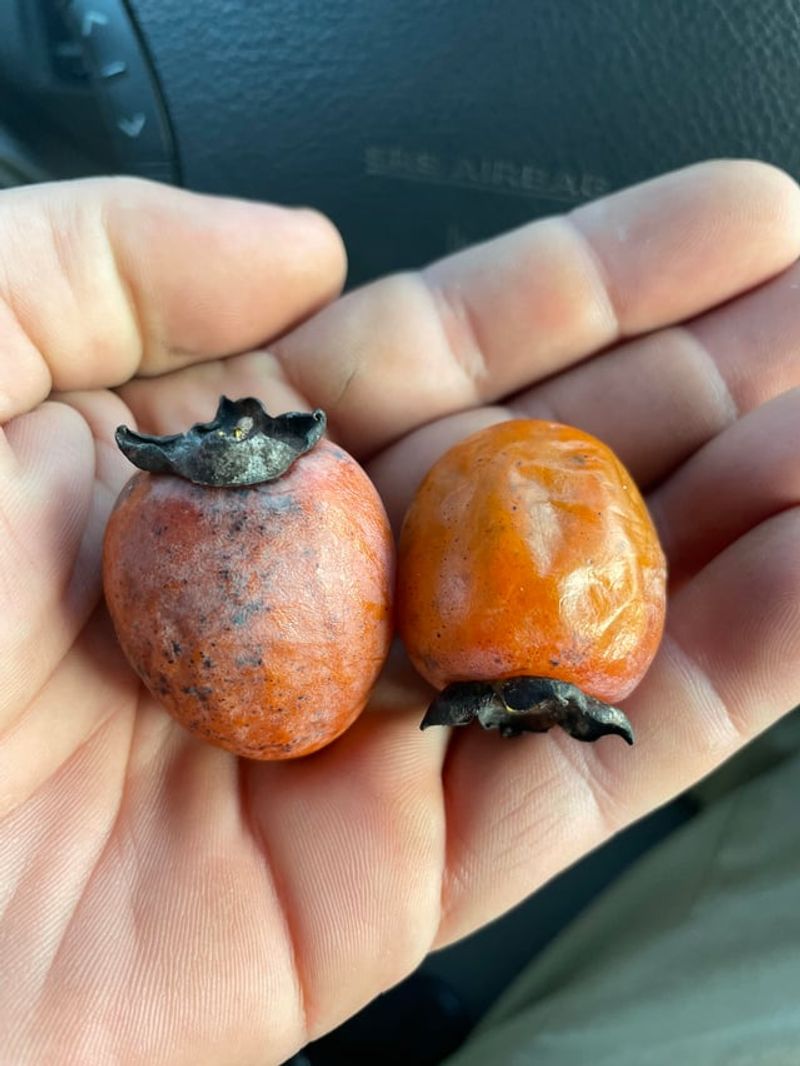
One brave nibble of an unripe persimmon can teach a lesson that sticks with you for a very long time. Your tongue feels fuzzy, your cheeks pull tight, and your mouth seems to dry out in a few seconds.
That harsh feeling comes from tannins, which bind to proteins in your saliva and leave a chalky coating behind. Early colonial writers in the 1600s noted that green persimmons could twist a person’s mouth with discomfort.
Many first-time pickers make the same error by grabbing fruit straight off the branch because it looks pretty. Firm, bright orange persimmons seem perfect, but they often hide that bitter surprise beneath their smooth skins.
Shaking a branch too hard is another common slip, since it sends unripe fruit tumbling down with ripe ones. Mixing them together in one bucket can make sorting harder and may lead to a sour bite later.
Taste testing should start with the softest fruit you find, preferably ones that have dropped on their own. Split a fruit open first, and look for glossy, jelly-like pulp instead of pale, firm flesh inside.
If you bite a sour one, a sip of milk may help ease the feeling. The puckery sensation fades within a few minutes, though your pride might take a little longer to recover.
Patience pays off with wild persimmons more than almost any other fruit you can pick in Indiana woods. Waiting just a few extra days can turn a mouth-puckering mistake into a sweet and memorable snack.
Gentle Gathering Off The Forest Floor
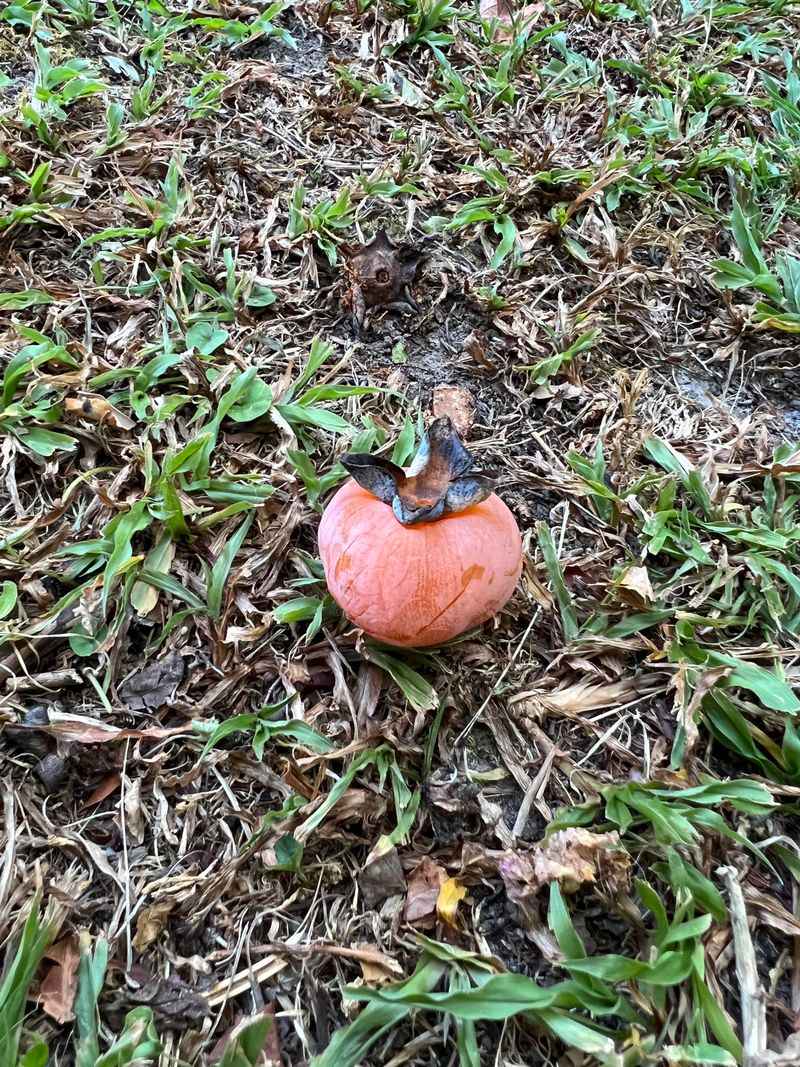
Grab a bucket, a pair of gloves, and some old shoes, because persimmon picking gets wonderfully messy fast. Ripe fruit often bursts when it lands, so expect sticky orange pulp on your fingers and maybe your sleeves.
Laying an old bedsheet or tarp under a tree overnight makes collecting much easier the next morning. Fallen fruit stays cleaner on fabric, and you can simply fold the corners together to gather your haul.
A gentle shake of a low branch can bring down extra ripe fruit without harming the tree itself. Only shake lightly, since ripe persimmons let go easily while unripe ones hold on tight to their stems.
Shallow containers work better than deep ones, because soft fruit squashes under its own weight in tall piles. Egg cartons, baking trays, or wide baskets help protect your harvest during the bumpy ride back home.
Before you head out, ask permission if the trees sit on private land, and follow rules in state parks. Hoosier National Forest generally allows small personal gathering, but checking the current rules first is a smart move.
Watch your step around fallen fruit, since bees and wasps love sweet pulp on warm October afternoons. Wearing closed shoes and looking down before reaching helps you avoid an unwelcome sting while you gather.
Leave some fruit behind for the deer, foxes, and raccoons that depend on this autumn feast too. Sharing the bounty with wildlife keeps the woods healthy and makes your trip feel even more rewarding.
Pulp For Pudding Season
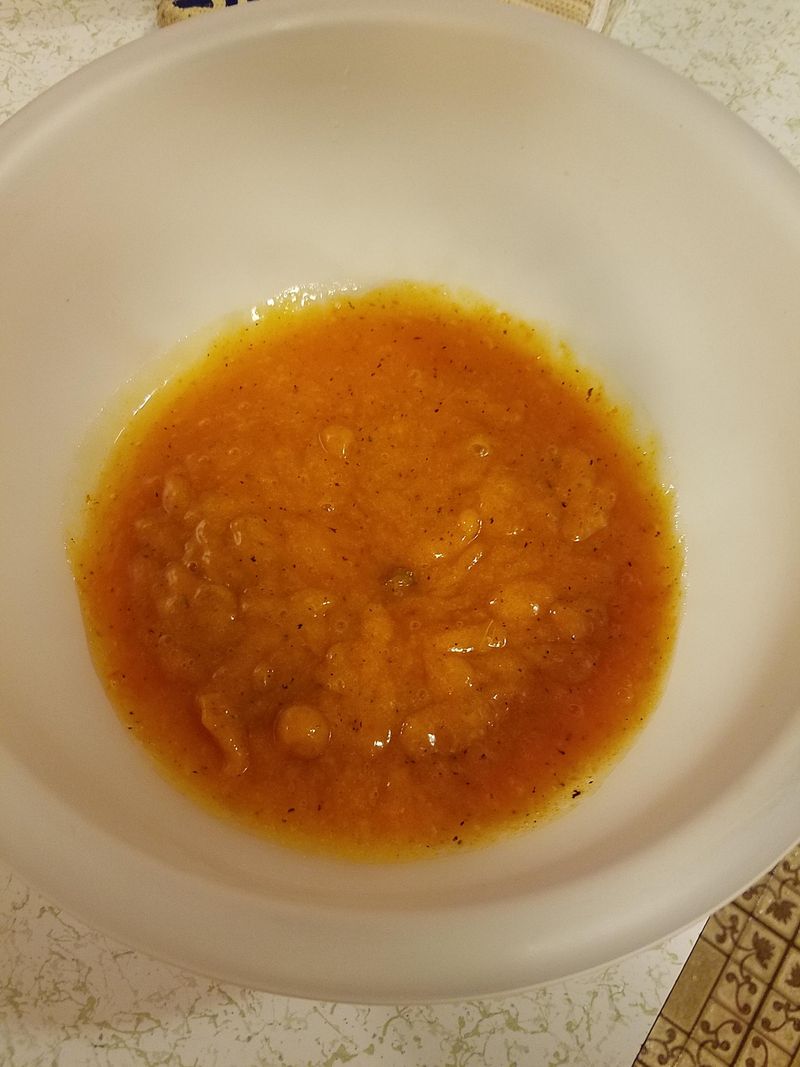
Persimmon pudding baking in a Hoosier kitchen on a chilly fall evening fills the house with a cozy scent. Warm spices, brown sugar, and that rich orange pulp make the whole kitchen feel inviting.
Turning your harvest into pulp is the first step, and a food mill or sturdy colander works wonders. Press the soft fruit through the holes, leaving seeds, skins, and stems behind in the strainer above.
Each wild persimmon holds several flat seeds, so expect a bit of work to get a full cup. Expect a few quarts of ripe fruit to produce a few cups of pulp, since the seeds take up a lot of space.
Fresh pulp should be used within a few days, since it can darken and lose flavor in the fridge. Freezing works well, so pack pulp into labeled bags and store it for holiday baking later this season.
Persimmon pudding is the classic choice, with a texture somewhere between moist cake and soft, dense brownie. Bread, cookies, muffins, and even pancakes also taste wonderful with a scoop of pulp stirred into the batter.
Some families add a squeeze of lemon to keep the pulp bright, though many skip it without problems. Others swear by old recipe cards passed down from grandparents, splattered with years of happy baking stains.
Fun fact, Native American cooks dried persimmon pulp into flat cakes many generations ago. Today, that same simple fruit still connects Indiana families to a long and delicious history of fall cooking.
Smart Habits For Next Year’s Harvest
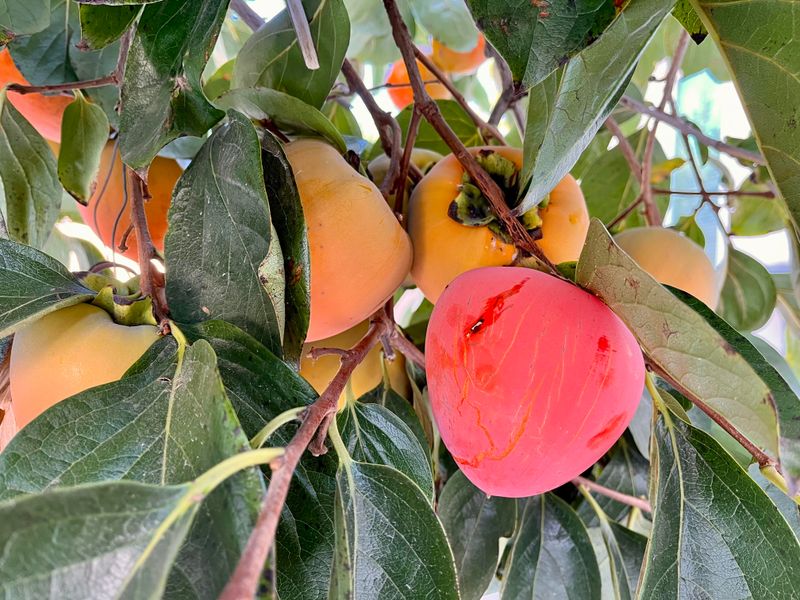
Every great persimmon season starts long before the fruit falls, with a little planning and a sharp eye. Marking your best trees this October gives you a head start when next autumn rolls around again.
Persimmon trees are mostly either male or female, and the female trees are the ones that bear fruit. Noting which trees bear fruit helps you skip empty ones and saves time on future foraging trips.
A simple notebook or phone app can track dates, weather, and the flavor of fruit from each tree. Over a few years, those notes reveal patterns that make your picking trips much more successful.
Some trees produce heavy crops one year and lighter ones the next, which is a normal natural rhythm. Spreading your attention across several trees helps you find fruit even when one favorite takes a break.
Planting your own persimmon tree is another option, and nurseries in Indiana often sell native seedlings each fall. Autumn planting gives roots time to settle before winter, though young trees may take years to bear fruit.
Protect wild trees by avoiding broken branches, carved bark, or heavy shaking that strips leaves too early. Healthy trees reward careful foragers with steady harvests, while damaged ones may struggle for several seasons.
Saving a few seeds can be fun, especially since folklore claims their inner shapes predict winter weather. A spoon, fork, or knife shape may appear inside, but the real prize is another sweet season in the Indiana woods.