5 Indiana Trees That Make The Best Firewood And 5 To Skip
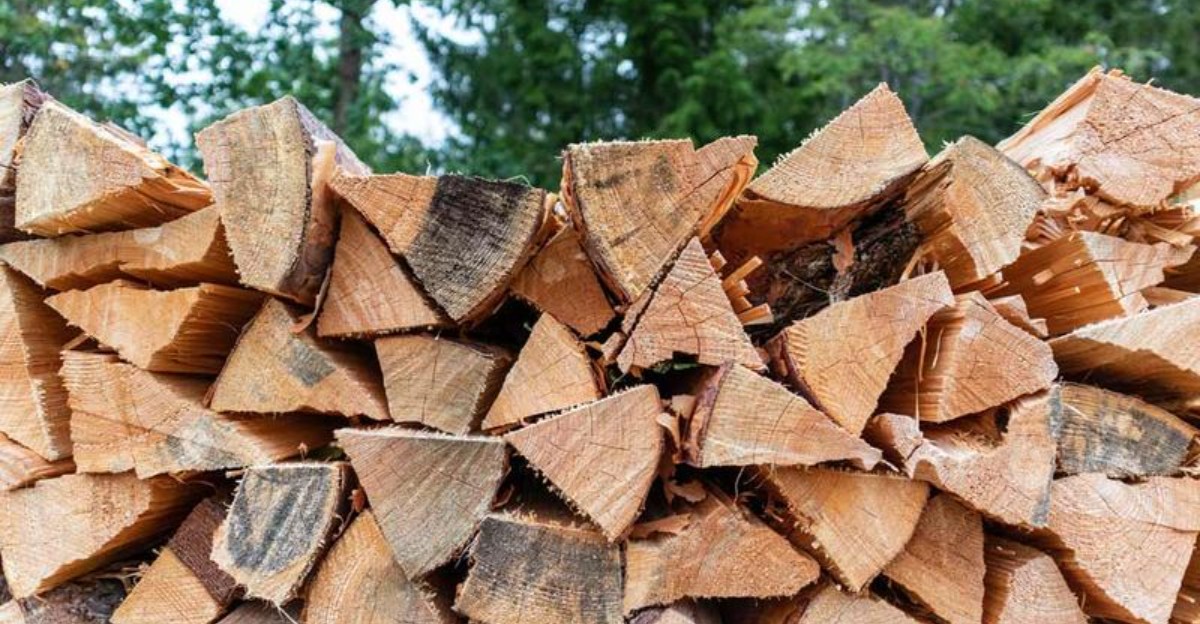
Indiana’s official state tree turns out to be one of the weaker logs you can toss into a stove. I laughed when I learned that, because I had proudly burned a whole pile of it one January.
A full cord of the densest hardwoods can pack nearly twice the heat of the lightest species. That gap means extra trips to the woodpile on frosty nights and colder toes before the sun rises.
Truth is, I used to grab whatever had fallen in the yard and call it good enough. Every fall, you probably face the same stack of mystery logs and wonder which ones deserve a spot inside.
Some backyard favorites burn hot and slow, while a few popular trees mostly hiss and smoke. So which logs earn a place by your hearth across Indiana this winter, and which belong on the brush pile?
Hickory
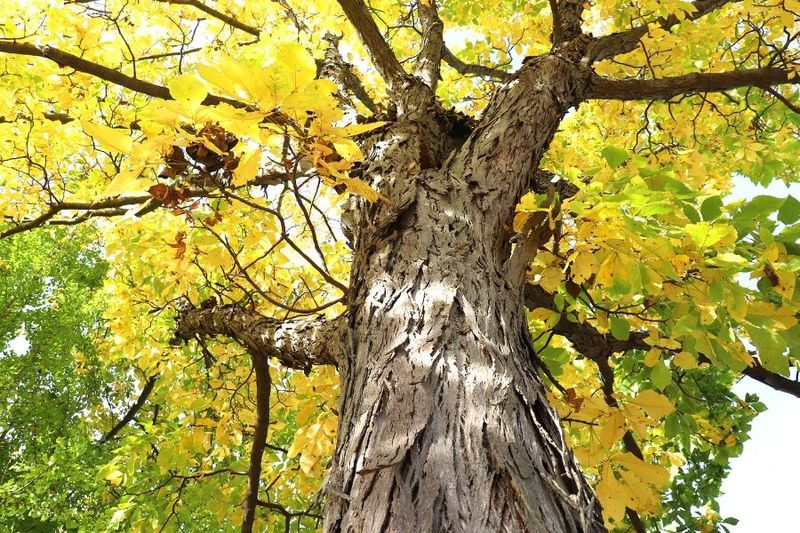
Grab a split of seasoned hickory and you’ll feel the weight right away, heavy as a brick in your gloves. That density translates into roughly 27 to 28 million BTUs per cord, among the highest numbers around.
Shagbark and shellbark hickories grow across much of the state, and their peeling bark makes them easy to spot. Bitternut and pignut hickories burn nearly as well, so any hickory in your woodlot deserves a closer look.
I’m a sucker for that faint sweet smell drifting from the chimney, the same aroma that flavors smoked bacon. Hickory also leaves a thick bed of orange coals that keeps a stove warm well past midnight.
Fair warning, though, because older hickory rounds can fight back against your maul and bounce off stubborn knots. Splitting it while green is often easier, and the fresh pieces stack neatly while they dry.
Plan on about a year of seasoning, with the split ends facing the wind and the top covered. A cheap moisture meter helps you confirm readings below 20 percent before you carry anything indoors.
Watch for hickory bark beetles in stressed trees, so burn infested wood locally instead of hauling it elsewhere. Buying or cutting firewood close to home keeps hungry pests from riding along to brand new forests.
Oak
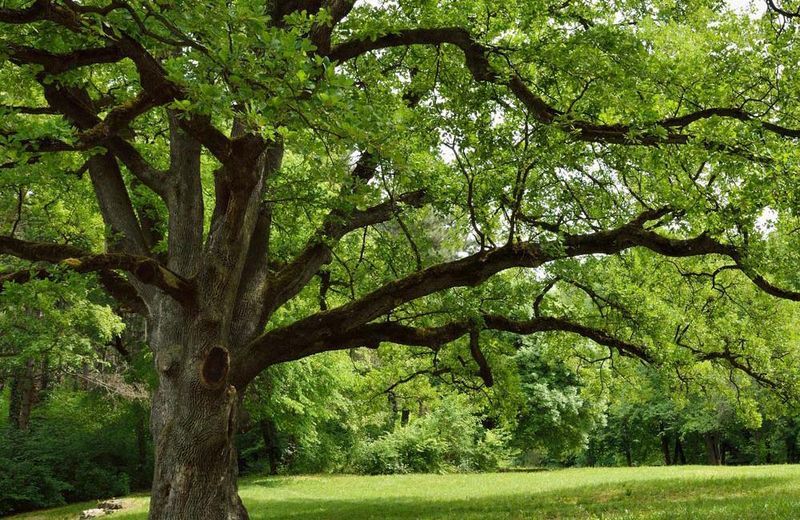
Oak is the firewood your grandparents probably bragged about, and honestly, they had every reason to brag. White oak delivers close to 29 million BTUs per cord, while red oak lands a little lower near 24.
Both groups grow well across the state, from rolling southern hills to woodlots tucked between northern cornfields. You can tell them apart by leaves, since white oaks have rounded lobes and red oaks have pointed tips.
I learned the hard way that oak tests your patience more than any other wood on this list. Freshly cut oak can hold so much moisture that it sizzles and sulks instead of catching a lively flame.
Give it at least eighteen months to two years of drying, split small and stacked off the ground. Pallets or old fence rails work nicely as a base, letting air move beneath the bottom row.
Once properly seasoned, oak burns slow and steady with few sparks and a pleasant, earthy smell. Many folks load a big oak split before bed and wake to glowing coals ready for fresh kindling.
Oak wilt is a fungal disease that affects oaks in the Midwest, especially those in the red oak group. Avoid pruning oaks during spring and early summer, when beetles that spread the fungus are most active.
Ash
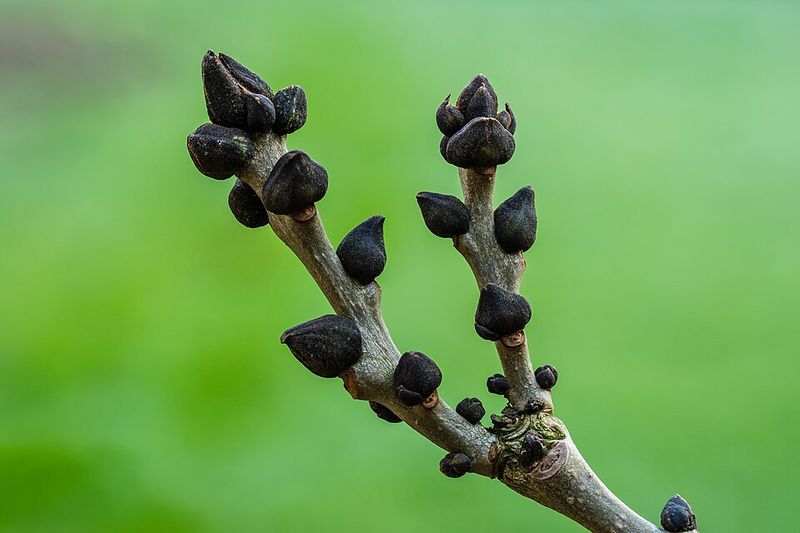
Ash might be the friendliest firewood you’ll ever meet, since it splits apart with a satisfying pop. Even freshly cut rounds tend to open cleanly, which makes a big difference after an afternoon of swinging.
White ash offers around 24 million BTUs per cord, and green ash trails slightly behind with respectable heat. It catches fire quickly and burns with a bright, tidy flame that produces very little smoke.
Ash also starts out with less moisture than most hardwoods, so it seasons faster than oak or hickory. Many burners find it ready after six months to a year, which helps when your woodshed runs low.
Not going to lie, there’s a bittersweet side to this pick that every local wood burner should know. The emerald ash borer arrived in Indiana in 2004, and it has caused huge numbers of ash trees to decline.
Because of that pest, many standing ash trees are already brittle and hazardous to fell without training. Hire a certified arborist for risky trees, especially ones leaning toward homes or overhead power lines.
Ash firewood should stay close to where it was cut, so you avoid spreading borers into healthy forests. The state DNR asks residents to buy local firewood or choose heat-treated bundles with official certification.
Sugar Maple
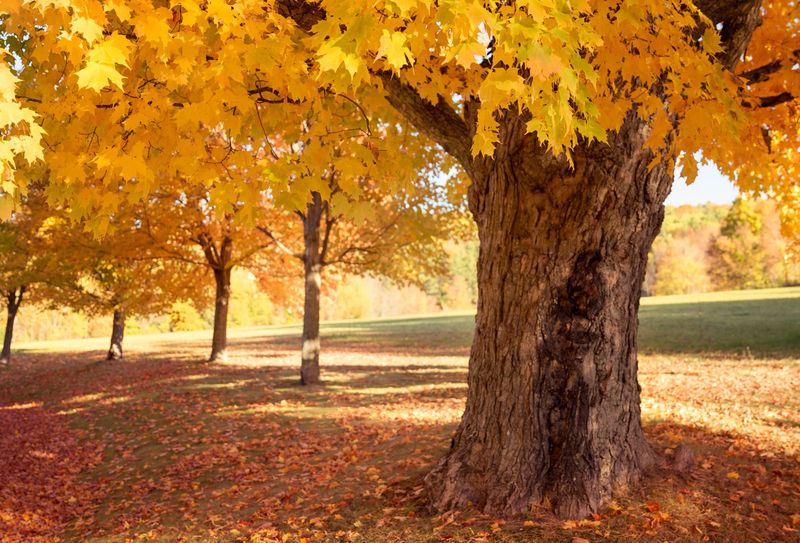
Sugar maple gives you syrup in late winter and serious heat once winter arrives, which feels like a fair trade. Woodworkers call it hard maple or rock maple, and you’ll understand why the first time you swing a maul.
A cord of seasoned sugar maple holds roughly 25 million BTUs, putting it close behind the best oaks. It burns cleanly with modest smoke and leaves a lasting bed of coals for chilly overnight stretches.
Don’t confuse it with silver maple, a softer cousin that grows fast along streams and burns much quicker. Silver maple still works for shoulder-season fires, but it won’t carry your stove through a frigid night.
To identify sugar maple, look for leaves with smooth, rounded gaps between lobes and gray, furrowed bark on older trunks. Fall color helps too, since these trees glow orange and scarlet across many Indiana hillsides in October.
Plan on about a year of seasoning, though thick splits may need longer before they burn their best. Splitting rounds soon after cutting saves effort, because the wood toughens as it dries in the stack.
I’ll say this much, a maple fire smells faintly sweet and makes the living room feel cozy fast. Save healthy sugar maples in your yard, though, since they offer shade and wildlife value for decades.
Black Cherry
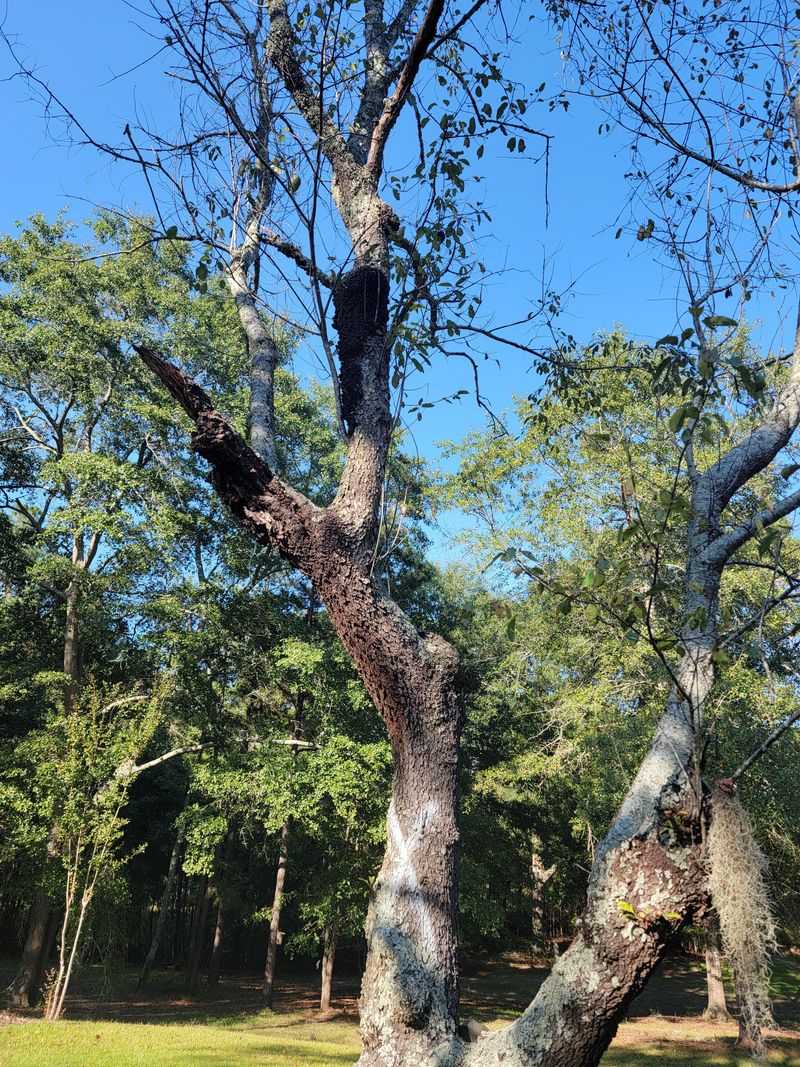
Cherry smoke drifting through a cold evening smells so sweet that neighbors sometimes wander over to ask what’s cooking. Black cherry, Prunus serotina, grows wild in fencerows and woodlots, often popping up where birds dropped seeds.
At around 20 million BTUs per cord, it sits in the middle of the pack for heat. That moderate output makes it perfect for fall evenings, when you want warmth without turning the room into a sauna.
Splitting cherry is pleasantly easy, and the reddish heartwood looks beautiful stacked beside darker oak and hickory. Most splits season in about six months to a year, depending on thickness and airflow around your pile.
Fair warning about one quirk, because cherry leaves and twigs contain compounds that are toxic to livestock. Wilted leaves are especially risky, so clean up storm-damaged branches quickly near horse pastures or cattle fields.
Bark on young trees looks smooth with horizontal lines, while older trunks show dark, flaky plates like burnt potato chips. That distinctive bark makes cherry easy to spot when you’re scouting fallen trees for winter wood.
Truth is, cherry has become my favorite wood for evenings when friends gather around the backyard fire ring. Mix it with denser hardwoods indoors, and you’ll enjoy both the steady heat and that lovely aroma.
Cherry wood also throws fewer sparks than many species, which matters when grandkids sit close to the flames. Keep a sturdy screen in place anyway, because any burning log can pop when trapped moisture escapes.
Pine
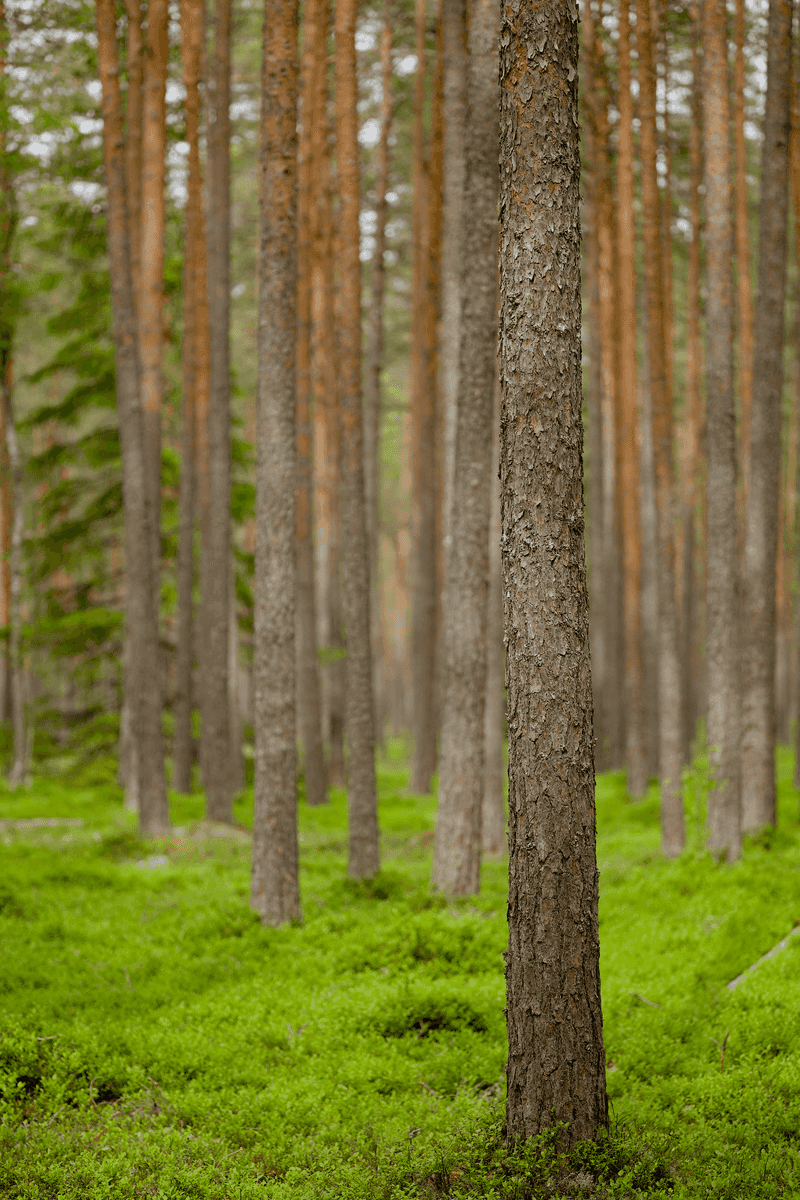
Pine smells wonderful when it first catches, filling the room with a fresh, piney scent that feels like a holiday. Sadly, that cheerful start fades fast, because eastern white pine offers only around 15 million BTUs per cord.
Softwoods like pine burn quickly, so you’ll reload the stove again and again on a chilly evening. Resin pockets also pop and spit sparks, which makes open fireplaces without screens a real concern.
Wet or poorly seasoned pine adds to creosote, a sticky buildup inside chimneys that can ignite. Any wood burned unseasoned or at low temperatures contributes to creosote, and pine is no exception.
I’m the first to admit I still keep a small bucket of pine splinters beside my stove. Thin, dry pine makes outstanding kindling, catching fast and helping heavier hardwood logs get going quickly.
Pines aren’t the main native evergreens in much of the state, though plantings of white and Virginia pine are common. Storm-damaged landscape pines often end up in firewood piles simply because homeowners need somewhere to put them.
Pine also seasons fairly fast, often within six months, since its lighter wood releases moisture readily. That speed helps for kindling, yet it still doesn’t make up for the short burn time in winter.
Have your chimney inspected yearly by a certified sweep, no matter what kind of wood fills your rack. Save pine for quick campfires outdoors, where its fast flame and sparky personality cause fewer headaches.
Tulip Poplar
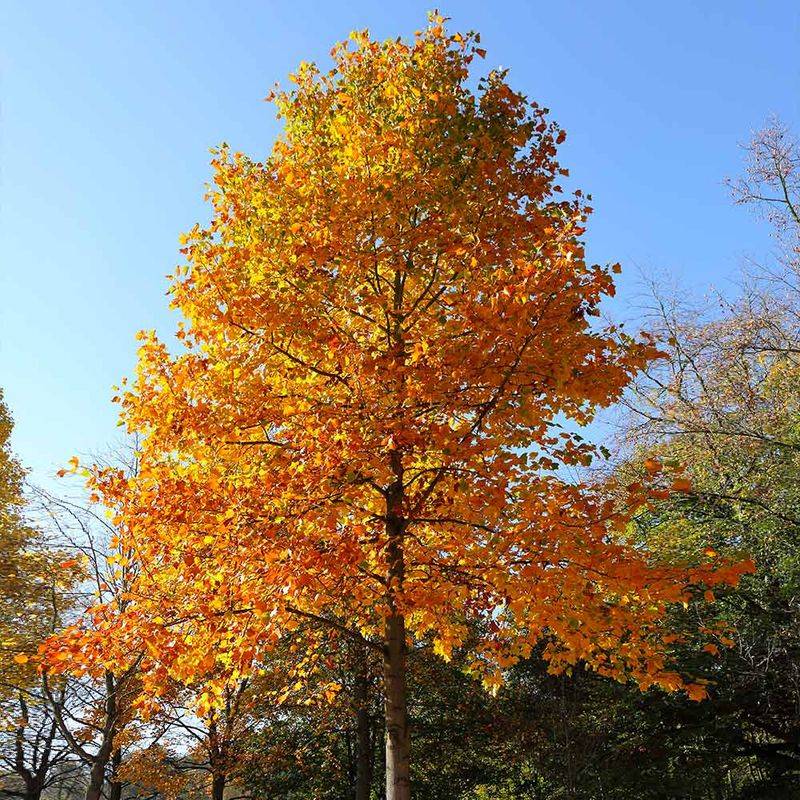
Indiana’s state tree towers over forests with tulip-shaped flowers, yet it disappoints once you toss it into a stove. Tulip tree, Liriodendron tulipifera, isn’t a true poplar, even though most folks call it yellow poplar anyway.
Its lightweight wood offers only about 18 million BTUs per cord, far below oak or hickory. You’ll see a lively flame that settles into thin coals and fades long before morning arrives.
I’m not proud of this, but I burned an entire pile of it during one January cold snap. My stove gobbled those splits like popcorn, and I spent most evenings hauling armloads from the porch.
On the bright side, tulip poplar splits easily and seasons quickly, often ready within about six to nine months. Cottonwood and aspen, the true poplars, burn even lighter and leave plenty of fluffy ash behind.
Unseasoned poplar smokes heavily, so let it dry thoroughly under cover before using it for anything. It works fine for spring and fall fires, when you need a quick warmup instead of all-night heat.
Mixing a few poplar splits with dense hardwood helps the fire catch quickly without sacrificing much overnight heat. Think of it as a helper log rather than the main star of your winter woodpile lineup.
Better yet, leave healthy tulip trees standing, because their spring blossoms feed bees and ruby-throated hummingbirds. Those tall straight trunks also provide shade and nesting spots, which adds value far beyond a woodpile.
Sycamore
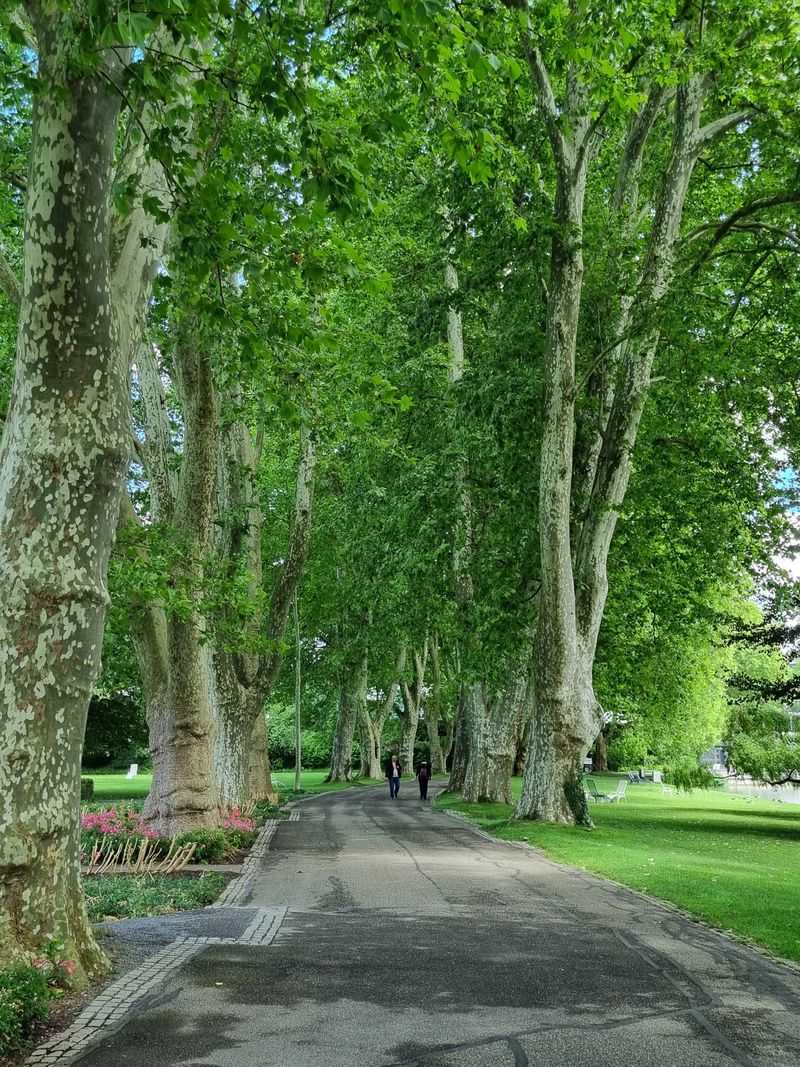
Sycamore bark peels off in patches, leaving ghostly white limbs that glow along creek banks in winter sunlight. Those gorgeous trees, Platanus occidentalis, rank among the largest hardwoods in eastern North America by trunk diameter.
As firewood, though, sycamore earns a shrug from most experienced burners, offering roughly 19 to 20 million BTUs per cord. That’s decent heat, but the real trouble starts the moment you try to split a round.
Its grain twists and interlocks, so splitting mauls often bounce off or get stuck halfway through. I didn’t expect a creekside tree to wear me out faster than a whole afternoon of raking leaves.
Sycamore also holds plenty of water when freshly cut, so seasoning often takes a full year or more. Cut it into shorter, thinner rounds, because smaller pieces dry faster and split with less wrestling.
Once dry, it burns fairly clean but leaves weaker coals than oak or sugar maple in a stove. Use sycamore for daytime fires or mix it with denser hardwoods if storms drop one in your yard.
A hydraulic splitter makes the job far easier, and many rental shops offer them by the day. Healthy sycamores provide shade and stabilize streambanks, so leave them growing whenever they aren’t causing problems.
Sycamore anthracnose, a common leaf fungus, browns spring foliage, yet trees usually recover by midsummer without help. That disease rarely justifies removal, so don’t cut a stressed sycamore just to fill your rack.
Elm
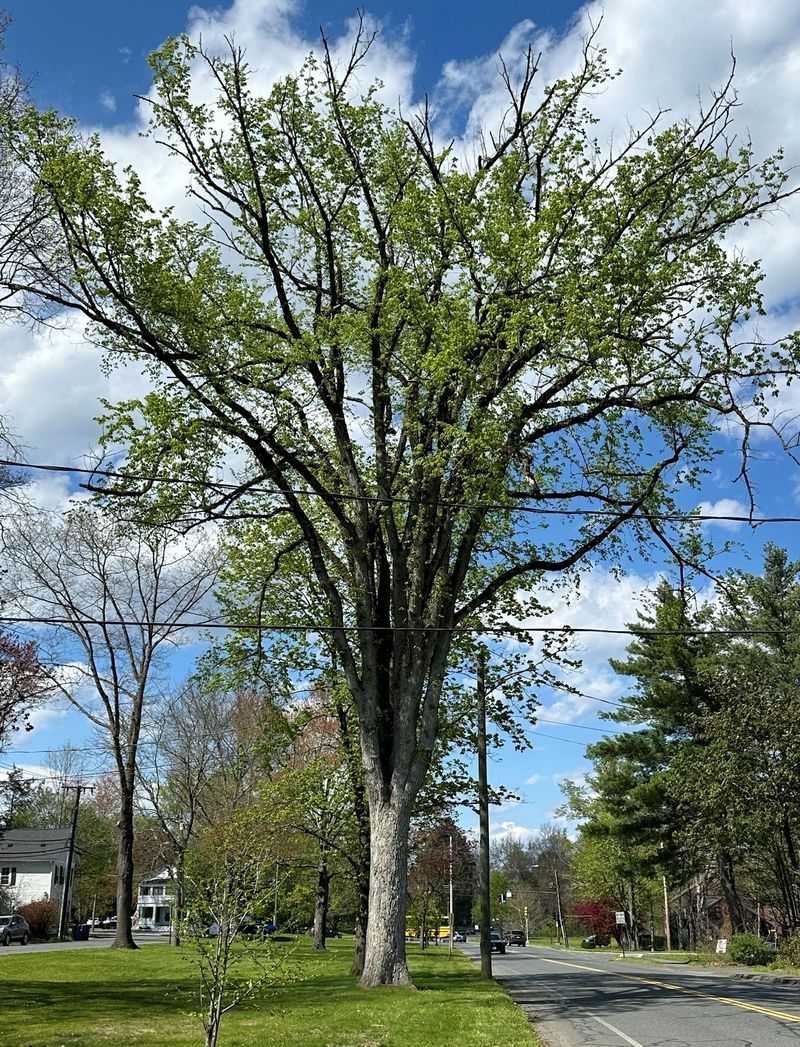
Elm splits like a bundle of wet rope, twisting and clinging no matter how hard you swing. Its fibers interlock so tightly that some folks joke the logs are stitched together with invisible thread.
American elm, Ulmus americana, delivers roughly 20 million BTUs per cord, which is honestly respectable heat output. The trouble is all the effort needed to turn a round into something that fits your stove.
Dutch elm disease swept through the region decades ago, and it still causes many elms to decline. Those standing snags often dry on the stump, so people assume the wood is ready to burn.
Bark on those snags can hide beetles that spread the fungus, so keep elm wood near its source. Removing the bark or burning the wood promptly helps reduce the chance of passing disease to healthy trees.
I get it, free wood is tempting, especially when a neighbor offers a whole elm for the hauling. Just bring a hydraulic splitter, or plan on burning large chunks whole in an outdoor fire pit.
Some burners notice an unpleasant odor from elm, often described as musty, especially when it isn’t fully seasoned. Season split elm for about a year, and you’ll reduce both the smell and the sputtering smoke.
Siberian elm, an invasive species, spreads aggressively, so removing it offers a fine reason to process tough wood. Avoid planting it, and choose sturdy native trees like oaks when you want new shade in your yard.
Willow
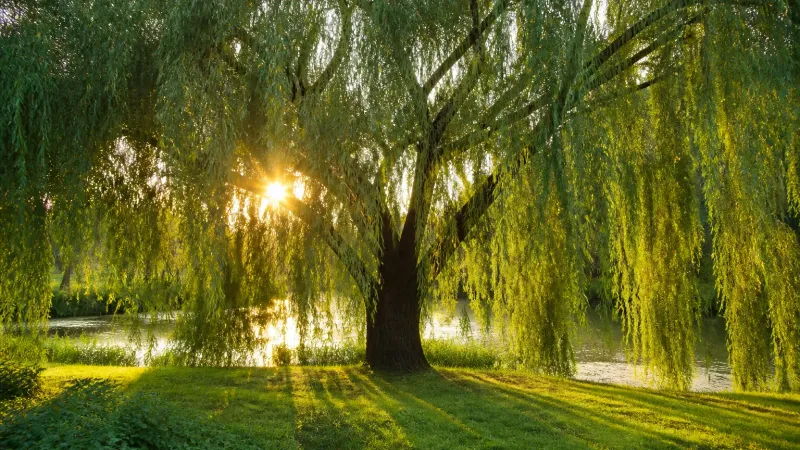
Willow trees love wet feet, and that soggy lifestyle follows them right into your firewood pile. Black willow, Salix nigra, grows along streams and ponds, soaking up water like a sponge with leaves.
Freshly cut willow can hold an enormous amount of moisture, which makes seasoning slow and frustrating. Even fully dried, it offers only around 17 million BTUs per cord, among the lowest for hardwoods.
Don’t laugh, but I once tried to warm a cabin using willow split from a fallen backyard tree. The fire smoldered and sputtered, giving off more smoke than heat until I found some oak.
Willow burns fast once dry, leaving little in the way of coals, so you’ll reload constantly. The light, stringy wood can also be surprisingly tricky to split, especially when the rounds are still wet.
Weeping willows planted in yards often drop large limbs during storms, providing piles of tempting free wood. Use those branches for brush piles instead, which give rabbits and songbirds shelter through the colder months.
If you do burn willow, split it small and season it at least a full year under cover. Pair it with dense hardwoods so the stronger logs carry the heat while willow simply helps things along.
Willow does shine elsewhere, since gardeners use its stems to make woven fences and rustic plant supports. Its native relatives also stabilize streambanks with dense roots, which protects soil from washing away downstream.