What You Should And Shouldn’t Do To Citrus Trees Before Winter In Texas
A few hours at 28 degrees can turn sweet backyard fruit into dry, grainy pulp from the inside out. The peel often looks fine afterward, so many growers discover the damage only when they slice one open.
Texas feels endlessly warm, yet San Antonio and El Paso both record freezing nights during many winters. Those chilly surprises often arrive after weeks of sunny weather, catching tender trees with soft growth still showing.
I skipped a few simple steps one December and paid for it with a season of bitter, split fruit. You build your confidence fast once you learn which habits help and which ones quietly cause harm.
University experts across Texas have tested these tricks for decades, and some results honestly surprised me. So which of your favorite cold weather habits are secretly helping, and which deserve a spot in the trash?
Deep Watering Before The Cold Night Arrives
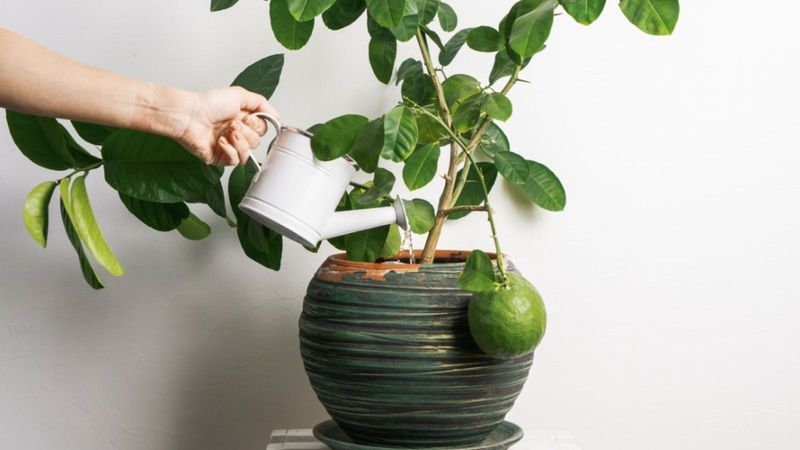
Wet dirt is basically a slow-release heater, and I find that fact delightful every single winter. Moist soil soaks up daytime sunshine far better than dry, dusty ground ever could, which is a big reason Texas growers lean on it.
After sunset, that stored warmth rises gently into the lower branches of your tree. Those few borrowed degrees can mean the difference between glossy leaves and crispy brown ones by morning.
Timing matters more than most people expect, so give the ground a deep drink a day or two early. The soil needs some sunny hours to warm up after watering, which a last-minute soak cannot provide.
A well-hydrated tree also handles stress better than a thirsty one sitting in parched earth. Leaves with plenty of water inside hold up more reliably when the temperature suddenly slides downward overnight, even during a sudden Texas cold snap.
Aim to moisten the whole root zone, which often stretches out past the edge of the canopy. A slow trickle from a hose for an hour or two usually works better than a quick spray.
Skip soggy puddles, though, because citrus roots dislike sitting in soil that stays waterlogged for days. Push a long screwdriver into the ground, and if it slides in easily, you are probably finished.
I like doing this chore on a calm afternoon while checking the forecast on my phone. It feels like tucking the tree into bed early, and honestly, the peace of mind is worth it for any Texas backyard.
Frost Cloth Should Reach All The Way To The Ground
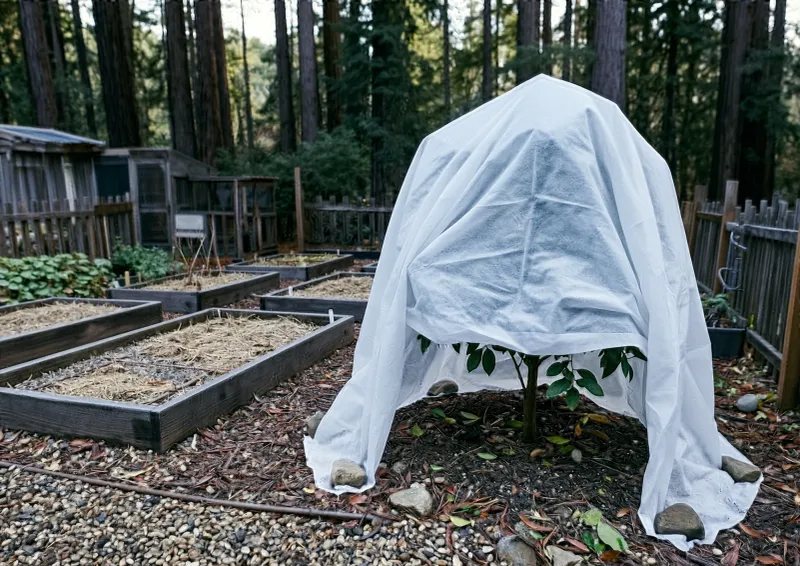
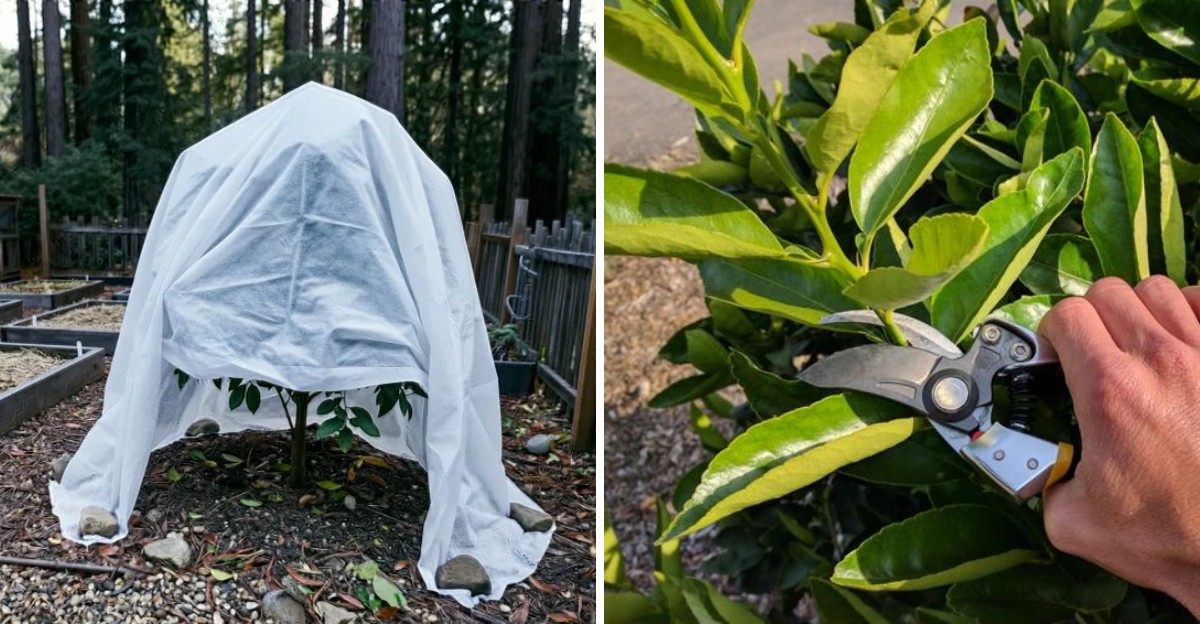
Most of the warmth protecting your tree on a freezing night actually comes from the ground below. A cover works like a tent, holding that rising heat close to the leaves until sunrise returns.
Frost cloth, old bedsheets, or burlap all do the job far better than nothing at all. I keep a stack of thrift store sheets in the garage, and they have saved my lemons twice.
Here is the secret many people miss, and it changed my results almost overnight. The fabric must reach the soil, because a cover tied around the trunk lets ground heat escape from below.
Weigh down the edges with bricks, rocks, or sandbags so wind cannot lift them during the night. A gusty breeze can peel back a loose cover and undo your hard work within minutes.
Building a simple frame from stakes or PVC pipe keeps the cloth from pressing on the foliage. That small air gap adds insulation and reduces cold spots where fabric would otherwise touch the leaves.
Remove the cover once the morning warms above freezing, because trapped heat builds up quickly in sunshine. Leaving it on for days can also block light and invite moisture problems inside the canopy.
Young trees benefit most from covering, since their smaller canopies hold very little warmth on their own. Mature trees often handle a light frost better, but a hard freeze still deserves a sheet.
Warm Incandescent Christmas Lights Belong Under The Cover
Grandma’s old holiday lights might be the most useful thing hiding in your attic right now. Those chunky bulbs give off real warmth, and citrus trees happily accept every bit of it.
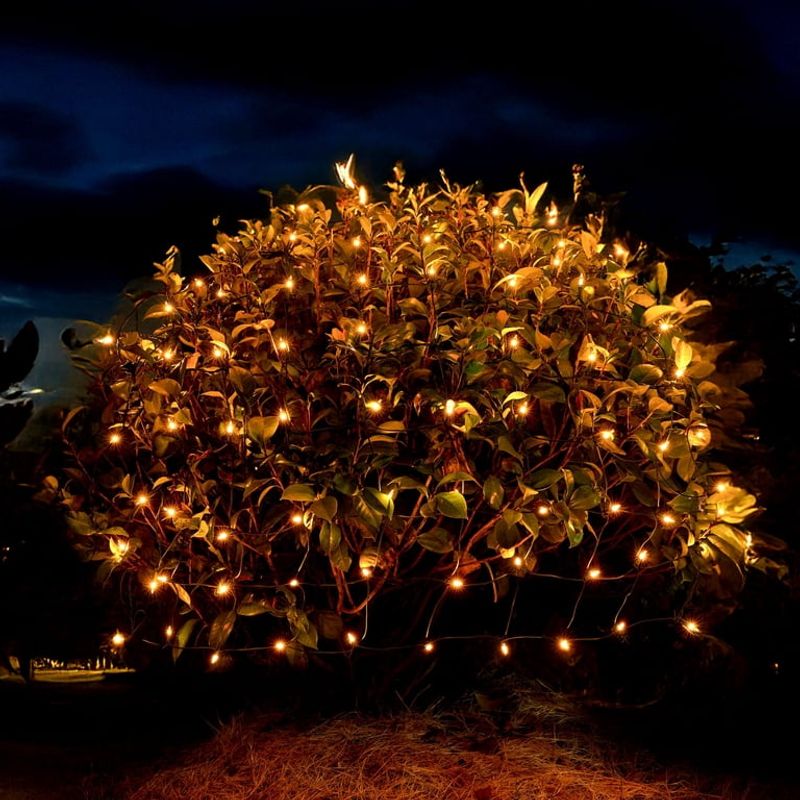
Strung loosely through the branches under a cover, older incandescent strands can raise the temperature several degrees. Extension services in warm states suggest this trick for nights when covers alone may not be enough.
Modern LED strands look festive, but they produce very little heat and offer almost no freeze protection. I learned that lesson the hard way, staring at a twinkling tree with frosty leaves at dawn.
Larger C7 or C9 bulbs tend to give off more warmth than the tiny mini lights. Wrap some strands around the trunk as well, since that lower wood deserves extra attention on cold nights.
Safety comes first, so choose lights and extension cords rated for outdoor use. Keep bulbs from resting directly against fabric, and plug everything into an outlet protected by a ground fault interrupter.
A single outdoor-rated work light placed under the cover can also help small trees through a tough night. Position it upright and away from leaves, then check it before heading to bed.
Turn everything off once the morning warms up, along with pulling back the cover. Your tree gets sunlight again, and you get a nice little glow of pride for planning ahead.
Young Citrus Trunks Need Wrapping Before Cold Weather
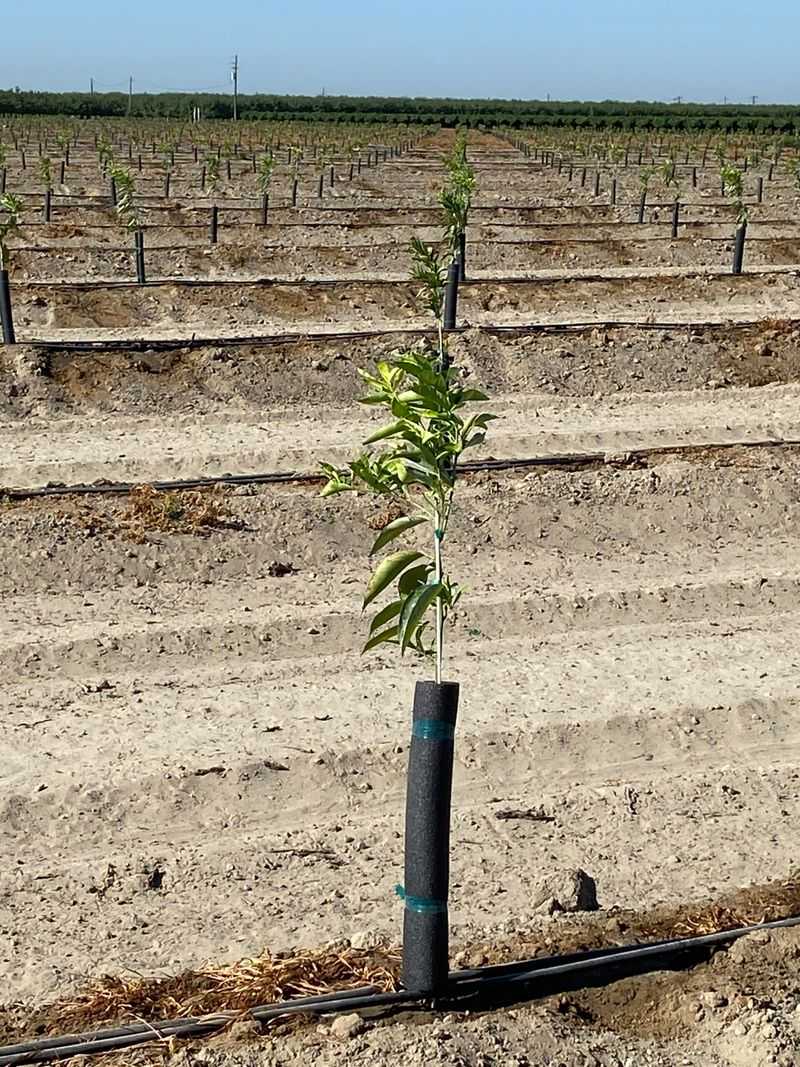
Somewhere near the base of your young tree sits a small scar called the graft union. That bumpy spot joins the fruiting variety to the rootstock, and protecting it keeps your tree true to type.
If cold damages the trunk above that line, any regrowth may come from the rootstock instead. Those shoots often produce sour, seedy fruit that tastes nothing like the variety you originally bought.
Wrapping the trunk from the soil up to the first branches gives that vulnerable area a cozy layer. Foam pipe insulation, corrugated cardboard, or commercial tree wraps all work well for this simple job.
I find this task oddly satisfying, kind of like dressing a toddler in a winter coat. It takes about five minutes per tree, and the payoff can last for many years of harvests.
Trees younger than about three or four years benefit most, since their thin bark offers little insulation. Older trees develop thicker trunks and fuller canopies, which help shelter the lower wood on chilly nights.
Check under the wrap now and then for ants, moisture, or hiding insects that enjoy sheltered spaces. Remove it in spring once freezing nights pass, so the bark can breathe and dry properly.
A loose mound of clean soil around the lower trunk offers another option for very small trees. Pull that soil away once warm weather returns, so moisture does not sit against the bark.
Plastic Tarps Should Never Touch Citrus Leaves
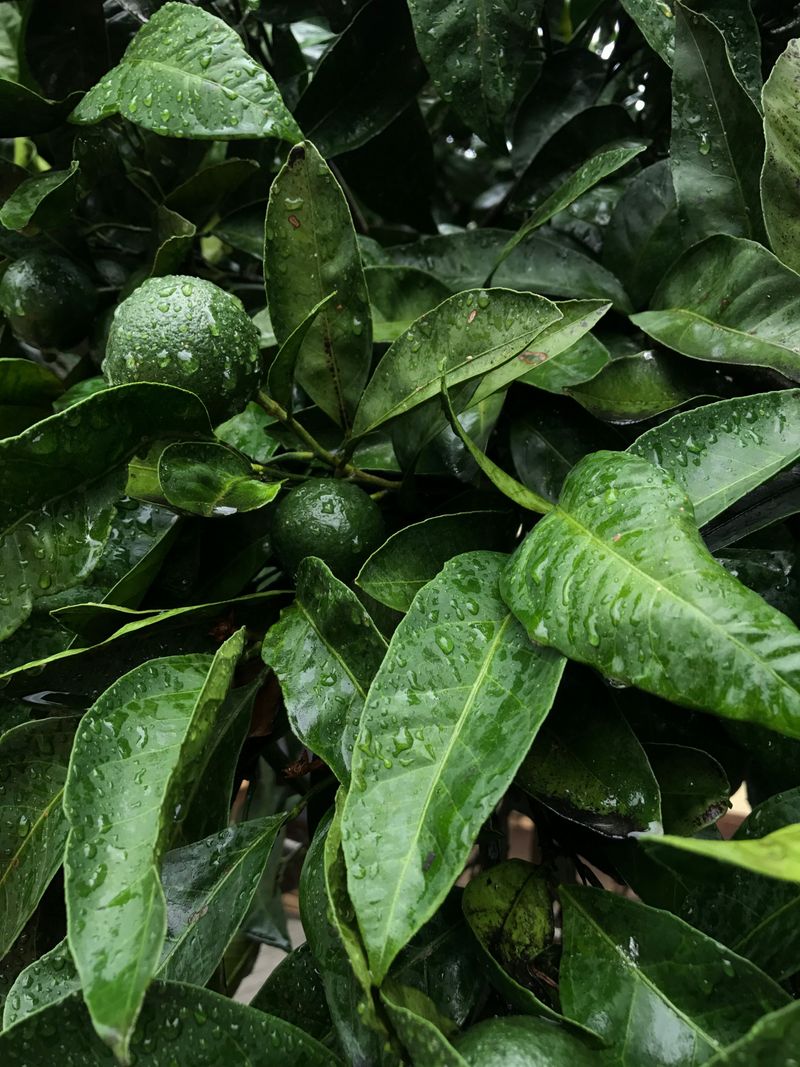
Plastic sheeting feels like the obvious choice when a freeze warning pops up at dinnertime, especially for Texas homeowners scrambling before dark. Sadly, that crinkly tarp can cause more harm than good when it sits right on the foliage.
Plastic transfers cold to any leaf it touches, so every leaf in contact with it may freeze where the two meet. You often notice the damage days later as patchy brown spots matching exactly where the tarp rested.
Moisture also gets trapped beneath plastic, which can encourage ice and mold inside the canopy. I once lifted a tarp after a frosty week and found soggy leaves that smelled like a damp basement.
Morning sunshine creates another problem, because plastic heats up fast once light strikes it. Temperatures underneath can climb high enough to scorch tender leaves before you even finish your coffee.
Breathable fabric makes a much friendlier choice for your tree on chilly nights. Frost cloth, burlap, and cotton sheets let moisture escape while still holding plenty of warmth around the branches, which is why many Texas nurseries recommend them.
If plastic is the only thing available, place a fabric layer underneath it first. Better yet, build a simple frame so the plastic never touches a single leaf or twig.
Either way, remove any cover as soon as the morning temperature rises above freezing. Your tree needs sunlight and fresh air during the day, even in the middle of a chilly Texas week.
Fall Pruning Leaves Citrus Branches Vulnerable To Winter Cold
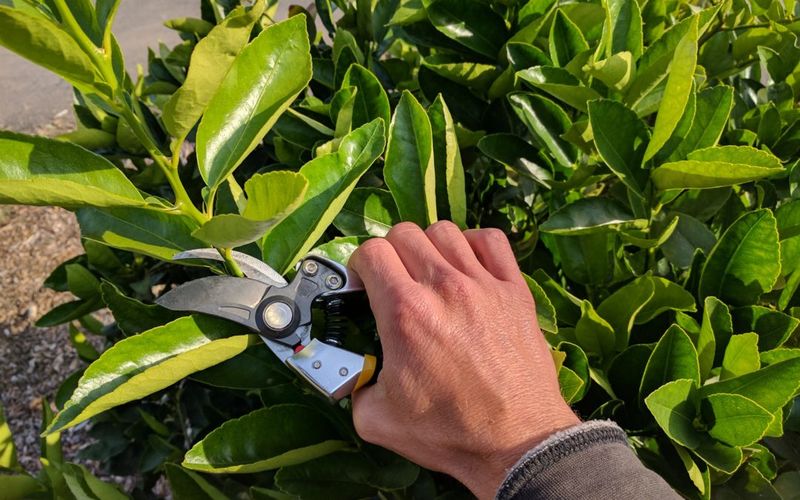
Those shaggy branches you want to tidy up are actually working as a warm winter jacket. A full canopy shelters the inner wood and fruit from cold air on frosty nights.
Pruning in fall often sends trees a confusing signal to start growing again. The fresh shoots that follow are soft and tender, and they rarely have time to toughen before freezing weather.
I used to trim my orange tree every November because it looked messy before the holidays. Then a single cold snap browned every new shoot, and my neighbors politely pretended not to notice.
Citrus trees generally need far less pruning than most fruit trees anyway. Many experts suggest light shaping only, mainly to remove crossing limbs, suckers, or branches dragging on the ground.
Save any bigger trimming jobs for spring, after the danger of frost has passed in your area. In many parts of Texas, that often means waiting until late winter or early spring.
Rootstock suckers below the graft union are one exception, since you can snip them off anytime. Those thorny, vigorous shoots steal energy and rarely produce fruit worth eating, so remove them freely.
Leaving low branches in place also helps, because fruit hanging inside the canopy stays a bit warmer. Think of patience here as free insurance, costing nothing except a little restraint with the shears.
Late-Season Feeding Puts Citrus Trees At Risk
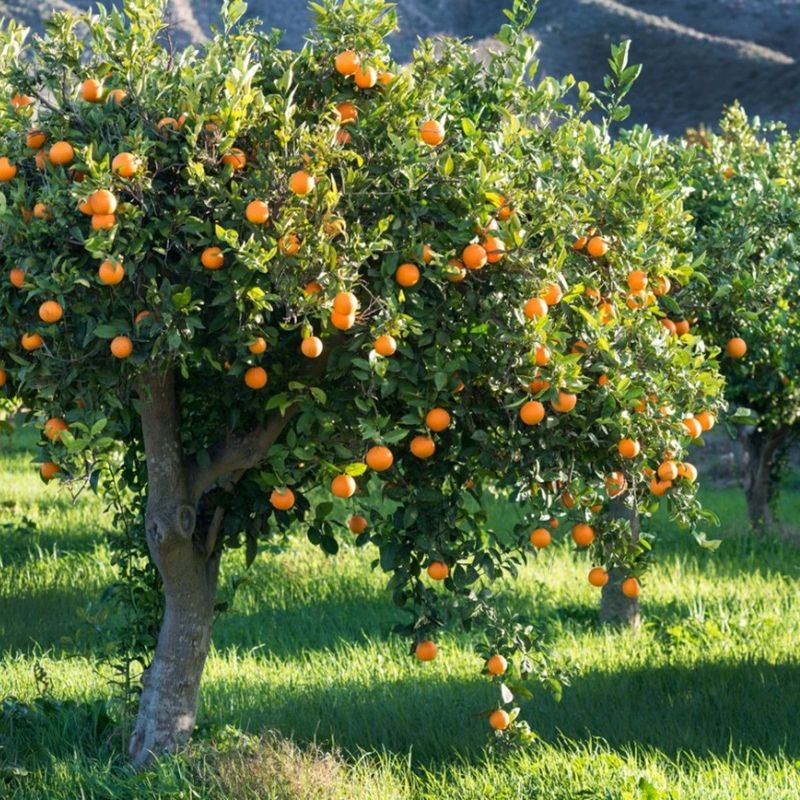
Fertilizer in autumn works a bit like serving a sugary snack right before bedtime. Your tree gets a burst of energy at exactly the moment it should be slowing down.
Nitrogen encourages leafy growth, and that soft new foliage struggles when cold weather arrives. Mature, darker leaves handle chilly nights much better than bright green shoots that just appeared last week.
University extension guides generally schedule citrus feeding from late winter through summer. University extension experts typically suggest wrapping up the final application by late summer or early fall at the latest.
I mark my last feeding date on the calendar each year, right next to my birthday reminder. Somehow that silly pairing helps me remember, and my trees head into winter calm and sturdy.
Overfeeding can cause other trouble too, including weaker fruit quality and extra growth that attracts pests. Citrus are hungry plants, yet timing matters just as much as the amount you give them.
Yellowing leaves in late fall may tempt you to grab the bag, but resist for now. Cool soil slows nutrient uptake, so those leaves often green up again once spring warmth returns.
Resume feeding when days lengthen and the tree begins pushing new growth again. Follow the label rates, water it in well, and enjoy watching the canopy wake up for a fresh season.
Frost-Damaged Citrus Branches Deserve Patience Before Cutting
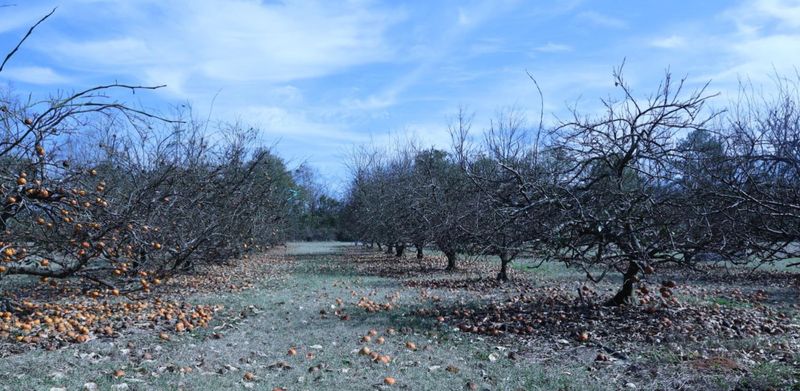
Crunchy brown leaves the morning after a freeze can make any gardener want to grab the loppers immediately. Hold that thought, because your tree may be tougher than it looks right now.
Leaves often brown and drop while the branches underneath stay alive and ready to sprout again. Guessing which wood survived is surprisingly tricky during the weeks right after a cold snap.
Damaged foliage also offers some shelter for the healthy wood beneath it if another freeze arrives. Cutting too early may expose tender tissue to the next chilly night and cause extra harm.
Extension experts generally recommend waiting until spring growth appears before doing any serious pruning. In many areas, that means late spring, when fresh shoots clearly show which branches recovered.
I once waited until May, half expecting the worst, and felt shocked by the green buds everywhere. Branches I nearly removed in January ended up carrying blossoms and a respectable crop that fall.
Once new growth emerges, scratch suspicious twigs with a fingernail to look for green tissue underneath. Brown, brittle wood with no sprouts can come off, cutting back to a healthy branch or bud.
Fruit damaged by frost should be picked and used quickly, since it often dries out within weeks. A little patience with the branches, though, usually rewards you with a fuller, healthier tree by summer.